The July Lawn Mistake Florida Homeowners Make Every Single Summer
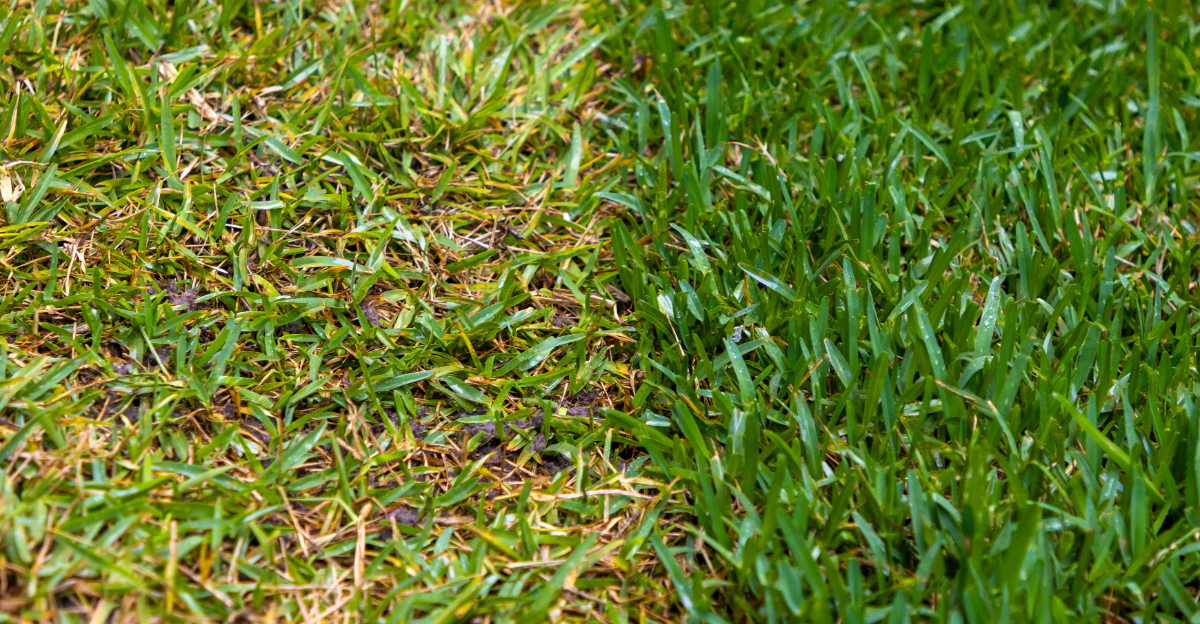
Florida lawns in July are already working hard just to stay green. The heat is serious, the rainy season is unpredictable, and the margin for error in lawn care shrinks considerably once midsummer arrives.
Most homeowners respond by doing more, more water, more fertilizer, more intervention, and that instinct is exactly where things go wrong. One specific mistake shows up in Florida yards every July with a consistency that lawn care professionals recognize immediately.
It is not dramatic and it does not look like a mistake in the moment. It looks like responsible lawn maintenance.
The damage it causes builds over weeks rather than days, which is part of why the connection between the habit and the consequences is so easy to miss. By the time the lawn shows what happened, July is over and fixing it takes the rest of summer.
This mistake is worth knowing before the next mowing day arrives.
1. Stop Watering On Autopilot In July
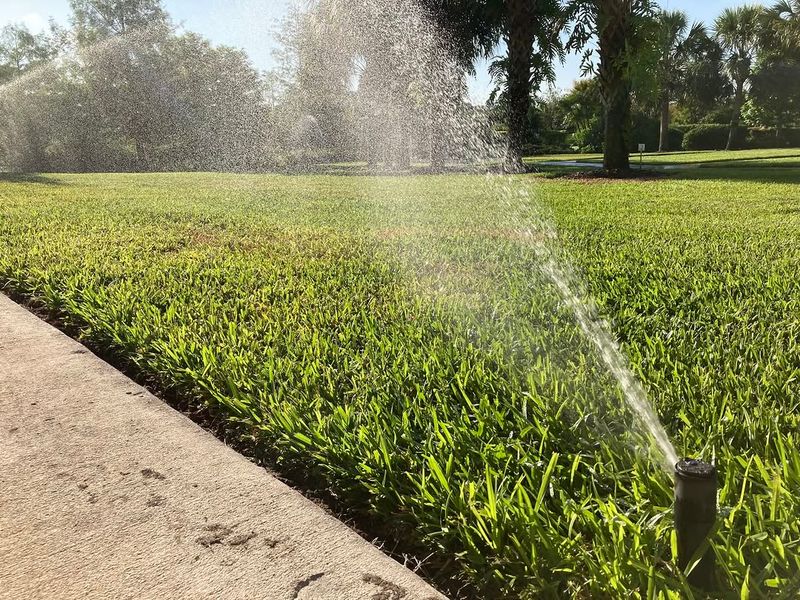
Picture this: it rained three inches yesterday afternoon, and your sprinkler system still kicked on at 5 a.m. because that is what it does every Tuesday and Friday.
Millions of homeowners across warm-season turf yards do exactly that every July without realizing the damage it causes.
Running sprinklers on a fixed schedule, regardless of recent rainfall or current soil moisture, is the single biggest July lawn mistake made in Florida.
Overwatering does not just waste water. It weakens root systems by keeping soil constantly saturated, which pushes roots toward the surface instead of growing deeper.
Shallow roots make grass far less able to handle summer heat. Soggy soil also creates ideal conditions for fungal disease, increased weed pressure, and runoff that carries nutrients off your yard before the grass can use them.
A lawn that looks stressed in July is not always thirsty. Heat, disease, poor drainage, and waterlogged soil can all make grass look rough.
Checking what is actually going on before reaching for the irrigation timer is always the smarter move. Watering on autopilot is not dedication; it is guesswork with real consequences for your turf.
2. Look For Lawn Stress Before Running Sprinklers
Your lawn gives clear signals when it actually needs water. The challenge is knowing what to look for before automatically turning on the sprinklers.
According to UF/IFAS turfgrass guidance, three reliable stress indicators for warm-season grasses are folded or rolled leaf blades, a bluish-gray cast across the turf, and lingering footprints.
Those footprints stay visible instead of bouncing back within a few minutes.
Walk your yard before you water. Check the sunniest spots first, since those areas tend to show stress earlier than shaded sections.
Shaded areas often hold moisture longer and may not need water at the same time as open, sun-drenched patches. Different grass types and different soil compositions across your yard can also mean that one area shows stress while another stays perfectly fine.
Checking soil moisture manually is another easy step. Push a screwdriver or a small probe about six inches into the ground.
Your Florida Garden Changes Every Week. Your Plan Should Too.
Gardening in Florida changes quickly throughout the season. Every Friday you’ll receive a simple weekly plan showing exactly what to plant, prune, fertilize, harvest, and protect so you never miss the right timing.
If it slides in easily and the soil feels moist, the lawn does not need irrigation yet. If it resists and the soil feels dry and compacted, that is a real signal to water.
Trusting your eyes and hands beats trusting a timer every single time.
3. Let Summer Rain Change Your Schedule
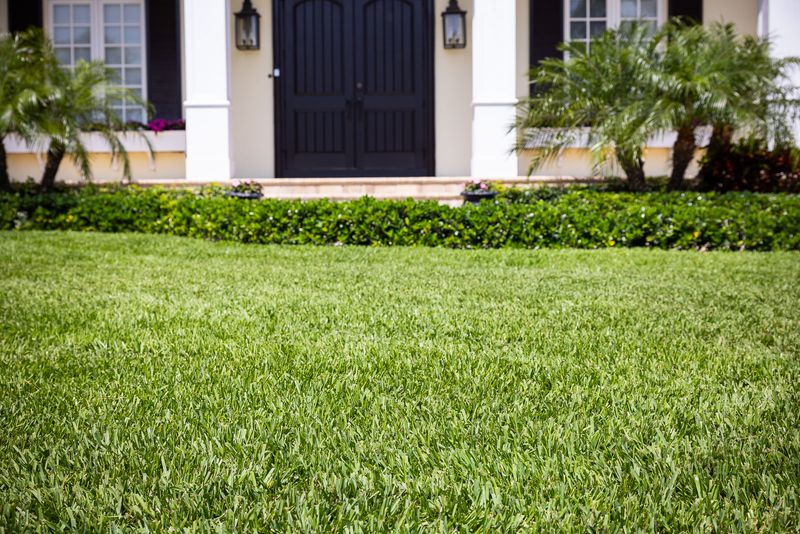
Afternoon thunderstorms are practically a daily event across much of Florida in July. Some neighborhoods receive an inch or more of rain in a single storm, and the soil can stay saturated for a day or longer after a heavy downpour.
Running sprinklers the next morning as if that rain never happened is a fast way to keep the root zone waterlogged and set up conditions for disease and shallow growth.
Sprinkler systems should be adjusted or paused whenever rainfall has already supplied what the lawn needs. Rain sensors and smart irrigation controllers can automate this adjustment, but you do not need expensive technology to make smarter choices.
Checking a basic rain gauge, observing how quickly your yard drains, and simply looking at the turf before watering are all effective and free habits.
Local watering restrictions also play a role here. Most water management districts across the state set specific rules about watering days and hours, and those rules exist for good reason.
Following them is not just required by law in many areas; it also helps prevent the kind of overwatering that quietly weakens lawns all July long. Adjust your schedule when the sky does the work for you.
4. Water Deeply Instead Of Lightly Every Day
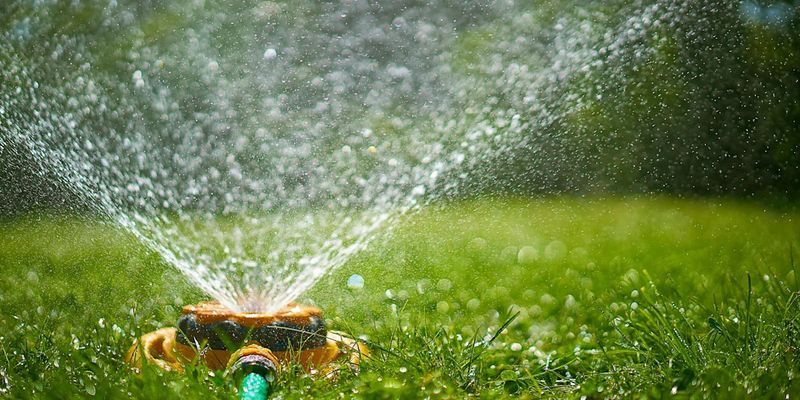
Light daily sprinkling feels like attentive lawn care, but it actually works against the grass in the long run. When only the top inch or two of soil gets wet each time, grass roots have no reason to grow deeper.
They cluster near the surface chasing that shallow moisture. That makes them far more vulnerable to heat stress, drought, and disease pressure during the toughest weeks of summer.
Deep, infrequent irrigation encourages roots to follow moisture down into the soil profile, which builds stronger and more resilient turf.
UF/IFAS irrigation guidance suggests applying roughly one-half to three-quarters of an inch per irrigation event for warm-season grasses.
That applies when the lawn is actually showing stress signs. That amount is enough to wet the root zone without causing runoff or puddling across the surface.
A simple way to check your sprinkler output is to place a few straight-sided containers, like empty tuna cans, across the yard while the system runs. Measure how much water collects in about fifteen minutes and adjust your run time from there.
Checking for runoff is just as important. If water is sheeting off the lawn before soaking in, the soil may already be saturated or the application rate is too fast for your soil type.
5. Run Sprinklers Before Sunrise
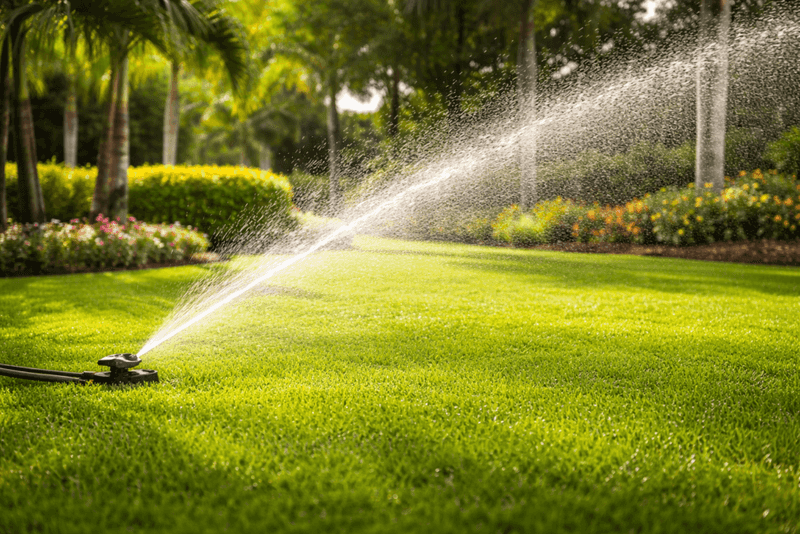
Early morning watering is consistently recommended by turfgrass experts across the Sunshine State, and the reason is straightforward. Watering just before sunrise gives moisture time to soak into the root zone while temperatures are still cool.
Evaporation loss is at its lowest in those early hours, which means more of the water you apply actually reaches the grass roots instead of disappearing into the air.
Midday irrigation is one of the least efficient choices a homeowner can make in July. High temperatures and direct sun cause significant evaporation before water reaches the root zone.
Late afternoon or evening watering creates a different problem. It leaves leaf blades wet for hours overnight, which encourages fungal disease in warm, humid conditions.
Most local watering restrictions in Florida already limit irrigation to specific hours, and many of those windows align with early morning for good reason.
Check your county or water management district rules to confirm what hours and days apply to your address.
Following those rules keeps you in compliance and also happens to be the most effective time to water. Setting your timer to finish before 10 a.m. is a practical starting point for most homeowners.
6. Avoid Feeding Grass Before Heavy Rain
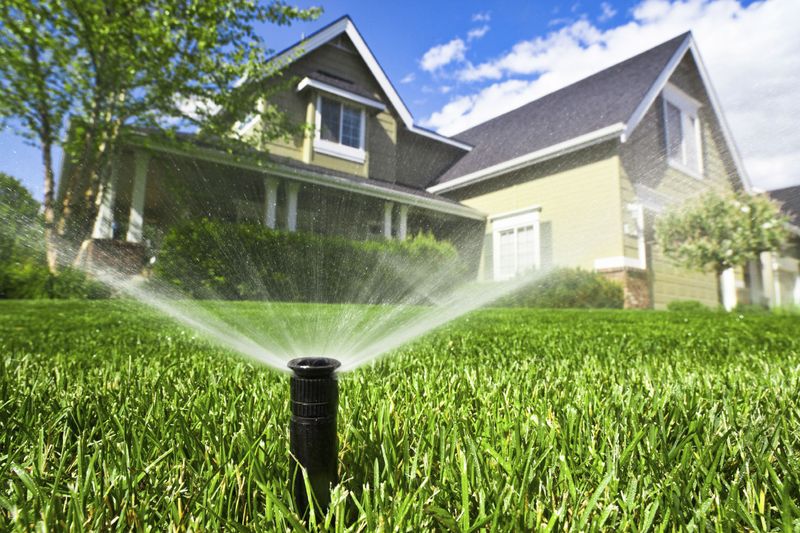
Fertilizer timing is easy to overlook in July, but getting it wrong adds another layer of stress on top of the watering mistake.
Applying fertilizer right before a heavy afternoon storm means nutrients wash off the lawn surface before the grass has any chance to absorb them.
That runoff carries nitrogen and other nutrients into storm drains, local waterways, and neighboring yards, which is both wasteful and harmful to local water quality.
Overfertilizing during summer can also push rapid, weak growth that increases mowing frequency and thickens thatch. When that fast growth is paired with too much irrigation, the turf becomes soft and more susceptible to pest pressure and disease.
UF/IFAS and most county extension offices recommend following specific fertilizer timing guidelines based on your grass type and your Florida region. Those guidelines may include blackout periods that restrict summer fertilizer use in some areas.
Always read the product label before applying anything to your lawn. Local ordinances in many counties restrict fertilizer use during the rainy season, typically June through September.
Checking with your county extension office gives you accurate, region-specific guidance for your turf type. Timing fertilizer applications for a dry stretch of weather helps nutrients stay where the grass can actually use them.
7. Watch For Disease After Too Much Water
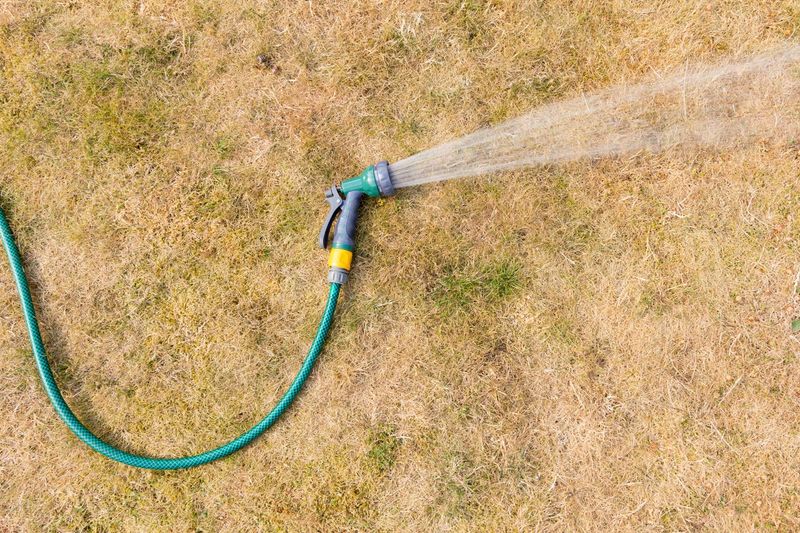
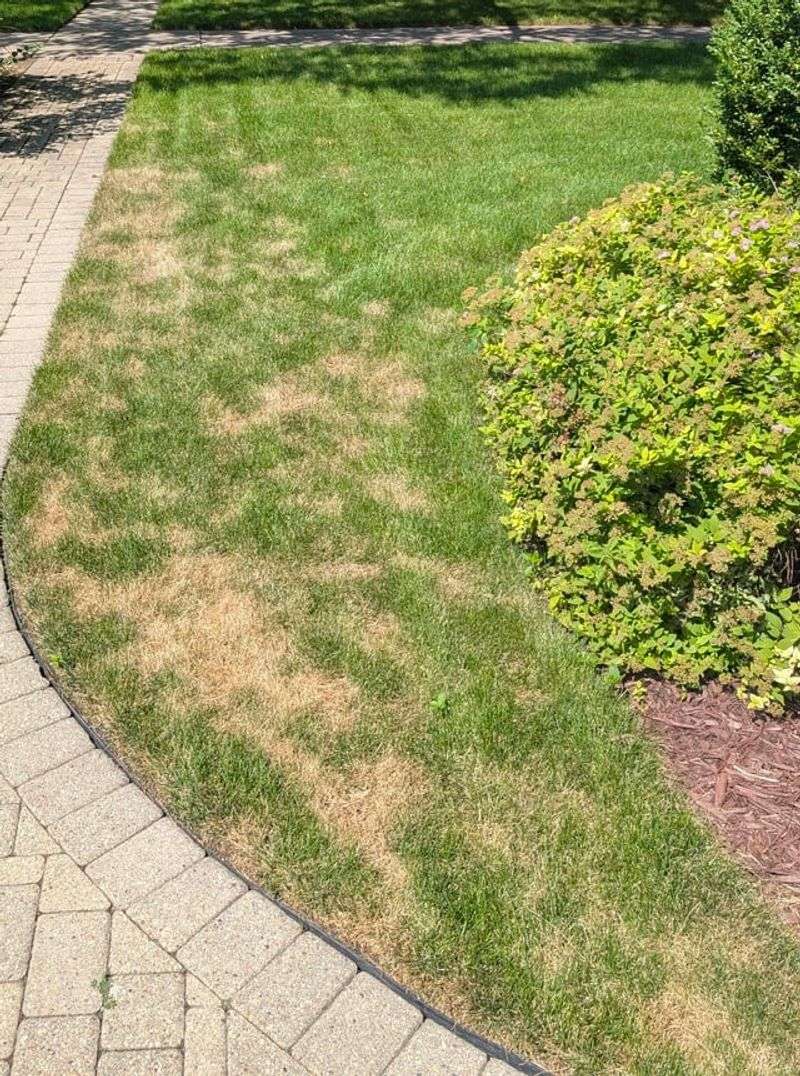
Brown patches and thinning turf in July do not always mean the lawn is thirsty. One of the most frustrating traps homeowners fall into is adding more water when the grass starts looking bad, only to make the actual problem worse.
Excessive moisture creates exactly the kind of environment where fungal issues thrive. That includes warm temperatures, poor air movement, saturated soil, and leaf blades that stay wet for hours at a time.
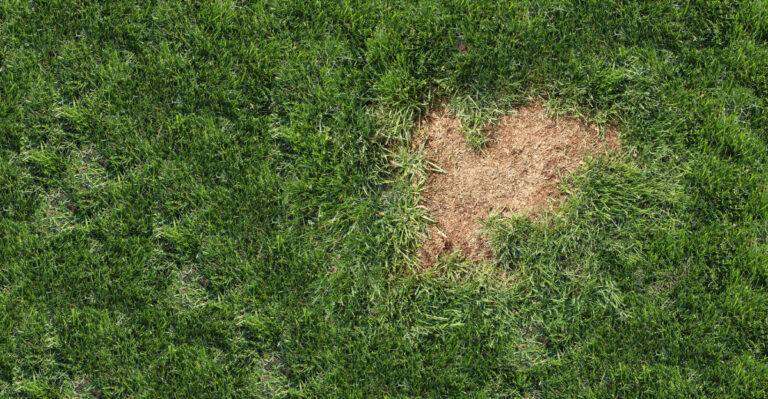
Lawn disease in warm-season turf often appears as irregular patches that do not improve with irrigation. The affected areas may look sunken, matted, or discolored in ways that do not match typical drought stress.
Surrounding soil may feel soggy even when the rest of the yard seems fine. Noticing the pattern of decline is one of the most useful tools a homeowner has for figuring out what is actually going on.
Before adding water or applying any product, inspect the affected area closely. Check soil moisture, review your irrigation schedule, and consider how much rain fell in the past week.
If the problem spreads or does not respond to reduced irrigation, reaching out to your local county extension office is the most reliable next step. Trained agents can help identify the issue and recommend appropriate action for your specific turf type and region.
8. Build Stronger Roots With Smarter Habits
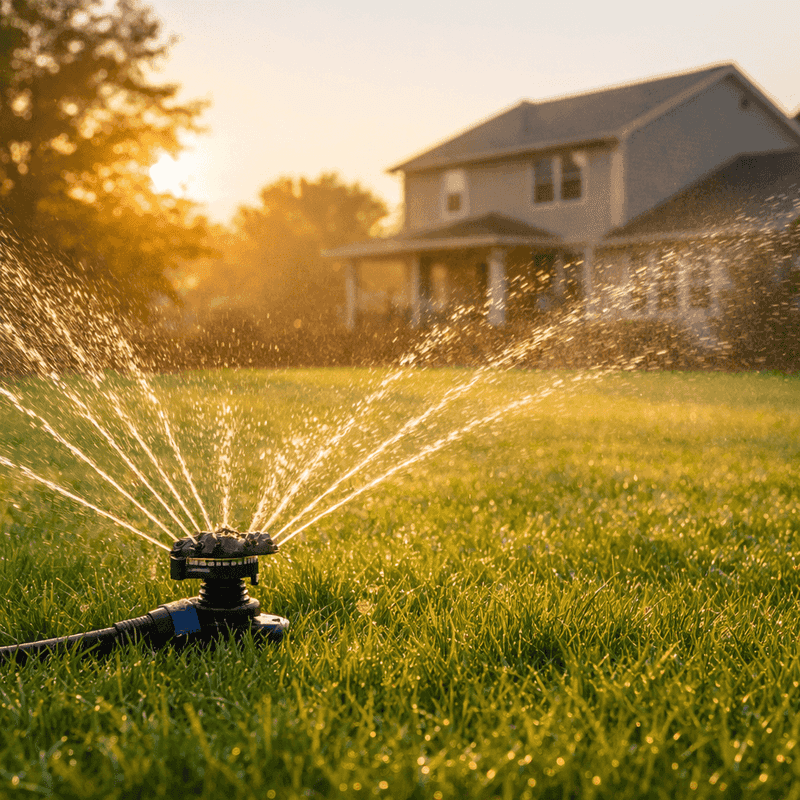
Recovering from a rough July lawn does not require a complicated plan or expensive products. Most of the improvement comes from swapping one habit for a smarter one.
Watering only when the lawn shows real stress signals, rather than sticking to a rigid timer schedule, is the single most impactful change most homeowners can make.
Giving roots a reason to grow deeper builds turf that handles summer heat far better than grass that has been kept constantly wet near the surface.
Mowing height and blade sharpness also matter more than many homeowners realize. Cutting warm-season grass too short in summer stresses the turf and reduces its ability to recover from heat.
Keeping mower blades sharp prevents tearing, which creates entry points for pathogens and slows recovery. Most warm-season grasses do best when mowed at the higher end of their recommended range during the hottest months.
Correcting sprinkler coverage and checking for areas that receive too much or too little water are important steps. Following local extension guidance for your specific grass type rounds out a solid summer lawn routine.
A rain gauge in the yard gives you real data instead of guesses. Trust what the lawn shows you, respect what the sky delivers, and let smarter habits replace the autopilot schedule that causes trouble every July.