Why The Best Garlic Varieties Always Sell Out Before Fall Arrives In Tennessee
Ask any seasoned grower in Tennessee what August feels like, and they’ll tell you it’s a countdown.
Not to fall, not to harvest, but to the moment the good seed garlic quietly disappears from every reputable listing.
One week you’re browsing a dozen hardneck varieties, the next you’re refreshing a page that just says “sold out.”
It catches new gardeners off guard every single time, and even veterans miss out if they hesitate too long.
Tennessee’s climate creates a surprisingly tight planting window, and that pressure turns casual shopping into something closer to a race.
Add in a growing community of backyard farmers chasing bold flavor and rot-resistant strains, and small regional suppliers simply run dry.
This isn’t bad luck. It’s a pattern, one that repeats every year for predictable reasons. Once you understand what drives the rush, you can finally plant on your own terms instead of settling for leftovers.
1. Popular Hardneck Varieties Sell Out Fastest Each Season
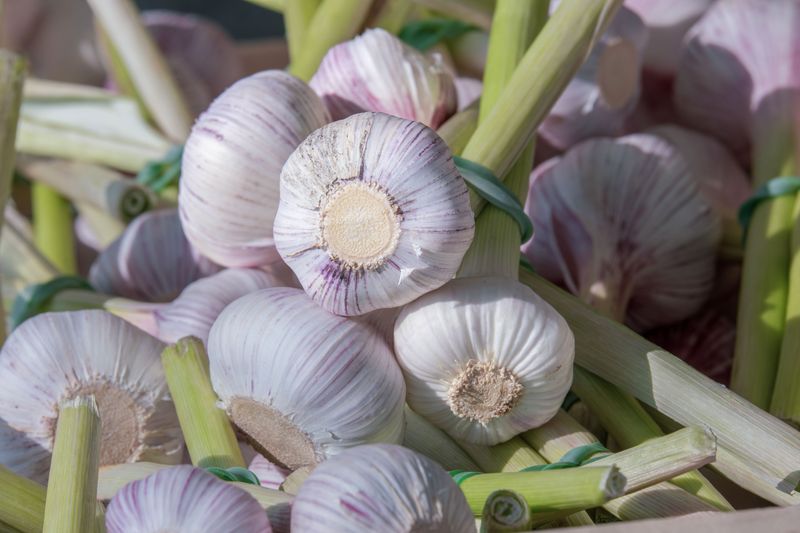
Hardneck garlic has a devoted following, and for good reason. Varieties like Rocambole, Purple Stripe, and Porcelain produce complex, bold flavors that softer types simply cannot match.
Seasoned growers know these bulbs are worth every penny. They snap them up fast, often before casual gardeners even realize the season has started.
Hardneck types also produce scapes, those curly green shoots that make incredible stir-fries and pestos. That double harvest appeal makes them very popular among home cooks and market gardeners alike.
Supply is always the sticking point. Most hardneck garlic comes from small specialty farms that grow limited quantities each year.
Once a farm sells out, there is no emergency restock. The bulbs are gone until the next harvest cycle, which is nearly a full year away.
Rocambole, in particular, disappears almost instantly each summer. It has a rich, earthy flavor and a papery skin that peels off effortlessly, making it a chef favorite.
Purple Stripe varieties are not far behind in popularity. Their striking appearance and strong flavor make them a top pick for both cooking and display.
Porcelain types grow large and store reasonably well, so gardeners love them for practical reasons too. Big bulbs mean more cloves, and more cloves mean a better return on your investment.
If hardneck garlic is on your list, the clock starts ticking in early summer. Waiting until September makes it much harder to find the varieties you want.
2. Early Ordering Improves Your Odds Of Healthy, Disease-Free Bulbs
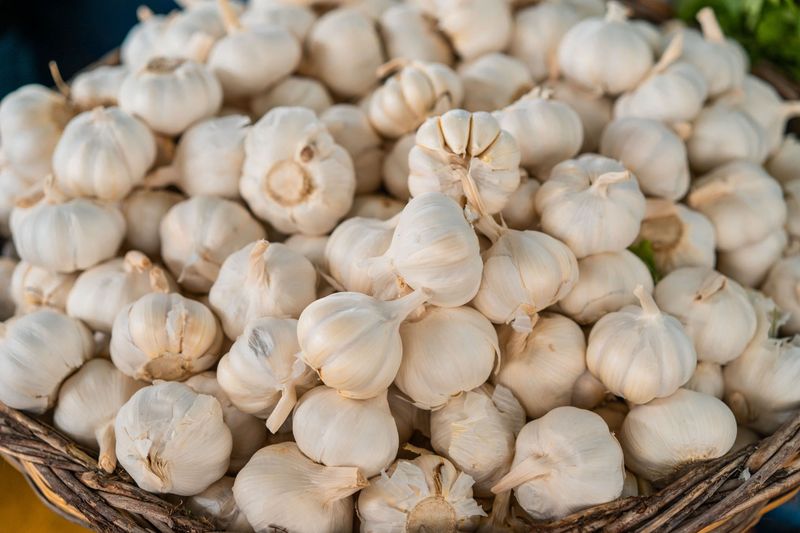
Healthy seed garlic is not just a preference. It is the foundation of your entire harvest. When you order early, you get first pick of bulbs that are firm, clean, and free from mold or rot.
Late orders often get whatever is left, and that usually means compromised quality. Disease-free bulbs matter enormously in the long run.
Planting infected stock can introduce soil-borne pathogens that linger for years and affect future crops.
Reputable growers inspect and certify their seed garlic before it ships. Early buyers benefit from that careful selection process because the best bulbs go first.
Your Illinois Garden Changes Every Week. Your Plan Should Too.
Gardening in Illinois changes quickly throughout the season. Every Friday you’ll receive a simple weekly plan showing exactly what to plant, prune, fertilize, harvest, and protect so you never miss the right timing.
Botrytis, white rot, and fusarium are just a few of the problems that can hitchhike on low-quality stock. Avoiding those issues starts with choosing a reliable source and ordering before inventory thins out.
Think of it like buying produce at a market. The early shoppers get the freshest, most vibrant options. Those who arrive near closing time settle for whatever remains.
Growers also tend to be more communicative with early customers. They answer questions, share planting tips, and sometimes even reserve special varieties for loyal buyers who plan ahead.
A healthy bulb also means stronger, more vigorous plants come spring. Bigger plants produce bigger heads, and bigger heads mean a more satisfying harvest in late June.
Ordering early is one of the simplest ways to set your garden season up for real success. Your future self will absolutely thank you for making that move ahead of the crowd.
3. Tennessee’s Fall Planting Window Starts Mid-October, So Timing Matters
Mid-October sneaks up faster than most people expect. One day it is still warm enough for shorts, and the next week the ground feels completely different underfoot.
Garlic needs to go into the soil at just the right moment. Plant too early and the cloves sprout too aggressively before winter.
Plant too late and they never establish strong enough roots before the ground freezes. Tennessee sits in a sweet spot climatically, but that window is still tighter than many gardeners realize.
The ideal range generally falls somewhere between mid-October and early November, though your exact window depends on elevation and county, so it’s worth checking with your local extension office.
Getting your seed garlic in hand before that window opens is non-negotiable. If you are still waiting on a shipment when October hits, you are already behind schedule.
Timing also affects how well the garlic cures after harvest. Bulbs planted at the right moment tend to mature more evenly and store longer through the winter months.
Many growers ship based on your region’s planting date. If you order late, your shipment might arrive after your ideal planting window has already closed.
Local soil temperatures play a big role too. Garlic thrives when soil is around 50 degrees Fahrenheit at planting time. Hitting that target requires paying attention to your specific microclimate.
The best garlic varieties always sell out before fall arrives in Tennessee partly because smart gardeners respect this tight schedule. They plan months ahead and order accordingly, leaving nothing to last-minute chance.
4. Limited Regional Growers Can’t Restock Once Inventory Runs Low
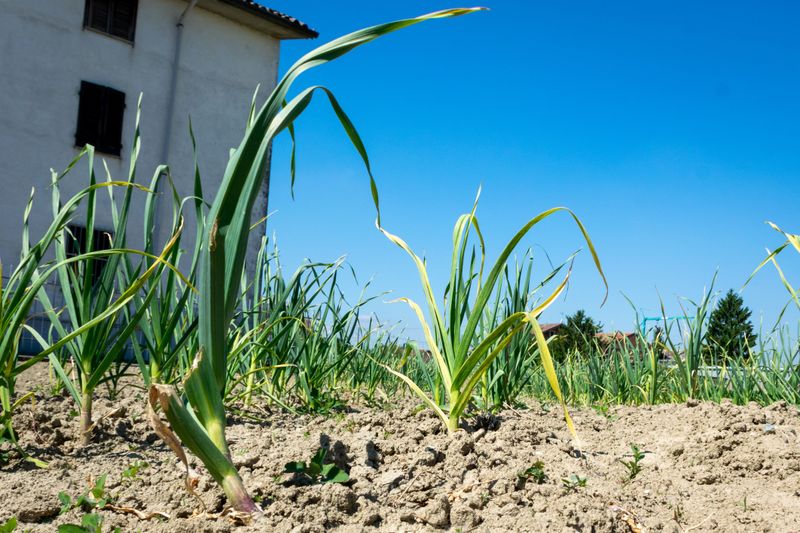
Small farms are the backbone of quality seed garlic supply. They grow with care, select the best stock, and often specialize in varieties suited to specific regions.
But small also means limited. A farm with five acres of garlic can only produce so many bulbs per season. When those bulbs are gone, they are simply gone.
Unlike a hardware store that can call a distributor for more inventory, a garlic farm operates on a one-year production cycle. There is no warehouse of extras sitting in cold storage waiting to be shipped out.
Regional growers in and around Tennessee are especially constrained. The demand from neighboring states like Kentucky, Virginia, and North Carolina pulls on the same small pool of suppliers.
Once a popular variety sells out, the grower has to wait until next summer to even have a shot at restocking. That is a long wait if you missed the window this year.
Some growers post pre-order forms as early as March. The savviest gardeners fill those out immediately, sometimes before they have even planned their beds for the upcoming season.
Supporting local and regional farms also means building relationships that pay off over time. Loyal customers often get early access to new varieties or reserved stock before it goes public.
Shopping small is the right move for quality and community. Just do not expect those small farms to have unlimited supply waiting for you in September when everyone else waited too.
5. Quality Seed Garlic Directly Determines Next Year’s Harvest Size
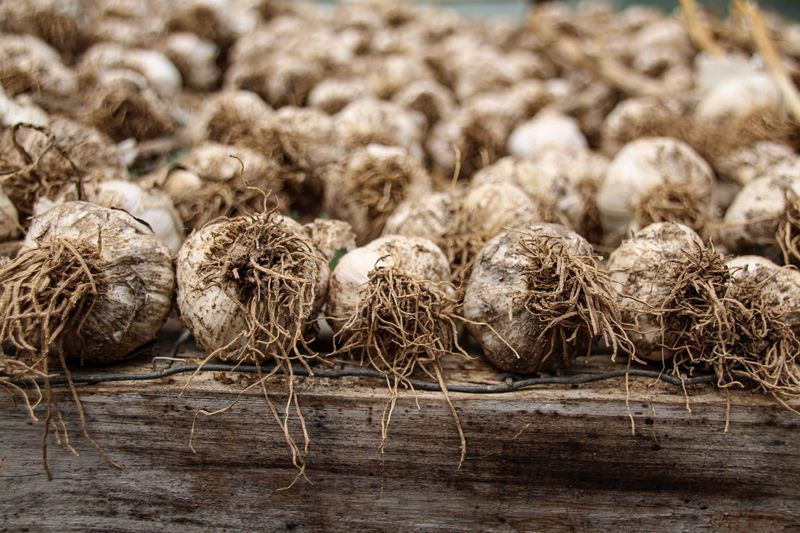
Your harvest next summer is already being decided by the choices you make right now. That is not an exaggeration. It is just how garlic biology works.
Each clove you plant becomes one full bulb. So the size and health of your seed garlic directly controls the size and health of what you pull from the ground in June.
Planting small, weak cloves produces small, weak heads. Planting large, firm, disease-free cloves gives you the best possible shot at an impressive harvest worth bragging about.
Premium seed garlic is graded carefully by reputable sellers. The biggest cloves from the best-performing plants get saved for seed.
That selection process takes years of intentional growing to perfect. Cheap or leftover garlic from a grocery store carries unknown risks.
It may be treated with sprout inhibitors, grown in poor conditions, or infected with pathogens that do not show until it is too late.
Investing in top-quality seed stock pays off in a very tangible way. Gardeners who spend a little more upfront consistently report fuller bulbs, better flavor, and longer storage life after curing.
The math is simple. One high-quality clove produces one excellent bulb. Multiply that by fifty or a hundred cloves, and the difference between good and mediocre seed stock becomes enormous.
Serious growers treat seed selection like a long-term investment. Getting quality stock early is not optional. It is the single most important decision in the entire garlic-growing process.
6. Southern-Adapted Varieties Like Creole And Silverskin Go Quickly
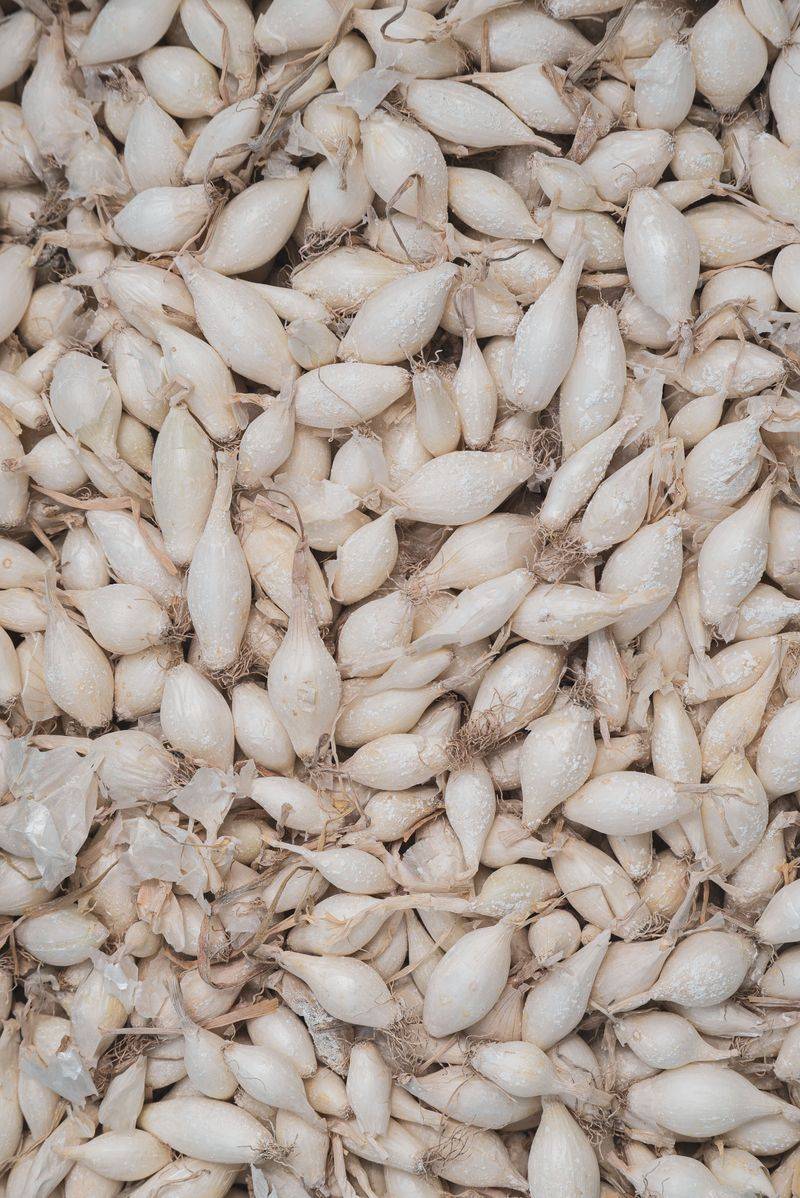
Not every garlic variety thrives in the South. Creole and Silverskin types are the exceptions, and Southern gardeners know it well.
Creole garlic is believed to have been brought to the Gulf Coast generations ago and has adapted well to hot, humid climates.
It stores well for a hot-climate variety and delivers a flavor that is slightly spicy with a smooth finish.
Silverskin is the long-storing champion of the garlic world. Braided bundles of Silverskin hanging in a Southern kitchen are both functional and beautiful, lasting well into the following spring.
Because these varieties are specifically suited to the South’s climate, demand among local gardeners is especially strong. Everyone in the region wants the same bulbs at the same time.
Creole varieties like Ajo Rojo and Burgundy are particularly sought after. Their rosy-purple skins and bold flavor profiles make them favorites at farmers markets and in home kitchens.
Many growers who specialize in Southern-adapted stock report selling out as early as July. By August, even secondary suppliers are running low. September buyers are often left with very limited options.
The limited number of farms that grow Creole garlic at scale makes the supply problem even worse. Most are small operations that simply cannot meet regional demand once word spreads.
If Creole or Silverskin is on your must-grow list, treat ordering like an appointment you can’t miss.
Set a reminder, bookmark your favorite supplier, and get that order in long before the summer heat even starts to fade.
7. Shipping Delays Are Less Likely When Orders Go In Early
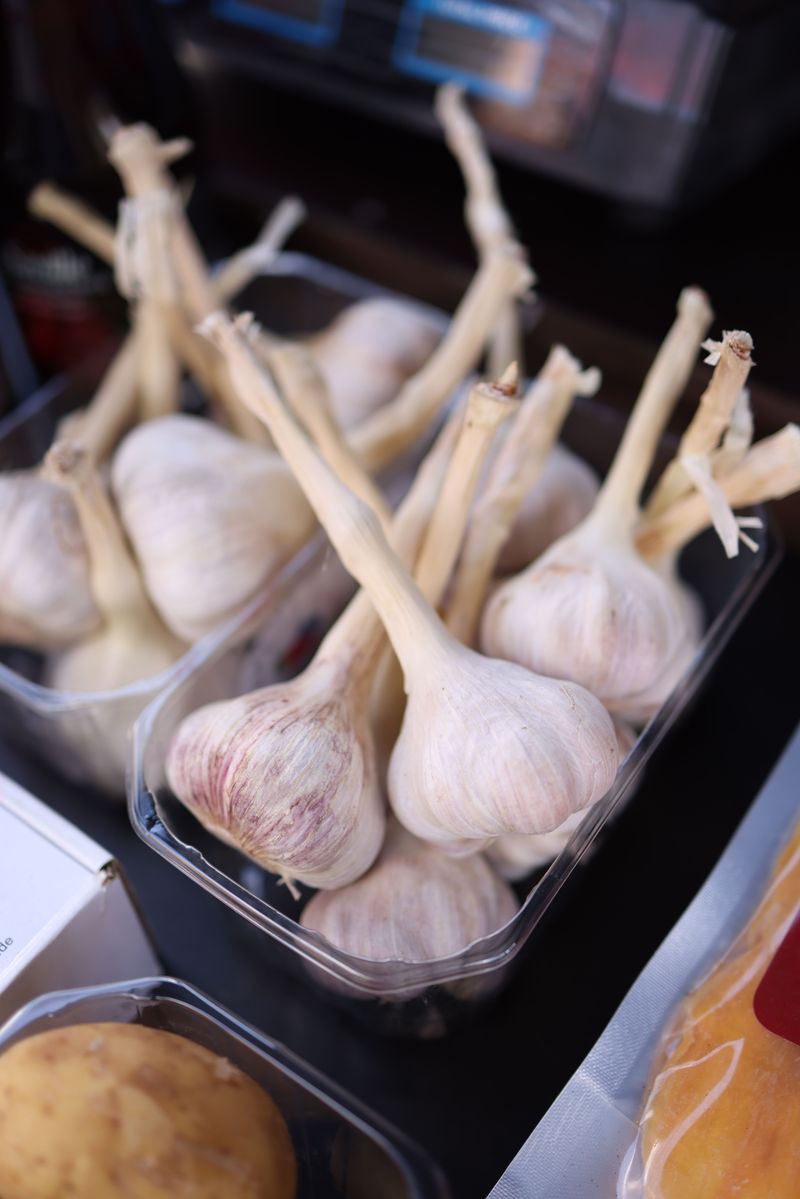
Shipping garlic sounds simple, but the logistics can get complicated fast. Carriers get overwhelmed, weather delays happen, and popular suppliers get slammed with orders all at once.
When many gardeners all order at the same time in late summer, fulfillment slows down significantly. Packages that should take three days end up taking ten, and that matters when your planting window is tight.
Early orders go out during calmer shipping periods. Growers can pack carefully, carriers are not overloaded, and your bulbs arrive in perfect condition with time to spare.
Garlic that sits too long in a hot shipping truck can begin to deteriorate. Mold can start forming, and cloves can lose the firm texture that signals good health and viability.
Ordering in June or July means your garlic arrives well before the October rush. You have time to inspect it, store it properly, and even let it cure a bit more if needed.
Some suppliers offer free or discounted shipping for early orders. That is a financial incentive on top of all the practical reasons to avoid the late-season scramble.
Tracking a package nervously while your planting date approaches is genuinely stressful. Avoiding that stress entirely is as simple as placing your order two or three months earlier than feels necessary.
Think of early ordering as buying yourself peace of mind. Your garlic arrives safe, your beds are ready, and your fall planting season starts exactly the way you planned it would.
8. Serious Gardeners Plan Their Beds Months Ahead Of Frost
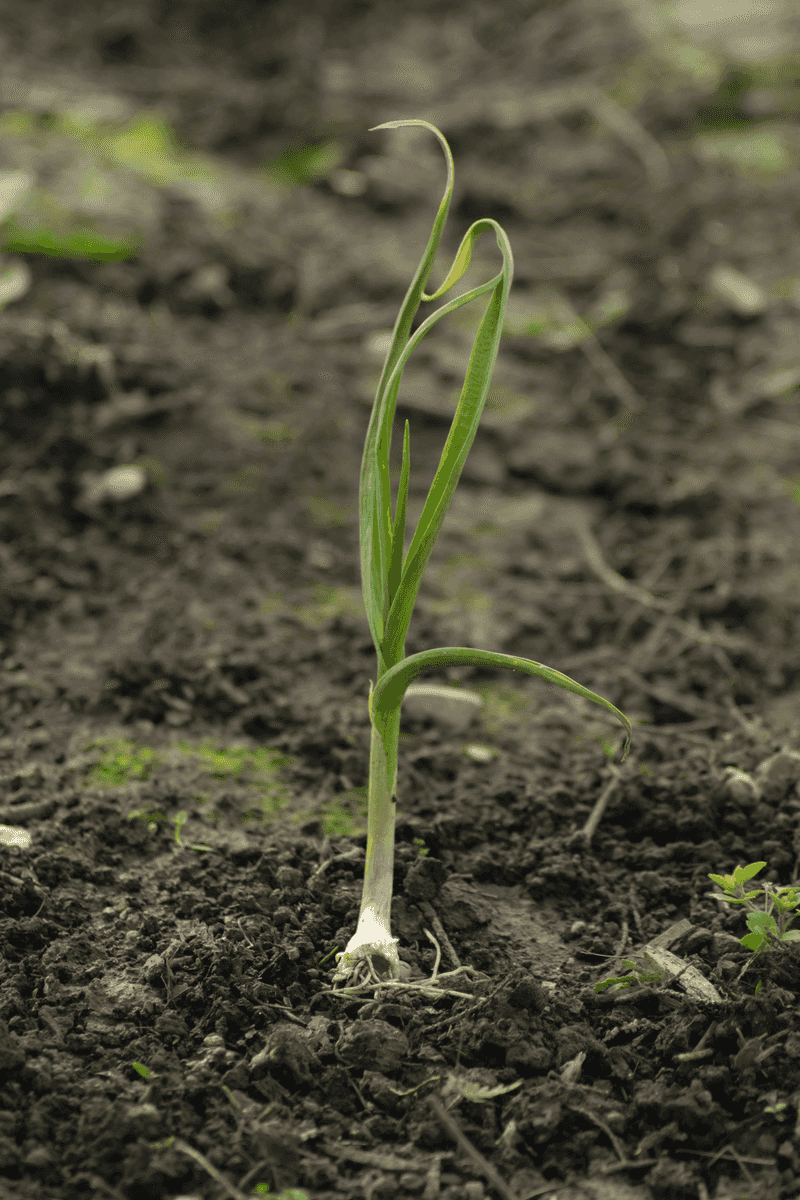
The gardeners who never miss out on great seed garlic all share one habit. They plan early, and they plan with purpose.
By late spring, many experienced growers have already sketched out their fall beds. They know how many cloves they want to plant, which varieties they need, and which suppliers they trust most.
Planning ahead also means amending the soil properly before planting day arrives. Garlic loves loose, well-drained soil rich in organic matter, and building that takes time and intention.
Cover cropping, composting, and pH testing all need to happen weeks before the first clove goes in the ground. None of that prep work can be rushed without consequences.
Serious gardeners also track what worked and what did not from the previous season. They keep notes, adjust variety selections, and refine their approach each year based on real experience.
That kind of thoughtful planning naturally leads to early ordering. Once you know exactly what you need, there is no reason to wait around and risk losing your top choices to faster buyers.
Community garden groups and local seed swaps are another resource that rewards early planners. Members share excess stock, trade rare varieties, and swap growing tips before the general public even starts thinking about fall.
The best garlic varieties always sell out before fall arrives in Tennessee because dedicated growers treat garlic season like a serious commitment.
They start early, stay organized, and never leave their favorite bulbs to chance or procrastination.