7 Vegetables Groundhogs Destroy First In Pennsylvania Gardens
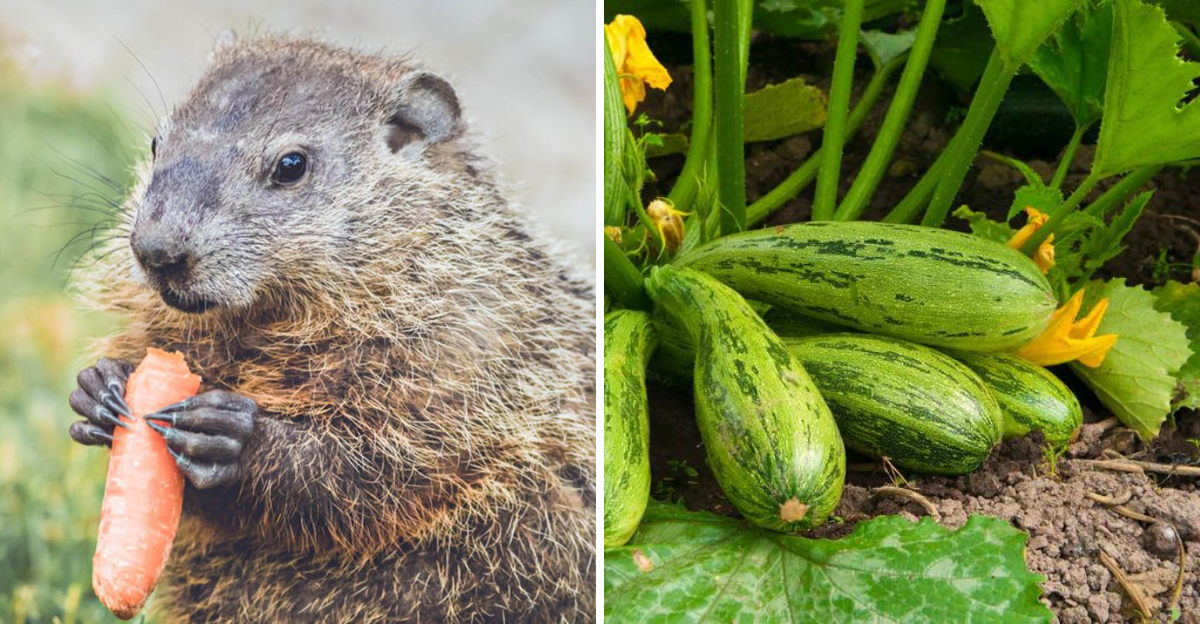
Nothing tests a gardener’s patience quite like waking up to a healthy vegetable patch and finding it chewed down the next day. In Pennsylvania, groundhogs are some of the most frustrating backyard visitors because they do not nibble politely.
Once they find a garden they like, they often head straight for the vegetables they enjoy most and can do serious damage in a very short time.
These chunky plant lovers usually go for tender, leafy, and easy-to-reach crops first. Lettuce, beans, peas, and other soft garden favorites are often at the top of the menu.
Young plants are especially vulnerable, which makes the problem even more annoying when you have just started seeing progress. A groundhog can turn weeks of effort into a disappointing mess almost overnight.
Knowing which vegetables they target first can help you plan smarter and protect your garden before the damage starts. When you understand a groundhog’s favorite picks, you have a much better chance of keeping your harvest safe.
1. Lettuce
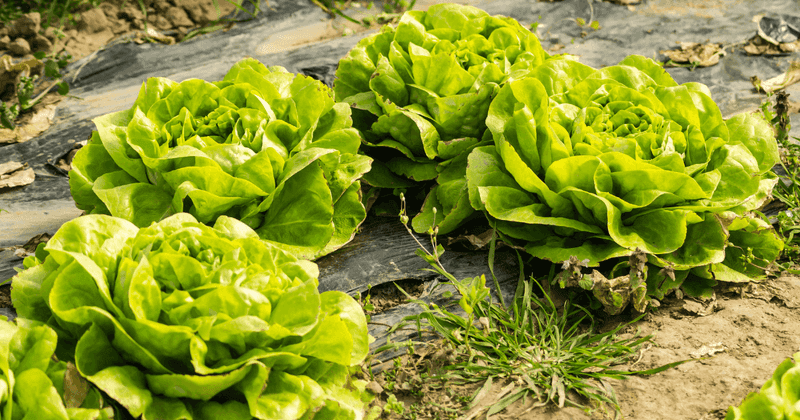
Walk out to your Pennsylvania garden on a cool April morning and you might find your lettuce bed completely stripped overnight. Groundhogs absolutely love tender, leafy greens, and lettuce is almost always the first crop they target when spring arrives.
The soft leaves and high water content make lettuce practically irresistible to these hungry animals.
Seedlings are especially vulnerable because they are so small and easy to eat in just a few bites. A groundhog can wipe out an entire row of young lettuce plants in less than ten minutes.
By the time most Pennsylvania gardeners notice the damage, the plants are already reduced to bare stubs sticking out of the ground.
What makes this even more frustrating is that lettuce is often one of the earliest crops planted in the season.
Gardeners spend weeks starting seeds indoors, carefully transplanting them outside, and then watching the seedlings get devoured almost immediately.
The groundhog does not just nibble either. It tends to eat the whole plant right down to the soil line.
Protecting your lettuce early is the smartest move you can make. A simple wire cage or low fence around your lettuce bed can make a big difference.
You can also try planting herbs like mint or thyme nearby, since groundhogs dislike strong scents. Starting your lettuce in raised beds with protective covers is another great option for Pennsylvania gardeners who deal with repeat visits from these persistent pests.
2. Beans
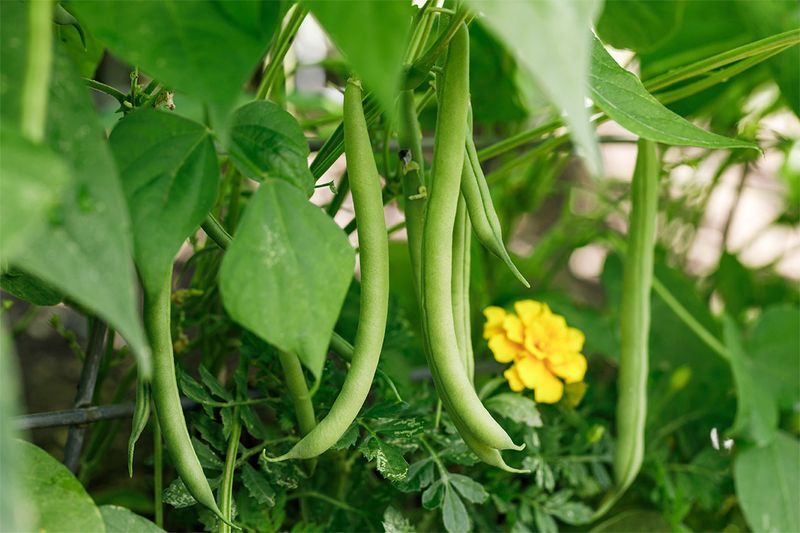
There is something about bean plants that groundhogs simply cannot resist. Both bush beans and pole beans are high on the menu for groundhogs all across Pennsylvania.
From the moment the first true leaves appear, these plants become a target that groundhogs will revisit day after day without hesitation.
The damage from groundhogs on beans goes beyond just eating a few leaves. They chew on stems, munch through developing pods, and sometimes pull entire plants right out of the ground.
Because beans grow relatively quickly, gardeners sometimes do not realize how bad the problem is until they go to check on their crop and find rows of broken, chewed-up plants.
Your Pennsylvania Garden Changes Every Week. Your Plan Should Too.
Gardening in Pennsylvania changes quickly throughout the season. Every Friday you’ll receive a simple weekly plan showing exactly what to plant, prune, fertilize, harvest, and protect so you never miss the right timing.
One tricky thing about groundhog damage on beans is that it can look similar to deer damage at first glance. But groundhogs tend to leave cleaner, lower cuts on the stems, usually right near ground level.
They also tend to eat the pods before they are fully mature, which means you lose the harvest before you even get a chance to pick anything.
Pennsylvania gardeners who grow beans should consider installing a fence that is at least three feet tall and buried about a foot underground to prevent burrowing underneath.
Groundhogs are excellent diggers, so a fence that only sits on top of the soil will not stop them for long.
Checking your bean plants daily during peak summer months can also help you catch any damage early and respond quickly before more plants are affected.
3. Peas
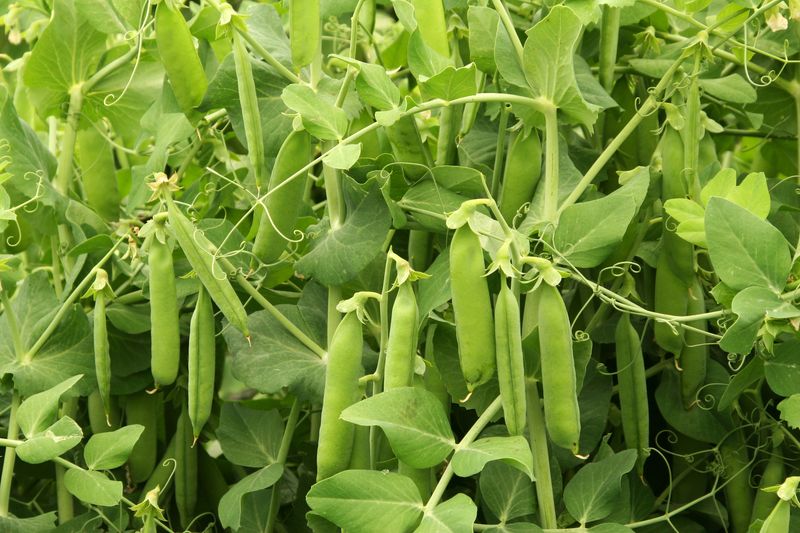
Peas are one of the sweetest treats a Pennsylvania garden has to offer, and groundhogs clearly agree. The tender shoots, delicate vines, and plump pods are all highly appealing to these animals.
Peas are typically planted early in the season, which means they are ready and waiting right around the time groundhogs come out of hibernation and start looking for food.
A hungry groundhog coming out of its burrow in late February or March is going to be especially motivated to eat. Pea plants that are just starting to climb their trellises are soft, sweet, and easy to reach.
Groundhogs will eat the shoots first, then move on to any pods that have started to develop, often leaving behind nothing but bare stems and a few scattered leaves.
The speed at which groundhogs can reduce your pea yield is genuinely shocking. A single animal can work its way through a twenty-foot row of pea plants in one feeding session.
For Pennsylvania gardeners who are counting on that pea harvest for fresh eating or preserving, losing the crop this quickly is a real blow.
Row covers made from lightweight fabric can offer good early-season protection for peas. You can also try surrounding your pea bed with a border of strong-smelling herbs or even human hair clippings, which some gardeners swear by as a natural deterrent.
Hardware cloth fencing buried at least twelve inches deep remains one of the most reliable long-term solutions for protecting peas in Pennsylvania gardens from groundhog damage.
4. Tomatoes
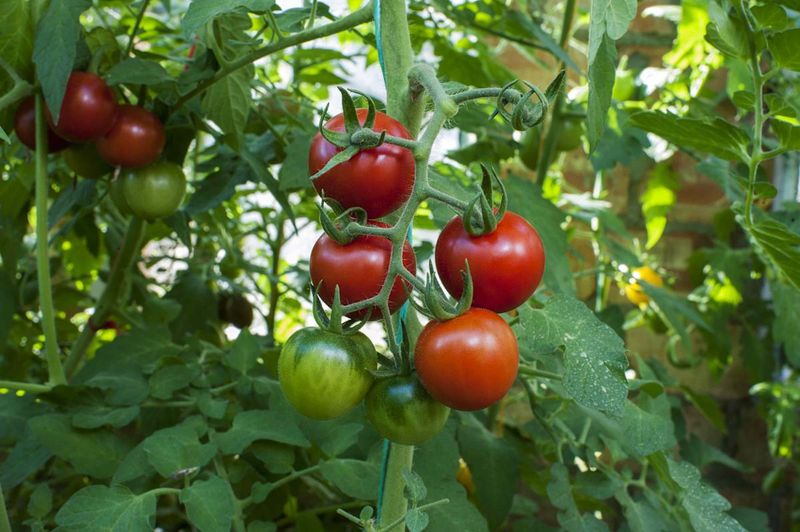
Most Pennsylvania gardeners treat their tomato plants like prized possessions. Hours go into starting seeds, hardening off transplants, staking, watering, and feeding those plants through the summer.
So it is especially painful when a groundhog moves in and starts targeting the very crop you have worked hardest to grow.
Groundhogs go after tomato plants at almost every stage. Young transplants get their leaves chewed off before they even have a chance to establish.
As the season progresses, groundhogs shift their attention to the developing fruits. They tend to take big bites out of tomatoes that are just beginning to ripen, which means you often lose fruit before you ever get a chance to harvest it yourself.
The juicy foliage and sweet, water-rich fruits make tomatoes especially attractive during dry Pennsylvania summers. When natural food sources get scarce, groundhogs will push even harder to access your tomato plants.
They are bold enough to work during daylight hours, so you might actually catch one in the act if you happen to glance out at your garden around midday.
Surrounding your tomato bed with a sturdy wire fence is the most effective protection method. Make sure the fence is at least three feet tall and bent outward at the top to stop climbing. Burying the bottom of the fence underground prevents burrowing underneath.
Some Pennsylvania gardeners also use motion-activated sprinklers near their tomato plants, which can startle groundhogs and discourage them from returning to the same spot repeatedly throughout the season.
5. Zucchini And Summer Squash
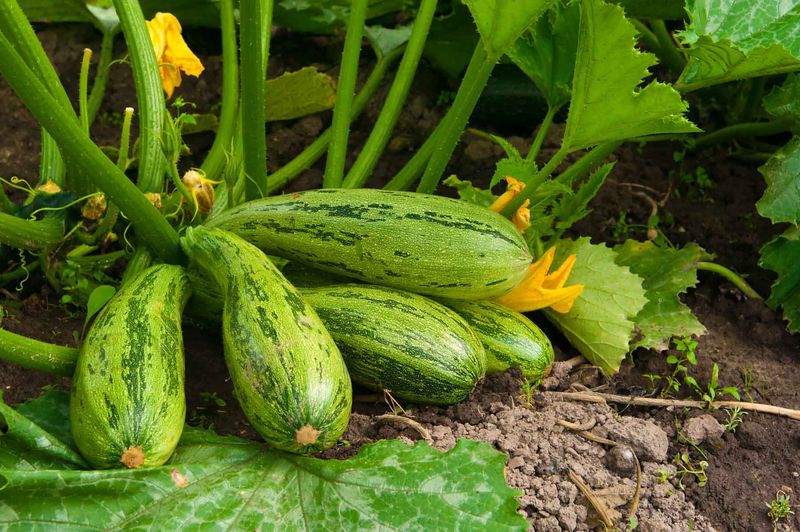
You might think that zucchini plants are too big for a groundhog to bother with, but that assumption will cost you your harvest.
Groundhogs are drawn to the large, tender leaves of zucchini and summer squash plants, and they are more than capable of doing serious damage to even a mature plant in a single visit.
The broad leaves are easy to grab and full of moisture, making them a favorite snack on hot Pennsylvania summer days.
Young squash plants are the most vulnerable. Before the stems have toughened up and the plant has spread out, a groundhog can chew right through the main stem and bring the whole plant down.
Even established plants are not completely safe. Groundhogs will nibble on developing fruits, leaving behind half-eaten zucchini scattered around the base of the plant.
One reason squash damage can be so devastating is that a single plant can produce a lot of food over a season. Losing even one or two plants to a groundhog can significantly reduce your total harvest.
Pennsylvania gardeners who grow squash in raised beds often have better luck, since the height adds an extra layer of difficulty for groundhogs trying to access the plants.
Placing wire cloches over young squash plants when they are first transplanted can buy them enough time to grow stronger. Once the plants are larger and more established, they become a little harder to completely wipe out.
Still, ongoing fencing and deterrents remain the best strategy for keeping groundhogs away from your squash patch throughout the entire Pennsylvania growing season.
6. Cabbage
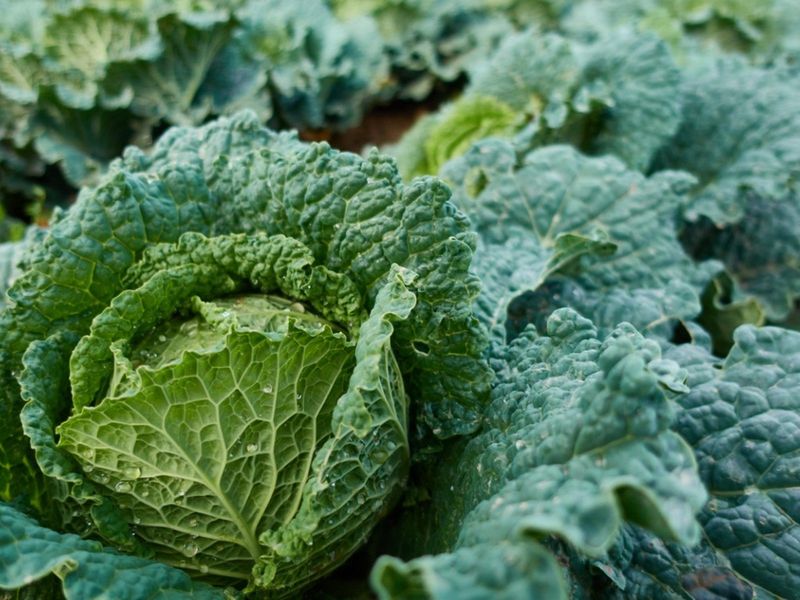
Cabbage has a reputation for being a tough, hardy vegetable, but groundhogs have no trouble tearing right through it.
Cole crops like cabbage, broccoli, and kale are highly appetizing to groundhogs, and cabbage in particular seems to attract them reliably in Pennsylvania gardens season after season.
The dense, leafy heads are packed with nutrients and moisture, which makes them a very rewarding meal for a hungry groundhog.
The damage usually starts on the outer leaves, which get chewed down to ragged stubs. From there, groundhogs work their way inward toward the developing head.
If the damage is not caught early, a groundhog can destroy the central growing point of the plant, which means the cabbage will never form a proper head at all. That is a total loss for the gardener after weeks of careful tending.
Cabbage is also often grown in the cooler parts of the Pennsylvania season, both in spring and fall. This means it overlaps with the periods when groundhogs are most actively feeding.
Spring plantings are at risk as soon as they go in the ground, and fall plantings can be targeted by groundhogs that are aggressively eating to build up fat reserves before winter.
Protecting cabbage with a physical barrier is the most reliable approach. A low fence of hardware cloth around the cabbage bed works well.
Some gardeners also try hot pepper sprays on the leaves as a deterrent, though these need to be reapplied regularly, especially after rain.
Consistent monitoring of your Pennsylvania garden during the growing season is key to catching groundhog activity before the damage becomes severe.
7. Carrots
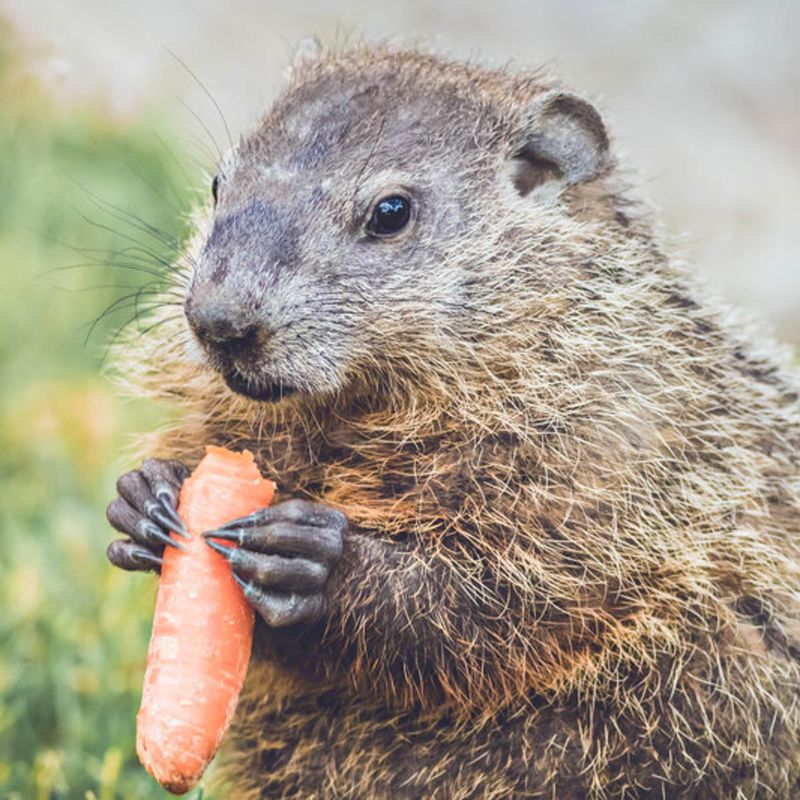
Most gardeners picture groundhogs eating above-ground plants, but these animals are also enthusiastic diggers that will go after underground crops too.
Carrots are a perfect example of a vegetable that many Pennsylvania gardeners do not think to protect, only to discover too late that their entire carrot bed has been raided.
Groundhogs can smell the sweet roots beneath the soil and are perfectly willing to dig them up.
The telltale signs of groundhog damage to carrots are pretty distinctive. You will notice small holes in the garden bed where roots have been pulled out, along with chewed carrot tops scattered nearby.
Sometimes only part of the root is eaten and the rest is left behind in the soil, which can make the damage look like something went after just a few plants. But more often, a groundhog will work through a wide section of your carrot bed before moving on.
What makes carrot protection especially tricky is that standard above-ground fencing does not stop a groundhog that is motivated to dig.
The underground portion of any fence you install needs to extend at least twelve inches below the soil surface, and ideally should angle outward at the bottom to make burrowing even more difficult.
Pennsylvania gardeners who skip this step often find that their fence does very little to protect root crops.
Raised beds with a wire mesh bottom are one of the best solutions for growing carrots safely in Pennsylvania. The mesh prevents groundhogs from digging up through the bottom of the bed.
Companion planting with strongly scented herbs around the perimeter of your carrot bed can also help reduce groundhog interest in the area over time.