This Underrated Pennsylvania Groundcover Reduces Tick Habitat In Shady Side Yards
Shady side yards in Pennsylvania are tricky spaces to work with. Too much shade for most flowering plants, often too damp for anything that needs good drainage, and regularly left bare or covered in mulch that needs constant replacing.
But there’s a problem with bare, shady side yards that doesn’t get talked about nearly enough. They’re prime tick territory.
Low light, consistent moisture, and minimal disturbance make shady side yards one of the most attractive environments ticks can find in a residential setting. And if that space borders a wooded area or overgrown fence line, the risk goes up considerably.
There’s a Pennsylvania groundcover that addresses this problem naturally and beautifully. It fills in shady areas with dense, low growing coverage that ticks find far less hospitable, and it thrives in exactly the conditions that defeat most other plants.
Here’s the underrated groundcover that could make your shady side yard a much safer place to spend time.
Meet Foamflower
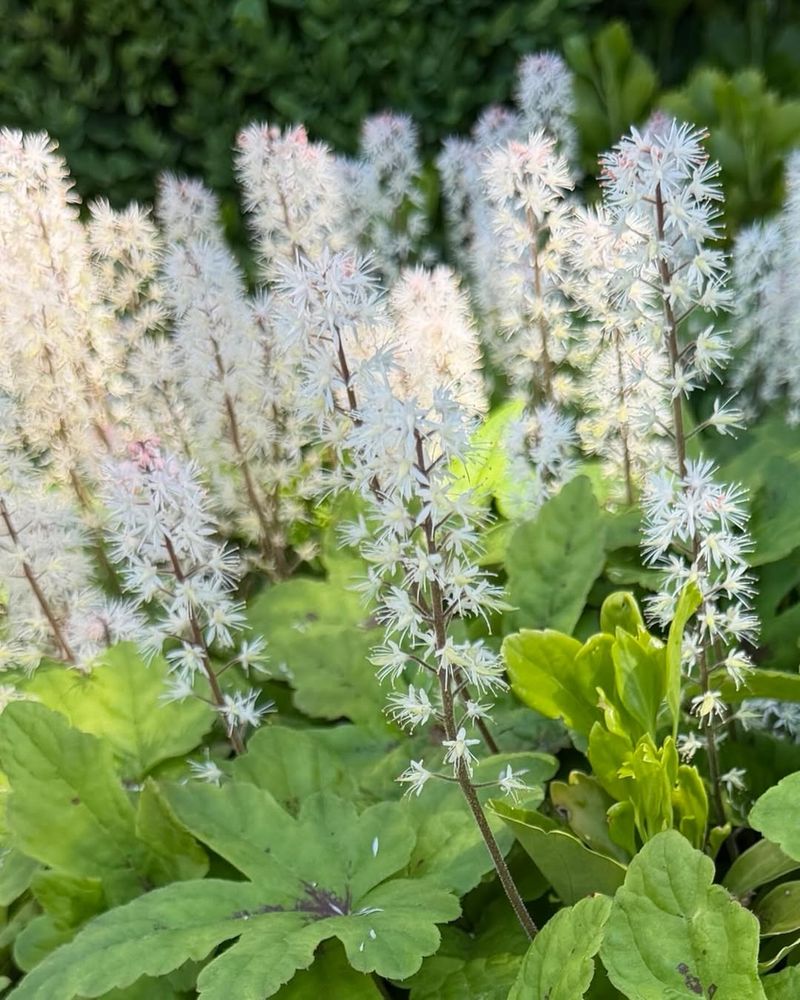
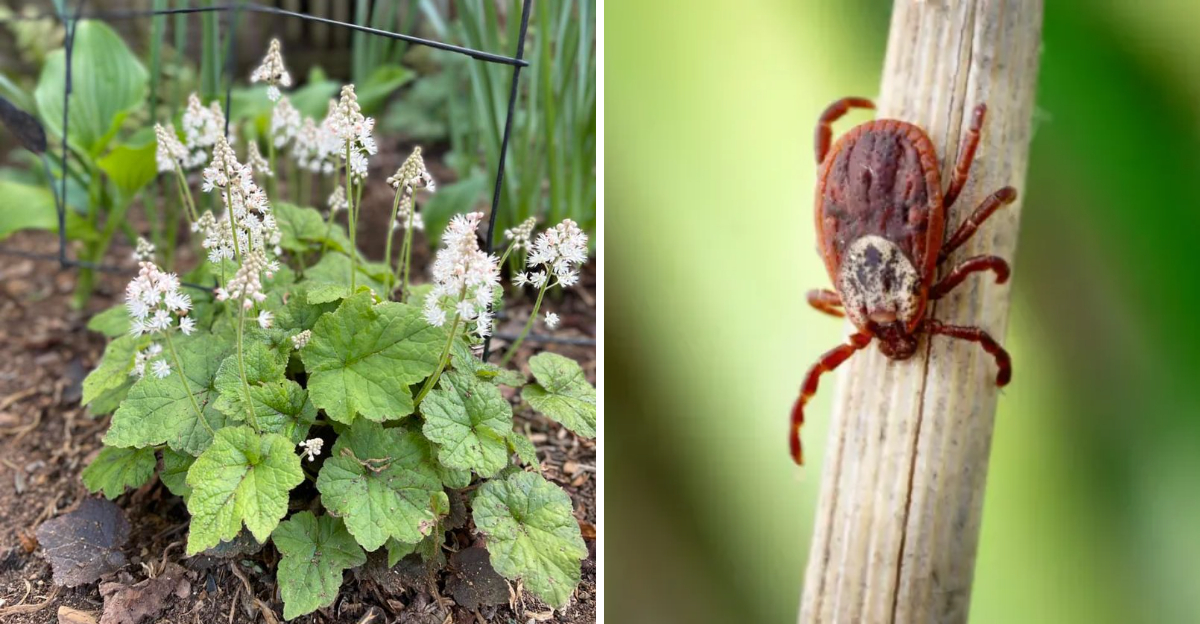
Foamflower, known by its scientific name Tiarella cordifolia, is one of Pennsylvania’s most overlooked native plants. It grows low to the ground, spreading gently across shaded garden beds without becoming invasive or hard to manage.
The leaves are heart-shaped, slightly lobed, and often have attractive dark markings along the veins that make the plant look interesting even when it is not in bloom.
Every spring, foamflower puts on a quiet but lovely show. Clusters of tiny white-to-pinkish flowers rise on slim stalks above the leaves, creating a soft, frothy look that gives the plant its charming name.
The blooms attract early pollinators like native bees, which makes foamflower a genuinely helpful addition to your yard beyond just looking good.
One of the best things about this plant is how well it handles Pennsylvania’s climate. It is a woodland perennial, meaning it comes back every year without needing to be replanted.
It handles cold winters just fine and bounces back reliably each spring. Most gardeners find it easy to grow once it is established in the right spot.
It does not demand a lot of fertilizer, does not need heavy watering once settled in, and stays relatively compact. For shady spots where grass refuses to grow and weeds keep creeping in, foamflower fills the space beautifully.
It is the kind of plant that rewards low-effort gardeners while also impressing those who pay close attention to their landscape. If you have never tried it before, foamflower might just become your new favorite shade garden staple.
Why Shady Side Yards Attract Ticks
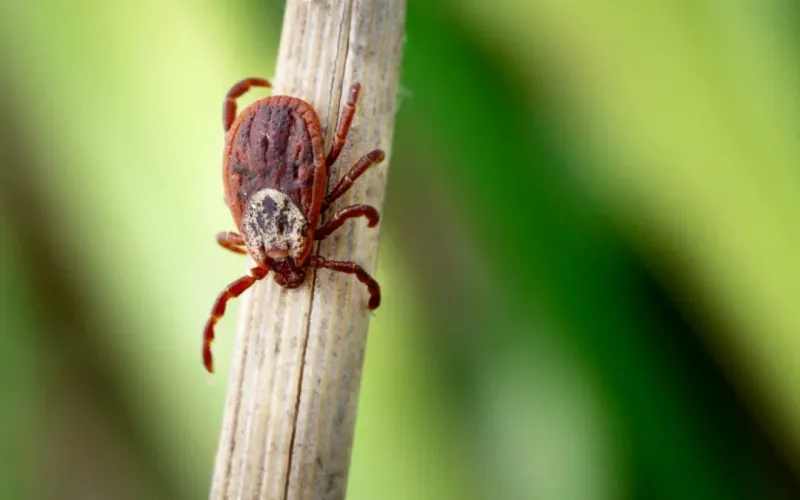
Ticks are sneaky little creatures, and they are very good at finding the right conditions to survive and thrive. They do not like open, sunny, dry spaces.
Instead, they seek out areas that are humid, protected, and undisturbed. Shady side yards check every one of those boxes, which is exactly why they can become tick hotspots without anyone noticing.
Leaf litter is one of the biggest attractors. When fallen leaves pile up in a shaded corner and nobody rakes them, the damp layer underneath becomes a perfect hiding spot for ticks.
Your Pennsylvania Garden Changes Every Week. Your Plan Should Too.
Gardening in Pennsylvania changes quickly throughout the season. Every Friday you’ll receive a simple weekly plan showing exactly what to plant, prune, fertilize, harvest, and protect so you never miss the right timing.
Tall weeds and overgrown grass create a similar problem. Ticks climb up grass blades and weedy stems and wait for a passing animal or person to brush against them.
This behavior is called questing, and it happens most in areas with messy, unmanaged vegetation.
Brushy edges along fences or property borders are another common trouble zone. If your side yard has shrubs that have grown wild, old brush piles, or tangled weeds creeping along a fence line, ticks are likely using that space regularly.
Deer and small animals like mice and chipmunks travel through these areas and can drop ticks off as they pass through.
The problem is not just about the plants themselves. It is about the overall condition of the space.
A forgotten, cluttered side yard with deep shade, moisture, and lots of organic debris is practically a tick paradise.
Understanding why ticks are drawn to these conditions is the first step toward making smarter choices about how you manage that overlooked space beside your home.
How Foamflower Helps
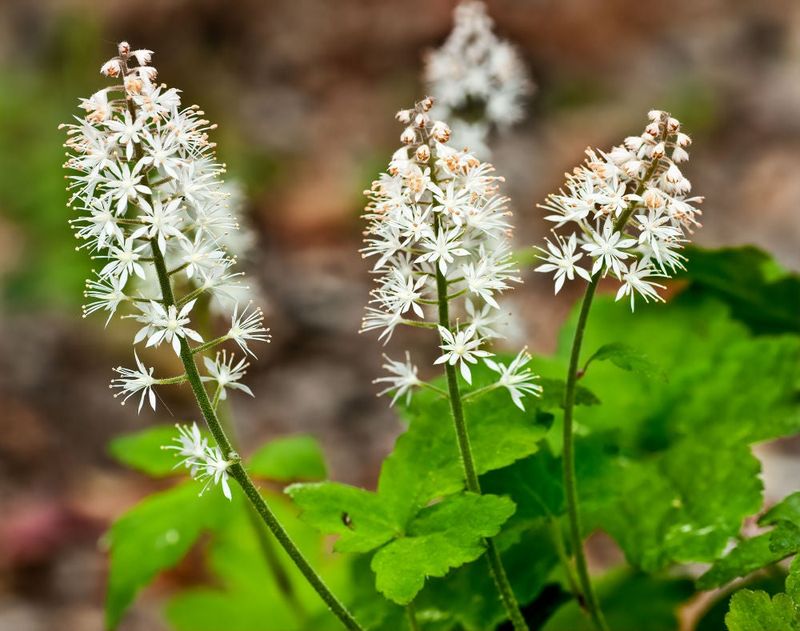
Here is something important to understand right away: foamflower does not repel ticks. It does not contain any natural chemicals that drive ticks away, and it is not a substitute for tick prevention products or regular yard checks.
Anyone who tells you otherwise is overstating what this plant can do. But that does not mean foamflower has nothing to offer when it comes to reducing tick habitat.
The real benefit comes from what foamflower replaces. Think about what is typically growing in a neglected shady side yard: tall weeds, patchy bare soil, random volunteer plants, and unmanaged ground that tends to collect leaf debris and moisture.
All of those conditions are tick-friendly. When you replace that messy, unmanaged ground with a neat, intentional planting of foamflower, you are changing the character of the space entirely.
Foamflower grows low, typically staying under a foot tall. It does not create the kind of tall, dense, brushy environment that ticks love for questing.
A well-maintained foamflower bed gives the ground a clean, finished look with less vertical structure for ticks to climb. It also crowds out weeds over time, reducing the patchwork of unmanaged plants that create ideal tick resting zones.
Think of it less like a tick repellent and more like a habitat makeover. You are swapping chaotic, unmanaged ground for a tidy native groundcover that looks better, supports pollinators, and makes the space noticeably less hospitable to ticks.
That shift in how the space looks and functions is where foamflower earns its place in a tick-smart yard management plan.
Why Tidy Groundcover Matters
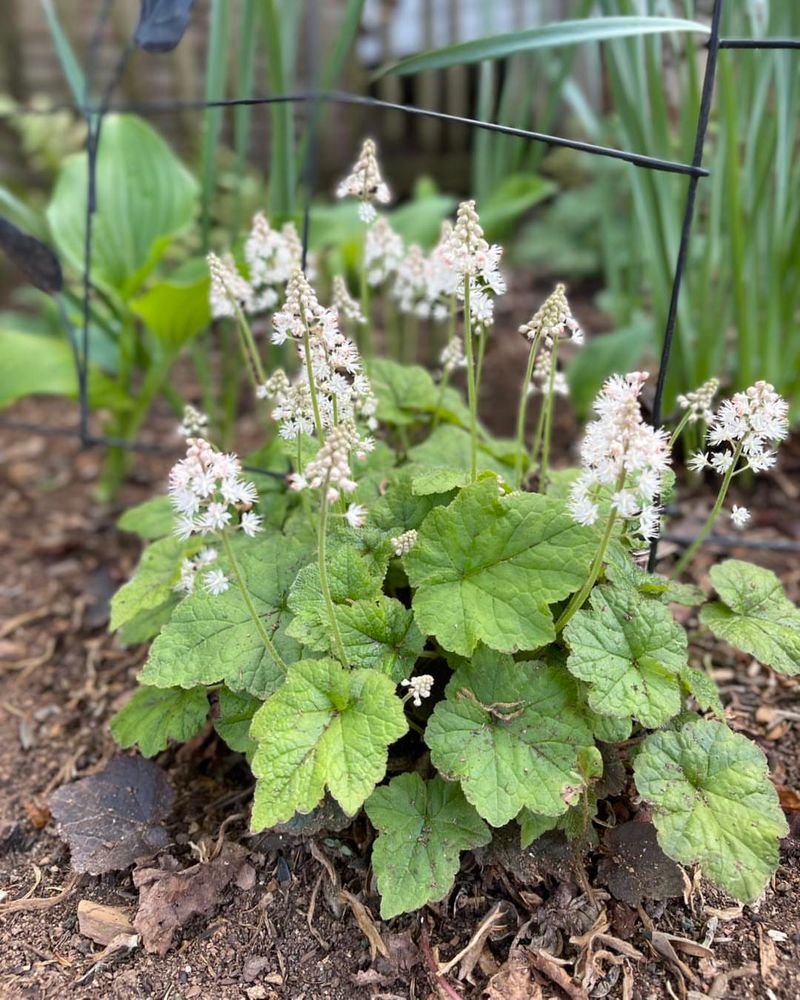
Planting foamflower is a great first step, but the plant works best when it is part of a tidy, well-kept space.
A foamflower bed that gets ignored and buried under leaf piles, surrounded by overgrown shrubs, or tangled with volunteer weeds is not going to do much good. The goal is a clean, managed planting that changes how the whole side yard looks and feels.
Ticks are less comfortable in open, low-growing, well-maintained plantings. When the groundcover stays short and you can clearly see the ground beneath the leaves, there is less shelter for ticks to rest and wait.
A thick layer of old leaves on top of your foamflower bed, on the other hand, brings back exactly the moist, dark conditions ticks prefer. Regular light raking and keeping the bed clear of heavy debris makes a real difference.
Visible, clean garden borders also help. When the edge between your planting bed and the lawn or path is sharp and clear, you reduce the kind of weedy transition zone that ticks tend to favor.
That ragged edge where lawn meets brush meets shade is a prime tick travel corridor. Keeping it neat and defined closes off that zone. Foamflower is not a set-it-and-forget-it solution. It rewards a little seasonal attention.
Trim back any dry leaves in early spring, remove debris after storms, and keep surrounding shrubs from creeping over the bed.
When the planting looks intentional and managed, it signals a yard that is actively cared for, and that kind of upkeep is one of the most effective tools you have against tick-friendly conditions.
Where To Grow It
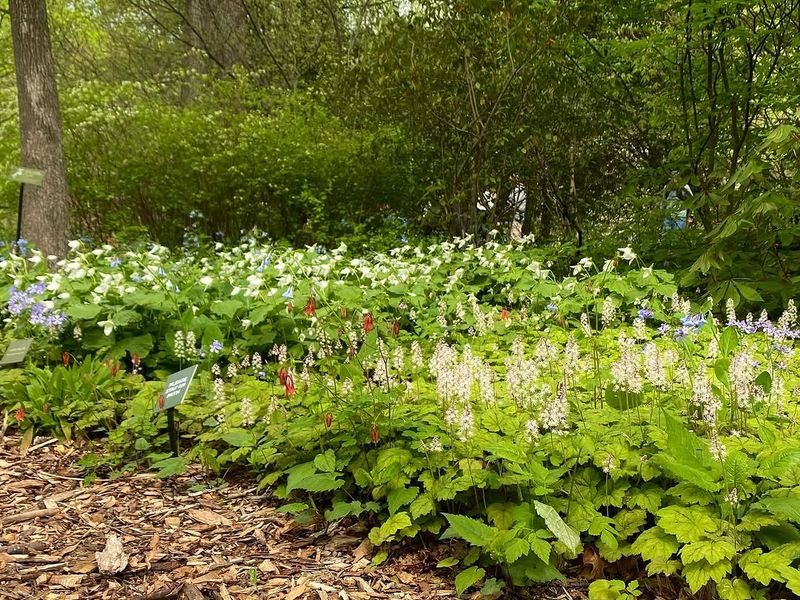
Foamflower is not a plant that needs a lot of pampering, but it does have preferences. Get the location right, and it will reward you with years of reliable, spreading coverage.
Get it wrong, and it will struggle to fill in and might not survive past the first season. Fortunately, the conditions it loves are exactly the conditions most shady side yards already have.
Foamflower thrives in part shade to full shade. It naturally grows on the floor of eastern deciduous forests, so it is perfectly designed for the kind of dappled or deep shade found under trees, along fence lines, or on the north side of a house.
Spots that get a few hours of morning sun and then shift to shade for the rest of the day are ideal. Afternoon shade is especially helpful in summer. Soil matters too. Foamflower prefers moist, well-drained soil that is rich in organic matter.
Think of the soft, dark, humus-rich soil you find on a forest floor. If your side yard has compacted, clay-heavy soil, work in some compost before planting to loosen things up and add nutrients.
Avoid planting in areas that stay waterlogged after heavy rain, as standing water will cause the roots to rot.
Great spots to try foamflower include shady borders along fences, the ground beneath ornamental shrubs, woodland garden edges, and any damp shaded bed where grass refuses to grow.
It spreads gradually through runners, eventually forming a dense, weed-suppressing mat.
Space plants about a foot apart when planting, and within a season or two, you will have solid coverage that fills the space beautifully and naturally.
Pair It With Tick-Smart Yard Care

Foamflower is a strong addition to your yard, but it works best as part of a bigger approach to managing tick habitat.
A few practical habits combined with smart planting choices can make your shady side yard much less welcoming to ticks throughout the entire season. None of these steps require special equipment or a lot of time, just some regular attention.
Start by raking out heavy leaf buildup at least twice a year, once in fall and once in early spring. You do not need to remove every leaf, but thick, matted piles of damp leaves are prime tick territory.
Keeping the ground clear of deep debris under and around your foamflower planting removes a key shelter ticks rely on. Bag or compost those leaves rather than letting them pile up against the fence or house foundation.
Trim shrubs regularly so they do not hang low over the ground or create dense, shaded tunnels along pathways. Keep any brush piles away from the areas where your family and pets spend time.
If you have a woodpile, store it off the ground and away from the house. These steps reduce the places small animals like mice and chipmunks travel through, which also reduces how many ticks get dropped into your yard.
Keep garden paths open and clearly defined so you are not brushing against vegetation every time you walk through the yard. After spending time near wooded or shaded areas, check yourself, your kids, and your pets for ticks before going inside.
Combine these habits with a healthy foamflower planting, and your shady side yard becomes a place you can enjoy with much more confidence and peace of mind.