The July Lawn Watering Schedule Wisconsin Homeowners Should Follow
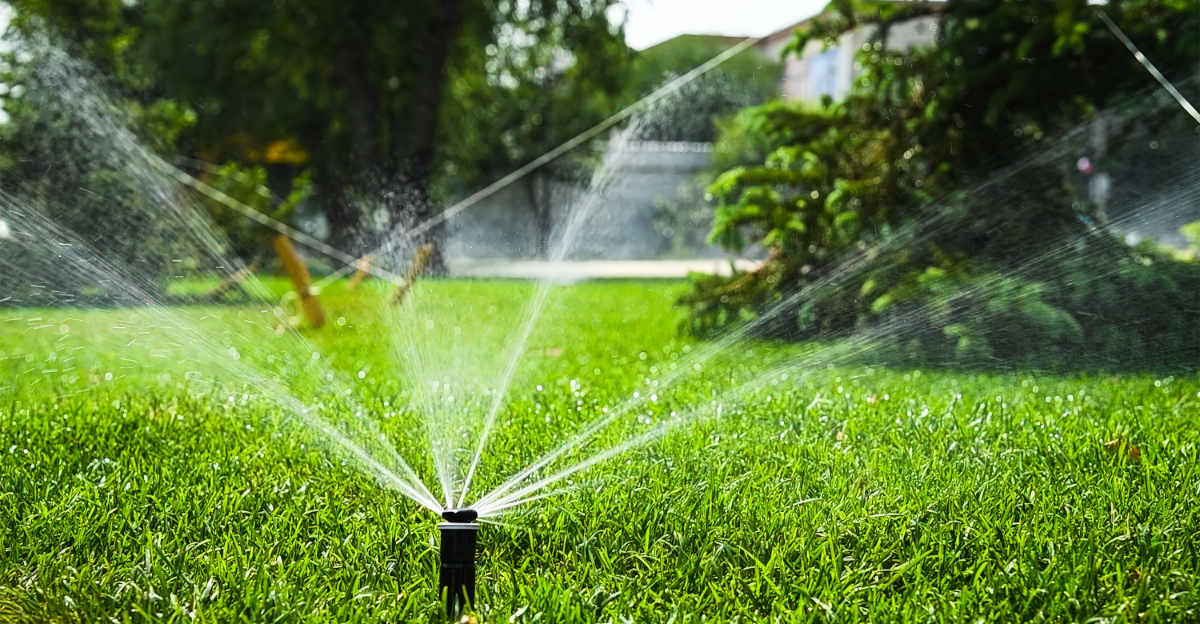
Wisconsin summers don’t warn you before they turn brutal. One week your lawn looks fine, the next it’s crunchy underfoot and fading to straw.
July heat doesn’t just stress grass, it exposes every watering mistake you’ve been getting away with all spring. A sprinkler running at noon, a schedule that skips weekends, soil that never gets a real soak. Small habits, big consequences.
Here’s the part worth knowing: Wisconsin lawns aren’t fragile. They’re built for four real seasons, which means they can handle July heat when you water with intention instead of guesswork.
Get the timing, depth, and frequency right, and your grass holds its color while your neighbor’s turns crispy by mid-month.
Deep Soakings Beat Daily Sprinkles For Wisconsin Lawns
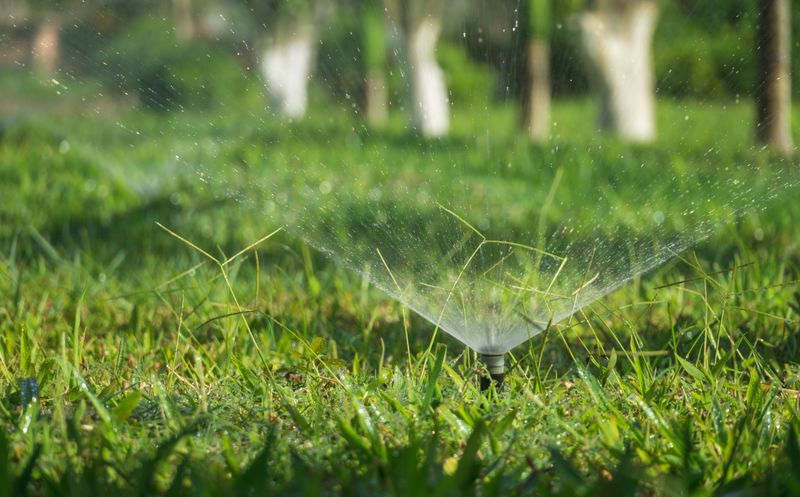
Your grass is thirsty, but flooding it daily is a mistake. The July lawn watering schedule that works best focuses on deep, infrequent soakings instead of light daily sprinkles.
Deep watering means moisture reaches 6 to 8 inches below the surface. That depth encourages roots to grow downward, making your grass tougher and more drought-resistant.
Light watering keeps roots shallow and weak. Shallow roots struggle when heat peaks in mid-July and soil dries fast.
Aim to deliver about one inch of water total each week. That amount soaks deep enough to matter without drowning the root zone.
Most Wisconsin lawns do best with two or three deep watering sessions each week. Spacing those sessions out lets soil breathe between cycles.
A simple way to measure your output is placing empty tuna cans across the lawn. Track how much they collect during the week to make sure you’re hitting that one-inch total.
Sprinkler systems vary widely in their output rates. Knowing your system’s flow rate helps you set accurate run times without guessing.
Overwatering is just as harmful as underwatering in July. Soggy soil invites fungal growth and suffocates healthy grass roots quickly.
Stick to the schedule consistently and your lawn builds real resilience. A disciplined routine now means far less stress on your yard through the rest of summer.
How Wisconsin’s Summer Heat Affects Lawn Watering Needs
Wisconsin summers surprise people who think the Midwest stays mild. July temperatures regularly climb into the upper 80s and occasionally push past 90 degrees.
That heat pulls moisture out of soil much faster than spring conditions do. Your lawn can lose a full inch of water to evaporation in just a few days.
Cool-season grasses like Kentucky bluegrass and fine fescue dominate most Wisconsin yards. These grass types slow their growth during peak summer heat as a survival strategy.
When growth slows, the lawn enters a semi-dormant phase. Watering correctly during this phase prevents full dormancy and brown patches from spreading.
Humidity plays a sneaky role too. High humidity can make the air feel wet while the soil stays bone dry underneath.
Never judge soil moisture by how the air feels. Always push a screwdriver or finger two inches into the ground to check actual soil conditions.
Your Wisconsin Garden Changes Every Week. Your Plan Should Too.
Gardening in Wisconsin changes quickly throughout the season. Every Friday you’ll receive a simple weekly plan showing exactly what to plant, prune, fertilize, harvest, and protect so you never miss the right timing.
Clay-heavy soils common in southern Wisconsin hold moisture longer than the sandy soils found in central parts of the state. Knowing your soil type helps you fine-tune your schedule.
Sandy soil drains fast and may need watering more frequently. Clay soil holds water but can become compacted and resist absorption over time.
Understanding local heat patterns arms you with real knowledge. That knowledge turns guesswork into a smart, responsive lawn care routine all July long.
The Right Number Of Waterings For July Heat
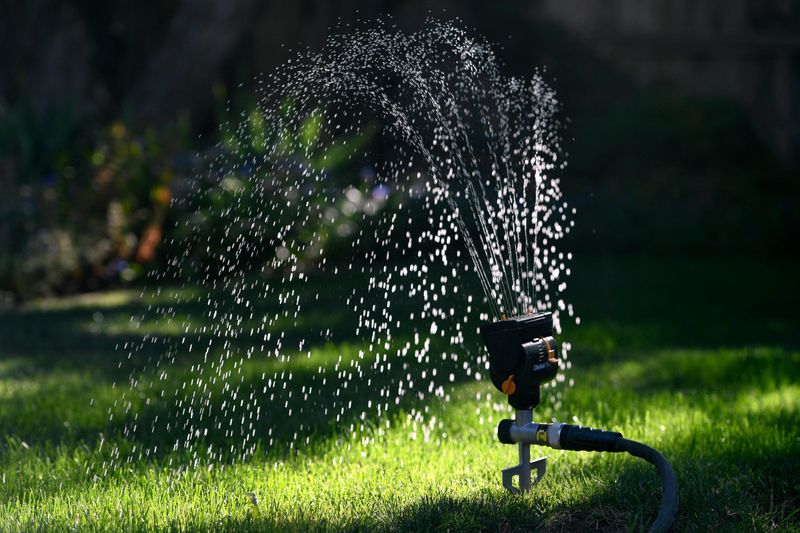
Two to three times per week is the sweet spot for most Wisconsin lawns in July. That frequency balances moisture retention with proper soil aeration.
Watering every single day seems helpful but actually causes harm. Constant moisture keeps roots near the surface instead of pushing them deeper into the ground.
Spacing watering days apart forces roots to search downward for moisture. That search builds a stronger, more independent root system over time.
If your area receives meaningful rainfall during the week, skip a scheduled session. Letting nature help you saves water and prevents oversaturation.
A rain gauge mounted near your lawn gives you accurate weekly totals. When rainfall provides half an inch or more, reduce your schedule accordingly.
During heat waves with no rain in the forecast, bump up to three sessions. Extra hydration during extreme heat prevents stress damage before it starts.
Newly seeded or sodded lawns need different treatment than established grass. Fresh turf requires more frequent, lighter watering until roots anchor firmly in soil.
Established lawns that have been down for two or more years handle the two-to-three-day schedule well. They have root systems deep enough to survive between sessions.
Consistency matters more than perfection when it comes to frequency. Your lawn responds to predictable patterns, and a reliable routine builds long-term strength through the hottest month.
Best Time Of Day To Water Your Lawn
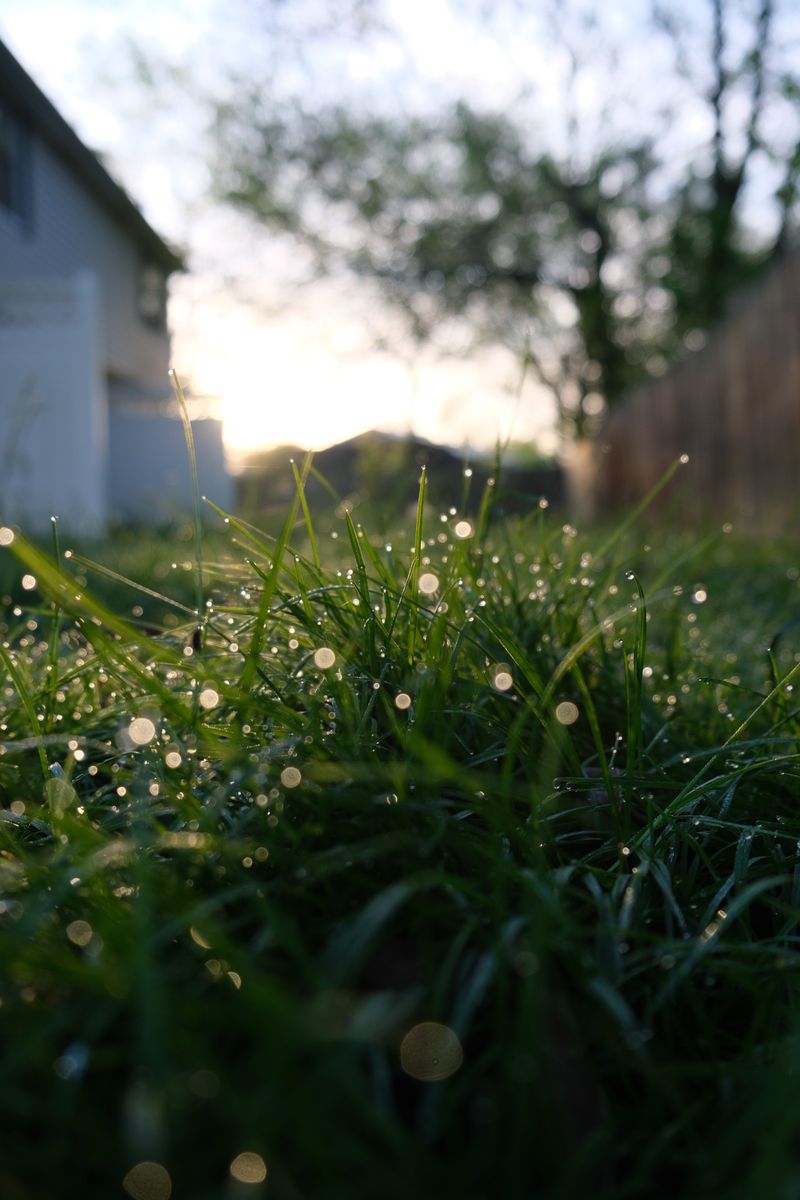
Early morning is generally the best time to run your sprinklers. Watering between 5 and 9 a.m. gives grass time to absorb moisture before heat peaks.
Morning air is calm, which means less water lost to wind drift. Your sprinkler coverage stays accurate and efficient during those quiet hours.
Temperatures are also at their lowest point in the morning. Cooler conditions slow evaporation and allow water to soak in rather than steam off.
Evening watering is tempting after a long workday, but it causes problems. Grass blades stay wet overnight, creating the perfect conditions for fungal disease to spread.
Lawn fungi like brown patch and dollar spot thrive in warm, moist nighttime conditions. Once established, these diseases spread fast and are costly to treat.
Midday watering wastes significant water to evaporation under direct sun. You end up using more water for less benefit during peak heat hours.
If morning watering is impossible due to your schedule, aim for early afternoon before 2 p.m. That window still allows grass to dry before nightfall.
Smart irrigation controllers can be programmed to run at specific times automatically. Setting them for early morning takes the guesswork and the alarm clock out of the equation.
Timing your watering correctly costs nothing extra but delivers big results. One schedule change can dramatically improve how healthy and green your lawn looks all month.
Signs Your Lawn Is Getting Too Much Or Too Little Water
Your lawn talks to you every single day. Learning to read its signals tells you exactly when to adjust your watering routine.
Grass that turns a dull blue-gray color is waving a red flag. That color shift means the blades are stressed and losing moisture faster than roots can replace it.
Footprints that stay visible long after you walk across the lawn signal dehydration. Healthy, well-hydrated grass springs back up within seconds of being stepped on.
Wilting or folding blades are another clear cry for water. When grass curls inward, it is protecting itself by reducing the surface area exposed to sun.
On the flip side, too much water creates its own obvious warning signs. Spongy, soft ground that squishes underfoot means the soil is holding far more moisture than it needs.
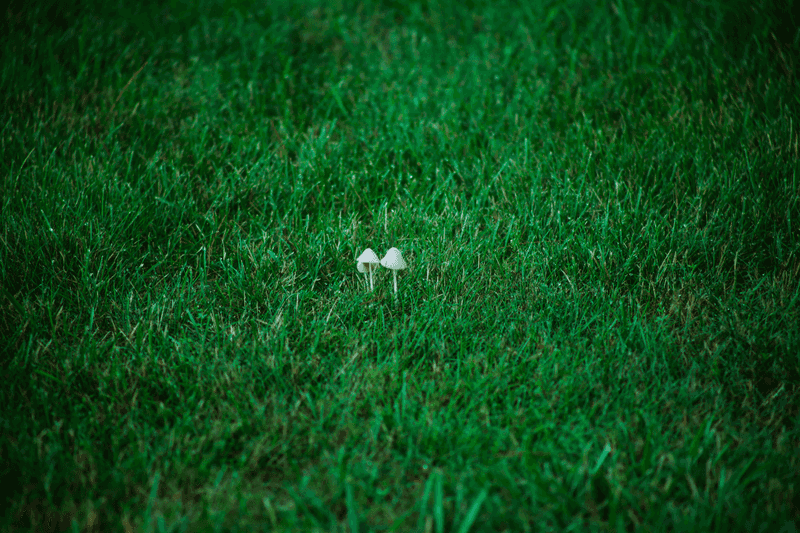
Mushrooms popping up across the yard often signal decaying organic matter underground, and can be more common when the soil stays consistently damp.
Yellowing patches that look like rust or algae forming near the soil line signal fungal issues from overwatering. These patches spread quickly if the watering schedule is not corrected.
Puddles that form and sit for hours after watering mean water is not absorbing properly. That standing water can suffocate grass roots and attract pests.
Check your lawn twice a week for these signs. Catching problems early saves your grass and keeps your July schedule working the way it should.
Adjusting The Schedule During Dry Spells Or Heavy Rain
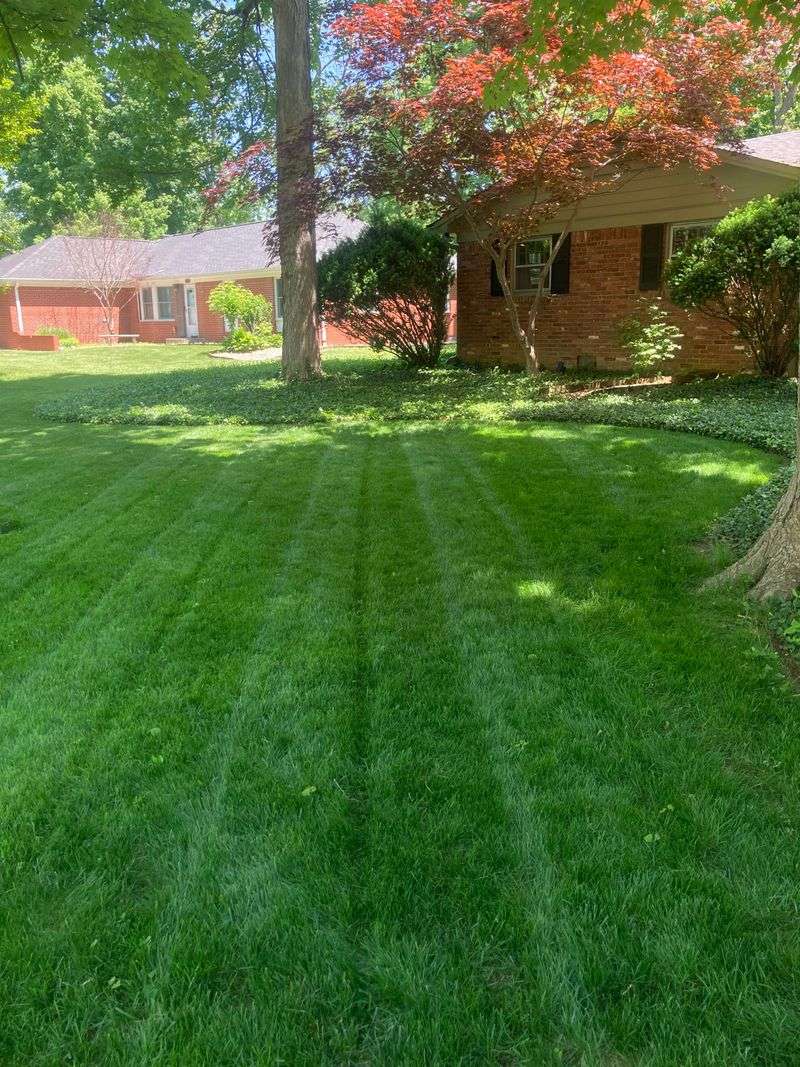
July weather in the Midwest rarely follows a straight line. One week brings scorching drought, and the next brings a sudden heavy downpour.
Flexibility in your watering routine makes a real difference for a healthy lawn. Sticking rigidly to a fixed schedule during a rainy stretch wastes water and harms grass.
After heavy rainfall, wait at least two to three days before running sprinklers again. Let the soil drain and breathe before adding more moisture on top.
During extended dry spells lasting more than a week, add an extra watering session. Three sessions per week instead of two can bridge the gap when rain refuses to show up.
Soil moisture meters are inexpensive tools that remove all the guessing. Insert one into the ground and it tells you exactly how much moisture is already present.
Weather apps with local forecasts help you plan ahead rather than react. If rain is predicted within 24 hours, skip your scheduled session and let the clouds do the work.
Watch for local drought updates from resources like the U.S. Drought Monitor or your county extension office. These alerts often come with specific guidance tailored to your region and soil type.
Adjust your mowing height during dry spells too. Taller grass shades the soil, slows evaporation, and reduces how much supplemental watering your lawn actually needs.
Staying adaptable keeps your lawn thriving no matter what July throws at it. A flexible approach always beats a rigid one when summer weather turns unpredictable.