Why July Is The Smartest Time For Missouri Gardeners To Order Garlic For Fall Planting
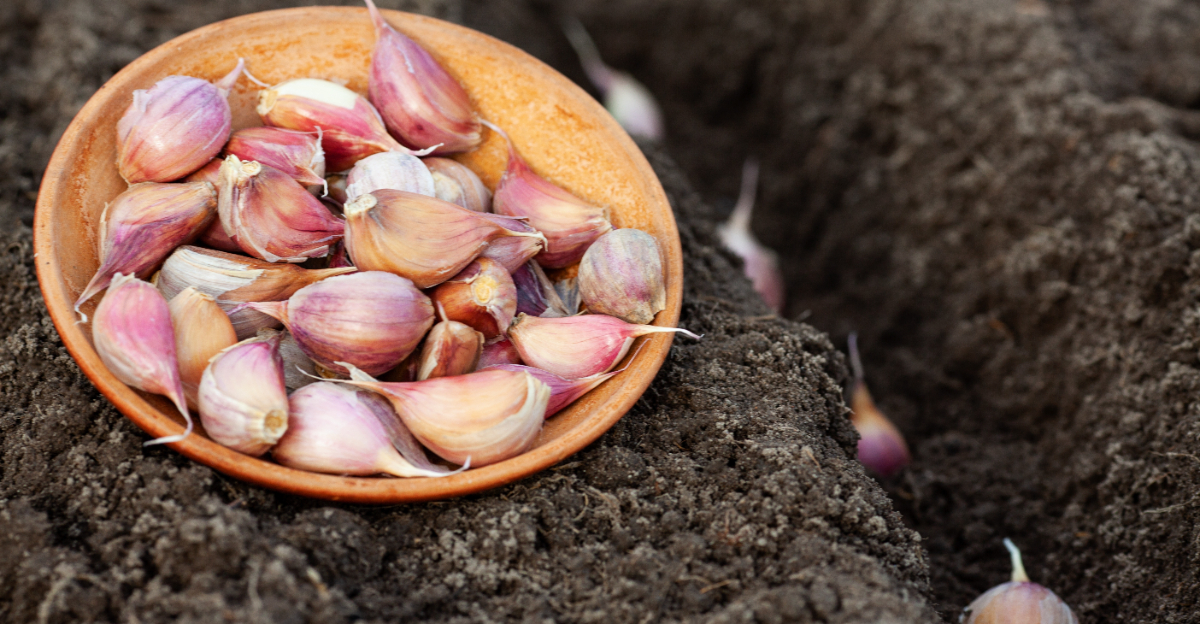
While everyone else is still babying tomato plants through the July heat, a quieter crowd of Midwest gardeners is already clicking “add to cart” on garlic bulbs. It sounds backwards. Fall crop, summer shopping list.
But the growers who’ve done this more than once know something the calendar doesn’t advertise: the good garlic varieties sell out fast, and Missouri’s fall planting window is narrower than most people assume.
Wait until September rolls around and you’re left picking through whatever’s still sitting in a half-empty bin. Soil temperature, bulb availability, root establishment before frost, all of it lines up in favor of acting now instead of later.
This isn’t about being an overachiever. It’s about giving your garlic the head start it actually needs so that next June, when you’re pulling up fat, papery bulbs instead of sad little ones, you’ll know exactly why you ordered early.
July Orders Beat The Fall Rush And Sellouts
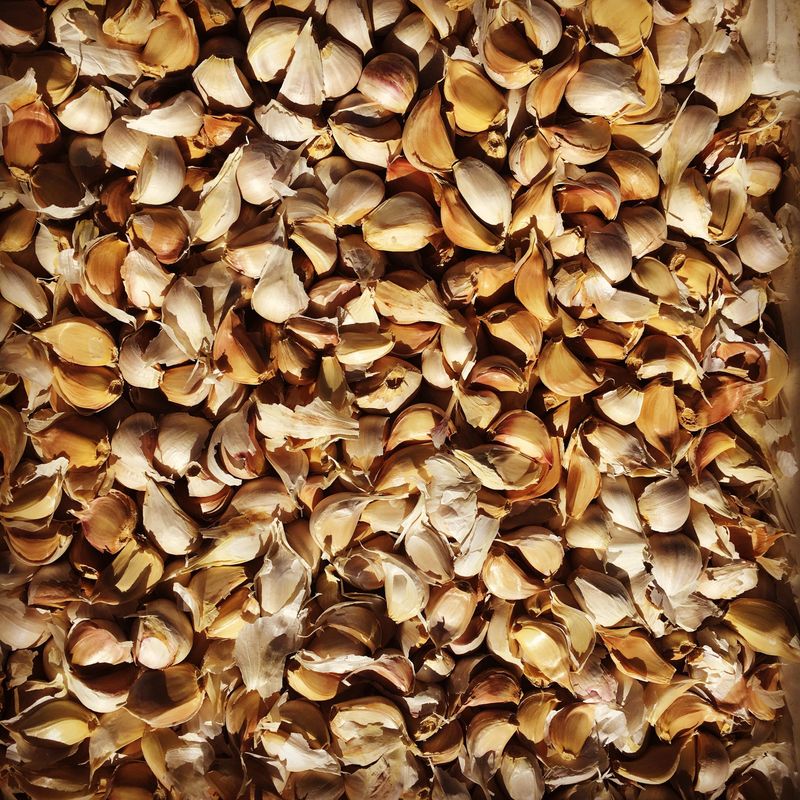
Come August, many late planters run into the same problem. They search online for seed garlic and find mostly ‘sold out’ banners staring back at them.
July is the sweet spot for ordering garlic for fall planting in Missouri. Reputable seed garlic farms start filling pre-orders in early summer, and the best varieties disappear fast.
Hardneck types like Chesnok Red and German Red are especially popular. Once those listings go dark, you are stuck with whatever leftovers remain.
Think of it like buying concert tickets. The headliner sells out first, and you end up with a seat behind a pillar.
Ordering in July locks in your top picks before the gardening crowd wakes up. You also get more time to research growing conditions without feeling rushed.
Some farms even offer early-bird pricing for summer orders. That means you save money and get better bulbs at the same time.
Shipping timelines also work in your favor. When you order in July, farms can schedule your delivery for late September or early October. That lands your garlic right on time for Missouri’s ideal planting window.
Smart gardeners treat July like a planning month, not a rest month. Getting your order in now means fall planting feels effortless instead of frantic.
Missouri’s Fall Planting Window Starts Sooner Than You Think
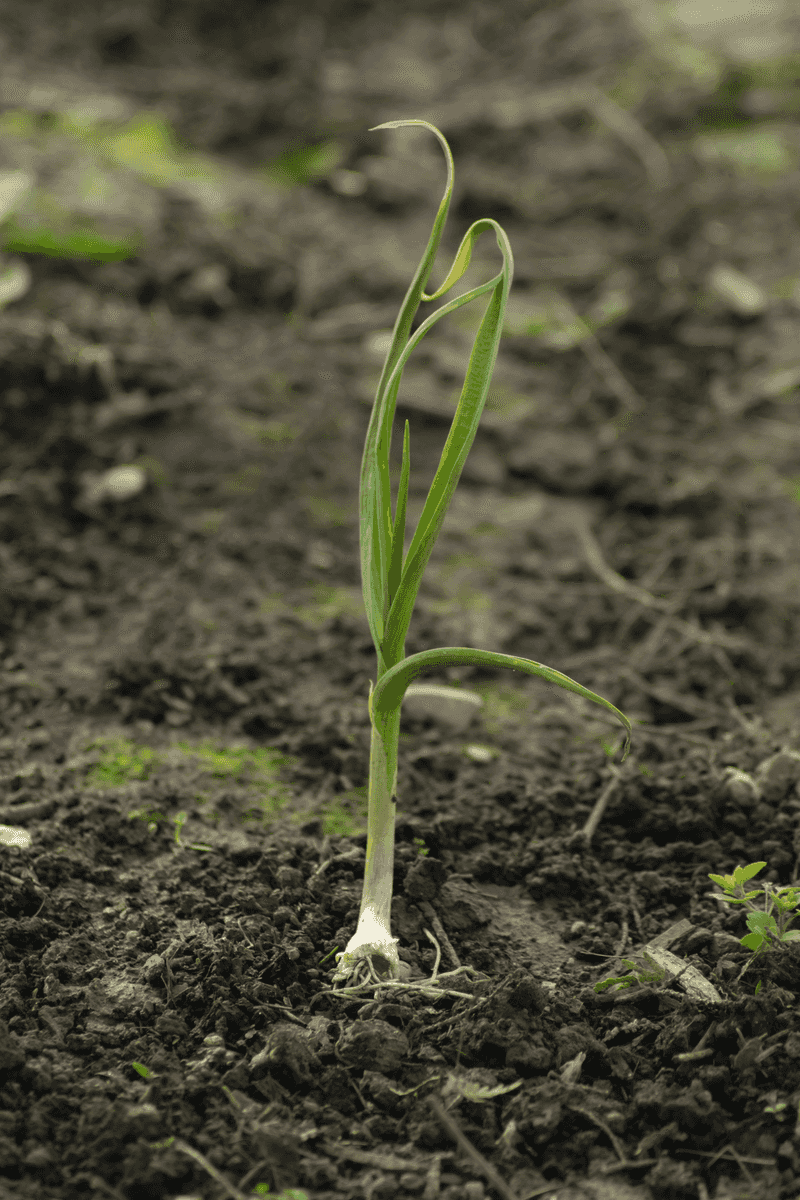
Garlic does not wait for the calendar to say fall before it needs to go into the ground. In Missouri, the planting sweet spot runs from mid-October through early November.
That window feels far away in July, but it closes faster than most people expect. Before you know it, August heat fades and October frost warnings pop up on your weather app.
Garlic needs cool soil to develop its root system before winter sets in. Planting too late means shallow roots and weak bulbs by harvest time next summer.
Missouri sits in USDA hardiness zones 5b through 7b, with small pockets of 8a in the southeast, depending on your county. That range matters because it shapes how long your garlic has to establish before the ground freezes.
Your Missouri Garden Changes Every Week. Your Plan Should Too.
Gardening in Missouri changes quickly throughout the season. Every Friday you’ll receive a simple weekly plan showing exactly what to plant, prune, fertilize, harvest, and protect so you never miss the right timing.
Gardeners in northern Missouri near Kirksville need to plant earlier than those near the Ozarks. Knowing your zone helps you pick the right variety and nail your timing.
Once garlic goes in the ground, it starts working immediately. Roots push down into the soil, storing energy for that explosive spring growth.
The goal is to get six to eight weeks of root growth before a hard freeze hits. July orders give you the runway to plan, prepare beds, and plant on schedule.
Scrambling in late September leaves no margin for error. Ordering now means you control the timeline, not the weather.
Hardneck Or Softneck For Missouri Winters
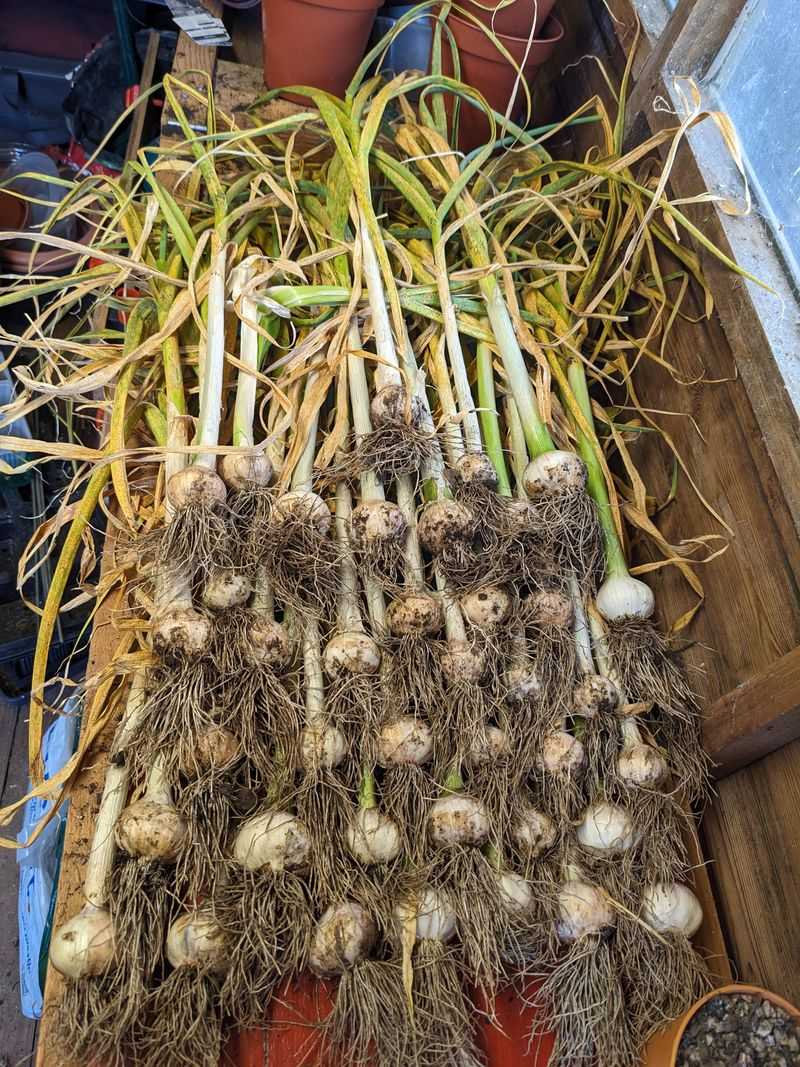
Choosing between hardneck and softneck garlic feels confusing at first, but Missouri’s climate basically makes the decision for you. Cold winters with reliable freezing temperatures favor hardneck varieties without question.
Hardneck garlic produces a stiff central stalk called a scape. That scape is a bonus harvest in spring, and it tastes incredible sauteed in butter.
Rocambole types like German Red and Spanish Roja thrive in colder zones. They develop complex, rich flavor that softneck varieties simply cannot match in a Midwestern climate.
Softneck garlic is bred for mild winters and long storage. It grows well in California or the Deep South, but Missouri winters can stress it out and reduce yields.
That said, some gardeners in southern Missouri near the Arkansas border successfully grow softneck types. If you are in zone 7a, Artichoke softnecks like Inchelium Red may surprise you.
For most of the state, though, hardneck is the reliable, rewarding choice. Bulbs are larger, flavors are bolder, and the plants handle freeze-thaw cycles well.
Purple Stripe varieties are another hardneck option worth exploring. They store well for hardnecks and offer a slightly sweeter taste profile than Rocamboles.
Ordering in July lets you compare hardneck options while farms still have full inventory. Waiting means you lose the chance to choose what actually fits your growing zone.
Certified Seed Garlic Beats Grocery Store Bulbs
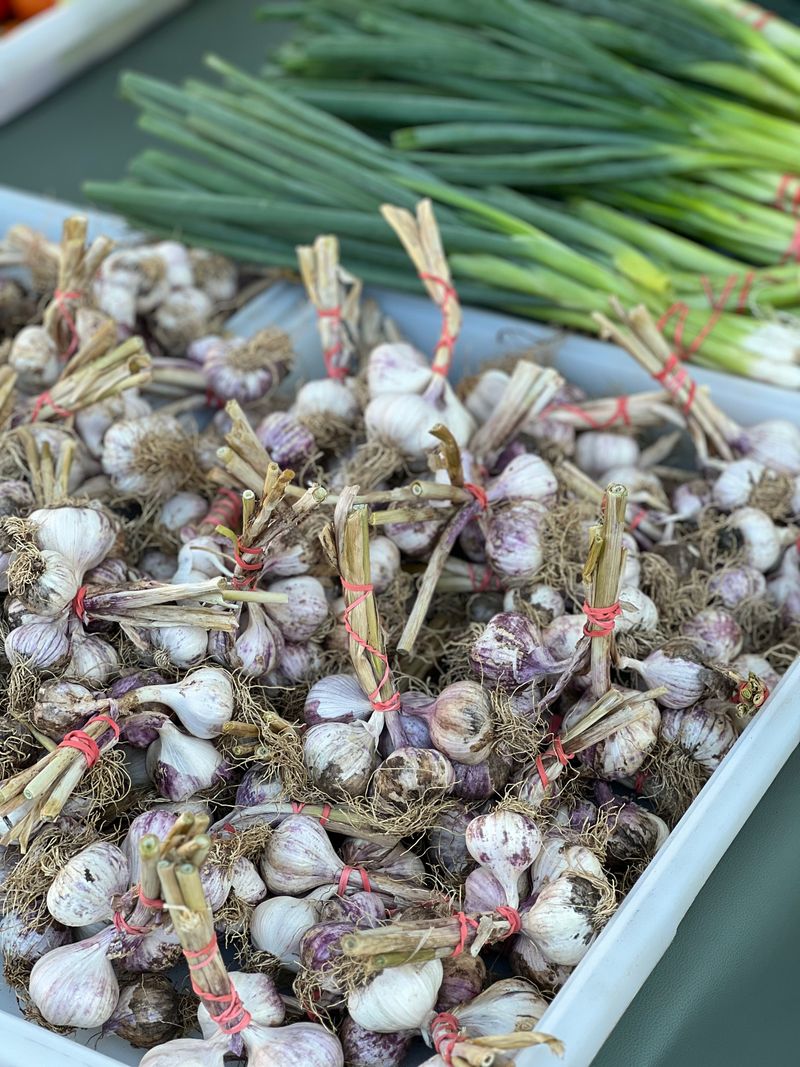
Grabbing a garlic bulb from the grocery store and tossing it in the ground sounds like a clever shortcut. Spoiler: it almost never works the way you hope.
Grocery store garlic is often treated with sprout inhibitors to extend shelf life. Those chemicals slow or stop germination, which means your planting effort produces almost nothing.
Even untreated store garlic carries a bigger problem: unknown disease history. Commercial garlic travels through warehouses, packing facilities, and cold storage across multiple states.
Along the way, it picks up fungal spores, nematodes, and viruses. Plant that in your garden bed and you risk introducing problems that are hard to get rid of later.
Certified seed garlic is grown specifically for planting. Reputable farms test their stock for common pathogens and maintain clean growing practices from season to season.
You also know exactly what variety you are getting. That matters when you want consistent flavor, size, or storage life from your harvest.
Seed garlic farms in Missouri and nearby states often grow regionally adapted stock. Those bulbs have already proven themselves in similar soil and climate conditions.
Buying certified seed garlic in July means you access the cleanest, most vigorous stock of the season. Farms prioritize early orders when allocating their premium bulbs.
Healthy seed gives your harvest a strong head start. Starting with quality inputs is one of the most important things you can do to set your fall planting up for success.
Choosing Varieties Suited To Missouri Soil
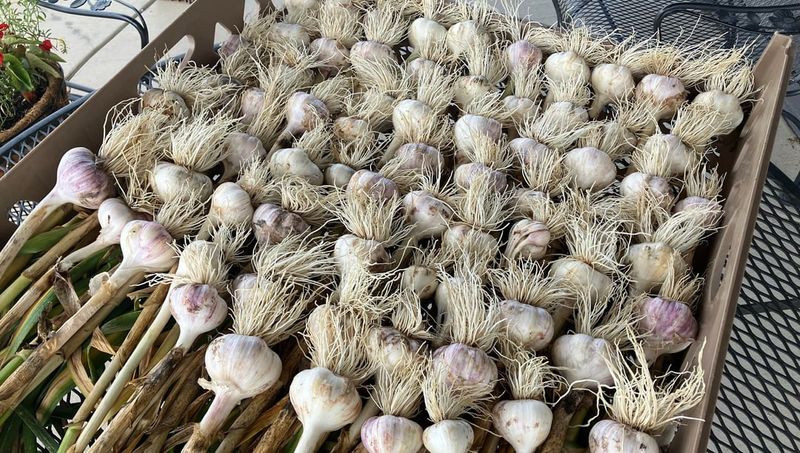
Missouri soil is as varied as the state itself. Rich loam in the north, heavy clay in the river bottoms, and rocky Ozark terrain each call for slightly different approaches.
Garlic is adaptable, but some varieties root more aggressively and handle compact or clay-heavy soil better than others. German Red, for example, pushes strong roots even in dense ground.
Raised beds solve a lot of soil problems instantly. If your native soil drains poorly, building up with compost-rich mix gives any variety a fighting chance.
Chesnok Red is a Purple Stripe hardneck that performs beautifully across multiple soil types. It is known for holding its flavor even after roasting, which makes it a kitchen favorite.
Music garlic is another top performer for Midwestern gardens. It produces large, easy-to-peel cloves and stores longer than most hardnecks after harvest.
For gardeners near the Ozarks with rockier ground, Porcelain types like Romanian Red work well. Their deep root structure navigates uneven terrain without sacrificing bulb size.
Soil pH matters too. Garlic prefers a range between 6.0 and 7.0, which aligns well with most Missouri garden beds after basic amendment.
Ordering in July gives you time to test your soil and add lime or sulfur before planting day arrives. Matching the right variety to your actual conditions can make a real difference in how your fall garlic performs in Missouri.
Storing Your Garlic Order Until Planting Day
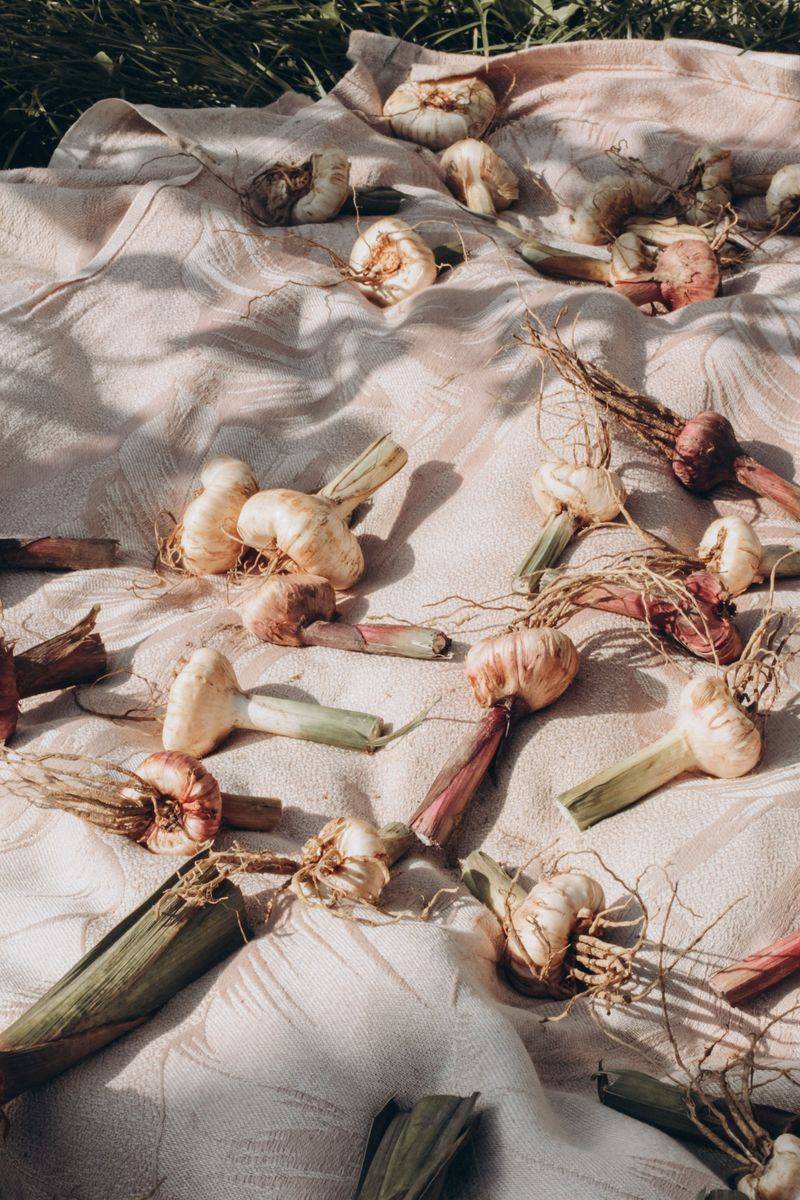
Your July order arrives in late September, and planting day is still three weeks away. Knowing how to store those bulbs properly makes all the difference in germination success.
Garlic needs cool, dry, and dark conditions between delivery and planting. A basement, garage corner, or even a shaded porch shelf works perfectly in most Missouri homes.
Avoid refrigerating your seed garlic before planting. Cold fridge temperatures can trigger premature sprouting or introduce unwanted moisture that leads to rot.
Mesh bags or paper bags with ventilation holes are ideal containers. Plastic bags trap humidity and create the exact environment that mold loves to thrive in.
Keep bulbs whole until planting day. Breaking cloves apart too early exposes the cut end to air and increases the risk of drying out or fungal damage.
Aim for storage temperatures between 50 and 65 degrees Fahrenheit. Most Missouri garages in late September fall right in that comfortable range without any special equipment.
Check your stored bulbs every few days for soft spots or unusual smells. Catching one bad bulb early prevents the problem from spreading to the rest of your order.
Label each variety separately from the moment it arrives. Mixing them up means guessing at harvest time, which defeats the purpose of choosing specific types for your fall planting in Missouri.
Proper storage is the bridge between a smart July order and a thriving spring harvest. Protect your investment now and your garden rewards you in full.