What Happens To A Missouri Lawn After A Month Without The Mower
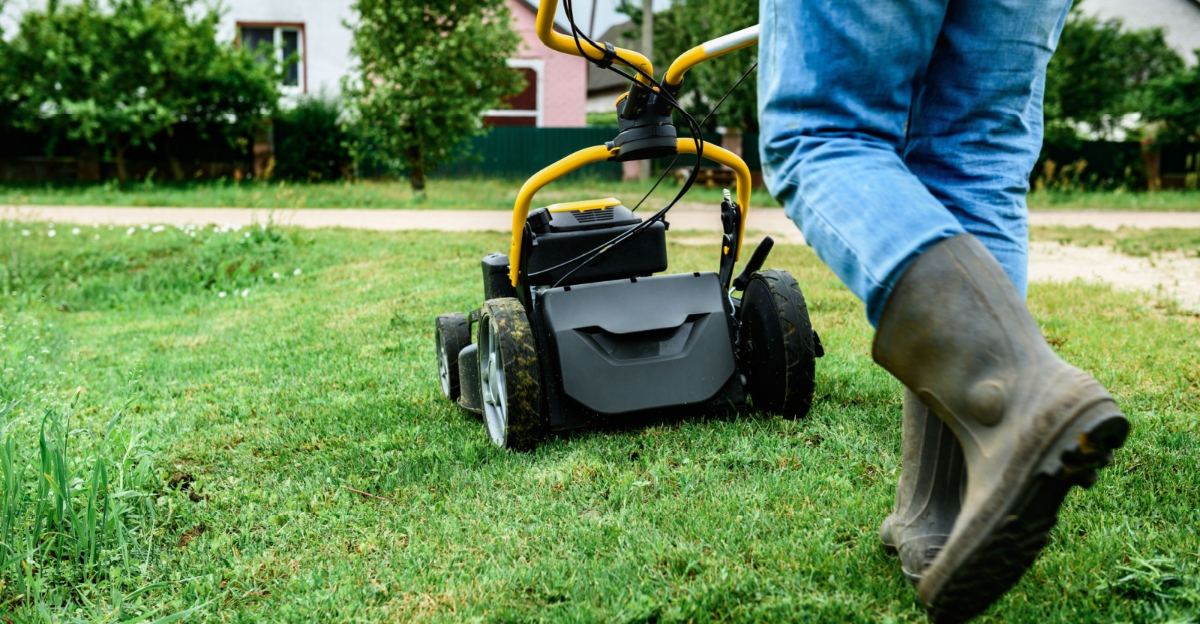
Skip one month of mowing in Missouri, and your lawn stops being a lawn. It becomes something closer to a science experiment you didn’t sign up for, but one you’ll be glad you ran.
Grasses that spent all summer getting buzzed down finally hit their stride. Wildflowers you never planted show up like they own the place.
Insects, birds, and small critters start treating your yard like a nature reserve. And the whole thing happens quietly, while you’re doing literally anything else.
This isn’t about being lazy. It’s about what your lawn has been trying to do all along, underneath all that weekly maintenance.
Missouri’s mix of heat, humidity, and native plant pressure means a month without the mower reveals more than you’d expect.
What exactly shows up? What thrives, what takes over, and what does your yard actually look like on day 30?
Let’s get into it.
What Your Missouri Lawn Does Without The Mower
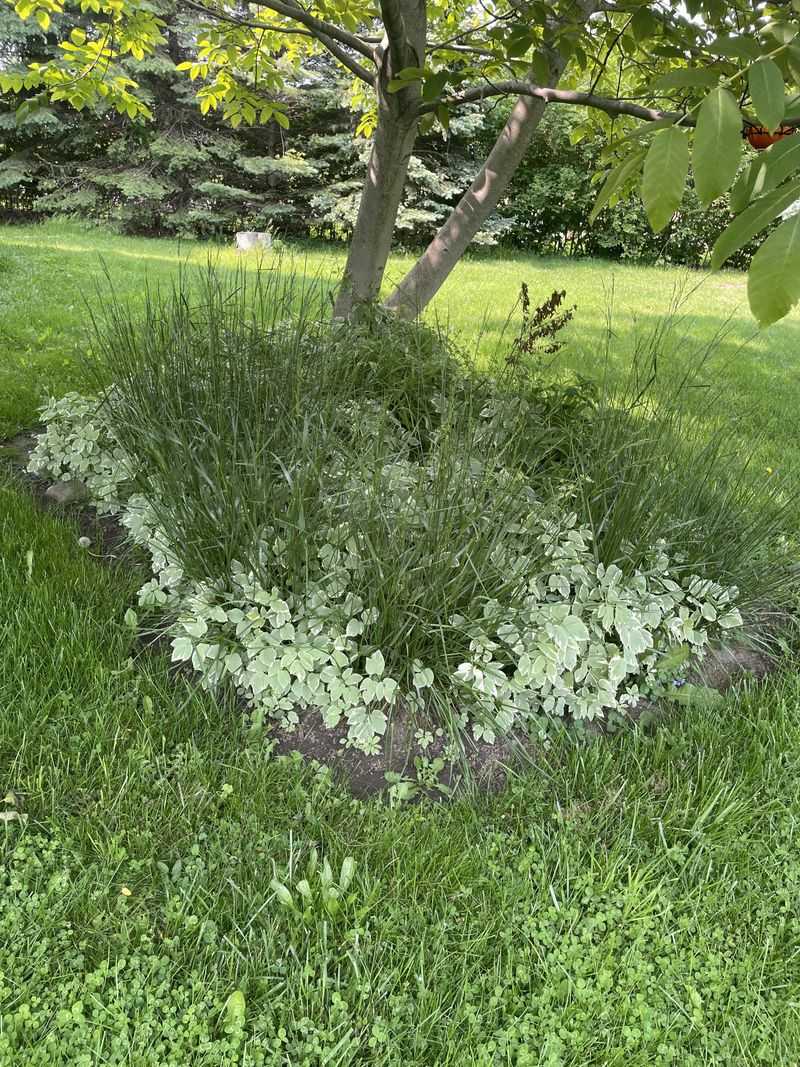
Tall fescue does not panic when the mower disappears. Instead, it exhales.
Cool-season grasses in Missouri are built for exactly this kind of slow, unhurried growth. Fescue and bluegrass especially thrive when left to their own devices.
During the first week, blades push upward fast. You might notice two to three inches of new growth before the weekend even arrives.
That rapid stretch is the grass chasing sunlight and building stronger root systems below the surface.
By week two, something interesting happens. The blades start to arch slightly, creating that wavy, meadow-like texture that looks messy to some but actually signals healthy, well-fed grass.
Deeper roots mean the lawn holds moisture longer during dry spells. Week three brings tiller shoots, which are side growths that make the lawn thicker over time.
Most homeowners never see this stage because the mower cuts it all back before it gets there. Letting it happen, even once, builds a denser turf that resists weeds naturally.
By week four, cool-season grass has essentially done a quiet renovation. The lawn looks wild on the outside but is genuinely stronger underneath.
Sometimes the best thing you can do for your yard is simply walk away.
Native Wildflowers And Beneficial Weeds That Quietly Take Over
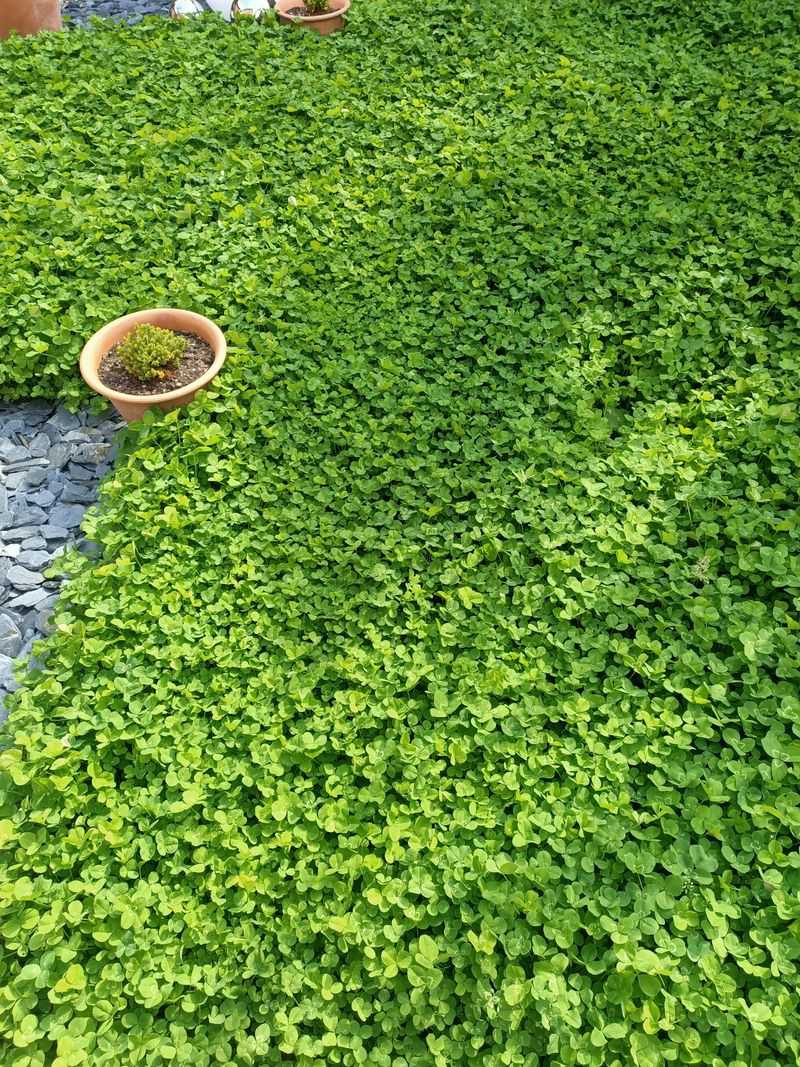
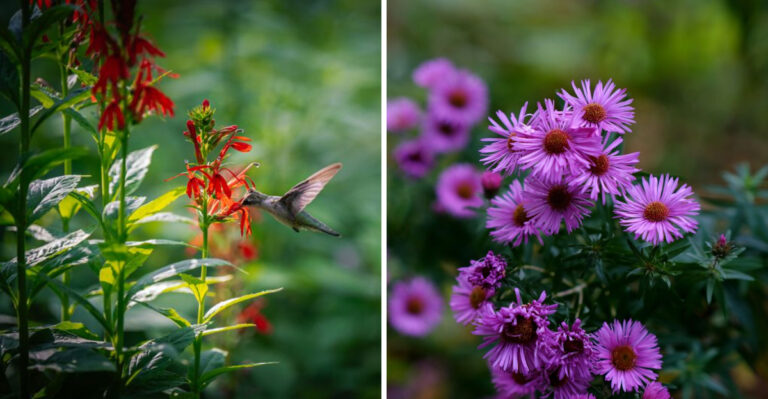
Clover does not ask for permission, and neither does wild violet or Queen Anne’s lace. When the mower stays parked, these plants move in with quiet confidence and surprising speed.
Within two weeks of skipping the cut, you will likely spot white clover spreading low along the ground. It pulls nitrogen from the air and feeds it directly into the soil, acting like free fertilizer that works around the clock.
Dandelions arrive next, and while most people groan at the sight, pollinators absolutely love them. Bees rely on early-blooming dandelions as a critical food source before other flowers open up, pulling them all out does more harm than good.
Wild violets bring a purple pop of color that honestly looks intentional if you squint. These low-growing plants spread gently and prefer shady spots where grass struggles to grow anyway, filling gaps the lawn cannot cover on its own.
Your Missouri Garden Changes Every Week. Your Plan Should Too.
Gardening in Missouri changes quickly throughout the season. Every Friday you’ll receive a simple weekly plan showing exactly what to plant, prune, fertilize, harvest, and protect so you never miss the right timing.
A month without mowing reveals what was always hiding beneath the surface. These plants are not invaders, they are the original tenants who have been waiting patiently for their turn in the sun.
Missouri’s Heat And Humidity Actually Help Your Lawn Thrive
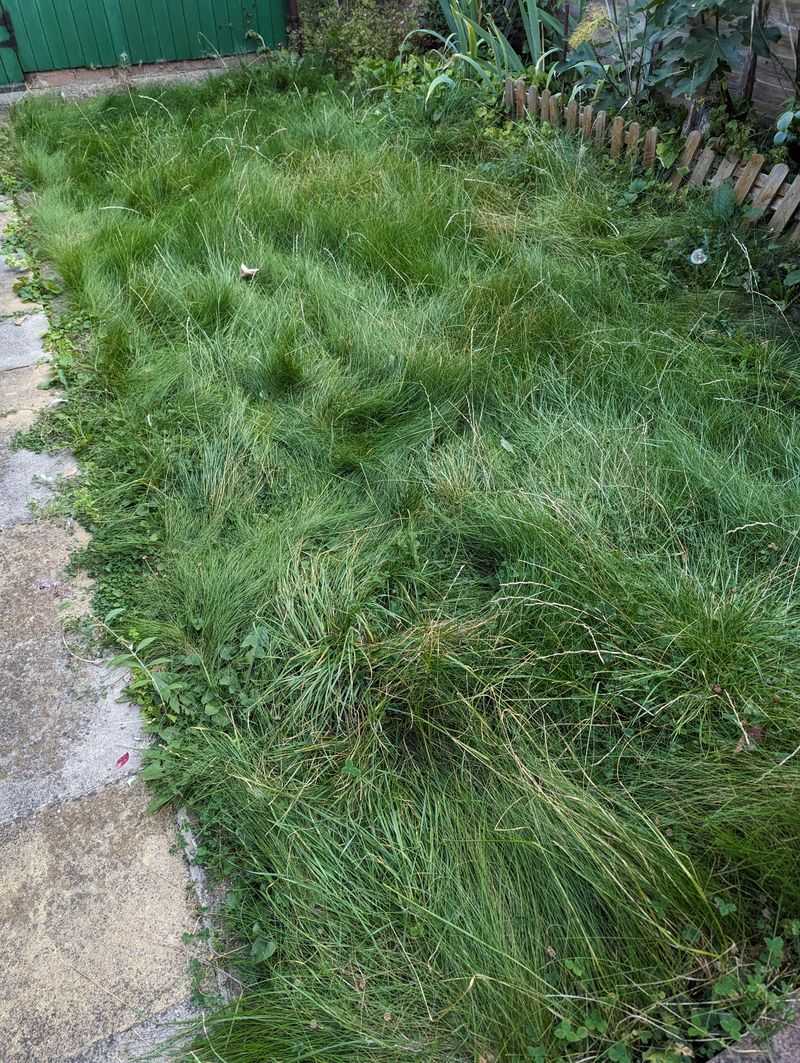
Missouri summers are not subtle. The heat rolls in thick, the humidity wraps around everything, and most people assume that kind of weather punishes a lawn left alone.
Surprisingly, the opposite is often true.
Warm-season grasses like zoysia and bermuda actually love the heat. When the mower stays away, they spread aggressively through underground runners called stolons.
A single month of growth can expand coverage by a few inches, depending on soil moisture and grass health. Humidity keeps the soil from drying out too fast between rain events.
Taller grass blades shade the soil surface, locking in that moisture even longer. Lawns left uncut during humid stretches often need less supplemental watering than their frequently mowed neighbors.
The combination of heat and moisture accelerates the breakdown of old clippings and organic matter. This creates a thin layer of natural compost right at soil level.
It feeds the roots with nutrients no bag of fertilizer can fully replicate. Missouri’s climate gets a bad reputation for being tough on lawns.
But when you stop fighting it with the mower every week, the heat and humidity start working in your favor. Nature has always had a plan.
This Wildlife Moves In When The Blade Stays Up
Rabbits notice first. Within days of the grass growing tall, you will likely spot one crouching low near the edge of your yard, perfectly camouflaged and completely unbothered by your schedule.
Fireflies need tall grass to complete their life cycle. The larvae live in the soil and climb grass blades at night to signal for mates.
A lawn mowed every week gives them almost no chance. A lawn left alone for a month creates the kind of environment that supports firefly populations over time.
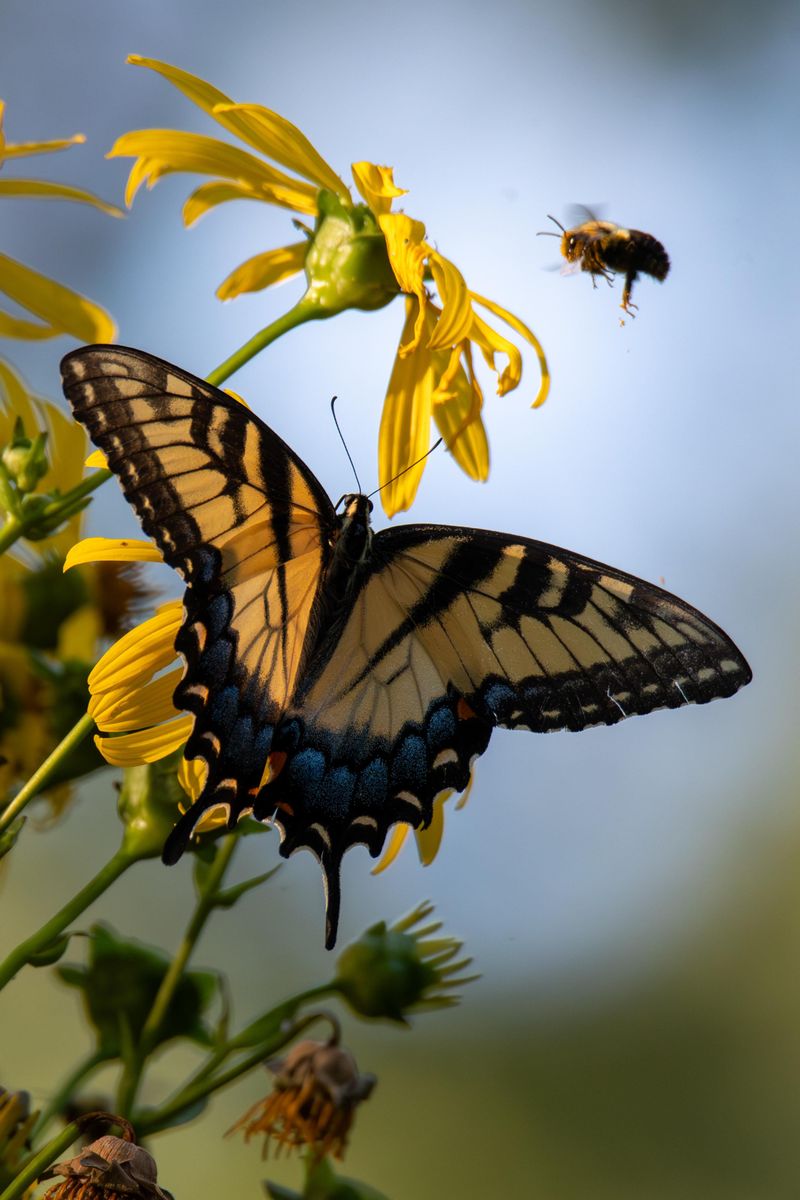
Butterflies and native bees follow the wildflowers that bloom once the mowing stops. Monarch butterflies specifically seek out milkweed, which pops up in untreated lawns across the state.
Letting the grass grow is one of the simplest ways to support pollinators that are struggling nationwide. Ground-nesting birds like killdeer occasionally set up nests in longer grass patches.
Toads move in to hunt the insects that thrive in the taller vegetation. Even small garden snakes may appear, keeping the rodent population in check naturally.
Your unmowed lawn is not neglected. It has quietly become a habitat.
The wildlife that shows up is doing real ecological work. And all it cost you was skipping a weekend chore.
What Your Lawn Looks Like On Day 30
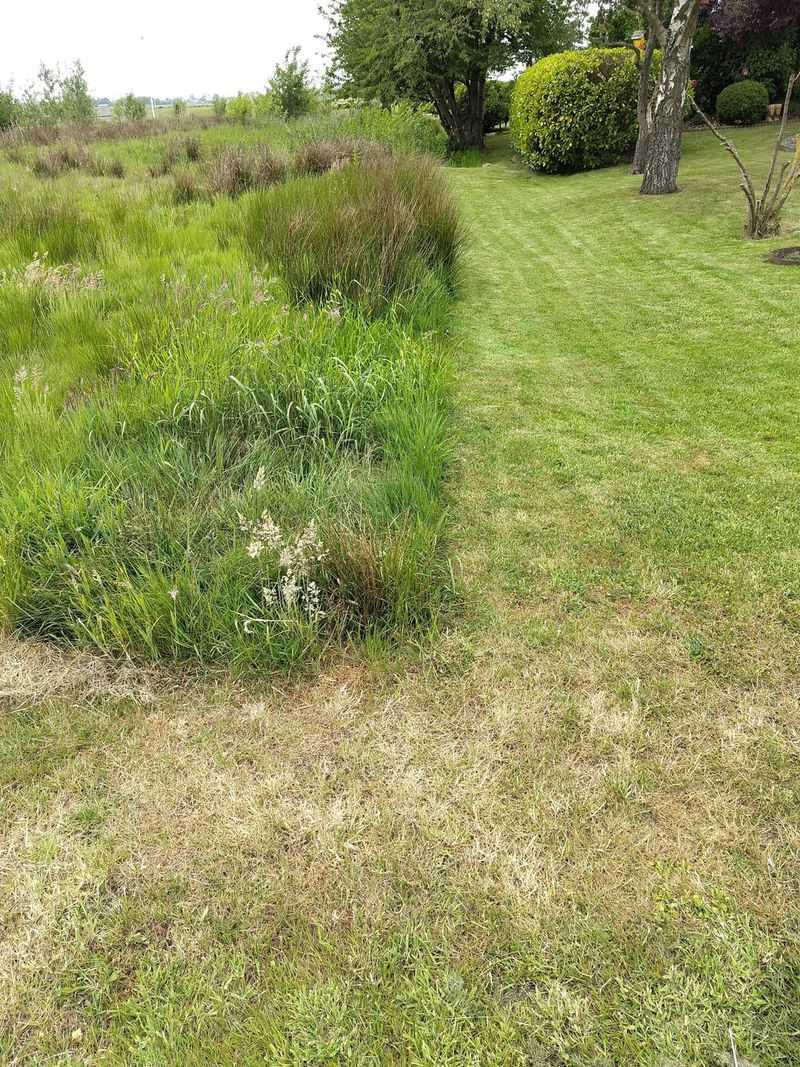
Day 30 has a look that is hard to ignore. The grass stands anywhere from six to twelve inches tall, leaning in all directions like it forgot which way was up.
Seed heads poke out from the tips of fescue blades. The whole yard has a shaggy, untamed energy that neighbors either admire or quietly complain about.
Underneath that wild exterior, the soil is actually in great shape. Root systems have gone deeper, organic matter has built up at the surface, and the lawn has essentially been composting itself for weeks.
The foundation is stronger than it looks from the curb. When you finally do mow, the key is not to scalp it.
Never remove more than one-third of the blade length in a single pass. Cut it down gradually over two or three sessions spaced a few days apart.
Rushing the recovery causes more stress than the long break ever did. Within a week of the first careful cut, the lawn begins to green up and even out.
Bare patches fill in faster because the roots are stronger. The grass that looked completely out of control bounces back with remarkable speed and energy.
Skipping The Mow Gives Your Lawn The Break It Needed
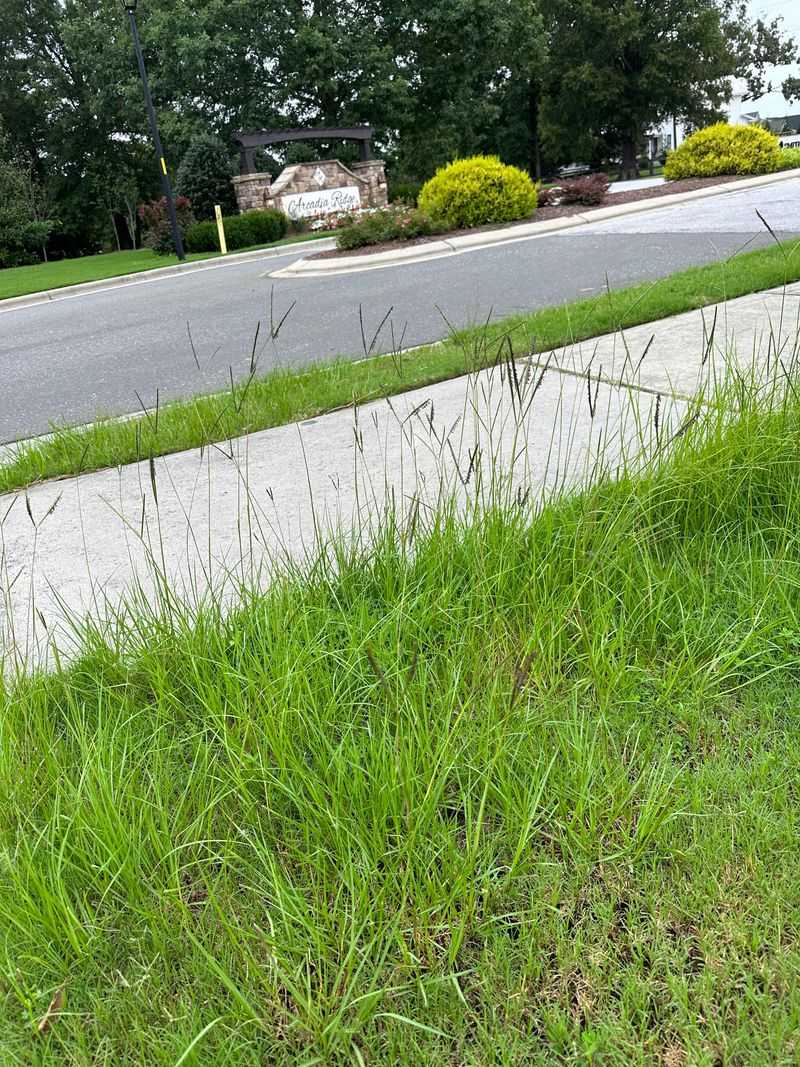
Lawns get tired. That sounds strange, but it is true.
Constant mowing removes the very tissue the grass uses to photosynthesize. Do it week after week without a break, and you are stressing the plant in ways that are not always visible right away.
Skipping an entire month gives the grass time to rebuild its energy reserves. The blades that grow tall are capturing more sunlight and sending more sugar down to the roots.
That stored energy helps the lawn survive drought, foot traffic, and the stress of future cuts much more effectively. Thatch, which is the layer of dead grass that builds up near the soil surface, actually breaks down faster when the lawn is left alone.
Microbes and earthworms move through the thicker, moister environment and do the decomposition work that keeps the soil loose and breathable. Lawn care professionals sometimes call this approach a rest period, and it mirrors what farmers do with fields through crop rotation.
Giving the land a break is not laziness. It is strategy.
A Missouri lawn without the mower for a month is not a lawn in trouble. It is a lawn that finally had the chance to remember what it was always built to do.
Let it breathe, and it will reward you for it.
How To Safely Return To A Regular Mowing Routine After A Long Break
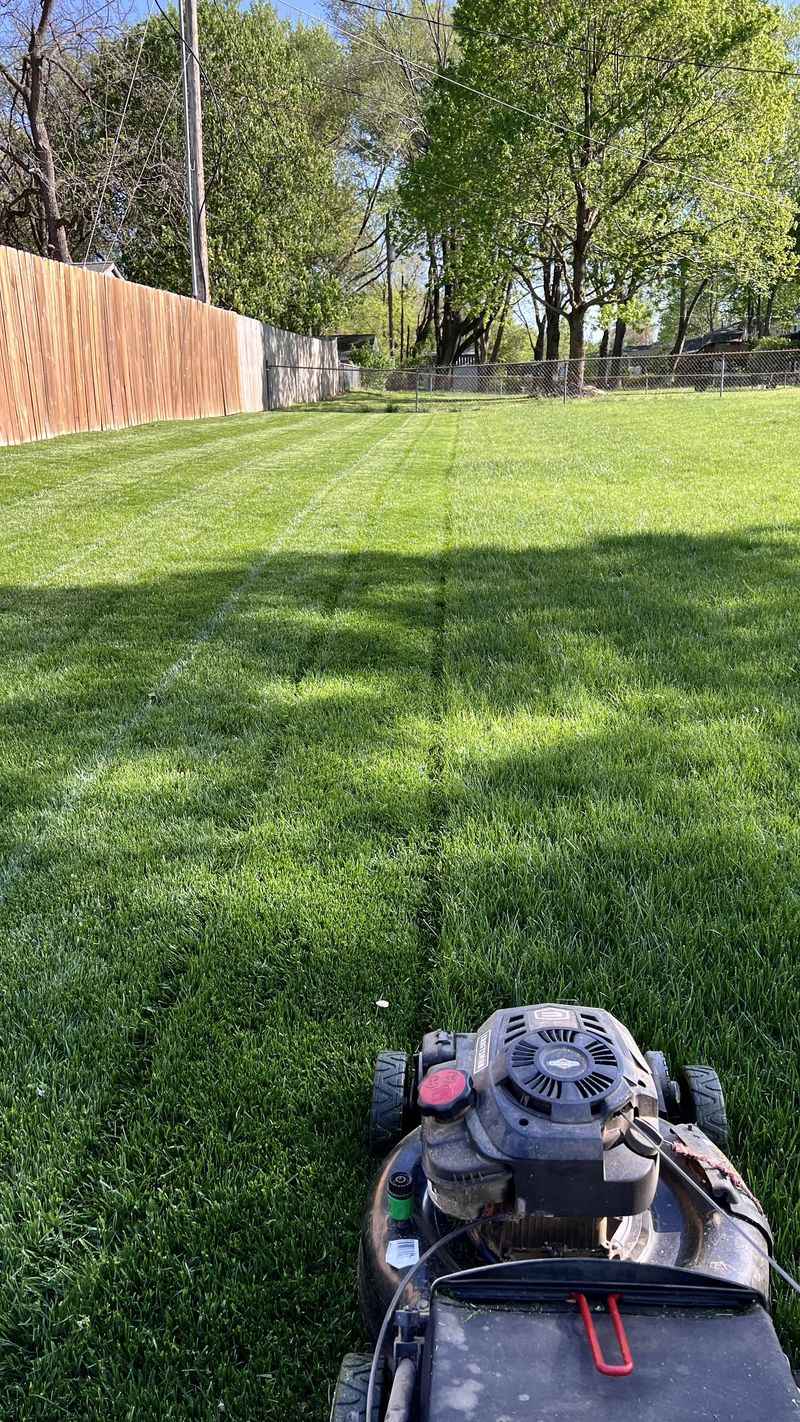
Coming back after a month away from the mower requires a little patience and a solid plan.
Jumping straight to your normal cutting height after a long break is one of the most common mistakes people make. It sets the lawn back more than the skip ever did.
Start by setting your mower deck as high as it will go. For most push mowers, that means somewhere between three and a half to four inches.
Make the first pass across the entire lawn at that height. Let the grass rest for two to three days before cutting again.
On the second pass, lower the deck by half an inch and repeat the process. By the third session, you should be close to your regular mowing height without having caused any shock to the grass.
Gradual steps make a real difference in how quickly the lawn recovers. Watering lightly after each session helps the grass recover faster.
A good soaking the evening after mowing gives the roots immediate support as the plant adjusts to the new height. Getting back into a routine does not have to be stressful for you or your lawn.
Take it slow, be patient, and the yard will return to its best shape faster than you might expect.