This Is The Only Perennial Michigan Gardeners Should Never Divide No Matter What
Dividing perennials is one of those garden tasks that feels productive and responsible, and most of the time it is. You get more plants, the original clump stays vigorous, and the whole bed benefits from the refresh.
Most perennials handle division without much drama and come back stronger for it. But there is one perennial that Michigan gardeners keep attempting to divide, often with the best intentions, and the results are consistently disappointing.
This plant has a root system and a growth habit that genuinely does not respond well to being split apart. It resents the disruption in ways that set it back significantly, sometimes for more than a season.
The better approach is almost the opposite of what standard perennial advice recommends, and once you understand why this particular plant is different, the reasoning makes complete sense.
1. Peonies
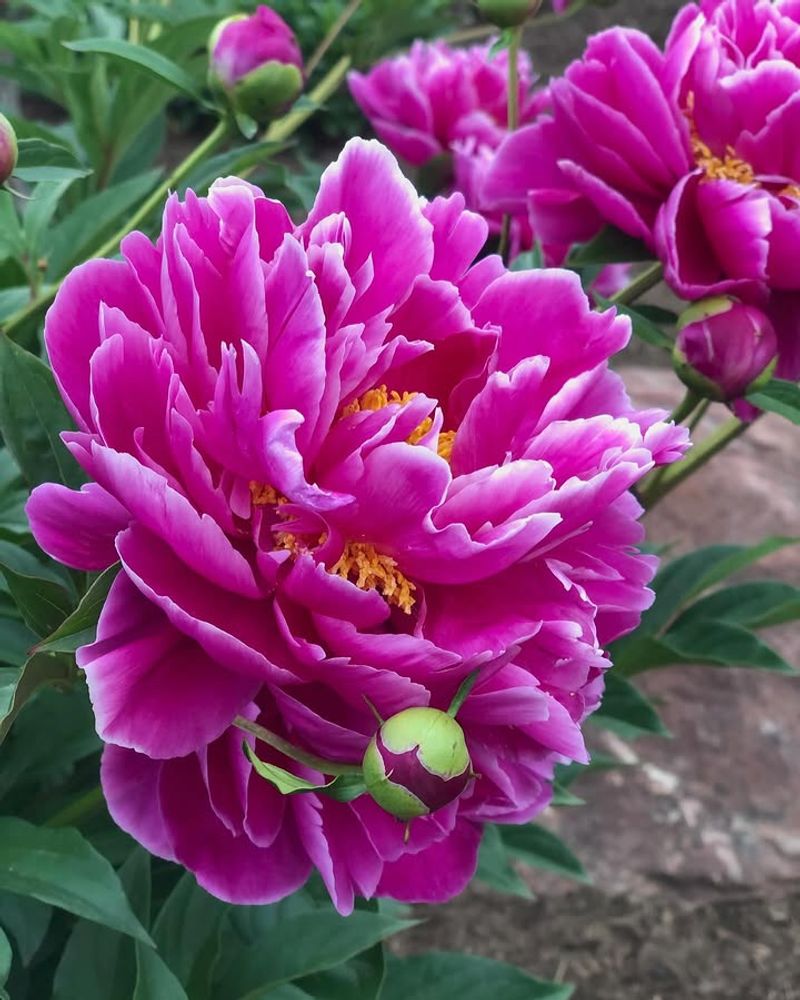
Few perennials command attention the way a fully established peony does. Paeonia lactiflora, the classic garden peony most Michigan gardeners grow, is one of those rare plants that genuinely gets better with age.
While many perennials need regular dividing to stay vigorous, peonies work the opposite way. The longer you leave them alone, the more spectacular they become.
A mature peony clump that has been growing undisturbed for ten or twenty years will produce dozens of blooms each spring. The root system grows deep and wide, storing enormous amounts of energy over time.
That stored energy is exactly what pushes up those massive, fragrant flowers that make neighbors stop and stare.
Many Michigan gardeners make the mistake of treating peonies like hostas or daylilies, plants that genuinely benefit from frequent division. Peonies simply do not work that way.
Disturbing the roots sets the plant back significantly and often means waiting years before reliable blooming returns. The smartest move you can make with a peony is to plant it correctly once and then let it grow undisturbed for as long as possible.
Trust the process, and your patience will be rewarded with one of the most breathtaking spring displays your garden has ever seen.
2. Mature Peonies Usually Bloom Better The Longer They Stay In Place
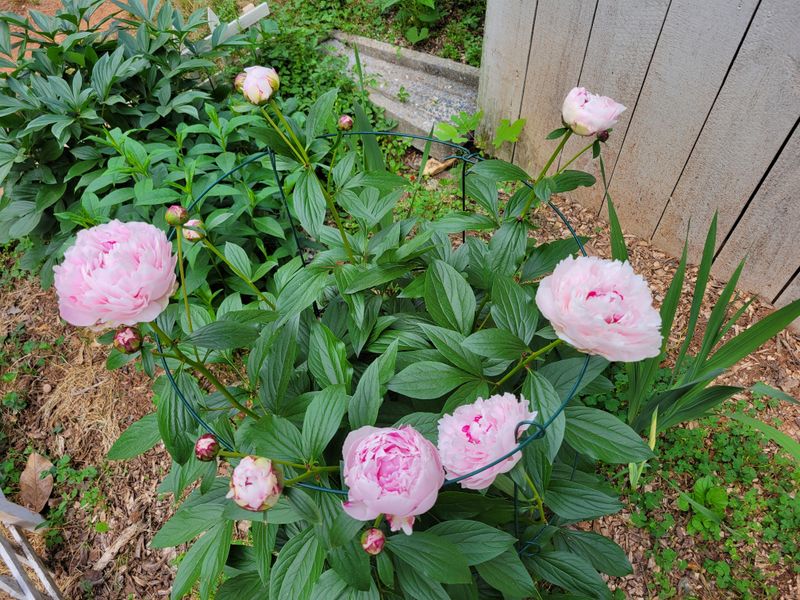
Something almost magical happens when a peony has been growing in the same spot for years. The root system, called the crown, slowly expands underground, storing more carbohydrates and energy with each passing season.
All of that stored energy goes directly into producing bigger, more abundant flowers every single spring.
Gardeners who have kept peonies in place for a decade or more often report that their plants seem to outdo themselves year after year. A plant that produced ten blooms in its third year might produce forty or fifty blooms by its tenth.
That kind of progression simply does not happen with plants that get divided regularly. Every time you split the roots, you essentially reset the clock and force the plant to start rebuilding its energy reserves from scratch.
Michigan gardeners benefit especially from this long-term approach because the cold winters actually help peonies thrive. Peonies need a cold dormancy period to bloom well, and Michigan delivers that consistently.
Your Michigan Garden Changes Every Week. Your Plan Should Too.
Gardening in Michigan changes quickly throughout the season. Every Friday you’ll receive a simple weekly plan showing exactly what to plant, prune, fertilize, harvest, and protect so you never miss the right timing.
An established plant with deep roots is perfectly suited to take full advantage of those cold winters followed by warm springs.
The combination of Michigan climate and an undisturbed root system creates ideal conditions for the kind of dramatic spring bloom display that makes peonies so unforgettable and so worth the wait every single year.
3. Dividing Peonies Often Delays Flowering For Several Years
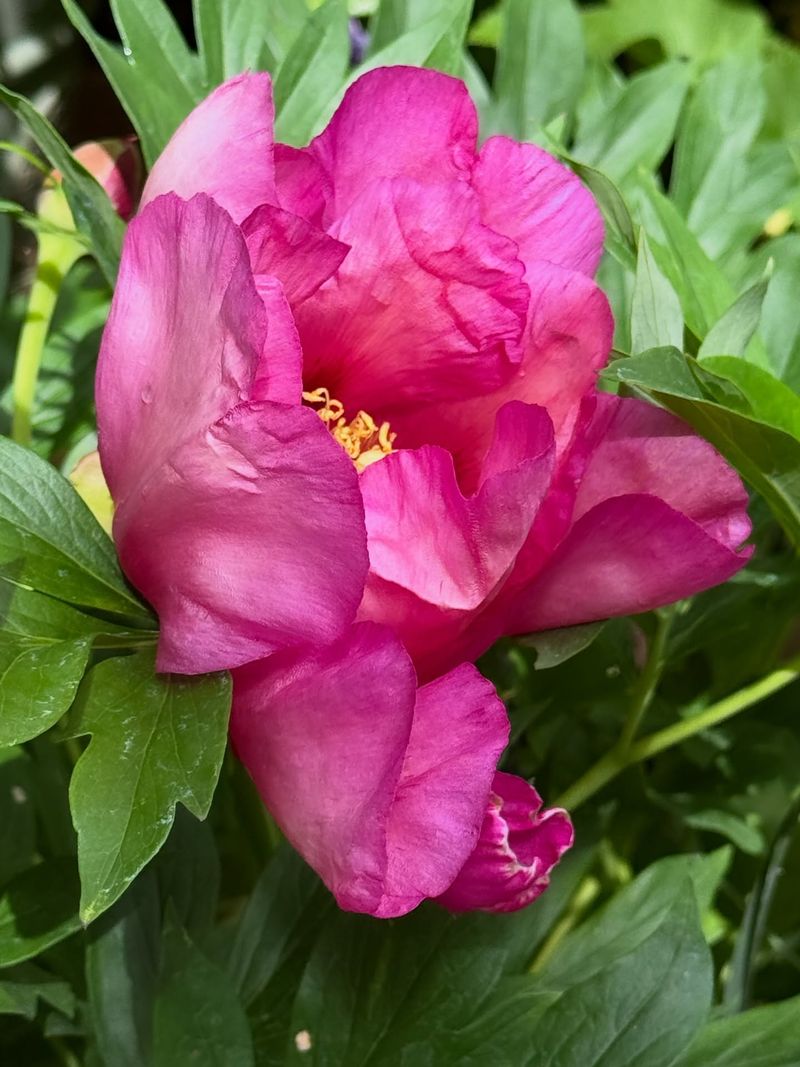
Here is something that surprises many gardeners the first time they experience it. You divide a beautiful, blooming peony in the fall, replant the divisions carefully, and then wait through the next spring with excitement.
Nothing blooms. You wait another year. Still nothing, or maybe just a single weak flower. That frustrating experience is extremely common, and it happens because peony roots need significant time to recover from division.
When you cut apart a peony crown, each division has to spend its first one to three years rebuilding its root system before it has enough stored energy to support flowers.
During that rebuilding phase, the plant focuses entirely on root development rather than bloom production.
In Michigan gardens, where the growing season is already relatively short, that recovery period can feel especially long and discouraging.
Bud development in peonies begins underground in late summer and fall, long before you see any spring growth. Root disturbance during or after that period interrupts the process and pushes flowering back another full season.
Gardeners who divide peonies in spring often wait even longer for blooms because the timing is particularly disruptive to bud formation.
Knowing this ahead of time helps you make smarter decisions about whether dividing your peonies is truly worth the multi-year wait you will face before your garden looks beautiful again.
4. Michigan Winters Favor Long Established Peony Root Systems
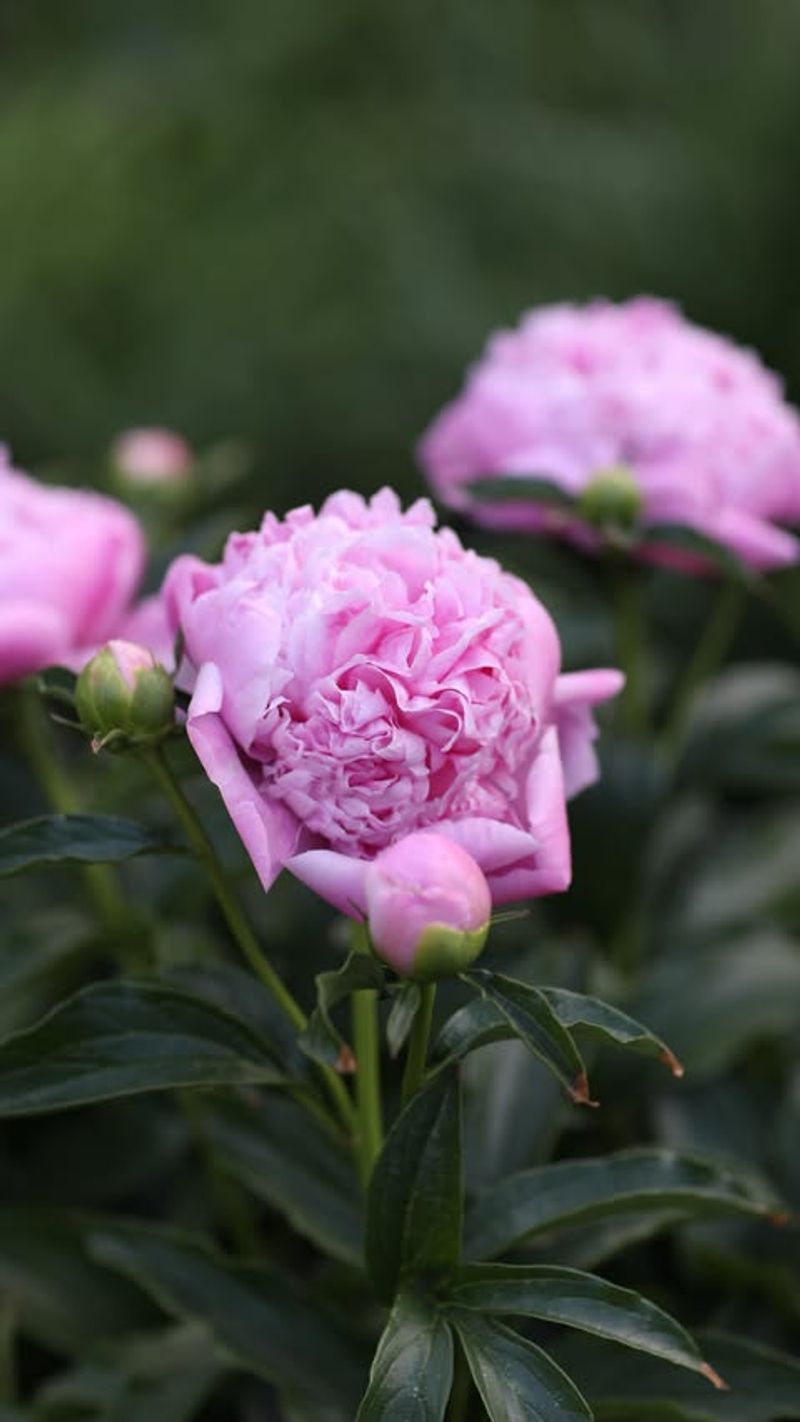
Michigan winters are no joke. Temperatures regularly drop well below freezing, the ground freezes deeply, and freeze-thaw cycles in late winter can stress plants that are not well established.
For most perennials, that kind of winter punishment is a real challenge. For a mature, deeply rooted peony, it is practically a non-issue.
An established peony crown sits several inches below the soil surface, protected by the insulating layer of earth above it.
Over many years, the roots grow deeper and spread wider, anchoring the plant firmly against frost heaving and temperature swings.
A recently divided peony, on the other hand, has shallow roots and limited energy reserves, making it much more vulnerable to Michigan freeze-thaw cycles during its first winter or two in a new location.
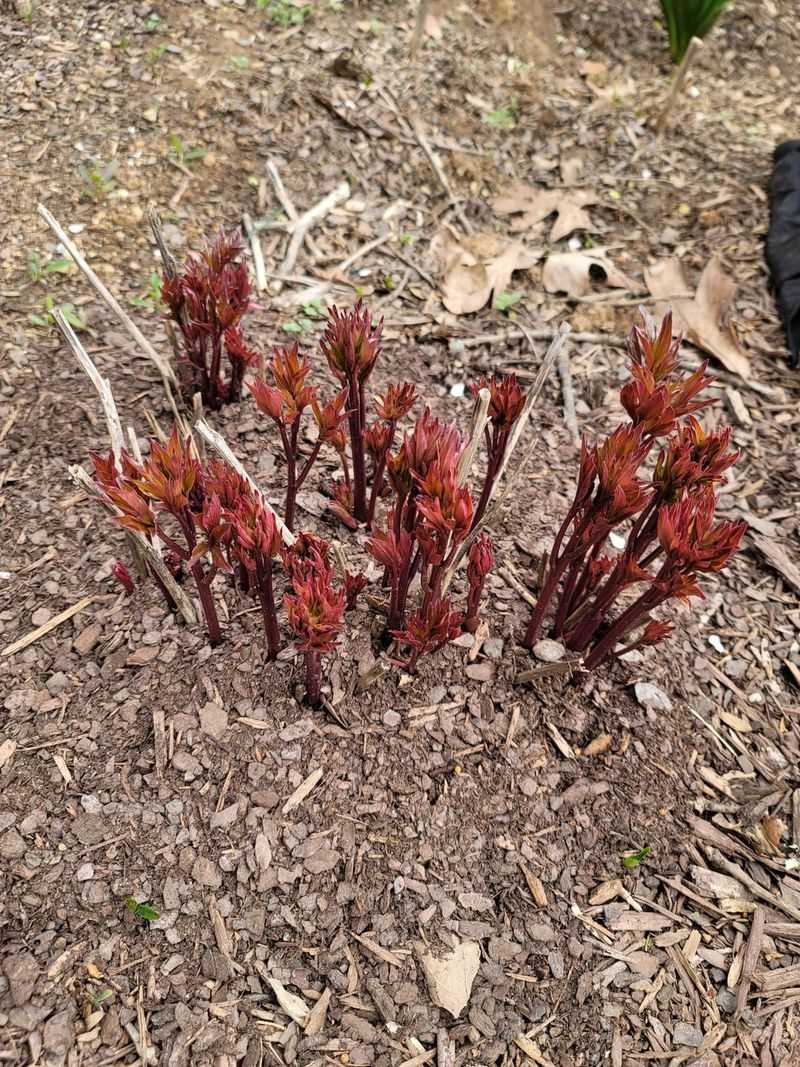
Spring recovery also happens faster for established plants. When temperatures warm up, a long-established peony pushes up those distinctive red shoots quickly and vigorously because its deep root system has abundant stored energy ready to go.
A newly divided plant emerges more slowly and spends its early spring energy on root repair rather than shoot growth.
Gardeners across Michigan have noticed this difference firsthand, watching established peonies bounce back strong while divided ones struggle for a season or two.
Keeping your peonies in place gives them the best possible advantage against everything a Michigan winter can throw at them.
5. Peonies Rarely Need Division For Plant Health
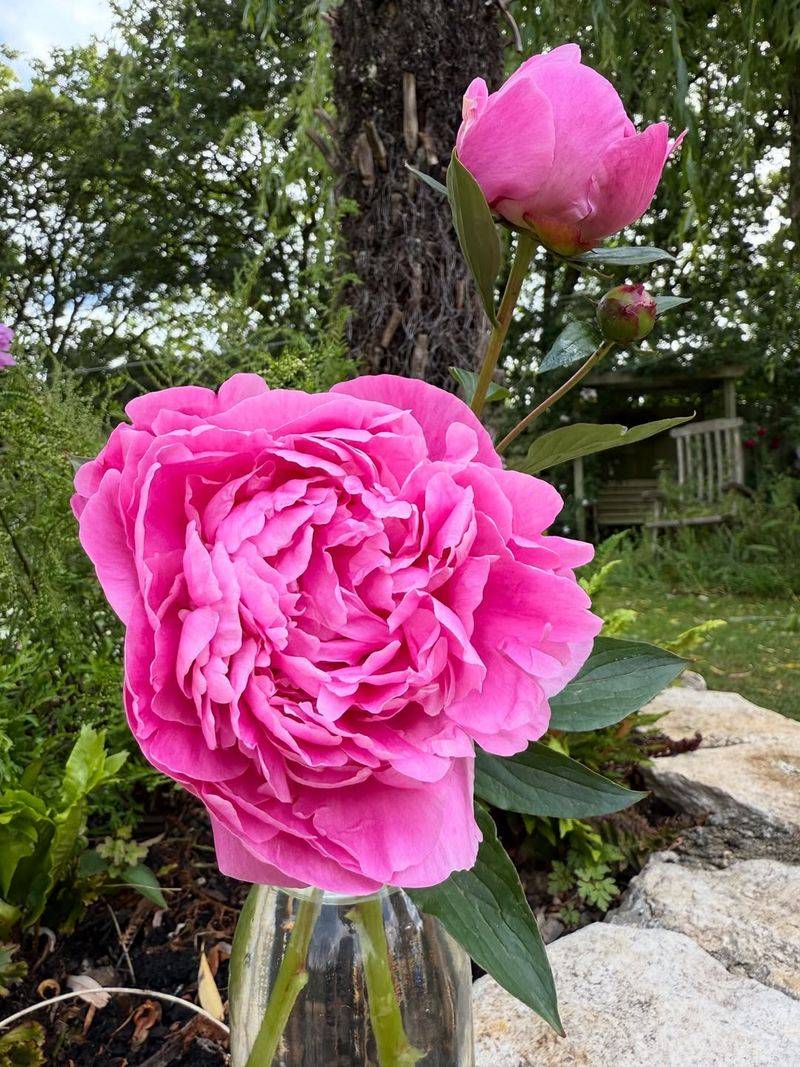
Spend enough time in gardening circles and you will hear the advice to divide perennials every three to five years to keep them healthy. That advice works well for plenty of plants, including hostas, black-eyed Susans, and ornamental grasses.
Peonies, however, operate by a completely different set of rules and do not fit that standard recommendation at all.
Unlike many perennials that become crowded and start to decline when their centers get woody and hollow, peonies actually grow more productive as their clumps expand.
A healthy peony planted in well-drained soil with good sun exposure can bloom reliably for fifty years or more without any division whatsoever.
Some well-documented peonies in old Michigan gardens and farmsteads have been blooming continuously for over a century with almost no intervention from anyone.
The key to that kind of longevity is correct planting from the very beginning. Peonies planted at the right depth, in the right spot, with good drainage and adequate sunlight simply do not need the kind of maintenance that other perennials require.
If your peony is blooming well each year, that is a strong signal to leave it exactly where it is. Healthy plants do not need fixing.
Giving your peony the right start means you can enjoy it for decades without ever picking up a shovel for anything other than routine garden maintenance.
6. Planting Depth Problems Cause More Bloom Failure Than Lack Of Division
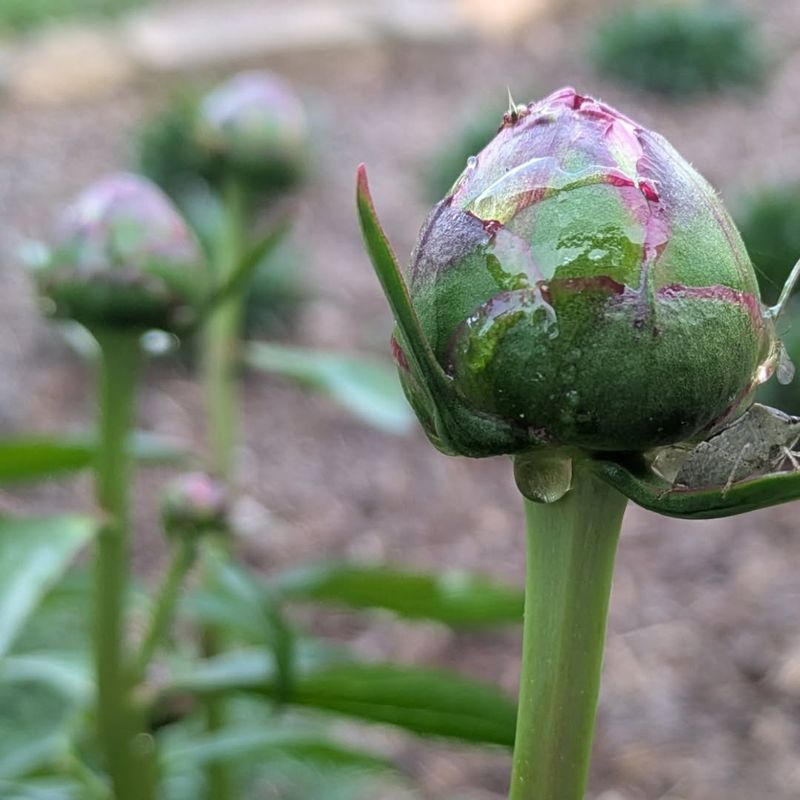
Walk through any neighborhood in Michigan during peony season and you will likely find at least one plant that never seems to bloom. The owner might assume the plant needs dividing, or that the variety is just weak.
But more often than not, the real problem is something much simpler: the peony was planted too deep.
Peonies are famously fussy about planting depth, and getting it wrong is the single most common reason healthy plants refuse to bloom.
In Michigan and other cold-climate states, the eyes, which are the pink or red buds on the crown, should sit no more than one to two inches below the soil surface.
Plant those eyes three or four inches deep and the plant may grow lush green foliage every year while producing little to no flowers, sometimes for its entire life.
The frustrating part is that a too-deep peony often looks perfectly healthy above ground, giving no obvious clues that something is wrong.
Gardeners sometimes divide these non-blooming plants hoping division will solve the problem, but it rarely does unless the replanting corrects the depth issue at the same time.
Before you ever consider dividing a peony that is not blooming, check the planting depth first. Carefully scrape away a little soil around the crown and count how far down those eyes are sitting.
Adjusting the depth often solves the bloom problem completely without any division required.
7. The Best Reason To Divide Peonies Is Usually Sharing Or Moving Them
Knowing that peonies rarely need division for health reasons does not mean you should never divide them.
There are genuinely good reasons to split a peony clump, and understanding those reasons helps you make smart choices rather than just following general gardening advice that does not quite apply to this particular plant.
The most common and practical reason to divide a peony is to share it. Heirloom peonies passed down through families carry real sentimental value, and dividing a clump to give a division to a friend or relative is a wonderful tradition in Michigan gardening communities.
Similarly, if you are moving to a new home and want to bring a beloved peony with you, careful division and replanting is the right approach.
Rescuing a severely overcrowded clump that has genuinely stopped performing is another valid reason, though true overcrowding in peonies is far less common than most people think.
If you do decide to divide for any of these reasons, do it with intention and care. Use a sharp, clean spade to lift the entire clump, then cut the crown into sections with at least three to five eyes each.
Smaller divisions with fewer eyes take longer to recover and bloom. Larger divisions with more eyes will re-establish faster and reward you with flowers sooner.
Division done thoughtfully for the right reasons can absolutely work well, as long as you go in with realistic expectations about the recovery timeline ahead.
8. Early Fall Is Safer Than Spring For Dividing Michigan Peonies
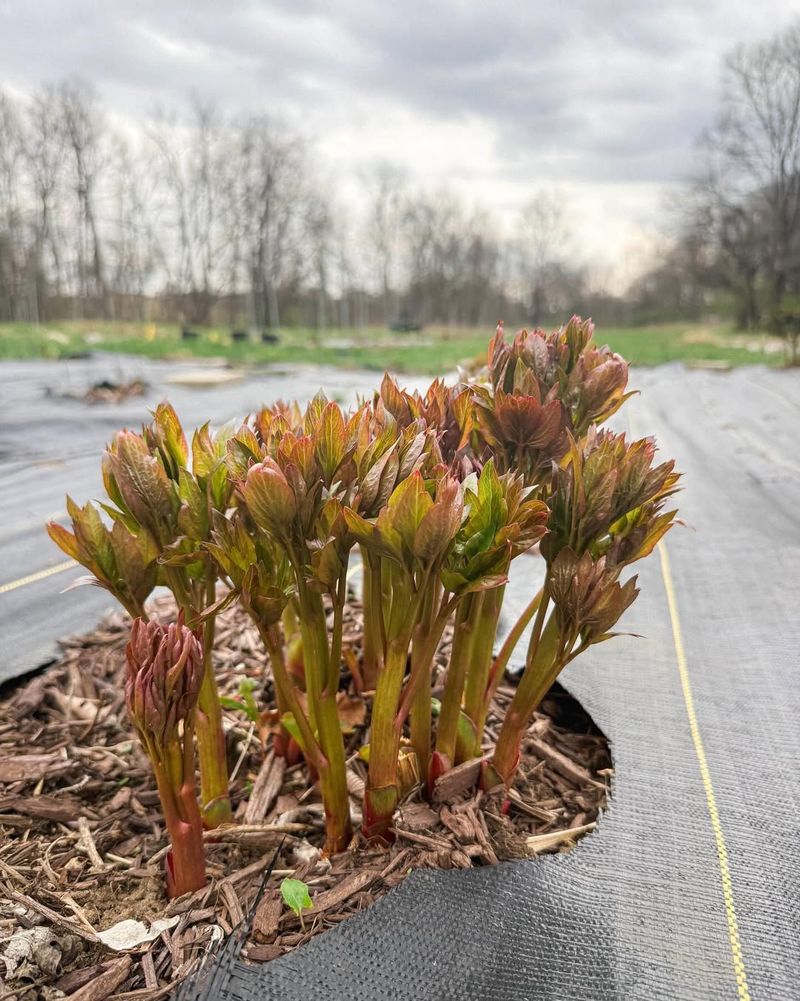
Timing matters enormously when it comes to dividing peonies, and many gardeners get this part wrong. Spring division might seem logical since the garden is waking up and everything feels full of energy.
For peonies, though, spring is actually one of the worst times to attempt division, and doing it then can set your plants back by years.
Early fall, specifically late August through September in Michigan, is the ideal window for peony division. By that time, the plant has finished its growing season, the foliage has started to fade, and the root system is entering a natural rest period.
Cooler temperatures reduce transplant stress significantly, and the soil still holds enough warmth to encourage new root growth before the ground freezes.
That brief fall root establishment period makes a real difference in how well divisions survive their first Michigan winter.
Spring division disrupts the plant at exactly the wrong moment. Peonies in spring are pushing enormous amounts of energy upward toward new shoots and developing buds, and cutting the roots at that stage wastes all of that stored energy instantly.
The shock is significant, and blooming is typically delayed by two to three full seasons as a result. Fall division, by contrast, works with the plant’s natural cycle rather than against it.
Mark your calendar for early September if you ever plan to divide, and give your peonies the best possible chance of recovering quickly and blooming again on a reasonable schedule.
9. Old Michigan Peonies Often Become Family Plants Passed Down For Generations
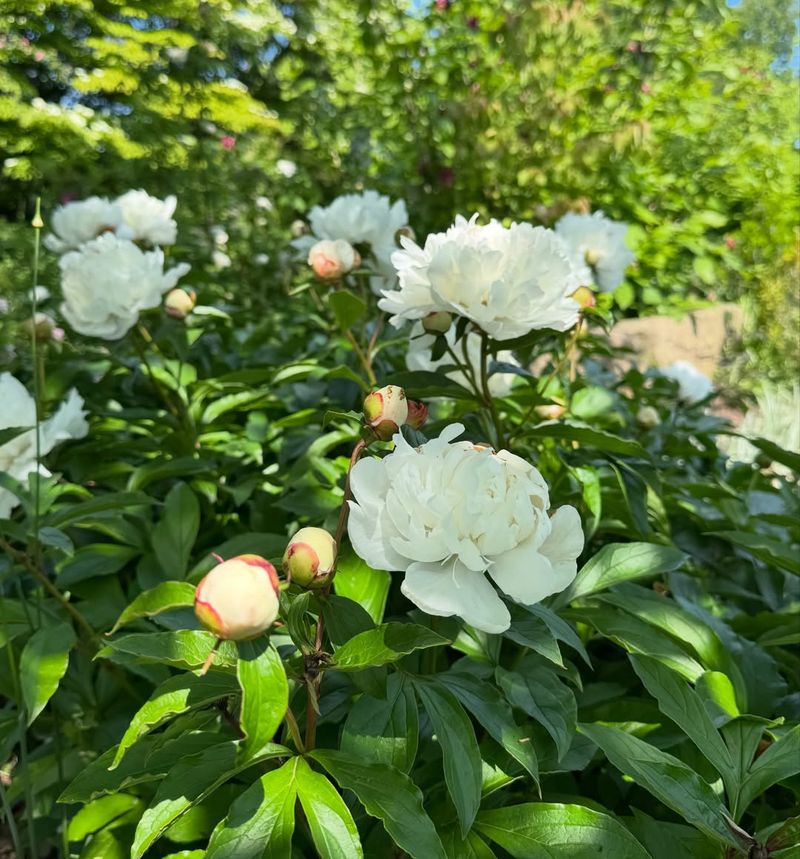
There is something deeply moving about a peony that has been blooming in the same spot for eighty years.
Drive through older neighborhoods in Michigan or past century-old farmsteads and you will sometimes spot enormous peony clumps still thriving beside foundations of homes that have long since changed hands.
These plants have outlasted owners, renovations, and entire generations of families while continuing to bloom faithfully every single spring.
Peonies earn this kind of legacy because of their extraordinary longevity when left undisturbed. A well-placed peony in good soil can remain productive for one hundred years or more.
That is not an exaggeration. Botanical gardens and historic properties across Michigan and the broader Midwest have documented peonies that have been blooming continuously since the early 1900s with minimal care from anyone.
That longevity turns peonies into living heirlooms. Families dig a division when someone moves away, carries it to a new home, and plants it in a new garden where it grows for another fifty years.
The same variety that bloomed outside a great-grandmother’s kitchen window in the 1940s might be blooming outside a grandchild’s window today. No other common garden perennial carries that kind of multigenerational story quite so naturally.
Leaving your peony undisturbed is not just good gardening practice. It is an investment in something that might outlast you and bring joy to people you have not even met yet.