Why Wax Myrtle Makes A Better Privacy Screen Than Ligustrum In Georgia
Privacy is one of those things homeowners value more every year. A backyard feels more relaxing when you can enjoy it without feeling like the whole neighborhood is looking in.
That is why planting a living screen has become such a popular choice. The challenge comes later, when a shrub that seemed perfect starts creating more work than you ever expected.
Not every fast growing shrub is a good long term investment. Some demand frequent trimming, spread farther than planned, or become difficult to keep under control as they mature.
Choosing the wrong plant can turn a simple privacy screen into a constant project.
Many gardeners in Georgia are beginning to favor wax myrtle for that reason.
It provides excellent screening while offering several advantages that make it a better fit than ligustrum for many landscapes.
1. Wax Myrtle Creates A Denser Natural Privacy Screen
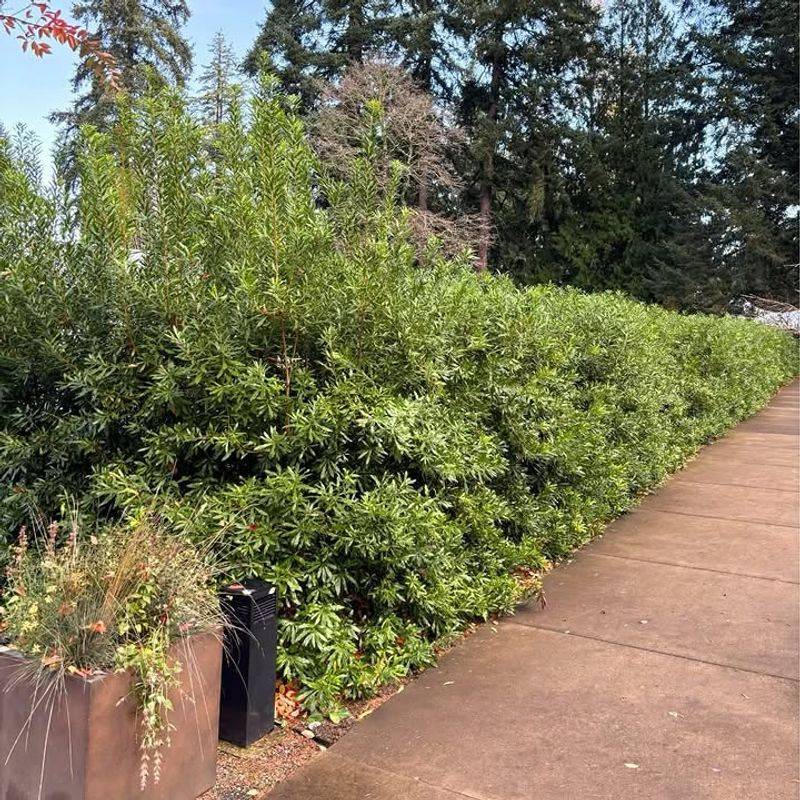
A solid wall of green that actually blocks the view sounds ideal, and wax myrtle delivers that without much fuss. Branches grow in tight clusters, filling gaps naturally as the plant matures.
Ligustrum can look sparse near the base, especially after a few seasons.
Wax myrtle grows quickly once it settles in. Under decent conditions, it can push two to three feet of new growth per year.
That speed means you get real coverage faster than with slower-growing alternatives.
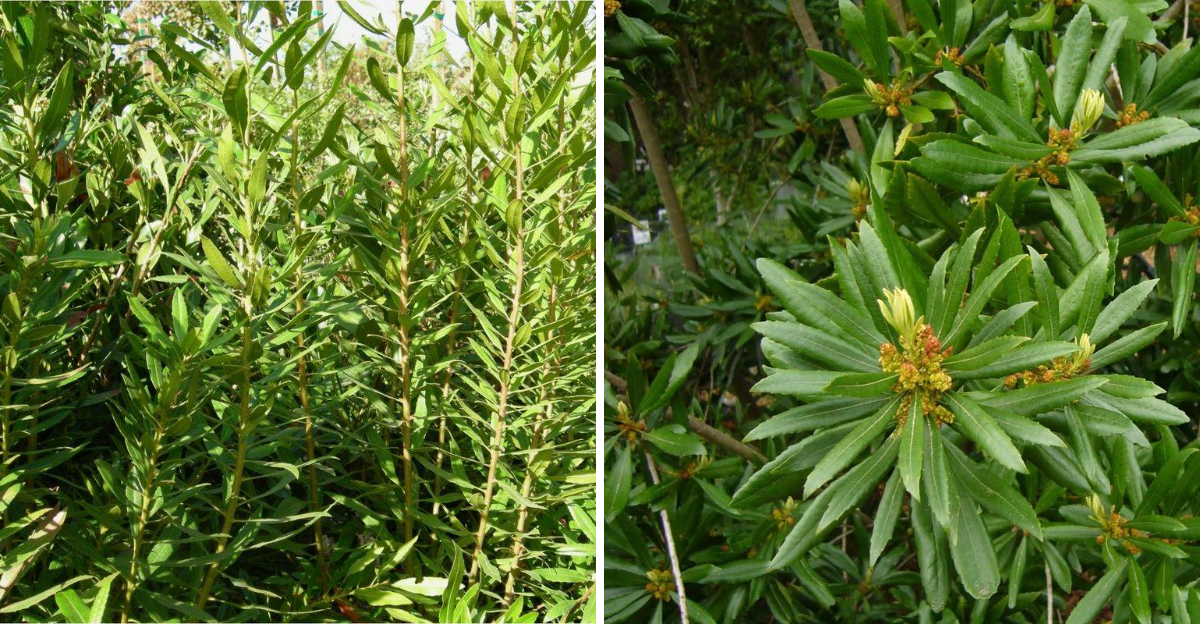
Leaves on wax myrtle are narrow and lance-shaped, but they overlap heavily when plants are spaced correctly. A spacing of four to six feet between plants typically produces a tight screen within two growing seasons.
Ligustrum planted at the same distance rarely fills in as evenly.
Another advantage is height. Wax myrtle can reach ten to fifteen feet without much encouragement.
At that size, it blocks sightlines from second-story windows and neighboring elevated decks.
Ligustrum tops out shorter in most residential settings and tends to thin at the crown over time. Wax myrtle stays full from top to bottom with minimal intervention.
That consistent density is exactly what a privacy screen needs to actually work year-round in the Southeast.
2. Native Growth Benefits Local Wildlife And Pollinators
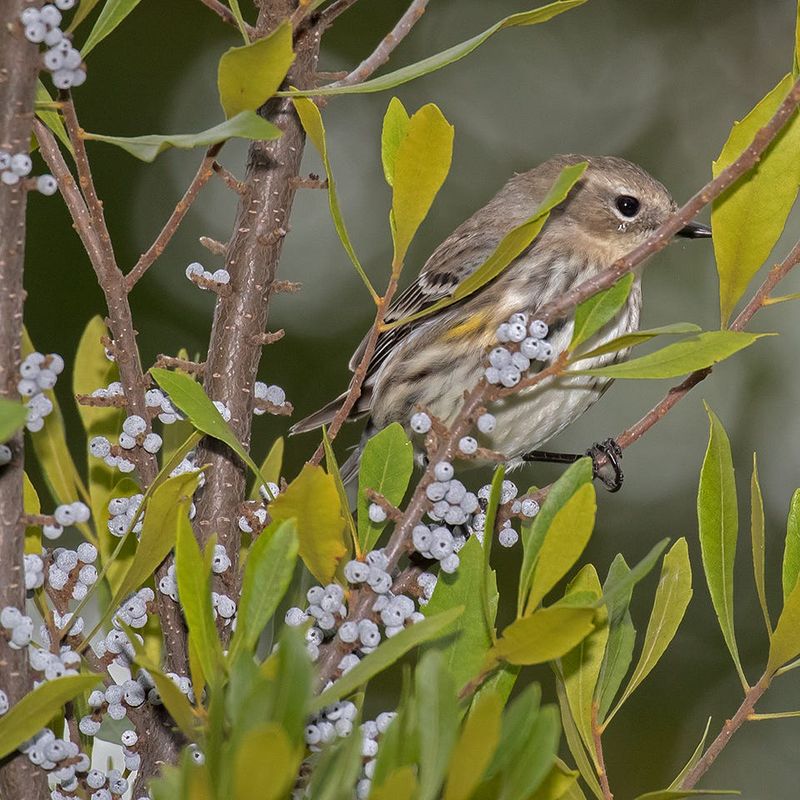
Wax myrtle has fed and sheltered local wildlife for thousands of years. Yellow-rumped warblers are practically obsessed with its small waxy berries.
Tree swallows, bluebirds, and Carolina wrens also rely on it for both food and nesting cover.
Ligustrum berries, by contrast, are mildly toxic to many birds and offer little nutritional value. Planting ligustrum does not support the local food web the way a native plant does.
Choosing wax myrtle means your yard actively contributes to the ecosystem rather than sitting outside it.
Pollinators also benefit. Wax myrtle produces small inconspicuous flowers in early spring that attract native bees and other beneficial insects.
A yard with more native plants generally supports a healthier and more diverse pollinator population.
Beyond insects and birds, wax myrtle provides dense cover that small mammals use for shelter. Rabbits, lizards, and ground-nesting birds all take advantage of its thick lower branches.
Your Georgia Garden Changes Every Week. Your Plan Should Too.
Gardening in Georgia changes quickly throughout the season. Every Friday you’ll receive a simple weekly plan showing exactly what to plant, prune, fertilize, harvest, and protect so you never miss the right timing.
Ligustrum rarely provides the same layered habitat structure.
Planting natives also reduces the need for pesticides since the plants coevolved with local insects. Fewer chemical inputs mean a healthier yard overall.
Wax myrtle fits naturally into the regional plant community in a way that ligustrum simply cannot match, making it a genuinely better choice for anyone who cares about the land around their home.
3. Ligustrum Can Spread Beyond The Landscape
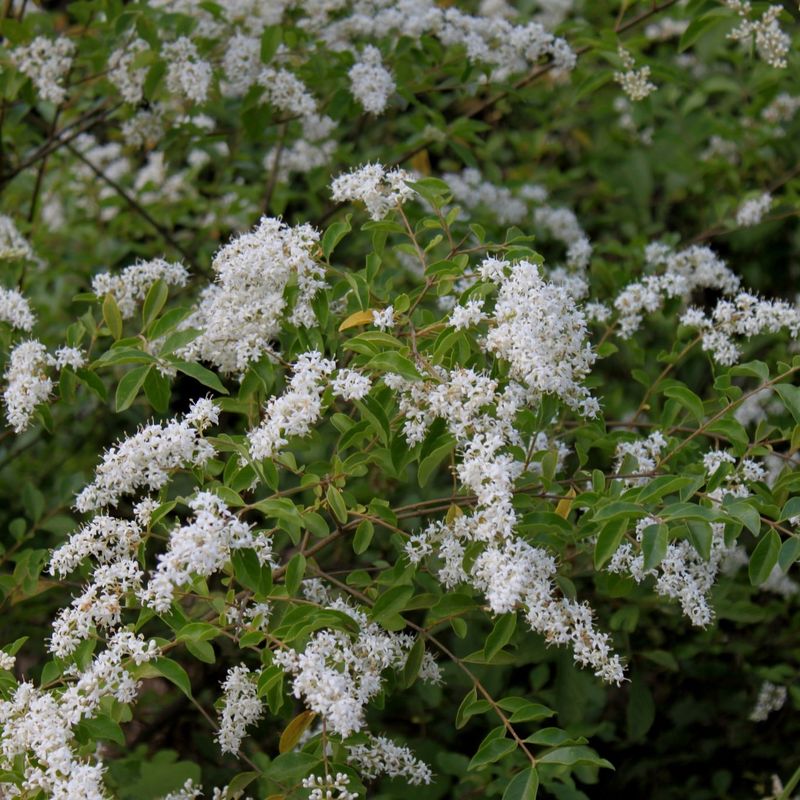
Ligustrum spreads aggressively, and that is not an exaggeration. Birds eat the berries and deposit seeds in natural areas far from where the original plant was placed.
Forests and greenways across the Southeast have documented ligustrum infestations tied directly to residential plantings.
Once ligustrum establishes in a natural area, it shades out native seedlings and alters the plant community. It is listed as an invasive species in several southeastern states.
Using it in a home landscape carries a real environmental cost that extends well beyond your property line.
Wax myrtle spreads too, but it belongs here. Its seeds feed wildlife, and any seedlings that pop up in natural areas simply become part of the native plant community.
No ecological disruption follows a wax myrtle spreading into nearby woods.
Homeowners sometimes choose ligustrum because it is cheap and widely available at garden centers. Availability does not equal suitability.
A plant that undermines local ecosystems is a poor trade-off for a slightly lower price tag at the nursery.
Some municipalities in the Southeast are beginning to restrict or discourage ligustrum planting for this exact reason. Staying ahead of that curve by choosing wax myrtle now avoids potential issues later.
A privacy screen should solve problems, not create new ones for the surrounding environment.
4. Full Sun Encourages Faster, Fuller Growth
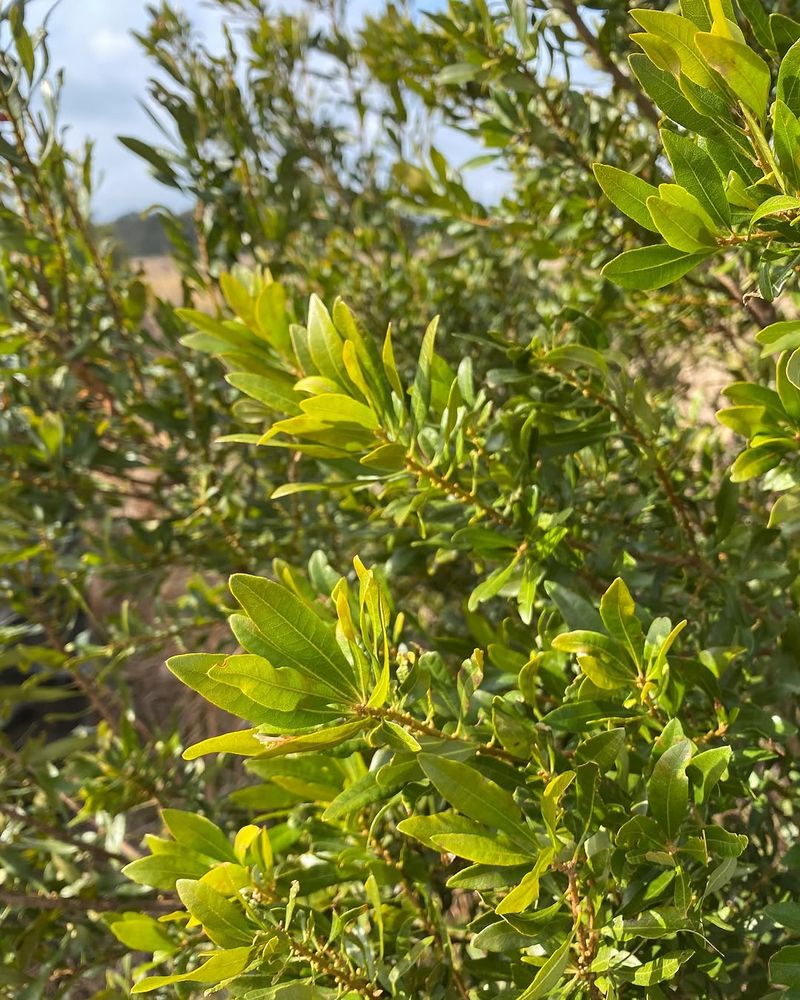
Sunlight is where wax myrtle truly thrives. Full sun exposure, meaning six or more hours of direct light per day, pushes this plant to grow faster and fill in more completely.
Shaded plants grow slower and tend to stay thinner overall.
Most privacy screen locations along property lines get plenty of sun. A south or west-facing fence line is nearly ideal for wax myrtle.
Plants placed there often exceed expected growth rates within the first two seasons after planting.
Ligustrum tolerates shade better, which sounds like an advantage, but shade tolerance often comes with slower growth. A privacy screen that takes five years to fill in is not particularly useful.
Wax myrtle in full sun can provide meaningful coverage in half that time.
Afternoon sun in the Southeast is intense, especially from June through September. Ligustrum can show heat stress in those conditions if soil moisture drops.
Wax myrtle handles the same heat without visible strain, largely because it evolved under those exact conditions.
Placing wax myrtle where it gets the most light is the single easiest way to accelerate your privacy screen. No special fertilizer or soil amendment is needed.
Good sun exposure combined with adequate spacing at planting sets the stage for a thick, fast-growing screen that performs reliably year after year.
5. Established Plants Need Less Extra Water
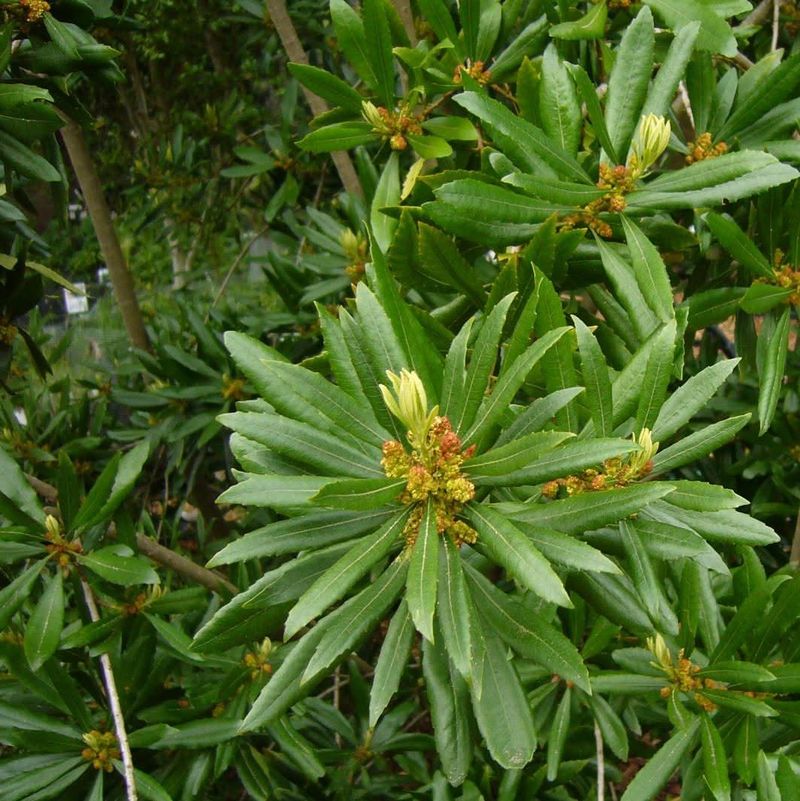
Drought tolerance is not something wax myrtle gradually develops. Once roots are established, usually after the first full growing season, these plants handle dry spells remarkably well.
That matters a lot during hot southeastern summers when rainfall gets unpredictable.
Ligustrum needs more consistent moisture to stay healthy and full. During extended dry periods, ligustrum often drops leaves or develops brown patches along the interior.
Wax myrtle keeps its color and density even when rainfall is well below average.
Watering a long privacy screen by hand is time-consuming and expensive if you are on municipal water. Reducing that demand is a real practical benefit.
Wax myrtle earns its place in the landscape by asking for less while delivering the same visual result.
New wax myrtle transplants do need regular watering during the first summer. Skipping that establishment period is where most failures happen.
After roots spread out, supplemental water becomes largely optional except during severe drought.
Soil type plays a role too. Wax myrtle tolerates both sandy and clay-heavy soils, which are both common across Georgia.
That flexibility means fewer surprises once plants go in the ground. Ligustrum is pickier about soil moisture levels and tends to struggle in sites that stay either too wet or too dry for extended stretches.
6. Well Drained Soil Helps Build Strong Roots
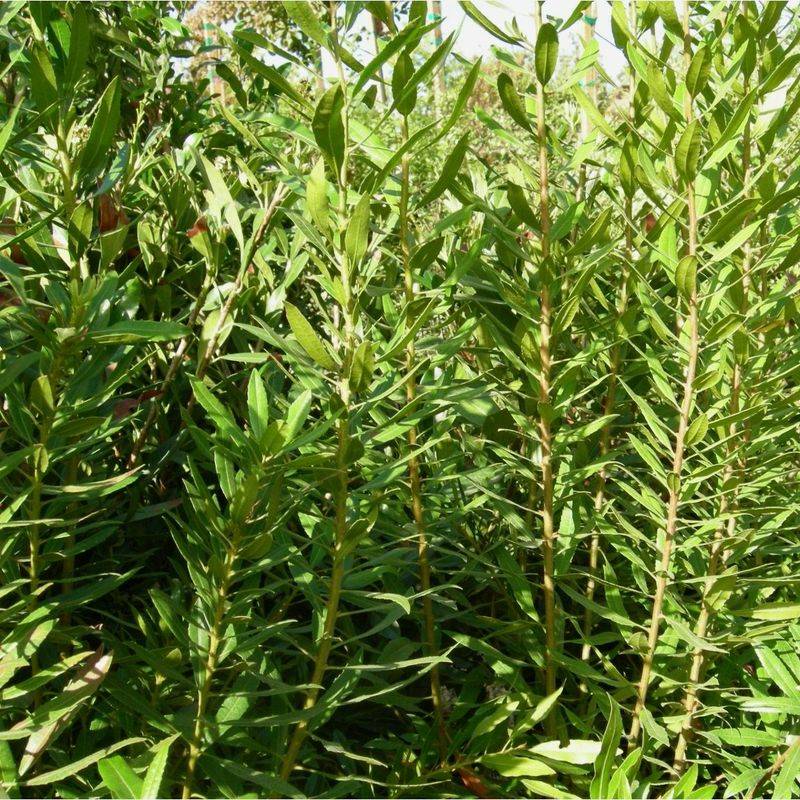
Roots cannot do their job in waterlogged ground. Wax myrtle prefers well-drained soil, and when it gets that, the root system spreads wide and anchors the plant firmly.
Strong roots mean better drought tolerance and more stable growth over time.
Standing water after heavy rain is a warning sign. Spots that stay soggy for more than two days after a storm are not ideal for wax myrtle.
Raised planting beds or amended soil with added organic matter can improve drainage in problem areas.
Sandy soils, which are common in the coastal plain regions of the Southeast, drain fast and warm up quickly in spring. Wax myrtle handles those conditions well.
It also manages in red clay if drainage is reasonable and the planting hole is not dug too deep.
Ligustrum is more sensitive to poorly drained conditions and often shows root problems that are not visible above ground until significant damage has already occurred.
Wax myrtle is more forgiving in variable soil types, which makes it a safer long-term investment.
Adding two to three inches of mulch around the base of new plants helps retain just enough moisture without causing root problems. Keeping mulch away from the main stem prevents rot.
Good soil prep at planting reduces the need for corrections later and gives roots the best possible start.
7. Light Pruning Keeps The Screen Thick And Healthy
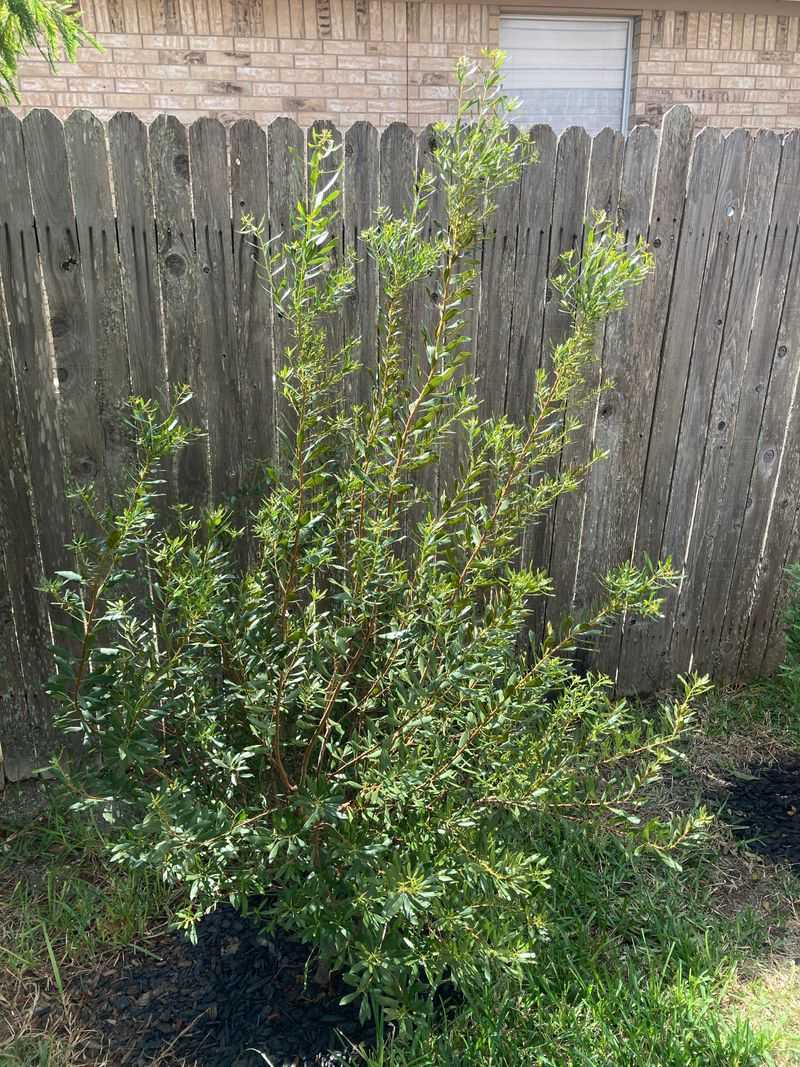
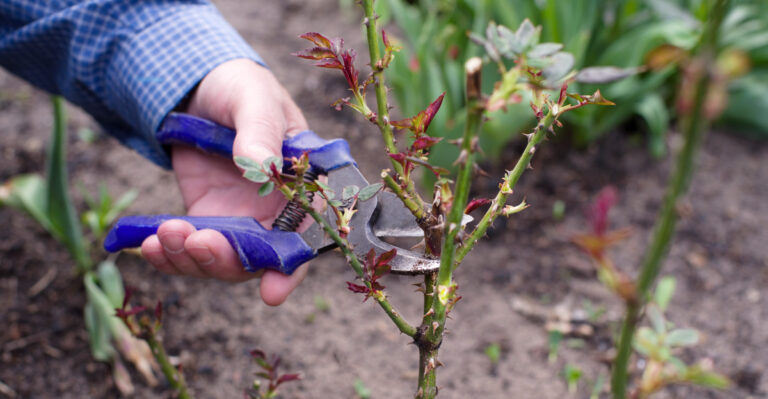
Pruning wax myrtle is not complicated, but timing and technique make a real difference. Light selective cuts once or twice a year encourage branching and keep the screen dense from the ground up.
Heavy shearing, on the other hand, can create a hollow center over time.
Late winter or early spring is the best window for a significant trim. Cutting just before new growth emerges means the plant responds quickly with fresh shoots.
Summer touch-ups can address any fast-growing stems that break the roofline of the hedge.
Ligustrum is often sheared into tight geometric shapes, which looks tidy but reduces interior light penetration. Less light inside the canopy means fewer leaves on inner branches.
That pattern leads to a plant that looks full from outside but is actually hollow and weak near the core.
Wax myrtle responds better to thinning cuts than to shearing. Removing a few longer branches back to a side shoot opens the canopy slightly without stripping the exterior.
New growth fills those gaps within weeks during the active growing season.
Skipping pruning entirely for several years can cause wax myrtle to become leggy and open at the base. An annual light trim prevents that outcome and takes less than an hour for an average-sized screen.
Consistent, modest pruning is all it takes to keep the screen performing at its best season after season.