How To Help Backyard Birds Survive Texas Heat Waves
Texas heat waves are brutal for everyone, and backyard birds are no exception. While humans can retreat to air conditioning and cold drinks, the birds visiting your yard have no such luxury.
They rely entirely on what’s available in their environment to get through the hottest days of the year, and in many neighborhoods, that environment is falling short. Most people put out a feeder and consider their job done.
But during a real Texas heat wave, food is often the last thing birds are focused on. What they desperately need is water, shade, and a yard that gives them somewhere safe to cool down and recover.
The good news is that helping backyard birds through extreme heat is straightforward once you know what they actually need.
Small changes to how you manage your outdoor space can make a meaningful difference for the birds depending on your yard to get through the summer.
1. Put Out Fresh Water
Water is the number one thing birds need during a Texas heat wave. Natural food sources like berries and insects might still be around, but clean drinking water can be surprisingly hard to find when ponds dry up and puddles disappear.
A simple birdbath or even a shallow plastic dish can become a lifesaving resource for birds in your neighborhood.
Texas Parks and Wildlife specifically recommends putting out birdbaths during the summer months to support backyard birds. You do not need anything fancy.
A basic dish placed at a safe height off the ground works perfectly well. The key is making sure the water is always fresh and available, especially during the hottest parts of the day.
Try to refill your birdbath at least once a day, and twice a day if the heat is especially intense. Birds will quickly learn where your water source is and return to it regularly.
Once they find a reliable spot, they will keep coming back all season long. Adding a small solar-powered fountain or dripper can make the water even more attractive, since moving water catches a bird’s attention from a distance.
Even a slow drip from a hose over the dish can do the trick. A dependable water source in your yard could be the difference between a bird thriving all summer and struggling through a dangerous stretch of heat.
It costs very little to set up and takes just a few minutes a day to maintain, making it one of the easiest and most rewarding things any backyard bird lover can do.
2. Keep Birdbaths Clean
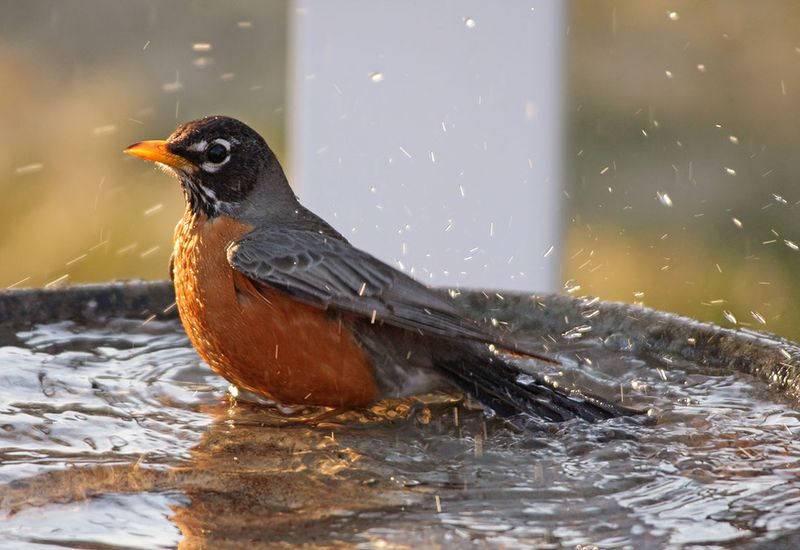
Hot weather turns a birdbath into the perfect breeding ground for algae, bacteria, and mosquito larvae. What looks like a helpful water source can quickly become a health hazard if it is not cleaned regularly.
Birds that drink from dirty water can get sick, so keeping your birdbath clean is just as important as keeping it full.
Cornell Lab of Ornithology notes that birds need a dependable supply of fresh, clean water for both drinking and bathing. That means you cannot just top off the water and call it done.
Your Texas Garden Changes Every Week. Your Plan Should Too.
Gardening in Texas changes quickly throughout the season. Every Friday you’ll receive a simple weekly plan showing exactly what to plant, prune, fertilize, harvest, and protect so you never miss the right timing.
You need to empty the basin, scrub it with a stiff brush, rinse it well, and refill it with clean water on a regular schedule. During a Texas heat wave, doing this every two to three days is a smart move.
You do not need harsh chemicals to clean a birdbath. A mix of one part white vinegar to nine parts water works great for scrubbing away algae and buildup without leaving behind anything harmful to birds.
Just rinse thoroughly after scrubbing and let it air dry for a few minutes before refilling. Placing your birdbath in partial shade also slows down algae growth and keeps the water cooler longer, which birds appreciate on scorching afternoons.
If you notice the water turning green or developing a slimy film, that is your cue to clean it right away. A clean birdbath also looks nicer in your yard and attracts more bird species than a grimy one.
Small efforts like this add up to big benefits for the birds visiting your backyard all summer long.
3. Make The Water Shallow
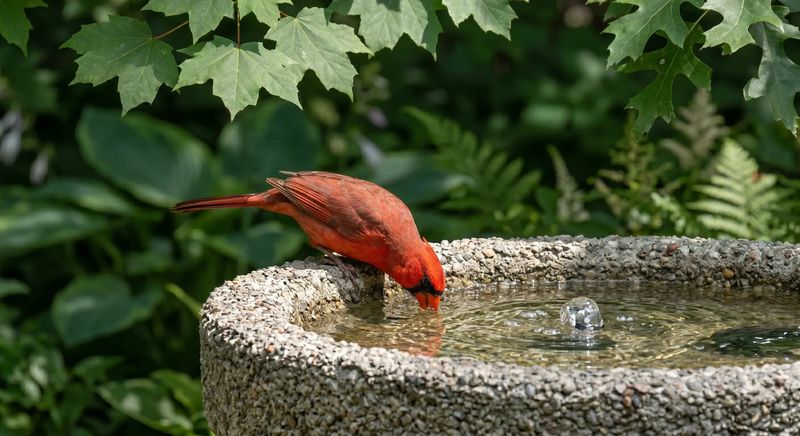
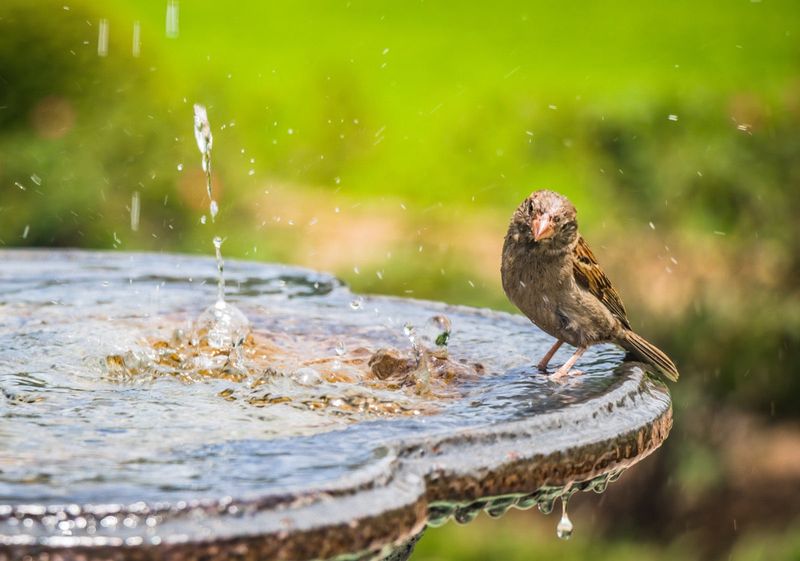
Not all birdbaths are created equal. A deep, steep-sided bowl might look elegant, but it is not very useful for small birds like wrens, sparrows, or finches.
Birds need to be able to stand safely while they drink and bathe, and a slippery deep basin can actually be risky for lightweight backyard visitors.
The Royal Society for the Protection of Birds recommends using shallow birdbaths and suggests that the ideal depth is about one to two inches of water. If your birdbath is deeper than that, an easy fix is to place a flat rock or a few smooth stones inside.
This gives small birds a solid footing and keeps them from slipping into water that is too deep for comfort.
Shallow water also warms up faster in the sun, which means birds can use it for quick cooling baths throughout the day without any risk. A wide, shallow basin works better than a narrow, deep one because more birds can use it at the same time.
This is especially helpful during heat waves when multiple birds are competing for the same water source.
The RSPB also recommends changing the water daily and giving the basin a good cleaning once a week to prevent the spread of disease among birds sharing the same spot.
If you are buying a new birdbath, look for one with a textured surface so birds can grip it easily. If you already have one that is too smooth or too deep, that flat rock trick is a quick, free solution that makes a real difference for the small birds in your backyard.
4. Add Shade To Your Yard
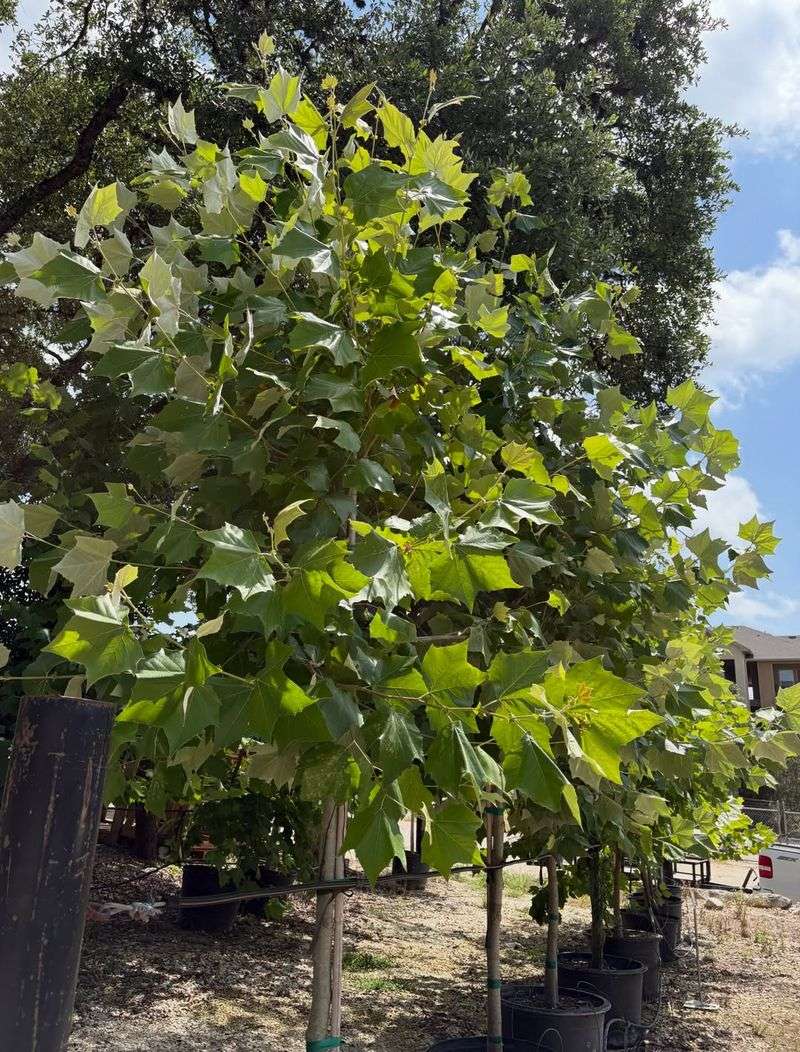
Birds are smart about managing heat. During the hottest part of a Texas summer day, usually between noon and four in the afternoon, many birds stop flying around and simply rest in the shade.
If your yard does not offer much shade, birds will move on to a yard that does. Adding shade is one of the best long-term investments you can make for your backyard bird habitat.
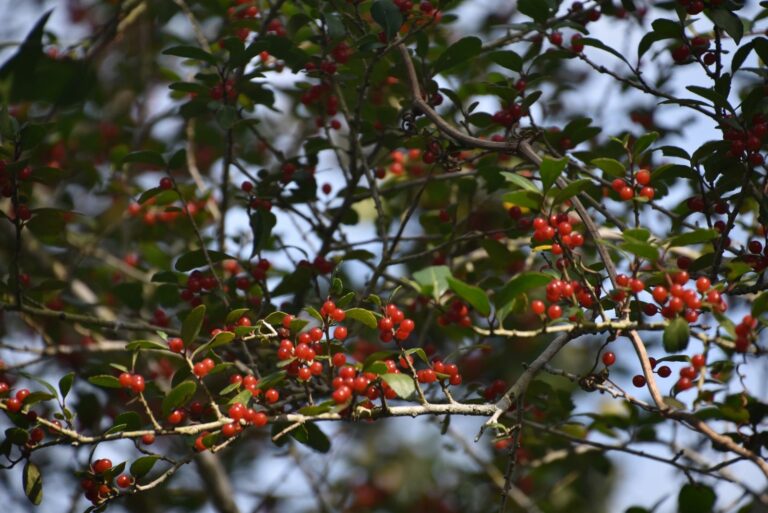
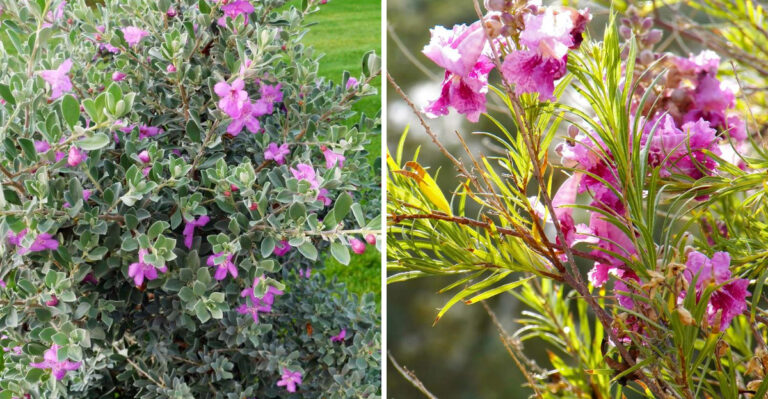
Native trees like live oaks, cedar elms, and Texas redbuds are excellent choices because they grow well in the Texas climate and provide natural food sources like seeds, berries, and insects alongside the shade.
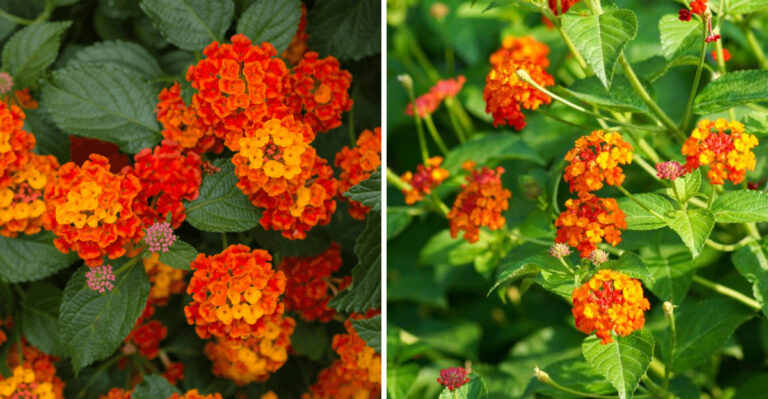
Native shrubs and vines add another layer of cover closer to the ground, which is where many birds prefer to rest and forage.
Audubon recommends native plants as a key strategy for helping birds adapt to rising temperatures across the country.
Even if you do not have space for large trees, you can still make a difference. A cluster of native shrubs in a corner of your yard can create a shady microclimate that birds will flock to on a hot afternoon.
Layered plantings, meaning tall trees, medium shrubs, and low ground cover all together, create the most useful habitat because different bird species prefer different heights. Shade does not just cool birds down directly.
It also keeps the soil and air around your birdbath and feeders cooler, which helps water stay fresh longer. Planting native vegetation is a gift that keeps giving year after year, supporting birds through heat waves, cold snaps, and everything in between.
5. Protect Nest Boxes From The Heat
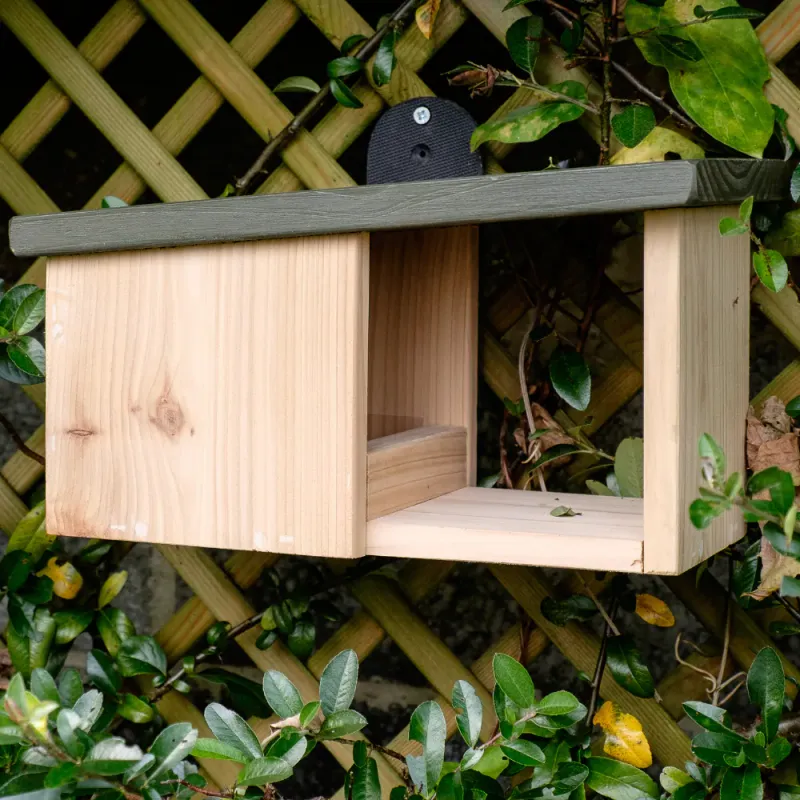
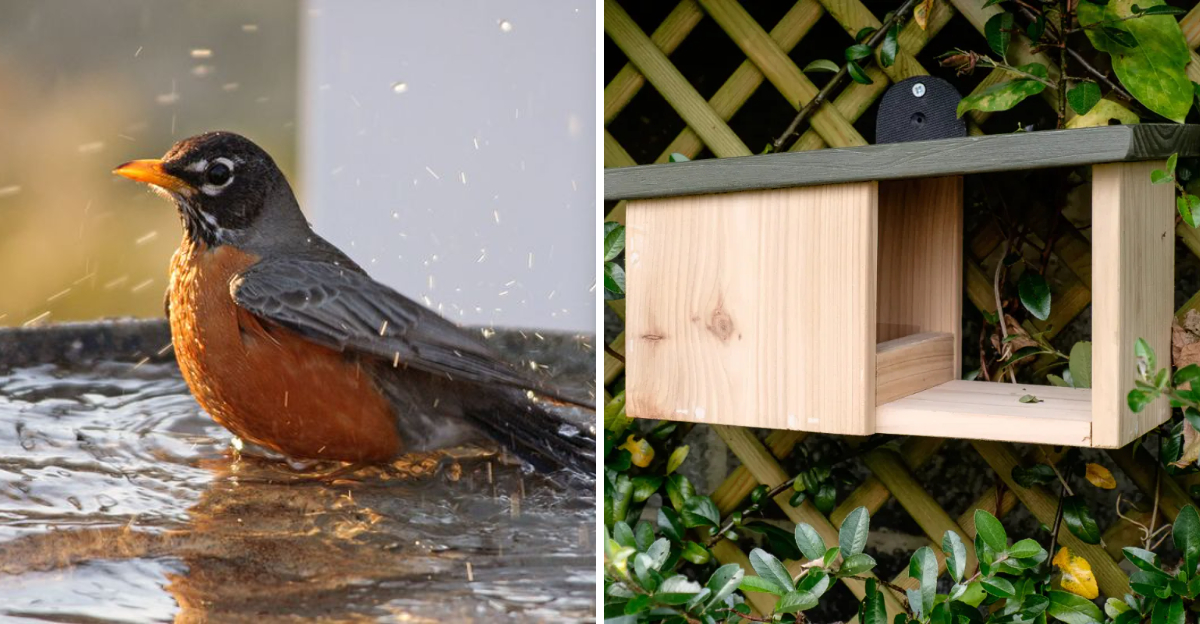
Nest boxes are a wonderful way to support cavity-nesting birds like Eastern bluebirds, Carolina wrens, and chickadees. But during a Texas heat wave, a nest box that sits in direct afternoon sun can turn into an oven.
Temperatures inside an unshaded box can climb well above the outdoor air temperature, which puts nesting birds and their chicks in serious danger.
Audubon warns that human-built nest boxes are not as naturally insulated as the tree cavities birds would use in the wild. Natural cavities have thick wood walls and are often shaded by surrounding bark and branches.
A standard wooden nest box does not have that same protection, so the placement of your box matters a great deal during extreme heat.
If you already have nest boxes installed, check where they face and how much direct sun they get during the afternoon hours. Ideally, the entrance hole should face north or east to avoid the intense western afternoon sun that Texas is known for.
If your box is getting baked all afternoon, try adding a simple shade structure nearby, like a piece of lattice or a strategically planted shrub. Some birders also drill one or two small ventilation holes near the top of the box to allow hot air to escape.
You do not need to buy a new box or do a major renovation. Small adjustments to placement and ventilation can make the interior noticeably cooler.
Checking on your nest boxes regularly during summer heat waves lets you catch problems early and give nesting birds the best possible chance of raising healthy chicks through the season.
6. Refresh Hummingbird Feeders Fast
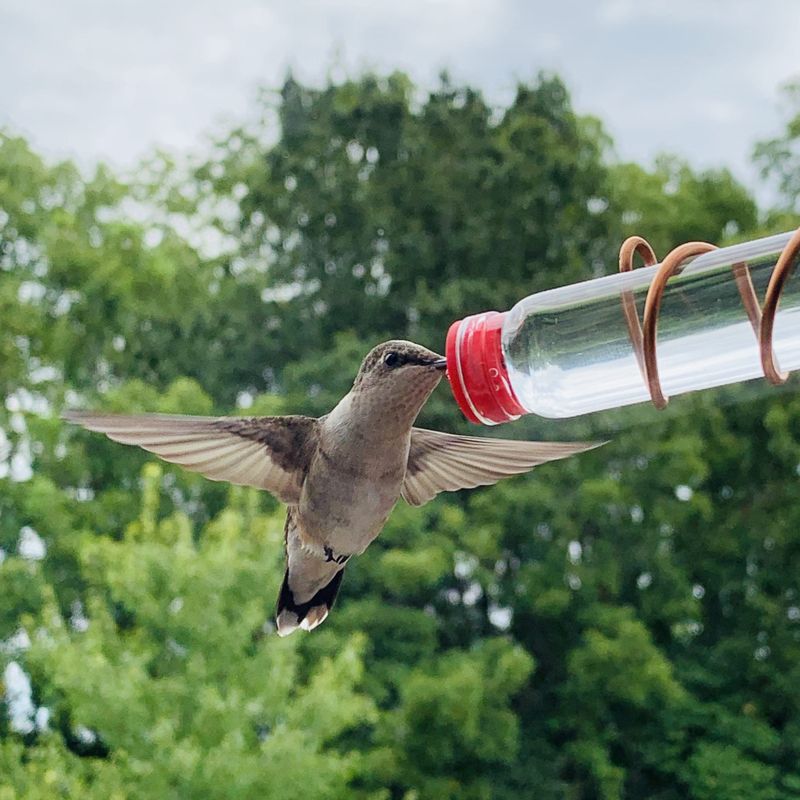
Hummingbirds are some of the most energetic and heat-sensitive visitors to Texas backyards. They need a constant supply of sugar water to fuel their incredibly fast metabolism, but in the Texas summer heat, that sugar water can go bad surprisingly quickly.
Fermented or moldy nectar can make hummingbirds sick, so keeping feeders fresh is a top priority during heat waves.
The standard hummingbird nectar recipe is simple: one part plain white sugar dissolved in four parts water. Skip the red food dye entirely.
It is not necessary to attract hummingbirds, and some research suggests it may not be good for them. The red color of the feeder itself is more than enough to catch their attention from a distance.
During a Texas heat wave, you should clean and refill hummingbird feeders every single day. In cooler weather, every two to three days is usually fine, but when temperatures are extreme, nectar can start to ferment in less than 24 hours.
You will know the nectar has gone bad if it looks cloudy or you see black mold growing inside the feeder ports. To clean feeders properly, rinse them with hot water and use a small bottle brush to scrub out any residue.
Avoid soap if possible, since residue can linger. Hanging feeders in a shaded spot also slows down spoilage significantly and keeps the nectar cooler longer.
If you have multiple feeders, rotate them so one is always clean and ready to go. A little extra effort during peak summer heat keeps hummingbirds healthy and coming back to your yard all season long.