What It Really Means When You Stop Hearing Crickets In Your North Carolina Yard At Night
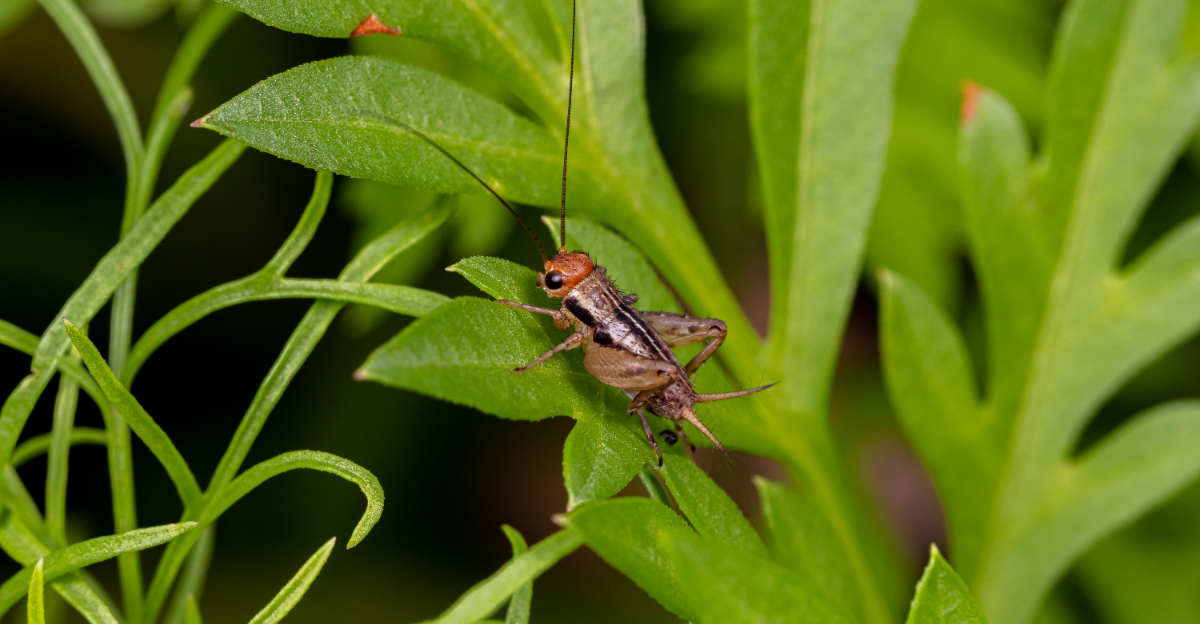
Cricket song is such a consistent feature of North Carolina summer nights that most people stop consciously registering it after the first few weeks of the season.
That makes its absence genuinely striking when it happens, and striking for a reason worth understanding.
Crickets are sensitive to specific environmental shifts, and a yard that goes suddenly quiet after weeks of reliable nighttime sound is responding to something that changed in that immediate landscape.
Temperature drops explain some instances of silence, but not all of them.
Other causes point to pest pressure, chemical exposure, or habitat disruption that has broader implications for the overall health of a North Carolina garden than most homeowners would initially connect to the absence of insect noise.
1. The Night May Be Too Cool
Cricket chirping and temperature are more connected than most people realize. Crickets are cold-blooded insects, which means their body temperature matches the air around them.
When nights cool down, their muscles slow and their ability to rub their wings together drops off significantly.
In North Carolina, late summer nights can shift quickly. A warm afternoon might give way to a surprisingly chilly evening, especially in the Piedmont and mountain regions.
Once temperatures dip below around 55 degrees Fahrenheit, many cricket species go nearly silent. The yard does not feel empty because something went wrong.
It feels quiet because the insects are simply resting, waiting for warmer conditions to return.
There is actually a fun bit of science behind this. Scientists have used cricket chirp rates to estimate outdoor temperature, a method sometimes called Dolbear’s Law.
The faster a cricket chirps, the warmer it is outside. So a quieter yard on a cool night is almost like a natural thermometer telling you the temperature has shifted.
For North Carolina gardeners, this is worth keeping in mind from late September through early November. Nights can turn cool fast, and the silence you notice is just the yard responding to that change.
No action is needed. Give it a warmer night, and the chorus will likely return.
Paying attention to these natural patterns can actually make nighttime gardening walks more interesting and meaningful over time.
2. The Night May Be Too Hot

Most people assume crickets love heat, but extreme temperatures can actually quiet them down just as much as cold nights can.
Summer in North Carolina can push nighttime temperatures into the high 80s, and that kind of sustained heat puts real stress on small insects.
When conditions become uncomfortable, cricket activity often drops in noticeable ways.
During intense heat waves, crickets may shift their behavior to conserve energy. Instead of singing actively, they may stay tucked under mulch, leaves, or garden debris where the ground holds a bit more moisture and stays slightly cooler.
The result is a yard that sounds surprisingly quiet on what feels like a peak summer evening.
It is worth noting that the relationship between cricket sound and temperature follows a curve. There is a sweet spot, roughly between 60 and 80 degrees Fahrenheit, where cricket activity is most lively and consistent.
Your North Carolina Garden Changes Every Week. Your Plan Should Too.
Gardening in North Carolina changes quickly throughout the season. Every Friday you’ll receive a simple weekly plan showing exactly what to plant, prune, fertilize, harvest, and protect so you never miss the right timing.
Push past that upper range, and the nighttime chorus can thin out in ways that feel unexpected.
North Carolina gardeners in the coastal plain and Piedmont regions may notice this most during July and August heat waves. Rather than worrying, try listening on a cooler evening after a brief rain or when a front moves through.
The yard often sounds much livelier once the heat eases. Keeping garden beds mulched and moist can also help insects stay comfortable closer to where you can hear them, making those warm summer nights feel alive again.
3. The Seasonal Chorus May Be Shifting

North Carolina is home to dozens of cricket species, and they do not all follow the same schedule. Some species are most active in early summer, others peak in late summer, and a few are most vocal heading into fall.
When one group winds down, there can be a noticeable gap before the next group picks up its song.
Gardeners who pay close attention through the season often notice these shifts without realizing what is causing them.
A yard that buzzed with sound in June may feel quieter by mid-July, not because the insects are gone, but because the species responsible for that particular sound have moved into a less active phase of their life cycle.
It is one of the more fascinating rhythms of a living garden. Different cricket species also prefer different habitats. Tree crickets tend to call from shrubs and low branches, while ground crickets stay close to soil level.
Field crickets favor open grassy areas. As your yard changes through the season, whether from growth, mowing, or natural plant cycles, the species you hear most may shift along with it.
Rather than viewing a quiet stretch as a problem, think of it as a signal that the season is turning. Keeping a simple garden journal with notes about what you hear and when can make these patterns much easier to spot over time.
North Carolina’s long growing season means the cricket chorus has many chapters, and each one is worth listening for.
4. Dry Soil May Have Pushed Them Into Shelter
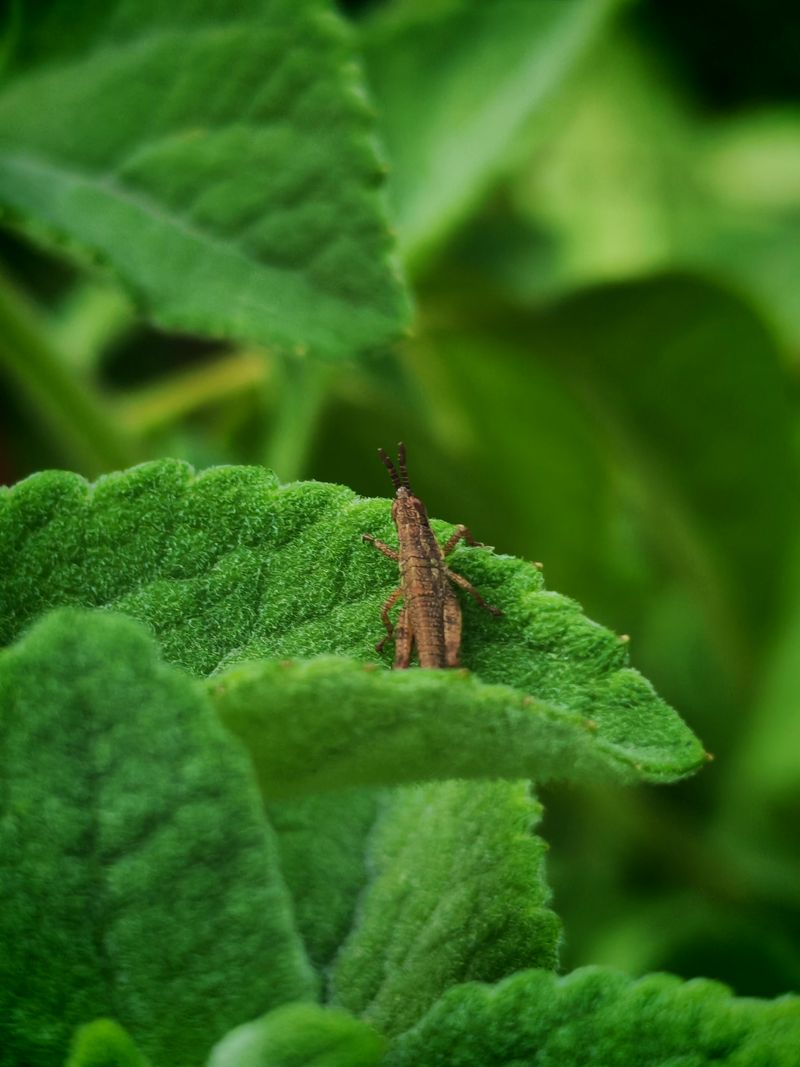
A stretch of dry weather can change a yard in ways that go beyond wilting plants and dusty soil. Insects that live close to the ground, including crickets, depend on moisture to stay comfortable and active.
When the surface dries out significantly, many of them move deeper into protected spots where some humidity still lingers.
Crickets love hiding in places like thick mulch layers, under flat stones, inside piles of leaves, beneath low-growing plants, and along the shaded edges of garden beds. These spots hold moisture longer than open ground.
During a dry spell, crickets may concentrate in those areas and become less audible from a porch or patio because they are simply farther away from where you are standing.
North Carolina summers can bring weeks of dry conditions between rain events, especially in the Piedmont and western regions. A yard that sounded lively in a wetter stretch may go noticeably quiet after a week or two without rain.
This is a natural behavioral response, not a sign that something serious has gone wrong with your garden’s insect population.
One practical thing you can do is keep mulch layers around garden beds refreshed and a few inches thick. This holds ground moisture longer and gives crickets and other beneficial insects a comfortable place to stay active.
Watering garden beds in the early evening can also help bring more insect activity back to areas where you enjoy spending time after dark. Small habitat improvements like these go a long way.
5. Heavy Rain May Have Changed Their Hiding Places

Rain is usually great news for a garden, but a heavy storm can temporarily shuffle where insects are hiding and how active they sound.
After a soaking rain, puddles form in low spots, mulch gets saturated and shifts, and the usual sheltered areas where crickets rest may become flooded or disturbed.
When that happens, the insects move, and the sound pattern in your yard changes with them.
You might notice that a yard which was full of cricket noise the evening before a storm sounds strangely quiet the night after it. Part of this is because the insects are resettling into new spots.
They may have moved to higher ground along fence lines, under dense shrubs, or into areas of the yard with better drainage. Give them a night or two to get comfortable again, and the sound usually returns.
Heavy rain can also temporarily wash away leaf litter and light debris that crickets use as cover. If your yard has fewer natural hiding spots after a big storm, the insects may stay quieter and less visible until conditions feel safe and stable again.
This is completely normal behavior for ground-dwelling insects. The best advice for North Carolina gardeners after a heavy rain is simply to wait and listen.
Avoid the urge to clean up every wet leaf pile right away, since that debris often serves as quick temporary shelter for crickets and other beneficial insects.
Within a few nights, as the yard settles and dries slightly, the familiar nighttime chorus almost always finds its way back.
6. Mowing And Cleanup May Have Reduced Cover
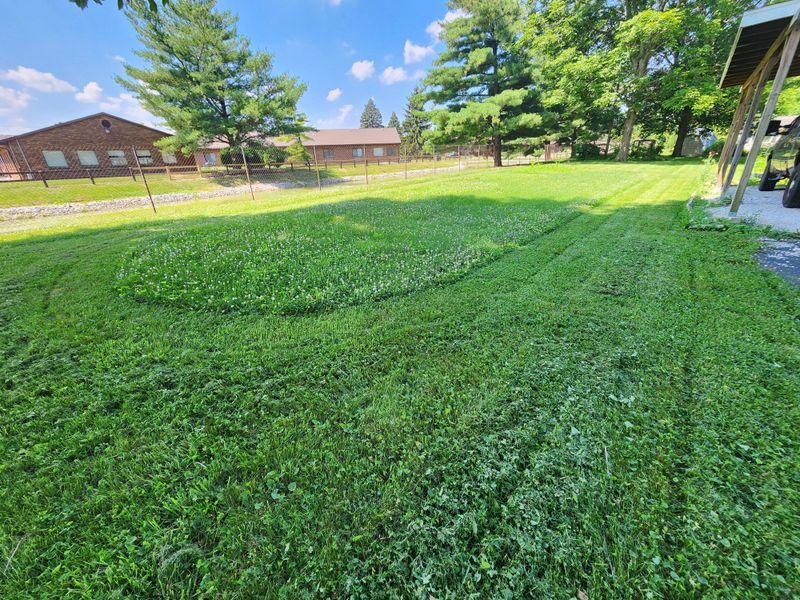
A freshly mowed yard looks great in the daylight, but it can feel noticeably quieter at night. Crickets rely heavily on ground-level cover to feel safe enough to sing.
Tall grass, dense border plantings, leaf litter along edges, and thick mulch all give them the shelter and hiding spots they need. When those areas get tidied up, the insects often pull back.
Think about what changes after a big mowing and cleanup session. Grass gets shorter, exposing more bare ground.
Leaf piles get raked away. Dense edges along fences or garden beds get trimmed back.
Each of those changes removes a layer of habitat that crickets and similar insects depend on. The yard may look cleaner, but from an insect’s perspective, it suddenly feels much less safe.
This does not mean you should stop mowing or skip garden cleanup. It just means understanding the trade-off and finding a balance that works for both a tidy yard and a healthy insect population.
Leaving some areas slightly wilder, like a garden border with low ground cover or a corner with leaf mulch, can make a real difference in how lively your yard sounds after dark.
North Carolina gardeners who want both a neat yard and a vibrant nighttime soundtrack can try keeping a dedicated low-maintenance edge or border along a fence or back garden bed.
Letting some leaf litter accumulate in out-of-the-way corners gives crickets a retreat. Over time, small intentional choices like these help bring the familiar evening chorus back to a well-kept yard.
7. Outdoor Lights May Be Pulling In Different Insects
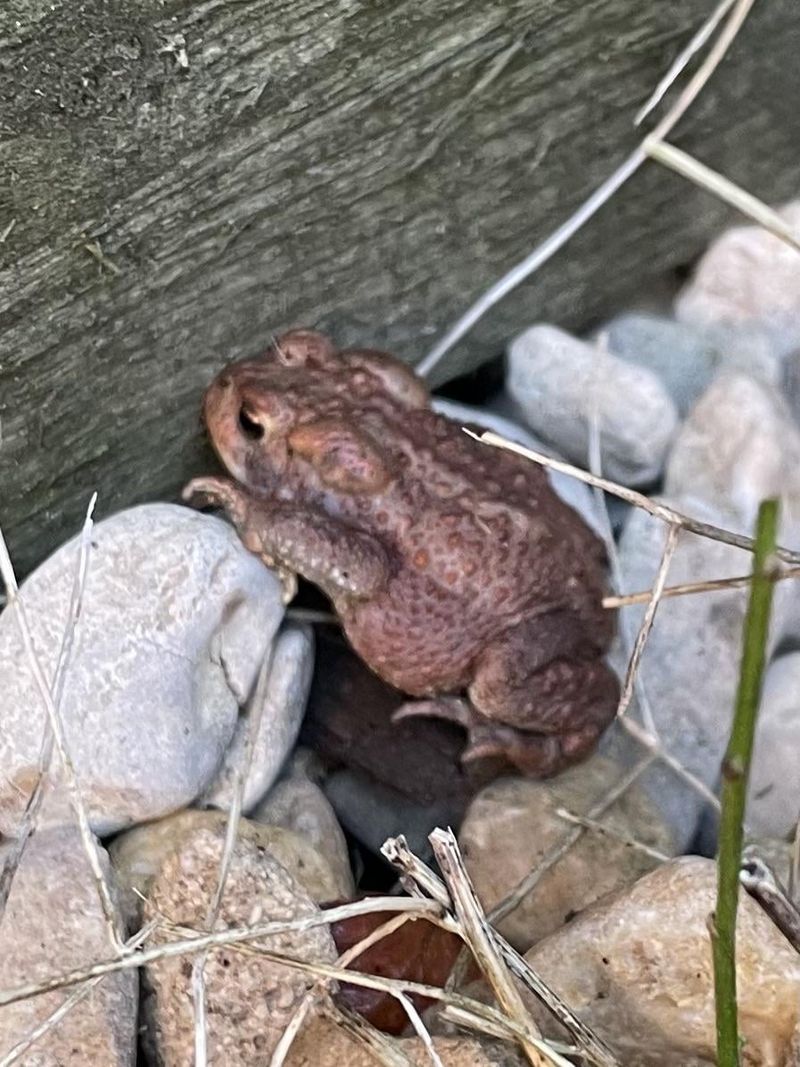
Outdoor lighting changes the whole ecosystem of a nighttime yard in ways most gardeners never think about.
Porch lights, pathway lights, and security lights all attract certain types of flying insects, which in turn can draw predators like spiders, frogs, and small lizards to those lit areas.
When that happens, crickets may stay further back in darker, quieter parts of the yard where they feel less exposed.
Some insects are strongly attracted to artificial light, while crickets tend to prefer darker, sheltered spots.
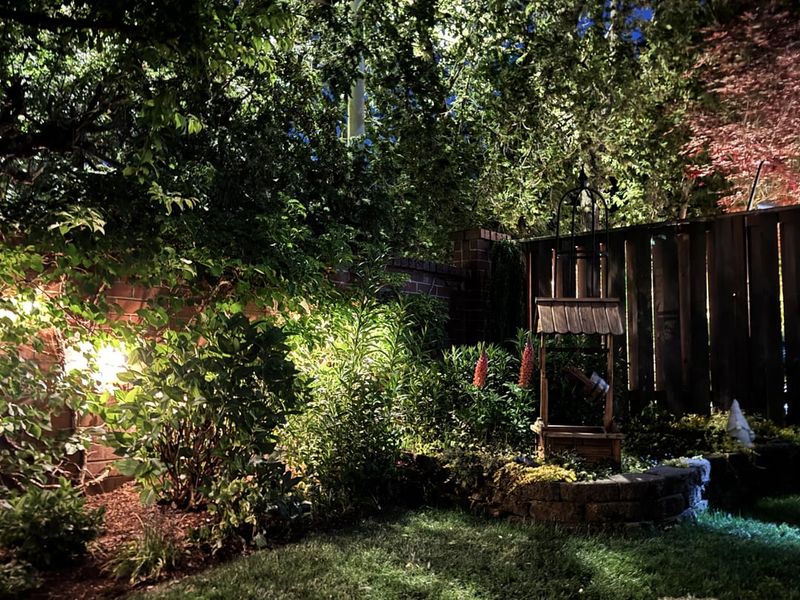
If your outdoor lighting has changed recently, whether you added new lights, switched to brighter bulbs, or started leaving lights on longer, the sound pattern around your patio or garden door may shift noticeably.
The crickets are likely still there, just hanging back in the shadows. There is also an interesting ripple effect worth knowing about. Lights that attract lots of moths and other flying insects can draw in predators that crickets naturally avoid.
A yard that suddenly has more active hunters near the lit areas may push cricket activity toward quieter, darker corners of the property. You might hear more sound from the back of the yard than from near the house.
Switching outdoor bulbs to warm amber or yellow tones can help reduce how strongly lights attract flying insects. Motion-activated lights that only turn on when needed are another good option.
Small adjustments like these can make the area around your porch and garden paths feel more balanced at night, with a better mix of sounds and insect activity returning closer to where you spend your evenings.
8. The Yard May Be Less Insect Friendly Overall

Sometimes a quieter yard at night is a gentle nudge that the space could use a little more life. Yards with frequent pesticide applications, large areas of bare soil, minimal plant variety, and little to no ground cover tend to support fewer insects overall.
When habitat shrinks, so does the nighttime soundtrack that comes with it.
Crickets and similar insects need several things to thrive close to your home. They need shelter in the form of mulch, leaf litter, low plants, and garden edges.
They need some moisture. They also need a yard that is not regularly disrupted by sprays or heavy foot traffic across every inch of the garden.
When those conditions are missing, insects simply are not comfortable staying in the open where you can hear them.
The good news is that small, garden-friendly changes can make a noticeable difference fairly quickly. Adding a few extra inches of clean mulch around garden beds gives insects a safe place to rest.
Planting low ground covers along borders creates natural corridors. Letting a small pile of leaves accumulate in an out-of-the-way corner provides quick shelter without looking messy.
Reducing unnecessary pesticide use is one of the most impactful steps a North Carolina gardener can take. Spot-treating specific problem areas instead of spraying broadly preserves the beneficial insects that make a yard feel alive.
Over a season or two, a yard with more plant layers, better mulch coverage, and fewer disruptions will almost always reward you with a richer, more vibrant chorus of sound on warm summer nights.