Texas Houseplants That Are Perfectly Safe For Your Pets
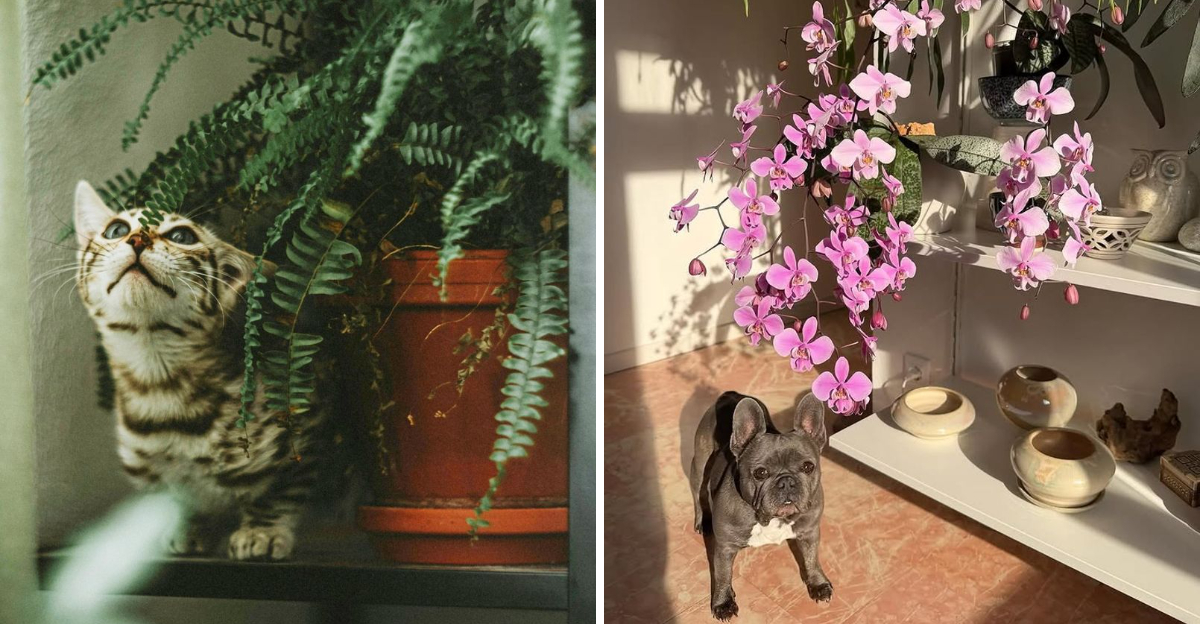
If you’ve ever gone down the rabbit hole of researching which houseplants are safe for pets, you already know how quickly that search turns discouraging.
It seems like half the plants you love are on some toxic list, and finding something beautiful that won’t harm your dog or cat starts to feel genuinely difficult.
But here’s the good news. There are more pet safe houseplant options than most people realize. You don’t have to choose between a beautiful home and a safe one for your pets.
There are stunning, low maintenance houseplants that bring real greenery and life into a Texas home without posing any danger to curious cats who chew on leaves or dogs who knock things off shelves and investigate the aftermath.
Some of these plants are surprisingly easy to find at most garden centers, and thrive well in Texas indoor conditions.
1. Spider Plant
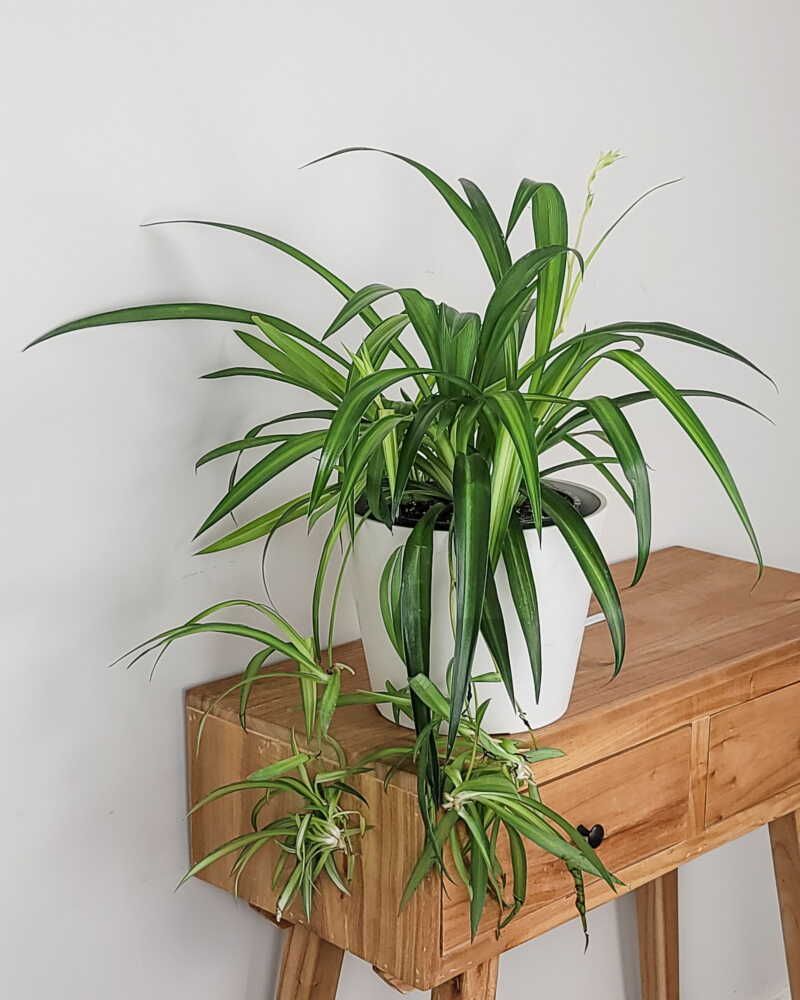
Few houseplants have earned their place in American homes quite like the spider plant. It has been a go-to choice for decades, and it is easy to see why. With long, arching green and white striped leaves, it adds a fresh, lively look to any room.
Spider plants are tough. They can handle a wide range of light conditions, from bright indirect sunlight near a window to lower-light corners of your living room.
In Texas, where sunlight is plentiful, placing one in a spot with filtered light works really well. They also do fine in the normal indoor temperatures most Texas homes stay at year-round.
Hanging baskets are one of the best ways to display spider plants. When the plant matures, it sends out long stems with small offshoots called spiderettes.
These tiny baby plants dangle down like little green passengers, which is actually how the plant got its fun name.
For pet owners, the best part is that spider plants are listed as non-toxic to both cats and dogs by the ASPCA. That means if your cat bats at those dangling spiderettes or your dog gives one a sniff, you do not need to panic. They are safe to have around.
Caring for a spider plant is simple. Water it regularly but let the soil dry out a bit between waterings.
It does not need heavy fertilizing, just a light feed during the growing season. Spider plants are forgiving, low-maintenance, and genuinely beautiful. For Texas pet owners looking for a reliable indoor plant, this one is hard to beat.
2. Parlor Palm
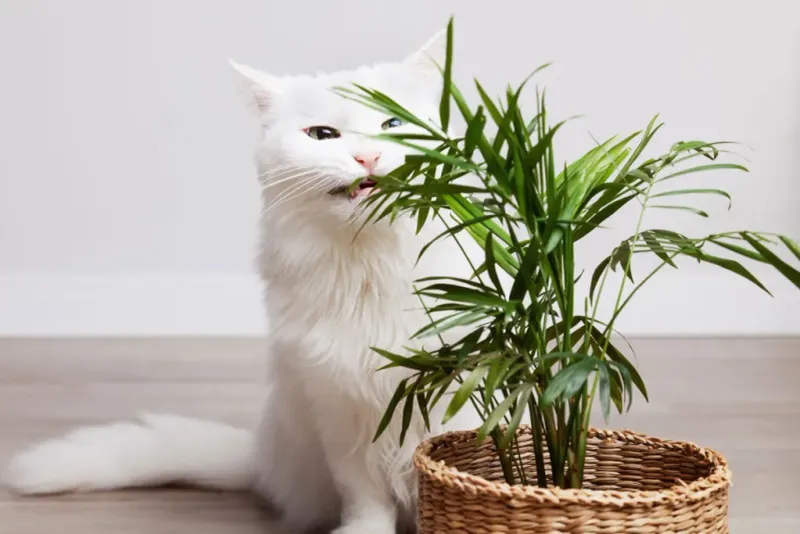
Walk into any well-decorated Texas home and you might spot a parlor palm standing tall in the corner, looking like it belongs in a tropical resort.
This classic indoor palm brings a lush, breezy vibe to any space without any of the worry that comes with more dangerous plants like the sago palm.
The sago palm is a common outdoor plant in Texas, but it is extremely toxic to pets. The parlor palm, on the other hand, is a completely different story.
It is listed as non-toxic to both cats and dogs, making it a smart and stylish swap for any pet-friendly household.
Your Texas Garden Changes Every Week. Your Plan Should Too.
Gardening in Texas changes quickly throughout the season. Every Friday you’ll receive a simple weekly plan showing exactly what to plant, prune, fertilize, harvest, and protect so you never miss the right timing.
One of the best things about parlor palms is how well they handle low light. Most tropical plants beg for sunshine, but this one thrives in the kind of indirect, filtered light that many Texas rooms naturally have.
It does not need to sit right next to a window to stay healthy and green. Parlor palms grow slowly, which means you will not be repotting them every few months.
They stay manageable in size, usually reaching about four feet indoors, making them a great fit for living rooms, bedrooms, or even home offices. They prefer consistent moisture but do not like sitting in soggy soil.
Humidity helps this plant thrive, and Texas summers certainly provide plenty of that. Misting the leaves occasionally or placing a small humidifier nearby keeps it looking its best.
For anyone wanting a touch of tropical elegance without stressing about pet safety, the parlor palm is a truly wonderful choice.
3. Baby Rubber Plant
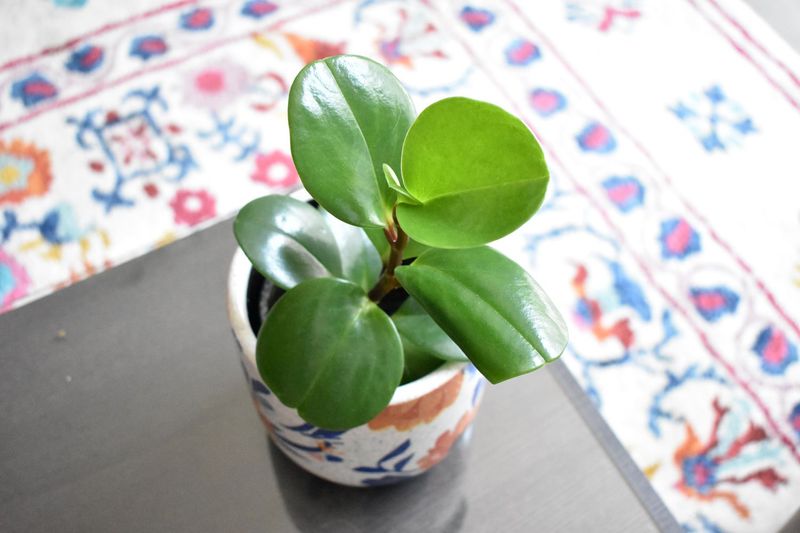
Do not let the name fool you. The baby rubber plant has nothing to do with the common rubber plant, which can actually be harmful to pets.
Peperomia obtusifolia, as it is scientifically known, is its own wonderful species with a much friendlier reputation around animals.
This plant is compact, sturdy, and surprisingly easy to care for indoors. Its leaves are thick, glossy, and a deep shade of green that catches the light beautifully.
Some varieties even come with creamy yellow or light green edges, adding a little extra visual interest to your shelves or windowsills.
Texas homes tend to stay warm, and baby rubber plants love warmth. They prefer temperatures between 65 and 80 degrees Fahrenheit, which lines up perfectly with the climate most Texans keep their homes at.
They also handle occasional dry spells well because their thick leaves store moisture like tiny water tanks. Watering is simple with this plant. Let the top inch of soil dry out before watering again.
Overwatering is the most common mistake people make, so less is more here. It prefers bright indirect light but can manage in moderate light without too much fuss.
The ASPCA lists Peperomia obtusifolia as non-toxic to cats and dogs, which makes it a genuinely safe pick for pet households. Unlike some leafy plants that look harmless but are not, this one truly earns its pet-friendly label.
Small enough to fit on a bookshelf, easy enough for beginners, and safe enough for curious pets, the baby rubber plant checks every box a Texas plant lover could want.
4. Prayer Plant
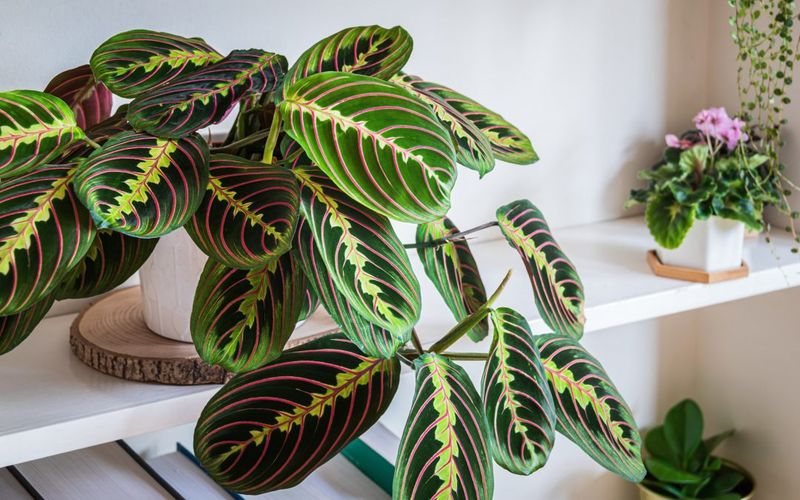
Something almost magical happens with a prayer plant every single evening. As the sun goes down, its leaves slowly fold upward, as if the plant is quietly folding its hands before bed.
That is exactly where it gets its charming name, and it is one of those little details that makes plant lovers fall for it completely.
Prayer plants come in several varieties, but most share the same bold, eye-catching leaf patterns. Deep green leaves with bright red or yellow veins spread out during the day, then fold up at night.
They bring serious color to any indoor space, making them a favorite for kitchens, bathrooms, and bright living rooms where humidity tends to be a little higher.
In Texas, where summers get hot and dry, prayer plants appreciate a bit of extra moisture in the air. Placing a small tray of water near the pot or misting the leaves a few times a week helps keep them happy.
They prefer bright indirect light, so a spot near a window with a sheer curtain works perfectly. Watering consistently is key. Prayer plants like moist but not waterlogged soil.
Using filtered or room-temperature water is a good idea because they can be sensitive to the chemicals found in some tap water. A light fertilizer during spring and summer keeps growth steady.
For pet owners, prayer plants are listed as non-toxic to both cats and dogs. That cheerful, patterned foliage can sit right on the kitchen counter without any worry.
For Texas homes that want bold color and pet safety in one package, the prayer plant delivers on both counts.
5. Boston Fern
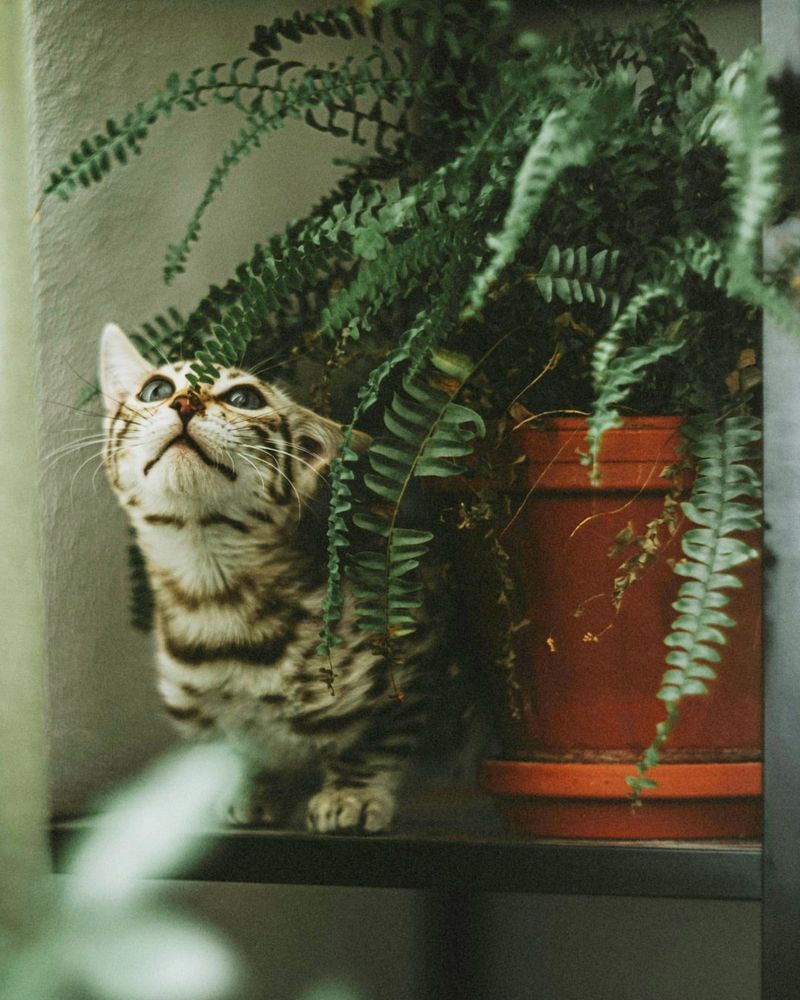
Lush, feathery, and full of life, the Boston fern is one of those plants that makes a room feel instantly fresher and more alive.
Its long, arching fronds spill over the sides of a hanging basket in the most satisfying way, turning an ordinary corner into something that feels almost like a garden retreat.
Boston ferns have a long history in Southern homes, and Texas is no exception. They were a staple on old front porches and in parlors long before indoor plant trends became a thing. That timeless quality is part of what keeps them so popular today.
This fern thrives in humidity and indirect light, two things that Texas homes can provide pretty easily. Bathrooms and kitchens are ideal spots because the natural moisture in those rooms helps keep the fronds looking lush and green.
On a covered Texas porch during the cooler months, a Boston fern can absolutely flourish. Keeping the soil consistently moist is important. Boston ferns do not like to dry out completely between waterings.
Misting the fronds regularly also helps, especially during dry winter months when indoor heating can pull moisture from the air. A pebble tray filled with water beneath the pot is another easy trick to boost humidity.
Pet owners will be relieved to know that Boston ferns are listed as non-toxic to cats and dogs by the ASPCA. No stress if a curious paw reaches up to bat at those dangling fronds.
With the right care and a humid spot to call home, the Boston fern is a rewarding and pet-safe choice for any Texas household.
6. Moth Orchid
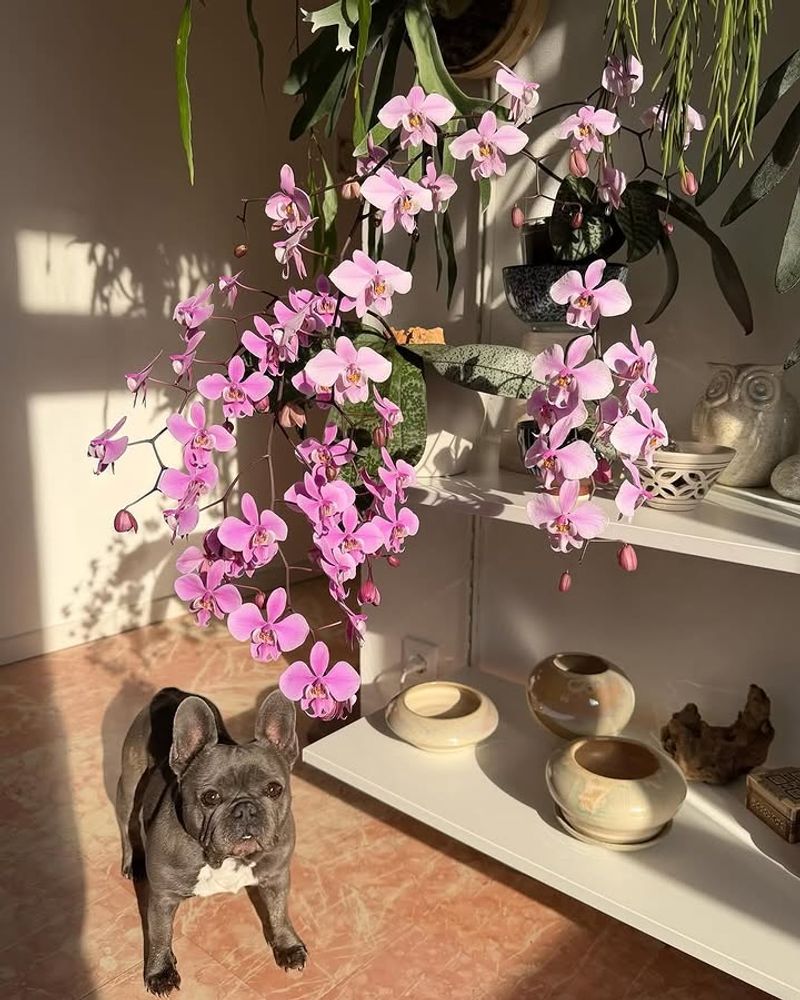
Elegant, graceful, and surprisingly easy to care for, moth orchids are one of the most popular flowering houseplants in the world. You have probably spotted them at grocery stores, garden centers, and home decor shops all across Texas.
Their tall stems hold rows of delicate blooms that can last for weeks, sometimes even months, at a time.
One reason moth orchids are such a smart choice for pet owners is that they are far safer than many other flowering plants. Lilies, for example, are extremely toxic to cats.
Amaryllis can cause serious problems for dogs. Moth orchids, by contrast, are included among the ASPCA-listed non-toxic plants, making them a much more relaxed option for homes with animals.
Caring for a moth orchid is easier than most people expect. They prefer bright indirect light, so a windowsill that gets morning sun but avoids harsh afternoon rays is ideal.
In Texas, east-facing windows often provide exactly the right kind of light. They do not need daily watering.
In fact, watering once a week and letting the roots dry slightly between waterings is usually enough.
After the blooms fall off, do not toss the plant. With a little patience and the right conditions, moth orchids will rebloom.
Cutting the stem just above a node and keeping the plant in bright indirect light encourages new flower spikes to develop over the following months.
Orchids also come in a huge range of colors, from soft white to deep purple and vibrant pink. For Texas pet owners who want a flowering plant that looks stunning and stays safe around animals, the moth orchid is a truly excellent pick.
7. African Violet
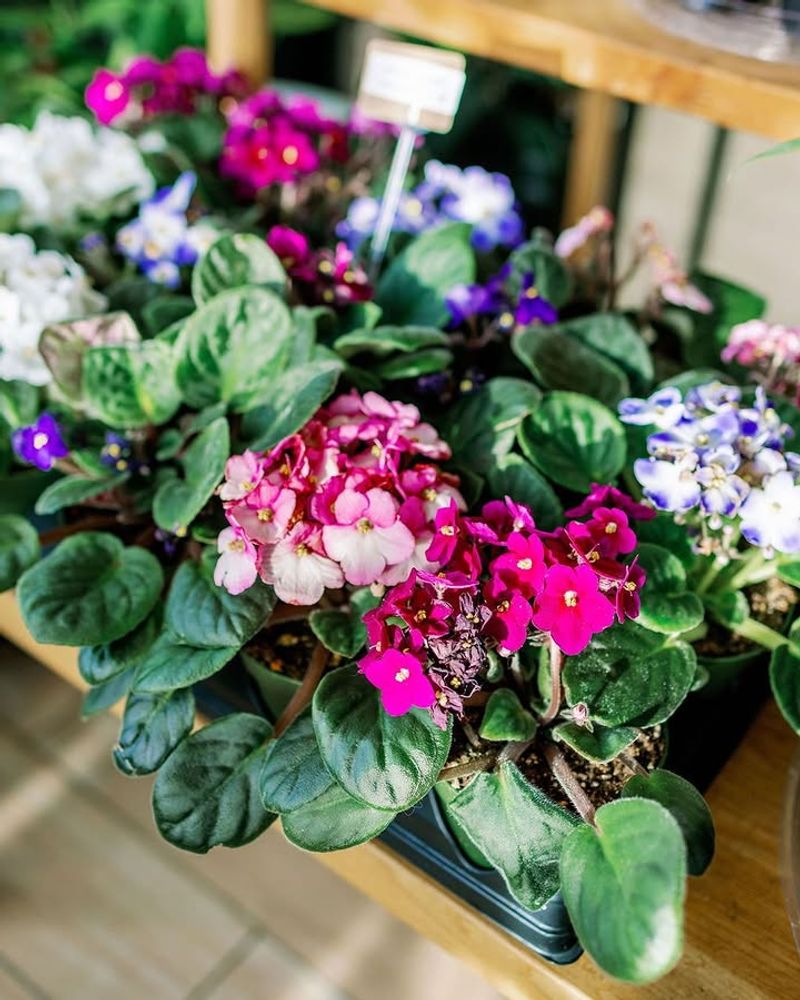
Compact, colorful, and full of personality, African violets have been brightening up windowsills in American homes for generations.
They come in shades of purple, pink, white, and even bi-color varieties, and their soft, velvety leaves give them a texture that feels almost cozy to look at.
For Texas homes with bright windows, African violets are a natural fit. They love the kind of warm, consistent indoor temperatures that most Texas households maintain year-round.
A spot on a south or east-facing windowsill gives them just the right amount of bright indirect light to keep blooming steadily throughout the year.
Watering African violets takes a little technique. They do not like getting their leaves wet, which can cause brown spots or rot.
Bottom watering is the preferred method. Simply place the pot in a shallow tray of water and let the soil soak it up from the bottom over about 30 minutes. Then remove the pot and let it drain completely.
Fertilizing every few weeks with a balanced liquid fertilizer made specifically for African violets helps keep the blooms coming.
Removing spent flowers and yellowing leaves also encourages the plant to put its energy into producing fresh new blooms instead of holding onto old ones.
The ASPCA Animal Poison Control Center commonly includes African violets among its list of pet-friendly houseplants, making them a safe and cheerful addition to any pet-friendly Texas home.
Small enough for a desk or a narrow windowsill, easy enough for beginners, and bright enough to lift anyone’s mood, African violets are a delightful choice from every angle.