Florida Lawn Pests That Show Up In July And Look Like Heat Damage
July is when Florida lawns start telling on themselves, and the news is not always good.
Brown patches, thinning turf, and grass that looks like it has completely given up are par for the course when scorching heat, afternoon storms, and fast-draining sandy soil are all working against you at the same time.
The easy assumption is drought stress or an irrigation issue, and honestly that is sometimes exactly right. But here is where things get interesting.
Several common Florida lawn pests produce damage that looks almost identical to heat stress, and treating the wrong problem while the actual culprit keeps munching away underground or along the soil surface is a frustrating and expensive cycle.
Taking a close look at your lawn before adjusting the sprinklers or panicking about the weather can save a lot of wasted effort this July.
1. Southern Chinch Bugs Mimic Drought Stress
Yellow patches spreading across a sunny St. Augustinegrass lawn in July are one of the most frustrating sights for Florida homeowners, especially when the irrigation system seems to be running just fine.
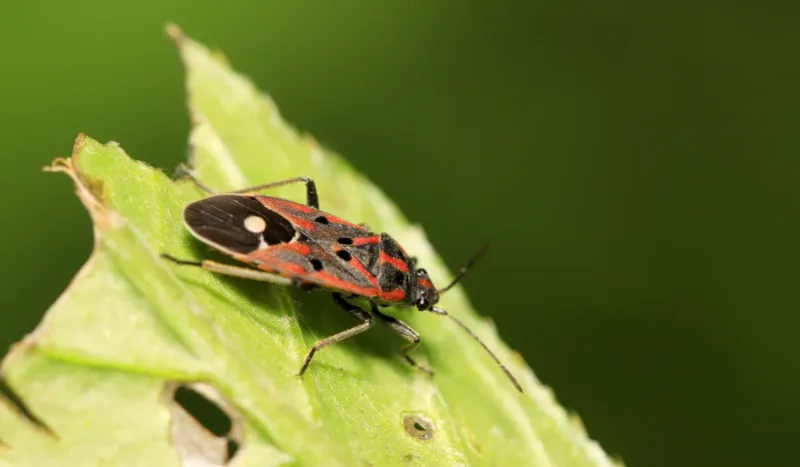
Southern chinch bugs are a well-known culprit behind this kind of damage, and they are sneaky about it.
The patches often start small near driveways, sidewalks, or other heat-absorbing surfaces and then expand outward as the infestation grows.
These tiny insects feed by piercing grass blades and sucking out plant juices, which causes the turf to yellow and eventually turn brown.
Because the damage looks so much like drought stress, many people simply water more, which does not address the actual problem.
The grass may continue to decline even with regular irrigation, which is a clue that something else might be going on.
Checking for southern chinch bugs is straightforward. Part the grass near the edge of a damaged patch and look closely at the soil surface and lower stems.
You may spot the small black and white adults or the reddish nymphs moving through the thatch. A flotation test, where a can with both ends removed is pressed into the turf and filled with water, can also bring insects to the surface.
Sunny, stressed, or drought-weakened turf tends to attract more feeding activity, so lawns already struggling in Florida summer heat may show faster and more obvious damage.
Confirming the pest before treating helps avoid unnecessary pesticide applications and gives the lawn a better chance at recovery.
2. Tropical Sod Webworms Thin The Turf
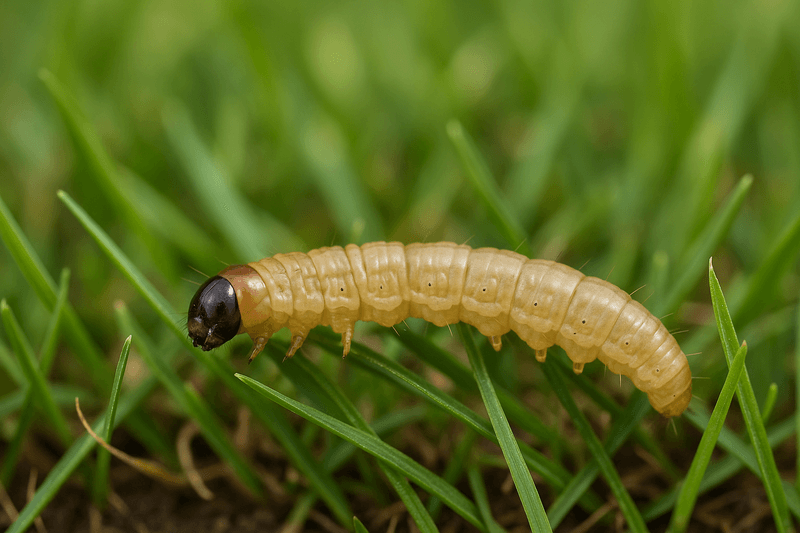
A lawn that looks generally tired and thin in July might not just be struggling from the heat.
Tropical sod webworm caterpillars are active feeders during Florida summers, and their damage can leave turf looking ragged, patchy, and worn out before most homeowners even realize insects are involved.
The feeding often happens at night, so the caterpillars themselves are easy to miss during a quick daytime inspection.
These caterpillars chew grass blades down close to the soil surface, which gives the turf a notched or scalped appearance. Affected areas may look like the grass simply stopped growing or dried out unevenly.
Your Florida Garden Changes Every Week. Your Plan Should Too.
Gardening in Florida changes quickly throughout the season. Every Friday you’ll receive a simple weekly plan showing exactly what to plant, prune, fertilize, harvest, and protect so you never miss the right timing.
St. Augustinegrass and bermudagrass are both commonly affected in Florida, and the damage can spread across a lawn fairly quickly when caterpillar populations are high.
One helpful sign to look for is the presence of small green or tan moths flying low over the lawn in the early evening. The moths themselves do not cause damage, but they are a signal that caterpillars may be active.
Checking the lawn at dusk or using a soap flush, which involves mixing a small amount of dish soap with water and pouring it over a square foot of turf, can bring caterpillars to the surface within minutes.
Because Florida summer heat naturally stresses turf, sod webworm damage can blend right in with ordinary heat symptoms.
Checking closely for chewed blade tips and irregular thinning patterns helps separate pest damage from environmental stress before any treatment decisions are made.
3. Fall Armyworms Leave Chewed Blades
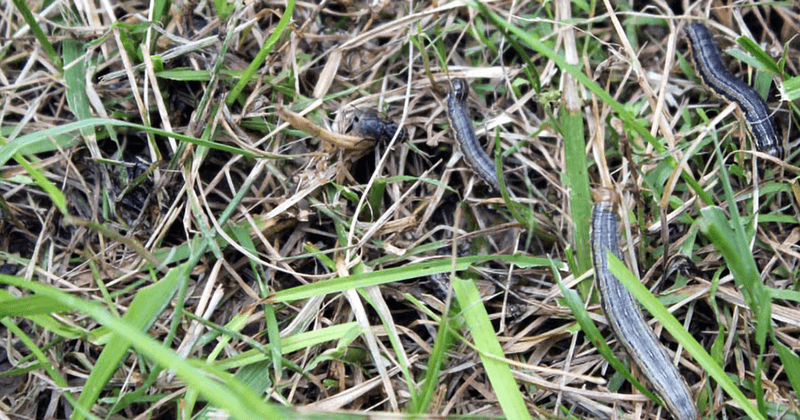
Sudden-looking turf damage that seems to appear almost overnight is one of the more alarming things a Florida lawn owner can experience in July.
Fall armyworms can create exactly that kind of fast, visible damage, chewing through grass blades in groups and leaving behind patchy, browned-out turf that looks like it dried up in the heat.
What makes this pest tricky is that the damage can look like drought stress at first glance, especially during a dry stretch in the Florida summer.
Unlike some other lawn pests, fall armyworms feed during the day as well as at night, and large populations can move through a lawn surprisingly fast.
Grass blades will often show ragged or chewed edges rather than the uniform browning that drought stress typically creates.
Looking closely at individual blades near the damaged area can reveal the difference and help confirm whether caterpillars are active.
Fall armyworms are easier to spot than some other Florida lawn pests because they are larger and more visible on the turf surface. The caterpillars have a distinctive inverted Y shape on their head and a striped body pattern.
Checking the lawn in the morning or early evening tends to be most productive for finding active feeding.
Grass that is already under heat or drought stress may show armyworm damage more quickly than healthy turf.
Scouting before assuming the lawn just needs more water is a practical habit that can save both time and effort during Florida’s demanding summer months.
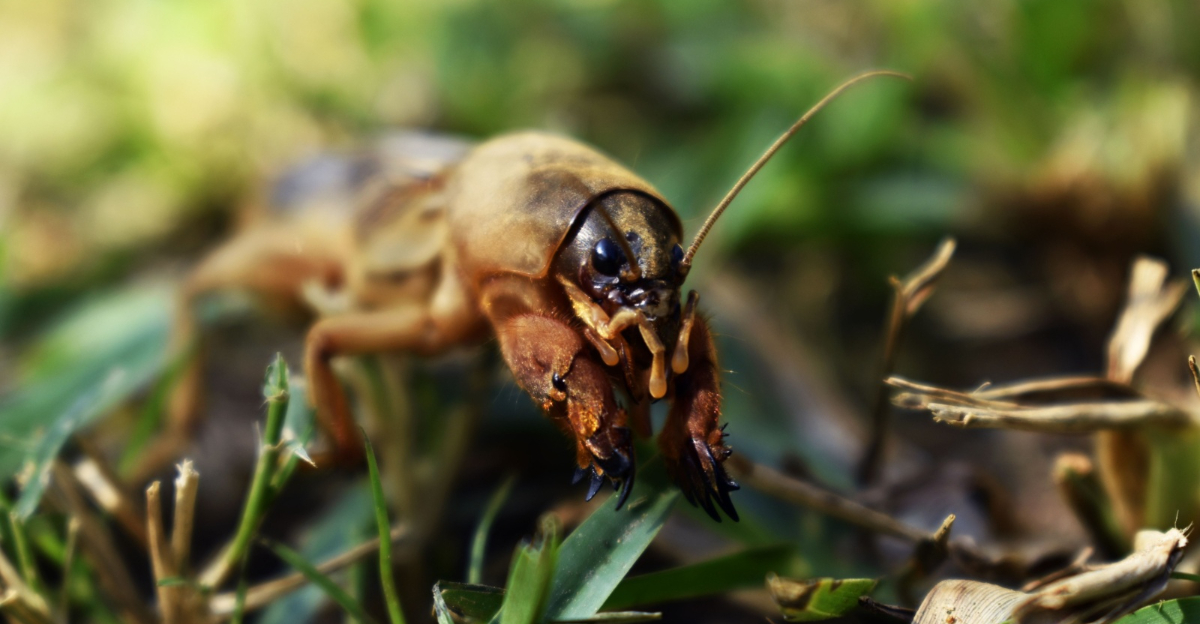
4. Mole Crickets Make Grass Look Thirsty
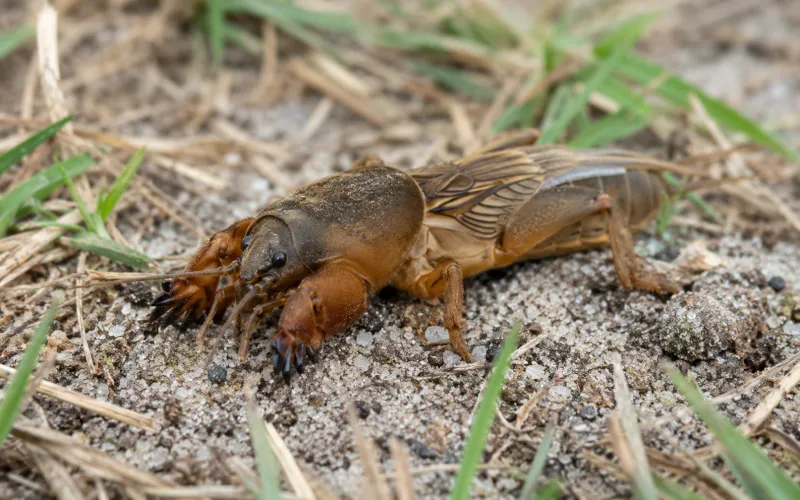
Grass that looks thirsty even after regular watering is one of those lawn problems that can send a Florida homeowner straight to the irrigation controller, when the real issue might actually be underground.
Mole crickets are burrowing insects that tunnel through the upper few inches of soil, disturbing grass roots and loosening the soil-to-root contact that plants need to absorb water effectively.
This root disruption can cause turf to wilt and look drought-stressed even when moisture is present.
Bahiagrass and St. Augustinegrass are both affected by mole cricket activity in Florida, and damage tends to show up as irregular patches of wilted, thinning, or severely declining turf.
The soil surface in affected areas may feel spongy underfoot, and small raised tunnels or mounds of loose soil are sometimes visible near the grass. These physical signs can help distinguish mole cricket damage from ordinary heat stress.
Mole crickets are most active in Florida during warm, humid months, and their tunneling activity often increases after summer rains soften the soil. Adults and nymphs both cause damage, though nymphs tend to be more active through summer.
A soap flush test can help confirm their presence by drawing the insects to the soil surface within a few minutes.
Because mole cricket damage mimics drought symptoms so closely, checking the soil before increasing irrigation is a smart first step.
Treating a pest problem with extra water will not solve the underlying issue, and confirming the cause leads to more effective and targeted lawn care decisions.
5. White Grubs Damage Roots Underground
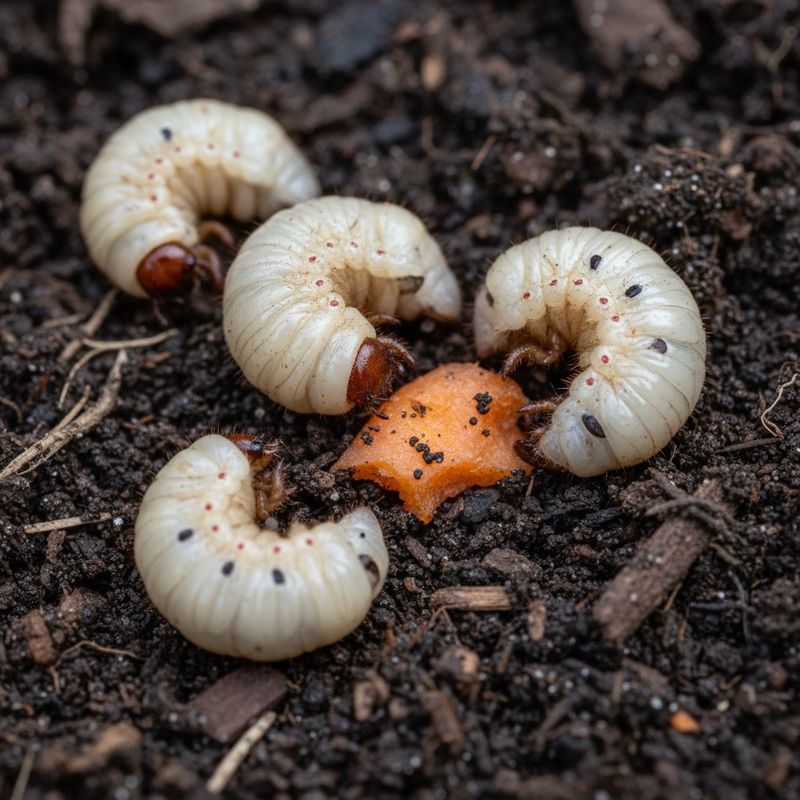
Some of the most confusing lawn damage in Florida happens below the surface, where it cannot be seen without getting down and checking.
White grubs are the larvae of various beetles, and they feed on turfgrass roots underground during the summer months.
Because the roots are being eaten rather than the blades, the first visible symptoms above ground often look like water stress or heat damage, with grass yellowing, thinning, or struggling to stay upright.
July and August are useful times to inspect Florida lawns for white grub activity, especially if patches of turf are looking off without a clear reason.
Pulling back a section of sod in a damaged area and checking the soil just below the surface can reveal the presence of white, C-shaped larvae.
Finding several grubs per square foot in the root zone is generally considered a sign worth paying attention to.
Turf damaged by white grubs may feel spongy or loose when walked on, and in heavier infestations, sections of grass can sometimes be pulled back like a loose rug because the root system has been disrupted.
Sandy Florida soils, which drain quickly and warm up fast, can make grub-damaged turf show stress symptoms more quickly than turf growing in denser soils.
Raccoons, armadillos, or birds digging in the lawn can also be a clue that grubs are present, since these animals forage for insects near the soil surface.
Scouting before treating helps confirm the problem and avoids applying products unnecessarily to a lawn that may just need better irrigation management.
6. Mealybugs And Scales Hide In Plain Sight
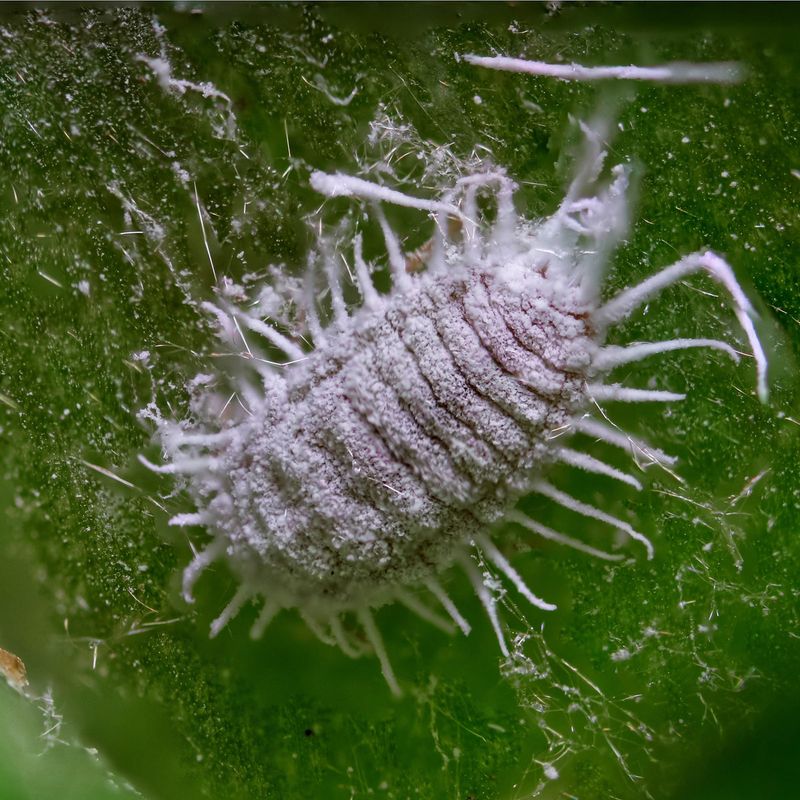
Not every Florida lawn pest announces itself with obvious chewed blades or visible tunneling.
Turfgrass mealybugs and scales are the kind of insects that do their damage quietly, hidden low in the turf canopy near the soil surface where casual inspection rarely reaches.
Grass in affected areas may look generally weak, pale, or drought-stressed without any obvious physical damage to the blades, which makes these pests especially easy to overlook in July when heat stress is already a common explanation.
Both mealybugs and scales feed by inserting their mouthparts into plant tissue and extracting sap, which gradually weakens the grass over time.
Affected turf may thin out slowly, lose its color, or fail to respond to fertilizer or irrigation the way a healthy lawn would.
The damage can appear in irregular patches or spread more broadly depending on the population size and the condition of the turf.
Identifying these pests requires a close look at the base of grass stems and the thatch layer. Mealybugs have a soft, waxy, whitish coating, while scales may appear as small bumps or crusts attached to stems.
A magnifying glass can be helpful for spotting them in dense turf. St. Augustinegrass is among the grass types affected in Florida landscapes.
Because these insects are easy to miss and their damage resembles general stress, confirming their presence before treating is especially worthwhile.
Lawn areas that seem to stay unhealthy despite adequate watering and reasonable care are worth inspecting more closely, particularly during Florida’s warm and humid summer months.
7. Ground Pearls Create Patchy Decline
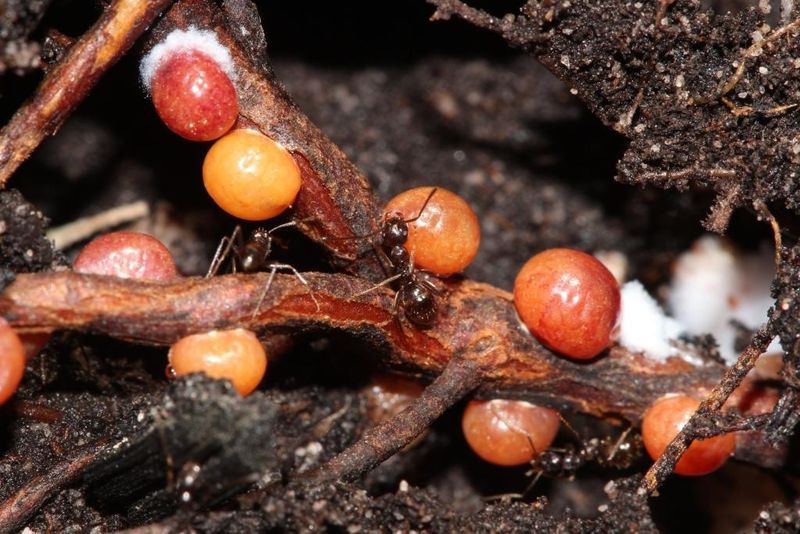
Patchy, irregular brown or yellow areas that seem to resist every fix a homeowner tries can be one of the most discouraging lawn problems in Florida.
Ground pearls are a type of scale insect that feeds on turfgrass roots underground, and their damage tends to show up as scattered patches of declining turf that look very similar to drought or heat stress.
Because the insects live in the soil and are rarely seen on the surface, many Florida homeowners never realize they are the cause of the problem.
Ground pearls are most commonly associated with centipedegrass and St. Augustinegrass in Florida, though they can affect other warm-season turf types.
The insects encase themselves in a hard, pearlescent shell and attach to roots, making them difficult to manage once established.
Damage often becomes more noticeable during hot, dry periods, which is part of why it blends so easily with summer heat stress symptoms.
Inspecting the soil around a declining patch is the most reliable way to check for ground pearls. Digging a few inches into the root zone and examining the soil closely may reveal the small, round, pinkish-yellow cysts attached to roots or loose in the soil.
Sandy Florida soils, which are common across much of the state, tend to be favorable conditions for ground pearl populations.
There are currently no highly effective chemical treatments specifically labeled for ground pearls in Florida.
Maintaining overall turf health through proper watering, mowing, and fertilization remains the most practical management approach available to homeowners dealing with suspected infestations.