What To Do With Your Florida Bird Of Paradise In July For Bigger Blooms
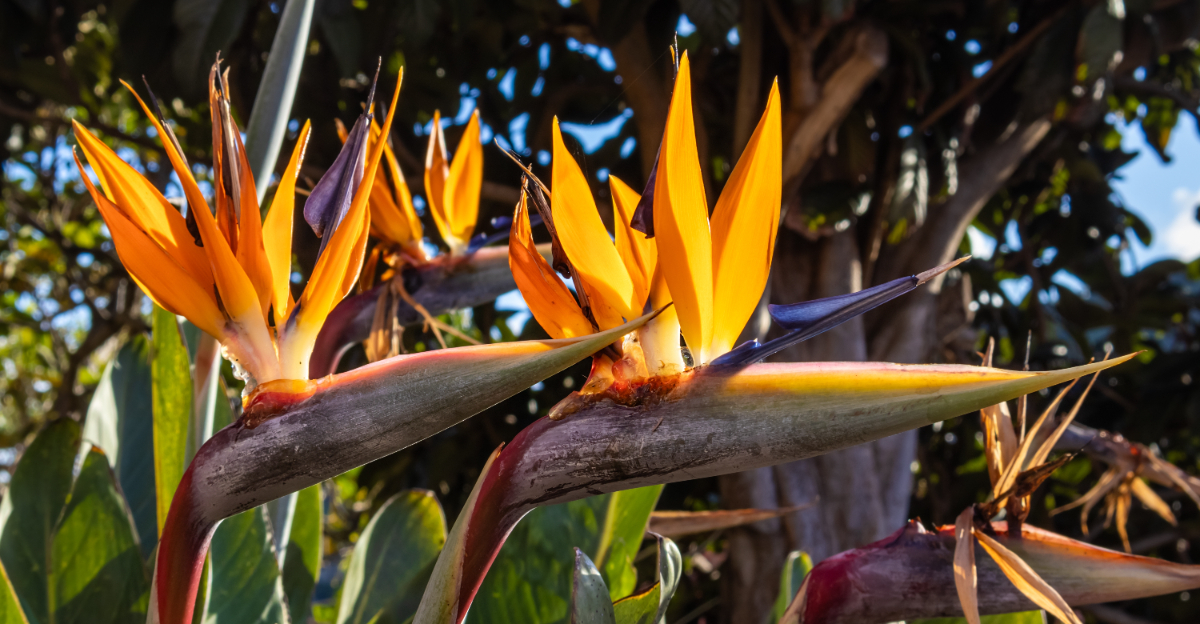
Bird of paradise in July looks like it needs nothing from anyone. Bold, architectural, apparently built for exactly this kind of heat.
Most Florida homeowners admire it and walk past, which is the right instinct for most of the year and exactly the wrong one right now. July is when bird of paradise makes decisions about next season’s bloom.
Not spring, not fall. This month, while the plant is actively growing and conditions are at their most intense, is when a few targeted moves make a real difference in what follows.
Most bird of paradise advice covers planting and division. July sits almost entirely outside that conversation.
That gap is why so many Florida gardeners end up with a plant that looks impressive but blooms less than it should. What this plant actually needs right now is specific.
And it is not what most people would guess.
1. Give It Bright Light Before Expecting Blooms
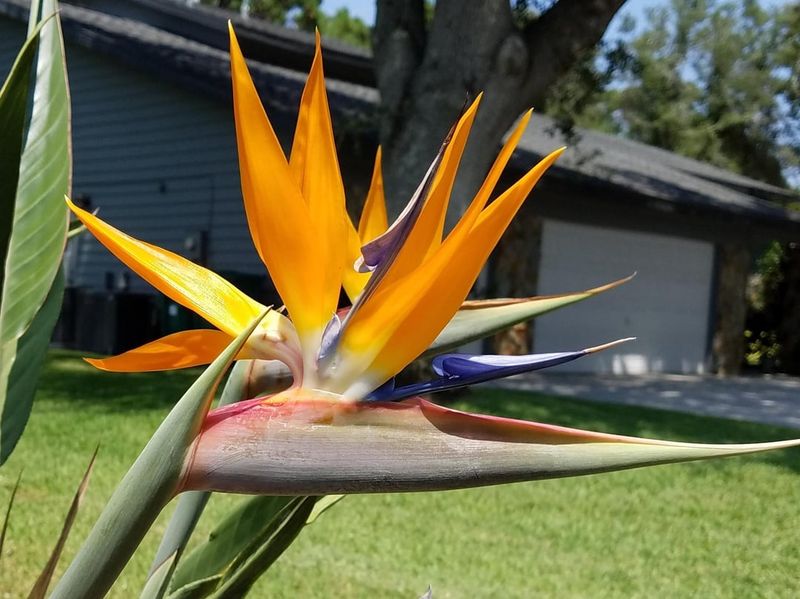
Sunlight is the engine behind every bloom your Bird of Paradise produces. Without enough of it, the plant may grow tall and leafy but stay stubbornly flowerless for seasons at a time.
Strong, direct light for at least six hours a day is what most Bird of Paradise plants need to shift from producing leaves into producing flowers.
Walk around your Florida yard on a July morning and watch where the light actually falls. Nearby trees, roof overhangs, fences, and neighboring shrubs can quietly steal hours of sun your plant needs.
Even a little too much shade can push the plant into a permanent leafy mode with no blooms in sight.
Potted plants have an advantage here because you can move them. If your container plant has been sitting in a partly shaded spot, try shifting it gradually toward a brighter location over one to two weeks.
Moving it too fast into intense sun can cause leaf stress and browning, so take your time with the transition.
In-ground plants are harder to relocate, but you can trim competing shrubs or low tree branches to open up more light. Evaluate your site honestly.
A plant receiving filtered light all day will rarely match the bloom output of one sitting in open, full sun. Light is not just helpful for blooming; it is the starting point for everything else to work.
2. Water Deeply Without Soaking The Crown
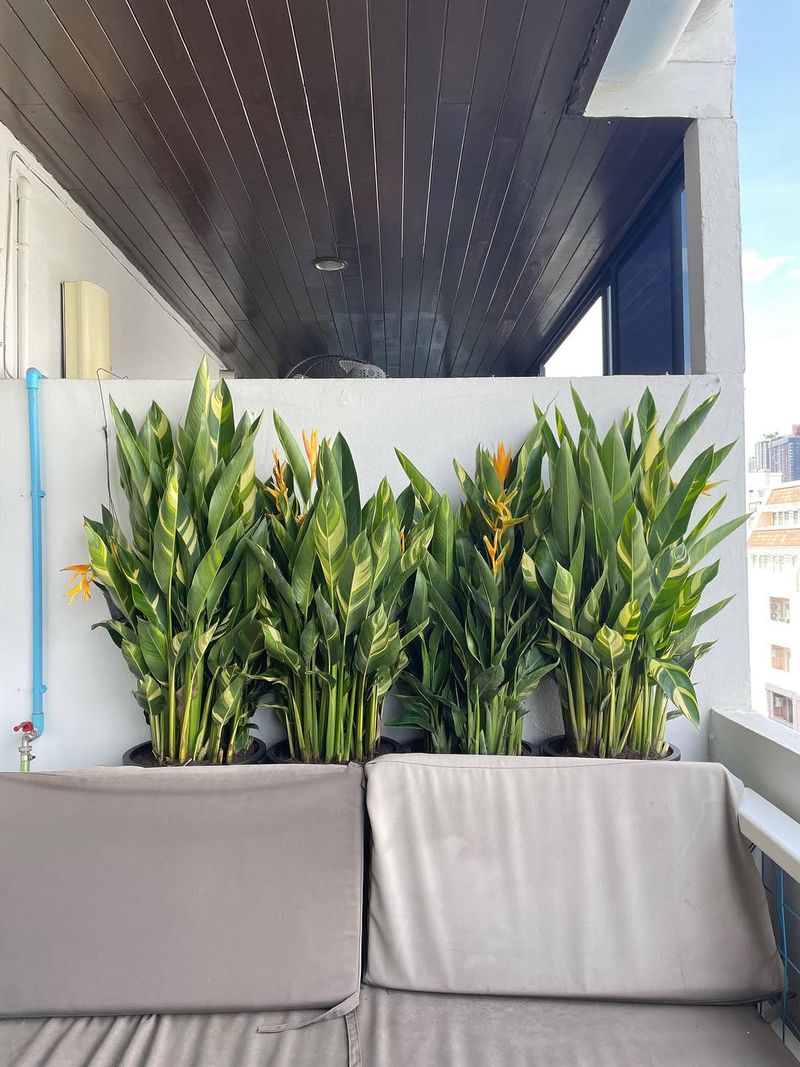
Picture this: you have watered your Bird of Paradise every day during a heat wave, and the plant still looks stressed. The problem might not be too little water but where and how you are applying it.
Watering at the root zone, rather than spraying the whole plant, makes a real difference during the hot summer months.
Deep, thorough watering encourages roots to grow downward rather than staying shallow near the surface. Shallow roots make the plant more vulnerable during dry spells between storms.
Water slowly at the base until moisture reaches several inches into the soil, then let the top inch or two dry out before watering again.
Your Florida Garden Changes Every Week. Your Plan Should Too.
Gardening in Florida changes quickly throughout the season. Every Friday you’ll receive a simple weekly plan showing exactly what to plant, prune, fertilize, harvest, and protect so you never miss the right timing.
July in Florida brings frequent afternoon thunderstorms that can drop an inch or more of rain in a short time. Check your soil before watering on a schedule.
Stick your finger a couple of inches into the ground near the plant. If it still feels moist, skip the extra watering and let the soil breathe.
One area to protect carefully is the crown, which is the central base where leaves emerge. Water that sits in the crown for extended periods can invite rot.
Water early in the morning when possible so any moisture that splashes onto the plant dries off quickly as the day warms up. Consistency matters more than volume.
3. Feed Lightly During Active Growth
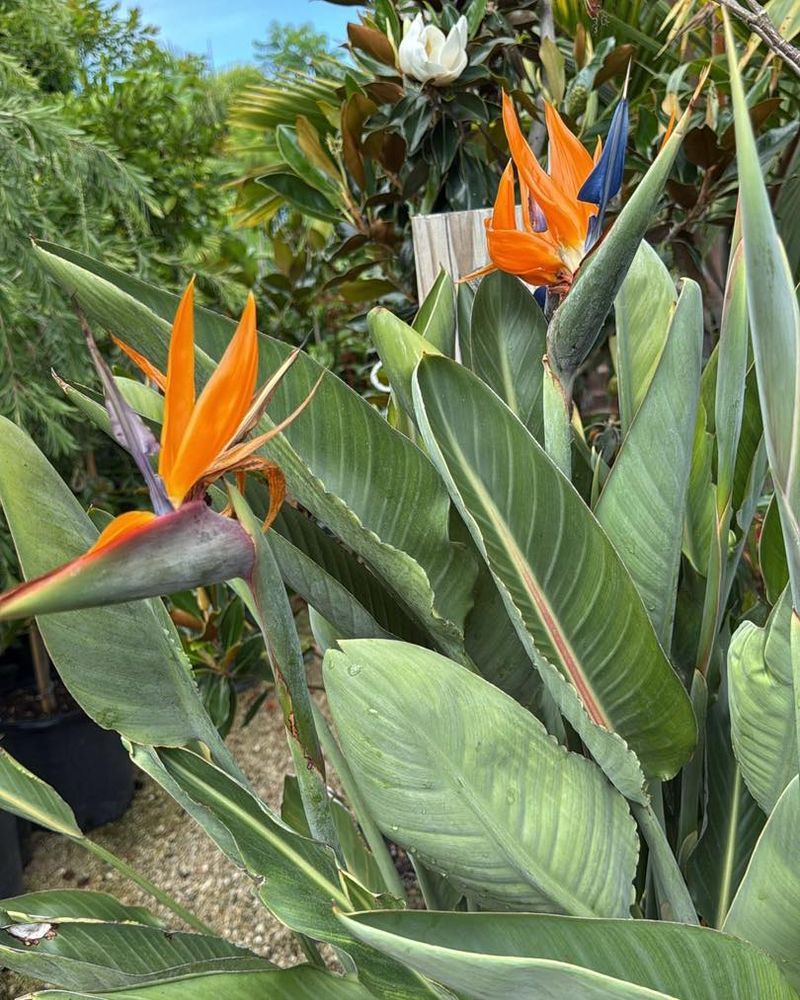
Feeding your Bird of Paradise in July can absolutely support stronger growth and better bloom potential down the road. The key word, though, is lightly.
July heat combined with heavy fertilizer is a recipe for root stress rather than a bloom boost. More fertilizer does not equal more flowers.
A balanced, slow-release granular fertilizer works well for most Bird of Paradise plants during the growing season. Look for something with roughly equal parts nitrogen, phosphorus, and potassium, or a formula that leans slightly lower in nitrogen.
Too much nitrogen encourages lush, leafy growth at the expense of flowering, which is the opposite of what you want.
Always follow the label directions for your specific product. Extension resources from UF/IFAS and local county offices are a great starting point if you are unsure what to use or how often to apply.
Rates and timing can vary depending on your soil type, plant size, and whether the plant is in a container or in the ground.
Pair any feeding with proper soil moisture. Fertilizing into dry soil can stress roots and reduce how well the plant absorbs nutrients.
Water the plant lightly before and after applying granular fertilizer to help it move into the root zone safely. Skip feeding if your plant is showing signs of stress from heat, waterlogging, or pest damage.
Healthy roots absorb nutrients far more efficiently than struggling ones.
4. Keep Roots Crowded But Not Strangled
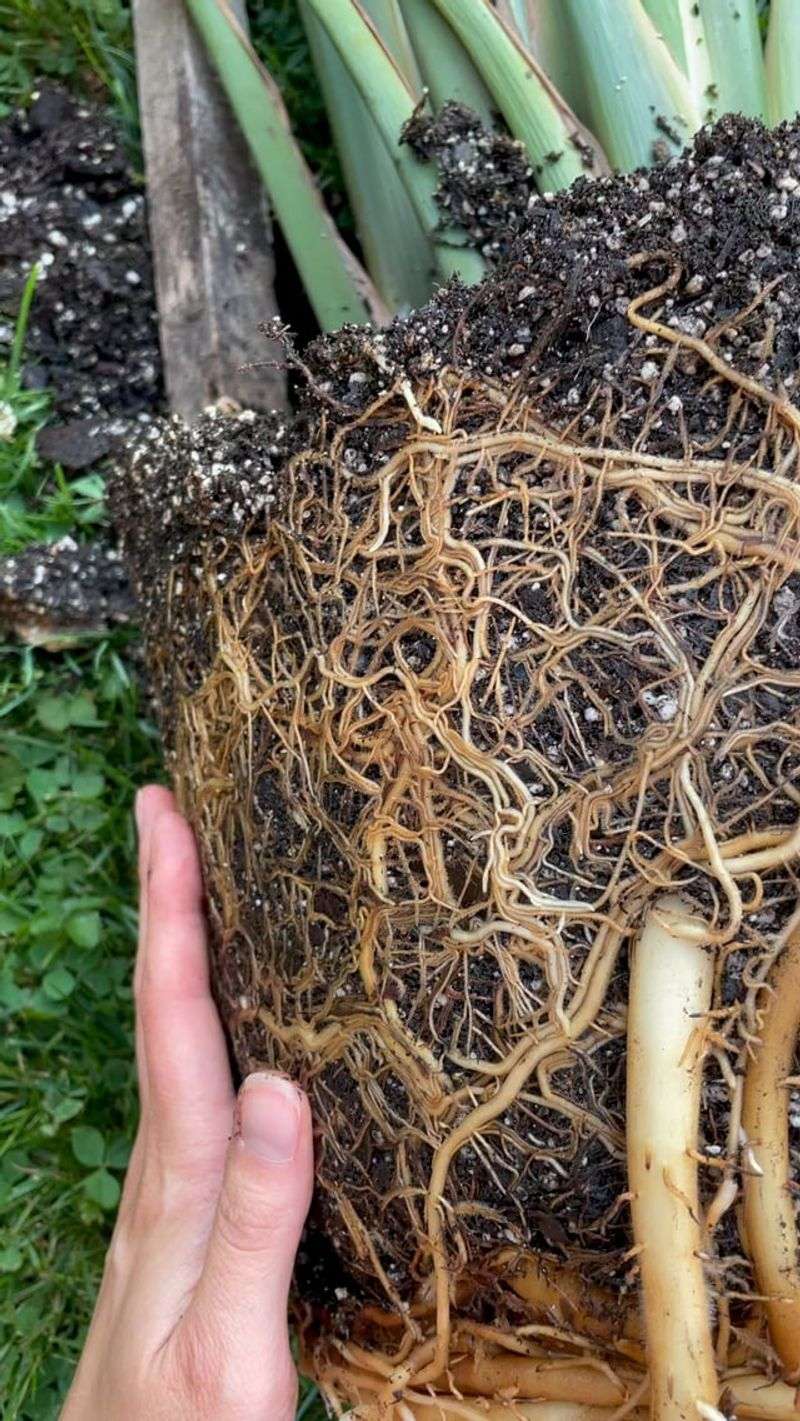
Here is something that surprises many gardeners: Bird of Paradise plants tend to bloom more freely when their roots are a little snug. A slightly root-bound container plant often puts more energy into flowering than one with a large pot full of loose, open soil.
Giving the roots room to stretch too much can actually delay blooming.
That said, there is a real difference between pleasantly crowded and completely suffocated. Signs that your plant has crossed that line include roots visibly circling and tightening around themselves or water running straight through the pot.
Noticeably slowed growth or a container that tips over easily can also point to a top-heavy, root-bound plant.
If your plant shows those signs, repotting into a container just one or two sizes larger may be necessary. Use a well-draining potting mix, and choose a pot with drainage holes at the bottom.
July is not the ideal time to repot because the heat adds extra stress to a plant already adjusting to new root space.
If you do repot in July, keep the plant in a shadier spot for a week or two and water carefully while it settles in. Expect a possible pause in flowering afterward.
The plant will often focus energy on establishing new roots and pushing out fresh leaves before returning to bloom production. Patience during that recovery window pays off later in the season.
5. Remove Tattered Leaves The Right Way
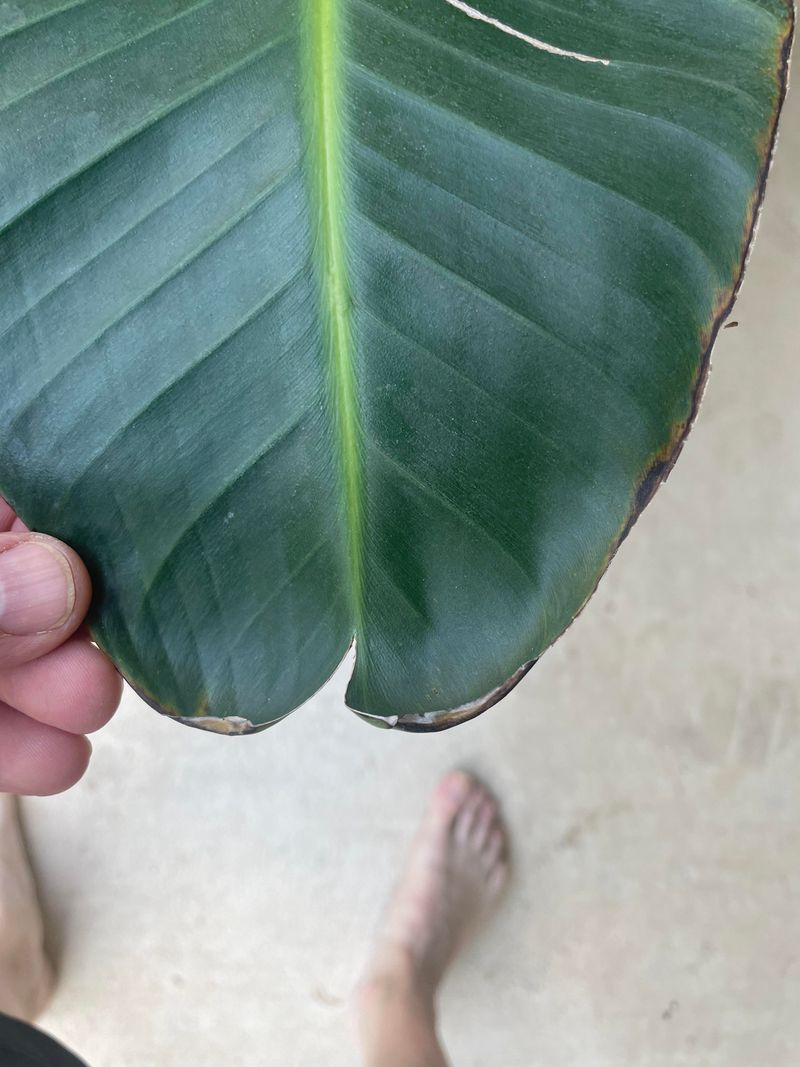
After a string of July storms, your Bird of Paradise might look a little rough around the edges. Leaves can split, brown at the tips, or collapse at the base after heavy wind and rain.
Cleaning up that damage is worth doing, but how you remove those leaves matters as much as whether you remove them.
Start by identifying leaves that are truly done. A leaf that is mostly brown, collapsed at the base, or pulling away from the plant on its own is a good candidate for removal.
Use clean, sharp pruning shears or scissors. Make the cut as close to the base of the leaf stem as you can without cutting into the main crown or surrounding healthy tissue.
Leaf splitting is extremely common for Bird of Paradise plants growing in windy spots. Those splits are a natural adaptation to wind, not a sign that the plant is failing.
A split leaf is still a functioning leaf and should stay on the plant unless it is also brown, rotting, or completely collapsed.
Resist the urge to strip off healthy leaves just to make the plant look tidier or to try to trigger blooming. Green leaves are the plant’s food factory.
They capture sunlight and convert it into the energy that eventually fuels flower production. Removing them unnecessarily slows the whole process down.
Clean up what is genuinely damaged, and leave the rest to do its job.
6. Protect The Plant From Soggy Soil
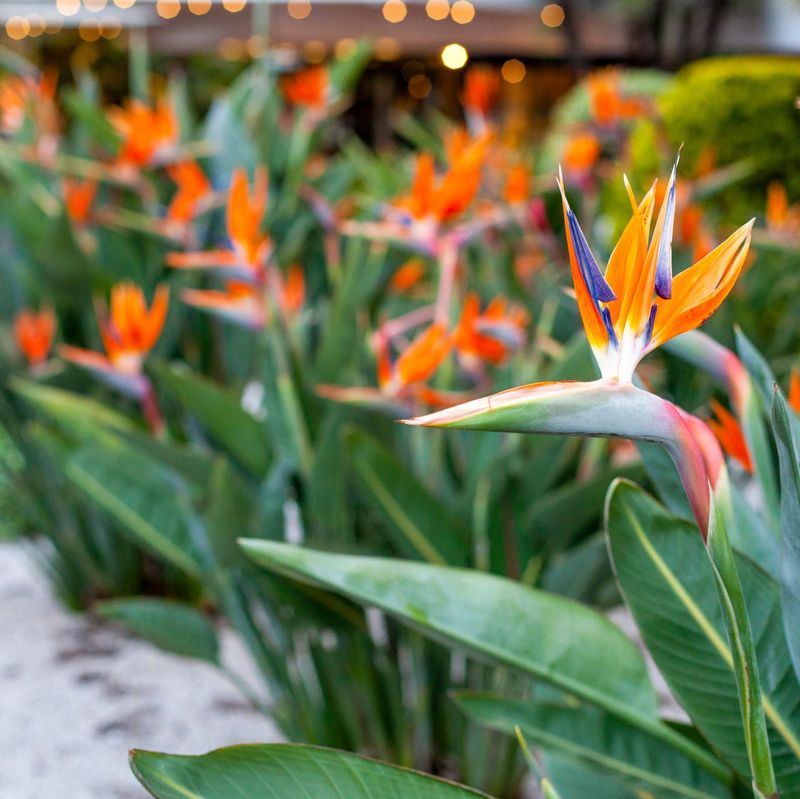
July storms in Florida can drop several inches of rain in a single afternoon. For a Bird of Paradise, that kind of rapid soaking is only a problem if the water has nowhere to go.
Good drainage is not just a nice bonus for this plant; it is one of the core conditions that keeps roots healthy and bloom potential strong.
Check your planting area after a heavy storm. If water is still pooling around the base of your plant an hour or more after the rain stops, drainage is a real concern.
Compacted soil, low spots in the yard, and clay-heavy ground are common culprits in many local neighborhoods. Roots sitting in saturated soil for extended periods can become stressed, weakened, and more vulnerable to disease.
Container plants face a different version of the same problem. Saucers that collect and hold water under pots keep the drainage holes blocked and the soil soggy from below.
Lift containers off the ground slightly or empty saucers after storms to let excess water escape freely.
Mulch can help regulate moisture levels around in-ground plants, but keep it a few inches away from the crown and main stem. Mulch piled directly against the base traps moisture against the plant and can encourage rot.
A layer of two to three inches of mulch spread outward from the plant, rather than mounded against it, is the right approach for summer care.
7. Watch For Scale And Leaf Spots
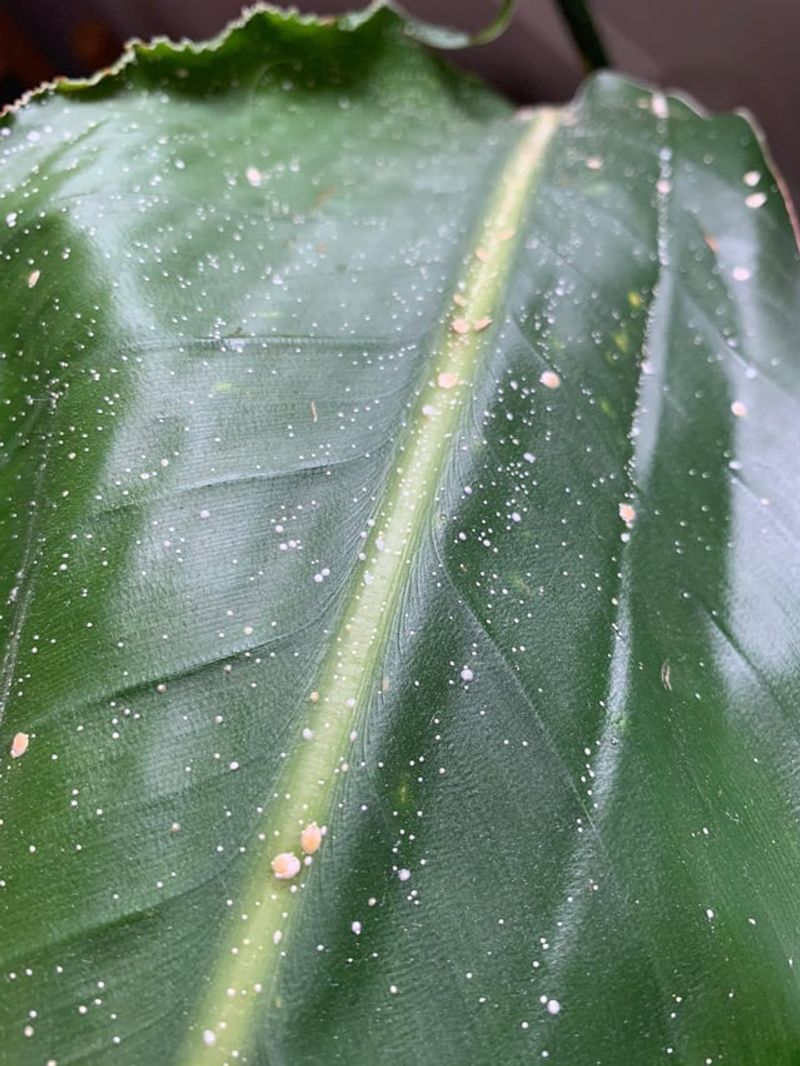
July humidity creates the kind of warm, damp environment that certain pests and fungal issues genuinely enjoy.
Dense foliage and frequent rain can reduce airflow around your Bird of Paradise, making it easier for problems to develop quietly before you notice them.
A quick inspection once a week takes only a few minutes and can catch issues early.
Flip a few leaves over and look at the undersides. Scale insects are small, flat, and often look like tiny brown or tan bumps stuck to the leaf surface or stems.
Mealybugs show up as cottony white clusters, usually in leaf joints or along stems. A sticky residue on leaves or on surfaces below the plant can also signal an insect problem worth investigating further.
Leaf spots can appear as yellow halos, brown patches, or dark circular marks. Some spotting is minor and cosmetic, while other cases can spread if conditions stay wet and crowded.
Before treating anything, identify the issue correctly. Treating the wrong problem wastes time and can add unnecessary stress to the plant.
Improving airflow around the plant, avoiding overhead watering, and removing severely affected leaves can reduce the conditions that allow some problems to persist.
If you do need to treat, consult your local county extension office for guidance on what products are appropriate for your situation.
Avoid guessing with random sprays, especially during the heat of summer.
8. Let Maturity Do The Blooming Work
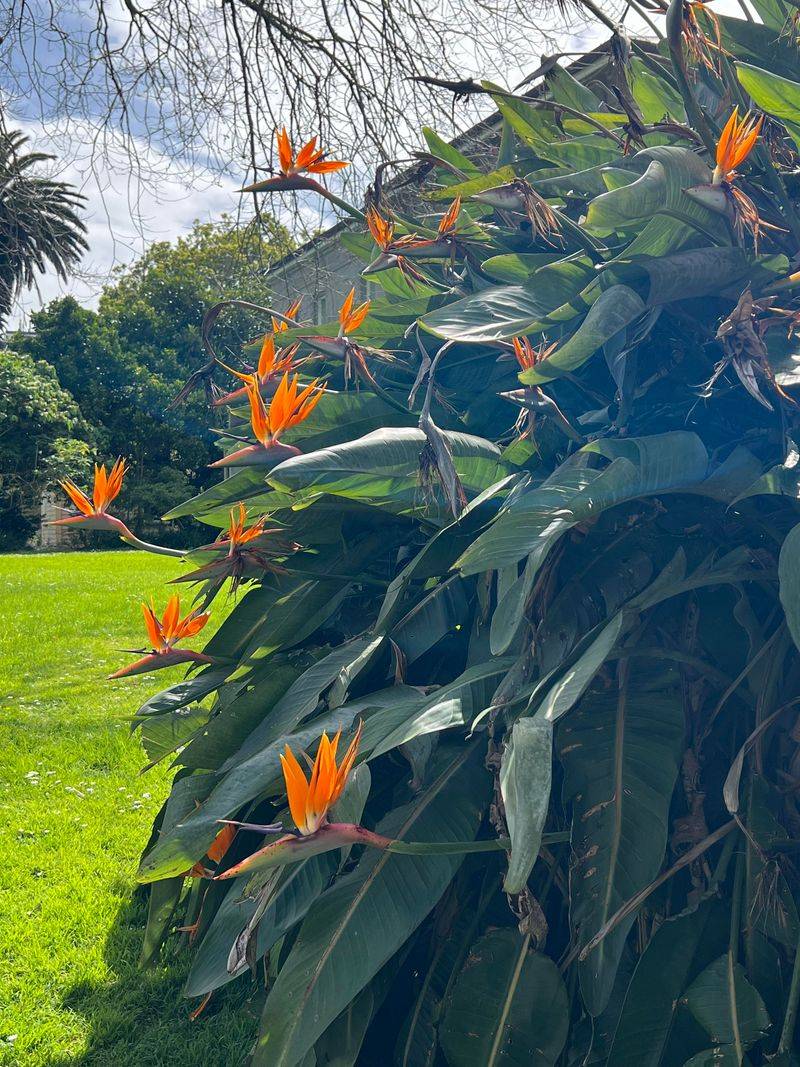
Sometimes the most honest thing you can tell a gardener is this: your plant might just need more time. Bird of Paradise is well known for taking several years to bloom reliably, especially when grown from seed or recently divided from a larger clump.
A young plant or one that was recently transplanted may simply not be ready yet, no matter how perfectly you care for it.
Most experts, including those at university extension programs, note that Bird of Paradise plants need time. They often require three to five years or more before they begin blooming consistently.
A plant that was divided last year or moved to a new spot in the spring is likely still focused on re-establishing its root system and building up energy reserves.
July care is genuinely valuable, but think of it as an investment rather than a quick fix. Strong light, steady watering, light feeding, good drainage, and clean foliage all contribute to a plant that is growing toward its bloom potential.
None of those steps will force a flower on a plant that is not ready.
Keep a simple record of when you planted, divided, or moved your Bird of Paradise. Tracking that timeline helps you set realistic expectations.
A plant that has been in the same spot for four or five years with good care is much closer to rewarding you with blooms than one that is still getting settled. Trust the process, keep the conditions right, and let maturity carry the rest.