Why Too Much Spring Watering Backfires In Florida Gardens
Florida spring gardening has a trap built right into it. The weather warms up, the plants look like they need attention, and the irrigation timer is already set to handle everything automatically. It feels like responsible gardening.
It looks like responsible gardening. And then the problems start showing up in ways that take weeks to diagnose. Root damage. Fungal outbreaks.
Nutrients disappearing into the soil before plants ever access them. A lawn that looks fine on top but is quietly struggling underneath a layer of thatch that should not be there.
The frustrating part is that water is the cause, not the cure. Florida springs bring more rain than most timers account for, and running irrigation on top of that stresses plants far more than drought ever would.
Many gardeners know not to underwater. Far fewer know the specific ways that overwatering quietly dismantles everything they worked to build through winter.
So, what happens below the soil surface during a wet Florida spring?
1. Soggy Soil Leaves Roots Short On Air
Roots are not just searching for water underground. They are also breathing, and we often forget the second part.
Healthy soil holds both water and air pockets simultaneously. Roots depend on that oxygen to function, absorb nutrients, and support everything happening above ground.
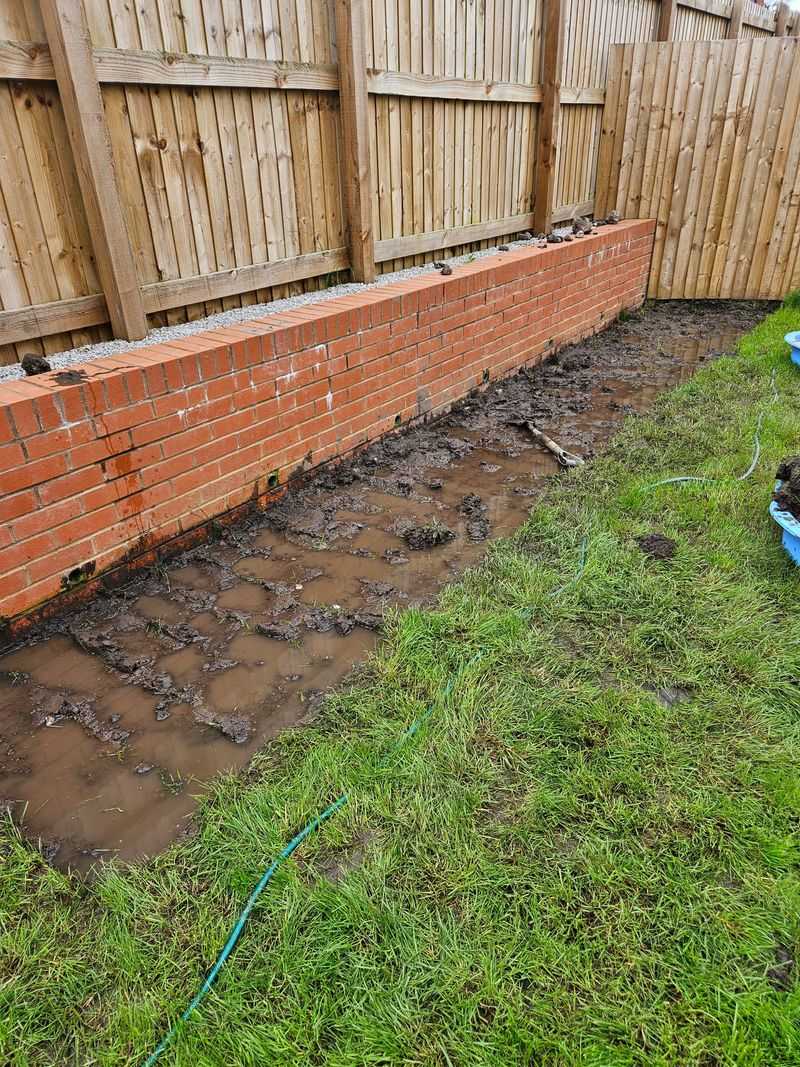
When soil stays saturated for too long, those air pockets fill with water and the root zone becomes functionally suffocating.
Florida soils vary considerably across the state. Sandy soils drain quickly under normal conditions.
Clay-heavy or compacted soils hold water much longer and turn overwatering from a minor inconvenience into a genuine threat to plant health.
Waterlogged conditions reduce oxygen in the root zone and limit nutrient uptake in ways that show up as visible symptoms above ground. The confusing part is that those symptoms often look like drought stress.
Wilting plants in wet soil. That combination sends many Florida gardeners straight to the hose, which makes an already bad situation considerably worse.
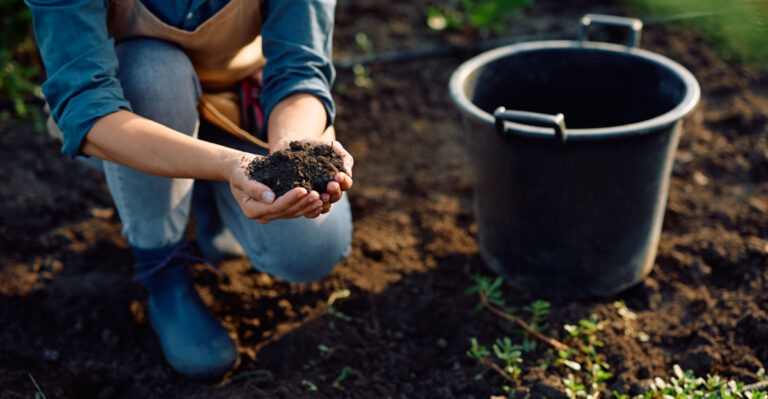
The cycle is worth breaking early. Check soil moisture before reaching for the hose or triggering the timer. Push a finger or a soil probe about two inches into the ground.
Wet and cool means the roots are already covered and the sprinklers can take the day off without consequences. Two inches of honest soil information beats any preset schedule.
2. Spring Rain Makes Timers Easy To Overdo
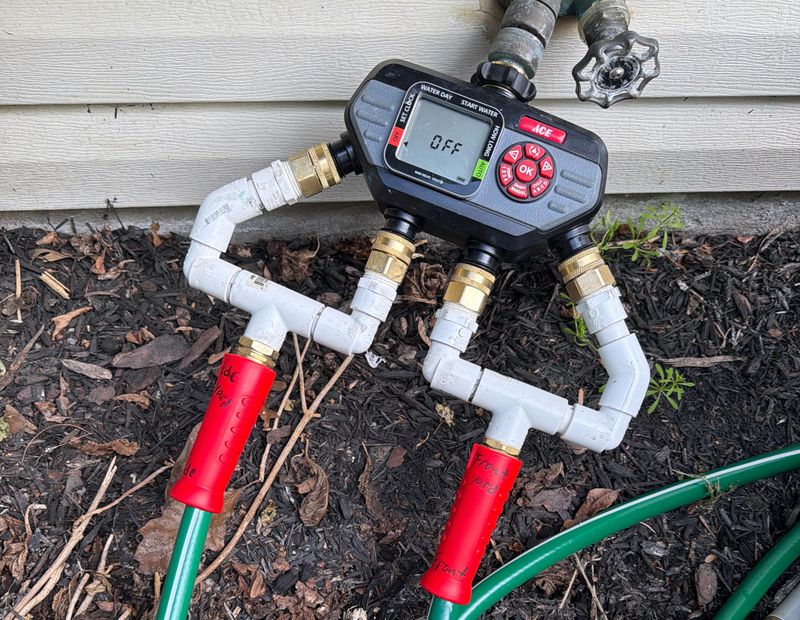
Automatic irrigation timers are genuinely useful tools with one significant limitation. They do not look out the window.
A timer calibrated for dry winter conditions keeps running right through a week of steady spring showers without any awareness that the ground is already saturated.
That means garden beds and lawn areas can be getting drenched twice over while the homeowner is at work, asleep, or simply trusting the system to handle things.
Florida spring brings a noticeable increase in rainfall from March through May. Running a fixed irrigation schedule year-round without seasonal adjustment wastes significant water and contributes directly to the soggy conditions that stress plants and turf.
Your Florida Garden Changes Every Week. Your Plan Should Too.
Gardening in Florida changes quickly throughout the season. Every Friday you’ll receive a simple weekly plan showing exactly what to plant, prune, fertilize, harvest, and protect so you never miss the right timing.
Think of a fixed timer like cruise control on a rainy highway. It works well under the right conditions. Someone still needs to be paying attention.
Checking irrigation settings at the start of each season takes a few minutes and prevents weeks of unintentional overwatering. Reducing run times or skipping days during rainy stretches makes an immediate difference.
Local water utilities across Florida also enforce seasonal watering restrictions. Adjusting the timer keeps the garden compliant and keeps the lawn from becoming a sprinkler-soaked swamp that no amount of drainage will quickly fix.
Seasonal tune-ups for irrigation schedules are not optional in Florida. They are a fundamental part of spring garden management.
3. Wet Leaves Raise Disease Pressure
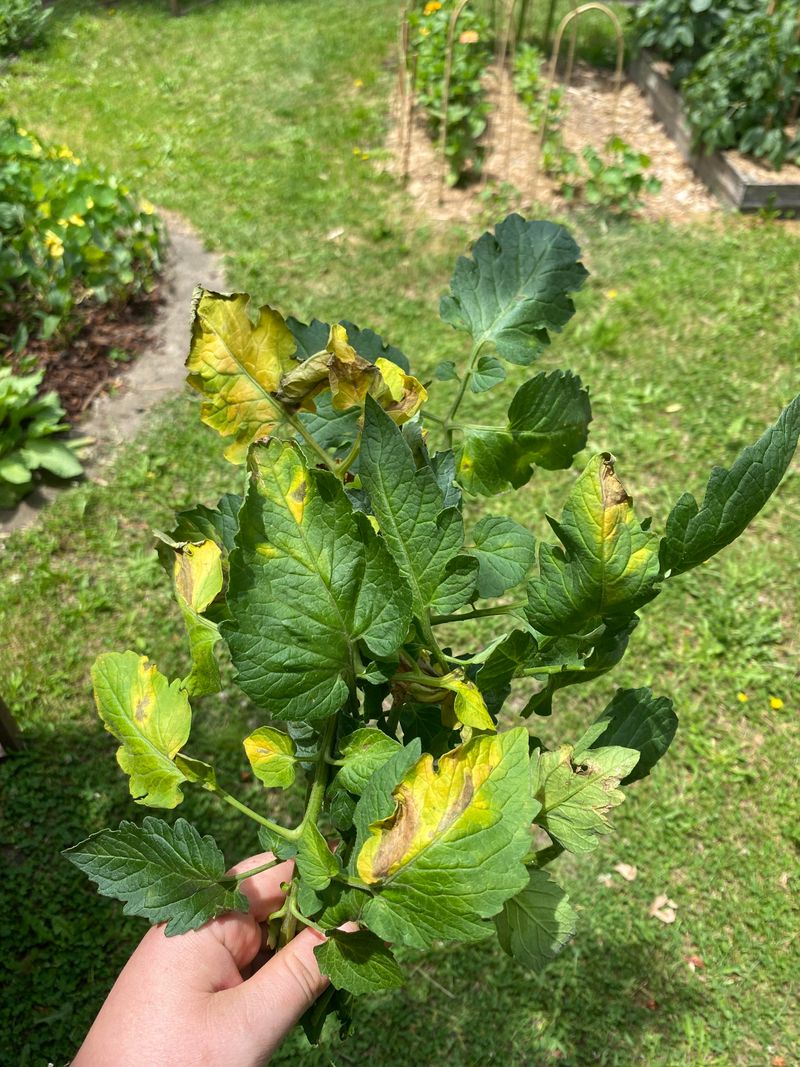
Fungal diseases do not need much of an invitation in Florida spring. Warm air, high humidity, and wet foliage are essentially a standing reservation.
When leaves stay damp for extended periods, conditions become ideal for powdery mildew, leaf spot, gray mold, and a range of other pathogens that spread fast and set gardens back significantly.
Overhead sprinklers are one of the biggest contributors to unnecessary leaf wetness. The timing of irrigation makes the problem considerably worse.
Watering late in the day or in the evening leaves moisture on leaves overnight, which functions as a welcome mat for fungal activity through the warmest hours.
Watering early in the morning gives foliage time to dry before temperatures peak and humidity settles back in. That timing adjustment alone reduces disease pressure without changing anything else about the watering routine.
Directing water toward the soil rather than the canopy takes the improvement further. Drip irrigation and soaker hoses deliver moisture to the root zone without soaking every leaf in the process.
They also use less water overall, which is a meaningful bonus during a season that is already delivering regular rainfall.
Checking plants regularly for early signs of trouble keeps minor issues from becoming full garden problems. Discolored patches, white powder, or unusual spotting are worth investigating immediately.
Catching problems early is exponentially easier than managing them once they spread.
4. Shallow Sprinkling Trains Roots Near The Surface
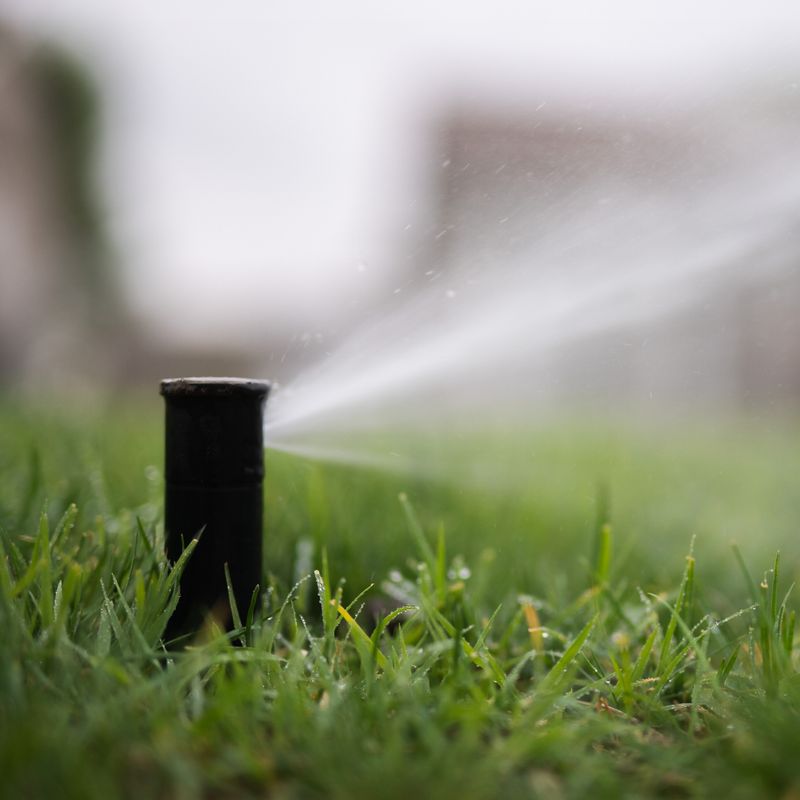
Light, frequent watering feels responsible. It is also quietly training plant roots to stay shallow. But shallow roots create problems that compound through the rest of the growing season.
Roots follow moisture. When water only reaches the top inch or two of soil consistently, roots have no reason to grow deeper.
They stay where the resources are. That might seem efficient until Florida’s summer heat and dry stretches arrive and surface soil dries out in hours rather than days.
A plant with deep roots can reach moisture stored further underground during dry periods. A shallow-rooted plant has no such reserve. It dries out fast and stresses fast, and the damage accumulates across a season.
Turf grasses are particularly vulnerable to this pattern. Lawns watered lightly every day tend to develop thin, surface-level root systems that struggle the moment watering is interrupted.
Shifting to deeper, less frequent watering encourages grass roots to reach further into the soil profile and build genuine resilience.
Testing watering depth is straightforward. Push a screwdriver or soil probe into the ground after irrigation and check penetration depth.
Two inches of moisture means two inches of root growth potential. Six to eight inches of penetration gives roots room to grow where they can actually sustain the plant through challenging conditions.
Deeper watering less often. The results compound in the right direction.
5. Overwatering Can Move Nutrients Below Roots
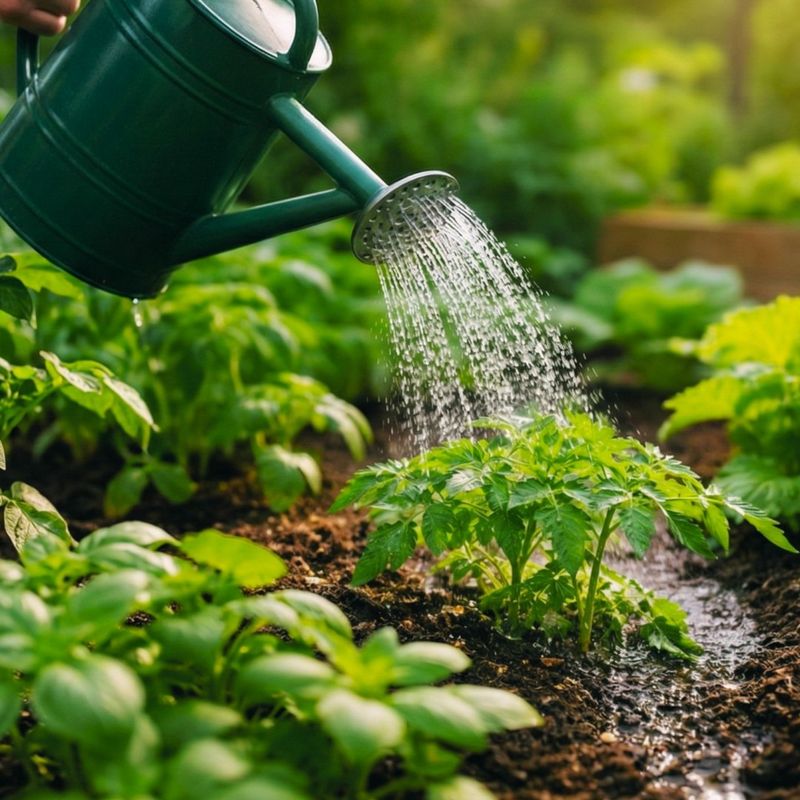
Nutrients in soil do not wait around. Essential minerals move downward with water in a process called leaching, and excessive irrigation pushes them past the root zone before plants ever get access.
Florida’s sandy soils make this problem significantly worse than it would be in heavier soils elsewhere. Sandy soil drains fast and holds nutrients loosely. Heavy irrigation combined with sandy soil is essentially a one-way ticket for fertilizer.
The result looks deceptively like a nutrient deficiency. Yellowing leaves, slow growth, and generally underperforming plants lead many gardeners to add more fertilizer.
But applying more nutrients on top of a leaching problem without addressing the irrigation habits just repeats the cycle and compounds the expense.
Watering deeply but less frequently reduces leaching while still meeting plant needs. Water moves through the profile once rather than continuously flushing nutrients downward with each irrigation cycle.
Applying fertilizer in smaller, more frequent doses rather than large single applications also limits how much can move past the root zone at once.
The combination of adjusted irrigation and adjusted fertilization keeps nutrients in the active root zone where growth actually happens.
Fixing the watering habit first makes every other investment in the garden more effective. Fertilizer that stays where roots can reach it performs considerably better than fertilizer that disappears into the subsoil.
6. Thatch Builds Faster When Lawns Stay Too Wet
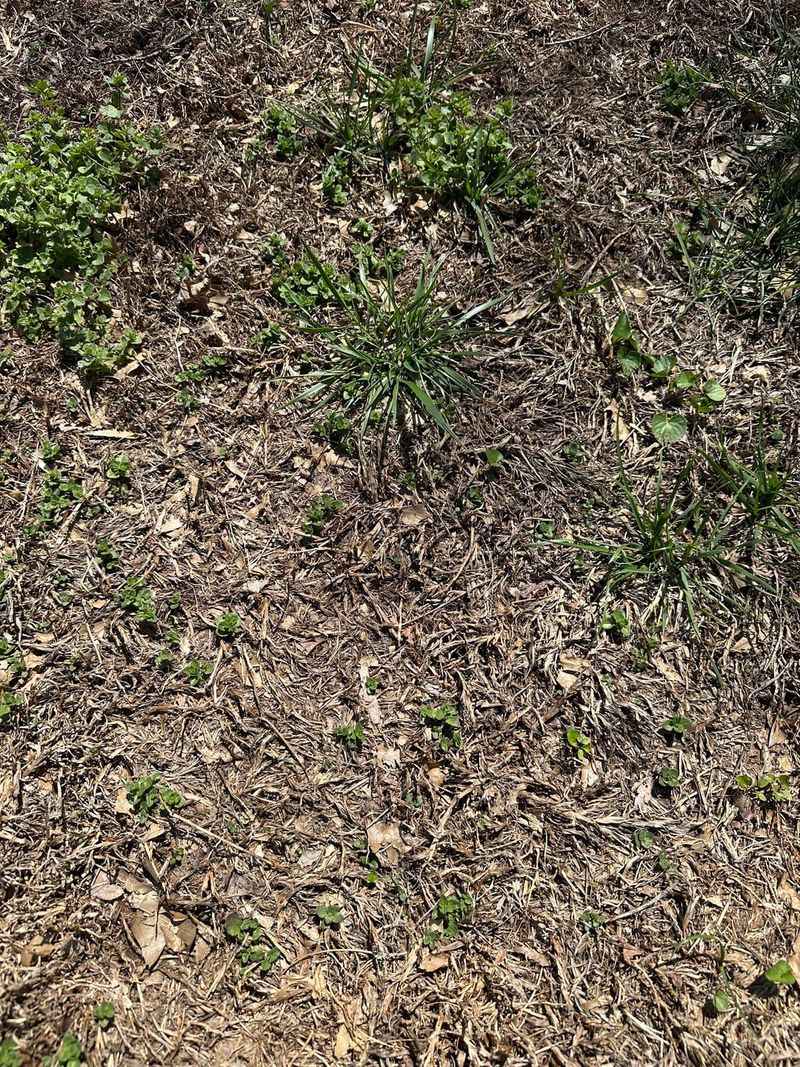
Thatch is the spongy layer of grass stems, roots, and organic debris sitting between the soil surface and the green blades above.
A thin layer is normal and even marginally useful. A thick layer blocks water, air, and nutrients from reaching the soil below, and an overly wet lawn accelerates the buildup.
Excess moisture slows the natural breakdown of organic material in thatch. The microbes responsible for decomposing plant matter need oxygen to function effectively.
Waterlogged soil reduces microbial activity, which means thatch accumulates faster than the natural breakdown process can manage.
St. Augustine grass, one of the most common lawn types across Florida, is particularly prone to this pattern under consistent overwatering conditions.
Thick thatch becomes a hiding spot for lawn pests and a breeding ground for fungal disease. It holds moisture against grass stems and creates the warm, wet environment that pathogens find most welcoming.
Cutting back on irrigation frequency during spring, when rainfall is already contributing regular moisture, slows thatch accumulation before it becomes a renovation project. Aerating and dethatching periodically address the buildup itself.
But adjusting the watering schedule first addresses the habit that creates the problem in the first place. That sequence matters.
7. Rain Sensors Stop Sprinklers From Doubling Down
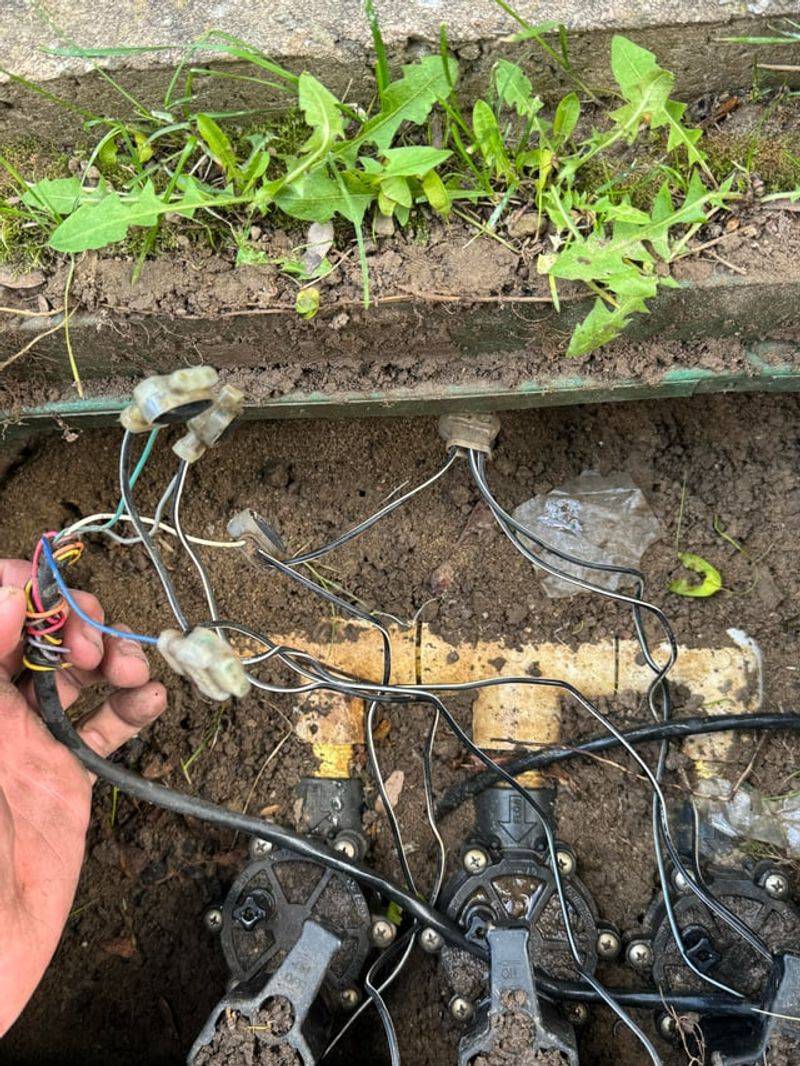
Rain sensors are small devices with a straightforward and valuable job. They detect rainfall and automatically pause sprinklers when the ground is already receiving water from above.
Without a functioning rain sensor, a timed system runs regardless of what the sky is doing. One inch of natural rainfall followed immediately by a full irrigation cycle is nothing short of disaster.
It leaves plants dealing with the root rot and fungal problems.
Sprinklers confidently doubling down on a rainy afternoon is one of the more avoidable Florida gardening frustrations in existence.
Soil moisture sensors go further than rain sensors by measuring actual conditions in the ground and preventing irrigation until moisture drops below a set threshold.
Both options remove scheduling guesswork and let actual conditions drive the decision rather than a preset clock.
Checking rain sensor function regularly is a worthwhile habit. Sensors corrode, stick, or fail over time without obvious external signs.
A quick verification after a rain event, confirming the system paused as intended, takes minutes and confirms the device is doing the job it was installed to do.
A working rain sensor is basic infrastructure for a Florida irrigation system. Treating it as optional is how sprinklers end up running in the rain.
8. Morning Checks Beat Automatic Watering Habits
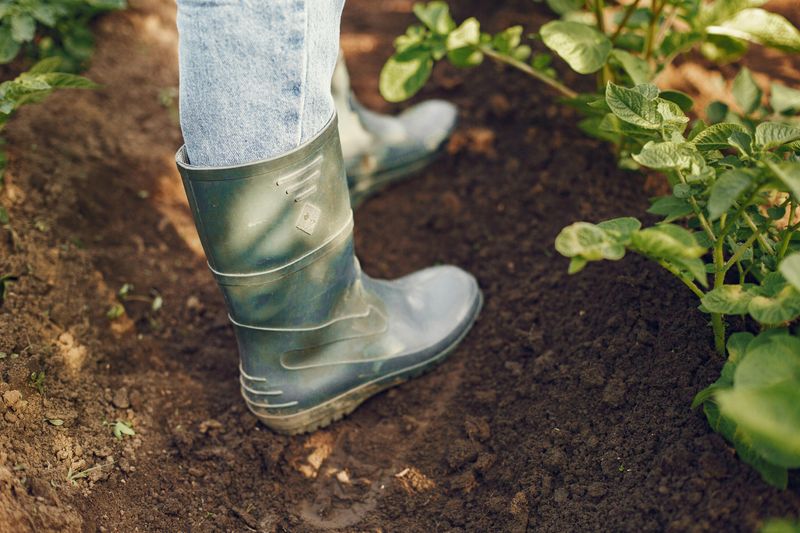
An automatic timer does one thing consistently well. It runs on schedule. What it cannot do is look at the garden and read what is actually happening.
A quick walk through the yard in the morning provides more accurate information about plant needs than any preset schedule.
Soil color, leaf posture, surface moisture, and plant behavior are all visible clues that a timer has no mechanism for detecting.
Building a morning check into the routine takes a few minutes and returns meaningful information. Feel the soil two inches down before triggering irrigation.
Look if plants are showing drought stress. Check whether last night’s rain left the surface damp.
The footprint test on lawn turf is a simple and reliable indicator of moisture needs. Press a foot into the grass and step away.
If the blades spring back quickly, the lawn has sufficient moisture and irrigation can wait. If the impression stays, the lawn is ready for water.
Low-tech, immediate, and accurate. Better than any timer setting for assessing actual conditions.
Relying entirely on automation means trusting a machine over direct observation. Every garden benefits when a thoughtful gardener is paying attention to what the plants are communicating on any given morning. Right?