The Edible Plants Still Producing In A Florida Garden When July Arrives
July in Florida has a reputation for being rough on gardens, and honestly that reputation is partly earned. The heat is serious, afternoon storms show up without much warning, and plenty of spring favorites have already wrapped up and moved on.
But here is the thing, a July garden in Florida does not have to be empty or defeated.
Gardeners who matched their crops to the season and leaned into what summer actually wants to grow are still out there harvesting, and the list of what is producing might surprise you.
Tropical greens, heat-friendly herbs, vining crops, and fruiting plants built for humidity all have real potential in July when the conditions and timing are right.
Production varies by location, plant health, and pest pressure, but the summer garden rewards those who planned for it.
1. Everglades Tomato Keeps Fruiting In Heat
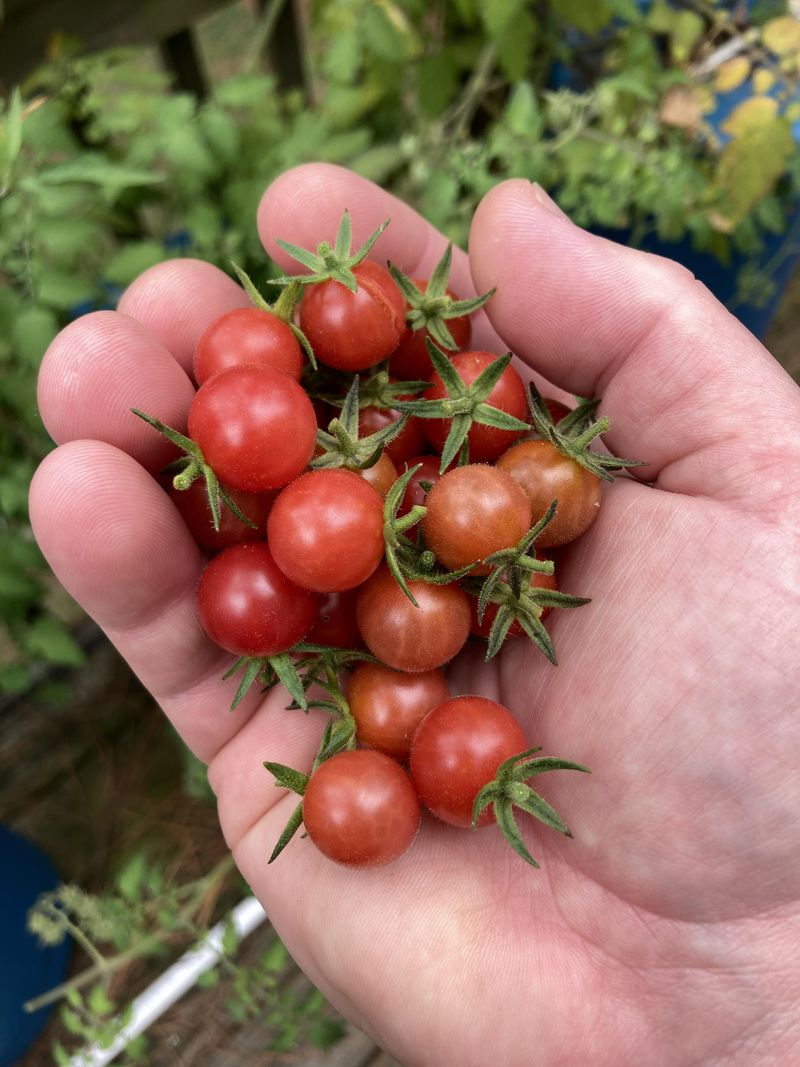
Tiny but tough, the Everglades tomato is one of the few tomato types that can actually hold its own in Florida’s midsummer conditions.
Unlike larger slicing varieties that tend to drop flowers and stall in the heat, this small-fruited tomato has built up a reputation for continuing to set fruit when temperatures are high and humidity is thick.
The fruits are small, often grape-sized, and come in clusters. They have a concentrated, sweet-tart flavor that many gardeners genuinely enjoy fresh off the vine.
Because the plant tends to sprawl, giving it a trellis or some support helps with airflow and makes harvesting easier in a raised bed or backyard setup.
July production is not guaranteed, and results can vary based on soil moisture, pest pressure, and whether the plant was established early enough before the worst heat arrived.
Fungal issues can become a problem in wet, humid stretches, so good airflow and consistent watering matter.
If yours is still going strong in July, keep harvesting regularly to encourage the plant to keep pushing out new fruits through the rest of summer.
2. Chaya Offers Summer Leafy Greens
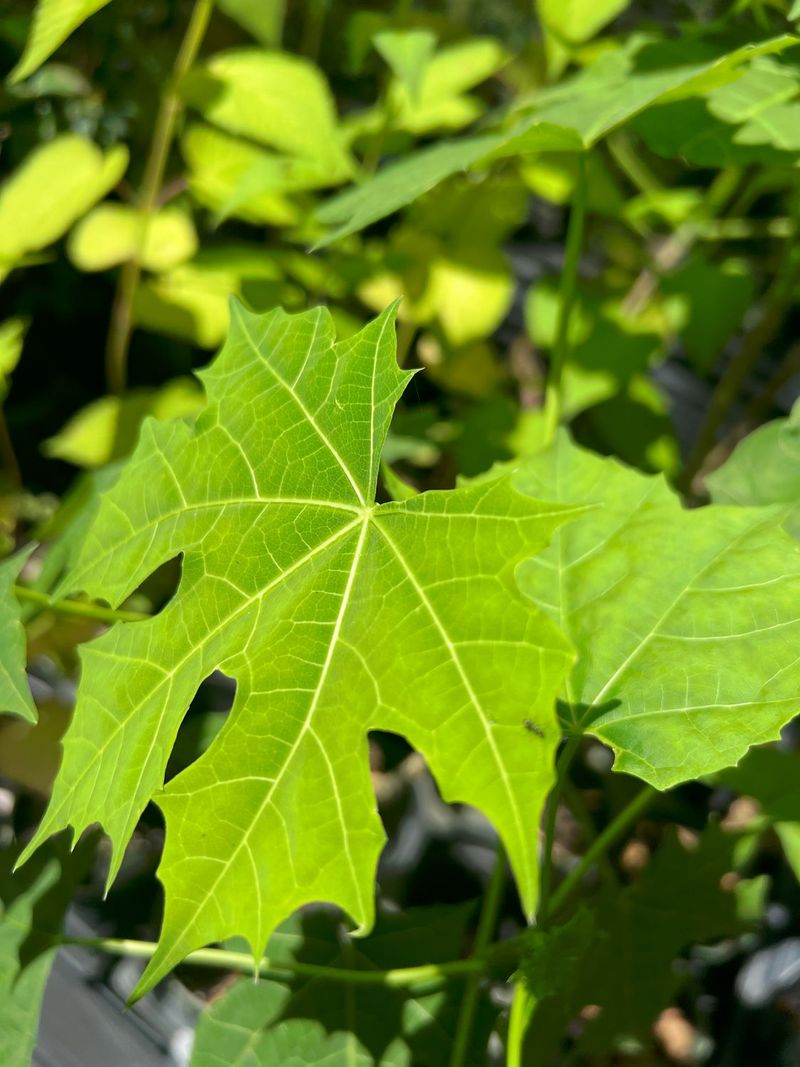
When cool-season greens like lettuce and spinach have long since bolted and faded, chaya steps in as a warm-climate alternative that genuinely thrives in Florida heat.
Also known as tree spinach, chaya is a large shrubby plant with broad, dark green leaves that keep growing through hot, humid months when most leafy greens would struggle.
One of the most important things to know about chaya is that the leaves must be cooked before eating. Raw chaya leaves contain compounds that can cause discomfort, so they should never be treated as a fresh salad green.
Cooking for several minutes breaks down these compounds and makes the leaves safe and nutritious to eat.
Prepared chaya leaves work well in soups, stir-fries, and cooked dishes where you would normally use spinach or other hearty greens. The plant grows quickly in Florida’s warm, moist summer conditions and can handle full sun.
It does well in the ground and can become quite large over time. If you are new to growing chaya, start with a cutting from a neighbor or local plant swap, since seeds are rarely available, and the plant roots easily from stem cuttings.
Your Florida Garden Changes Every Week. Your Plan Should Too.
Gardening in Florida changes quickly throughout the season. Every Friday you’ll receive a simple weekly plan showing exactly what to plant, prune, fertilize, harvest, and protect so you never miss the right timing.
3. Luffa Climbs Through Hot Weather
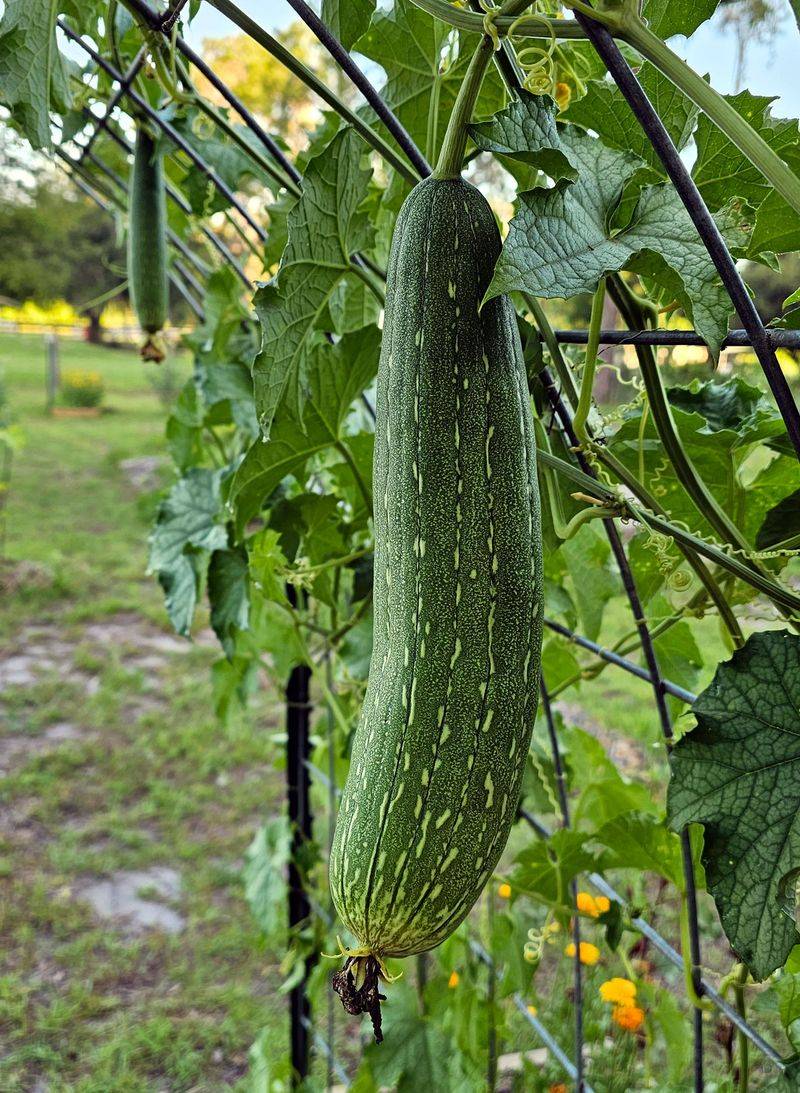
Watching a luffa vine take off in summer is one of the more satisfying experiences gardener can have.
Given a sturdy trellis, full sun, warm soil, and consistent moisture, luffa climbs aggressively through Florida’s hot months and can cover a fence or pergola in a surprisingly short amount of time.
Most people associate luffa with the dried sponges found in bath aisles, but the young fruits are actually edible vegetables. Harvested when they are small and tender, young luffa can be sliced and cooked much like zucchini or added to soups and stir-fries.
Once the fruits mature and dry on the vine, the fibrous interior becomes the familiar sponge.
For July production, luffa needs to have been planted early enough in the season to get established before peak summer heat. Plants started in spring have the best chance of fruiting well by midsummer.
Florida’s rainy season provides plenty of moisture, but good drainage still matters to keep roots healthy. Watch for pests like aphids and cucumber beetles, which can set a vine back quickly.
With the right support and care, luffa can keep climbing and producing well into the warmer months.
4. Basil Still Belongs In July Gardens
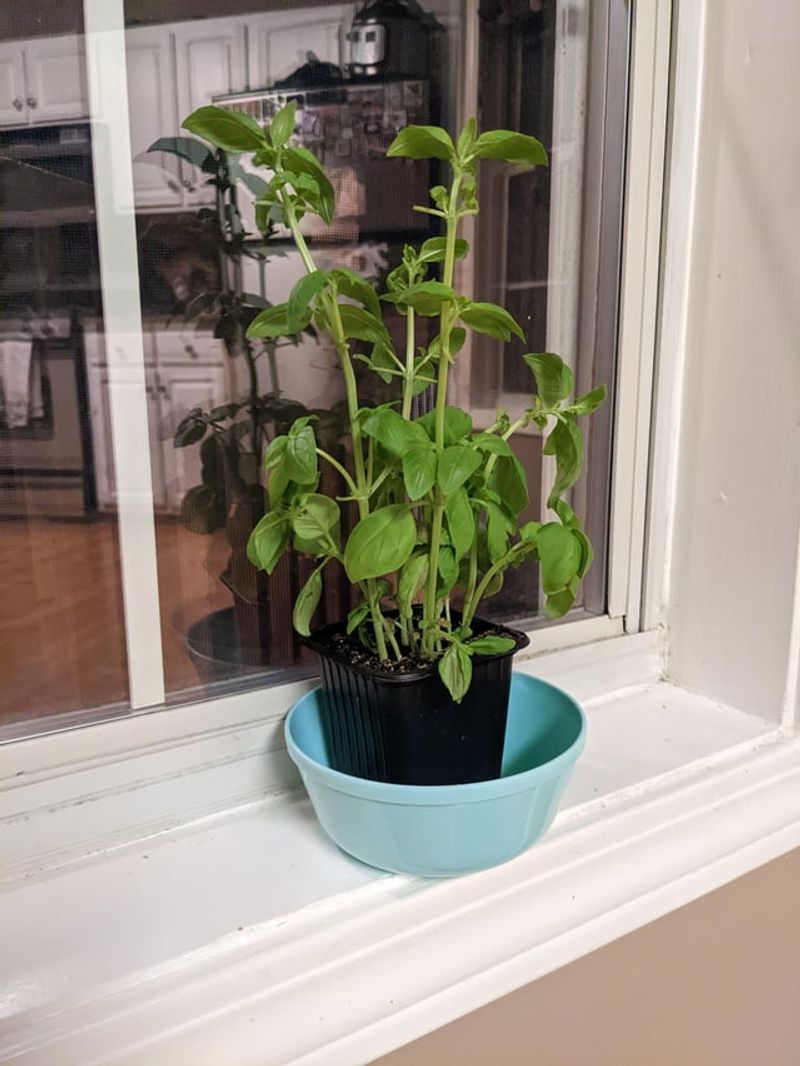
Few herbs feel as at home in a Florida summer garden as basil. It loves warmth, soaks up sunshine, and can keep producing fragrant, flavorful leaves well into July when it has the right conditions and a little attention from the gardener.
The key to keeping basil useful through midsummer is regular harvesting and pinching. When basil starts to flower, the leaves often become smaller and slightly more bitter, and the plant puts energy into seed production rather than leaf growth.
Pinching off flower buds as soon as they appear, or harvesting stem tips frequently, helps delay this process and keeps the plant bushy and productive a bit longer.
Basil does well in containers on a sunny patio, in raised beds, or tucked into an edible landscape near the kitchen door. Florida’s summer rains can sometimes be too much for basil, especially in low spots where water pools.
Good drainage is essential, and containers with drainage holes work particularly well. Watch for fungal issues during wet stretches, and avoid wetting the leaves when watering.
With sun, warmth, and regular attention, basil can stay useful through much of Florida’s summer season.
5. Lemongrass Keeps Sending Up Stalks
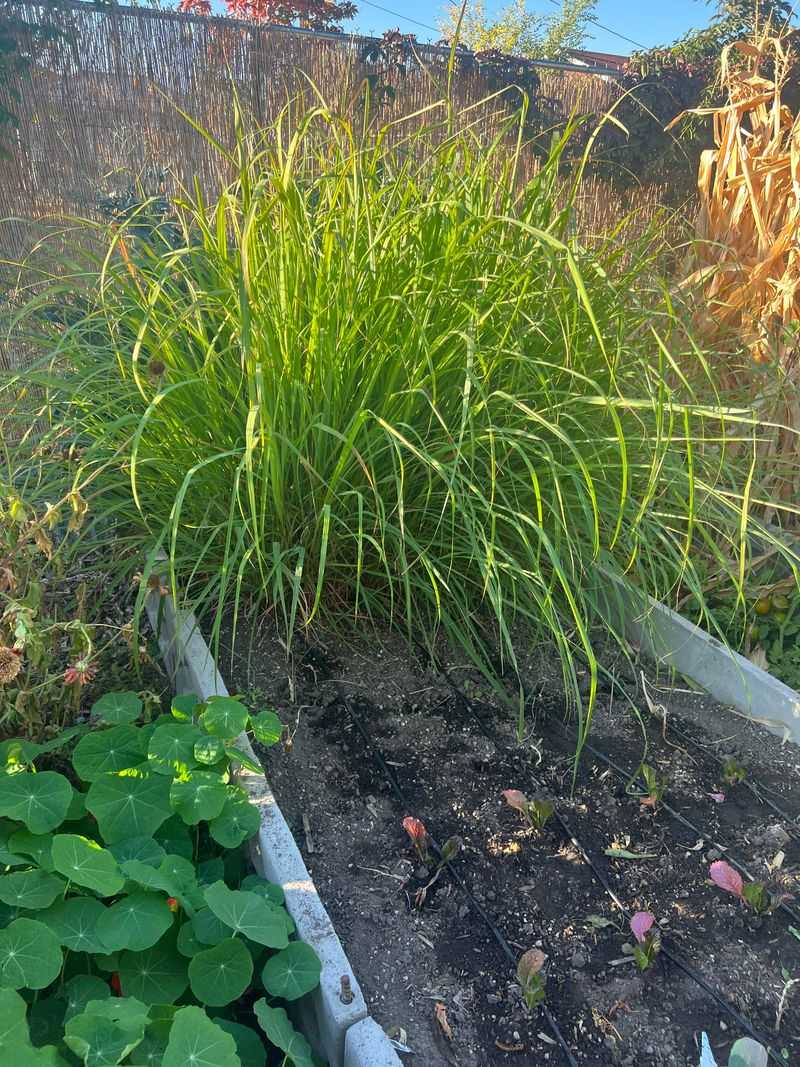
Steamy raised beds and sunny patios across Florida are exactly where lemongrass tends to look its best.
This tropical grass thrives in heat and humidity, and July is often when established clumps are at their most productive, sending up thick, fragrant stalks that can be harvested for cooking, teas, and marinades.
Lemongrass grows as a dense clump and can get quite large over time. In the ground, it spreads steadily, so giving it enough space from the start prevents crowding issues later.
In containers, it grows well but benefits from a large pot with good drainage, since waterlogged roots during Florida’s rainy season can cause problems even for a moisture-tolerant plant.
The edible part is the lower portion of the stalk, where the layers are pale and tender. Regular harvesting from the outside of the clump keeps the plant tidy and encourages fresh growth.
Lemongrass needs full sun to produce well, and plants that receive shade tend to produce thinner, less flavorful stalks.
If your lemongrass was established before summer, July is a great time to harvest generously and even divide an overgrown clump to share with neighbors or start a new pot.
6. Cuban Oregano Handles Summer Pots
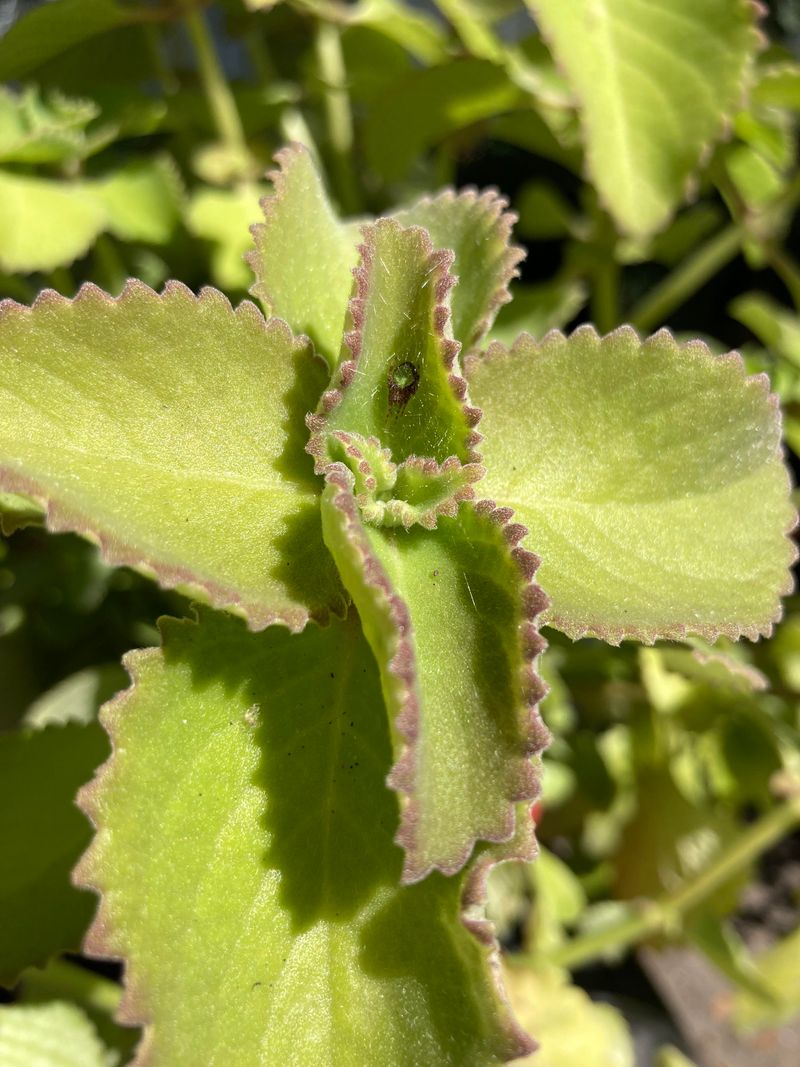
Cuban oregano is not the same as the Mediterranean oregano found in most spice racks, but it earns its place in Florida herb gardens by doing something many culinary herbs struggle with: handling summer heat without much fuss.
The thick, velvety leaves have a bold, aromatic flavor used in Caribbean and Latin cooking, and the plant keeps growing through Florida’s hottest months.
Containers are where Cuban oregano really shines. A pot with good drainage, quality potting mix, and a sunny spot on the patio gives this herb the conditions it needs.
During Florida’s rainy season, the biggest risk is overwatering or poor drainage. Cuban oregano does not like to sit in soggy soil, and containers with drainage holes help prevent root problems during wet stretches.
Harvest leaves as needed by snipping stems back, which also keeps the plant from getting leggy. Cuban oregano can grow quite large and sprawling if left unpruned, so regular trimming helps maintain a manageable, productive plant.
The flavor is strong, so a little goes a long way in recipes. If you have never grown it before, July is actually a fine time to start, since warm temperatures help cuttings root quickly in a small pot.
7. Mango Peaks In Florida Summer
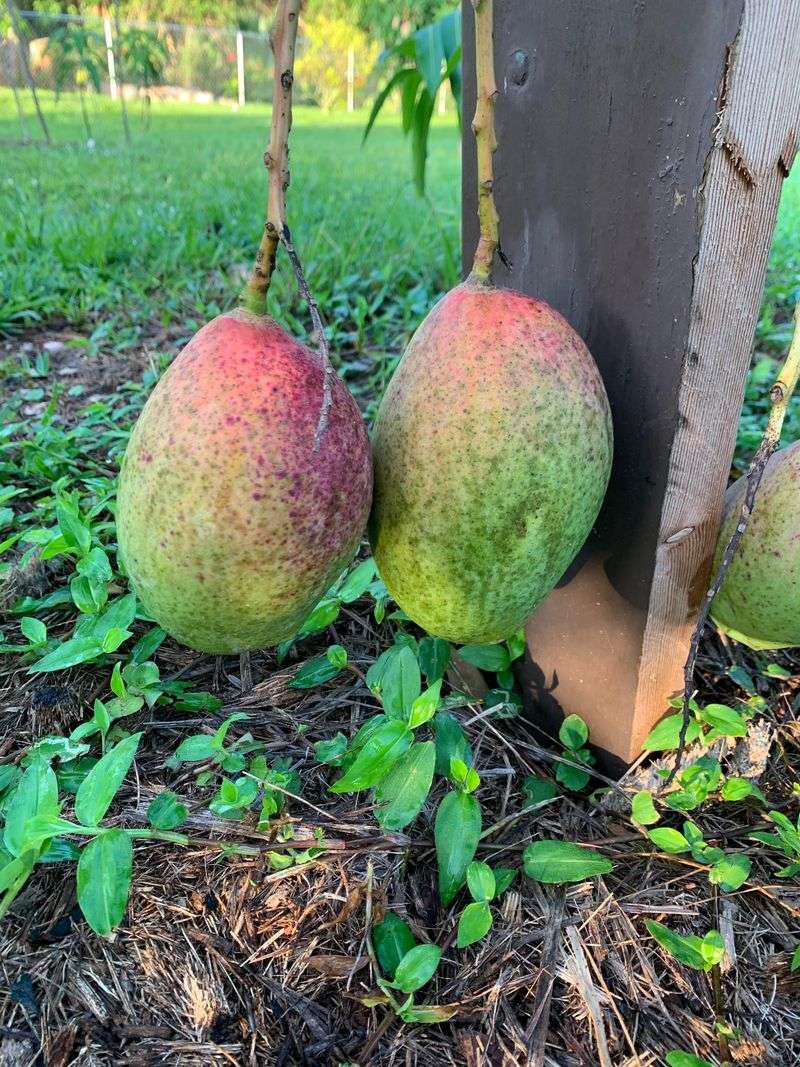
For gardeners in South Florida and other warm parts of the state, July can be one of the most exciting months in the yard simply because mango season is in full swing.
Depending on the variety, Florida mangoes can ripen anywhere from late spring through late summer, and July often falls right in the middle of peak harvest time for many popular types.
Mango trees are not suited to every yard. They need warmth, good drainage, and protection from frost, which makes them a better fit for Central and South Florida than for the northern parts of the state.
A mature tree in a well-suited location can produce an impressive amount of fruit, and many homeowners find themselves sharing the harvest with neighbors and family.
Varieties like Haden, Tommy Atkins, Kent, and Keitt each have slightly different ripening windows, flavor profiles, and fruit sizes, so choosing the right variety for your space and taste matters.
July production also depends on how well the tree was cared for earlier in the year, including fertilization, irrigation during dry spells, and managing pests and diseases.
A healthy, well-established mango tree in the right Florida region can be one of the most rewarding edible plants in the summer yard.
8. Tropical Spinaches Replace Tender Greens
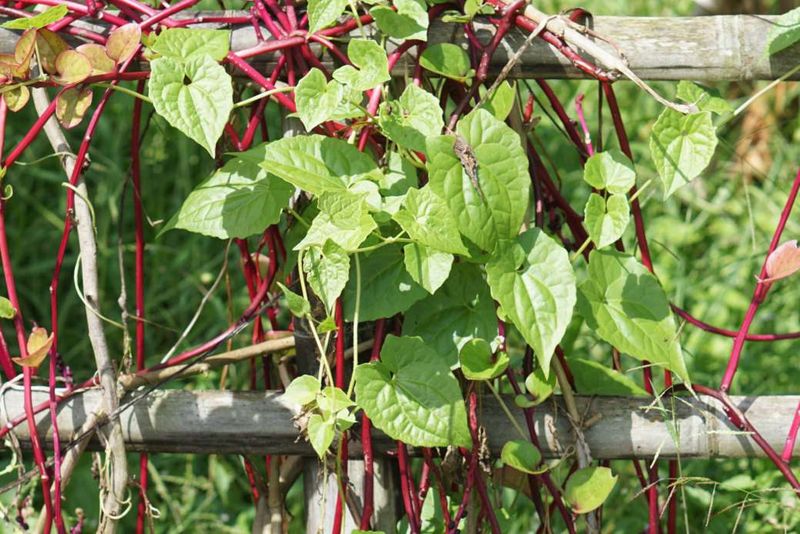
Once summer arrives and the cool-season greens are gone, a group of heat-tolerant plants often called tropical spinaches can step in to fill the leafy green gap in Florida gardens.
These are not true spinaches, but they offer edible leaves that work in cooked dishes, soups, and stir-fries when tender greens are otherwise hard to come by.
Malabar spinach is one of the most well-known options. It is a climbing vine with glossy, thick leaves and a mild flavor that works well in cooked dishes.
Okinawa spinach, with its distinctive purple-backed leaves, grows as a low spreading plant and is easy to maintain in a shaded or partly shaded garden bed.
Longevity spinach is another option, with small leaves and a mild taste, and it grows well in containers or as a ground cover.
Each of these plants has its own growth habit and flavor, so experimenting with a few can help you find which one fits your garden and kitchen best. They all prefer warm conditions and handle Florida’s summer humidity reasonably well.
Shade cloth or a partly shaded spot can help prevent leaf scorch during the hottest parts of the day. Regular harvesting encourages fresh leaf production and keeps plants from becoming overgrown.
9. Okra Keeps Pods Coming
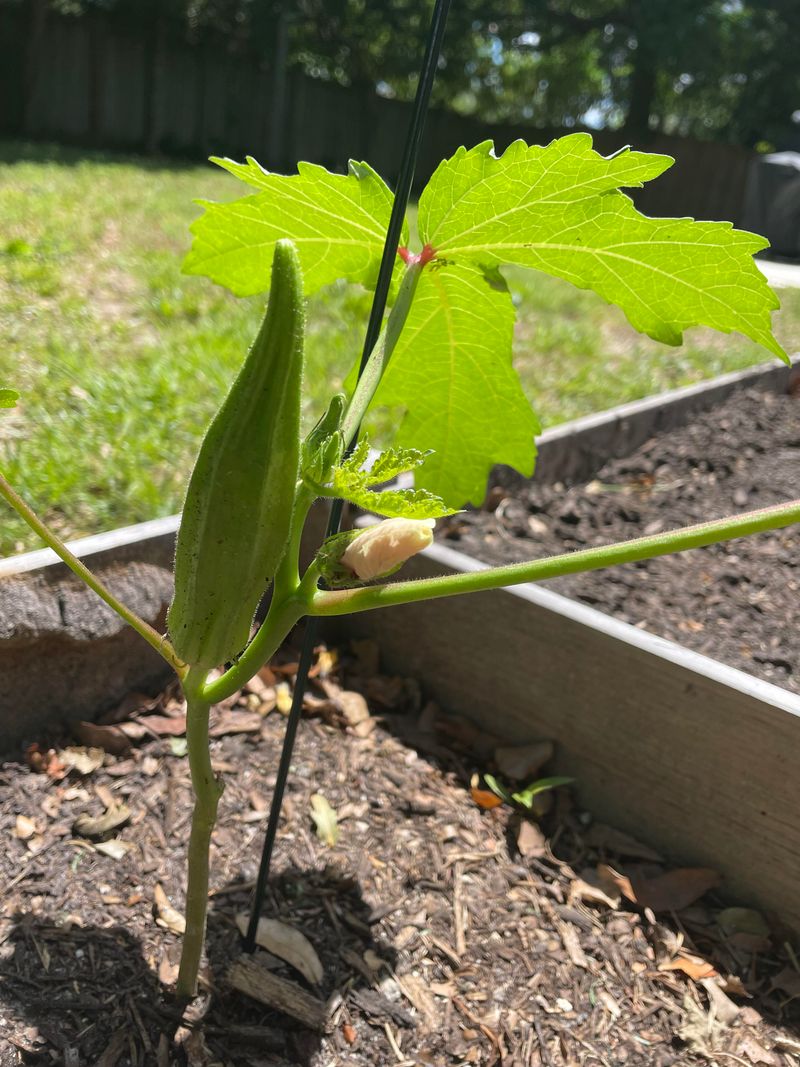
Okra is one of those vegetables that seems to genuinely enjoy Florida summers. High heat, humidity, and long sunny days are exactly the conditions this crop was made for, and a well-established okra plant in July can produce pods at a pace that keeps the kitchen busy.
The most important harvesting tip with okra is to stay on top of it. Pods grow fast in warm weather, and if they are left on the plant too long, they become tough and fibrous rather than tender and edible.
Checking plants every day or two and harvesting pods while they are still small, usually around three to four inches, keeps quality high and encourages the plant to keep producing new pods.
Okra needs full sun, consistent moisture, and well-drained soil or a deep raised bed to perform well. In Florida’s sandy soils, adding compost and keeping up with irrigation during dry stretches between rain events helps plants stay strong.
Pests like stink bugs and caterpillars can be a problem, so checking plants regularly and managing issues early keeps production going.
Okra plants can grow quite tall, so give them enough vertical space, especially in a raised bed where root depth also matters.
10. Southern Peas Fit The Summer Garden
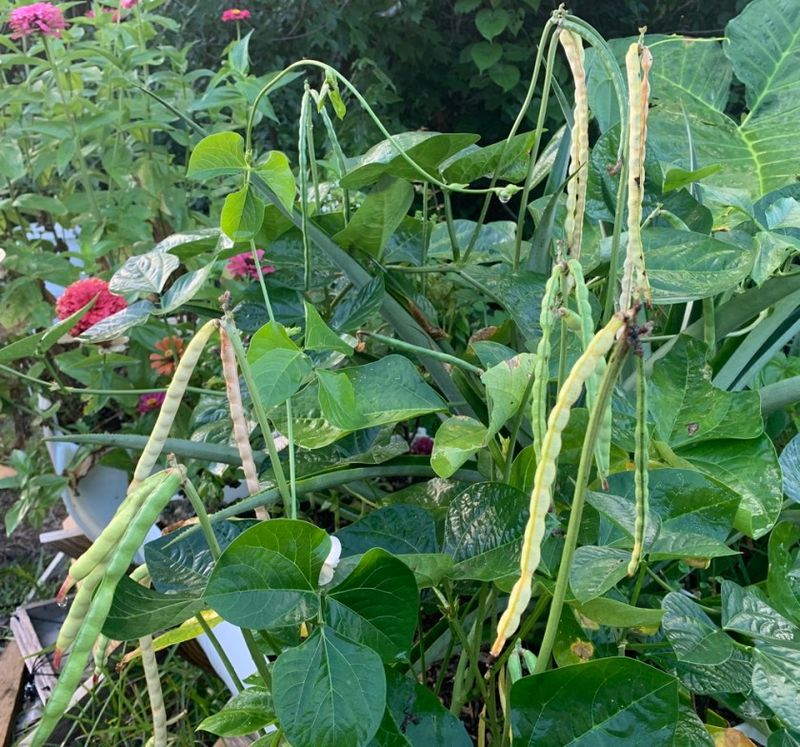
Most gardeners think of peas as a cool-season crop, but southern peas are a different story entirely.
Also known as cowpeas or black-eyed peas, these legumes were practically built for hot-weather growing and can fit into Florida’s summer garden in a way that most other legumes simply cannot.
Southern peas do best when planted at the right time for your region, with enough growing season ahead of them before the most intense heat and pest pressure arrives.
In Florida, timing varies by location, so checking local planting guides helps ensure the crop has a realistic chance of producing well.
Varieties differ in their heat tolerance, days to maturity, and resistance to common pests, so selecting a variety suited to Florida conditions improves results.
The edible harvest from southern peas includes the green pods, fresh shelled peas, and dried seeds depending on when you pick them.
Plants need full sun, well-drained soil, and consistent moisture, though they tend to handle dry stretches better than many other vegetables.
Pest pressure from cowpea curculio and other insects can be significant, so monitoring plants regularly is worth the effort.
When conditions line up and the crop was planted at the right time, southern peas can be a genuinely satisfying summer crop in a backyard garden.