Why Some Arizona Yards Attract Far More Lizards Than Others
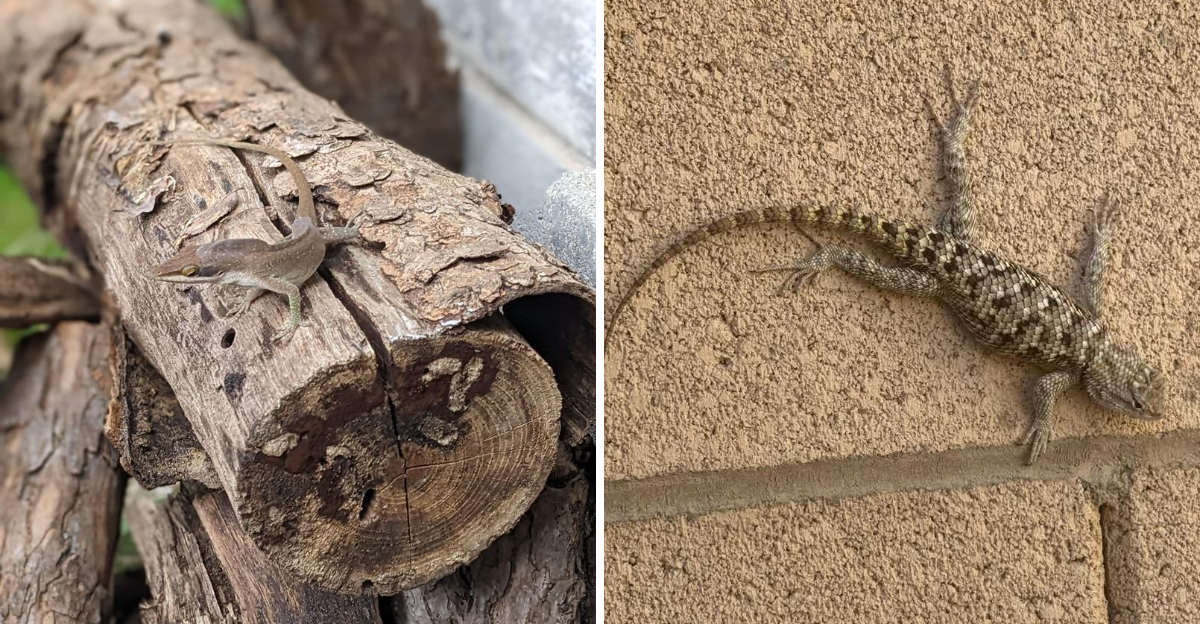
Walk through two neighboring Arizona yards on a warm morning, and you might notice something strange.
One yard is full of lizards darting across rocks, hiding under shrubs, and soaking up the sun. The other yard is completely empty.
Same neighborhood, same climate, same basic landscaping, and yet one of them has become a lizard destination while the other gets passed over entirely.
What makes the difference is not luck.
Lizards are picky in the best way. They need food, warmth, shelter, and water all within a small territory.
When a yard checks enough of those boxes, lizards move in and stay. When it does not, they simply move on to somewhere that does.
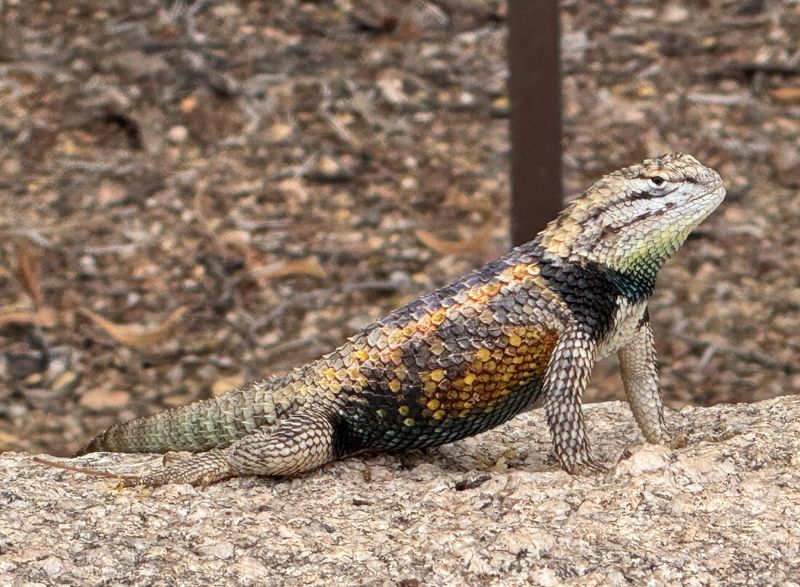
Arizona is home to over 50 lizard species, including the beloved Western Fence Lizard and the flashy Desert Spiny Lizard.
Many homeowners who want more of them in their yard are already closer than they think, because the features lizards respond to most strongly are surprisingly simple and inexpensive to create.
Eight things explain why some Arizona yards attract far more lizards than others, and most of them start with choices you might not expect.
1. Native Plants Bring More Insects
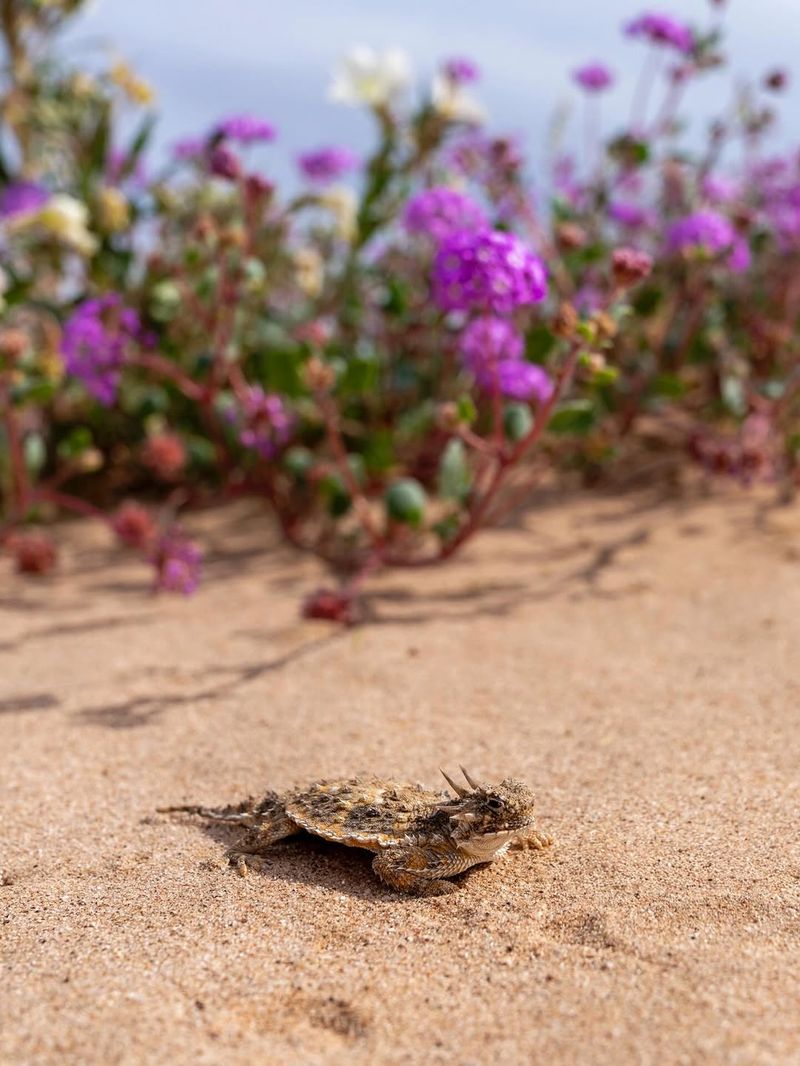
A yard full of native Arizona plants is basically a buffet sign for lizards.
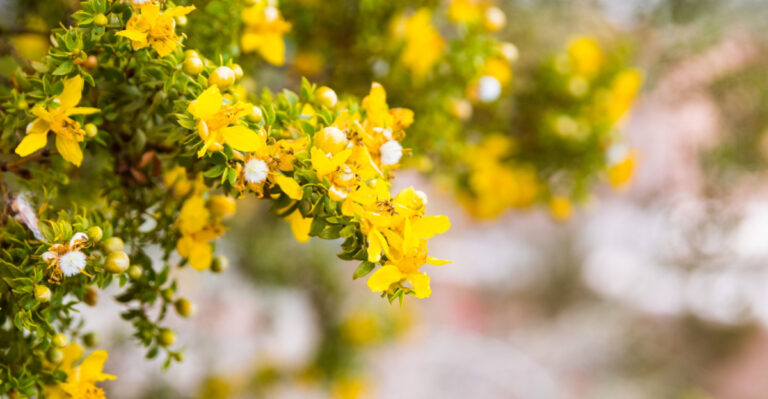
Native plants like brittlebush, desert marigold, penstemon, and palo verde attract a steady stream of native insects. Those insects become the main food source that keeps lizards coming back day after day.
Non-native plants, even pretty ones, often fail to support local insect populations.
Many introduced ornamental plants have evolved defenses against insects or simply do not match the needs of local pollinators and bugs. The result is a quieter, emptier yard with very little prey moving around.
Lizards are visual hunters. They spot movement, sprint, and snap.
Without a consistent supply of beetles, ants, caterpillars, and flies, there is nothing to chase. Native plants keep that insect layer active and healthy all season long.
Plant a few species that bloom at different times, and the insect traffic stays strong from spring through fall.
Even a small patch of natives tucked into a corner can make a difference. The University of Arizona Extension recommends native plantings not just for water savings but also for supporting local wildlife food webs.
Start with low-maintenance species like globe mallow or desert zinnia. Within one season, the insect count rises, and lizards are sure to notice.
2. Rock Piles Create Sunny Basking Spots
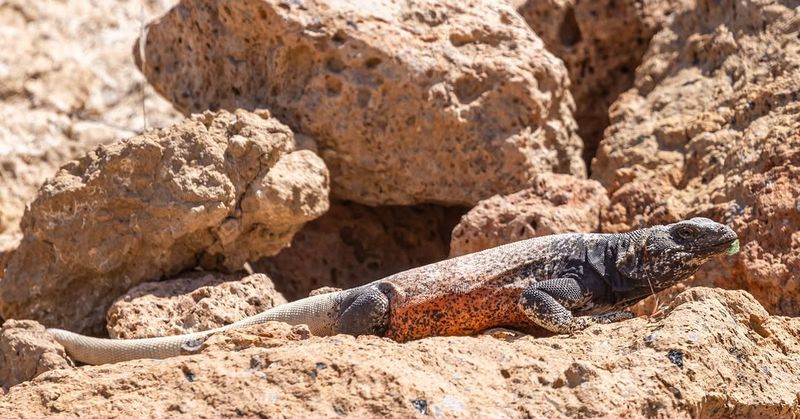
Lizards are cold-blooded, which means they rely entirely on outside heat to power their bodies.
Without a warm surface to sit on, they cannot digest food, move fast, or even think clearly. Rock piles solve that problem perfectly, and lizards know it.
Flat rocks absorb heat from the sun and hold it for hours.
A lizard can bask on a warm rock surface in the morning, raise its body temperature quickly, and then become an active, effective hunter for the rest of the day.
Rocks that face east or south tend to heat up fastest and stay warm longest.
Your Arizona Garden Changes Every Week. Your Plan Should Too.
Gardening in Arizona changes quickly throughout the season. Every Friday you’ll receive a simple weekly plan showing exactly what to plant, prune, fertilize, harvest, and protect so you never miss the right timing.
Rock piles also offer something just as important as warmth: safety. The gaps and crevices between stacked rocks give lizards instant escape routes when a predator shows up.
A hawk dives, and the lizard slips into a crack in seconds. That combination of heat and security is basically a lizard’s dream setup.
Stack several flat rocks of different sizes to create multiple levels and gaps.
Use natural local stone when possible, since it blends into the landscape and heats more naturally than painted or treated materials.
Arizona Game and Fish notes that structure diversity in yards directly improves habitat quality for reptiles.
A simple rock arrangement costs almost nothing and can turn a bare corner of your yard into prime lizard real estate almost overnight.
3. Wood Piles Offer Quick Cover
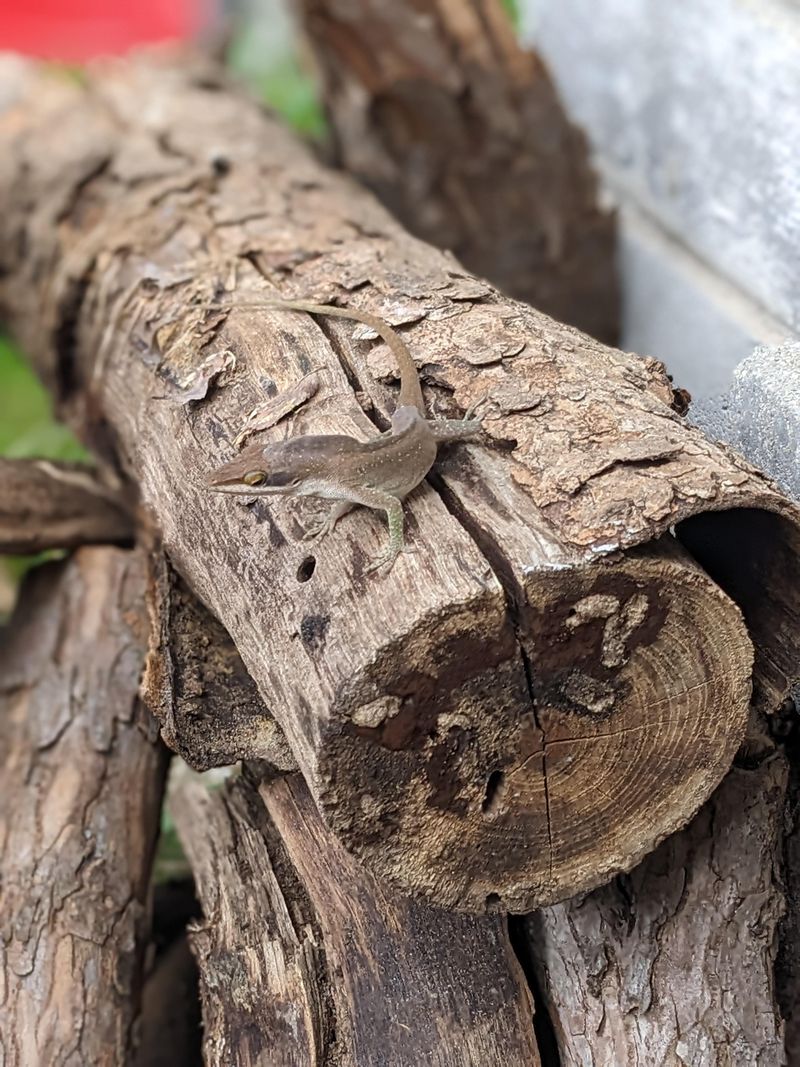
Not every yard feature needs to be fancy to work well for lizards.
A simple stack of wood can become one of the most valuable habitat features in the entire yard. Wood piles create layered spaces with multiple entry points, dark hiding zones, and temperature variation that lizards find extremely useful.
When a threat appears, lizards need cover fast.
Open yards with no hiding spots force lizards into the open, which makes them vulnerable and stressed. A wood pile changes that completely.
Lizards can sprint into the stack and disappear in under a second. That confidence in having cover nearby actually encourages them to spend more time out in the open foraging.
Wood piles also attract beetles, ants, termites, and other insects that break down organic material.
That insect activity adds another layer of food opportunity right at the base of the pile. Lizards learn quickly where the easy meals are, and they return to those spots regularly.
Stack logs loosely so air can move through and moisture does not build up too much.
A dry, loosely stacked pile works far better than a tight, damp one. Keep wood piles a few feet away from the main house structure to avoid creating pathways for other unwanted visitors.
Even a small stack of four or five logs in a quiet corner can make a real difference in lizard activity levels.
4. Leaf Litter Feeds The Bug Layer
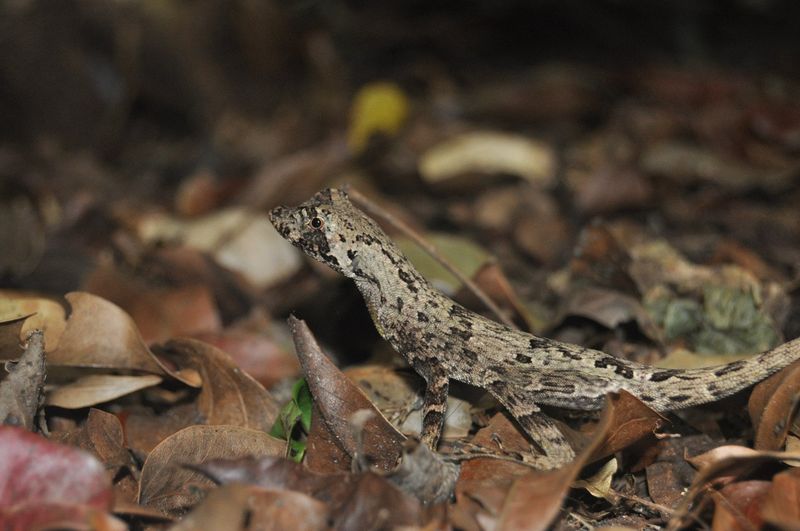
Most people rake up fallen leaves without a second thought.
Tidy yards feel satisfying, but that cleanup habit removes one of the most productive layers of any desert habitat.
Leaf litter is a living system packed with insects, spiders, and tiny organisms that lizards depend on for food.
Decomposing leaves create a moist microclimate just above the soil surface.
That moisture draws in pillbugs, beetles, earwigs, ants, and small spiders. All of those creatures become easy prey for lizards that forage along the ground.
A yard with a natural leaf layer consistently supports more insect life than a raked-clean yard.
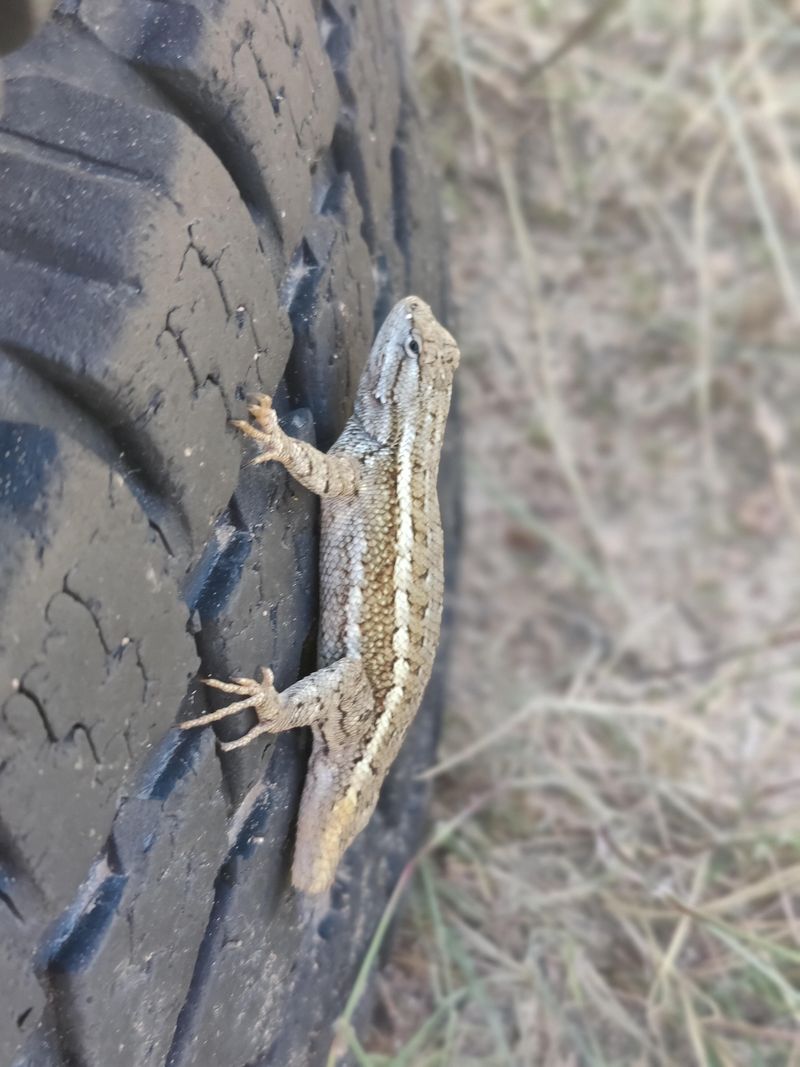
Ground-dwelling lizards like the Side-blotched Lizard spend most of their time foraging in exactly these kinds of low zones.
They flip through debris, root around at plant bases, and snatch up prey in quick, efficient bursts. Without that organic layer, the foraging zone simply disappears.
Allow leaves to accumulate under shrubs and along fence lines.
A few inches of natural debris in sheltered spots does not look messy. It looks like a healthy, functional Arizona yard.
Native plant leaf litter breaks down slowly in Arizona’s dry climate, which means it stays useful longer. Skip the rake in a few spots each fall and let the yard do what it naturally wants to do.
5. Low Shrubs Give Safe Shade
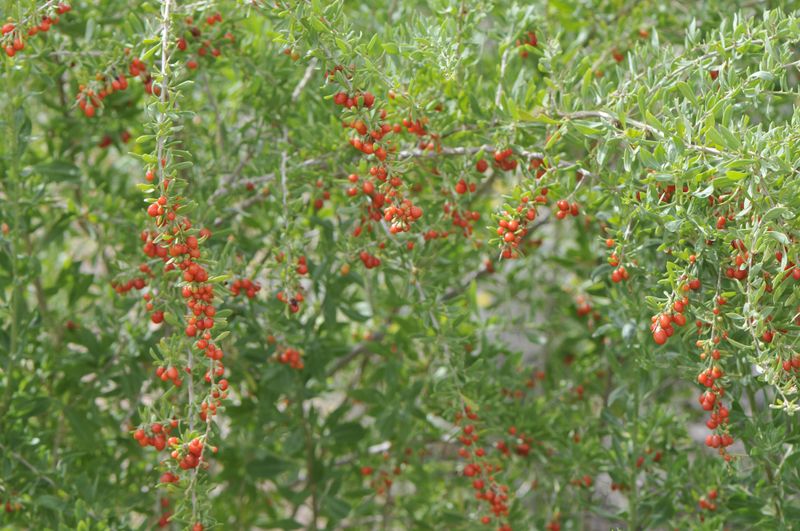
Full sun is great for warming up, but lizards also need places to cool down and hide without fully retreating underground.
Low shrubs fill that gap perfectly. A dense, low-growing shrub offers shade, visual cover, and a quick escape route all in one compact package.
In the heat of an Arizona afternoon, temperatures on open ground can exceed 150 degrees Fahrenheit.
No lizard can survive that kind of direct exposure for long. Low shrubs create a shaded microclimate just a few degrees cooler, which allows lizards to stay active and visible much longer throughout the day.
Native shrubs like desert lavender, wolfberry, and fairy duster grow low and dense.
They also attract insects, which doubles their value to any lizard living nearby. A lizard can sit just inside the shrub edge, stay cool, and still watch for prey moving across the open ground in front of it.
Spacing a few low shrubs across a sunny yard creates a network of shaded rest stops that lizards use to move safely from one spot to another.
Plant shrubs at irregular intervals rather than in straight rows. Natural, uneven spacing mimics how plants grow in the wild and gives lizards more options for approaching cover from multiple directions without feeling exposed.
6. Water Sources Pull Wildlife Closer
Arizona is one of the driest states in the country, and that makes water a powerful magnet for all kinds of wildlife.
Lizards are no exception. A reliable, shallow water source in a yard can dramatically increase the number of lizards that visit and stay. It really is that simple.
The key word is shallow.
Lizards are small and lightweight, and deep water sources create a drowning risk rather than a drinking opportunity.
Shallow dishes, wide ceramic saucers, or flat rock depressions that hold about half an inch of water work best. Lizards can wade in, drink quickly, and get out without any trouble.
Placement matters just as much as depth.
Water sources near cover like low shrubs or rock piles give lizards a safe approach path. Open water in the middle of a yard feels exposed and dangerous. Tuck water sources close to vegetation so lizards feel protected while they drink.
Change the water every two to three days to prevent mosquito larvae from developing.
A small piece of natural stone placed inside the dish gives insects and lizards a surface to grip. During Arizona’s hottest months from June through September, water sources become even more valuable.
Yards that offer consistent water in summer see noticeably higher wildlife activity, and lizards are often among the first visitors to show up each morning.
7. Pesticide Free Yards Keep Food Around
Spray a yard with pesticides and the insect population crashes fast.
That might sound like a win for anyone who dislikes bugs, but it creates a serious problem for every lizard in the area. Lizards eat insects. Remove the insects and the lizards have no reason to stay.
Broad-spectrum pesticides do not just target the pests you see.
They affect beetles, ants, moths, flies, and dozens of other insects that form the base of the local food web. When that base collapses, every animal above it in the food chain feels the impact.
Lizards either leave the area or struggle to find enough food to stay healthy and active.
Pesticide-free yards consistently support richer insect diversity. More insect diversity means more prey options for lizards throughout the season.
A yard that lets nature manage its own balance tends to reach a stable point where pest populations stay in check naturally, partly because predators like lizards keep eating them.
Lizards are outstanding natural pest controllers.
A single adult lizard can consume hundreds of insects per week. Keeping that service running for free just requires leaving the spray bottle in the cabinet.
Start by skipping pesticide applications in one section of the yard and observe the change over a few weeks. The insect rebound happens faster than most people expect.
8. Warm Walls Make Easy Lookouts
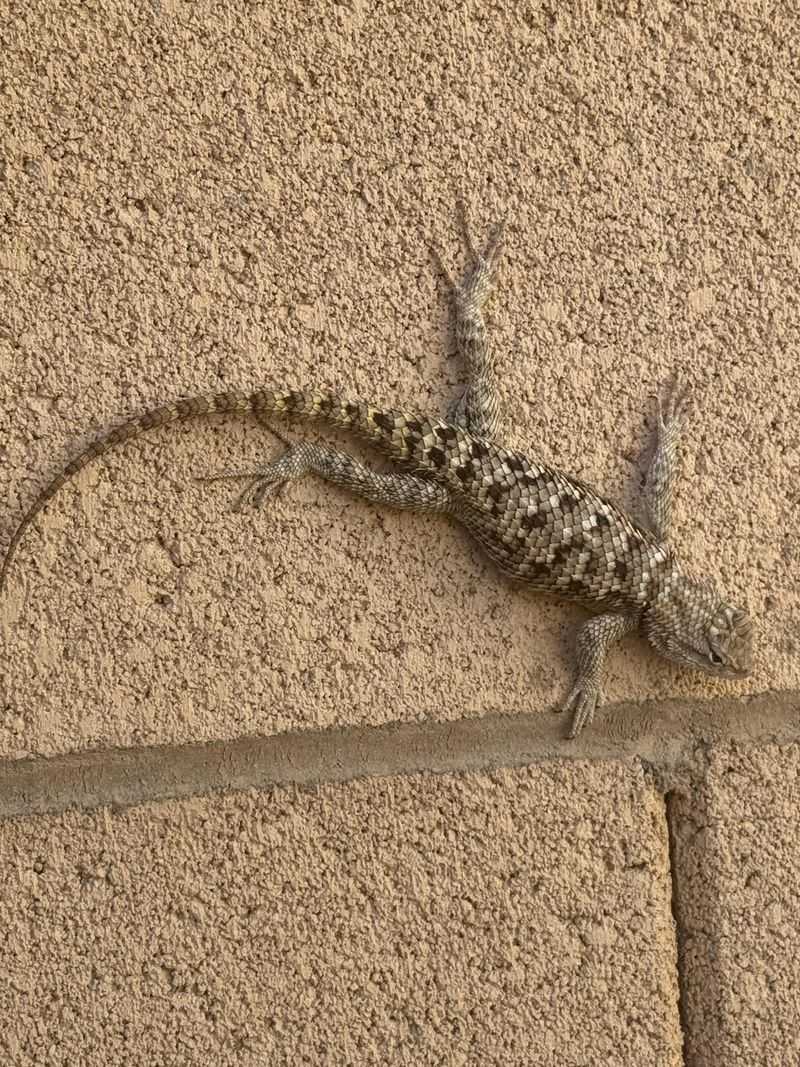
Masonry walls, stucco fences, and adobe structures are everywhere in Arizona yards, and lizards have figured out exactly how to use them.
These surfaces absorb solar energy throughout the day and radiate heat for hours after the sun drops. For a cold-blooded animal, that is an incredibly valuable resource.
Walls also give lizards elevation.
A lizard sitting three feet up on a warm wall has a wide, clear view of the surrounding yard. It can spot insects moving below, watch for predators approaching from any direction, and make a quick dash either down to the ground or up and over the top.
That combination of warmth and visibility makes walls prime real estate.
South-facing and west-facing walls receive the most direct sun in Arizona and stay warm well into the evening.
Lizards like the Desert Spiny Lizard and the Common Chuckwalla are especially fond of using vertical surfaces. They press their bodies flat against the warm material to absorb heat through direct contact.
Adding low plantings along the base of a wall creates an even better habitat combination.
Lizards can bask up high, then drop down into the vegetation below for cover or foraging without ever crossing open ground.
Yards with long stretches of masonry fencing or block walls tend to support larger lizard populations simply because there is more warm vertical surface available for basking and watching.