The Texas Native That Spreads Aggressively In The Best Way
Most of the time when someone warns you that a plant spreads aggressively, it’s bad news. You end up with something taking over your garden beds, crowding out everything you actually want, and showing up in places you definitely did not invite it.
But every once in a while, aggressive spreading is exactly what you want. This Texas native is the exception to the rule.
It spreads boldly and confidently, yes. But it does it in a way that fills in bare spots, crowds out weeds, and creates the kind of lush, full coverage that most people spend a lot of money and effort trying to achieve.
Instead of causing problems, it solves them. And because it’s native to Texas, it plays beautifully with the local ecosystem.
Pollinators love it, wildlife benefits from it, and it handles the climate without needing any babying. Whether you have an empty slope, a patchy bed, or just a stubborn bare spot, this plant is about to become your new best friend.
Meet Texas Frogfruit
Not every hero wears a cape, and not every groundcover needs to be showy to be impressive. Texas frogfruit, known scientifically as Phyla nodiflora, is one of those plants that quietly does everything right.
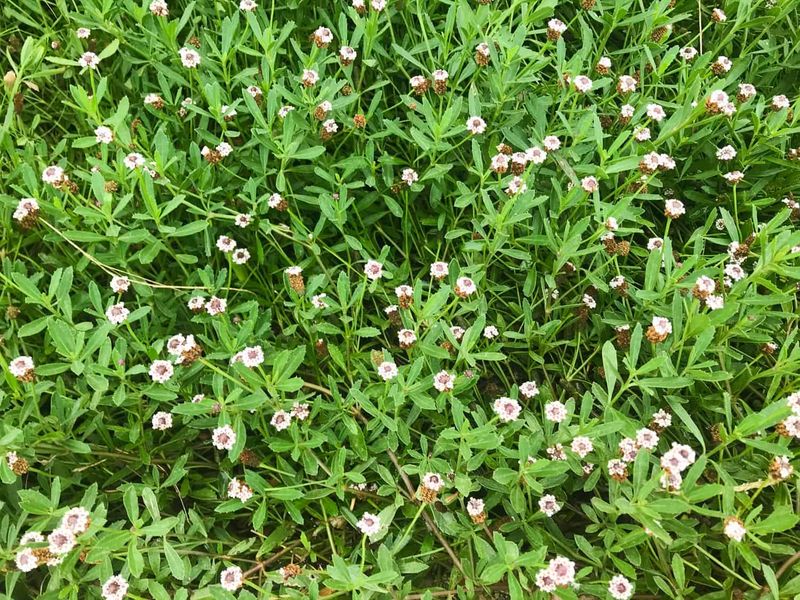
It grows flat and low, usually only a few inches tall, and spreads by sending out long stems called runners that root wherever they touch the ground.
Frogfruit is native to Texas and much of the southern United States. You may have even seen it growing wild along roadsides, creek banks, or in disturbed areas without realizing what it was.
It blends in easily because it stays close to the ground and does not demand attention. What makes it stand out is what it does over time. As the runners creep outward, they form a thick, connected mat of green foliage.
That mat is tough. It can handle foot traffic better than many groundcovers, making it useful in spots where people walk occasionally.
It is not a formal lawn replacement, but it works beautifully in natural or relaxed garden settings.
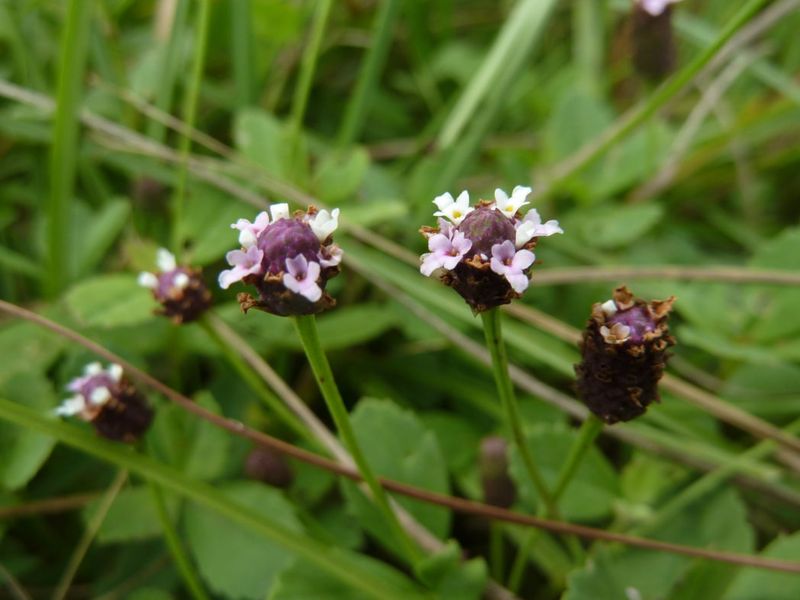
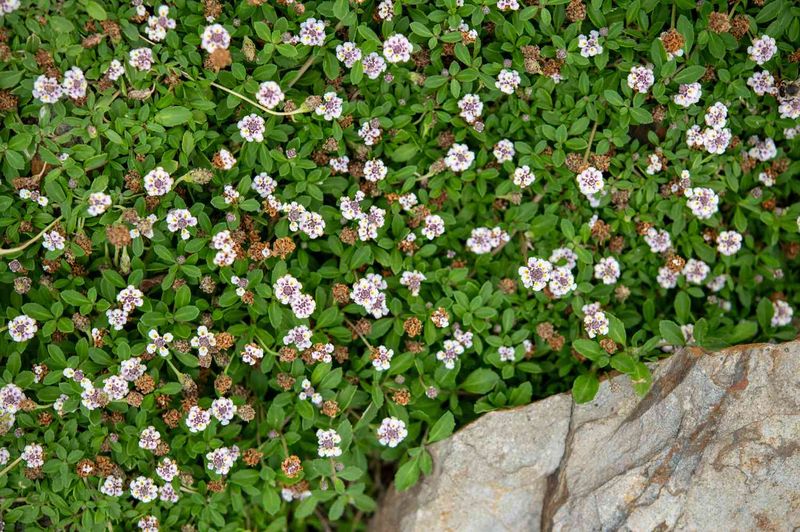
Frogfruit also produces small white-to-pink flowers almost year-round in warmer climates. Those tiny blooms may not look like much on their own, but they attract a surprising number of pollinators. Bees, butterflies, and other beneficial insects visit regularly.
For Texas gardeners who want a native plant that takes care of itself, spreads without much help, and still supports local wildlife, frogfruit checks every box. It is tough, adaptable, and genuinely useful in the landscape.
Why Its Spread Is Useful
Aggressive spreading sounds like a warning label, but with frogfruit, it is actually the whole point. Bare soil is an open invitation for weeds.
The moment ground is left uncovered, something will move in, and it usually is not something you want. Frogfruit moves faster than most weeds and covers ground before they get the chance.
Picture a dry, sunny strip between your driveway and a garden bed. Grass struggles there, mulch blows away, and weeds pop up every few weeks.
Your Texas Garden Changes Every Week. Your Plan Should Too.
Gardening in Texas changes quickly throughout the season. Every Friday you’ll receive a simple weekly plan showing exactly what to plant, prune, fertilize, harvest, and protect so you never miss the right timing.
Frogfruit handles that kind of spot without complaint. Its runners creep outward steadily, filling in the gaps and creating a connected mat that smothers weed seeds before they can sprout.
It also works well along hard edges. Plant it near stones, boulders, or concrete, and it will soften those borders naturally.
The stems trail over and around obstacles instead of stopping at them. That trailing habit gives it a relaxed, organic look that fits well in naturalized garden spaces.
In low-traffic lawn areas, frogfruit can even serve as a lawn alternative. It stays short enough to go without mowing for extended periods, and it handles dry spells far better than traditional turf grass.
Water bills and mowing time both go down when frogfruit takes over a tough patch. The key is planting it where its spreading habit has room to work.
Give it open ground, a sunny exposure, and a little patience, and frogfruit will reward you with a dense, weed-suppressing carpet that practically takes care of itself.
What It Does For Pollinators
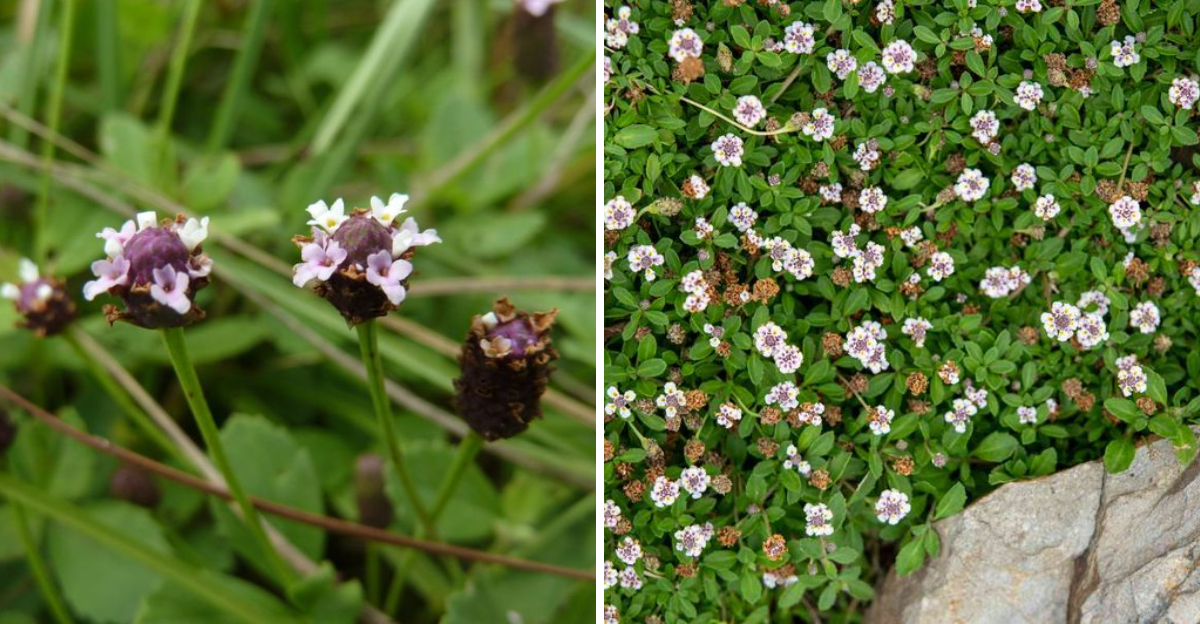
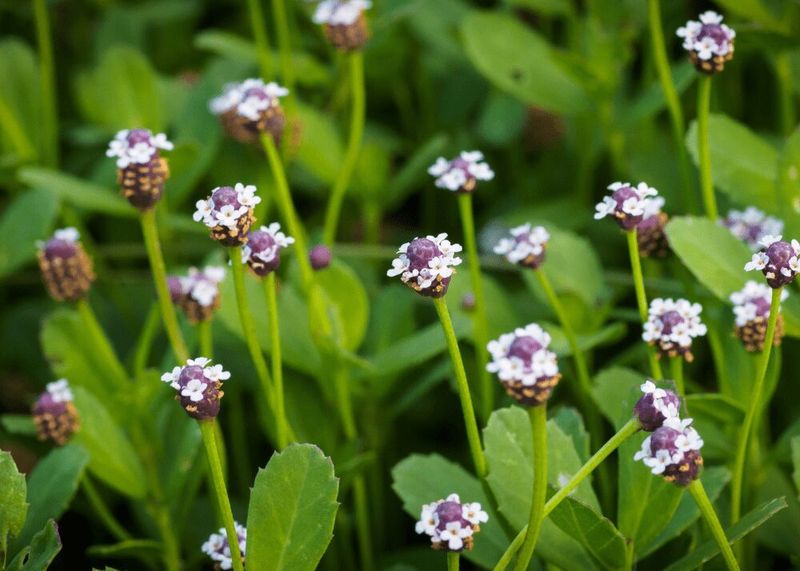
Here is a fun fact: those tiny frogfruit flowers that are easy to overlook are actually a big deal in the pollinator world. The blooms are small, white to pale pink, and clustered in rounded heads on short stems.
They may not look flashy, but they are packed with nectar, and insects know it. Bees visit frogfruit constantly during the blooming season. Native bees, honeybees, and bumblebees are all regular visitors.
Because frogfruit blooms almost continuously in warm weather, it provides a steady food source rather than just a brief seasonal burst. That consistency matters a lot for pollinators that need reliable foraging spots throughout the season.
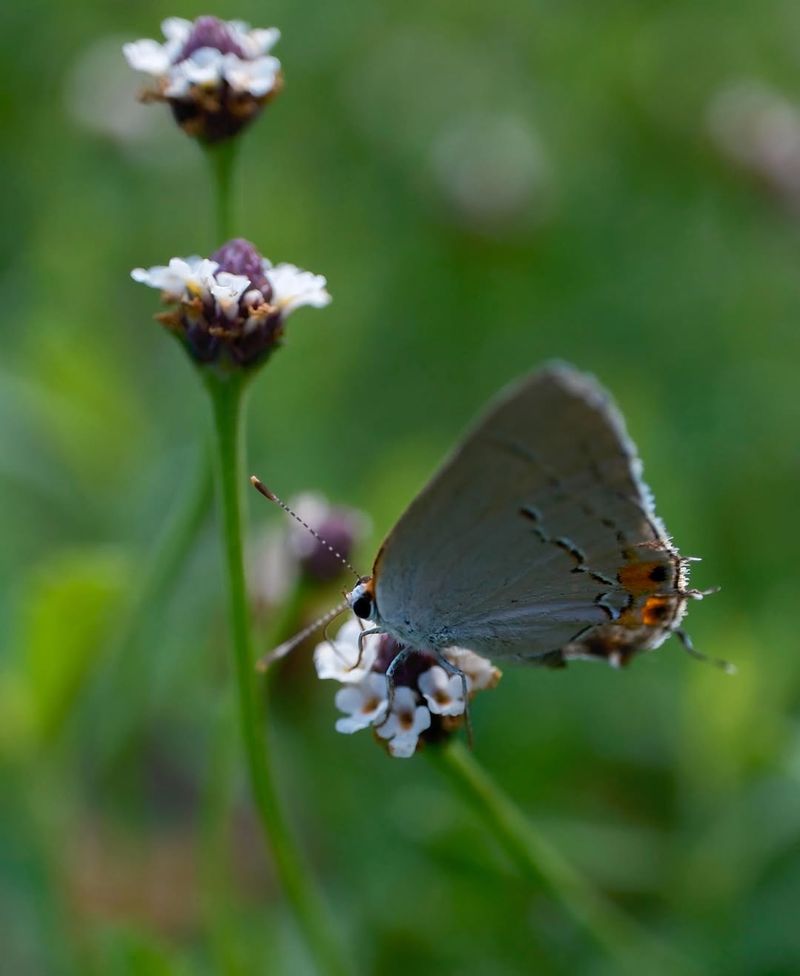
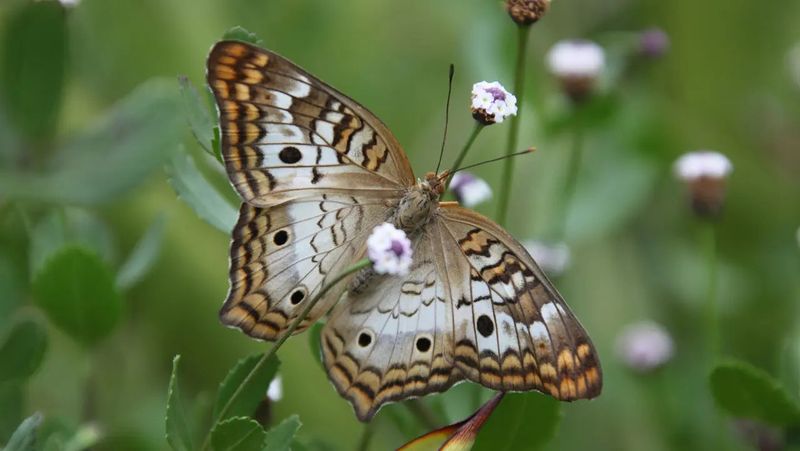
Butterflies are drawn to frogfruit too, and not just for the nectar. Several butterfly species use it as a host plant, meaning they lay their eggs on it and the caterpillars feed on the leaves.
The white peacock butterfly and the phaon crescent are two well-known examples. Planting frogfruit is essentially rolling out a welcome mat for their entire life cycle.
Beyond butterflies and bees, frogfruit supports a broader web of garden life. Small beneficial insects use the dense mat as shelter.
Birds that eat insects will follow. A simple groundcover quietly becomes a living ecosystem when you give it space to spread.
For anyone trying to build a more pollinator-friendly yard, frogfruit is an easy and low-maintenance choice. It does not need much from you, but it gives back generously to the garden community around it.
Where It Grows Best
Frogfruit is not picky, and that flexibility is one of its best qualities. Full sun is where it truly thrives.
Give it a bright, open spot and it will spread quickly and bloom heavily. Part-sun areas work too, though the growth may be a bit slower and the flowering slightly less dense.
Deep shade is the one condition it really struggles with, so avoid planting it under heavy tree canopy.
Lawn edges and garden borders are perfect spots for frogfruit. It fills in along those edges naturally and creates a soft, green transition between formal garden beds and open yard space.
Between stepping stones is another classic use. The low-growing stems fill the gaps without getting in the way, and light foot traffic does not bother the plant much at all.
Around boulders and large decorative rocks, frogfruit looks especially natural. The runners trail around and over the rocks, softening their appearance and tying them into the surrounding planting.
It gives a landscape that settled, lived-in feel that takes years to achieve with other plants. One of the most impressive things about frogfruit is its tolerance for weather extremes.
Texas summers are brutal, and frogfruit handles drought without much complaint once it is established.
But it can also survive temporary flooding and soggy soil, which is rare for a drought-tolerant plant. That dual tolerance makes it useful in spots where drainage is unpredictable.
Naturalized garden areas, meadow edges, and casual outdoor spaces all suit frogfruit well. It fits wherever a tough, adaptable native plant is needed most.
How To Keep It In Bounds
Frogfruit spreads, and that is the whole appeal. But spreading plants need a little management to stay where you want them.
The good news is that keeping frogfruit in check is not complicated. It just takes a bit of attention a few times a year.
Start by choosing the right location before you plant. Frogfruit does best in open spaces where it has room to move without immediately bumping into something it should not overtake.
Avoid planting it directly next to delicate perennials, small seedlings, or carefully maintained formal beds. Give it its own zone, and it will fill that zone beautifully.
Edging is your best tool for managing the spread. A simple garden edger or flat spade works well.
Run it along the boundary every month or two during the growing season to cut back any runners that have crept past where you want them. The cut stems come up easily and compost well.
There is no need for chemicals or complicated removal. Mowing is another option for larger areas. Frogfruit handles mowing at a higher blade setting without any problem.
A light trim keeps it looking tidy and encourages denser, more compact growth. If a section gets too thick or starts to mat heavily, a quick mow refreshes it.
The one situation to watch is near young transplants or tiny seedlings. Frogfruit runners can creep over small plants and shade them out before they have a chance to establish.
A simple physical barrier or regular hand-pulling around new plantings will prevent that from becoming a problem.
Why It Beats Bare Soil
Bare soil looks tidy for about a week. After that, weeds appear, rain washes the surface away, and the ground bakes hard under the Texas sun.
Empty ground is not a resting state for a garden, it is just an opportunity waiting for something to claim it. Frogfruit claims it fast, and it does so in a way that actually benefits the whole yard.
When frogfruit covers the ground, it shields the soil from direct sun and wind. That protection keeps moisture in longer, which means less watering.
The mat of stems and leaves also slows runoff during heavy rain, giving water time to soak in instead of washing away. Over time, the plant adds organic matter to the soil as older stems break down beneath the surface.
Weeds have a much harder time getting started under a healthy frogfruit mat. The dense growth blocks sunlight from reaching the soil, which is exactly what weed seeds need to sprout.
Fewer weeds mean less time pulling, less frustration, and a cleaner-looking garden with less effort.
Frogfruit is not the right plant for every corner of the yard. Polished formal beds and highly structured garden spaces are better served by other plants.
But for tough spots, open areas, lawn edges, and naturalized zones, it is hard to beat. It handles stress, covers ground reliably, and brings pollinator activity into spaces that would otherwise sit empty.
For Texas gardeners who want a plant that earns its place and then some, frogfruit is a clear and easy answer. Plant it once, give it room, and let it work.