Yard Habits Hurting The Chesapeake Bay That Maryland Homeowners Should Reconsider This July

Your lawn looks harmless. Green, mowed, maybe a little fertilizer to keep it that way. But every time it rains, that tidy yard sends a message downstream, straight into the Chesapeake Bay.
Fertilizer runoff, grass clippings, and loose soil travel through storm drains and ditches, landing in creeks that feed the Bay itself. Once there, extra nutrients trigger algae blooms that spread fast and block sunlight from reaching underwater grasses.
Maryland homeowners rarely see this chain reaction from their own backyard. The damage happens miles away, in water most people never think to check.
This July, a handful of small yard changes can interrupt that cycle before it starts. No expensive overhaul, just smarter habits that protect the Bay while keeping your lawn just as green.
1. Overwatering Your Lawn During Peak Summer Heat
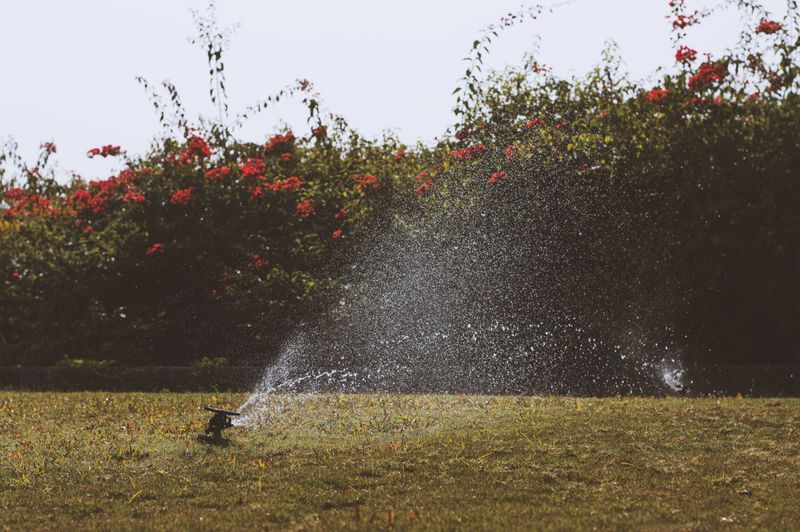
Picture this: sprinklers blasting away at noon in July while the sun beats down hard. That water does not just evaporate or soak in cleanly.
Overwatering pushes water across your lawn faster than soil can absorb it. That runoff picks up fertilizer, pesticides, and sediment along the way.
All of that washes into storm drains, then into streams, and eventually reaches the Chesapeake Bay. Excess nutrients from your lawn fuel algae blooms that rob the water of oxygen.
Watering deeply but less often encourages roots to grow deeper into the soil. Deep roots hold nutrients in place instead of letting them run loose.
One of the best windows to water is early morning, before 10 a.m. At that hour, water soaks in rather than evaporating or sheeting off.
Most lawns in this region only need about one inch of water per week during summer. A simple rain gauge costs just a few dollars and takes all the guesswork out of it.
Smart irrigation timers can automatically adjust based on recent rainfall. Investing in one saves water, saves money, and protects the Bay at the same time.
Something as innocent as a sprinkler left running too long is often where the trouble starts. Rethinking your watering schedule is one of the easiest wins you can make this season.
2. Applying Fertilizer Too Close To Waterways
Fertilizer near water is like spilling sugar near ants. The results come fast, and they are not pretty.
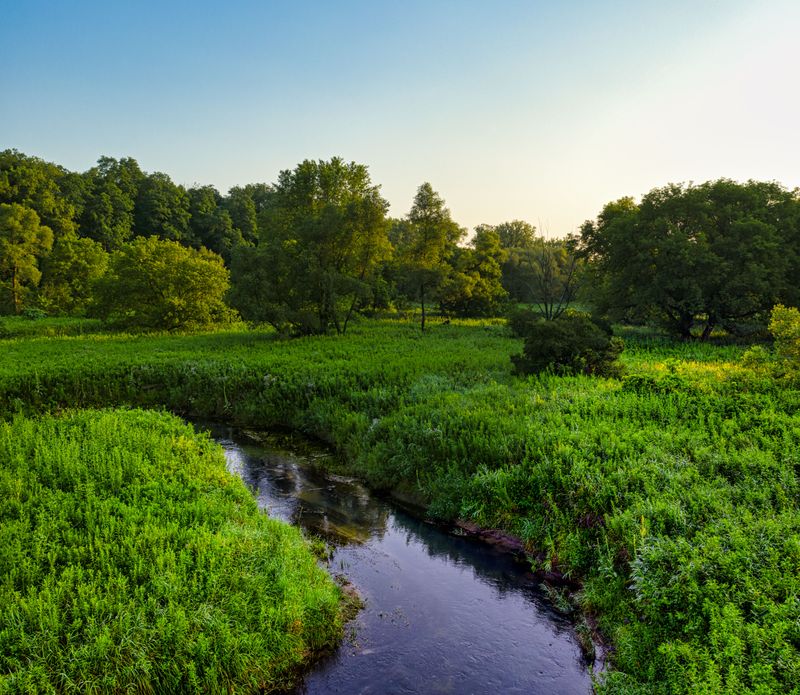
When nitrogen and phosphorus land within a few feet of a stream or pond, rain washes them directly into the water. There is no buffer zone to slow things down.
Maryland law actually requires a 15-foot no-fertilizer buffer along waterways, reduced to 10 feet only when using a deflector shield or drop spreader. Many homeowners simply do not know this rule exists.
Algae blooms thrive on those extra nutrients and grow thick enough to block sunlight from reaching underwater grasses. Without those grasses, crabs and fish lose critical habitat.
A vegetative buffer strip planted along the water’s edge works far better than a bare fertilized lawn. Native plants like switchgrass or river oats absorb nutrients before they can reach the stream.
Your Maryland Garden Changes Every Week. Your Plan Should Too.
Gardening in Maryland changes quickly throughout the season. Every Friday you’ll receive a simple weekly plan showing exactly what to plant, prune, fertilize, harvest, and protect so you never miss the right timing.
Even a narrow strip of unmowed grass near a drainage ditch makes a measurable difference. Roots from taller plants act like a living filter for your yard’s runoff.
If your property backs up to a creek, pond, or drainage channel, walk that edge before you fertilize. Mark a clear boundary and stay well back from it with your spreader.
Most of this damage is unintentional, but ignorance doesn’t make it any less real. Knowing where not to fertilize is just as important as knowing how much to apply.
3. Skipping A Soil Test Before Adding Nutrients
Most people fertilize on a schedule, not on a need. That habit wastes money and sends excess nutrients straight into local waterways.
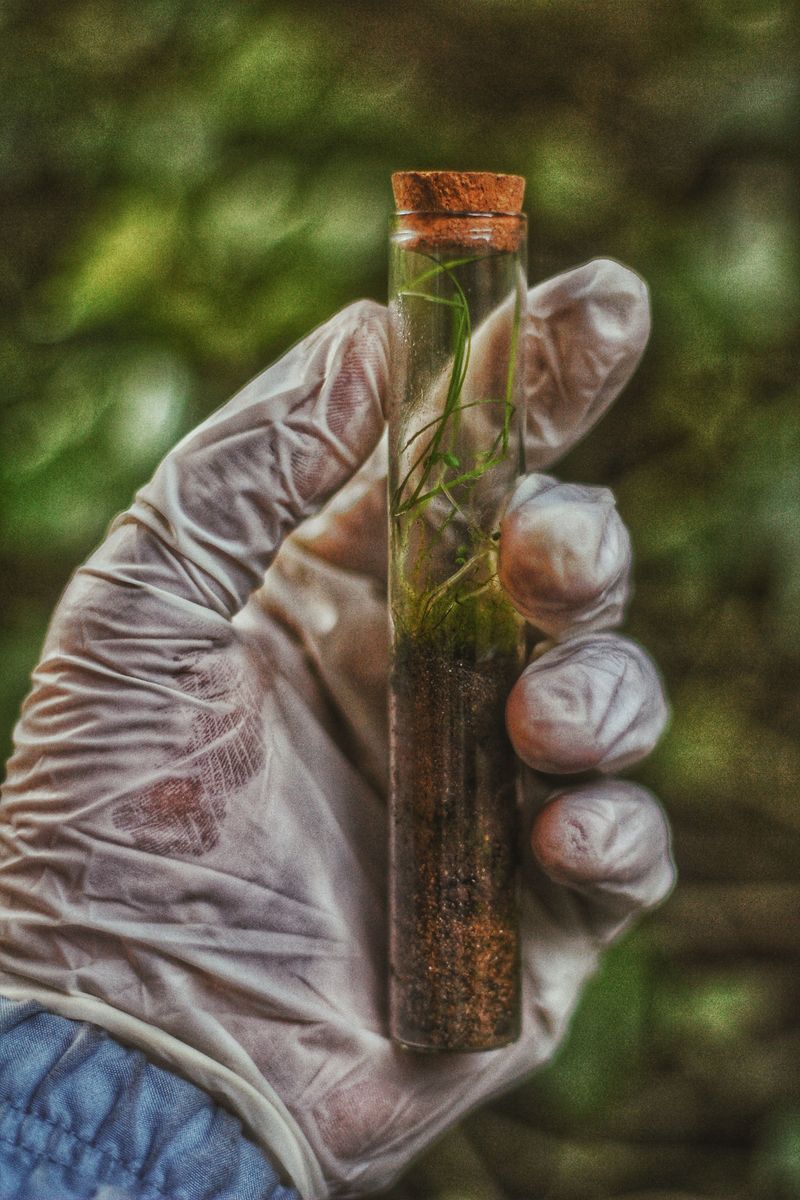
A soil test tells you exactly what your lawn is missing and what it already has plenty of. Without that data, you are essentially guessing.
Guessing often leads to over-application of phosphorus and nitrogen. Both of those nutrients are major contributors to algae problems in the Bay.
Soil tests are inexpensive, and the University of Maryland Extension makes it easy to find an approved lab and get started. You simply collect a small sample, mail it in, and get a detailed report back.
The report tells you your soil’s pH, nutrient levels, and exactly what amendments to add. Following those recommendations means you apply only what your lawn actually needs.
Many Maryland lawns already have enough phosphorus in the soil from years of over-fertilizing. Adding more just creates a surplus that rain events carry away.
Testing every two to three years gives you an accurate picture of how your soil changes over time. Seasonal shifts, rainfall, and lawn care practices all affect nutrient levels.
Think of a soil test as a prescription from a doctor. You would not take extra medication just in case, and you should not add extra fertilizer just in case either.
More often than not, the problem comes down to applying too much of a good thing. A simple test puts you in control and keeps the Bay cleaner.
4. Removing Grass Clippings Instead Of Leaving Them
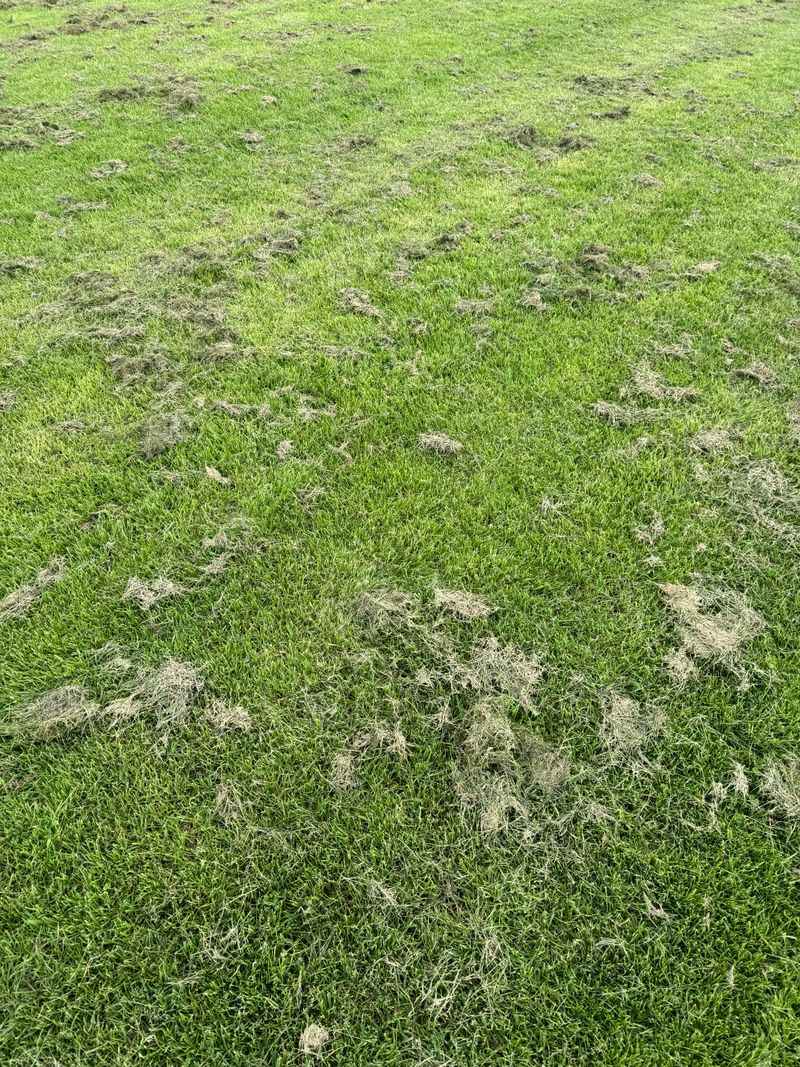
Bagging your clippings feels tidy, but you are actually removing free fertilizer from your lawn. Those clippings break down quickly and return nitrogen to the soil.
When clippings decompose in place, they release nutrients slowly and steadily. That slow release means far less chance of runoff compared to a single heavy fertilizer application.
Lawn professionals call this practice grasscycling, and it can reduce your fertilizer needs by up to 25 percent. Less fertilizer applied means less fertilizer available to wash away.
Short clippings from regular mowing disappear within a day or two. You will not even notice they are there once the lawn dries out.
The key is mowing frequently enough that you never remove more than one-third of the blade at once. Long clippings can clump and smother grass if left in thick piles.
A sharp mower blade makes grasscycling even more effective by cutting cleanly rather than tearing. Torn grass tips turn brown and take longer to break down.
If you have been bagging for years, switching is as easy as removing the bag attachment. Most modern mowers are already designed to handle grasscycling without any extra equipment.
This small habit shift benefits your lawn, your wallet, and the waterways downstream. This particular habit can be reversed one mow at a time.
5. Hiring An Uncertified Lawn Care Company
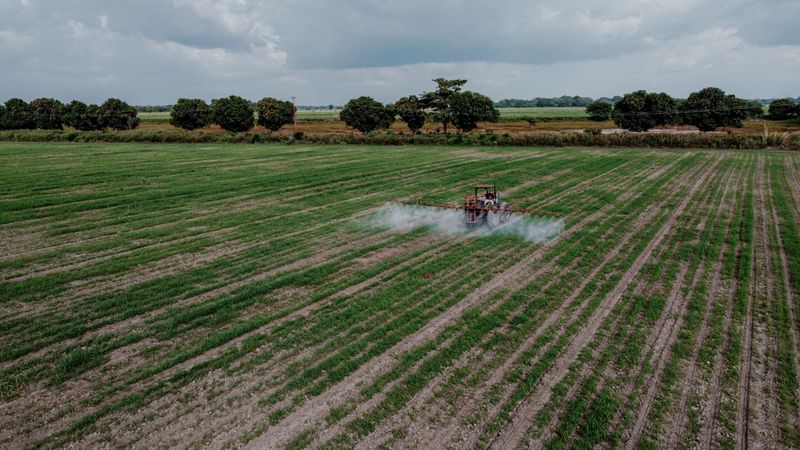
Not every lawn care truck rolling through your neighborhood is playing by the rules. Some companies apply fertilizer without the required state certification.
Maryland requires that anyone applying fertilizer commercially be certified under the state’s Lawn Fertilizer Law. That certification is meant to confirm they understand proper application rates and timing.
Uncertified applicators often over-apply fertilizer because they assume more product means better results. That excess feeds the Bay’s algae problem instead of your grass.
Before signing any lawn care contract, ask to see proof of Maryland fertilizer applicator certification. A legitimate company will have no problem providing that documentation.
Certified professionals follow state guidelines on blackout dates, setback zones, and application rates. Those guidelines exist specifically to protect local waterways from nutrient overload.
Word of mouth from neighbors is helpful, but it is not a substitute for verified credentials. A company can have great reviews and still be operating without proper certification.
Look for companies that mention Bay-friendly practices on their website or marketing materials. That language signals awareness of the environmental standards Maryland has set.
Hiring right the first time protects your lawn investment and your community’s water quality. Contractors can do just as much damage as homeowners if they cut corners.
Asking one simple question before you hire can prevent months of unintentional damage. Your lawn care choice is a water quality choice too.
6. Fertilizing Right Before Heavy Rain
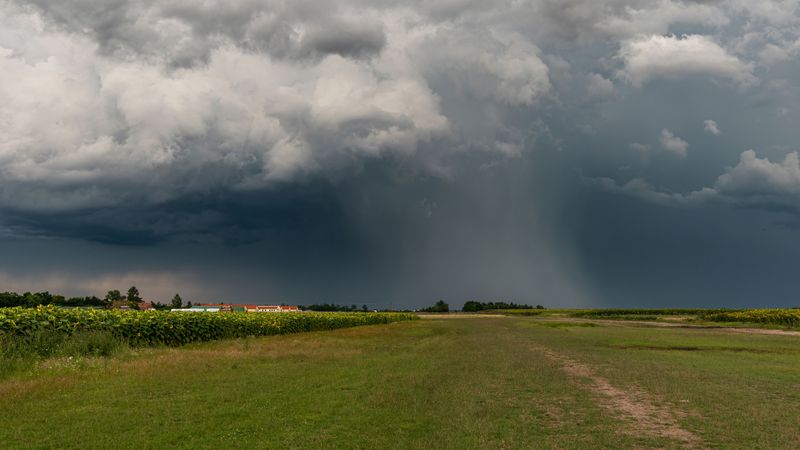
Spreading fertilizer the day before a thunderstorm is basically a direct delivery system to the nearest creek. Rain moves nutrients off your lawn before roots can absorb them.
When fertilizer granules sit on the surface and rain arrives, the water dissolves them instantly. That nutrient-rich water flows across driveways, into gutters, and toward local streams.
Checking the forecast before you fertilize is one of the simplest protective steps a homeowner can take. Waiting just two days after a rain event makes a significant difference in absorption.
Soil that is already moist from recent rain absorbs new applications far better than dry, compacted ground. Timing your application to dry conditions gives nutrients a chance to work into the root zone.
Maryland’s weather in July can be unpredictable, with afternoon pop-up storms appearing with little warning. Using a reliable weather app and checking the 48-hour forecast before any application is a smart move.
Slow-release fertilizer formulas are also more forgiving when rain does arrive unexpectedly. They release nutrients gradually rather than all at once when water hits them.
If you miss the window and rain comes sooner than expected, do not panic. Just note the timing and plan your next application more carefully.
Poor timing, not bad intentions, is usually what’s behind this one. A quick forecast check before you grab the spreader can protect the Bay more than you might expect.
7. Using Phosphorus Without A Proven Need
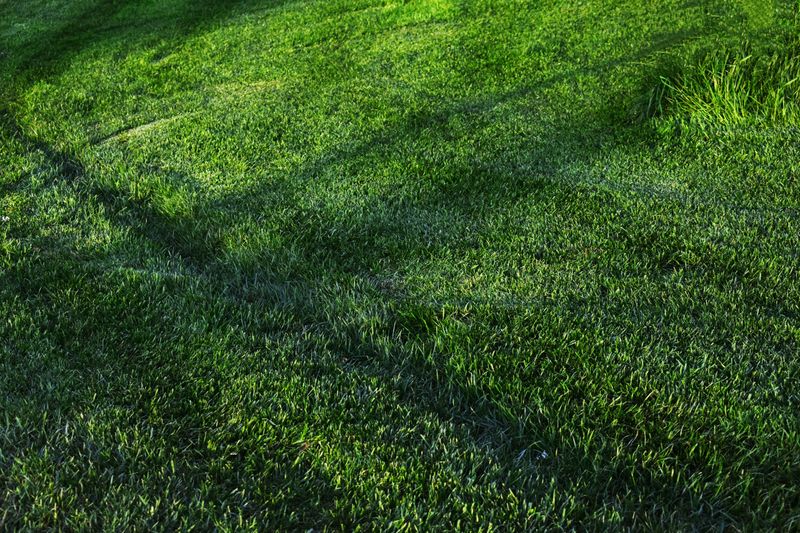
Phosphorus is the nutrient most directly linked to algae blooms in the Chesapeake Bay. Yet it shows up in many standard lawn fertilizers sold at hardware stores.
Most established Maryland lawns already have adequate phosphorus levels built up from years of applications. Adding more simply creates a surplus with nowhere to go except into the water.
Maryland law prohibits the application of phosphorus fertilizer on established turf unless a soil test confirms a deficiency. That law has been in place since 2011, but compliance is still far from universal.
Fertilizer bags are labeled with three numbers representing nitrogen, phosphorus, and potassium. A middle number of zero, such as 20-0-8, means the product contains no phosphorus.
Choosing a phosphorus-free formula for routine lawn maintenance is the safest approach for most homeowners. Your grass will likely never notice the difference.
New lawns or heavily disturbed soil are the exceptions where phosphorus may genuinely be needed. That determination should always come from a soil test, not a guess.
Garden centers in the region increasingly stock Bay-friendly fertilizer options with no phosphorus. Asking specifically for those products steers your dollars toward responsible formulas.
Reading the label takes about thirty seconds and can prevent months of downstream damage. Sometimes it really is as simple as grabbing the wrong bag off the shelf.
One small label check can make your lawn care routine part of the solution. That is a trade worth making every single time.
8. Ignoring Maryland’s Fertilizer Blackout Dates
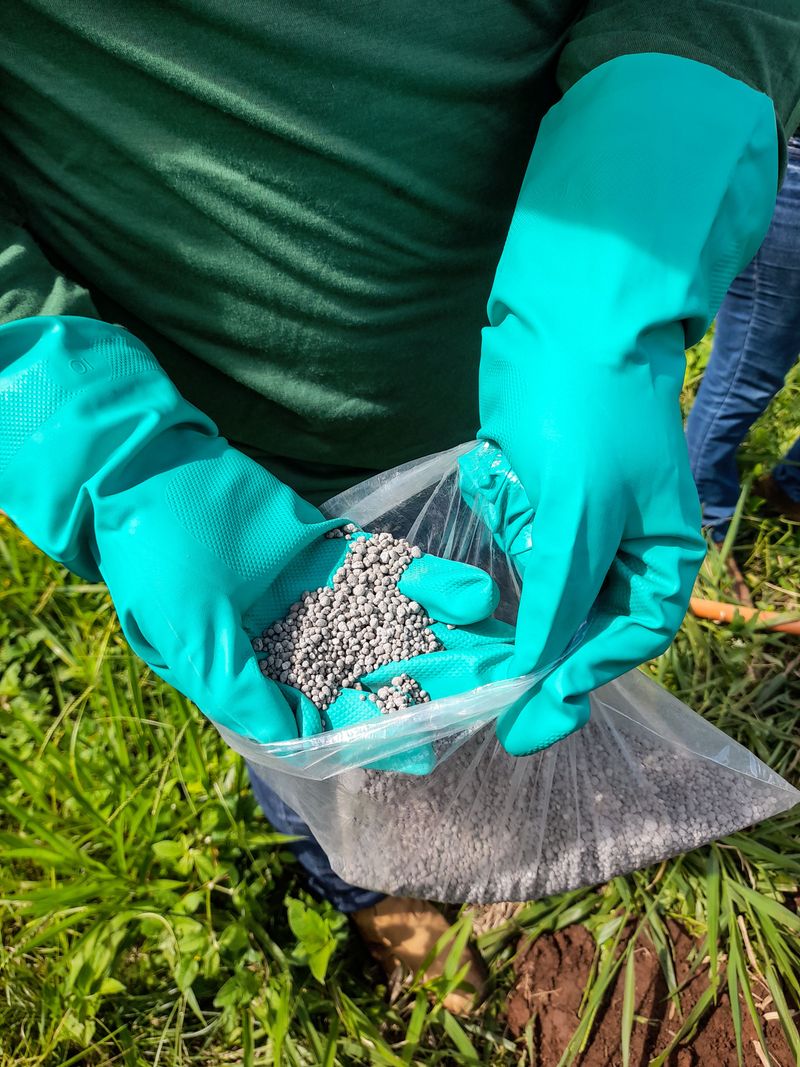
Maryland has specific dates when fertilizing your lawn is either restricted or outright prohibited. Ignoring those windows sends nutrients into the Bay during the worst possible conditions.
The state prohibits nitrogen fertilizer application from November 15 through March 1 on cool-season grasses. During that period, grass is dormant and cannot absorb nutrients at all.
Fertilizer applied to dormant grass just sits on the surface waiting for rain to carry it away. There is no root uptake, no benefit to the lawn, and maximum risk to waterways.
It’s also wise to avoid fertilizing near waterways or during drought, when soil can’t absorb nutrients properly anyway. Staying informed about current state guidelines is part of responsible lawn ownership.
The Maryland Department of Agriculture publishes updated fertilizer rules each year on its website. Bookmarking that page takes less than a minute and keeps you current on any changes.
Some homeowners assume these rules only apply to farms or large properties. In reality, the regulations cover residential lawns across the entire state.
Violations can result in fines, but the bigger cost is environmental. Algae blooms fed by off-season fertilizer runoff harm crab populations, fish habitats, and water clarity for years.
Planning your fertilizer schedule around blackout dates is straightforward once you know them. A quick note on your phone calendar at the start of each season keeps you on track.
Outdated routines nobody thought to question are usually the real culprit here. Knowing the rules and following them is the most direct way to protect a Bay worth saving.