The Georgia Shrubs You Shouldn’t Prune In Summer If You Want Blooms Next Year
Summer often feels like the perfect time to tidy up the yard. Shrubs become larger, a few branches start sticking out, and grabbing the pruners seems like a productive way to keep everything looking neat.
That simple job, however, can quietly affect what your landscape looks like long after summer has passed.
Some shrubs begin preparing for next year’s flowers much earlier than many gardeners realize.
Timing matters just as much as the pruning itself. Cutting back the wrong shrub during summer can remove the buds that would have produced next season’s blooms.
The plant may stay healthy, but its floral display can be much smaller than expected.
Many popular shrubs grown in Georgia fall into this category. Leaving them alone until the proper time can reward you with a far more impressive display when blooming season returns.
1. Wait Until Blooming Ends Before Pruning Oakleaf Hydrangea
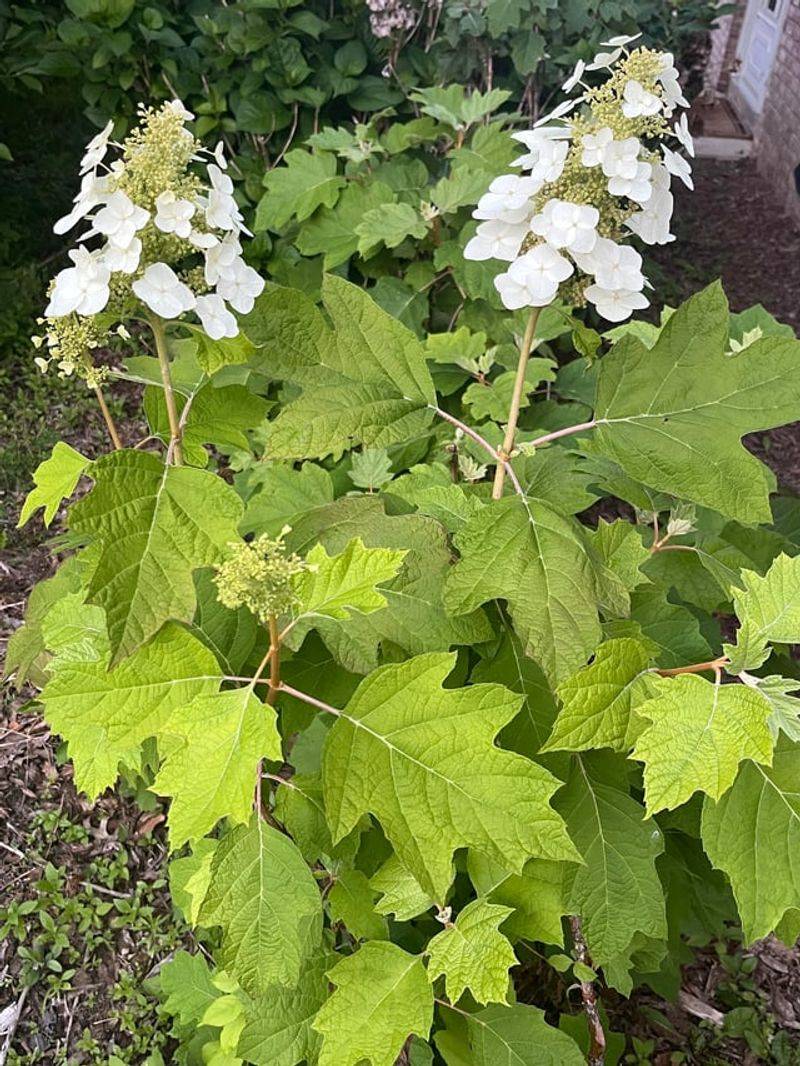
Oakleaf hydrangea is one of those shrubs that looks after itself if you just leave it alone at the right time. Native to the southeastern United States, it thrives in Georgia’s heat and humidity better than most hydrangea varieties.
Reaching up to eight feet tall, it makes a bold statement in any yard.
Flower buds form on old wood, meaning the stems that finished growing last season carry next year’s blooms. Prune in summer, and those buds go with the cut branches.
You will not see them again until the following spring, if the plant has had time to recover.
Right after the white cone-shaped blooms fade in late spring or early summer is the only safe pruning window. Trim lightly then, shaping the plant without cutting back hard.
Avoid removing more than one-third of the shrub at one time.
Oakleaf hydrangea also offers gorgeous fall color and peeling cinnamon-colored bark in winter, so it earns its space even without blooms. Resist the urge to tidy it up mid-summer.
A few extra weeks of patience protects a full season of flowers you would otherwise lose completely.
If you notice broken, diseased, or rubbing branches, you can remove those at any time without affecting flowering. A layer of mulch helps the soil hold moisture and keeps the roots cooler during hot weather.
Giving the shrub enough space to reach its natural size reduces the need for regular pruning.
2. Summer Pruning Can Cost Bigleaf Hydrangea Next Year’s Flowers
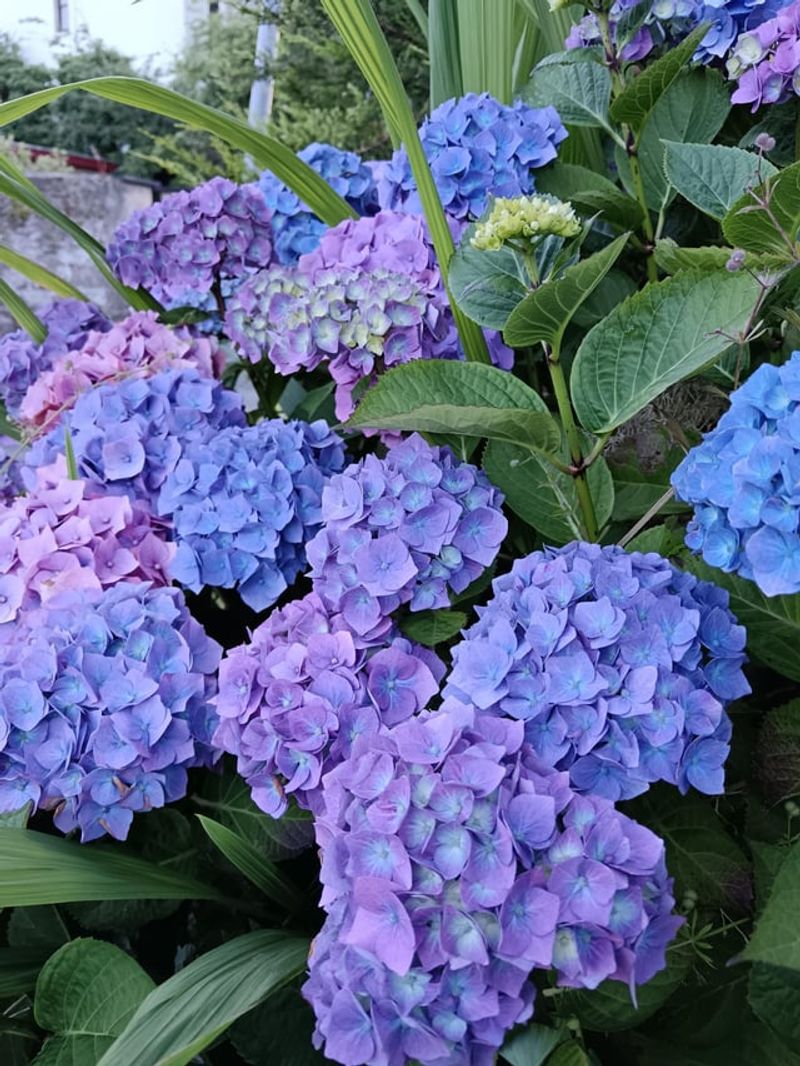
Bigleaf hydrangea is beloved across the South for those big, round mophead blooms in shades of blue, pink, and purple. Gardeners plant them expecting a reliable show every season, but summer pruning quietly steals that show before it ever starts.
Most traditional bigleaf hydrangea varieties bloom strictly on old wood. Buds form on last season’s canes shortly after flowering ends in early summer.
Cut those canes back in July or August, and next spring’s blooms are already gone.
Reblooming varieties like Endless Summer are somewhat more forgiving, producing buds on both old and new wood. Even so, summer pruning reduces the total number of blooms significantly.
Your Georgia Garden Changes Every Week. Your Plan Should Too.
Gardening in Georgia changes quickly throughout the season. Every Friday you’ll receive a simple weekly plan showing exactly what to plant, prune, fertilize, harvest, and protect so you never miss the right timing.
Fewer old canes means fewer flower clusters, plain and simple.
Shade helps protect bigleaf hydrangea in the South, where afternoon sun can stress the plant badly. If yours looks wilted on hot afternoons, that does not mean it needs pruning.
It usually just needs water or better afternoon shade coverage.
Prune only right after blooms fade, removing spent flower heads and any clearly damaged canes. Keep cuts minimal and intentional.
Late summer pruning is one of the most common reasons bigleaf hydrangeas fail to bloom, so hold the pruners until the timing is right.
Healthy leaves continue feeding the plant through the growing season, helping support stronger growth and better flowering the following year.
3. Leave Mountain Laurel Untouched After Spring Bloom
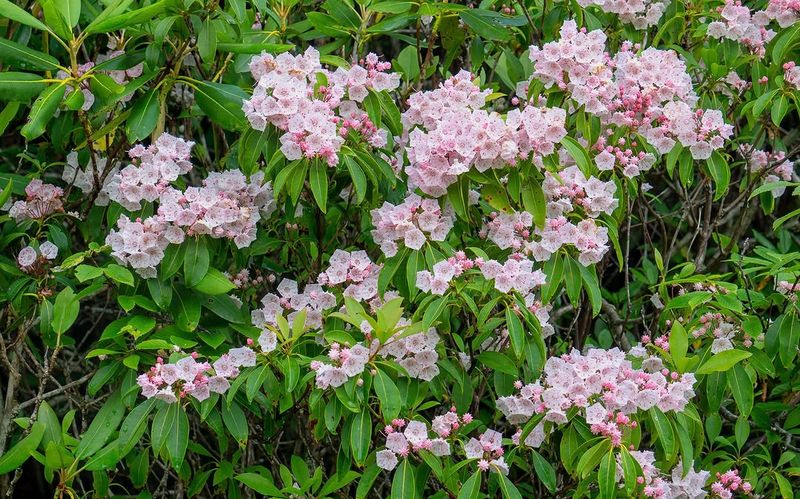
Mountain laurel puts on one of the most striking floral displays of any native shrub. Clusters of intricate cup-shaped flowers appear in shades of pink, white, and burgundy during late spring.
Once you see it in full bloom, you understand why gardeners protect it so carefully.
Buds for next year form almost immediately after the current season’s flowers fade. Summer pruning removes those fresh buds before they have any chance to develop fully.
The plant spends the rest of the growing season recovering rather than preparing for next spring.
Mountain laurel grows slowly, sometimes only a few inches per year. That slow pace makes untimely pruning even more costly.
Cutting it back hard in summer can set the shrub back significantly, both in size and in bloom production.
It prefers acidic, well-drained soil and partial shade, conditions common in Georgia’s Piedmont and mountain regions. Once established, it is fairly drought-tolerant and does not need much fussing.
The best care strategy is often simply leaving it alone after bloom.
If shaping is necessary, do it right after flowers drop in late spring.
Avoid cutting into the old woody stems unless absolutely needed, since recovery from heavy pruning takes years rather than months.
Mountain laurel naturally develops an attractive shape, so frequent pruning is rarely necessary.
A layer of mulch helps keep the roots cool and the soil evenly moist without disturbing the shallow root system.
4. Avoid Summer Pruning To Protect Next Year’s Azalea Blooms
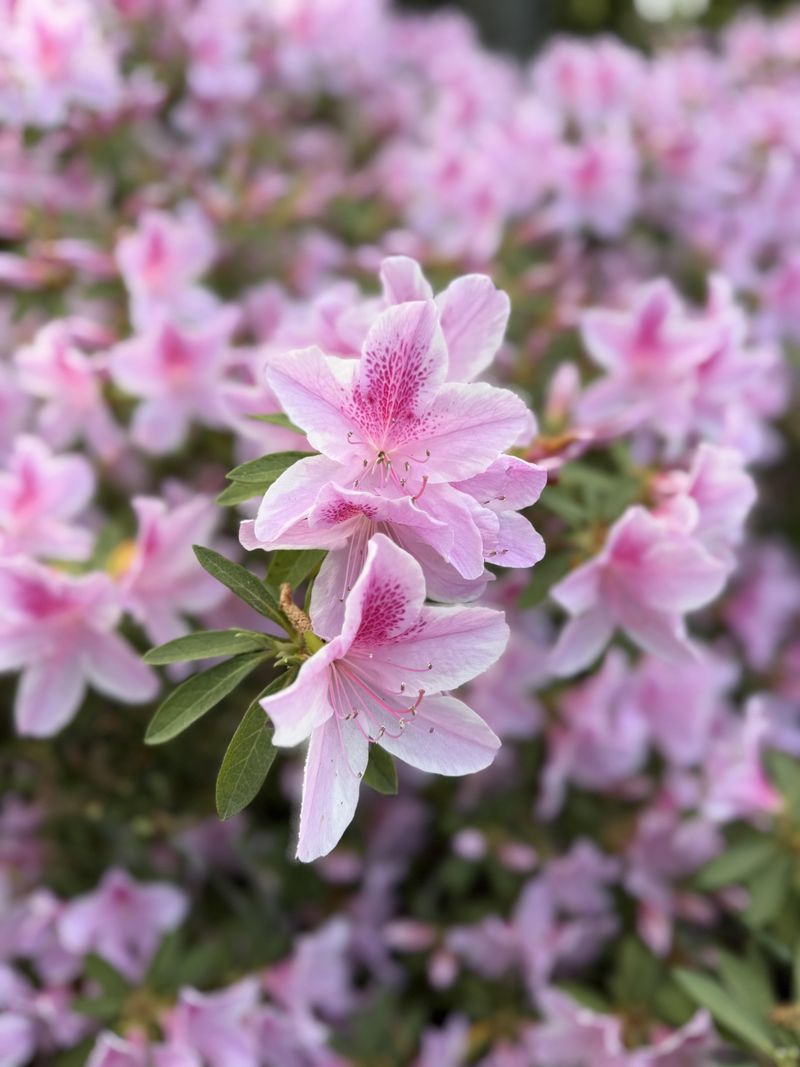
Azaleas are practically the unofficial flower of spring across the South. Neighborhoods erupt in pink, red, coral, and white every March and April.
Behind that annual show is a simple rule most gardeners eventually learn the hard way.
Azaleas set their flower buds in summer and early fall, right on the growth produced after spring blooming. Prune after mid-July, and you are cutting off buds that have already formed but are not yet visible to the naked eye.
Next spring, those branches simply stay bare.
The safe pruning window closes fast. Right after bloom in spring, usually late April through early June depending on variety, is when light shaping should happen.
That gives the plant enough time to push new growth and set buds before summer heat peaks.
Older azaleas sometimes get leggy and overgrown. Rejuvenation pruning, cutting them back hard, should still happen in spring, not summer.
Hard summer cuts stress the plant during the hottest months and remove the most bud-producing wood at once.
In Georgia, summer comes early and stays long. Azaleas need that warm window after spring bloom to grow and bud up properly.
Respecting that timeline is the single most effective thing you can do to guarantee a full bloom display the following spring.
Removing only damaged or broken branches during summer is fine, but save any major pruning until after the spring bloom cycle has finished.
5. Summer Pruning Can Reduce Gardenia Blooms
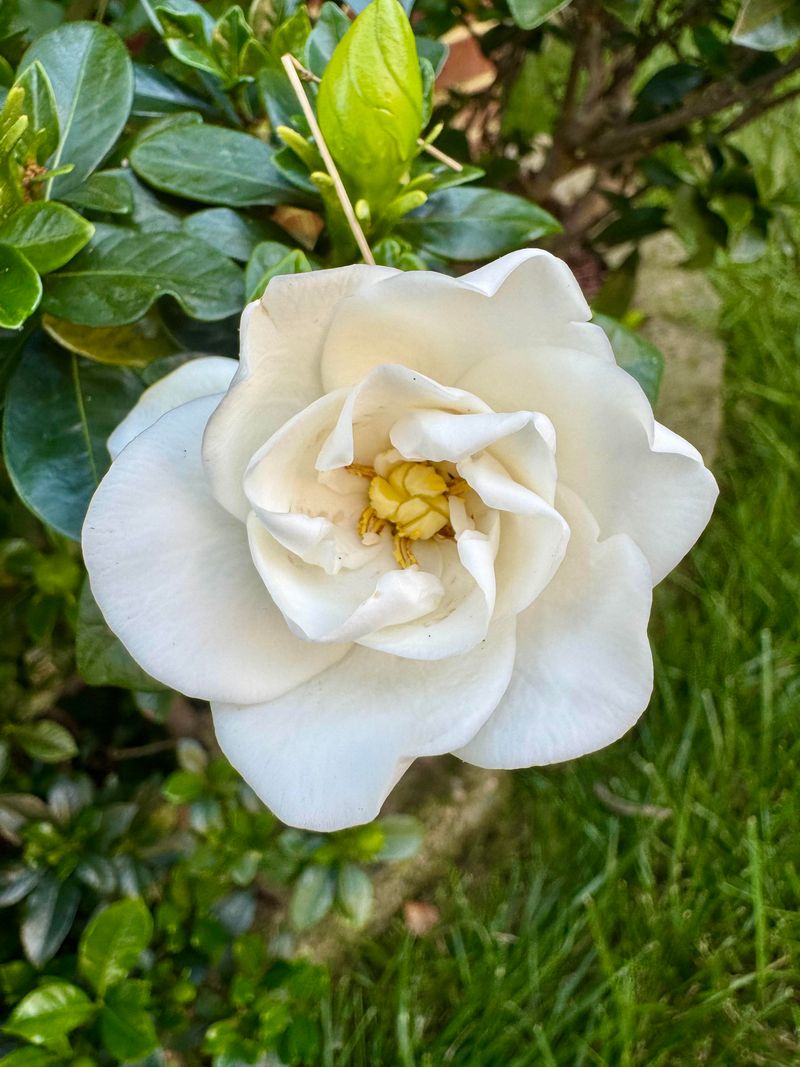
Few scents in a summer garden match the rich, sweet fragrance of gardenia in bloom. That heavy perfume drifting across the yard on a warm evening is one of the great pleasures of gardening in the South.
Protecting it starts with knowing when not to prune.
Gardenias bloom in late spring and again sometimes in early summer. After that first flush of flowers, the plant quickly begins setting buds for the following season.
Summer pruning cuts directly into that bud-setting process and reduces next year’s flower count noticeably.
Light deadheading of spent blooms is fine throughout summer. Removing whole branches or shaping the shrub significantly is where the problem starts.
Each branch removed in summer represents multiple potential blooms that will not appear next year.
Gardenias prefer consistently moist, acidic soil and at least six hours of sunlight daily. Stress from drought, poor soil, or untimely pruning can all reduce blooming.
Solving one problem while causing another through bad timing defeats the whole purpose.
Prune gardenias right after the last blooms fade in early summer if shaping is truly needed. Keep cuts light and targeted.
Avoid removing healthy green branches unless there is a clear reason, like crossing limbs or damage. Patience between pruning sessions pays off in a much fuller bloom display each season.
6. Summer Pruning Can Remove Camellia Flower Buds
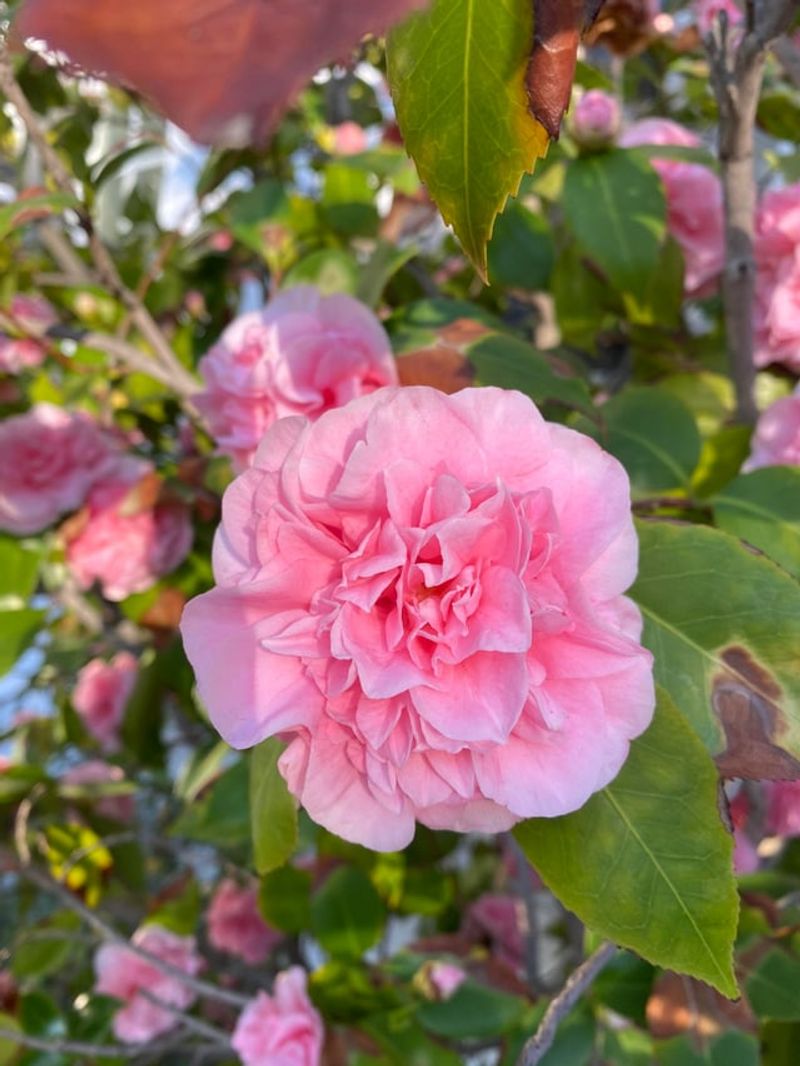
Camellias bloom when almost nothing else does, pushing out large, elegant flowers in late fall through early spring depending on variety. That off-season color makes them incredibly valuable in any garden.
Protecting that bloom window means understanding when buds actually form.
Camellia flower buds develop during summer, typically from June onward. By late summer, those buds are already visible as small, rounded swellings along the branches.
Prune in summer, and you remove those buds before they ever have a chance to open into flowers.
Unlike shrubs that bloom on new wood, camellias rely almost entirely on the previous season’s growth for their flowers. That old wood is exactly what summer pruning removes.
The plant may look tidier afterward, but it will bloom far less the following season.
Camellias are relatively low-maintenance once established. They prefer partial shade, acidic soil, and good drainage.
In Georgia’s climate, they perform beautifully with minimal intervention, which is exactly the approach they respond to best.
Prune camellias right after their bloom period ends, usually in late winter or early spring for most varieties. Avoid heavy cutting, and skip summer pruning entirely.
A hands-off summer approach is the most reliable way to protect a full season of flowers.
Healthy foliage also helps fuel flower bud development throughout the growing season.
Leaving those branches intact gives the shrub the best chance to produce a heavier bloom display next year.
7. Forsythia Loses Next Spring’s Flowers After Summer Pruning
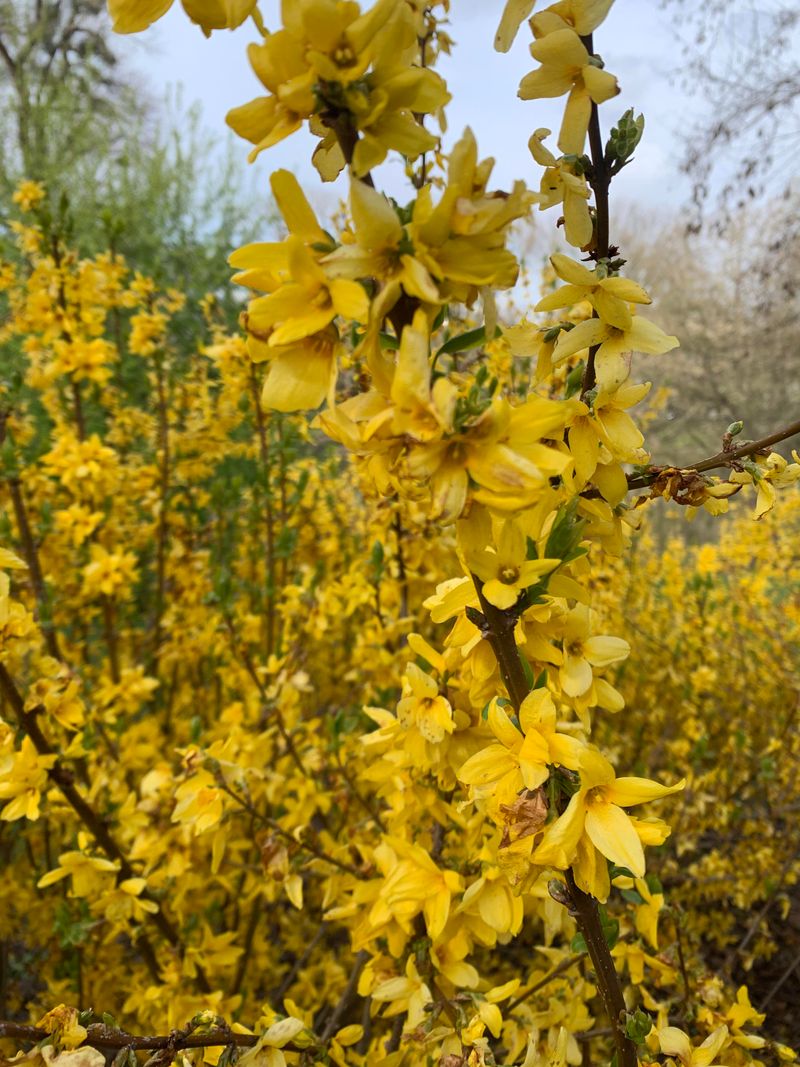
Bright yellow forsythia blooming in late winter or early spring signals that warmer days are finally coming. Those cheerful yellow flowers on bare branches are one of the earliest signs of seasonal change in the garden.
Keeping that show intact requires skipping summer pruning entirely.
Forsythia sets its flower buds on old wood during summer and early fall. By the time August arrives, next spring’s blooms are already locked in on those branches.
Cut them off in summer, and you remove the flowers before they ever get to open.
Forsythia grows fast and can get unruly quickly. Gardeners often feel the urge to trim it back during summer when it looks overgrown.
That instinct, though understandable, directly costs next year’s bloom display. Patience is the better tool here.
Prune forsythia immediately after it finishes blooming in spring, before new growth fully hardens. Cut out the oldest, woodiest canes at the base to encourage fresh new shoots.
Shape lightly from the outside if the shrub has spread too wide.
Avoid touching it again until the following spring bloom period ends. Forsythia responds well to annual post-bloom pruning and can be kept manageable without sacrificing flowers.
Timing is everything with this shrub, and summer is simply not the right season to reach for the pruners.
8. Summer Pruning Can Reduce Next Spring’s Lilac Blooms
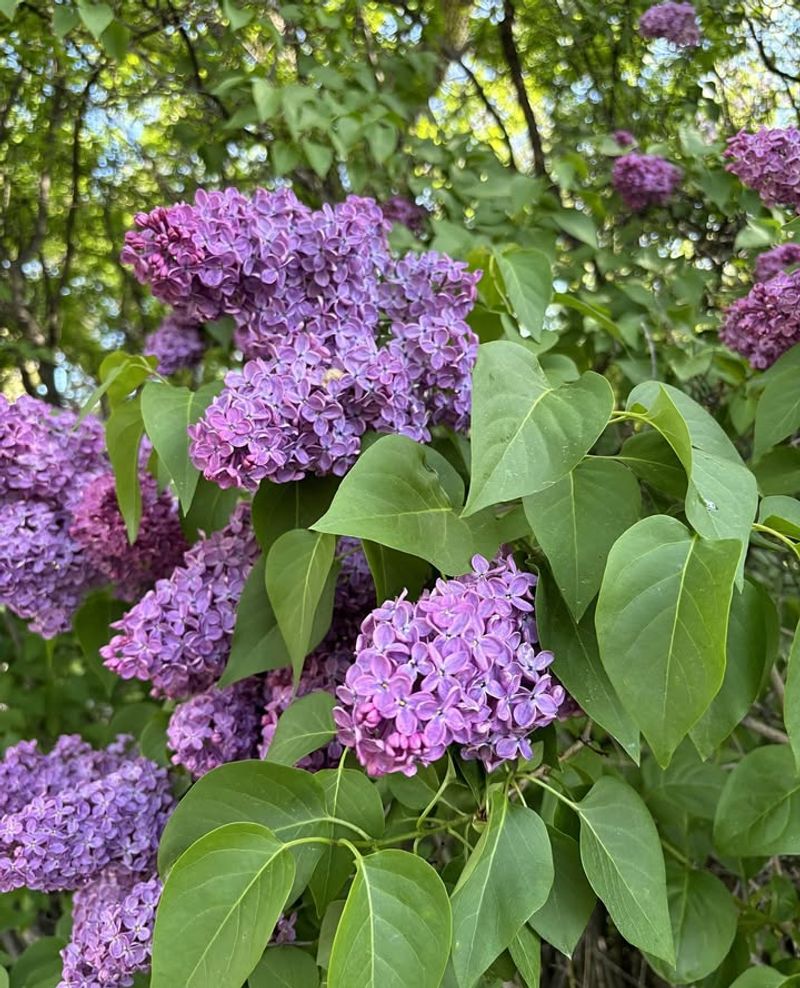
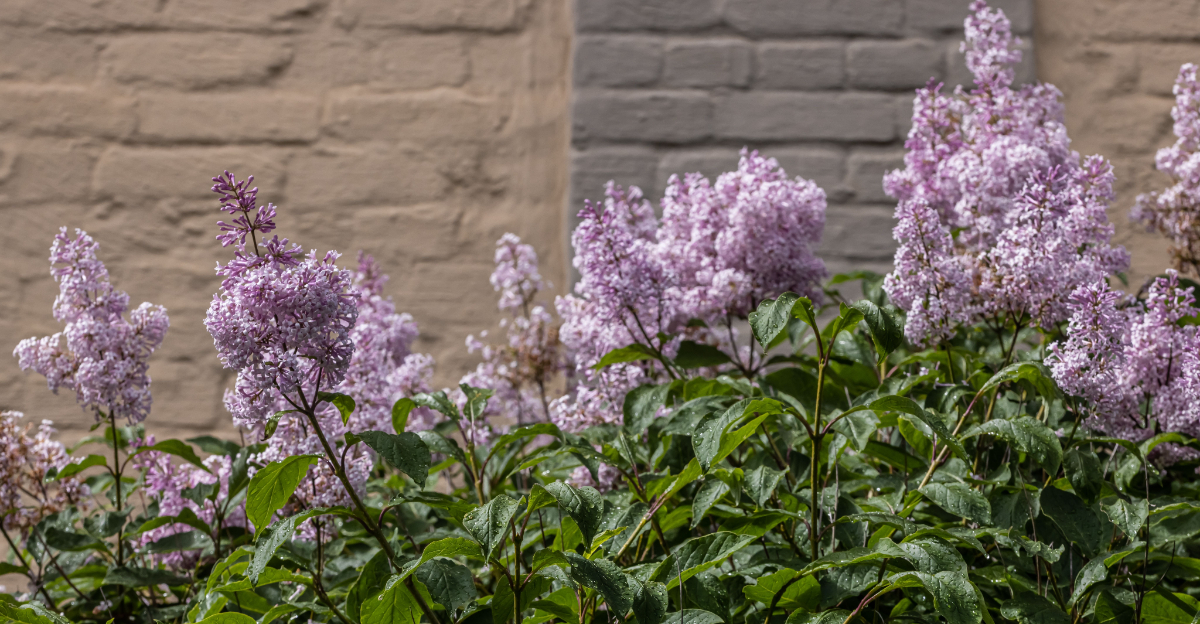
Lilac blooms carry a scent that stops people in their tracks. Those dense clusters of purple or white flowers are a classic sign of spring, and gardeners who grow them guard them fiercely.
Protecting next year’s flowers means understanding exactly when lilacs set their buds.
Lilacs bloom on old wood, forming next season’s flower buds shortly after the current blooms fade in spring. Summer pruning removes those freshly formed buds along with the branches that carry them.
The result is a spring with very few flowers or none at all on the pruned sections.
Lilacs are less common in Georgia than in cooler northern states because they need a certain number of cold hours each winter to bloom reliably. Varieties bred for low-chill climates, like Miss Kim or Betsy Ross, perform better in the South.
Even these varieties follow the same old-wood blooming pattern.
Right after bloom in late spring is the only appropriate pruning window. Remove spent flower clusters promptly to prevent seed formation, which can reduce next year’s flowering.
Shape lightly, removing only what is necessary to maintain the plant’s structure.
Avoid all pruning from midsummer onward. Buds are forming and need those branches intact.
A lilac left alone through summer and fall will reward you with a full, fragrant bloom display when spring arrives again.