The Best Time Of Day To Transplant Seedlings In Michigan During Summer Heat
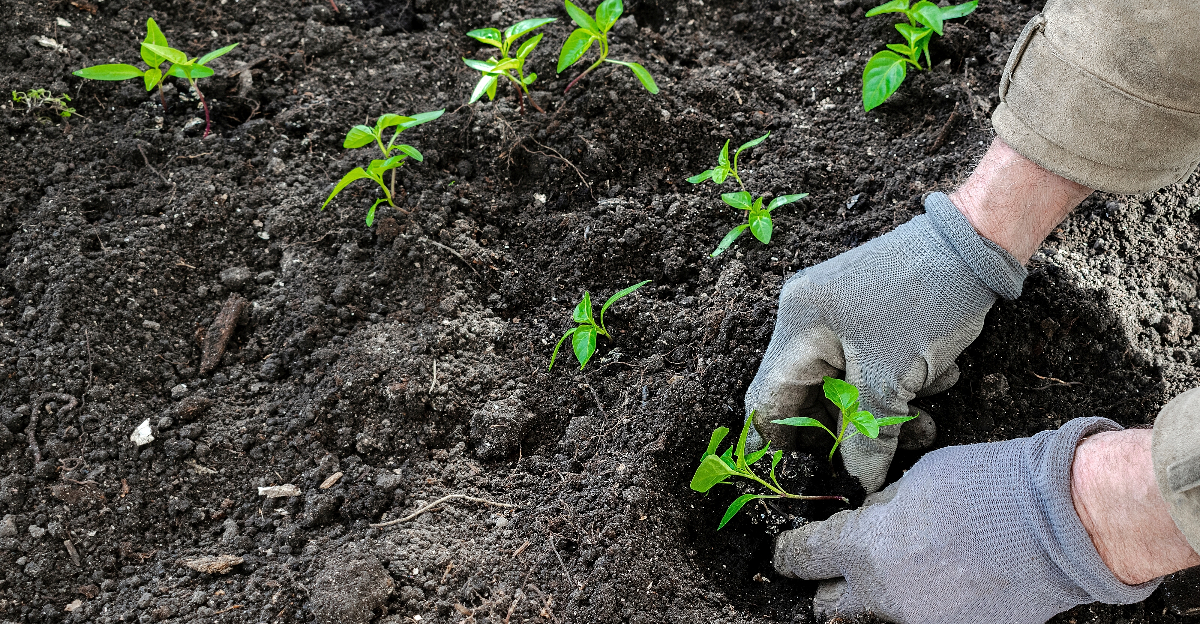
Transplanting a seedling into Michigan summer soil at the wrong time of day is one of the most reliable ways to set a healthy plant back significantly before it ever gets a real chance to establish.
The stress a young plant experiences during transplanting is already considerable without adding heat, direct sun, and rapid moisture loss on top of it.
Michigan’s midsummer temperatures create a narrow window within each day when transplanting conditions shift from genuinely stressful to manageable.
Working within that window makes a measurable difference in how quickly seedlings recover and resume active growth.
Timing this one task correctly requires almost no extra effort and produces results that show up clearly within the first week after planting.
1. Late Afternoon Is Usually Best
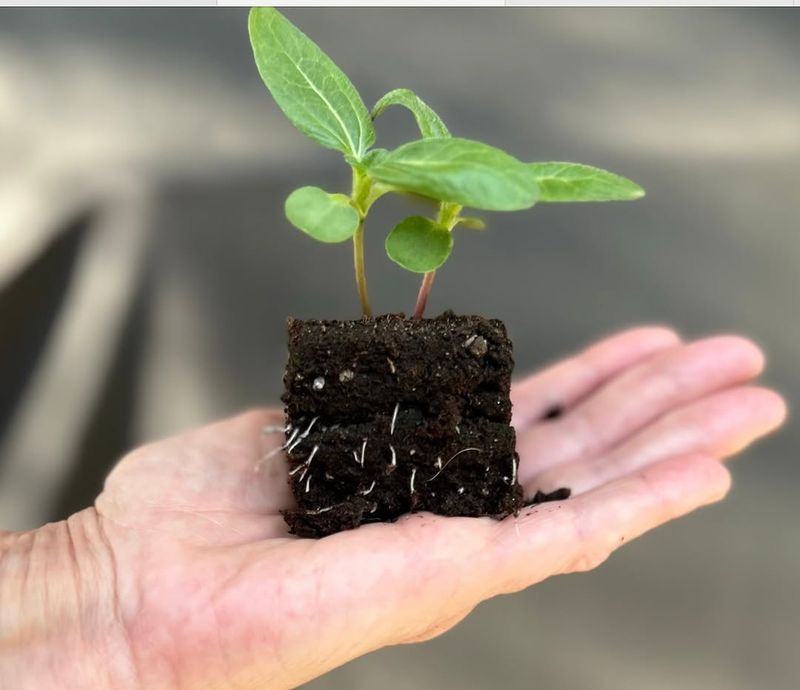
Something almost magical happens in a Michigan garden around 4 or 5 in the afternoon.
The sun starts dropping lower in the sky, the harsh midday glare softens, and the air temperature begins to ease just enough to give young plants a fighting chance.
For most gardeners, late afternoon is the sweet spot for transplanting seedlings during summer heat.
The soil has been warmed throughout the day, which actually helps roots settle in faster. Warm soil encourages seedlings to start pushing out new root growth right away, rather than sitting in cold or wet ground.
That combination of warm soil and lowering sun creates an almost ideal environment for a smooth move.
One of the biggest advantages of late afternoon transplanting is what comes next. Once you get those seedlings in the ground, the cooler evening hours give them several hours of lower temperatures and reduced sun stress before the next hot day arrives.
That recovery window is incredibly valuable for tender plants that were recently growing in trays or small pots.
Michigan summers can be intense, especially in July and August when heat waves roll through the lower peninsula.
Giving seedlings even a few hours of cooler evening air before facing another full day of sun helps them hold moisture in their leaves and adjust to the outdoor environment.
Late afternoon transplanting paired with a good thorough watering is one of the simplest and most effective strategies any gardener can use to improve transplant success rates significantly.
2. Early Evening Can Also Work Well
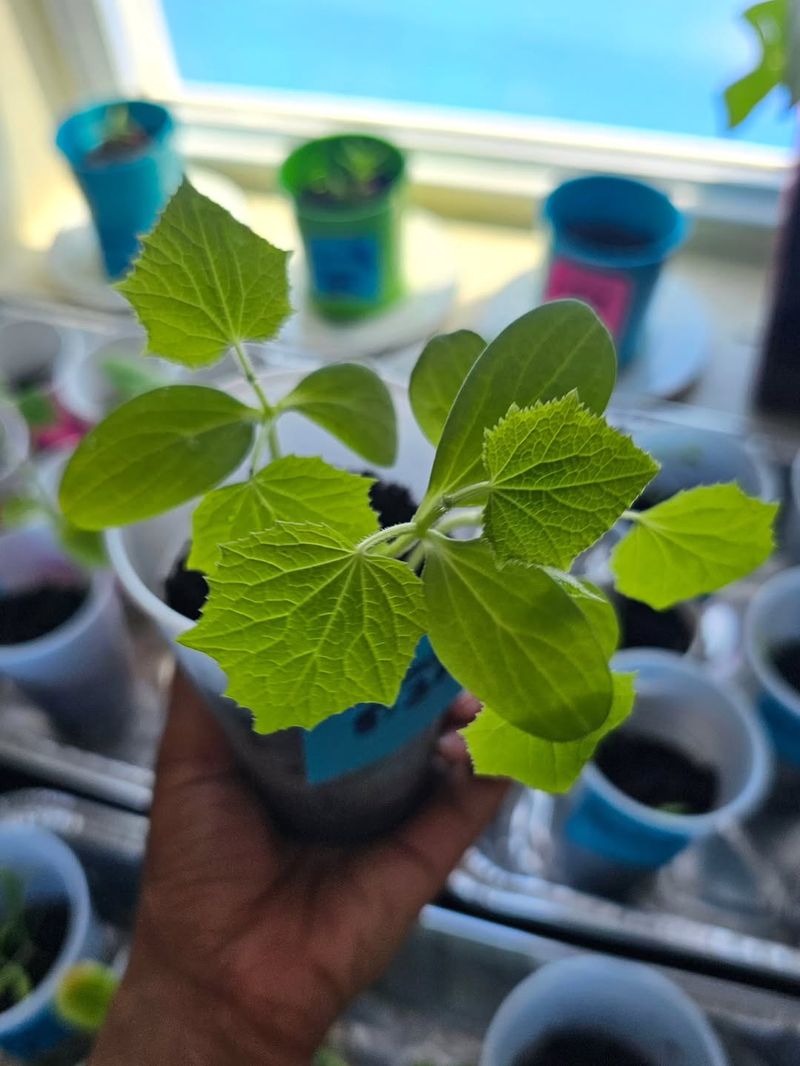
Not everyone can step outside at 4 in the afternoon, and that is completely fine. Early evening, roughly between 6 and 8 p.m., can be just as good a window for transplanting seedlings when Michigan is going through a hot, dry stretch.
Michigan State University recommends planting in late afternoon or evening specifically when hot, sunny, and dry weather is expected, and that advice holds up well in real garden conditions.
By early evening, the direct sun has lost most of its intensity. Seedlings moved at this time face far less immediate stress compared to anything planted in the heat of the day.
The air is usually a bit calmer too, with less wind to pull moisture out of tender leaves before roots even have a chance to settle into the soil.
Your Michigan Garden Changes Every Week. Your Plan Should Too.
Gardening in Michigan changes quickly throughout the season. Every Friday you’ll receive a simple weekly plan showing exactly what to plant, prune, fertilize, harvest, and protect so you never miss the right timing.
One thing to keep in mind is finishing up early enough to water plants in thoroughly before it gets dark. Watering in the evening is generally fine for most vegetables and annual flowers, but you want the water to actually reach the roots before night falls.
Rushing the watering step or skipping it entirely because it got late can leave seedlings stressed and dry overnight.
Early evening transplanting works especially well during heat waves when late afternoon still feels brutally hot. If temperatures stay above 85 degrees well into the evening, try to wait until the thermometer drops a bit before heading out.
Seedlings are resilient, but giving them even a small window of cooler air to adjust in makes a noticeable difference in how well they bounce back within the first couple of days.
3. Midday Is The Worst Choice
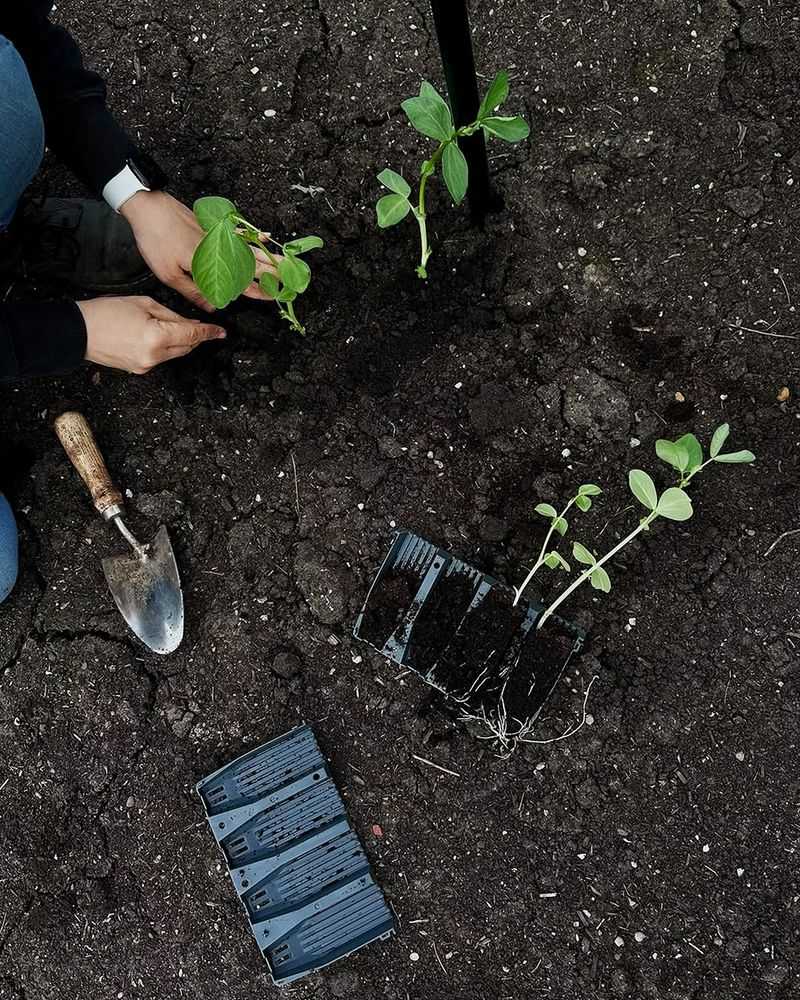
Picture this: it is noon in July, the sun is directly overhead, the soil surface is almost too hot to touch, and someone is trying to tuck a flat of tomato seedlings into the ground. That scenario is a recipe for stressed, struggling plants.
Midday is, without question, the worst time to transplant seedlings during Michigan summers.
The problem is not just the air temperature. Direct overhead sun hits seedlings from every angle, pulling moisture out of tender leaves faster than roots can replace it.
Hot soil surfaces can actually damage fine root hairs before plants even get a chance to establish. Add any wind into the mix, and seedlings face a triple threat of heat, sun, and moisture loss all at once.
Vegetables and annual flowers that were grown in trays or small pots are especially vulnerable during midday moves.
They have been living in a somewhat sheltered environment, and suddenly exposing them to full summer sun at its peak intensity is a shock to their system.
Even if you water generously right after planting, the midday sun can evaporate that moisture from the soil surface surprisingly fast.
Some gardeners try to power through midday planting because it fits their schedule, and sometimes plants do survive. But survival and thriving are two very different things.
Seedlings transplanted at noon often spend the first week just recovering rather than growing.
Waiting even a few hours until late afternoon takes almost no extra effort and dramatically improves the odds that your seedlings will settle in strong, healthy, and ready to grow through the rest of the summer season.
4. Cloudy Days Are Even Better Than Sunny Ones
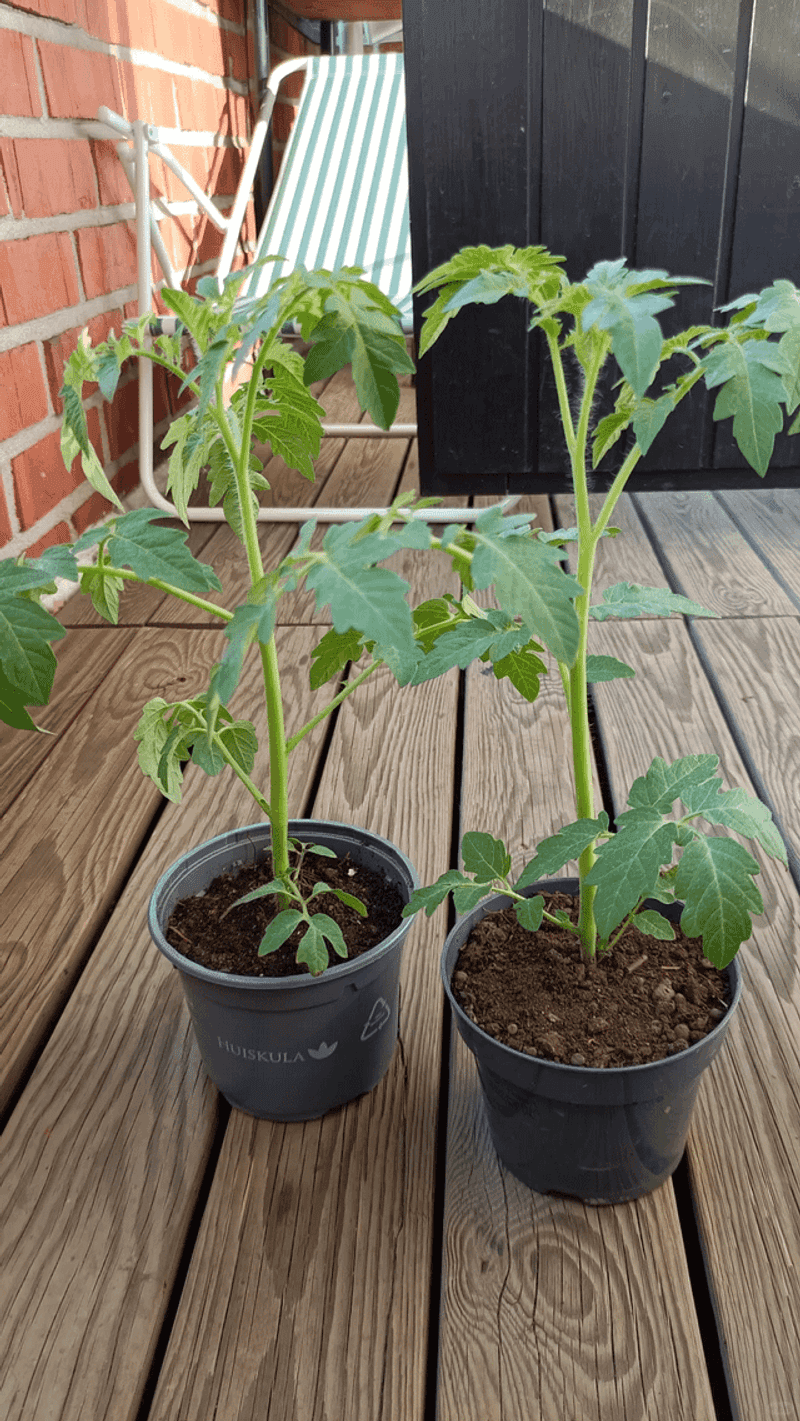
Here is a gardening tip that surprises a lot of people: an overcast summer day might actually be the best possible time to transplant seedlings in Michigan, even better than a sunny late afternoon.
When clouds roll in and filter out that direct sunlight, young plants face significantly less stress during the move, no matter what time of day it happens to be.
Cloud cover works like a natural shade cloth stretched across the entire sky. Light intensity drops considerably, which means seedlings lose moisture through their leaves much more slowly.
Roots have more time to start connecting with the surrounding soil before the plant faces any real environmental pressure. That gentler start can make a noticeable difference in how quickly seedlings recover and begin actively growing.
Michigan summers bring plenty of partly cloudy days mixed in between the heat waves, and those overcast windows are worth watching for. If the forecast shows a cloudy morning or afternoon, take advantage of it.
You can transplant earlier in the day than you normally would on a sunny day without worrying as much about sun stress on tender leaves. One important thing to check, though, is what comes after the clouds.
If the forecast shows a scorching hot sunny day following your planting day, make sure to water deeply after transplanting and consider adding a temporary shade cover for the next afternoon.
Also, keep in mind that cloudy does not mean cool. Michigan can have warm, humid overcast days in July and August, so watering well after planting remains just as essential on cloudy days as it is on bright sunny ones.
5. Harden Seedlings Before The Move
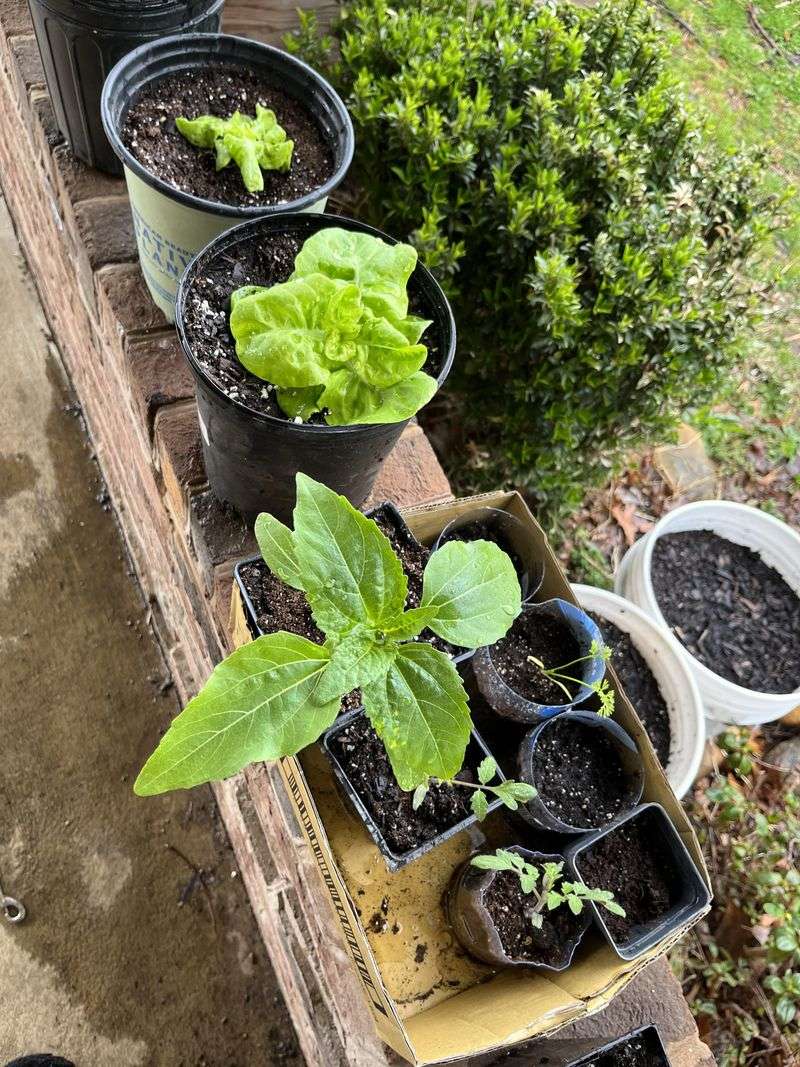
Timing your transplanting for late afternoon or a cloudy day helps a lot, but there is one step that matters even more: hardening off your seedlings before they ever go in the ground.
Without proper hardening, even perfectly timed transplanting can leave plants struggling to adjust to outdoor conditions.
Michigan State University recommends hardening plants before transplanting so they can gradually adjust to sun, wind, shifting temperatures, and outdoor moisture levels.
Hardening off is the process of slowly introducing indoor-grown seedlings to the outside world over the course of about one to two weeks.
You start by setting them outside for just an hour or two in a shaded, sheltered spot, then gradually increase their outdoor time each day.
Think of it like getting ready for a big athletic event. You would not sprint a marathon on day one of training.
Seedlings need the same kind of gradual preparation before facing full Michigan summer conditions on their own. Without it, leaves can develop sun scorch, stems can get wind-burned, and plants can lose moisture faster than their roots can handle.
By the time a properly hardened seedling goes into the ground, it has already experienced real sunlight, outdoor breezes, and temperature swings. The actual transplanting day becomes far less of a shock to the plant.
Roots settle in more confidently, and the plant can focus energy on growing rather than just surviving the adjustment.
Hardening off takes patience, but it is one of the highest-value steps any Michigan gardener can take before summer planting season hits full swing.
6. Water Before And After Transplanting
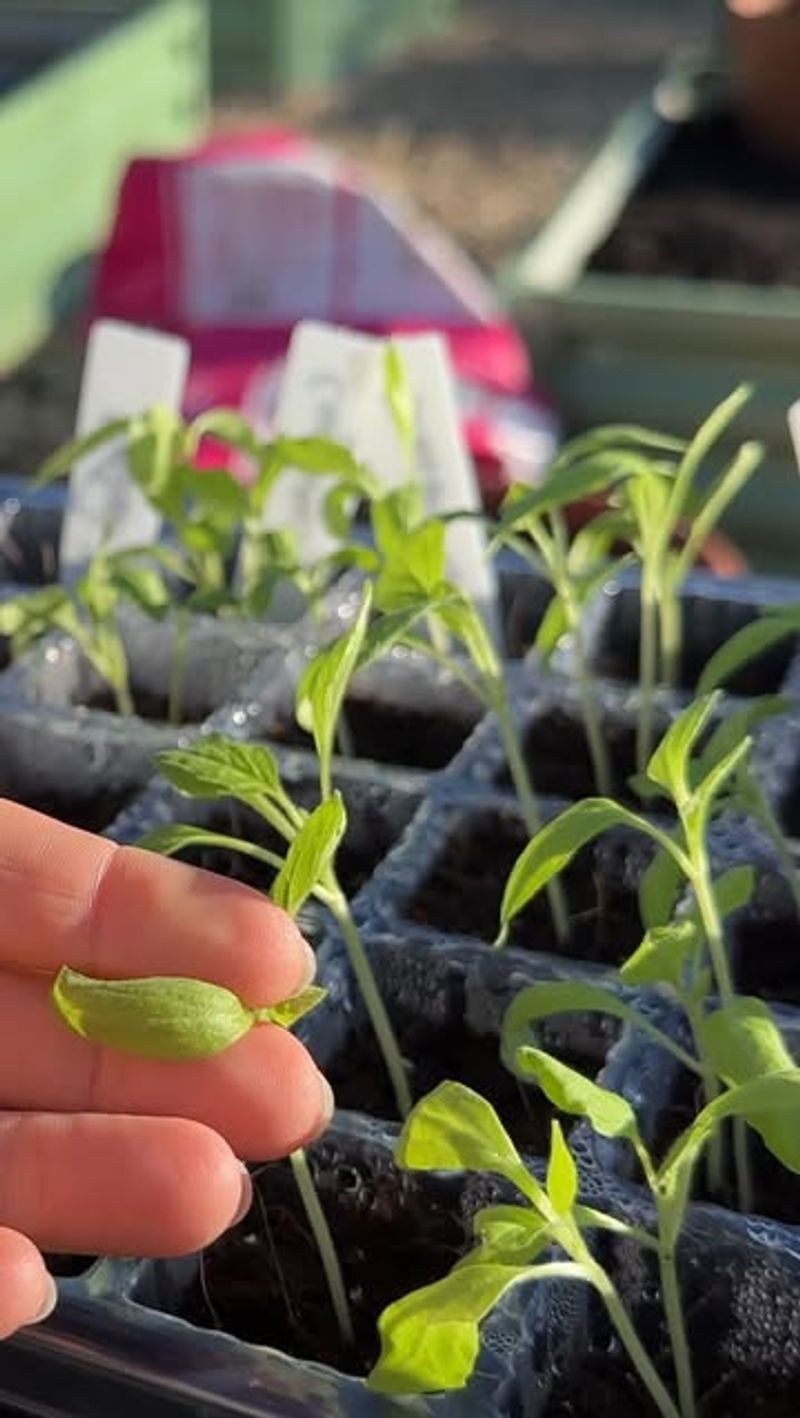
Watering might seem like an obvious step, but the timing and method of watering around transplanting day genuinely changes how well seedlings settle in.
A lot of gardeners focus on watering after planting and forget that watering before the move matters just as much, sometimes even more.
Starting with a well-watered seedling makes a real difference. When the root ball is moist before you remove the plant from its tray or pot, it holds together much better during handling.
Dry root balls tend to crumble and fall apart, exposing fine roots to air and heat during the move. Those exposed roots can dry out in just a few minutes on a warm summer afternoon, which sets the plant back before it even gets into the ground.
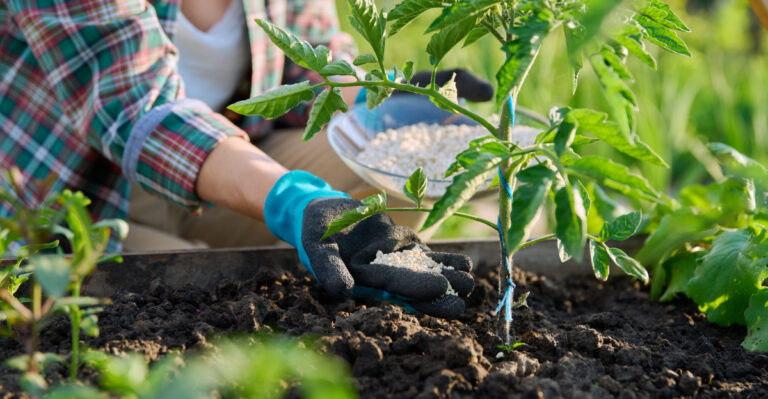
After planting, water thoroughly and slowly so moisture reaches all the way down to the bottom of the root ball and into the surrounding soil.
This helps eliminate air pockets around the roots and gives seedlings immediate access to the water they need to start recovering from the move. A quick splash on the surface is not enough on a hot day.
For the first week or two after transplanting, keep the soil evenly moist but not waterlogged. Michigan summers can swing between rainy stretches and dry heat waves, so check the soil regularly rather than sticking to a fixed watering schedule.
Sticking your finger an inch into the soil is the easiest way to check. If it feels dry at that depth, it is time to water again.
Consistent moisture during establishment is one of the simplest ways to help seedlings grow strong roots quickly.
7. Add Temporary Shade During Heat Waves
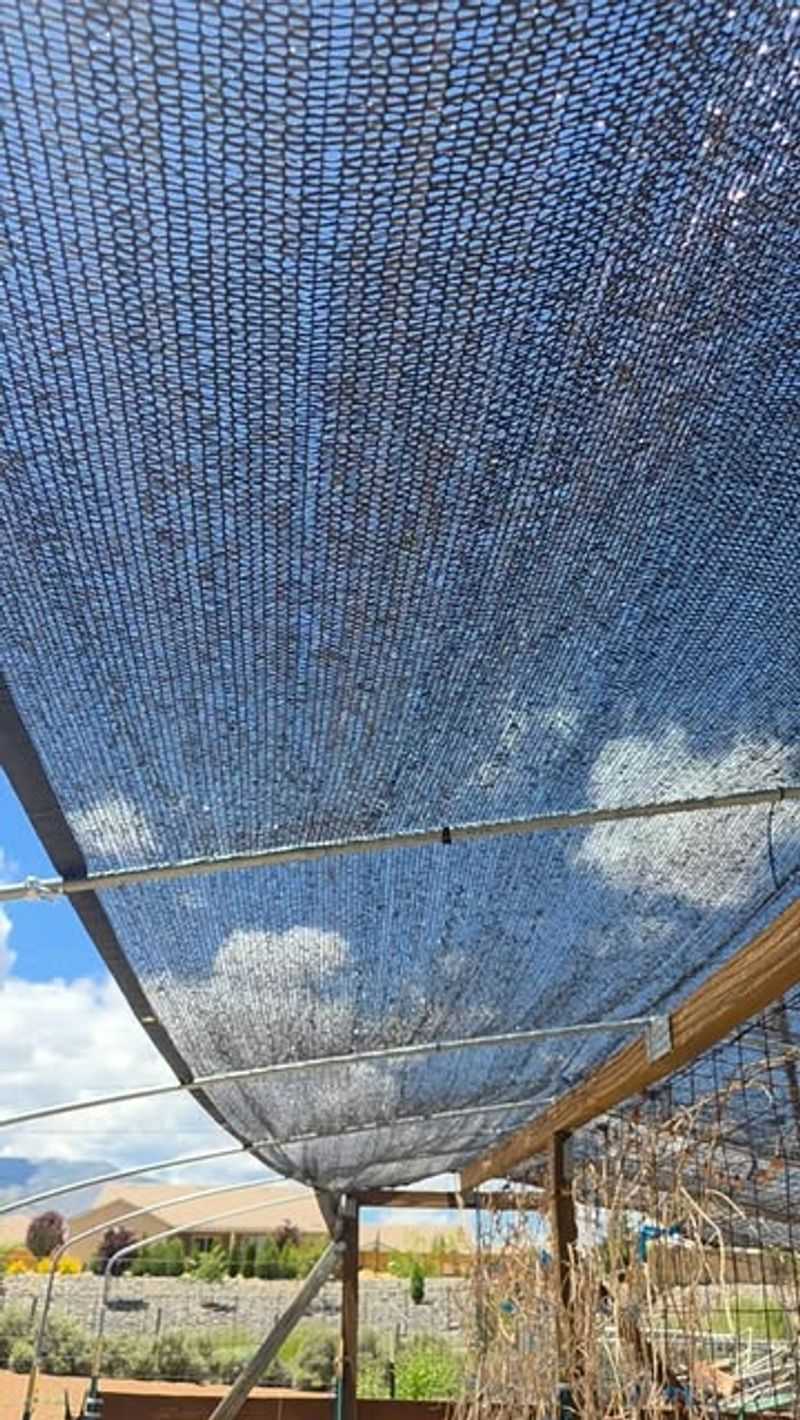
Even when you do everything right, timing your transplanting for late afternoon, hardening your seedlings, and watering thoroughly, a sudden heat wave in the days after planting can still put serious stress on newly settled plants.
That is exactly when a little temporary shade becomes one of the smartest tools in a gardener’s toolkit.
Shade cloth is the most practical option. It comes in different densities, and a 30 to 40 percent shade cloth works well for most vegetables and annual flowers during the first couple of days after transplanting.
You can drape it over simple wire hoops or stakes to keep it from resting directly on tender leaves. Lightweight row cover fabric works in a similar way and has the added bonus of holding in a bit of moisture around the plants.
No shade cloth on hand? A board propped carefully on the sunny side of a newly planted seedling can block the harshest afternoon rays without blocking all available light.
Even a cardboard box with the bottom removed and set over a plant for a few hours during peak afternoon sun can give roots extra time to settle in before facing full summer intensity.
The key word in all of this is temporary. Seedlings need sunlight to grow, and keeping them shaded for too long slows down photosynthesis and can actually weaken the plant over time.
Two to three days of afternoon shade during a heat wave is usually plenty. Once you see new leaf growth starting to emerge, that is a strong sign the seedling has established well enough to handle Michigan summer sun fully on its own terms.