The Best Time Of Day To Water Peppers In Michigan During Peak Summer Heat
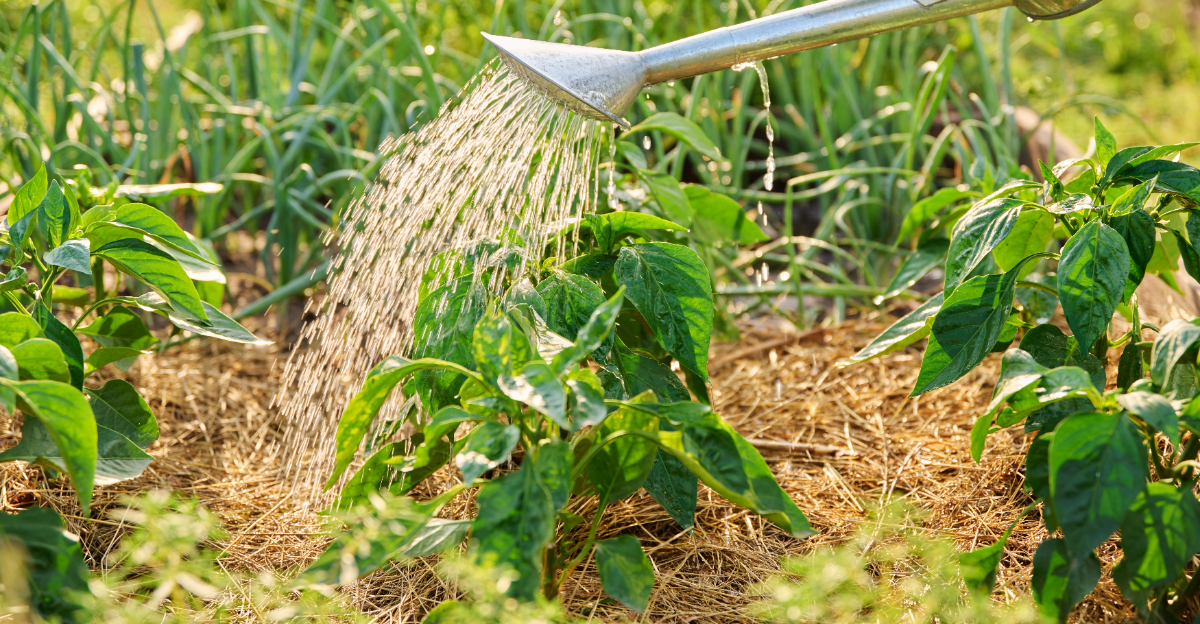
Peppers are particular about water in ways that other vegetables in a Michigan garden are not, and peak summer heat makes that particularity matter more than it does earlier in the season.
The time of day you water peppers affects how much reaches the roots, how long it stays available, and whether the foliage dries enough to resist mid-summer fungal pressure. Getting the timing right does not require more water or more frequent watering.
It requires delivering the same water at the moment the plant is best positioned to use it, which changes everything about how peppers perform through the hottest stretch of the Michigan growing season.
1. Early Morning Is Best
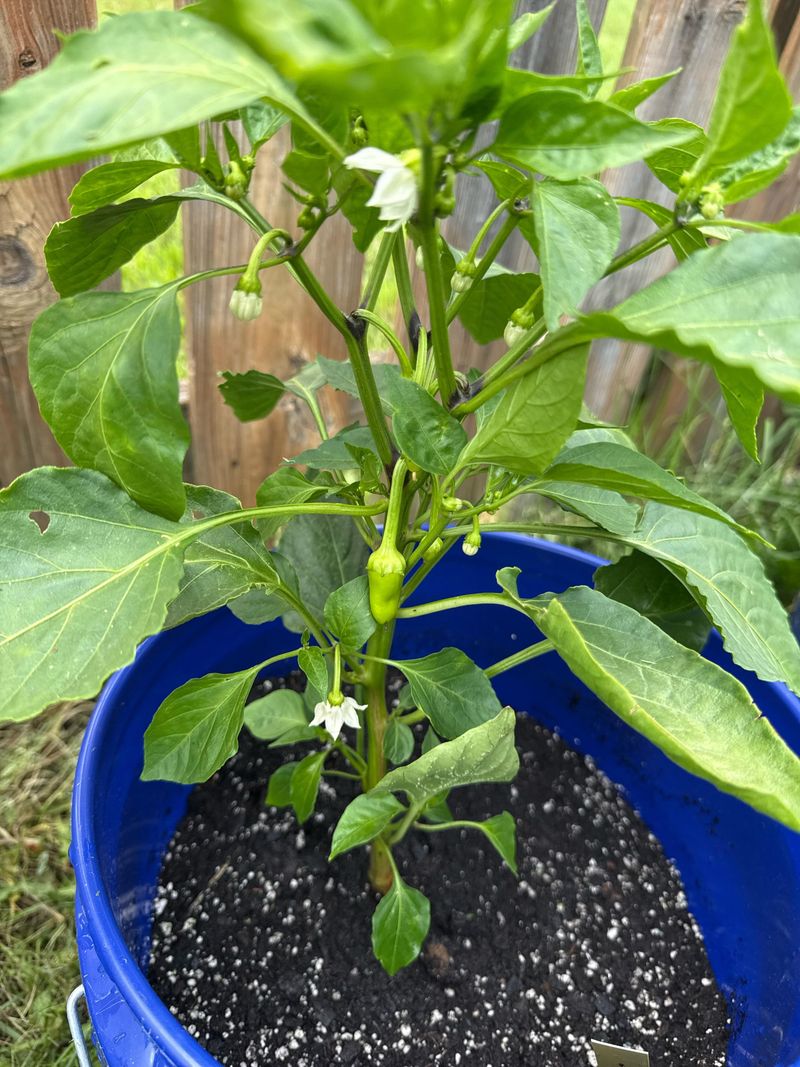
Something almost magical happens in the garden during those first quiet hours of the morning. The air is cooler, the soil is still holding overnight moisture, and your pepper plants are ready to soak up everything you give them before the day heats up.
Watering early, ideally between 6 and 9 a.m., gives moisture the best possible chance to travel deep into the root zone before the sun climbs high and starts pulling water back out of the ground.
Pepper roots are surprisingly active in the morning, drawing up water and nutrients as the plant prepares for a full day of growth. When you water before the heat kicks in, you are giving roots a head start.
The water settles in rather than vanishing into the air before it can do any real good.
Michigan summers, especially in July and August, can push afternoon temperatures well above 85 degrees Fahrenheit. On those days, every bit of morning moisture counts.
Plants that are well-hydrated early in the day handle afternoon heat far better than plants that are already stressed from dry soil.
Early morning watering also means leaves have time to dry naturally as the sun rises, which helps keep foliage healthier overall.
Wet leaves sitting in shade or under cool overnight air can sometimes lead to fungal issues, but morning sun quickly takes care of any moisture that lands on the plant.
Starting your watering routine with the sunrise is one of the simplest and most effective habits any pepper grower can build.
2. Midday Watering Wastes More Moisture
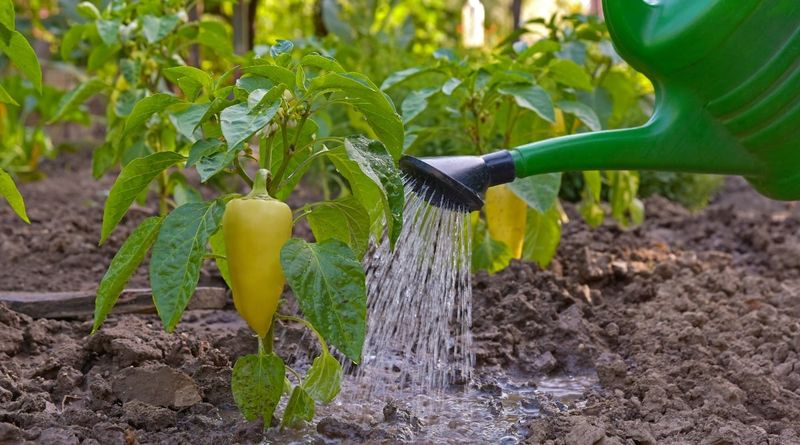
Picture pouring a glass of water onto a hot sidewalk in the middle of a summer afternoon. It disappears almost instantly.
That same principle applies when you water your pepper plants during the hottest part of the day, usually between 11 a.m. and 3 p.m., when temperatures peak and the sun beats down hardest.
During these hours, evaporation rates shoot up dramatically. Water sitting on top of the soil or clinging to leaves can vanish before it ever gets a chance to sink down to where roots are waiting.
You end up using more water while delivering less of it to the plant, which is both wasteful and frustrating when you are trying to keep peppers healthy through a long, hot Michigan summer.
Beyond moisture loss, midday watering can also put temporary stress on pepper plants. When cold water from a hose hits hot soil and warm leaves, it creates a sudden temperature shock.
Your Michigan Garden Changes Every Week. Your Plan Should Too.
Gardening in Michigan changes quickly throughout the season. Every Friday you’ll receive a simple weekly plan showing exactly what to plant, prune, fertilize, harvest, and protect so you never miss the right timing.
Pepper plants prefer steady, comfortable conditions, and that kind of jolt mid-afternoon is not doing them any favors.
There is also the practical matter of your own comfort. Standing in a garden at noon in late July, holding a hose in full sun, is no one’s idea of a good time.
Saving your watering for early morning not only helps your plants thrive but also makes the whole gardening experience more enjoyable.
Efficiency matters in the garden, and skipping midday watering is one of the easiest ways to get more results from less effort all summer long.
3. Evening Watering Can Leave Plants Damp Overnight
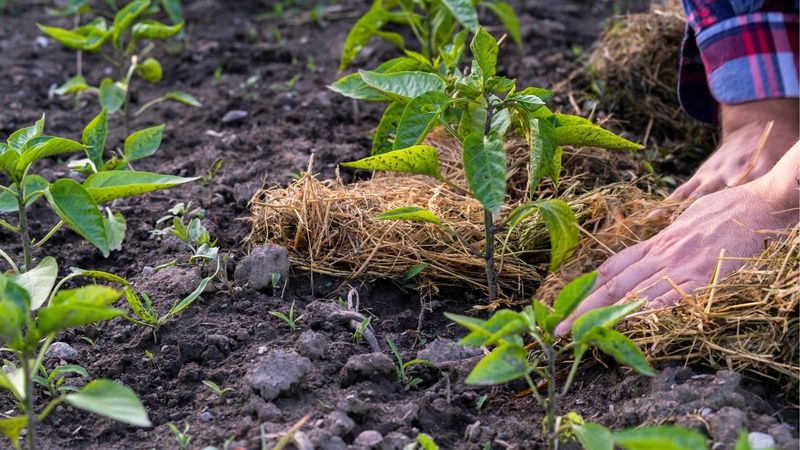
Evening watering feels appealing after a long, hot Michigan summer day. The temperature has dropped, the sun is lower, and it seems like a relaxing way to wrap up time in the garden.
For many gardeners, it becomes a habit almost by accident, and while it is certainly better than skipping watering altogether, it does come with a few real drawbacks worth knowing about.
The biggest concern with watering peppers late in the day is that moisture can linger on leaves and the soil surface overnight.
When foliage stays damp for hours in the dark, it creates a more inviting environment for fungal issues like powdery mildew or leaf spot, both of which can spread quickly on pepper plants during warm, humid Michigan summers.
Overhead sprinklers are especially problematic because they coat the entire plant in water right before the sun goes down.
If evening is truly your only option, there is a smart workaround. Water at the base of your plants rather than spraying from above.
Using a drip line, soaker hose, or even just a slow stream from a hand-held hose aimed directly at the soil keeps the leaves dry while still delivering moisture to the roots where it is needed most.
Watering at the base in the evening can actually work reasonably well because evaporation rates are lower and the water has all night to slowly soak down into the root zone.
Just keep the leaves out of it, and your evening watering sessions can still support healthy, productive pepper plants throughout the season.
4. Soil Level Watering Is The Smartest Method
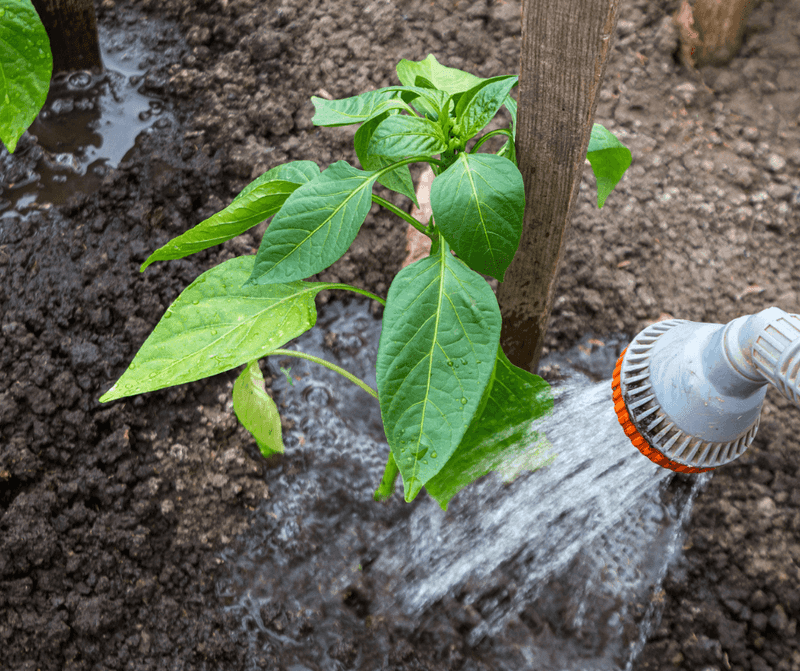
Ask any experienced Michigan gardener what one change made the biggest difference in their pepper harvest, and a good number of them will mention switching to soil-level watering.
It sounds like a small shift, but directing water straight to the root zone instead of spraying it across the whole plant changes everything about how efficiently your garden uses moisture.
Drip irrigation systems and soaker hoses are the gold standard for this approach. They deliver water slowly and steadily right where roots can grab it, with almost no waste to evaporation and no wet leaves to worry about.
Setting up a simple drip line along a row of pepper plants takes maybe an hour, and the payoff lasts the entire growing season. Even a basic soaker hose snaked around your plants can make a huge difference compared to overhead sprinkler watering.
For gardeners who prefer hand watering, the method still works well. Simply aim the water stream low and close to the base of each plant, letting it soak in slowly rather than rushing from plant to plant.
Taking your time and allowing the water to penetrate rather than run off means fewer watering sessions overall because the moisture actually reaches the roots.
Keeping leaves dry also matters more than many gardeners realize. Wet foliage under humid Michigan summer conditions can invite problems that spread fast and set plants back at the worst possible time.
Soil-level watering is a straightforward, practical habit that costs nothing extra but pays off in healthier plants, stronger root systems, and a much more satisfying pepper harvest when August rolls around.
5. Consistent Moisture Protects Fruit Quality
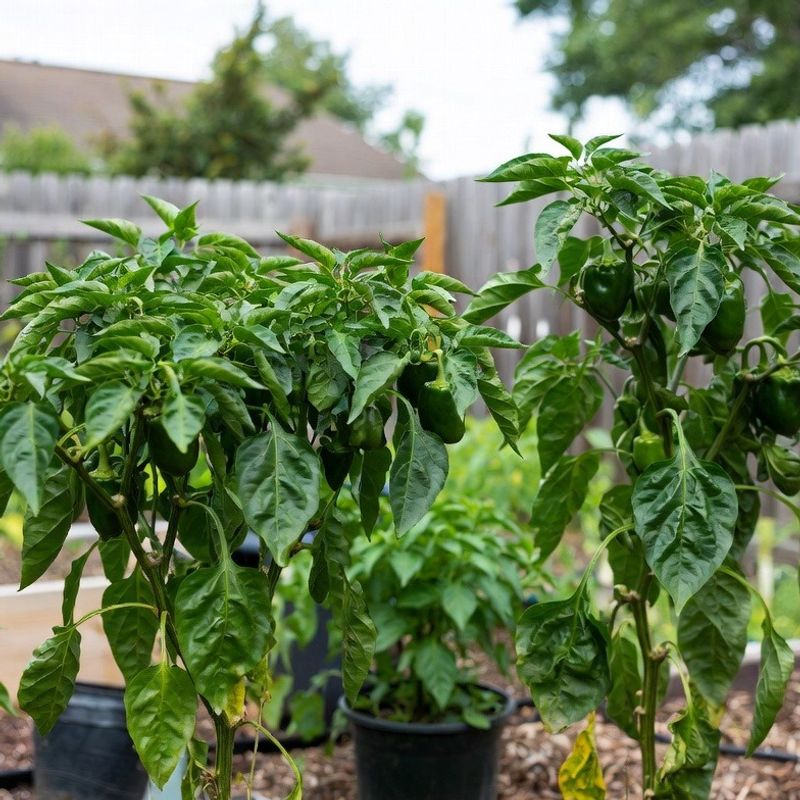
Few things are more discouraging than watching a pepper plant full of small fruits suddenly drop blossoms or develop misshapen, cracked peppers.
Inconsistent watering is one of the most common reasons this happens, and Michigan gardeners dealing with peak summer heat are especially vulnerable to this problem when busy schedules or unexpected hot spells throw off a regular watering routine.
Pepper plants need steady moisture throughout the growing season, but they are especially sensitive during flowering and early fruit development.
When soil moisture swings wildly between soaking wet and bone dry, plants experience stress that can interrupt pollination and cause young fruit to develop poorly.
A condition called blossom end rot, which shows up as a dark, sunken spot on the bottom of the pepper, is directly linked to inconsistent watering affecting how plants absorb calcium from the soil.
The goal is not to keep the soil soggy but to maintain even, consistent moisture from one watering to the next. Checking the soil about an inch or two down before watering helps you stay on track.
If it still feels moist, wait another day. If it feels dry, it is time to water thoroughly. Building a simple watering schedule that matches summer heat patterns makes consistency much easier.
Most pepper plants in Michigan need water every two to three days during hot stretches, though heavy clay soils may hold moisture longer and sandy soils may need more frequent attention.
Staying consistent is one of the most powerful things you can do to improve both the quantity and quality of your pepper harvest.
6. Deep Watering Beats Light Sprinkling
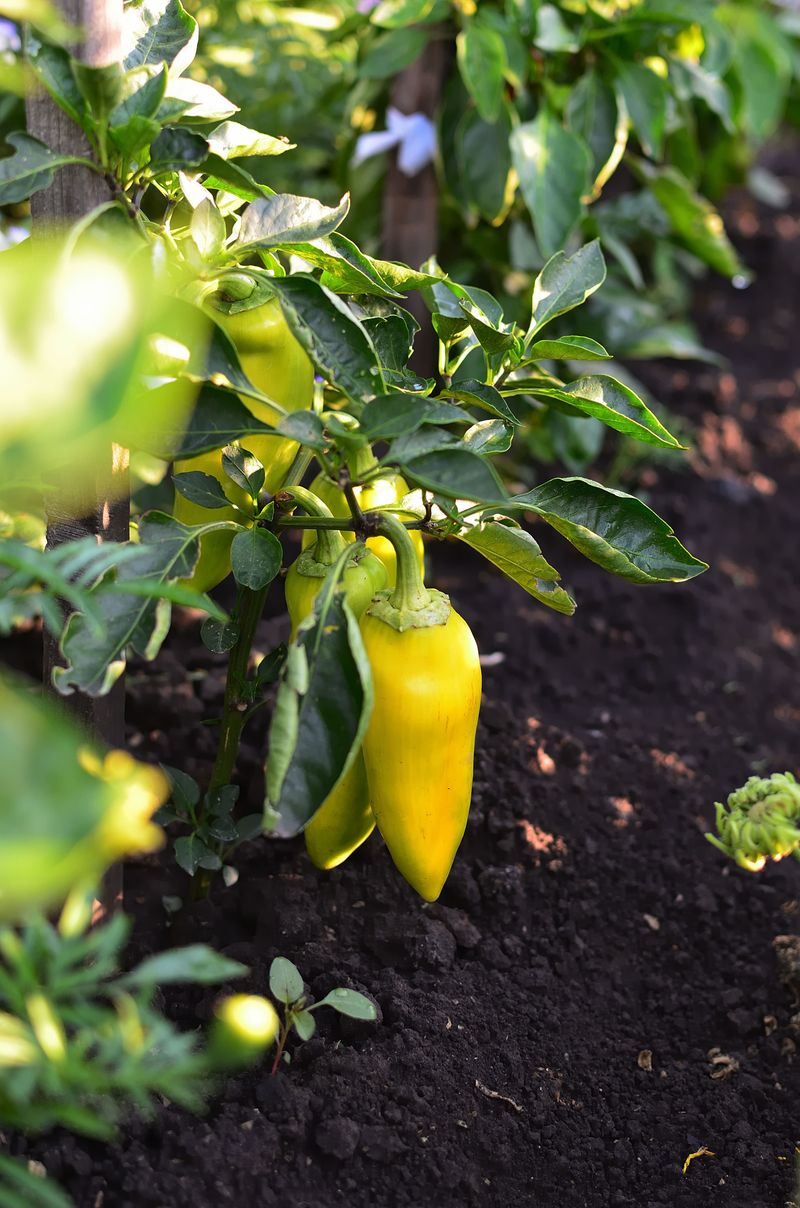
Quick, shallow watering sessions might feel like you are getting the job done, but your pepper plants are telling a different story underground. When you only wet the top inch or two of soil, roots have no reason to grow deeper.
They stay close to the surface, and shallow roots are far more vulnerable to the stress that comes with Michigan’s intense summer heat waves.
Deep watering encourages roots to chase moisture down into cooler, more stable layers of soil. A plant with a strong, deep root system can handle a hot day or even a missed watering session much better than one with roots clustered near the surface.
The difference in resilience between deeply rooted and shallowly rooted pepper plants becomes obvious during the hottest weeks of July and August.
A good rule of thumb is to water slowly and thoroughly until moisture reaches at least six to eight inches down into the soil. You can check this by pushing a finger or a thin wooden dowel into the ground after watering to feel where the moisture ends.
At first, it might surprise you how far down the water needs to go to actually benefit the root zone.
After a deep watering session, let the top inch or two of soil dry out before watering again. This cycle of deep watering followed by a drying period actually trains roots to grow downward in search of moisture, building a stronger, more self-sufficient plant over time.
Fewer, deeper watering sessions are almost always better for Michigan pepper plants than daily light sprinkles that never quite reach where they need to go.
7. Mulch Helps Morning Water Last Longer
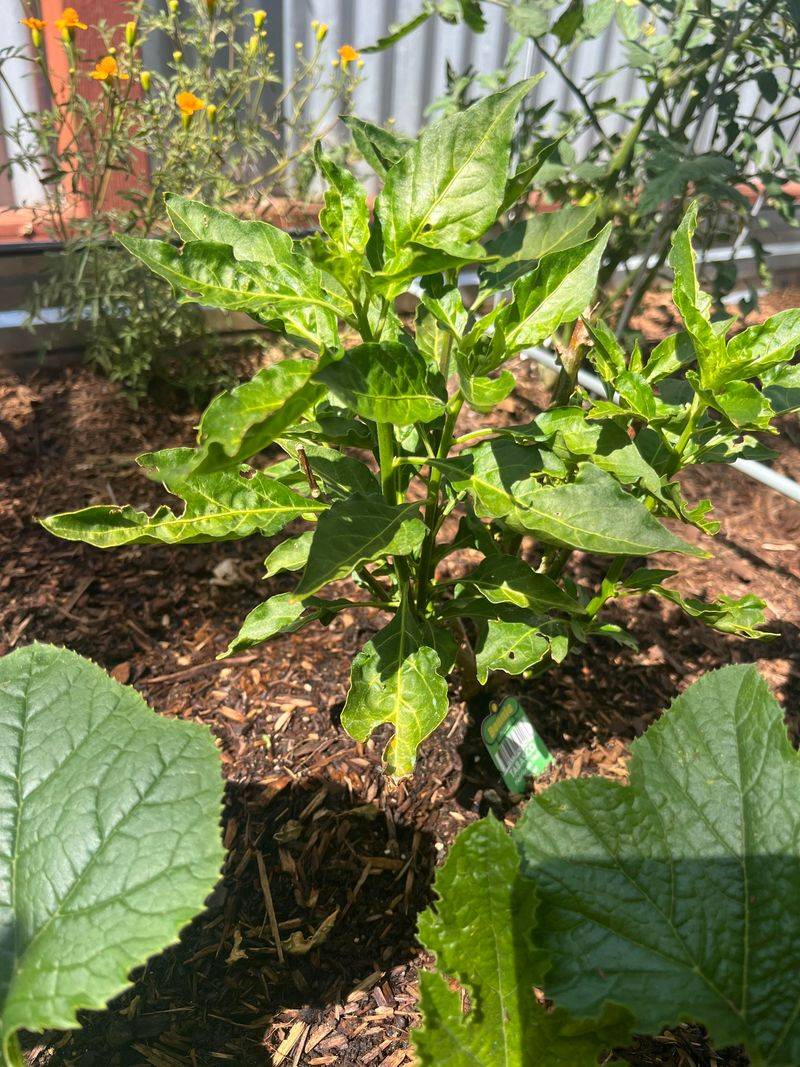
Early morning watering is already the smartest move for Michigan pepper growers, but pairing it with a good layer of mulch takes that strategy to a whole new level.
Mulch acts like a protective blanket over the soil, slowing down evaporation so that the moisture you deliver at sunrise is still available to roots hours later when afternoon heat is at its worst.
Straw is one of the most popular mulch choices for vegetable gardens because it is affordable, easy to spread, and breaks down slowly over the season.
Shredded leaves from the previous fall work beautifully too, especially since many gardeners already have them on hand.
Compost spread a few inches thick around the base of pepper plants does double duty, holding moisture while also feeding the soil as it breaks down. Any of these options will make a noticeable difference during the peak heat of July and August.
Beyond saving water, mulch also helps regulate soil temperature, which matters a great deal for pepper plants.
Soil under a layer of mulch can stay several degrees cooler than bare soil on a hot Michigan afternoon, and cooler soil means roots stay more comfortable and active even when surface temperatures are blazing.
Mulch also suppresses weeds that would otherwise compete with your peppers for water and nutrients. Spreading a two to three inch layer around your plants right after morning watering creates conditions that support healthy growth all season.
It is one of the lowest-effort, highest-reward steps any Michigan pepper gardener can take to make their watering routine work harder from the very first hour of the day.