What To Do For Your Fescue Lawn Before Maryland’s Summer Peaks

Your fescue is putting on a good show right now, deep green and thick enough to hide a golf ball. Don’t get too comfortable.
Maryland summers have a nasty habit of flipping the script fast, and tall fescue simply wasn’t built for the kind of heat that settles over the state by mid-July.
Once temperatures push past 90 and stay there, this cool-season grass starts shutting down root growth just to keep up, and a lawn that looked flawless in May can turn crispy and bald within weeks.
The frustrating part? Most of the damage traces back to what didn’t happen in spring, not what went wrong in summer.
Skip the right prep work now and you’re basically betting your lawn on a mild season, which Maryland rarely delivers.
Handle a few things before the heat rolls in, though, and your fescue has a good chance of cruising through August still standing strong.
1. Raise The Mowing Height To 3.5-4 Inches
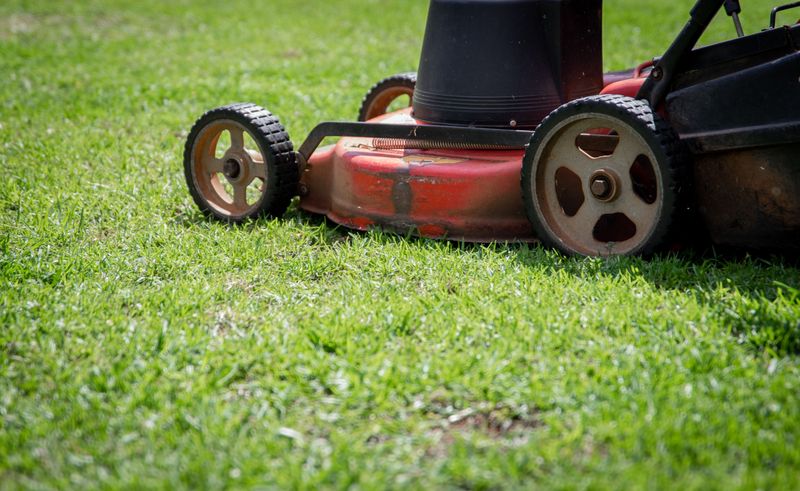
Most people mow too short, and summer has a way of exposing that mistake. Tall fescue needs extra leaf blade length to shade its own root system when heat waves roll through.
Without that cover, the roots underneath are left completely vulnerable right when they need protection most.
Raise the mowing height to 3.5 or 4 inches and the grass starts doing something remarkable: it builds its own natural canopy.
That canopy keeps the soil underneath noticeably cooler and helps it hold moisture longer between waterings, which matters a lot once Maryland stops getting reliable rain.
Short grass in summer puts your whole lawn to the test, and it rarely comes out ahead. Exposed soil heats up fast, dries out even faster, and turns into an open invitation for weeds looking to move in.
Taller blades, on the other hand, photosynthesize more efficiently. That extra energy gets funneled into deeper root growth, and deeper roots translate directly into better resilience once August heat settles in and refuses to let up.
Before your next cut, take a minute to check your mower deck height. Most mowers have a simple lever or dial near each wheel that lets you adjust it up or down.
Set it once, then leave it alone for the rest of the season. Consistency beats perfection here.
If your mower tops out at 3 inches, think about upgrading or borrowing one with a higher range. That extra half-inch can genuinely reshape how your lawn handles the months ahead.
2. Sharpen Mower Blades For Clean Cuts

A dull blade tears grass instead of cutting it, and that torn edge creates a point of stress the plant has to work to repair.
Fescue already stressed by summer heat simply cannot afford extra damage every time you mow. It’s one more thing working against a plant that’s already fighting to hold on.
Sharp blades let grass tips heal fast and stay green. Dull ones leave ragged, brown-tipped grass that looks chewed rather than trimmed, and that damage adds up fast over a season of weekly cuts.
Your Maryland Garden Changes Every Week. Your Plan Should Too.
Gardening in Maryland changes quickly throughout the season. Every Friday you’ll receive a simple weekly plan showing exactly what to plant, prune, fertilize, harvest, and protect so you never miss the right timing.
Beyond looks, torn grass becomes an easy target for fungal infections. Warm, humid Maryland summers create ideal conditions for lawn disease, and a rough cut basically rolls out the welcome mat for those pathogens to move in.
Sharpening your blade is simpler than most people assume. Remove the blade, clamp it in a vise, and use a metal file or angle grinder to restore the original bevel angle.
Aim for a sharp edge, not a razor edge. A blade that’s too thin chips easily against rocks or hidden roots in your turf.
Most blades need sharpening every 20 to 25 hours of mowing, though sandy or debris-heavy soil can shorten that interval.
If you’re cutting weekly, that works out to roughly once a month during peak growing season. Keep a spare blade on hand so you can swap it in right away and sharpen the dull one later, at your own pace.
A sharp blade is one of the easiest ways to keep your fescue lawn in good shape before Maryland summer hits full force.
3. Water Deeply And Infrequently, About 1 Inch Weekly
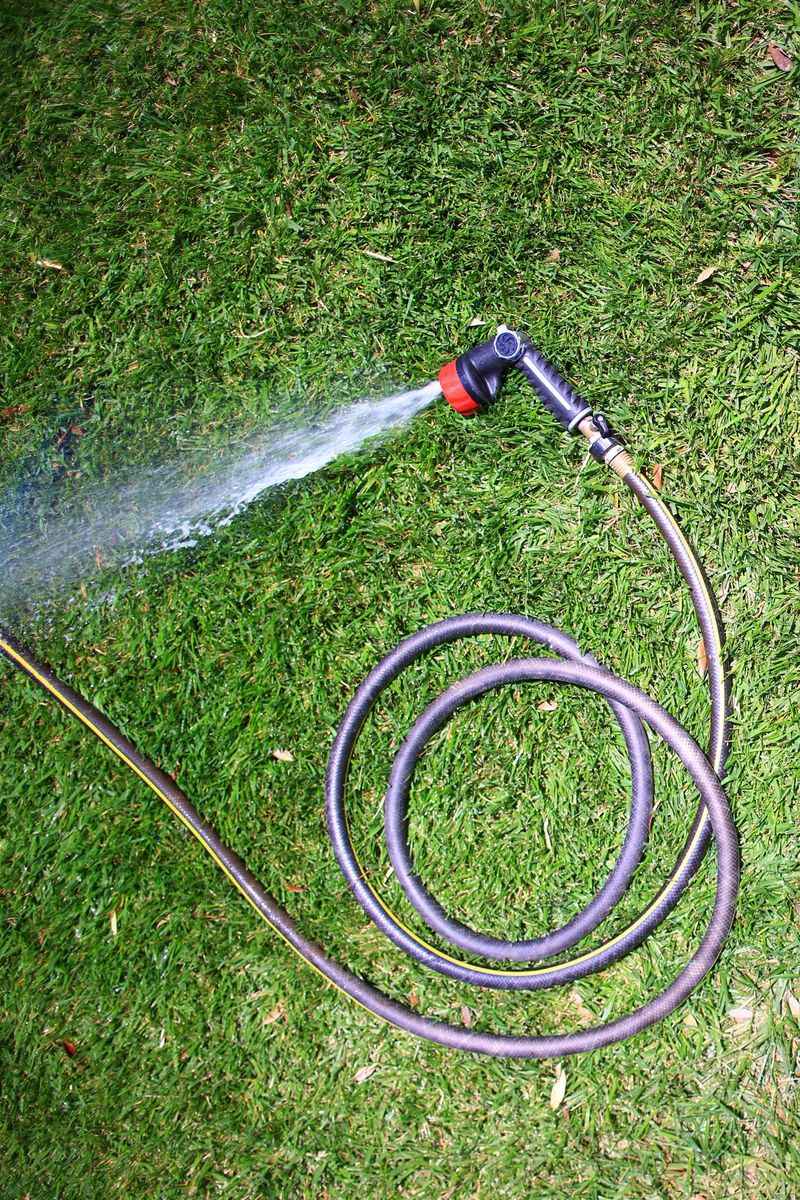
Frequent shallow watering is one of the biggest mistakes homeowners make with fescue. Light, daily watering trains roots to stay near the surface, exactly where summer heat does the most damage.
It feels productive, but it’s actually setting your lawn up to struggle. Deep watering once or twice a week pushes roots downward, sending them chasing moisture in cooler soil layers below.
That underground depth becomes your lawn’s best defense once Maryland’s July and August temperatures really start pressing down.
The target is about 1 inch of water per week, rainfall included. A simple rain gauge near your lawn takes the guesswork out of figuring out what nature has already covered.
Timing matters too. Water early in the morning, ideally between 4 and 9 a.m. Morning watering gives grass blades time to dry out before nightfall, which cuts down fungal disease risk significantly.
Evening watering, on the other hand, leaves moisture sitting on the grass overnight, and that’s practically an invitation for mold and mildew to settle in.
Not sure if you’re hitting that 1-inch mark? Place a tuna can on the lawn while the sprinkler runs. Once it fills, you’ve reached your target depth.
Adjust your schedule week to week based on rainfall. Overwatering stresses fescue just as much as drought does, and your lawn deserves a balanced approach before Maryland summer really peaks.
4. Avoid Fertilizing With Nitrogen Until Fall
Spreading nitrogen fertilizer on fescue in late spring or early summer is like giving a tired runner an energy drink before a marathon. It pushes fast, weak growth at exactly the wrong time.
Fescue naturally slows down as temperatures rise. Forcing rapid top growth during heat stress puts enormous strain on the plant’s root system.
That surge of new growth also requires more water and is more susceptible to disease. Lush, fast-growing grass sounds great until it wilts and browns in two weeks of dry heat.
The right time to fertilize fescue is early fall, typically between late August and mid-October in this region.
Cooler temps and fall rains give the grass perfect conditions to absorb nutrients and strengthen roots. If your lawn looks pale or thin right now, resist the urge to feed it.
Address watering and mowing height first, because those two factors fix most color and density issues without adding fertilizer stress.
Slow-release fertilizers applied in fall will carry nutrients through the winter and into the next spring. That timing cycle aligns perfectly with how cool-season grasses like fescue naturally grow.
Skipping the summer nitrogen application is one of the smartest moves you can make. Your fescue lawn will thank you once Maryland’s cooler fall temperatures arrive.
5. Skip Aeration And Overseeding Until Cooler Weather
Aeration and overseeding are powerful lawn renovation tools, but timing is everything with fescue. Doing either one in late spring or summer sets your grass up for failure.
Core aeration pulls plugs of soil from the ground, which temporarily stresses the existing turf. In summer heat, that stress compounds quickly and can thin your lawn instead of thickening it.
Overseeding in summer means new seedlings sprout into intense heat with no established root system.
Young fescue seedlings need mild temperatures and consistent moisture to survive their first few weeks. The ideal window for both tasks in this region is mid-August through October.
Soil temperatures are still warm enough for germination, but air temperatures are cooling down to reduce stress.
Fall overseeding also gives new grass the entire cool season to build roots before facing its first summer. That head start makes a dramatic difference in long-term lawn thickness and resilience.
If you aerated last fall, you may not need it again this year. Fescue lawns typically benefit from aeration every one to two years, though heavier clay or compacted soils may need it annually.
Mark your calendar for late August and resist the temptation to dig in now. Patience with your fescue lawn before Maryland’s summer peaks will pay off in a much thicker stand come fall.
6. Check For Grubs And Fungal Disease Early
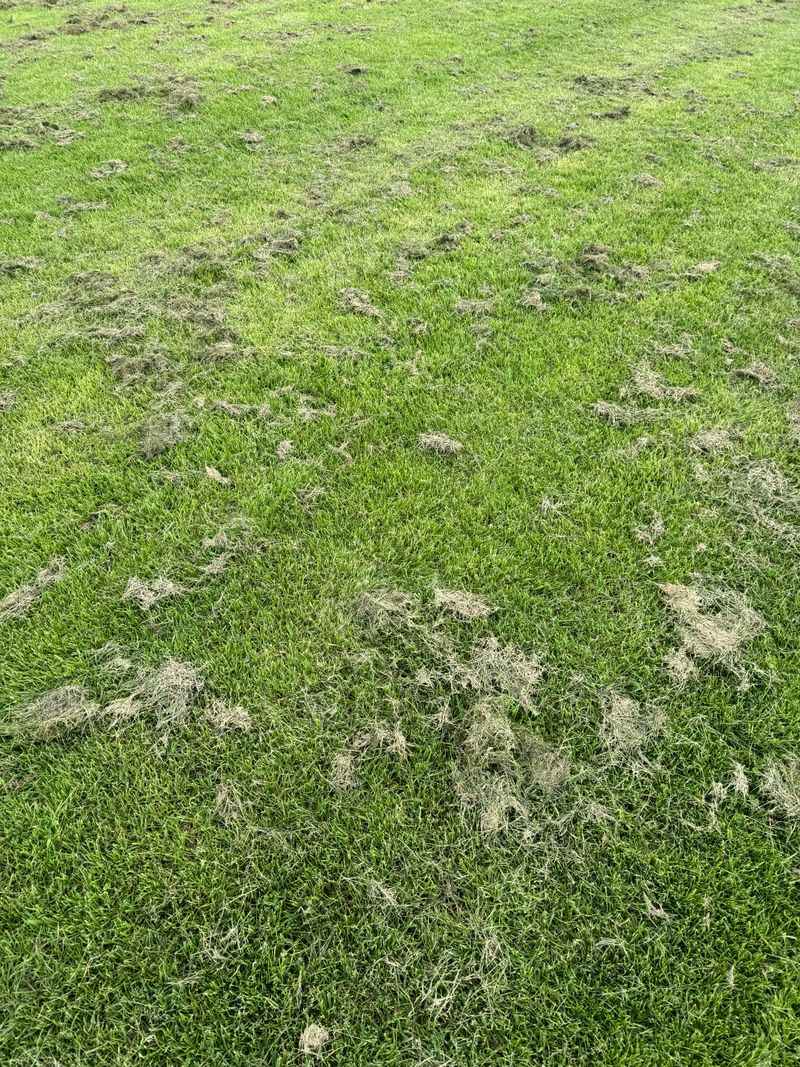
Early detection changes everything when it comes to lawn pests and disease. Catching a grub infestation or fungal outbreak in late spring is far easier to manage than discovering it mid-July.
Grubs are the larvae of beetles like Japanese beetles and June bugs, both common in this region. They feed on grass roots underground, causing patches of turf to pull up like loose carpet.
To check for grubs, cut a one-foot square of sod about three inches deep and count the larvae. Finding five or more grubs per square foot is often cited as the threshold for treatment.
Some experts, though, recommend waiting until closer to eight or ten before acting. Fungal diseases show up as circular brown patches, orange or gray powder on blades, or slimy-looking rings in the turf.
Brown patch and dollar spot are the two most common culprits on fescue during humid summers.
Both diseases thrive when nights stay warm and humid, which describes Maryland from June onward. Proper watering habits and good air circulation are your first line of defense.
If fungal symptoms appear, a labeled fungicide applied early can stop the spread before it affects a larger portion of the lawn. Always read the label and apply according to directions.
Think of this step as your lawn’s annual health checkup. A quick inspection now keeps your fescue lawn strong before Maryland’s summer heat turns minor problems into major headaches.
7. Reduce Foot Traffic On Stressed Areas

Fescue is tougher than it looks, but repeated foot traffic during heat stress is a different story. Compressed, worn turf loses its ability to absorb water and recover between mowing sessions.
When soil gets compacted from constant walking, grass roots struggle to breathe and grow. That compaction also warms the soil faster, adding heat stress on top of physical stress.
High-traffic zones near swing sets, garden paths, or backyard party areas are the most vulnerable. Redirecting foot traffic away from these zones during summer gives the grass a real chance to recover.
Consider placing stepping stones or mulch paths in areas where people naturally walk the same route. A defined path protects the surrounding grass and actually looks intentional and polished.
If you have kids or pets, try rotating play areas throughout the season. Giving worn sections even two weeks of rest can lead to noticeable recovery in healthy fescue turf.
Temporary rope barriers or garden edging can gently guide foot traffic away from stressed patches. You do not need a full fence to protect a struggling section of lawn.
Protecting your turf from unnecessary wear is one of the easiest free steps in summer lawn care. A little planning now keeps your fescue lawn intact before Maryland’s peak summer stress window arrives.
8. Apply Pre-Emergent For Summer Weeds If Needed
Summer weeds like crabgrass and goosegrass are aggressive, and they love the same warm conditions that stress your fescue. Getting ahead of them with a pre-emergent herbicide is smarter than pulling them later.
Pre-emergent products work by creating a chemical barrier in the soil that prevents weed seeds from germinating. They do not eliminate existing plants, so timing before germination is critical.
In this region, crabgrass starts germinating when soil temperatures consistently hit 55 degrees Fahrenheit. That typically happens in late March to early April, so applications in early spring catch the first wave.
If you missed the spring window, a second application in early summer can target late-germinating weeds like spurge and goosegrass.
Always check the product label for reapplication intervals and fescue safety. Granular pre-emergents are easy to apply with a standard broadcast spreader.
Water them in lightly after application to activate the herbicide barrier in the top layer of soil. Be cautious if you plan to overseed in fall.
Some pre-emergents leave residual activity that can prevent fescue seed from germinating, so check the label for re-seeding intervals before applying. Weed pressure is one of the biggest threats to a struggling summer lawn.
Staying proactive with your fescue lawn before Maryland’s summer peaks means fewer weeds competing for water and nutrients all season long.