Start These Florida Fall Vegetables In July Before The Planting Window Closes
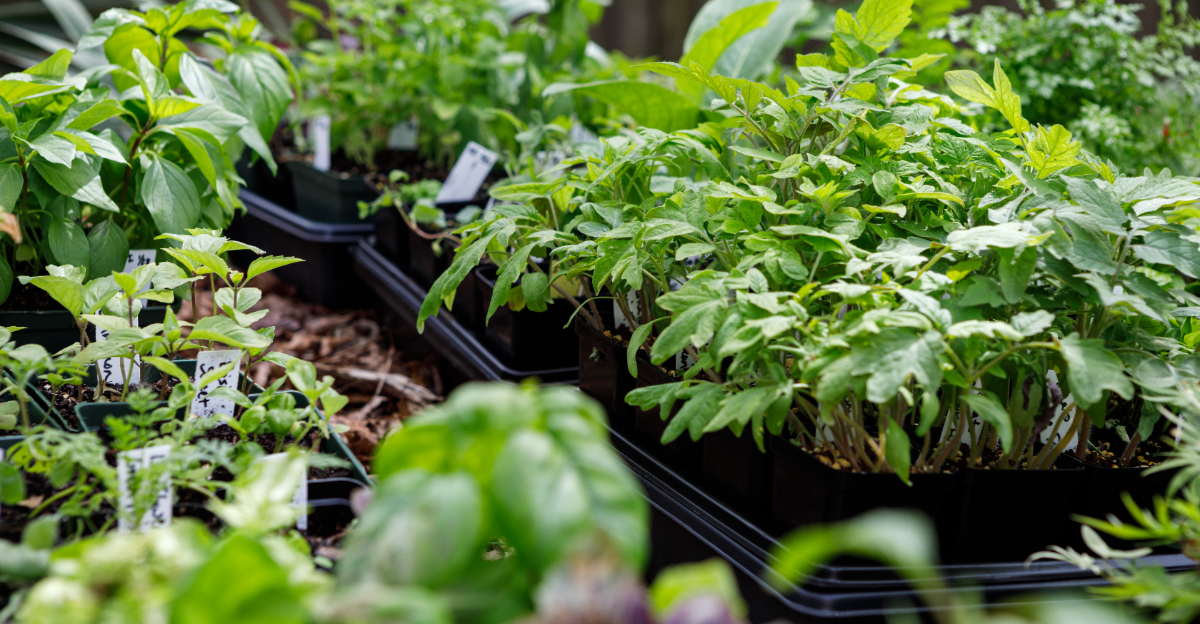
Florida’s fall vegetable season catches most gardeners off guard every single year. The calendar says summer, the heat is serious, and starting seeds feels counterintuitive when the yard is already working overtime just to stay green.
But the window for a strong fall harvest opens and closes in July, and missing it means waiting another full year. Fall vegetables in Florida need a head start that most other climates never require.
By the time temperatures ease and conditions feel right for planting, it is already too late. The plant has missed the window to build the root system and size that a productive fall crop depends on.
The gardeners who show up to October with thriving vegetable beds started in July. Not because they planned far ahead.
Because they knew the window and moved when it counted. A few specific vegetables need to go in right now.
The rest of the fall harvest depends on what happens this month.
1. Start Tomatoes Before The Heat Breaks
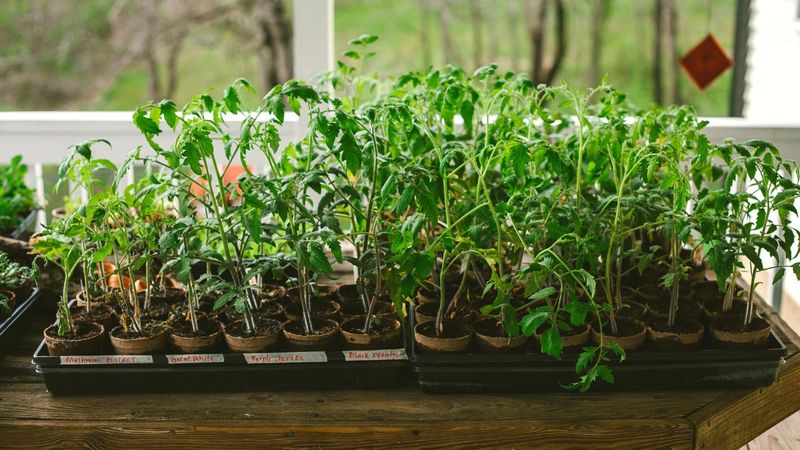
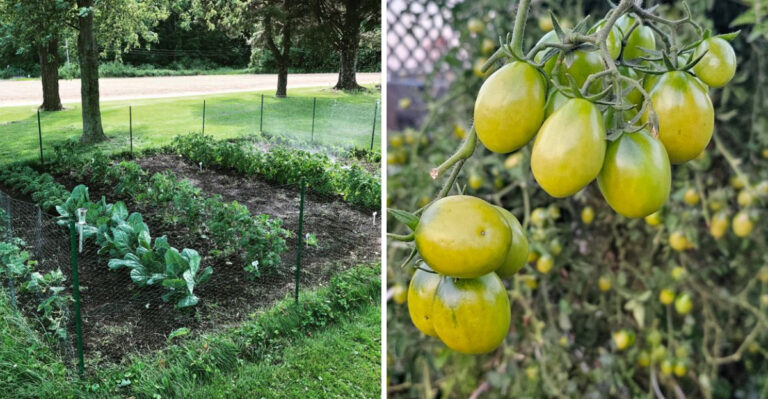
Pulling off a strong fall tomato harvest in Florida takes more planning than most gardeners expect. The secret is getting started before cooler weather ever arrives.
In many regions, that means thinking about tomatoes in July, even though the heat can feel completely wrong for the job.
Gardeners in northern regions and panhandle communities often have a different starting window than those in central or southern regions. UF/IFAS planting calendars break this down by area, and checking your county extension office is the smartest first step.
Do not assume one statewide rule applies to every local garden.
Starting seeds indoors or securing healthy transplants now gives your plants time to establish before peak fall planting. Direct planting into intense July heat without shade protection or careful timing can stress young plants quickly.
Raised beds, shade cloth, and consistent moisture all help during establishment.
Choosing heat-tolerant varieties matters a great deal in this climate. Varieties recommended through UF/IFAS or your local extension office are often better adapted to warm, humid conditions than generic grocery-store transplants.
Look for locally trusted names when possible.
Tomatoes may not set fruit well during the hottest weeks, but healthy plants positioned now can hit their stride once temperatures begin to ease.
Patience and preparation together make the difference between a disappointing fall crop and a genuinely productive one.
2. Sow Southern Peas While Soil Stays Warm
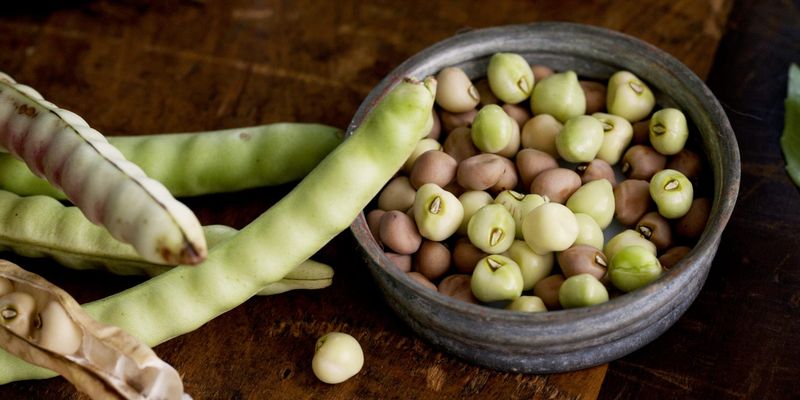
Few crops handle Florida’s midsummer conditions as reliably as southern peas. They thrive when soil temperatures are high, which makes July a genuinely practical planting window in many local gardens across the state.
Southern peas, which include varieties like crowder peas, blackeye peas, and cream peas, are warm-season workhorses. They fix nitrogen in the soil naturally, which is a real bonus for beds that will later host heavier-feeding fall crops.
That built-in soil benefit makes them a smart bridge crop between summer and fall planting seasons.
Planting in well-drained soil is important. Standing water after heavy summer rains can cause root problems quickly.
Your Florida Garden Changes Every Week. Your Plan Should Too.
Gardening in Florida changes quickly throughout the season. Every Friday you’ll receive a simple weekly plan showing exactly what to plant, prune, fertilize, harvest, and protect so you never miss the right timing.
Raised beds or slightly mounded rows help prevent waterlogging during rainy season, which often peaks right around this time of year.
Watering during dry spells keeps germination steady, but avoid overdoing nitrogen fertilizer. Southern peas produce their own, and adding too much can push leafy growth at the expense of pod production.
Light feeding with a balanced fertilizer at planting is usually enough.
Always verify your specific regional planting window using UF/IFAS guidance or your county extension calendar. Some areas of the state may see better results with slightly earlier or later sowing.
Checking local recommendations before putting seeds in the ground saves time and avoids unnecessary setbacks during an already challenging midsummer growing period.
3. Plant Okra For A Late Summer Push
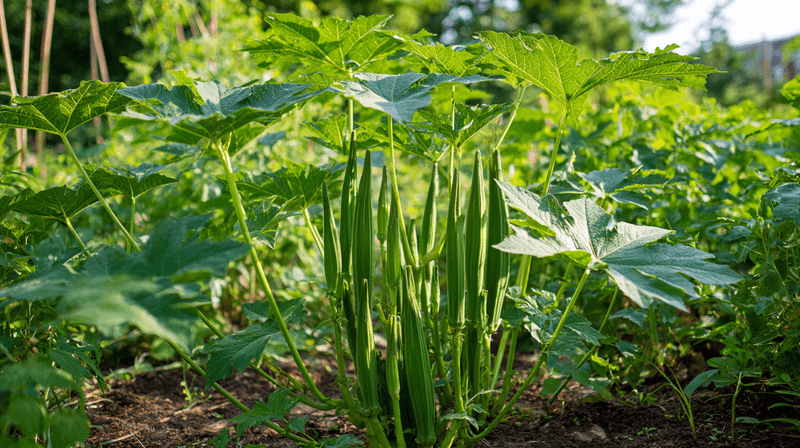
Okra genuinely loves heat, which is exactly why July can still be a reasonable planting window in many parts of the Sunshine State. When soil is warm and sunshine is plentiful, okra germinates quickly and grows fast.
A fresh July planting can extend your harvest window into late summer and even early fall, depending on your region and local weather patterns. Gardeners who planted okra earlier in the season often notice older plants slowing down by midsummer.
Starting a new round now can keep pods coming while you wait for cooler-season crops to become ready.
Okra needs full sun, consistent moisture, and enough space for plants to spread. Crowding reduces airflow and can encourage fungal problems during humid rainy season.
Spacing plants properly from the start prevents a lot of headaches later.
Harvest pods regularly when they are small and tender, usually around two to four inches long. Pods left on the plant too long become woody and tough very quickly in summer heat.
Frequent harvesting also encourages the plant to keep producing.
Not every region has the same July okra window. Check your local UF/IFAS planting calendar or county extension recommendations to confirm timing for your area.
Coastal areas, inland neighborhoods, and panhandle communities can all have slightly different best planting dates even within the same general season.
4. Get Peppers Ready For Fall Production
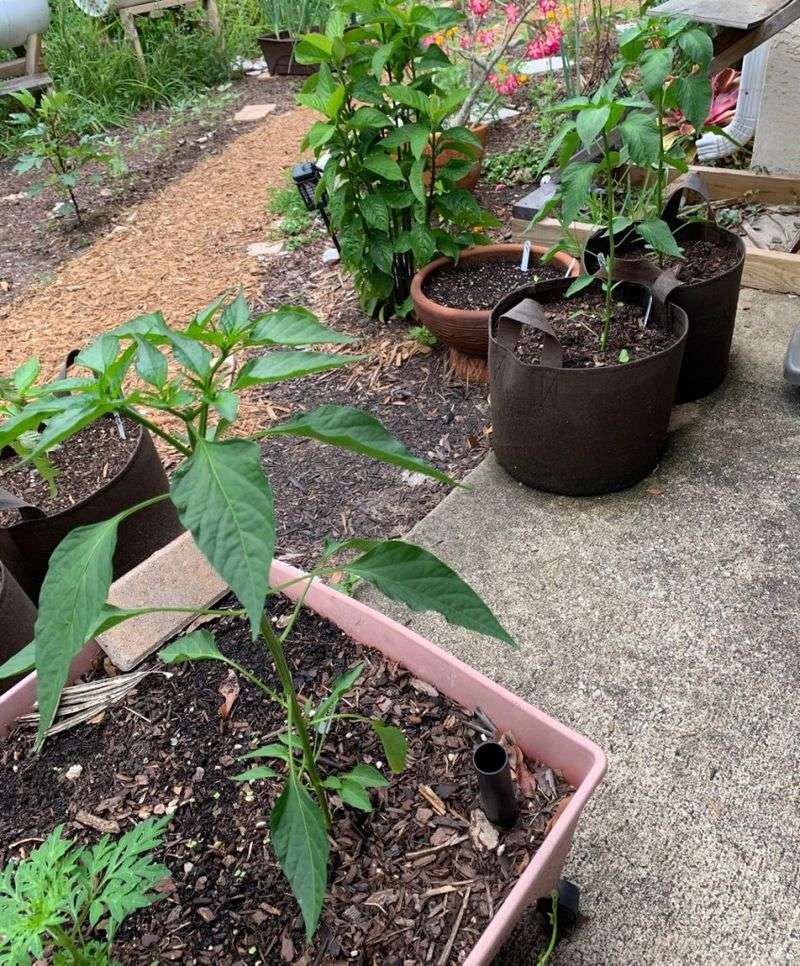
Peppers can absolutely be part of a smart fall garden plan, but July strategy depends heavily on your region and the current condition of your plants.
Rushing young transplants into intense afternoon heat without preparation often leads to stress, slow growth, and poor establishment.
In many parts of the state, gardeners who already have established pepper plants from spring can simply maintain and protect them through the hottest weeks. Providing consistent moisture and mulching the soil surface can help plants hold on.
Offering some afternoon shade protection can also help until temperatures become more favorable for production.
Peppers tend to drop flowers or fail to set fruit when daytime temperatures consistently stay above 90 degrees Fahrenheit. That is a natural response, not a sign that the plant is failing.
Once heat eases even slightly, healthy plants often rebound and begin producing again with good momentum.
If you are starting fresh transplants in July, focus on keeping them in a shaded, protected spot until they are well established. Avoid heavy fertilizer applications during the hottest weeks.
Overfertilizing stressed plants can make root and leaf problems worse rather than better.
Steady, even moisture matters more than anything else during summer establishment. Inconsistent watering causes blossom drop and can lead to issues like blossom end rot later.
Check UF/IFAS regional planting guidance to confirm the best transplant timing for your specific part of the state.
5. Try Seminole Pumpkin Before The Season Shifts
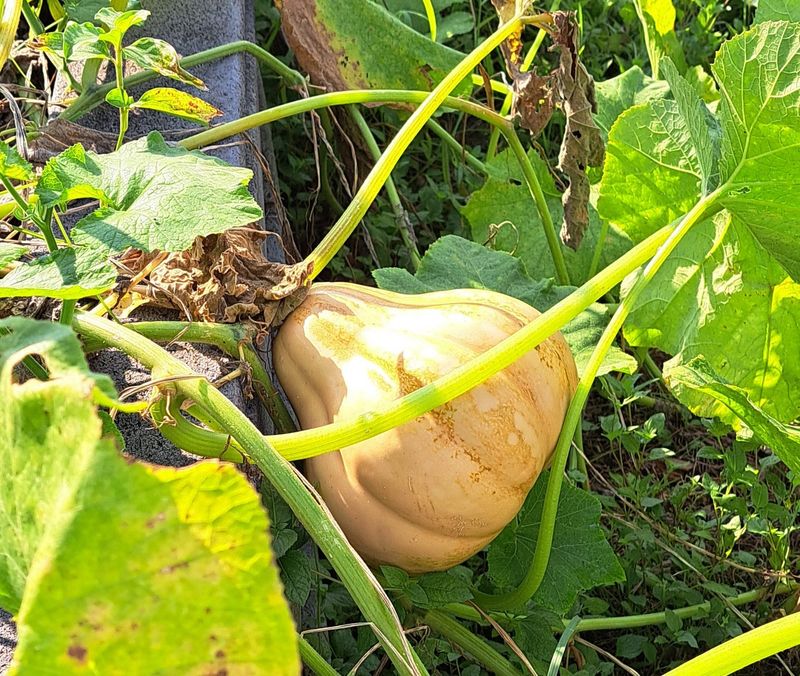
Long before modern hybrid squash varieties filled seed catalogs, the Seminole pumpkin was already thriving in warm, humid climate. Seminole pumpkin is native to this region and was cultivated for centuries by Indigenous communities.
It carries a kind of built-in resilience that few other pumpkin types can match in local gardens.
Heat tolerance is one of its biggest strengths. While many squash varieties struggle through summer, Seminole pumpkin vines push forward, spreading vigorously and setting fruit even under challenging conditions.
That toughness makes it a genuinely practical choice when the planting window allows it in your region.
Space is a real consideration before planting. Vines can spread quite far, sometimes covering a large portion of a garden bed or spilling into nearby areas.
Gardeners with limited space can try training vines onto a sturdy trellis or fence, though the heavy fruit may need support netting to prevent stem strain.
Full sun and good drainage are non-negotiable. Waterlogged soil during summer rains can cause root problems, even for a tough crop like this one.
Raised beds or well-prepared garden soil with good drainage helps keep roots healthy through wet spells.
Always confirm regional planting timing through UF/IFAS or your county extension office before sowing seeds. Seminole pumpkin is a strong Florida-adapted crop, but matching planting dates to your specific area still matters for the best results.
6. Start Eggplant While Days Are Still Long
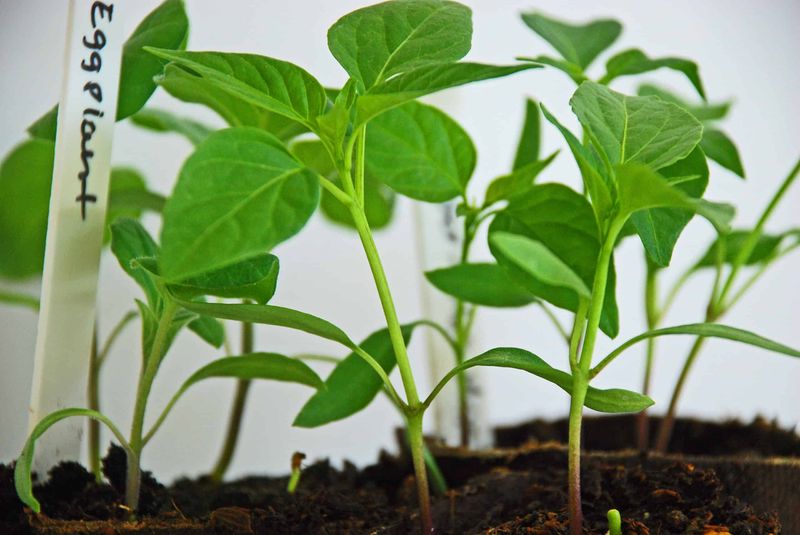
Long summer days give eggplant exactly the kind of growing conditions it prefers. As a warm-season crop, it handles heat far better than many cool-season vegetables.
That makes it a reasonable candidate for July planting or transplant planning in certain regions of the Sunshine State.
Healthy transplants are the foundation of a productive eggplant season. Starting with strong, disease-free plants from a reputable local nursery or growing your own from seed under controlled conditions gives you a real advantage.
Weak or root-bound transplants tend to struggle more during summer establishment than vigorous, well-rooted ones.
Flea beetles are one of the most common summer pests on eggplant in warm, humid climates. These tiny insects chew small holes in leaves and can stress young plants significantly.
Monitoring regularly and responding early, using methods supported by UF/IFAS integrated pest management recommendations, helps keep damage manageable.
Afternoon shade protection during the first week or two after transplanting can reduce stress while roots settle in. Once established, eggplant generally handles full sun well.
Keep soil moisture consistent throughout the growing season to support steady fruit development.
Avoid overfeeding with nitrogen-heavy fertilizers, which can push leafy growth at the expense of fruit production. A balanced fertilizer applied according to soil test results or general UF/IFAS guidelines is a safer approach.
Check regional planting calendars to confirm July is appropriate for your specific area before putting transplants in the ground.
7. Prep Beds Before Cool Crops Move In
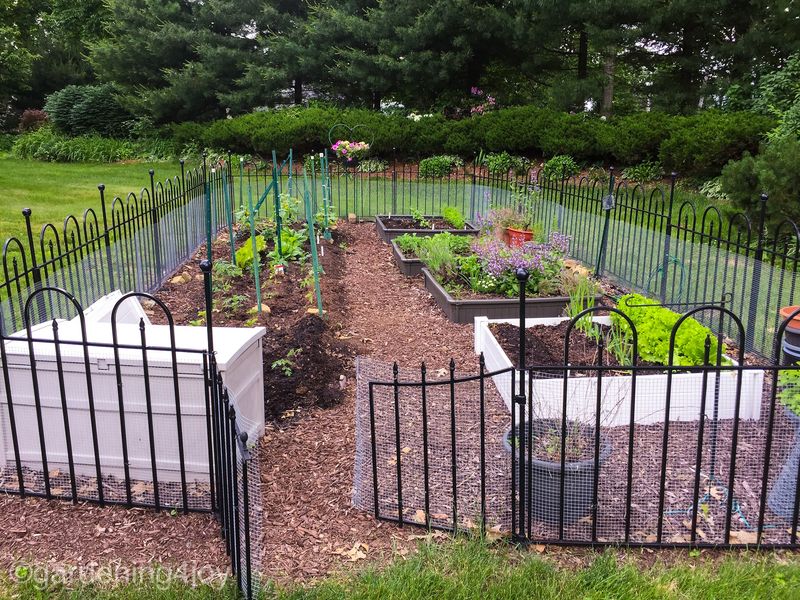
Some of the most valuable work a gardener can do in July has nothing to do with planting at all. Preparing beds now, before the fall rush hits, puts you in a much stronger position when cooler-season crops are finally ready to go in the ground.
Start by clearing out tired summer crops that have stopped producing. Old plant material left in the bed can harbor pests and disease, so removing it promptly is a smart habit.
Dispose of diseased material rather than adding it to a compost pile.
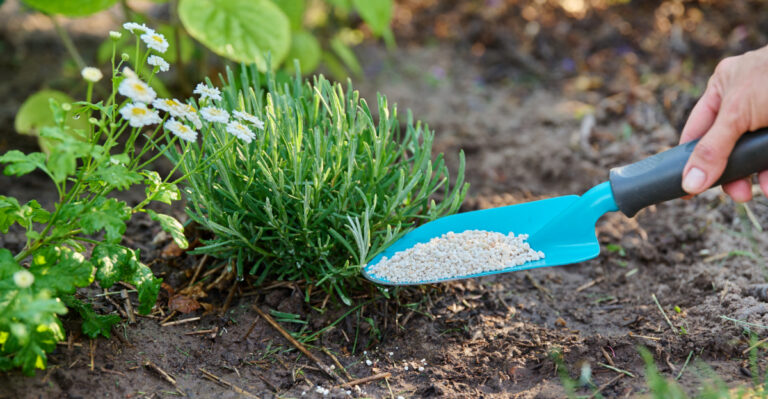
Adding finished compost to garden beds improves soil structure and feeds beneficial organisms that support plant health over time. If you have not tested your soil recently, July is a good time to send a sample to your county extension office for analysis.
Knowing your soil pH and nutrient levels helps you fertilize accurately rather than by guesswork.
Check drainage carefully. Florida’s summer rains can reveal low spots or compaction problems that will hurt fall crops if left unaddressed.
Improving drainage now saves you from losing transplants to waterlogged soil later in the season.
Cool-season crops like broccoli, cabbage, carrots, and leafy greens are not ready for July heat in most regions. Planting them too early almost never works out.
Use this month to map your fall layout, plan succession planting, and get beds ready so you can move quickly when the right planting window opens.
8. Use July To Beat The Fall Rush
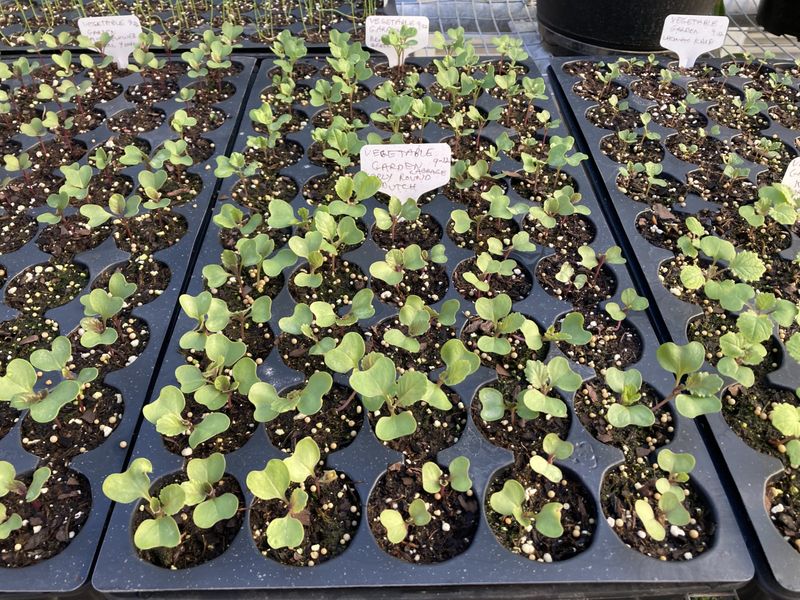
The gardeners who tend to have the most productive fall seasons are rarely the ones who start in September. They are the ones who used July wisely, buying seeds before popular varieties sold out and checking regional calendars.
They also set up their growing spaces before the crowd caught on.
Ordering seeds early matters more than many people realize. Florida-adapted varieties and heat-tolerant selections often move quickly at local nurseries and through online seed suppliers.
Waiting until fall weather arrives can mean settling for whatever is left on the shelf rather than the varieties that perform best in warm, humid conditions.
Setting up shade cloth over new transplants or seed-starting areas is another smart July task. Shade cloth rated at 30 to 50 percent can reduce heat stress on young plants during establishment without blocking the light they need to grow.
It is a simple tool that makes a real difference during Florida’s most intense summer weeks.
Use this month to finalize your succession planting plan as well. Staggering planting dates for crops like beans, greens, and radishes spreads the harvest out over several weeks instead of creating one overwhelming rush of produce.
Most importantly, match every crop to your specific regional planting window using UF/IFAS guidance or your county extension calendar. July in the panhandle is not the same as July in central or southern regions.
Planning by region rather than by season alone is what separates a productive fall garden from a frustrating one.