What Curling Tomato Leaves Are Telling Pennsylvania Gardeners And How To Respond Correctly
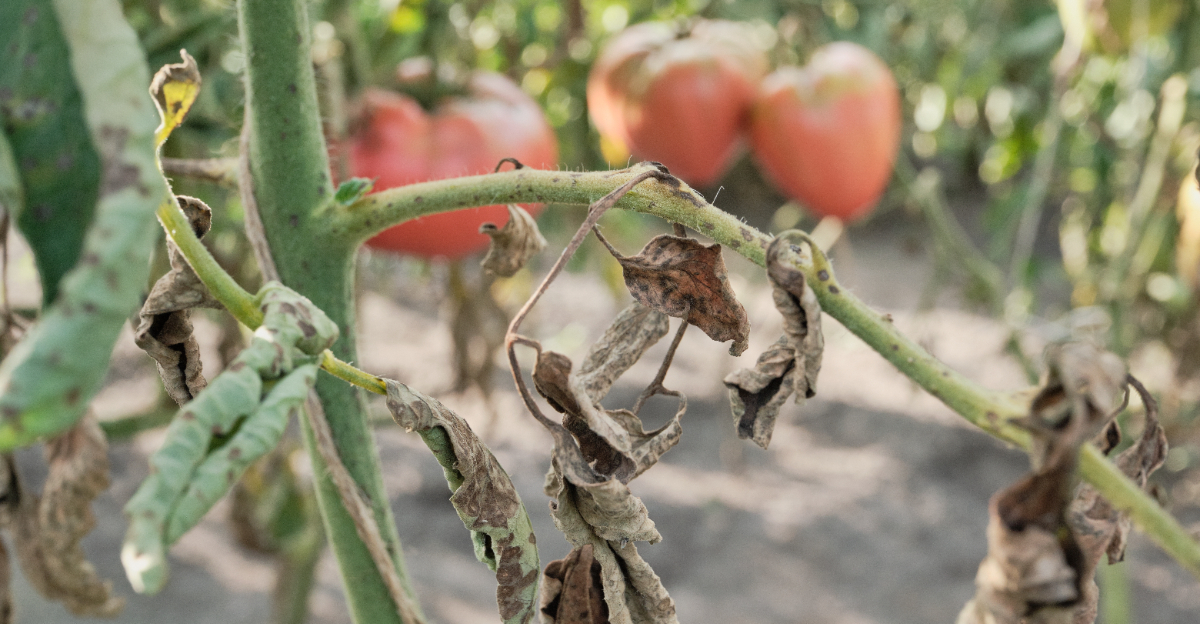
You walk out to your garden on a warm Pennsylvania morning, coffee in hand, and something looks off. The tomato leaves are curling inward, rolling up at the edges like tiny green scrolls.
Before you start pulling plants or spraying everything in sight, take a breath. What is your tomato actually trying to tell you?
Curling leaves are one of the most common things gardeners notice, but they are also one of the most misunderstood.
The curl is not always a sign of disaster. Sometimes it is the plant managing stress on its own. Other times it is a quiet signal that something specific needs your attention.
Pennsylvania summers bring heat, humidity, dry spells, and unpredictable rain, all of which can stress a tomato plant in different ways.
The trick is learning to read the full picture before you act. A curling leaf alone does not tell the whole story.
You need to look at the soil, the weather, nearby plants, the undersides of leaves, and the overall shape of the curl before drawing any conclusions.
Work through the possible causes one at a time, stay observant, and your tomato plants will give you more clues than you expect.
1. Check For Heat Stress First
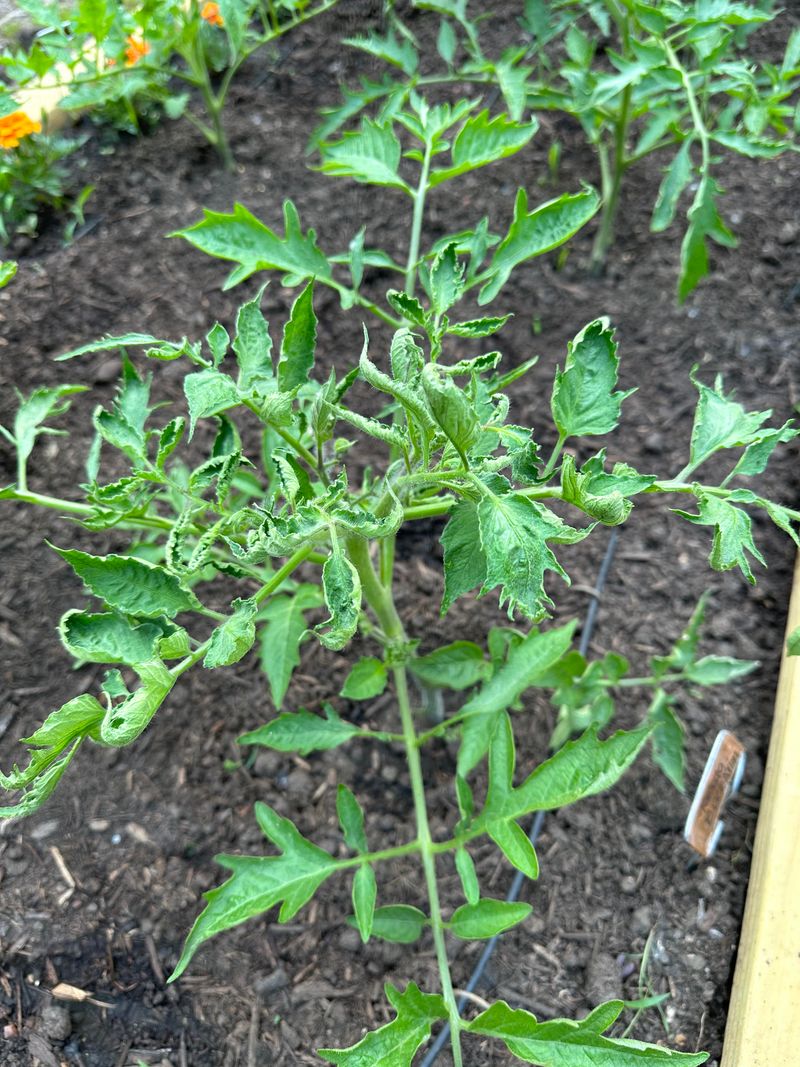
On a blazing Pennsylvania afternoon in July or August, your tomato leaves may start rolling inward along the edges like a taco shell.
That is actually a pretty common response to intense heat, and it has a name: physiological leaf roll. The plant is not in serious trouble. It is protecting itself by reducing the surface area exposed to the sun.
Midday is when this curl tends to look the worst.
The leaves fold up, the plant looks stressed, and a first-time gardener might think something is very wrong.
But step outside again in the early evening or the next morning, and those same leaves may have relaxed back to their normal flat shape. That bounce-back is a strong clue that heat is the main culprit.
Pennsylvania summers have been trending hotter, with heat index values regularly pushing into the upper 90s in many counties.
Tomatoes prefer temperatures between 65 and 85 degrees Fahrenheit. Once air temps climb above 90 degrees for several days in a row, the plant starts curling leaves as a built-in survival response.
The best response is patience combined with smart support.
Make sure the soil has deep moisture before a heat wave hits. Add shade cloth if temps stay extreme for more than three or four days. Avoid pruning or fertilizing during peak heat, since that adds extra stress to an already overworked plant.
2. Feel The Soil Below The Surface
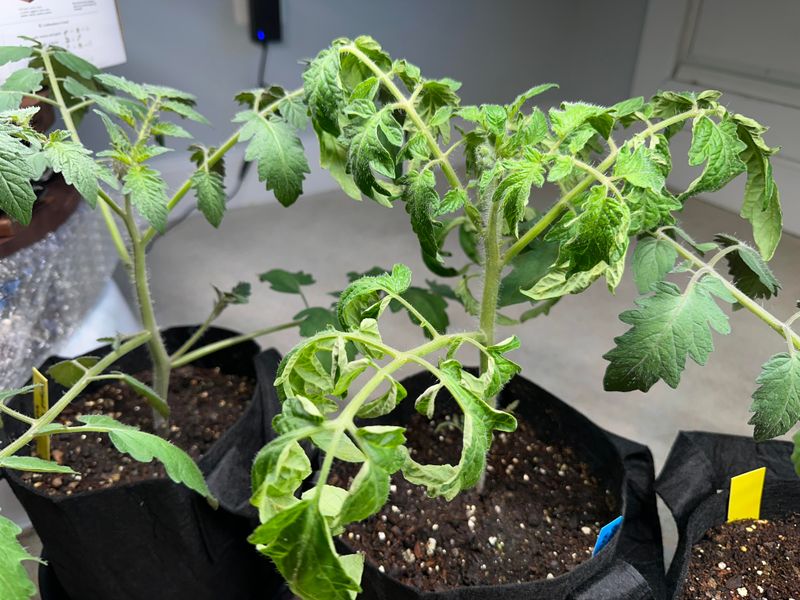
Dry soil on top does not always mean dry soil where it counts.
The top inch or two of garden soil can look completely parched even when there is decent moisture sitting four or five inches down near the roots.
Checking only the surface is one of the most common mistakes gardeners make before deciding to water.
Push your finger or a wooden dowel two to three inches into the soil near the base of your tomato plant.
Your Pennsylvania Garden Changes Every Week. Your Plan Should Too.
Gardening in Pennsylvania changes quickly throughout the season. Every Friday you’ll receive a simple weekly plan showing exactly what to plant, prune, fertilize, harvest, and protect so you never miss the right timing.
If the soil feels moist and slightly cool at that depth, the plant may not need water at all. If it feels dry and crumbly all the way down, that is a real signal to water deeply and soon.
In Pennsylvania, late summer often brings stretches where the sky looks threatening but actual rainfall stays minimal.
The soil surface dries out fast under sun and wind. Meanwhile, the root zone may be drying out more slowly, or it may already be very dry if the plant has been drawing moisture for days without a good soak.
Consistent soil moisture keeps tomato leaves from curling due to drought stress.
A simple moisture meter from any garden center can help remove the guesswork entirely. Soil that stays evenly moist, not soaked and not parched, gives roots the steady supply they need.
The real story is always buried just beneath the surface, and that is exactly where to look first.
3. Water Deeply And Keep It Consistent
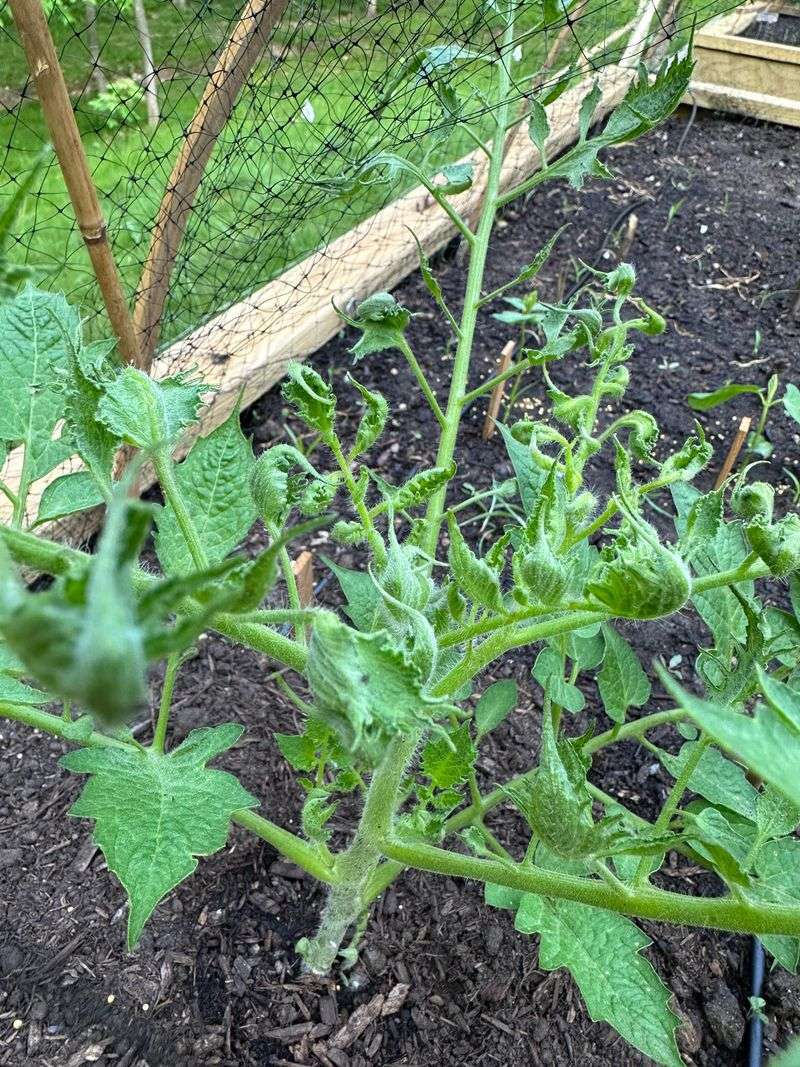
Shallow watering is a sneaky problem.
When you sprinkle the surface every day without soaking deeply, the roots stay near the top of the soil chasing that light moisture.
Shallow roots are more vulnerable to heat, drought, and stress, which leads directly to leaf curl. The goal is to push water down far enough that roots grow deep and stable.
A good deep watering session means applying water slowly so it soaks six to eight inches into the soil.
Soaker hoses and drip irrigation are excellent tools for this because they deliver water right at the root zone without splashing foliage.
Wet leaves in humid Pennsylvania summers can invite fungal problems, so keeping water off the plant itself is a smart habit.
Consistency matters just as much as depth.
Tomatoes that get flooded one week and bone-dry the next are more prone to problems like blossom end rot, cracking fruit, and yes, curling leaves. Aim to water on a schedule that keeps the root zone evenly moist throughout the growing season.
Deep watering two or three times a week is usually better than a light splash every day.
Pennsylvania weather already throws enough curveballs with summer storms and dry spells. Your job is to smooth out the ride as much as possible.
Mulching around the base of your plants works hand in hand with deep watering to hold that moisture in place between sessions.
4. Look For Herbicide Drift Clues
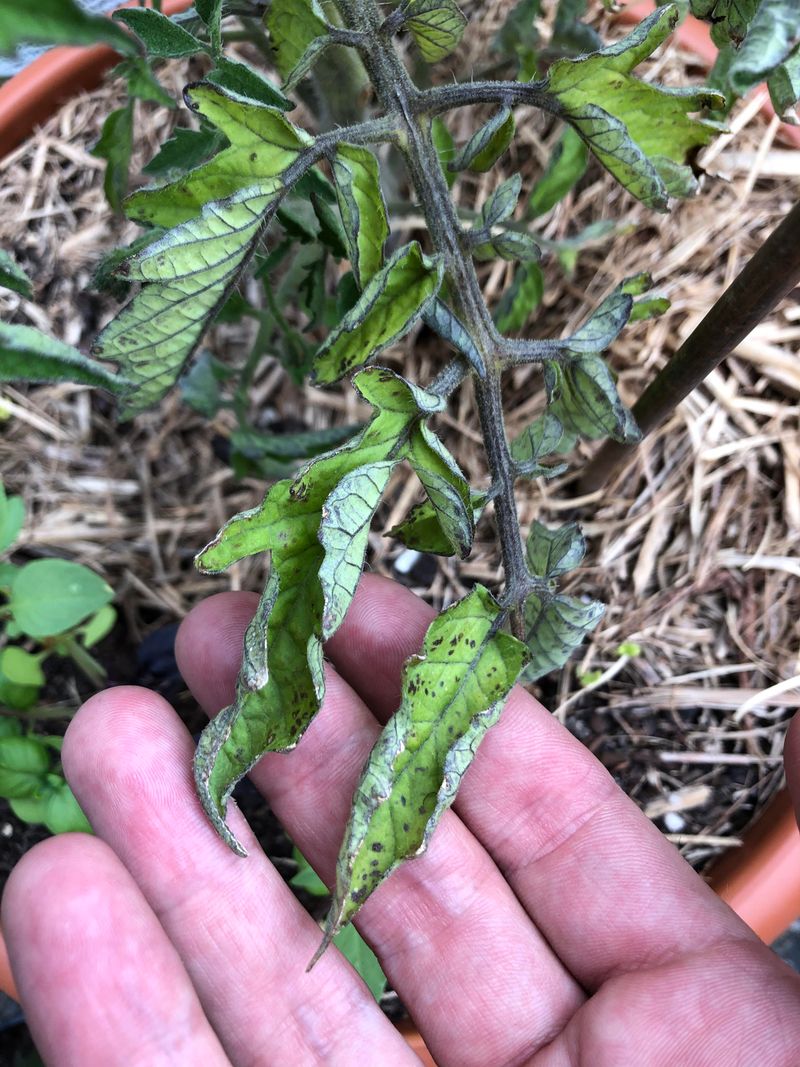
Not all curling leaves look the same, and the shape of the curl can tell you a lot.
Herbicide drift causes a very specific kind of distortion that looks different from heat curl or drought curl. The leaves do not just roll inward.
They twist, narrow, cup downward, and sometimes take on a fern-like or strappy appearance that looks genuinely strange.
Herbicide drift happens when chemical sprays from nearby lawns, farms, or roadsides travel through the air and land on your garden plants.
Pennsylvania has a lot of agricultural land and suburban lawns, and products containing 2,4-D or dicamba are commonly used in both settings.
These chemicals mimic plant growth hormones and cause rapid, uncontrolled cell growth that distorts the leaves badly.
New growth tends to show the worst symptoms because young tissue is most sensitive.
If you notice twisted new leaves while older growth looks more normal, and if you recently noticed someone spraying nearby or the wind shifted from a treated field or lawn, herbicide drift moves to the top of your suspect list.
Unfortunately, there is no treatment that reverses herbicide damage.
The best response is to remove heavily affected growth, keep the plant well-watered and otherwise healthy, and wait.
Many plants recover on their own over several weeks if the exposure was mild. Document what you saw and when, especially if the damage looks severe and you suspect a neighboring property was the source.
5. Inspect For Aphids And Mites
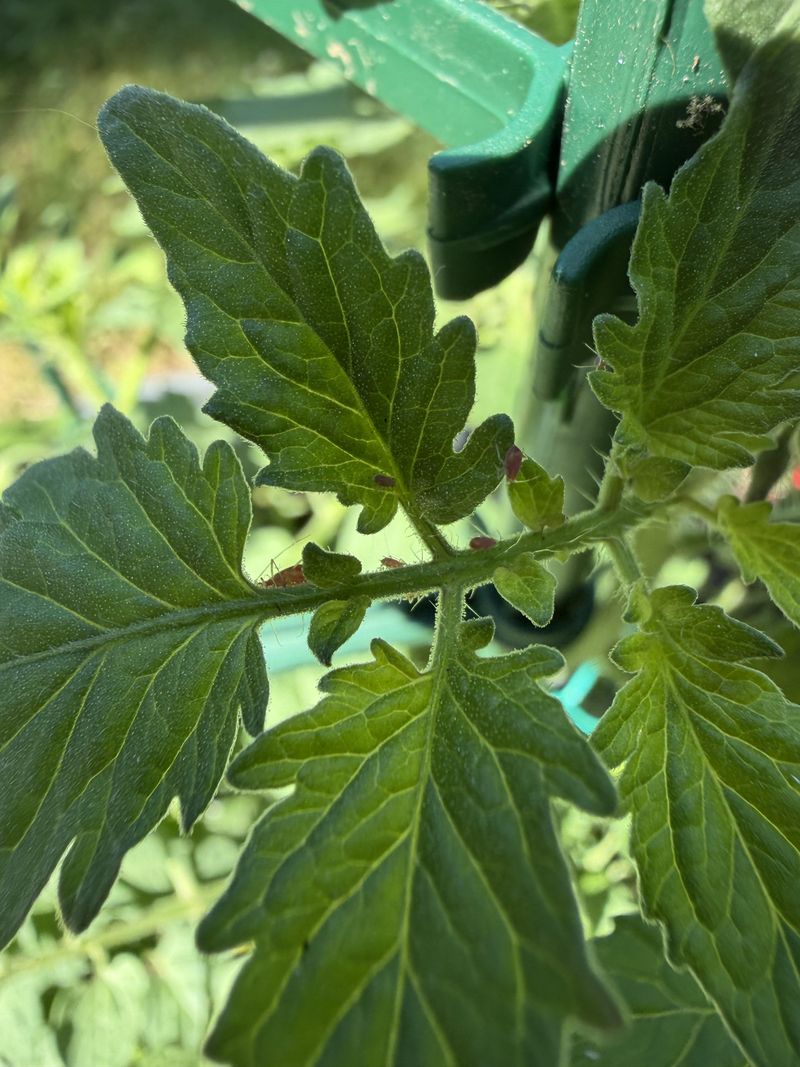
Flip a curling leaf over and take a close look at the underside.
Tiny pests like aphids and spider mites love to hide there, feeding on plant tissue and causing the leaf to curl, pucker, and sometimes develop a speckled or bronzed appearance.
These insects are small enough to miss at a quick glance, so a slow and careful inspection pays off.
Aphids are soft-bodied, pear-shaped insects that cluster together and leave behind a sticky substance called honeydew.
Spider mites are even tinier, sometimes appearing as moving specks of dust. Both pests draw fluids from the leaf, which disrupts normal cell function and causes the leaf to curl inward or downward as the tissue weakens.
Mites also leave fine webbing on the leaf surface in heavier infestations.
Pennsylvania summers create ideal conditions for both pests, especially during hot and dry stretches.
Mite populations can expand quickly when temperatures stay high and humidity drops. A small problem can become a big one fast, so catching it early makes a real difference.
Gentle treatment options include a strong spray of water to knock pests off the plant, insecticidal soap applied to the undersides of leaves, or neem oil mixed according to label directions.
Avoid broad-spectrum pesticides that also harm beneficial insects like ladybugs, which are natural aphid hunters. Those ladybugs work for free, and they are worth protecting.
6. Compare Curling With Yellowing Or Spots
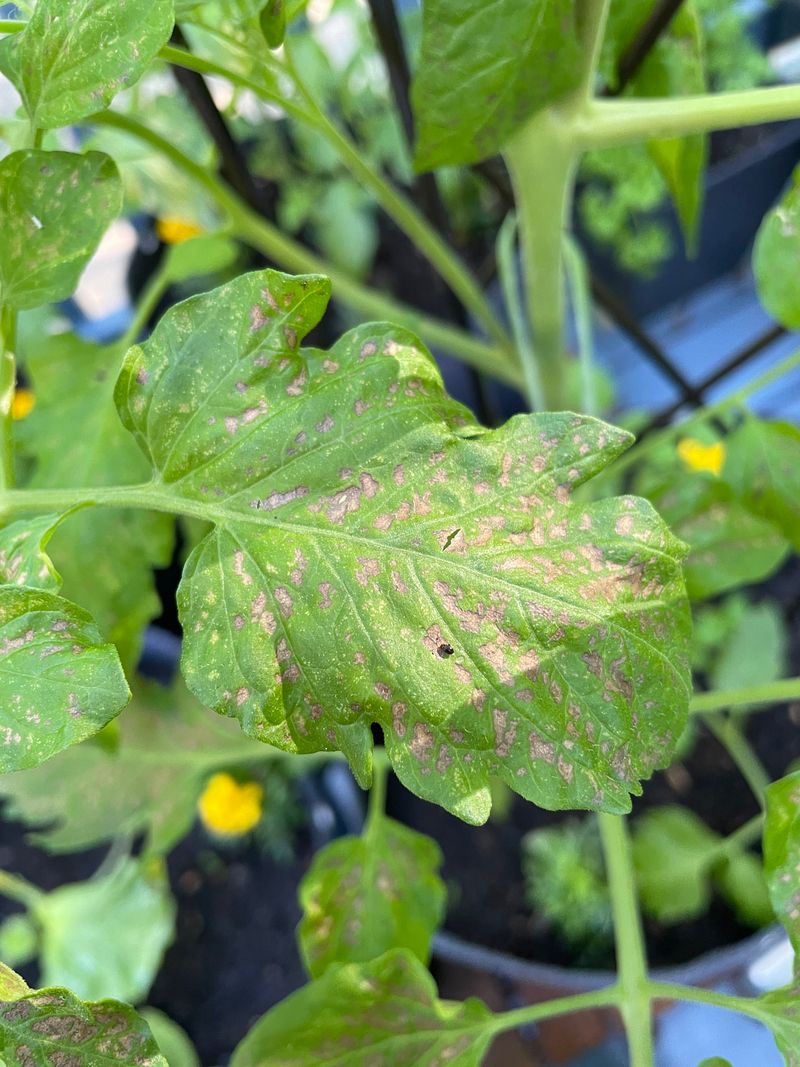
A curling leaf on its own is often just stress.
A curling leaf that also shows yellowing, brown spots, dark streaks on the stem, or wilting that does not recover overnight is a different situation entirely.
Learning to separate simple stress curl from disease-related curl is one of the most useful skills a tomato grower can develop.
Several tomato diseases can cause leaf curl as one of their symptoms.
Tomato mosaic virus and cucumber mosaic virus both cause leaf distortion and curl along with mottled coloring.
Fusarium wilt and verticillium wilt cause leaves to curl and yellow, usually starting on one side of the plant or one branch before spreading.
The key is to look at the whole picture.
Stress curl from heat or drought tends to affect the plant more evenly and usually improves when conditions improve.
Disease curl tends to progress, worsen over time, and often comes with other visible signs like spots, streaks, or a pattern of damage that spreads from one area outward.
No single symptom should lead to a firm diagnosis.
If you spot curling plus spots plus yellowing plus wilting that does not recover, take a sample to your local Penn State Extension office.
They can help identify what you are actually dealing with and recommend next steps. Accurate identification is always worth the extra step, and your tomatoes will benefit from the patience.
7. Check Roots For Container Or Transplant Stress
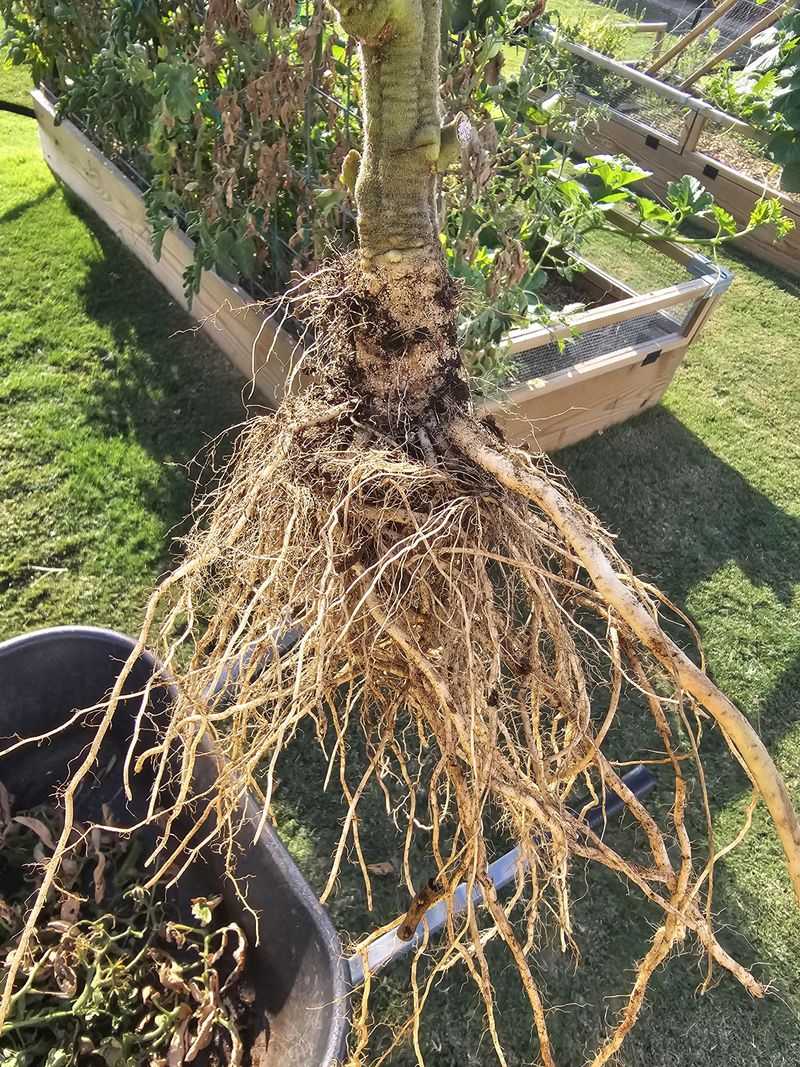
Fresh transplants and container-grown tomatoes carry a special kind of vulnerability that garden veterans sometimes forget about.
When roots get disturbed during planting, or when a pot-bound plant has roots circling tightly inside a small container, the plant struggles to take up water efficiently even if the soil looks moist. That struggle shows up quickly as curling leaves.
Transplant stress is extremely common in the first one to three weeks after moving a seedling into the garden.
The root system is adjusting to new soil, new temperature, and new conditions.
The plant may curl its leaves simply because it cannot yet draw water fast enough to keep up with what the sun and wind are pulling out through the foliage. It is a temporary mismatch between supply and demand.
Container plants face a different version of the same problem.
When roots have filled every inch of a pot, they start circling the inside walls with nowhere to go. This is called being root-bound, and it restricts water and nutrient uptake significantly.
A root-bound tomato in a Pennsylvania summer heat wave is under serious pressure from multiple directions at once.
The fix depends on the cause.
For fresh transplants, shade cloth for the first week and consistent gentle watering helps the plant settle in without extra shock. For pot-bound plants, moving up to a larger container gives roots room to spread and function properly.
A cramped root zone is like trying to run a marathon in shoes two sizes too small. Give those roots room to breathe and the leaves will follow.
8. Mulch To Calm The Root Zone
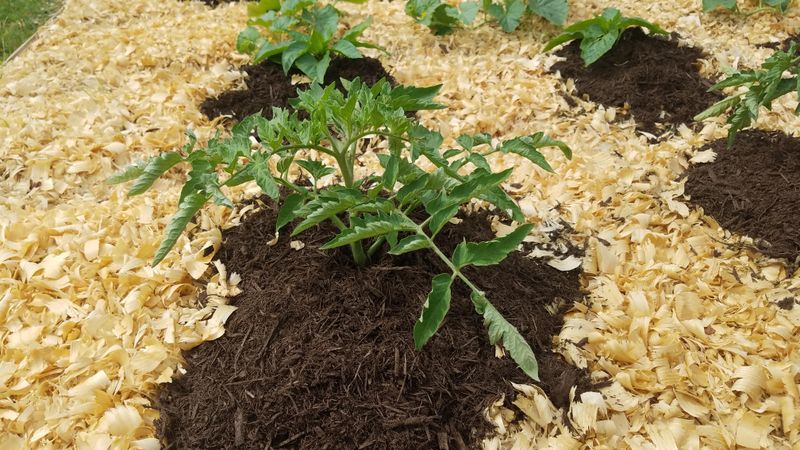
A thick layer of mulch around your tomato plants does more work than most gardeners give it credit for.
Spread two to three inches of straw, shredded leaves, or wood chips around the base of each plant, and you create a buffer zone that protects the root zone from some of the most common stress triggers that lead to leaf curl.
Mulch keeps soil temperatures cooler during Pennsylvania’s hottest weeks.
Bare soil in full sun can heat up to temperatures that genuinely harm root function. When roots overheat, they struggle to absorb water properly, and that stress travels straight up to the leaves.
Mulch acts like a blanket in reverse, blocking heat from baking the soil surface and keeping things more stable several inches down.
Moisture retention is the other major benefit.
Mulched soil holds water longer between watering sessions, which smooths out the wet-dry swings that cause stress curl and fruit problems.
During a dry stretch, that saved moisture can be the difference between a plant that stays healthy and one that starts showing signs of drought stress within days.
Apply mulch after the soil has warmed up in spring, keeping it a few inches away from the main stem to avoid rot at the base.
Refresh it during the season as it breaks down. Organic mulches like straw or shredded leaves also improve soil structure over time as they decompose.
For Pennsylvania gardeners dealing with summer heat swings and unpredictable rain, mulch is one of the simplest and most effective tools available.