The Mulch Choices That Make Rat And Tick Problems Worse In Texas Yards
Mulch is one of those garden basics that most Texas homeowners use without giving it much thought. Pick a bag, spread it around, move on. And for the most part it does its job well.
But certain mulch choices are quietly creating conditions in your yard that rats and ticks find absolutely ideal, turning a simple garden maintenance task into an unintentional welcome mat for two of the most unwanted yard visitors in Texas.
Most people have no idea their mulch is part of the problem. Rats seek out specific mulch types for nesting material and cover.
Ticks thrive in the moisture retention and ground level hiding spots that certain mulches provide better than others.
The wrong choice in the garden center can set up conditions that take an entire season to deal with. The good news is that switching to better options is easy once you know what to avoid.
1. Thick Leaf Mulch
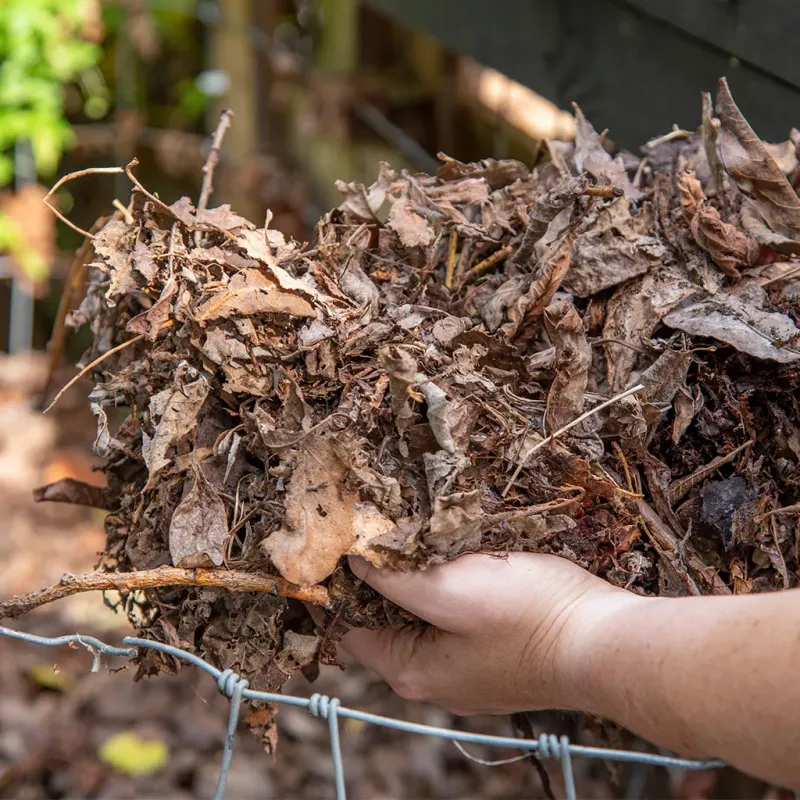
Most people think of leaf mulch as a free and natural win for the garden. Raking up fallen leaves and spreading them around plants sounds smart, and in thin layers, it actually is.
But when those leaves pile up thick along fences, sheds, and shady corners, the situation changes fast.
Thick leaf piles create cool, dark, protected spaces that are perfect for ticks to wait for a passing host. Ticks do not chase you down.
They sit in moist, shaded leaf litter and wait. A deep pile of leaves along your back fence is basically a tick hotel in the middle of your yard.
Rats love leaf piles too. A thick mound of leaves near a shed or under a dense shrub gives rodents soft nesting material and a hidden spot to build a home.
Pest experts consistently point to leaf litter and deep mulch as top nesting sites for rats in residential yards. The fix is not to stop using leaves entirely. Keep any leaf layer no thicker than two inches.
Rake it back from fences, foundations, and the base of shrubs regularly. Do not let leaves sit undisturbed for weeks at a time, especially in corners and shaded spots where moisture collects.
Turning the leaf layer occasionally also helps by breaking up any cozy, compressed pockets forming underneath.
In Texas, where the climate stays warm for most of the year, ticks and rodents stay active longer than in cooler states. That means your yard needs attention even in fall and winter when leaf drop is heaviest.
2. Deep Shredded Bark
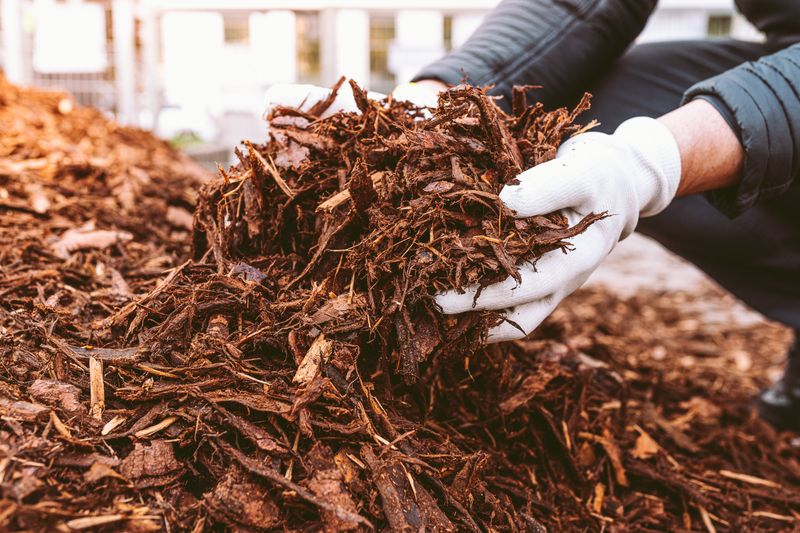
Shredded bark is one of the most popular mulch choices in Texas landscaping. It looks clean, breaks down slowly, and does a solid job of holding soil moisture.
The problem shows up when homeowners pile it on too thick or push it right up against walls, decks, and fence lines.
When shredded bark sits four or more inches deep, it holds significant moisture underneath. That damp, insulated layer is exactly the kind of environment ticks thrive in.
Ticks need humidity to survive, and deep bark mulch against a shaded foundation gives them a protected zone that stays moist even during dry stretches.
Your Texas Garden Changes Every Week. Your Plan Should Too.
Gardening in Texas changes quickly throughout the season. Every Friday you’ll receive a simple weekly plan showing exactly what to plant, prune, fertilize, harvest, and protect so you never miss the right timing.
Rats benefit from deep shredded bark in a different way. A thick mulch layer along a fence or deck creates a hidden travel corridor.
Rodents use these covered routes to move around your yard without being seen or exposed. They can travel, nest, and feed without ever stepping into open ground.
Keeping shredded bark at two inches or less makes a noticeable difference. Pull it back at least six inches from any wall, deck post, or fence base.
That gap removes the hidden entry point and reduces the moisture buildup that both ticks and rodents depend on.
Breaking up the mulch surface every few weeks also disrupts any nesting activity that may have started underneath. A quick rake-through takes only minutes but removes the compressed, tunnel-friendly layer that pests prefer.
Shredded bark is not a bad mulch choice overall. Using it correctly, at the right depth and placement, keeps it from becoming a liability in your Texas yard.
3. Straw Or Hay Mulch
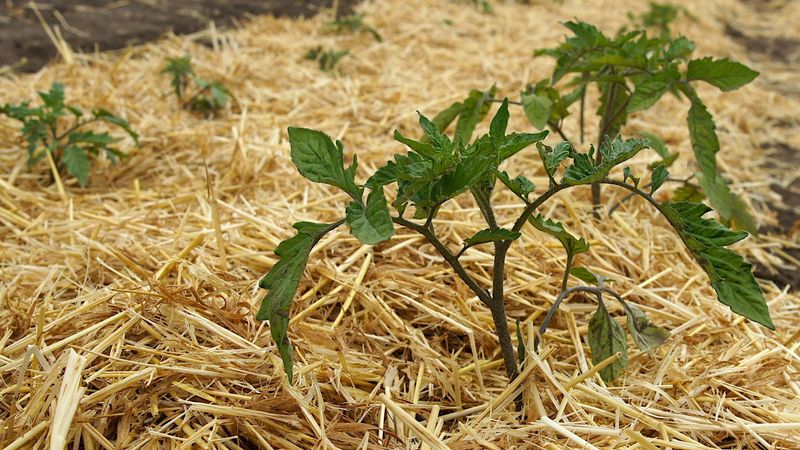
Straw and hay mulch have a loyal following among vegetable gardeners. They are affordable, widely available, and easy to spread.
For protecting soil in raised beds during the growing season, they can be genuinely useful. The trouble starts when they are used too generously or left to pile up in the wrong spots.
Both straw and hay create a fluffy, loose layer that rodents find extremely comfortable. Rats and mice can tunnel into thick straw piles easily, creating warm and hidden nesting spaces.
Unlike dense wood mulch, straw does not compact much, which means it stays soft and easy to burrow into all season long.
Hay brings an extra problem that straw does not always have. Many hay bales contain seed heads, which means spreading hay mulch can unintentionally add a food source right into your garden.
Rodents that might otherwise pass through your yard may stick around when there is easy food mixed into the ground cover.
Placement matters just as much as depth. Straw or hay piled near sheds, compost bins, back fences, or storage areas is especially risky.
Those locations already offer shelter and reduced foot traffic, making them prime spots for rats to settle in undisturbed.
Use straw or hay only in thin layers inside raised beds where you can monitor it easily. Never let it build up against structures or in corners that do not get regular attention.
Replacing it often rather than piling new layers on top of old ones keeps the depth manageable and removes any compressed nesting material before pests have time to move in comfortably.
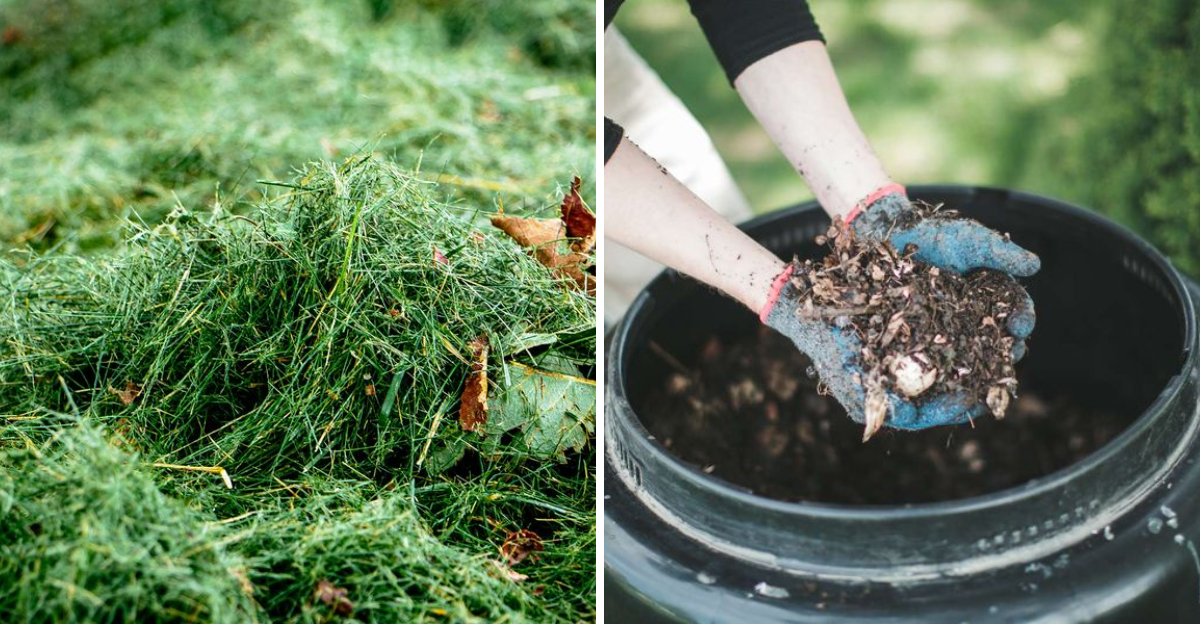
4. Wet Grass Clippings
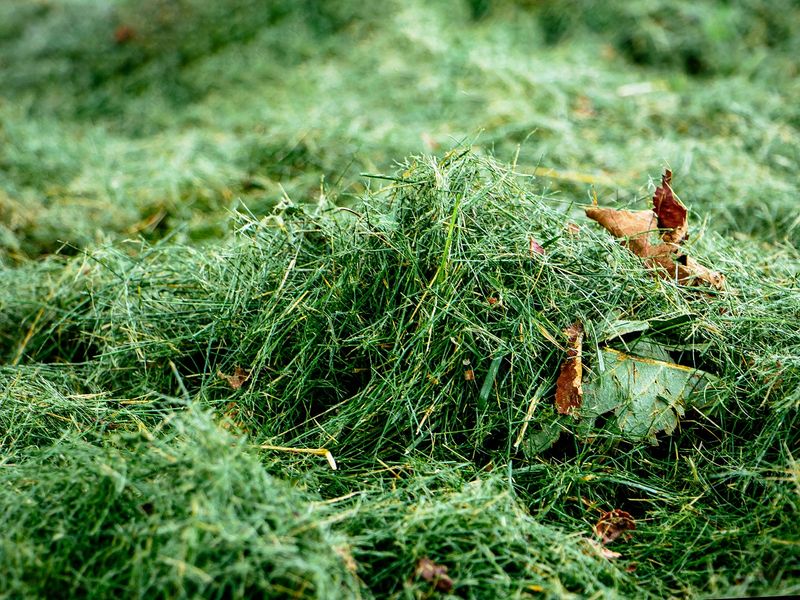
Grass clippings seem like the ultimate free mulch. You mow the lawn, collect the clippings, and spread them in the garden. Easy, right? Under the right conditions, that works fine.
Under Texas summer irrigation schedules, though, fresh grass clippings can turn into one of the dampest, most pest-friendly layers in your yard.
Fresh clippings mat down surprisingly fast. Within a day or two, a thick layer of wet grass becomes a dense, compressed sheet that traps moisture underneath.
The surface may look dry, but underneath it stays cool and damp for a long time. That combination of shade and moisture is exactly what ticks need to stay active and survive between hosts.
Unlike wood mulch or bark, grass clippings do not have much structure. They flatten into a thin, wet blanket that sits directly against the soil.
Ticks can sit in that layer right at ground level, where contact with passing animals or people is most likely. Near lawn edges, garden borders, and shaded fence lines, that risk adds up quickly.
Rats are less drawn to grass clippings for nesting since the layer is too flat and unstable. But wet clippings near compost piles or food gardens can hold odors that attract rodents sniffing around for a meal.
The smart approach is to let clippings dry completely before using them as mulch. Spread them in a thin layer no more than an inch deep.
Better yet, compost them properly first so they break down before reaching your garden beds. A little patience with grass clippings goes a long way toward keeping your yard less hospitable to ticks.
5. Unfinished Compost Mulch
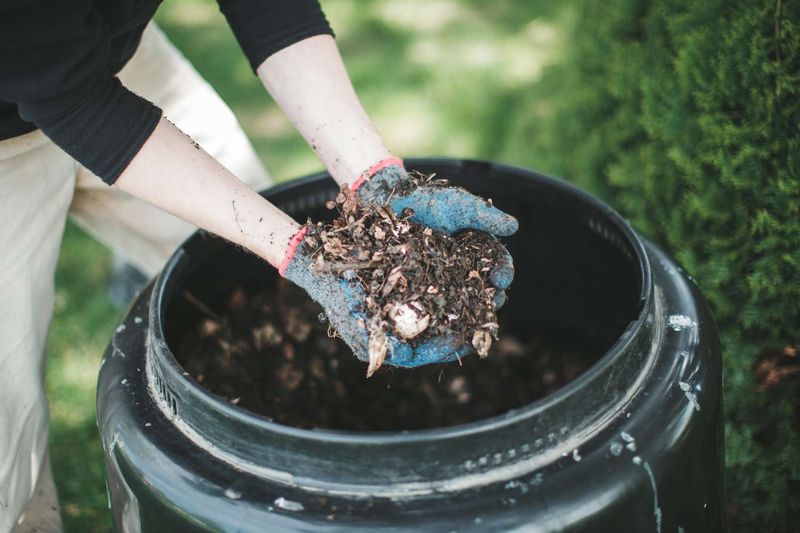
Compost is one of the best things you can add to Texas soil. Finished compost improves drainage, feeds beneficial organisms, and helps plants grow stronger.
The keyword there is finished. Spreading unfinished compost as a mulch layer is a completely different situation, and it can bring rats straight to your garden.
Unfinished compost still contains recognizable food material. Fruit scraps, vegetable peels, bread bits, and other organic matter that has not fully broken down still carries scent.
Rats have an extraordinary sense of smell, and a layer of food-scented material spread across a garden border is a clear signal that food is available in your yard.
Pest management professionals consistently list food access as the primary driver of rat activity in residential areas. Removing food sources is one of the most effective ways to reduce rodent pressure.
Spreading unfinished compost as mulch does the opposite by placing food-scented material directly in your planting beds.
Ticks are less directly affected by compost content, but unfinished compost tends to hold more moisture than finished compost. It also creates a loose, irregular surface with air pockets and gaps that can shelter small arthropods in the same way deep leaf mulch does.
Wait until compost is fully broken down before using it as a surface mulch. Finished compost should smell earthy and clean, with no recognizable food pieces remaining.
Apply it close to plant bases rather than spreading it widely as a thick top layer. Keep it away from patios, fence lines, and any structure where rats might already be traveling. A small change in timing makes compost a helpful tool instead of a pest invitation.
6. Mulch Under Dense Shrubs
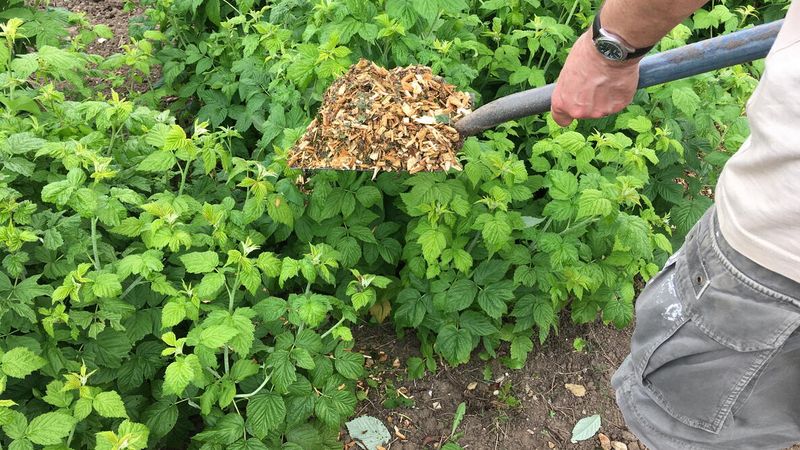
Here is something most landscaping guides skip over entirely: the type of mulch you use matters far less than where you put it.
Any mulch, even the most pest-resistant variety, becomes a problem when it sits under low, dense shrubs, overgrown vines, or thick groundcover that blocks sunlight and air movement.
Mulch under dense shrubs stays perpetually shaded and damp. The plants above trap humidity, block wind, and prevent the mulch from drying out between waterings.
That creates a microclimate right at ground level that ticks find ideal. Studies on tick habitat consistently show that shaded, moist, leaf-covered ground is where tick populations concentrate most heavily.
Rats use the same dense shrub zones as hidden runways. A thick row of low shrubs with mulch underneath gives rodents a covered path they can travel without exposure.
They can move from one end of a yard to the other through dense plantings without ever crossing open ground. This is especially common along fence lines where shrubs grow close together.
Trimming shrubs so their lower branches clear the ground by at least a foot helps break up that protected zone.
Reducing mulch depth under shrubs to a minimal layer, or skipping it entirely in the densest spots, removes the combination of shade, moisture, and cover that both pests depend on.
Keeping the ground layer visible and open under plants takes some regular effort. But it pays off by making your yard less attractive to ticks and rodents without requiring any expensive treatments.
Good pruning and smart mulch placement work together as one of the most practical forms of pest prevention available to Texas homeowners.