Every Tennessee Yard Should Have These Native Smoky Mountains Plants
Your yard doesn’t need another trip to the nursery for plants that struggle through July and fade by August. It needs roots that already know this ground. Native Tennessee plants grew up here.
They’ve adapted to the humidity, settled into the clay soil, and made peace with unpredictable Smoky Mountain weather long before you ever picked up a shovel. Plant them and something shifts. Bees show up. Hummingbirds start circling back.
Butterflies treat your flower beds like a rest stop on a long migration. And you? You stop babysitting a garden and start watching one thrive on its own terms.
Tennessee summers can turn intense fast, but these plants were built for exactly that kind of heat and exactly that kind of storm. If your backyard has been quiet for too long, these native picks are ready to change that.
1. Eastern Redbud
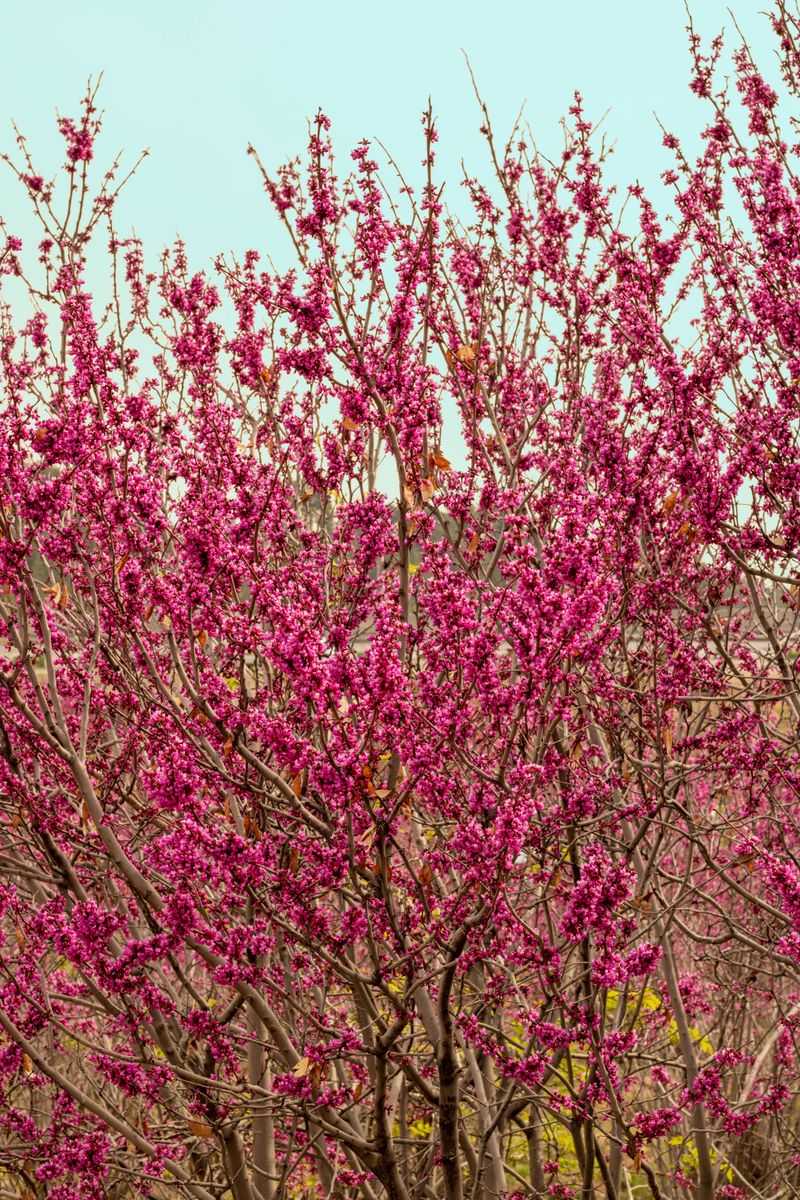
Before the leaves even show up, Eastern Redbud puts on a show. Bright magenta-pink blossoms coat every single branch in early spring, turning your yard into something out of a painting.
This native Smoky Mountains tree is one of the first signs that winter is finally done. Pollinators go absolutely wild for those blooms, and hummingbirds make special trips just to visit.
Eastern Redbud grows to about 20 to 30 feet tall, making it a great mid-size tree for most yards. It fits perfectly under taller oaks or maples without competing for space.
The heart-shaped leaves are a bonus. They turn golden yellow each fall before dropping. Gardeners love how low-maintenance this tree really is once established.
Plant it in full sun to partial shade, and it will thrive with minimal watering after the first season. It handles clay soil like a champ, which is great news for most Tennessee homeowners.
Eastern Redbud also produces small seed pods that birds crack open during winter months. You get four seasons of interest from one single tree.
Native Americans historically ate the flowers raw or cooked them in salads. That fun little fact always surprises first-time growers who thought it was just a pretty face.
If you want one plant that delivers drama, wildlife value, and easy care, this tree offers all three. Your neighbors will be asking about it before April even ends.
2. Flowering Dogwood
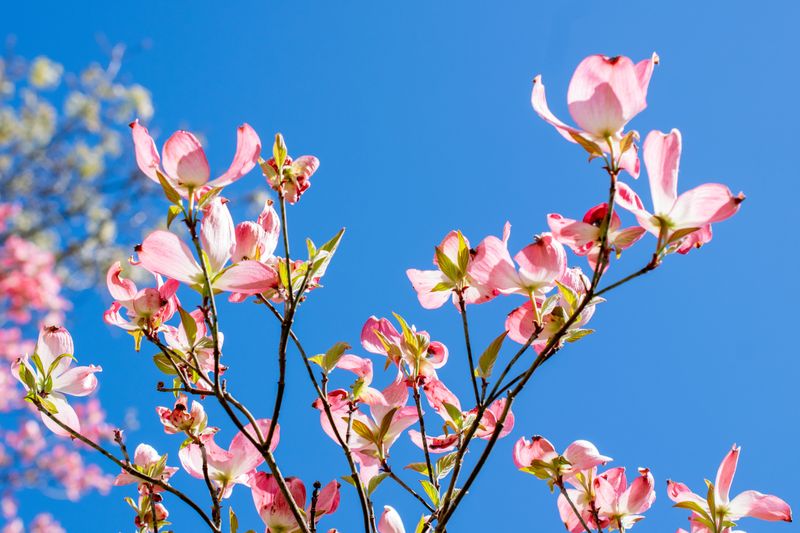
Few trees feel as deeply Southern as the Flowering Dogwood in full bloom. White or pink bracts open wide each April, and the effect is nothing short of breathtaking against a blue sky.
Technically, those big showy petals are not true flowers. They are bracts, which are modified leaves.
The real flowers sit tiny and yellow at the center, but nobody is complaining about the bracts.
This native Smoky Mountains tree grows slowly to about 15 to 25 feet tall. That smaller size makes it ideal for yards where you want beauty without a massive footprint.
Flowering Dogwood loves the dappled shade beneath taller trees, mimicking its natural forest-edge habitat. Plant it where it gets morning sun and afternoon shade for the happiest results.
Your Tennessee Garden Changes Every Week. Your Plan Should Too.
Gardening in Tennessee changes quickly throughout the season. Every Friday you’ll receive a simple weekly plan showing exactly what to plant, prune, fertilize, harvest, and protect so you never miss the right timing.
Come fall, bright red berries appear in clusters and birds devour them quickly. Dozens of bird species are known to feed on Dogwood berries during migration season.
The fall foliage turns a deep burgundy red, giving you a second dramatic moment each year. One tree, two jaw-dropping seasons, and that is a rare combination.
Dogwood bark also has a distinctive blocky, alligator-skin texture that adds winter interest when leaves are gone. Even in the off-season, this tree earns its place in your landscape.
Keep it watered during dry spells in its first two years, and it will reward you for decades. A yard with a Dogwood is a yard with a story worth telling.
3. Oakleaf Hydrangea
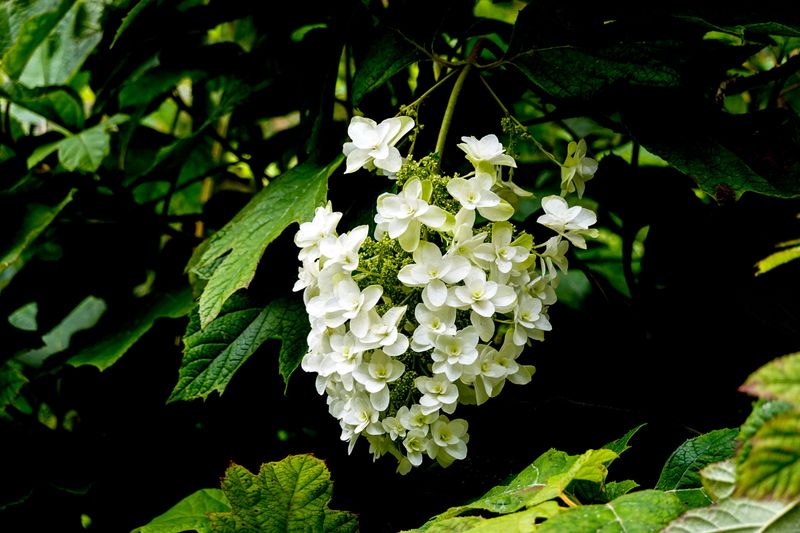
Most hydrangeas need babying, but Oakleaf Hydrangea was built tough right from the start.
This native Smoky Mountains shrub handles drought, deer pressure, and deep shade better than almost anything else in the genus.
Those massive cone-shaped flower clusters start white in summer and slowly age to a papery pinkish-brown. Dried on the stem, they look stunning well into winter without any help from you.
The leaves are the real conversation starter. They look exactly like giant oak leaves, with deep lobes and bold texture. In fall, they turn shades of burgundy, orange, and purple all at once.
Oakleaf Hydrangea typically reaches six to eight feet tall and wide, so give it some room. It works beautifully as a privacy screen, a foundation planting, or a bold garden focal point.
Pollinators love the blooms, especially native bees that need open-faced flowers to access nectar easily. Planting one supports your local food web in a surprisingly big way.
The peeling cinnamon-colored bark adds texture and visual interest during winter months. Even after the leaves drop, the shrub keeps earning its spot in your yard.
Plant it in partial to full shade with well-drained soil, and water it regularly the first season. After that, it largely takes care of itself with impressive confidence.
Oakleaf Hydrangea is proof that native plants can be just as dramatic as anything from a garden center. It is bold, beautiful, and built for the long haul.
4. Black-Eyed Susan
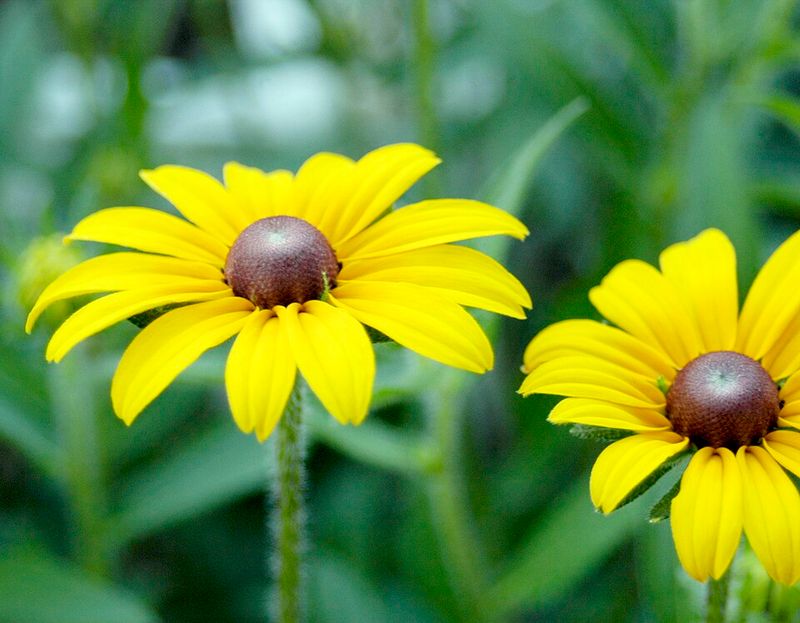
Cheerful does not even begin to cover it. Black-Eyed Susan blazes gold from midsummer through fall, flooding your yard with color exactly when most other plants start fading out.
This native wildflower is a staple of Smoky Mountains meadows, and it brings that same wild energy straight into your garden. Butterflies, bees, and goldfinches all treat it like a favorite diner.
Growing about two to three feet tall, it works in borders, cottage gardens, or naturalized meadow plantings. It spreads by seed over time, so one small patch can become a glorious colony.
Black-Eyed Susan thrives in full sun and tolerates poor, dry soil without any trouble. It is basically the definition of a plant that rewards neglect with abundance.
The bold yellow petals surrounding that dark chocolate center make it one of the most photographed wildflowers in the region. Visitors to your yard will want to know what it is immediately.
Let the seed heads stand through winter and goldfinches will pick them clean. You get free bird feeding without buying a single bag of seed.
This plant is a biennial or short-lived perennial, but it self-seeds so reliably that it feels permanent. Once you plant it, you essentially have it forever.
Black-Eyed Susan pairs beautifully with Purple Coneflower, creating a classic native wildflower duo. Together, they create a pollinator paradise that practically runs itself all season long.
5. Purple Coneflower
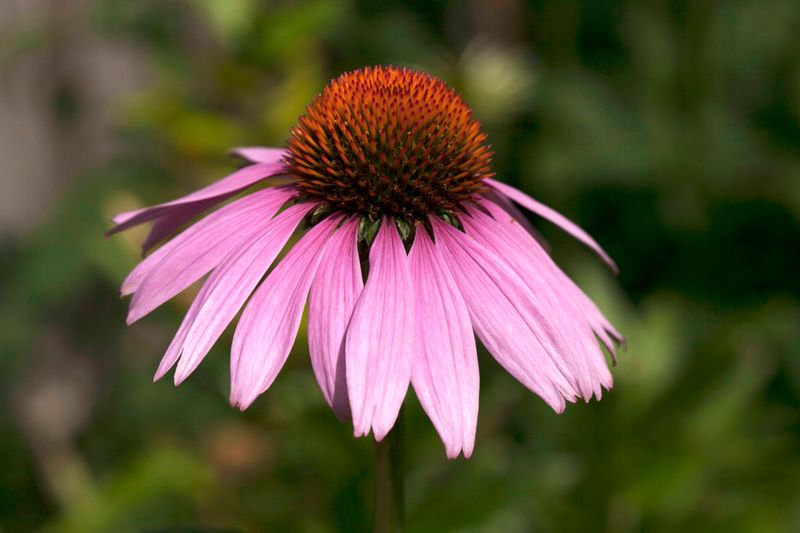
Walk past a patch of Purple Coneflower in July and you will see butterflies stacked three deep on every bloom. This native Smoky Mountains perennial is basically a landing strip for pollinators.
The rosy-purple petals sweep back from a spiky, copper-colored center cone, creating a distinctive look that is instantly recognizable. Gardeners have loved this plant for generations, and the wildlife agrees completely.
Purple Coneflower grows two to four feet tall and spreads steadily into generous clumps over the years. It is a plant that rewards patience. Each year it gets a little bigger and better.
Full sun is where it performs best, though it tolerates some afternoon shade without throwing a fit. Plant it in average, well-drained soil and skip the fertilizer entirely.
Echinacea, the herbal supplement you find at every pharmacy, comes from this exact plant. Native Americans used it medicinally for centuries before it hit store shelves.
After blooming, leave the seed heads standing through fall and winter. Birds like finches and chickadees cling to those spiky cones and pull out seeds one by one.
Purple Coneflower is drought-tolerant once established, making it a smart choice for low-water landscapes. It handles summer heat without wilting, which is a real virtue in a Tennessee summer.
Pair it with Black-Eyed Susan and ornamental grasses for a native garden combination that looks professionally designed. These native Smoky Mountains plants belong together and always look stunning side by side.
6. Serviceberry
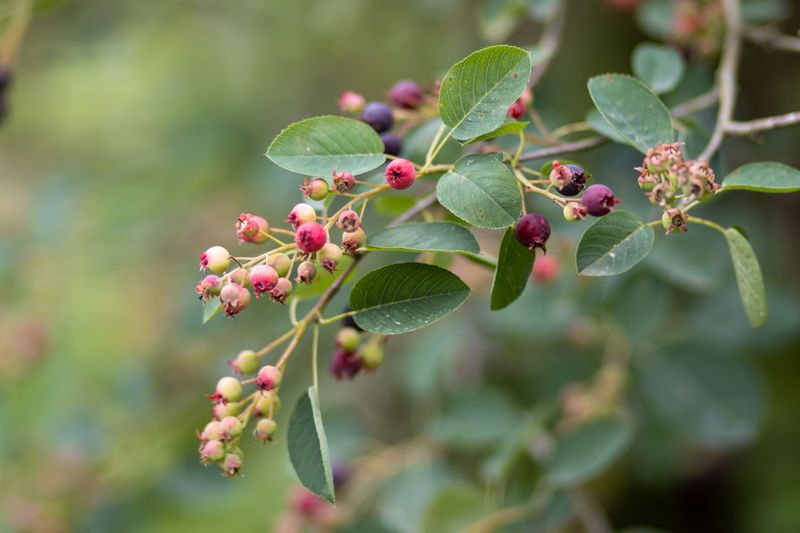
Serviceberry blooms so early in spring that it almost feels like it is showing off. Delicate white flower clusters appear before most other plants have even woken up from winter dormancy.
This native Smoky Mountains small tree or large shrub grows 15 to 25 feet tall depending on the species. It fits naturally into woodland edges, rain gardens, or as a standalone specimen in smaller yards.
The berries ripen in early summer, turning from red to a deep purple-blue. They taste like blueberries with a hint of almond, and both birds and humans love them equally.
Historically, Indigenous peoples dried Serviceberries like raisins and used them in pemmican. Early settlers relied on the fruit too, and the name may come from the timing of Appalachian church services in spring.
Fall color is another standout feature. Leaves turn orange, red, and gold in a layered, painterly way.
This tree earns attention in every single season without demanding extra care.
Serviceberry grows in full sun to partial shade and adapts to moist or average soils. It is one of the most versatile native trees you can add to a Tennessee landscape.
Dozens of bird species are known to eat the berries during early summer migration, making it a valuable food source. Planting one is like opening a rest stop for traveling wildlife.
If you want a tree that gives back to nature while looking gorgeous year-round, Serviceberry is your answer. It is modest in size but mighty in impact.
7. Christmas Fern
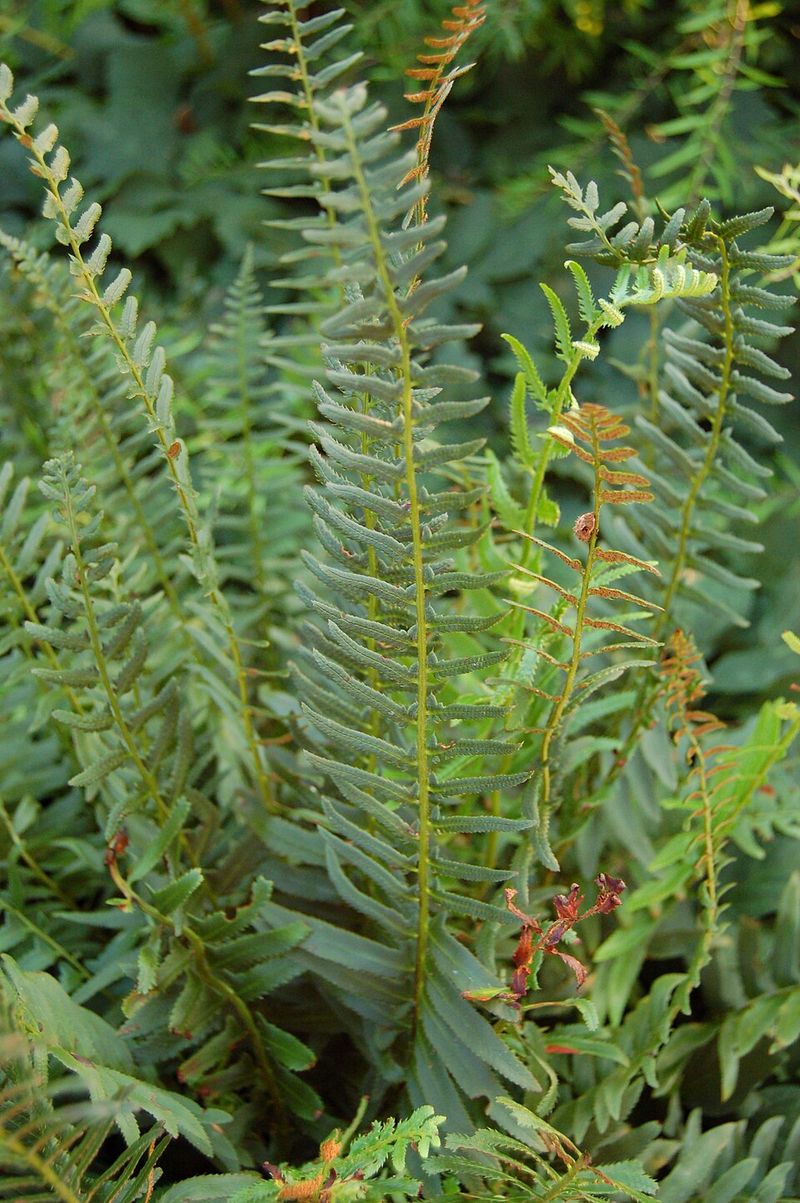
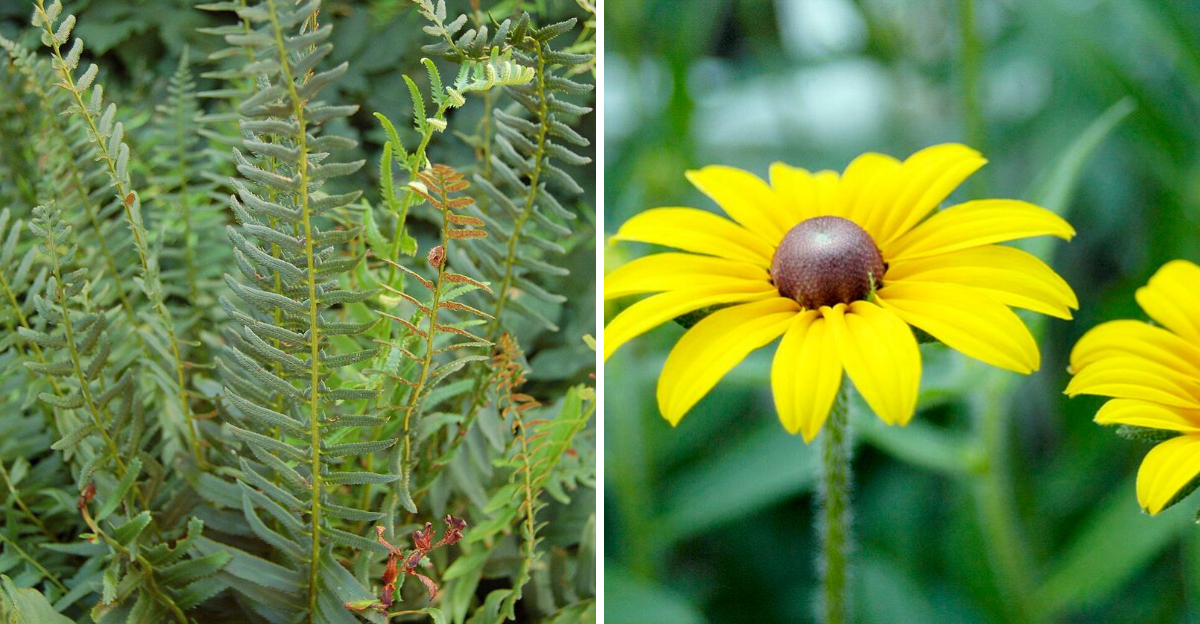
Not every corner of your yard gets sunshine, and Christmas Fern is perfectly fine with that. This tough, evergreen native thrives in deep shade where most plants simply refuse to grow.
The name comes from the small boot or stocking shape of each individual leaflet, which is noticeable if you look closely. Early settlers reportedly used the fronds as holiday decorations, which is a charming origin story.
Christmas Fern stays green all winter long, which is a genuine gift when the rest of the garden looks bare. On a gray January day, a patch of this fern feels like a small miracle.
It grows in clumps about one to two feet tall and spreads slowly but steadily over time. Plant several together under trees or along shaded pathways for a lush, forest-floor effect.
This fern handles dry shade, a notoriously difficult growing condition that stumps many gardeners. Once established, it needs almost no supplemental watering and no fertilizer to look its best.
Wildlife uses dense fern clumps as shelter and nesting cover throughout the year. Salamanders, small mammals, and ground-nesting birds all benefit from this kind of low, leafy protection.
Christmas Fern works beautifully alongside Flowering Dogwood or Oakleaf Hydrangea in a layered shade garden. Together, they recreate the look and feel of a Smoky Mountains forest floor.
If your shady spots have felt hopeless, this fern will change your mind completely. Reliable, elegant, and effortless, it is the quiet anchor every shade garden deserves.
8. Virginia Sweetspire
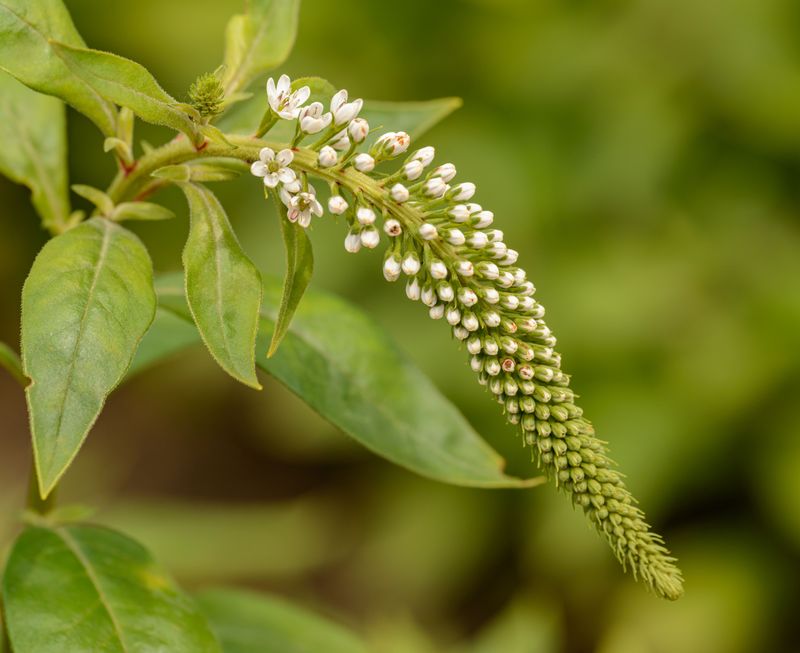
Most shrubs make you choose between good flowers and good fall color. Virginia Sweetspire refuses to compromise and delivers both in spectacular fashion every single year.
Arching white flower spikes bloom in early summer, filling the air with a sweet, honeyed fragrance that carries across the whole yard. Bees and butterflies flock to those blooms like they heard a rumor about them.
Come fall, the foliage shifts through shades of orange, red, and burgundy in a gradient that looks almost hand-painted. Few native shrubs put on a fall display this rich and consistent.
Virginia Sweetspire grows four to six feet tall and spreads by suckering into a graceful colony over time. That spreading habit makes it excellent for erosion control on slopes and stream banks.
It thrives in wet or moist soils where other shrubs struggle and fail. Rain gardens, low spots, and areas near downspouts are perfect homes for this adaptable native plant.
It also tolerates full shade, partial shade, or full sun, giving it flexibility that most shrubs simply do not have. Plant it almost anywhere and it will figure out how to thrive.
Deer tend to leave it alone, which is a significant advantage in areas where browsing pressure is high. Gardeners in rural and suburban settings both appreciate that kind of natural resistance.
Virginia Sweetspire is living proof that native Smoky Mountains plants can be both tough and gorgeous at the same time. Add it to your yard and watch it quietly steal the show.