The Best Heat-Loving Flowers For Full Sun Pennsylvania Gardens
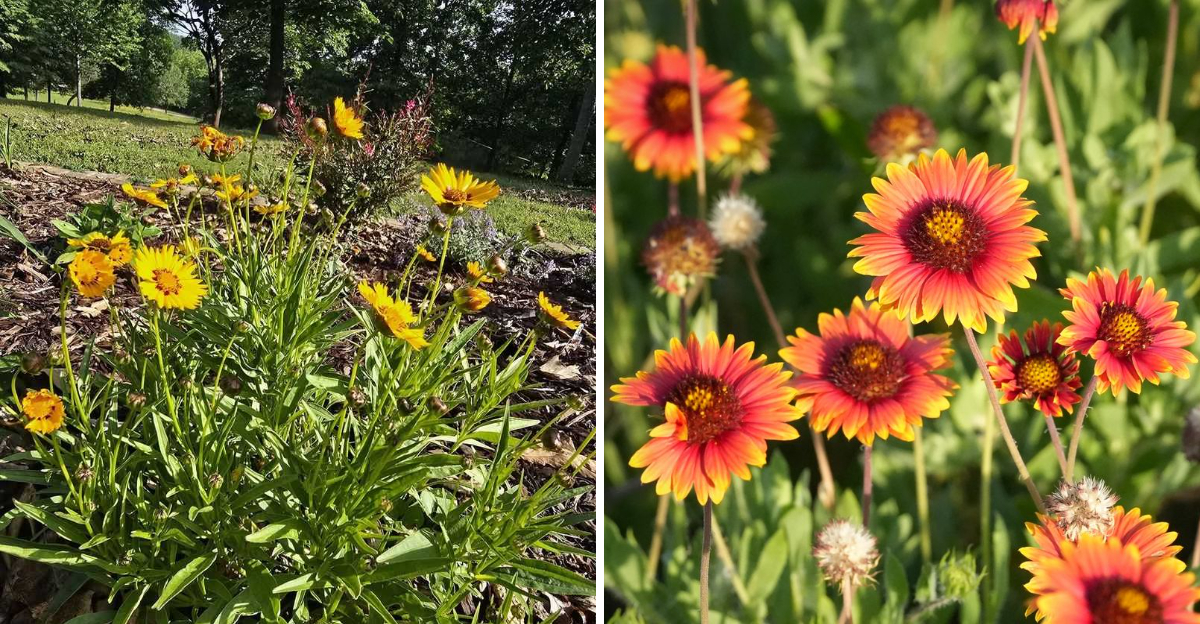
A full sun Pennsylvania garden bed in the height of summer is not the easiest environment to keep looking good.
The sun hits hard, heat builds through the day, and flowers that seemed perfectly happy in spring can start looking ragged and tired once July and August really get going. But for the right flowers, those conditions are not a problem. They’re the whole point.
Some flowers are genuinely built for summer heat, and Pennsylvania grows them beautifully. These are plants that don’t fade when the temperature climbs.
They bloom boldly, hold their color through the hottest days, and keep performing long after less heat tolerant varieties have given up for the season. They’re the flowers that make a full sun garden look its best precisely when everything else is struggling.
Finding the right ones makes the difference between a summer garden that dazzles from June through September and one that peaks in May and slowly declines from there. Here are the best heat loving flowers for full sun Pennsylvania gardens.
1. Black-Eyed Susan
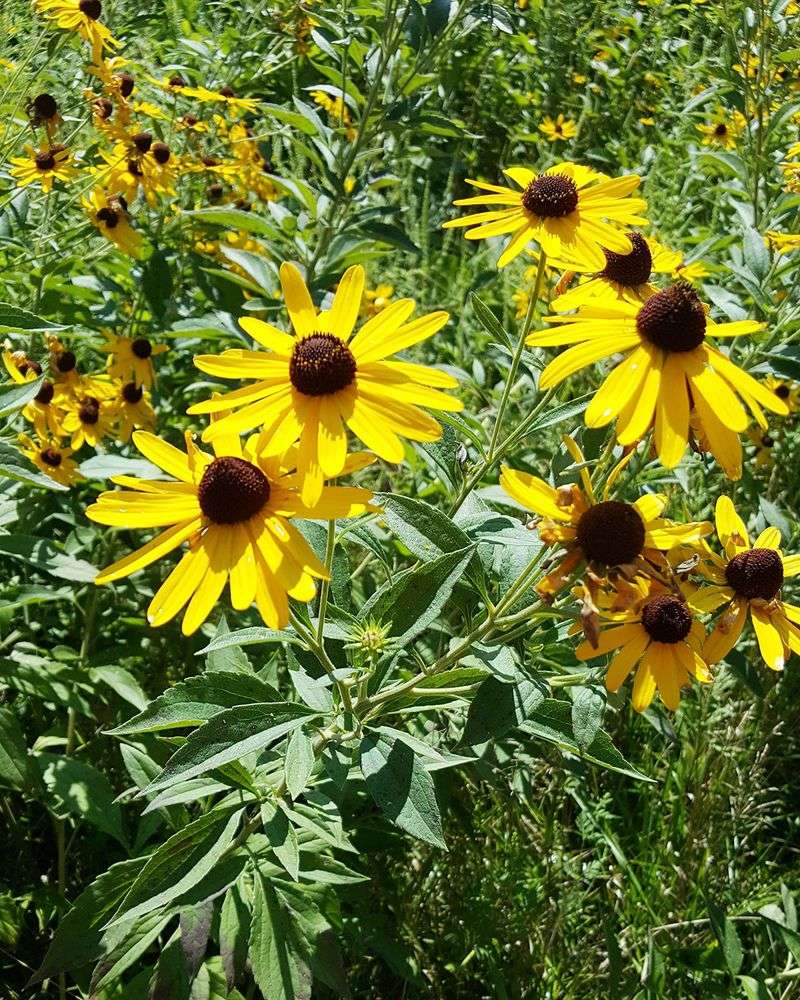
Few flowers say “Pennsylvania summer” quite like the Black-Eyed Susan. This cheerful wildflower has been lighting up meadows and garden beds across the state for generations, and it is easy to see why gardeners keep coming back to it year after year.
The bold yellow petals surrounding a deep brown center are instantly recognizable and genuinely hard to resist.
Black-Eyed Susans thrive in full sun and handle summer heat without complaint. They are native to North America, which means they are already adapted to the climate swings Pennsylvania throws at them.
Once they settle into your garden, they can handle stretches of dry weather without much help from you. That makes them a smart pick for busy gardeners who cannot water every single day.
Bloom time usually runs from late June all the way through September, giving you a solid stretch of color during the hottest months. They work beautifully in mixed borders, along fences, or planted in large drifts for a wildflower effect.
Pollinators absolutely love them, so expect regular visits from bees and butterflies throughout the summer.
Plant Black-Eyed Susans in well-drained soil and give them room to spread. They self-seed freely, so you may find new plants popping up nearby each spring. If you want to keep them contained, simply deadhead spent blooms before seeds drop.
They pair wonderfully with purple coneflower, ornamental grasses, and rudbeckia relatives for a low-maintenance, high-impact summer display that practically takes care of itself all season long.
2. Purple Coneflower
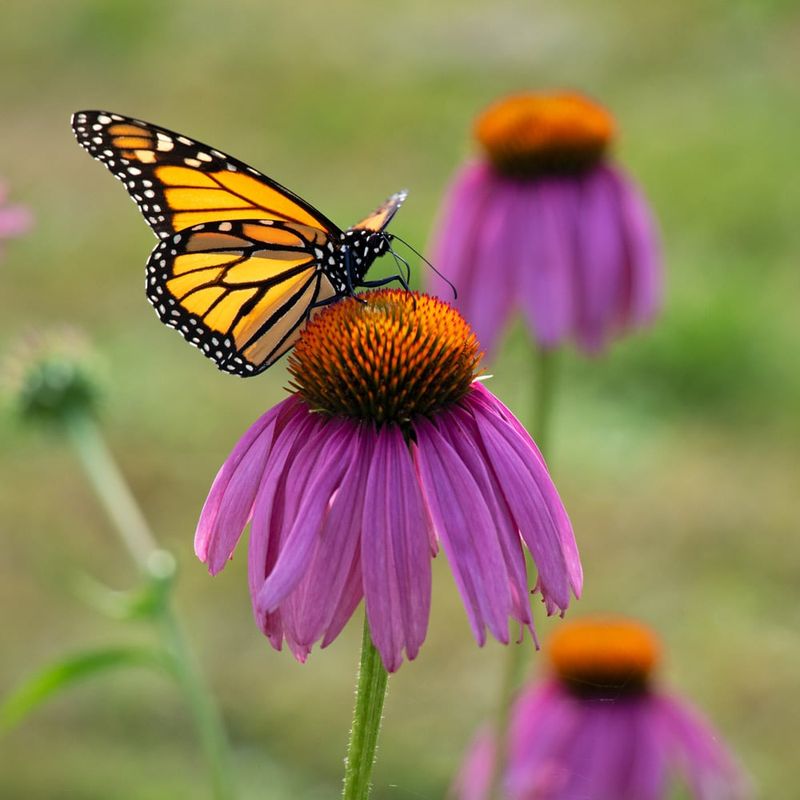
Purple coneflower, known botanically as Echinacea, is one of the hardest-working perennials you can plant in a Pennsylvania garden. It grows upright, stands tall in the heat, and keeps producing blooms from midsummer well into fall.
Gardeners who want color without constant effort tend to fall in love with this plant fast. Once established, purple coneflower handles dry spells remarkably well. Its deep root system reaches down into the soil to find moisture even when the surface feels bone dry.
Your Pennsylvania Garden Changes Every Week. Your Plan Should Too.
Gardening in Pennsylvania changes quickly throughout the season. Every Friday you’ll receive a simple weekly plan showing exactly what to plant, prune, fertilize, harvest, and protect so you never miss the right timing.
That resilience is exactly what you need during those stretches of July and August when rain seems to disappear for weeks at a time. Full sun brings out the best in this plant, encouraging stronger stems and more flowers per season.
Pollinators go absolutely wild for purple coneflower. Bees, butterflies, and even goldfinches visit regularly, making it a fantastic addition to any wildlife-friendly yard.
The spiny seed heads that form after blooming provide food for birds well into autumn and winter, extending the plant’s usefulness beyond the growing season.
Plant it in average to slightly lean soil with good drainage. Rich, overly fertilized soil can actually cause floppy stems and fewer flowers, so hold back on the heavy feeding.
Space plants about 18 to 24 inches apart to allow good airflow, which helps prevent powdery mildew on the leaves.
Purple coneflower pairs beautifully with Black-Eyed Susans, ornamental grasses, and rudbeckia for a low-maintenance, pollinator-friendly border that looks stunning from July straight through to the first frost of the season.
3. Coreopsis
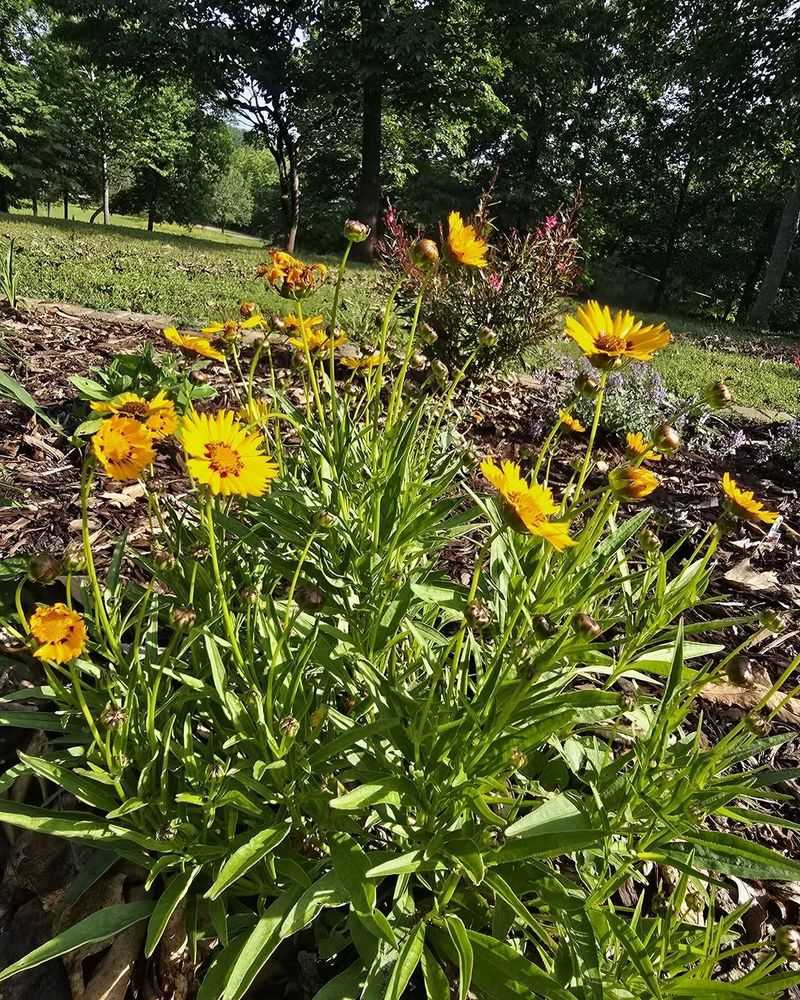
If you want a flower that practically glows in the summer sun, Coreopsis is your answer. Sometimes called tickseed, this cheerful plant produces waves of small, bright yellow blooms that seem almost too vivid to be real.
Threadleaf varieties, in particular, have a delicate, feathery texture that makes them look elegant even in the toughest growing conditions.
Coreopsis is a champion when it comes to handling heat and poor soil. Unlike many flowers that demand rich, amended beds, this one actually performs better in lean, well-drained, or even rocky soil.
Overly rich soil can push leafy growth at the expense of flowers, so skip the heavy fertilizing and let the plant do its thing. Full sun is non-negotiable, though. Give it shade and the bloom count drops quickly.
One of the best features of Coreopsis is its ability to rebloom. After the first big flush of flowers fades in early summer, shear the plant back by about one-third.
Within a few weeks, a fresh round of blooms appears. This trick can keep color coming right up until fall frost. Deadheading individual spent flowers also extends the show between major cutbacks.
Coreopsis works beautifully along the front edge of a sunny border, where its airy texture softens the look of larger, bolder plants behind it. It pairs naturally with yarrow, salvia, and ornamental grasses.
Deer tend to avoid it, which is a bonus for Pennsylvania gardeners dealing with regular wildlife pressure. Once established, it needs almost no supplemental watering and rewards even the most hands-off gardener with season-long color and charm.
4. Yarrow
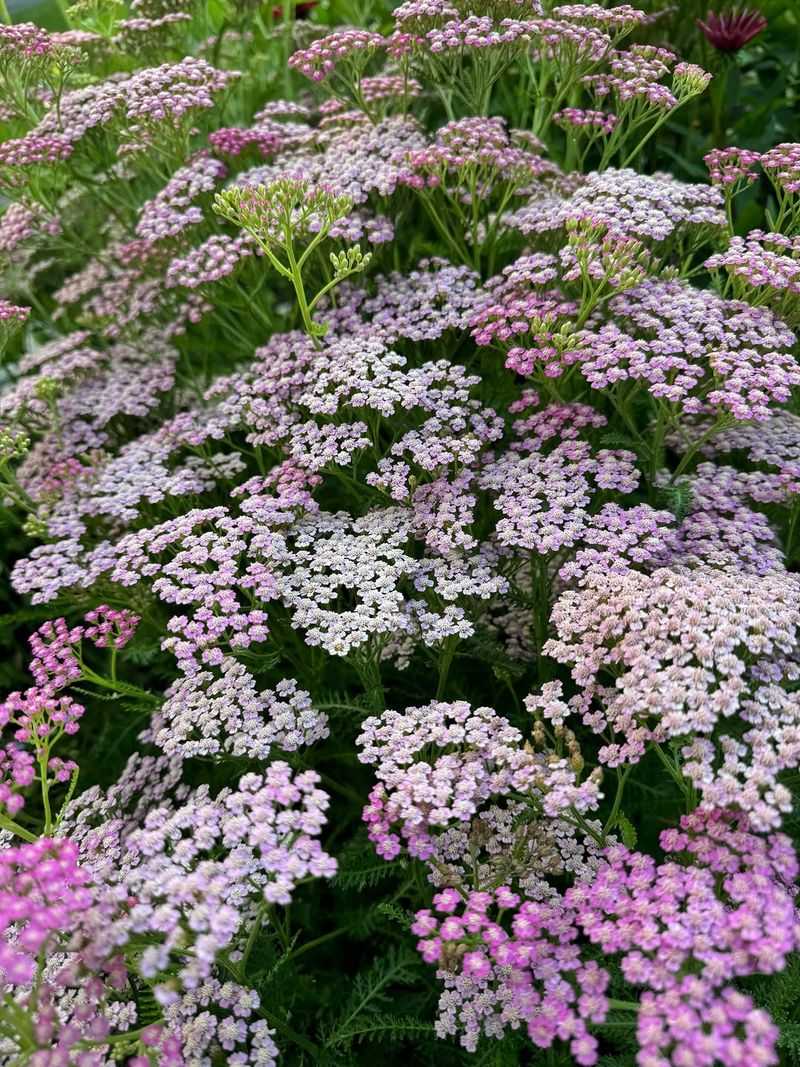
Yarrow has been growing in fields and gardens for thousands of years, and there is a very good reason it has stuck around so long. This tough, adaptable perennial thrives in exactly the conditions that challenge most other plants: full sun, dry soil, and baking summer heat.
Pennsylvania gardeners who deal with hot, exposed beds should consider yarrow one of their best friends.
The flowers come in a surprisingly wide range of colors. Classic yellow is the most common, but modern varieties offer shades of red, orange, pink, white, and soft lavender.
The flat-topped flower clusters sit on sturdy stems above feathery, aromatic foliage that deer tend to avoid.
That combination of color variety and pest resistance makes yarrow an especially practical choice for Pennsylvania landscapes where deer pressure is a real concern.
Soil quality barely matters to yarrow. It actually performs better in lean, well-drained ground than in rich, amended beds.
Overly fertile soil causes tall, floppy stems that need staking. Plant it in average or sandy soil, skip the fertilizer, and let it settle in.
Once established, it needs almost no supplemental watering, even during extended dry stretches in July and August.
Cut the stems back after the first flush of blooms fades to encourage a second round of flowers later in the season. Yarrow also makes an excellent cut flower and dries beautifully for arrangements.
Plant it alongside Coreopsis, Russian sage, or ornamental grasses for a drought-tolerant border that looks polished and intentional all summer long without demanding much attention from you at all.
5. Sedum
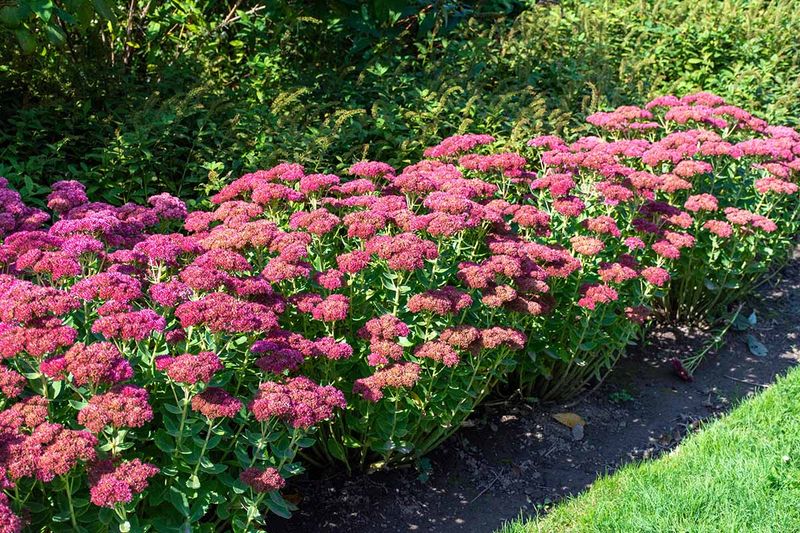
Walk past a sunny patio or driveway border in late summer and you might spot Sedum doing something most plants cannot manage: looking completely unfazed by the heat.
This tough, fleshy-leaved perennial stores water in its thick stems and foliage, which means it keeps going strong even when summer turns brutally dry.
For spots near pavement where reflected heat can be intense, Sedum is practically unbeatable.
Tall varieties like Autumn Joy are the most popular for Pennsylvania gardens. They start the season with attractive blue-green mounds of foliage that look tidy and interesting even before the flowers appear.
By late August, large, flat-topped flower heads emerge in shades of dusty pink that deepen to rose and eventually to a rich copper-red as fall approaches. The changing color across the seasons gives this plant a four-season presence that few other perennials can match.
Sedum thrives in average to poor, well-drained soil. It handles full sun with ease and actually struggles in shady or overly wet conditions, so make sure your planting spot drains well after rain.
Space plants about 18 inches apart to allow good air circulation around the stems. Dividing clumps every three to four years keeps them vigorous and prevents the center from opening up and flopping outward.
Pollinators love the late-season blooms, making Sedum a valuable food source for bees and butterflies preparing for fall. Leave the dried seed heads standing through winter for structure and bird interest.
Pair it with ornamental grasses, Black-Eyed Susans, or coneflowers for a border that looks intentional and beautiful from spring all the way through the first hard freeze of autumn.
6. Blanket Flower
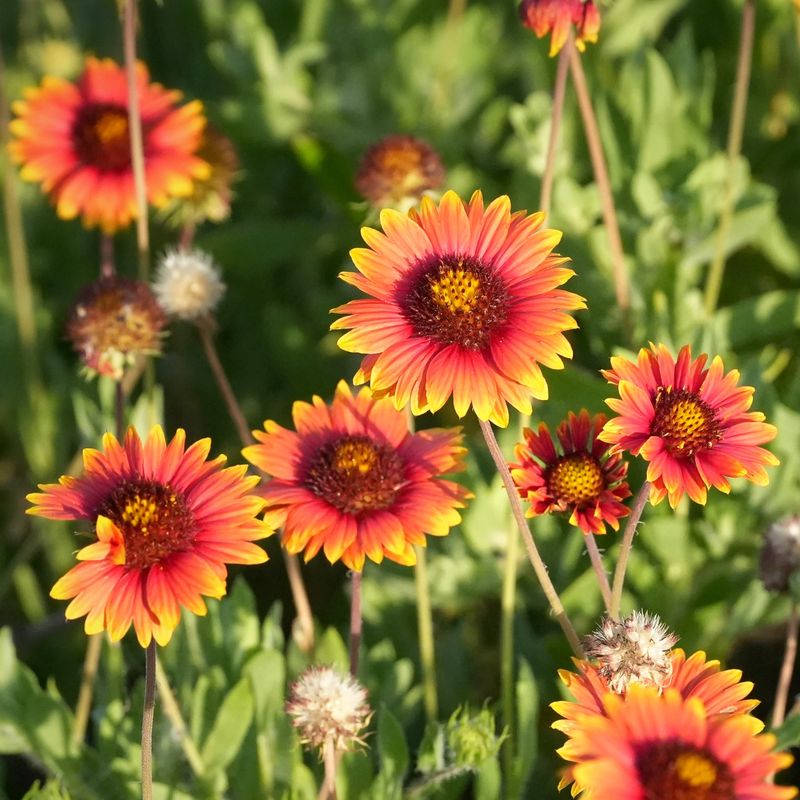
There is nothing shy about a Blanket Flower. The bold red, orange, and yellow petals radiate outward from a dark center like a tiny sunset, and the color intensity actually increases in the hottest, sunniest spots of your garden.
Named for the vivid patterns found on Native American blankets, Gaillardia brings some of the most eye-catching color available to full-sun Pennsylvania beds.
Blanket Flower loves heat and handles drought better than most flowering perennials. The key to keeping it happy is well-drained soil.
Wet feet are its one real weakness, so avoid planting it in low spots where water collects after rain. Sandy or gravelly soil suits it perfectly.
If your garden bed tends to stay moist, mix in some coarse grit before planting to improve drainage and prevent root issues.
Deadheading spent blooms regularly keeps Blanket Flower producing new flowers from early summer through fall. Without deadheading, the plant slows down and focuses energy on seed production rather than new blooms.
A light trim after the main summer flush also refreshes the foliage and encourages a strong second wave of color in late August and September. Some gardeners shear the whole plant back by half in midsummer for a tidy, reblooming effect.
Pollinators are drawn to the open, accessible flower structure, making Blanket Flower an excellent addition to a dedicated pollinator garden. It pairs beautifully with Coreopsis, ornamental grasses, and Russian sage for a warm-toned, low-water border.
Short-lived as a perennial in some cases, it self-seeds reliably, so new plants tend to fill gaps and keep the planting looking full and lively year after year.
7. Bee Balm
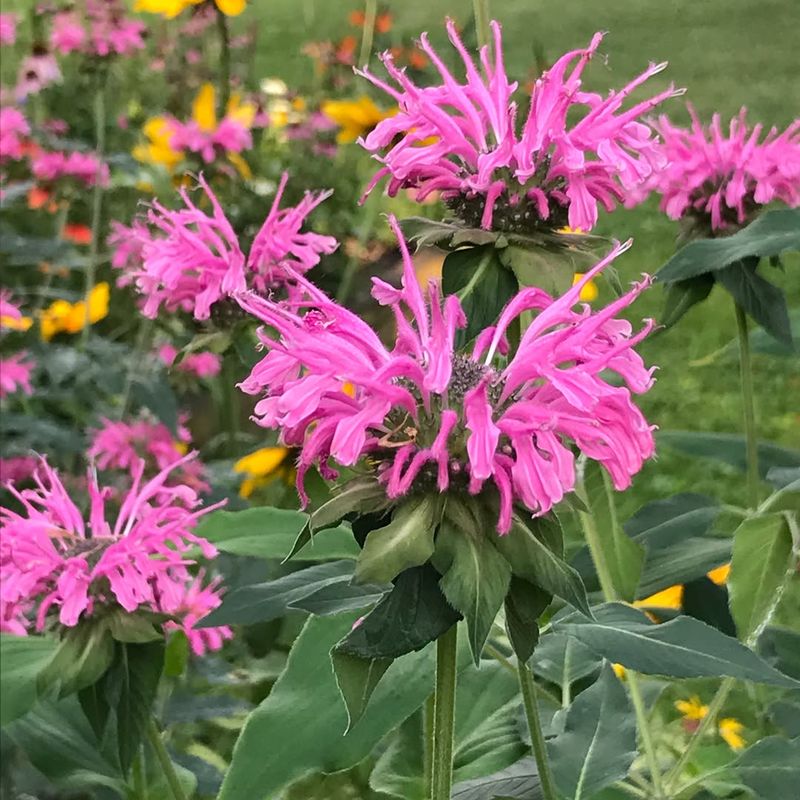
Bold, buzzing, and absolutely loved by hummingbirds, Bee Balm is one of the most exciting summer bloomers you can add to a Pennsylvania garden.
The shaggy, crown-like flower heads come in vivid shades of red, pink, purple, and white, and they show up just when the garden needs a dramatic focal point most.
Midsummer heat does not slow this plant down at all as long as the soil stays reasonably moist.
Bee Balm is a native North American plant, which gives it a natural advantage in Pennsylvania landscapes. It belongs to the mint family, and like its relatives, it spreads enthusiastically once established.
Give it room to roam or plan to divide it every two to three years to keep it from overtaking neighboring plants. That spreading habit is actually useful for filling large, sunny spots quickly.
Airflow matters with Bee Balm. Planting it too close together or against walls with poor circulation can lead to powdery mildew on the leaves by late summer.
Choose mildew-resistant varieties like Jacob Cline or Raspberry Wine for the best results. These newer selections maintain better foliage appearance throughout the season even during humid Pennsylvania summers.
Water Bee Balm during extended dry spells, especially in July and August when drought stress is most common. A layer of mulch around the base helps hold soil moisture between rain events and keeps roots cooler during heat waves.
Plant it alongside ornamental grasses, Joe Pye weed, or tall Sedum for a naturalistic, pollinator-rich border that hummingbirds, bees, and butterflies will visit from the very first day the flowers open each summer.