Michigan Vegetables That Need To Be Harvested In July To Make Room For Fall Crops
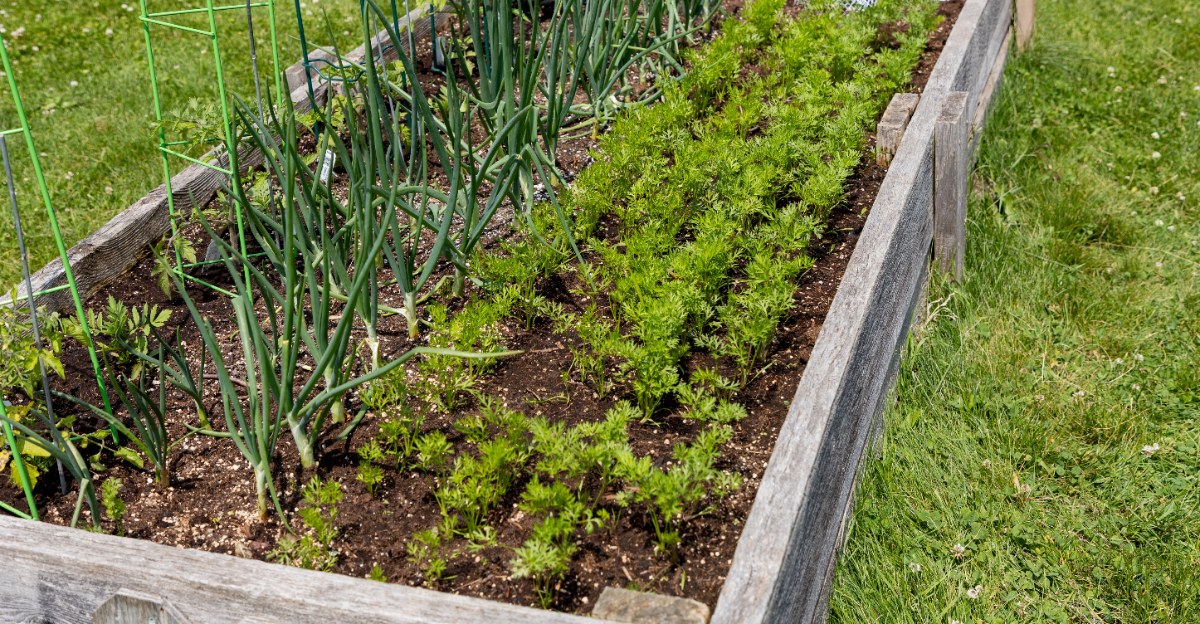
July feels like the middle of the season, but for certain vegetables in Michigan it is already the end of their productive window whether the plants look finished or not.
Leaving crops in the ground past their peak usefulness is one of the most common ways gardeners lose the fall planting window entirely.
The math of the growing season here does not leave much room for delay. Fall crops need time to establish before frost, and the beds they require are currently occupied by summer vegetables sitting past their prime.
Knowing exactly which crops to pull in July and when to pull them is what keeps the second half of the Michigan growing season as productive as the first.
1. Spring Peas
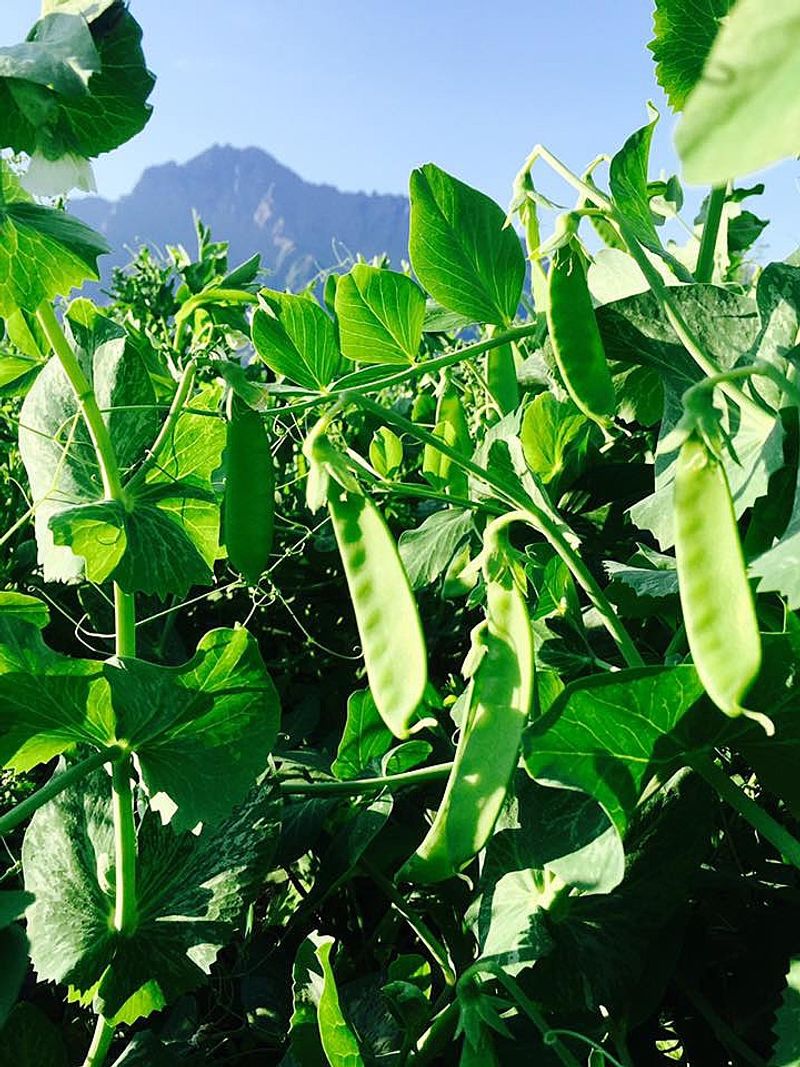
There is something satisfying about a handful of freshly picked peas straight from the vine, but timing matters more than most gardeners realize.
Spring peas in Michigan are a cool-season crop, and once summer heat kicks in, the plants start to slow down fast.
Waiting too long after that point means tougher pods, starchy seeds, and wasted garden space.
For standard shelling peas, the key is picking before the seeds fully swell inside the pod. Snow peas should come off the vine even earlier, before the peas inside start to push against the pod walls.
Checking your plants every day or two during peak harvest keeps quality high and gives you the most tender results.
Once the vines slow down and stop producing well, pull the whole bed. That cleared space is prime real estate for fall crops.
Beets, spinach, turnips, and cool-season greens all do well when started in late July or early August in Michigan. Peas also fix nitrogen in the soil, so the bed you clear will actually be in great shape for whatever comes next.
Getting those vines out promptly is the smartest move you can make for your fall garden plan.
2. Leaf Lettuce
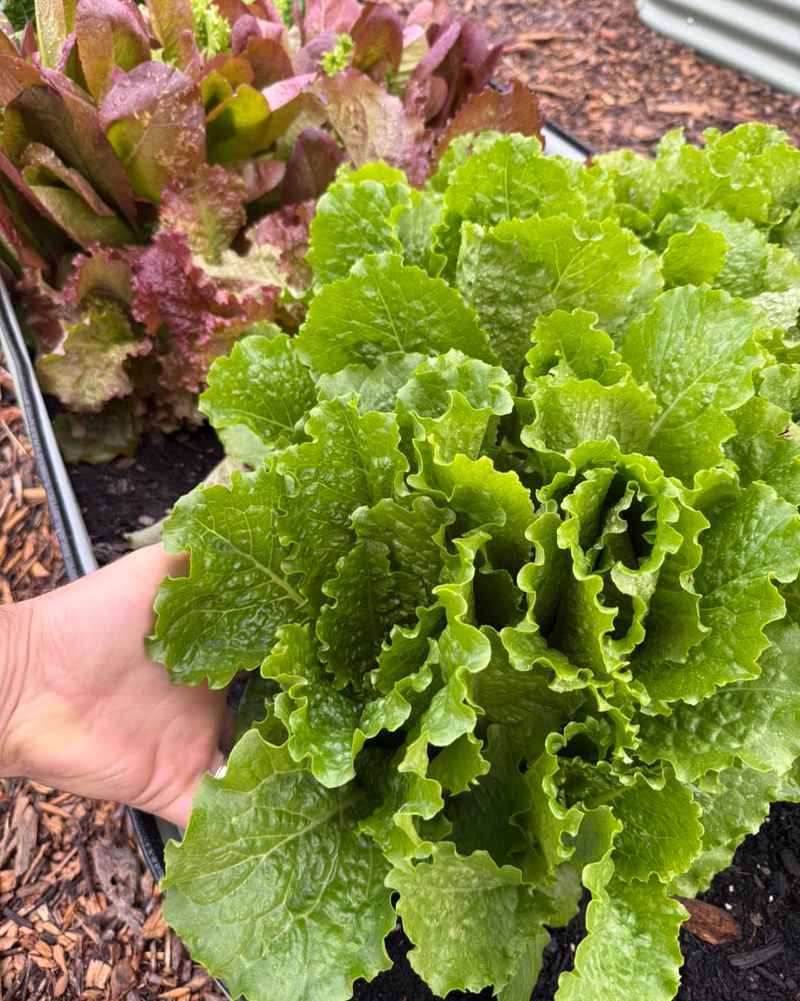
Leaf lettuce is one of those crops that rewards patience early in the season, but July heat changes the game quickly. Michigan summers can push daytime temperatures high enough to make lettuce leaves turn bitter and tough almost overnight.
Once that happens, the flavor drops and the plants are no longer worth keeping in the ground.
The good news is that leaf lettuce gives you some flexibility. You can harvest outer leaves gradually as the plant grows, which extends your picking window by several weeks.
When the leaves start to look stressed, taste bitter, or the plant begins to bolt and send up a flower stalk, that is your signal to pull the whole thing and clear the bed.
Freshly cleared lettuce rows are perfect for a fall replanting. Spinach, kale, arugula, and a new round of leaf lettuce all thrive when started in late summer for a September and October harvest.
The soil in a recently cleared lettuce bed is usually loose and easy to work with, which makes direct seeding simple.
Timing your clearance right in July means your fall greens will be up and growing before temperatures cool too much. Few garden moves pay off as quickly as this one does.
Your Michigan Garden Changes Every Week. Your Plan Should Too.
Gardening in Michigan changes quickly throughout the season. Every Friday you’ll receive a simple weekly plan showing exactly what to plant, prune, fertilize, harvest, and protect so you never miss the right timing.
3. Spinach
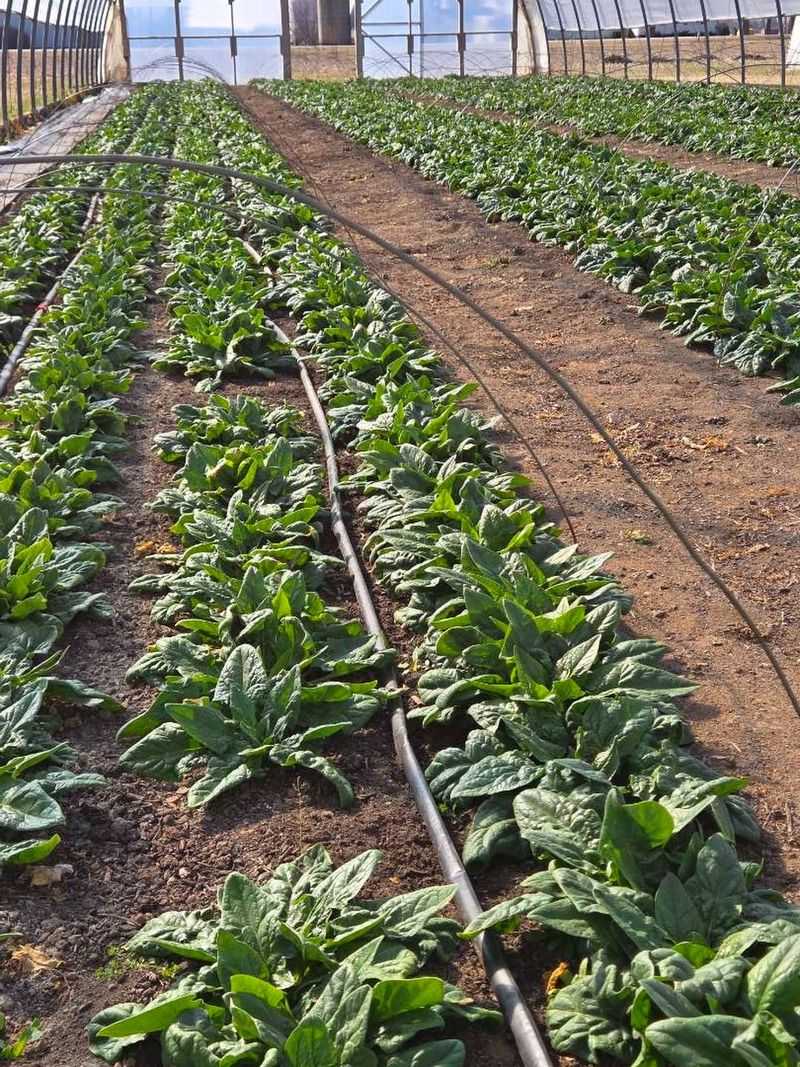
Spinach is one of the most cold-tolerant vegetables you can grow in Michigan, but that same quality makes it struggle when summer arrives.
Once temperatures consistently climb above the mid-70s, spinach starts to bolt, sending up a tall flower stalk and shifting its energy away from leaf production.
The leaves that remain often turn smaller, tougher, and more bitter than what you picked in May and June.
July is the month to make a final sweep through your spinach bed. Pick every usable leaf you can find before the plants go fully to seed.
Even slightly overgrown leaves work well cooked in soups, stir-fries, or pasta dishes, so nothing has to go to waste.
After the harvest, pull the old plants out completely and add them to your compost pile. The cleared bed can be replanted with a new spinach crop starting in late July or early August for a fall harvest.
Spinach actually germinates best when soil temperatures are between 50 and 65 degrees Fahrenheit, so a late-summer planting in lines up perfectly with cooler fall conditions.
Getting the old plants out now gives your fall spinach the clean start it needs to thrive. Healthy, productive spinach in October starts with smart decisions made in July.
4. Radishes
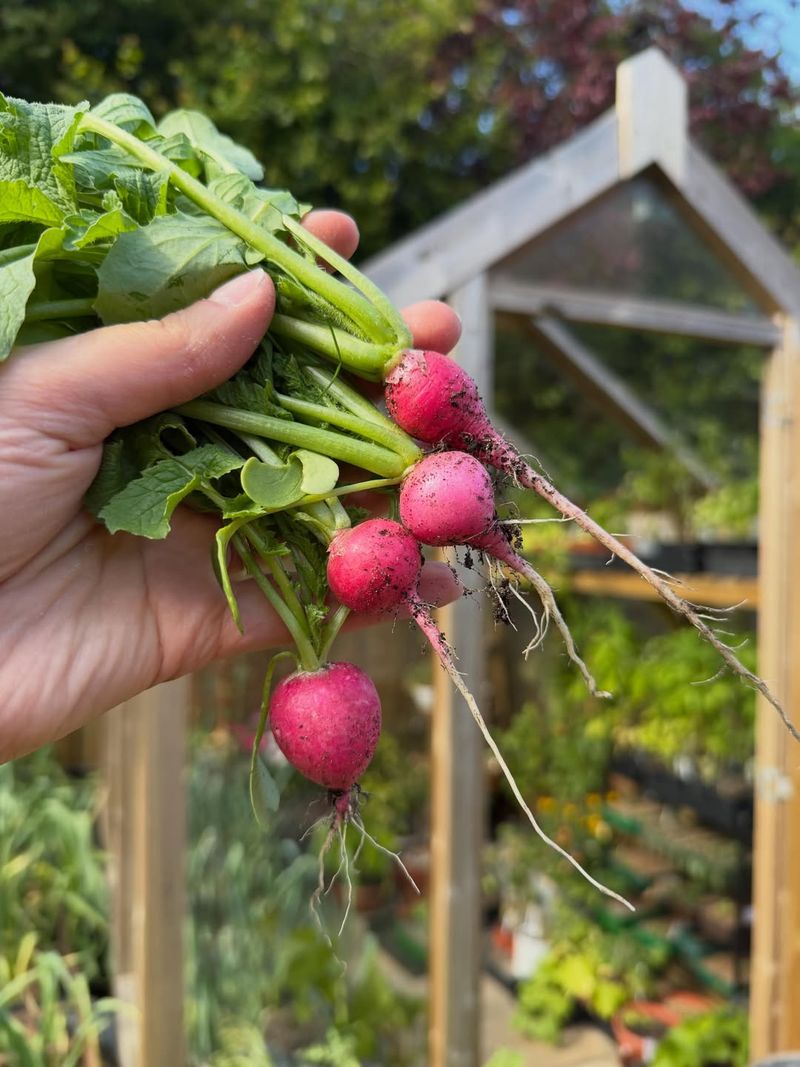
Radishes grow faster than almost any other vegetable in the garden, which makes them easy to overlook once the season gets busy.
Spring-planted radishes in Michigan are often ready to pull within 25 to 30 days of sowing, but many gardeners leave them sitting in the ground far longer than they should.
Heat pushes radishes to bolt quickly, causing the roots to become pithy, hollow, and unpleasant to eat.
Michigan State University notes that radishes are among the vegetables that can bolt in hot weather, so July is not the time to let them linger.
Pull roots as soon as they reach a good size, usually about three-quarters of an inch to one inch in diameter depending on the variety.
Leaving them even a week too long in warm soil makes a noticeable difference in texture and flavor.
Once the radish row is cleared, you have a narrow but useful strip of garden space ready to work with. That opening is great for sowing fall crops like beets, carrots, leaf lettuce, or mustard greens.
Radishes are also a handy companion crop to tuck in between slower-growing vegetables throughout the season.
Clearing the row in July keeps your garden productive and prevents bolted plants from taking up space that could be working much harder for you.
5. Kohlrabi
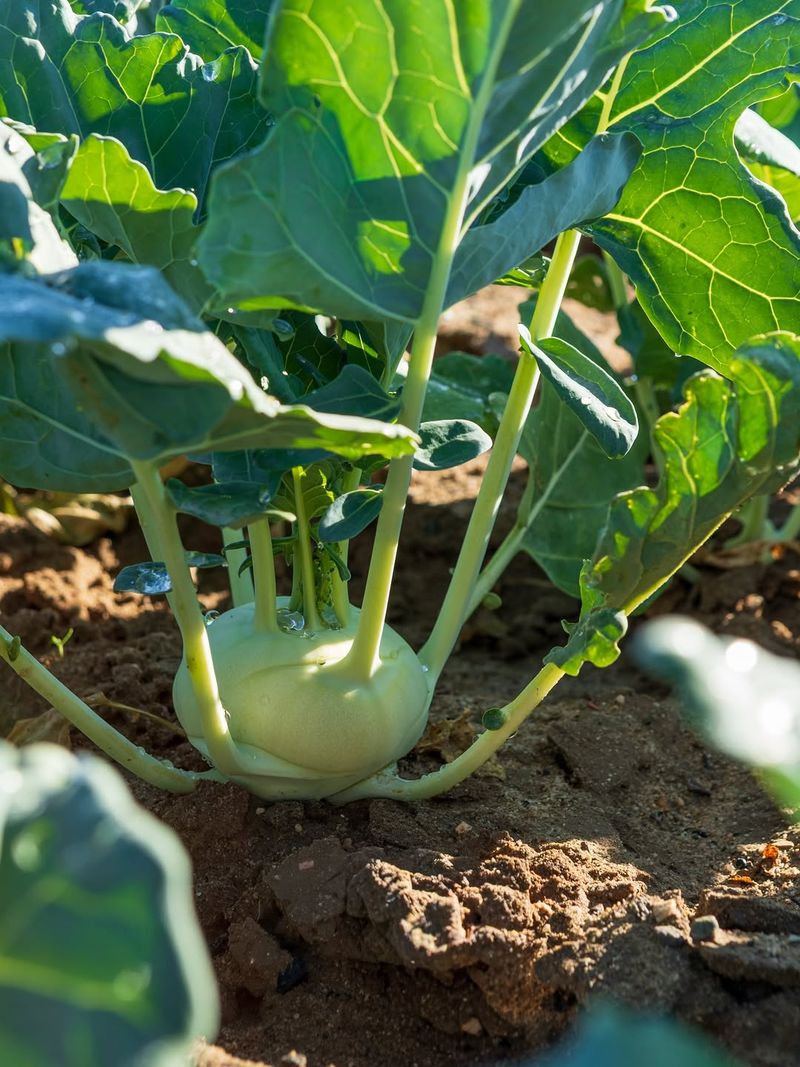
Kohlrabi might look a little unusual with its round, swollen stem sitting above the soil, but it is one of the more rewarding cool-season crops you can grow in a garden.
The trick with kohlrabi is catching it at exactly the right moment, because this is a vegetable that does not improve with age once it passes its peak size.
Michigan State University recommends harvesting kohlrabi when the swollen stem reaches about two to three inches across. Beyond that size, the texture turns woody and fibrous, and the mild, slightly sweet flavor becomes less appealing.
Checking your plants every few days in July is the best way to catch each one at just the right moment before the heat pushes them past their prime. After you pull the kohlrabi, the cleared space in your garden is ready for a fall crop.
Because July still gives you enough time before Michigan’s first frost, you can plant crops with a shorter days-to-harvest window, like radishes, leaf lettuce, spinach, or baby beet greens.
Kohlrabi itself can even be replanted for a fall harvest if you start a new round of seeds in July. Either way, clearing the bed promptly keeps your garden space working at full capacity all season long instead of sitting idle through the hottest weeks of summer.
6. Broccoli
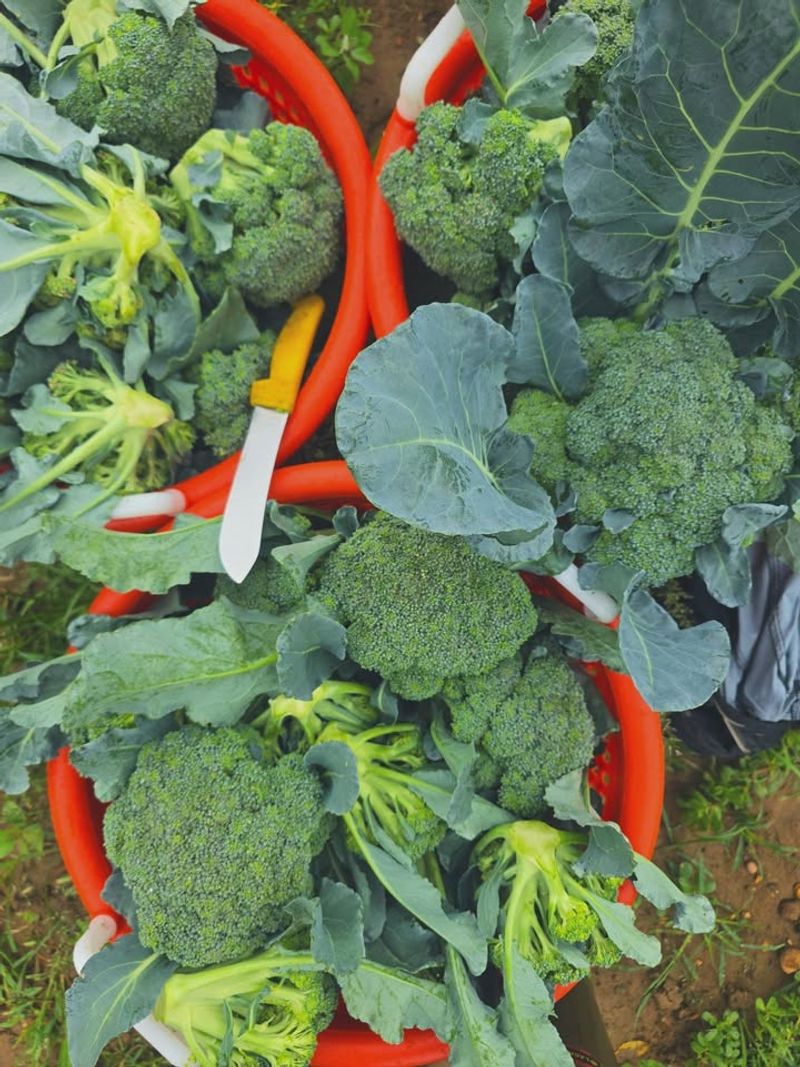
Broccoli is one of those vegetables that looks like it has all the time in the world, and then suddenly it bolts on a warm afternoon and the whole head turns yellow before you can grab a knife.
Spring-planted broccoli in Michigan often reaches harvest readiness right around early to mid-July, and the window between perfect and past-peak can be surprisingly short.
Michigan State University includes broccoli on its list of cool-season crops that can lose quality in July heat. Once the main head is tight and deep green, it is time to cut.
After the main harvest, the plant may push out smaller side shoots for another week or two, and those are worth picking as well. But once side shoot production slows, there is little reason to keep the plant in the ground.
Clearing broccoli plants out in July frees up a solid chunk of garden space. The roots are large, so loosening the soil after removal is a good idea before replanting.
That bed can support a fall planting of greens like kale, Swiss chard, arugula, or even a second round of broccoli started from transplants.
Broccoli actually prefers cooler growing conditions, so a fall crop often produces better quality heads than the spring planting did. Harvesting and clearing in July sets up that fall success beautifully.
7. Cabbage
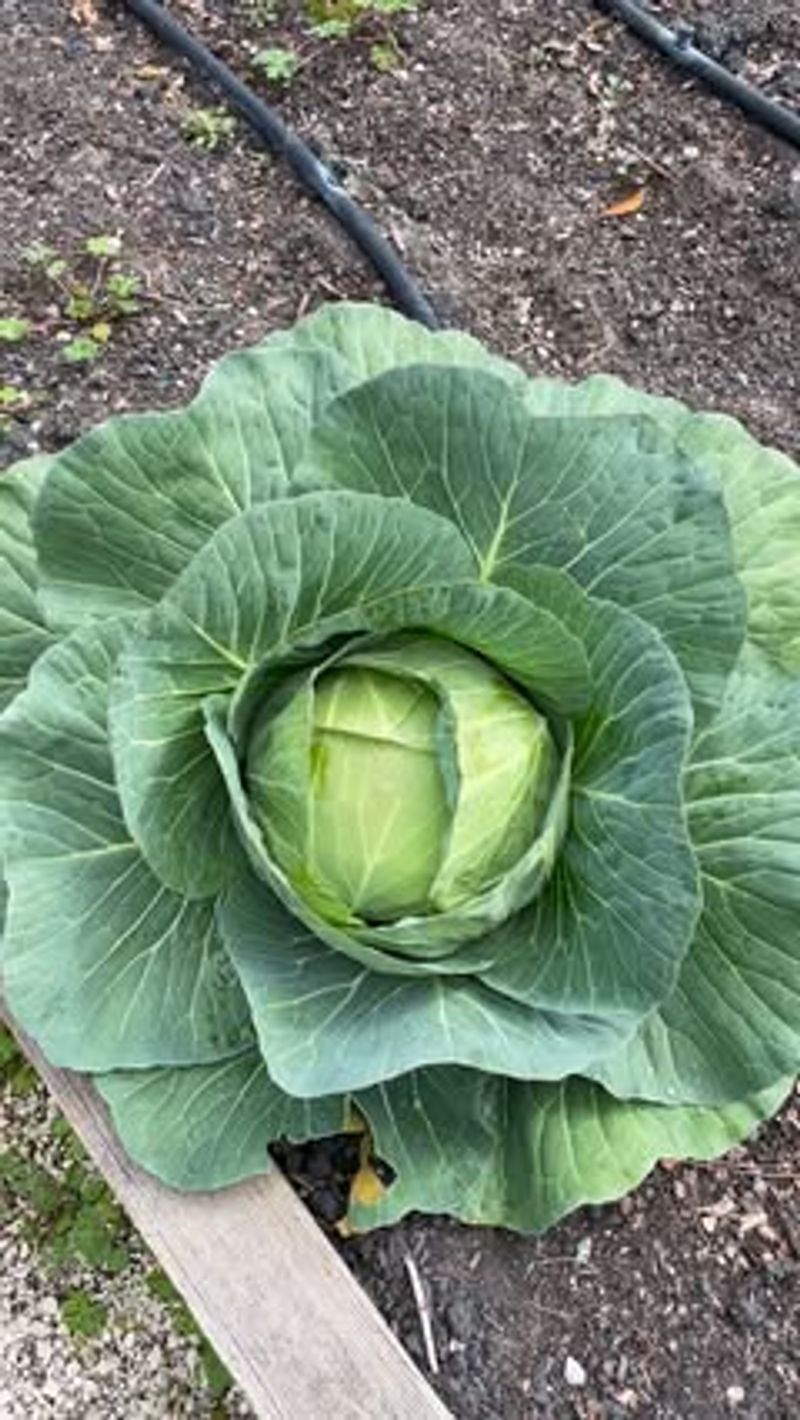
Few things in the garden feel as rewarding as cutting a solid, heavy cabbage head that you grew from seed back in March.
Early cabbage varieties planted in Michigan in spring are often ready for harvest by late June or July, and timing the cut right makes a real difference in quality and flavor.
Cabbage is a cool-season crop, and hot July temperatures are not its friend. Heads that sit too long in summer heat can crack, lose their crisp texture, or develop off flavors.
Pressing the head firmly with your hand is a simple way to check readiness. A head that feels dense and tight is ready to cut, while a loose or spongy head needs more time.
Once you harvest the mature heads, clear the bed completely and get it ready for fall planting. Cabbage plants are large and their root systems take up significant space, so removing them promptly frees up more room than you might expect.
Fall crops like turnips, beets, kale, or a second round of cabbage from transplants all work well in the cleared space. Starting fall brassicas like cabbage in late July gives them time to establish before Michigan nights cool down in September.
Clearing your spring cabbage in July is one of the best investments you can make for a strong autumn harvest.
8. Beets
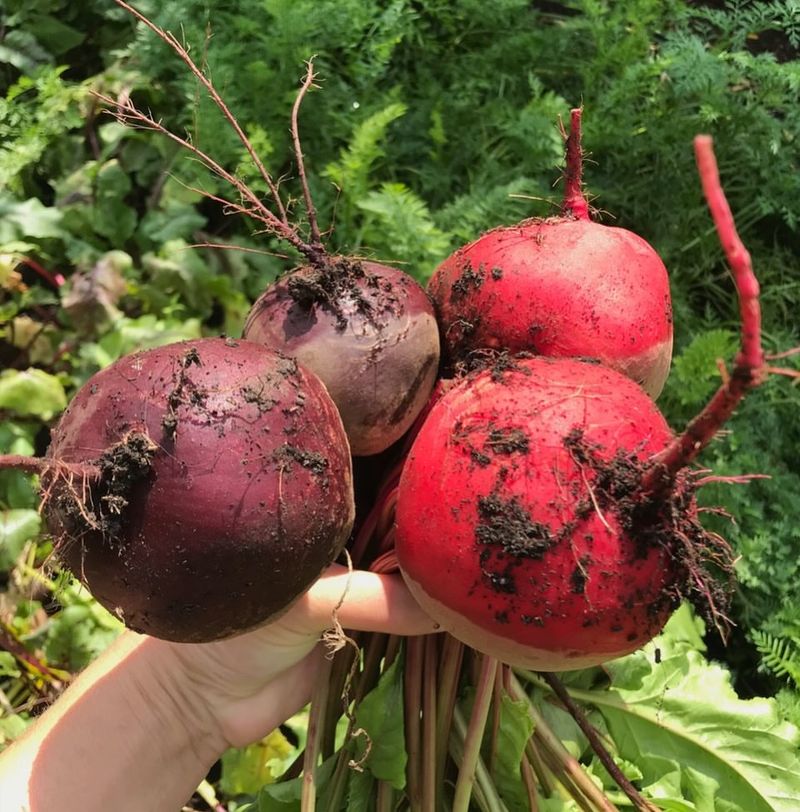
Beets are one of those underrated garden workhorses that give you two harvests in one. The roots are delicious roasted, pickled, or steamed, and the leafy tops are tender and nutritious when cooked like Swiss chard.
Spring-planted beets in Michigan can be ready for harvest by July, depending on when you put them in the ground.
Michigan State University notes that beets come in at around 60 days to harvest, which is useful information for fall crop planning. A spring sowing made in late April or early May puts July right in the harvest window.
Checking the root size by gently brushing away a little soil near the base of the plant gives you a clear picture of what is ready to pull. Beets are typically at their best when the root is one and a half to three inches across.
After harvesting your spring beets, the cleared row can be replanted for a fall crop. A new sowing of beets made in late July will have plenty of time to mature before first frost arrives in the fall.
Beets actually develop sweeter flavor after exposure to cool fall temperatures, making a fall harvest even more rewarding than the summer one.
Keeping the bed in continuous production by clearing and replanting in July is a simple strategy that doubles your beet harvest for the year.
9. Carrots
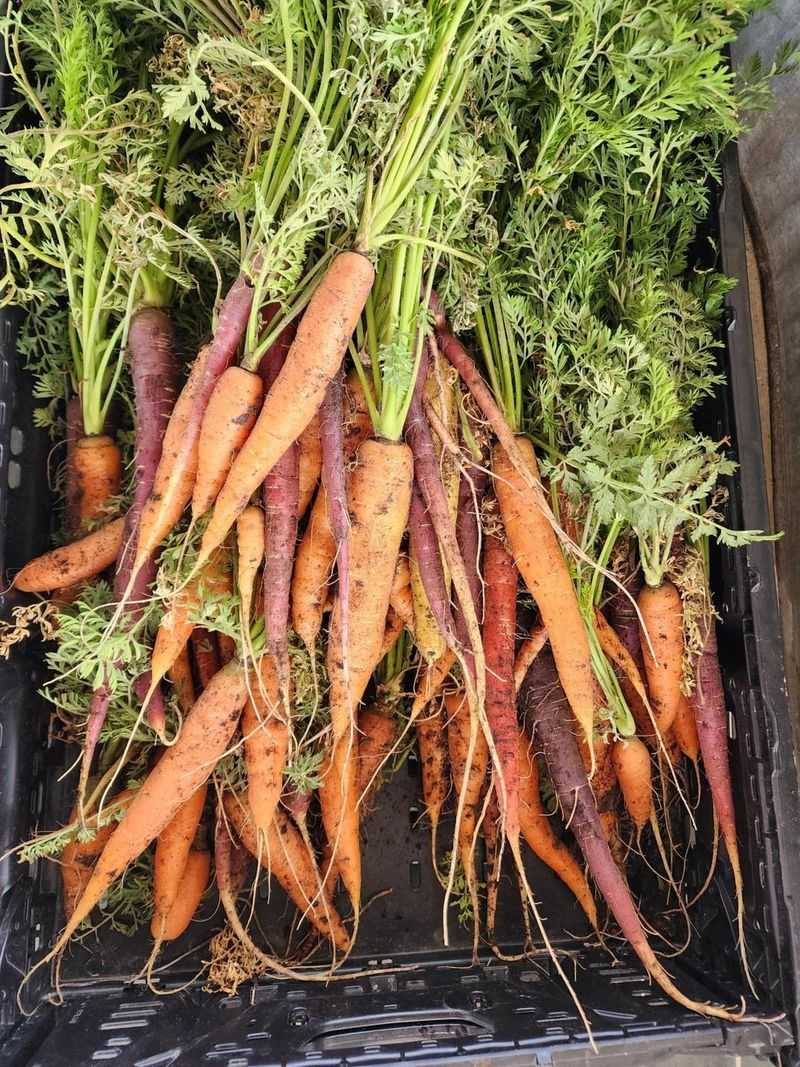
Carrots require patience, but the payoff of pulling a bright orange root from the ground in July makes every bit of waiting worthwhile.
Early carrots planted in Michigan in April or May can reach a good harvest size by July, and keeping an eye on their progress helps you decide when to pull and when to wait a little longer.
Michigan State University references carrots at around 60 days to harvest in its fall crop planning guides, which gives a useful benchmark for timing. That said, soil temperature, moisture, and variety all affect how quickly carrots develop.
Gently loosening the soil near the base of the carrot top and checking the shoulder of the root is the most reliable way to gauge size without fully pulling the plant.
If your carrots have reached a good size and you need that row for fall planting, go ahead and harvest. Leaving small carrots in the ground a few more weeks is perfectly fine if you have the space to spare.
But if fall planting is the priority, clearing the row in July gives you enough time to start crops like spinach, leaf lettuce, radishes, or another round of carrots for fall.
Fall-grown carrots are often sweeter than summer ones because cool soil brings out their natural sugars.
Starting that second round promptly after your July harvest makes the most of your growing season.
10. Scallions Or Spring Onions
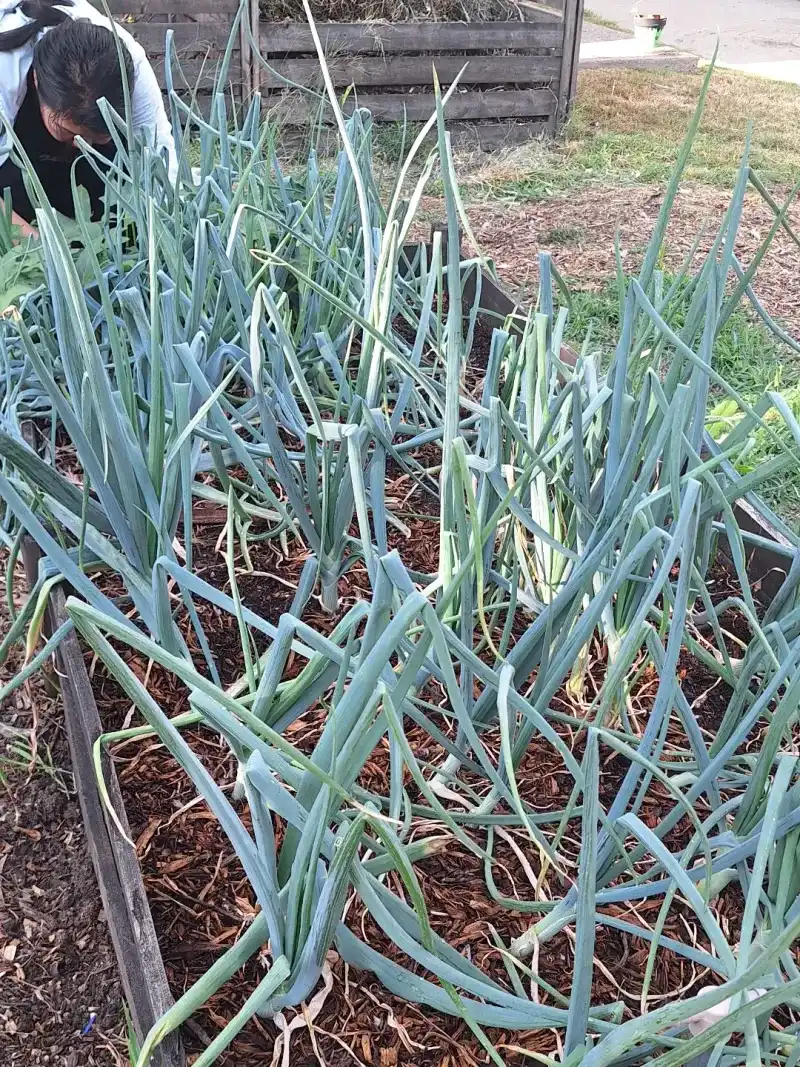
Scallions are one of the most low-maintenance crops in the garden, and they tend to get forgotten until they are suddenly flopping over and taking up space that could be doing more work.
Spring-planted scallions and spring onions in Michigan are often ready for harvest well before the end of July, and getting them out at the right time makes room for a productive fall planting.
Michigan State University recommends harvesting scallions when the stems reach about one-half inch in diameter. At that size, the flavor is mild, the texture is crisp, and the greens are at their most useful in the kitchen.
Waiting much longer can cause the stems to toughen or the bulbs to develop a sharper, more pungent flavor than most people prefer from a scallion.
Once you pull the scallions and clear the row, you have a clean strip of garden space ready for fast-growing fall crops. Radishes, leaf lettuce, spinach, and mustard greens are all excellent choices for a late-summer planting.
These crops grow quickly enough to give you a full harvest before the first frost arrives in the fall. Scallions themselves can also be replanted for a fall crop if you sow seeds in late July.
Either way, harvesting and clearing that row in July is a simple step that keeps your garden productive and your fall harvest lineup full.