Why Maryland Blue Crabs Share The Bay’s Summer Troubles With Other Species
Every August, the Chesapeake Bay turns into a slow-motion stress test for everything living beneath its surface.
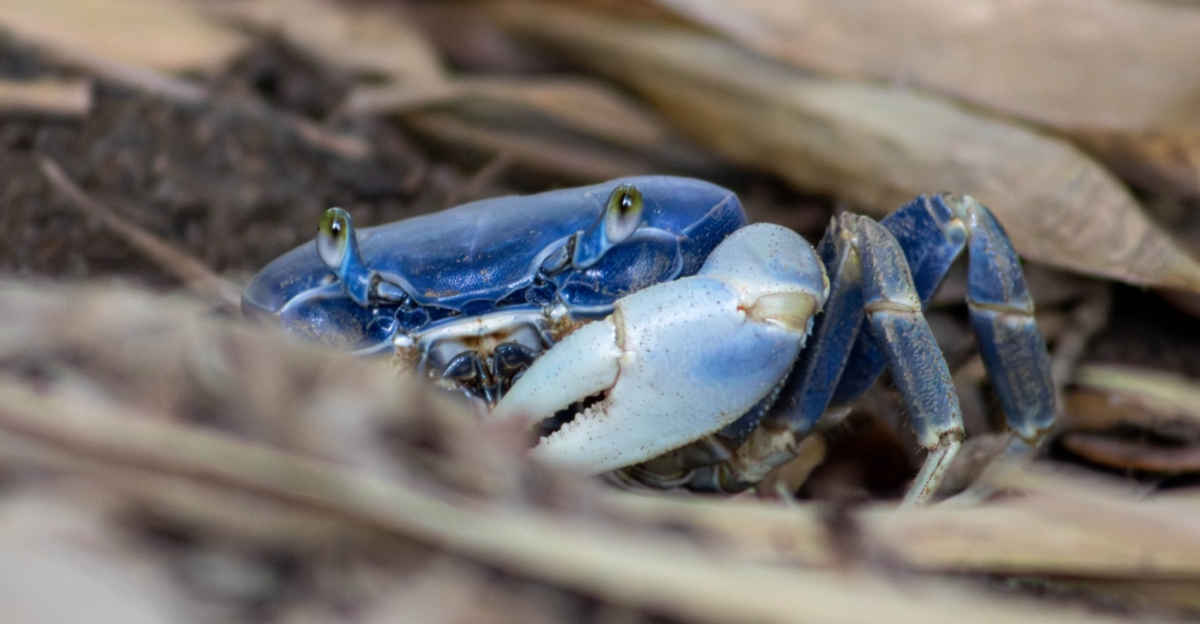
Maryland’s blue crabs move sideways into the headlines each summer, but the real story runs much deeper than one species.
This year’s population estimates showed a sharp drop before a modest rebound, and that pattern points to something bigger than one crustacean’s bad season.
Heat stacks up in the shallows, oxygen thins out in the deeper channels, and suddenly the whole bay starts behaving like a patient running a fever.
Rockfish retreat to cooler pockets of water. Oysters filter less and fade faster than they should.
Underwater grasses, the nurseries for half the bay’s juvenile life, thin out just when they’re needed most. Menhaden schools shift, and the predators that depend on them follow or go hungry.
None of these species faces this alone. Maryland’s watermen have known this instinctively for generations, even before scientists had the data to prove it: pull one thread in the Chesapeake, and the whole net trembles.
1. Warming Waters Drop Oxygen For Rockfish
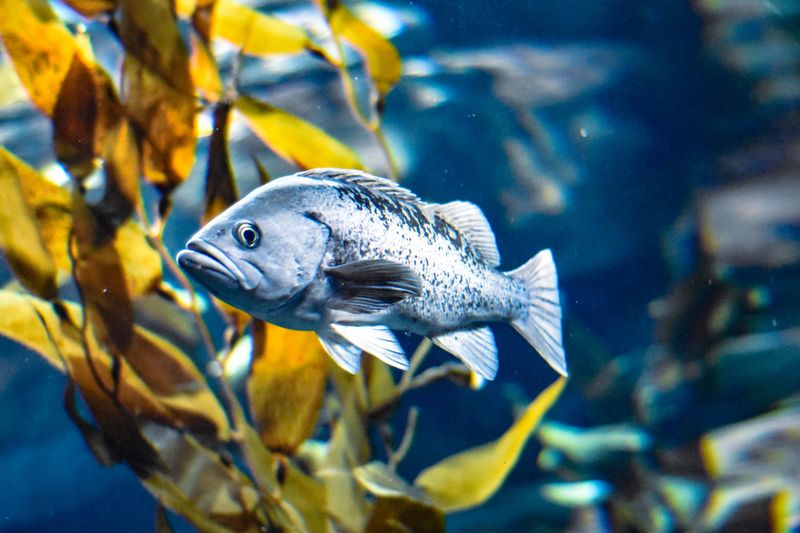
Rockfish used to rule the Chesapeake Bay like they owned the place. Now, every July and August, they are scrambling for breathable water in a bay that keeps getting warmer.
Warmer water holds less dissolved oxygen. That is basic science, but the real-world impact is difficult for rockfish, which need cold, oxygen-rich zones to thrive.
As surface temperatures climb, fish get pushed into shrinking pockets of livable water. Those pockets are called refuges, and there are fewer of them each year.
Maryland blue crabs face the exact same pressure from warming waters. Both species end up crowded into the same narrow temperature band, competing for space and food.
Rockfish are also a top predator, so when they are affected, the whole food web feels it. Smaller fish populations spike, algae blooms worsen, and balance tips further out of reach.
Scientists have tracked rockfish moving deeper and earlier each summer. That behavioral shift signals real stress, not just seasonal wandering.
Anglers across the bay have noticed fewer keeper-sized fish in recent years. Charter captains are traveling farther to find productive spots than they did a decade ago.
Warming trends tied to climate change are making summers longer and hotter in the mid-Atlantic region. The bay absorbs that heat faster than open ocean because it is shallow and enclosed.
If the bay keeps warming at its current pace, scientists warn that rockfish habitat could shrink significantly in the coming decades. That trend adds pressure to a species already under stress.
2. Runoff Fuels Algae Blooms Blocking Sunlight
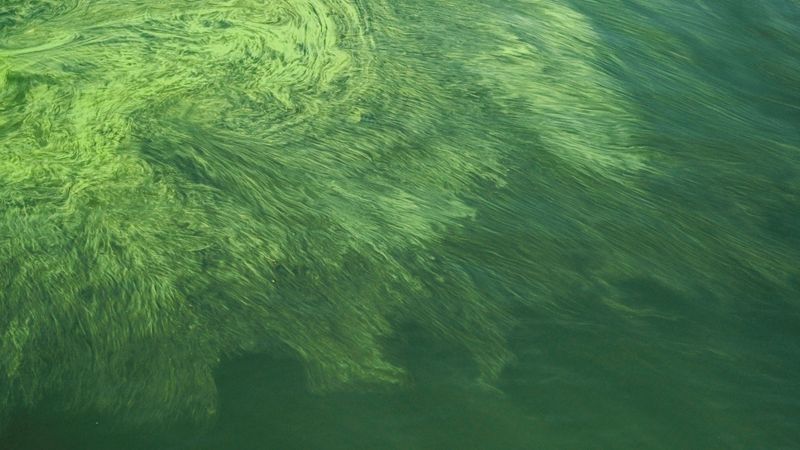
Picture a green carpet rolling across the bay every summer. That is not algae being dramatic; that is nitrogen and phosphorus from farms and lawns doing exactly what nutrients do.
Fertilizer runoff flows into rivers, which empty into the bay, which then feeds rapid algae growth. The cycle repeats faster than cleanup efforts can catch up.
Your Maryland Garden Changes Every Week. Your Plan Should Too.
Gardening in Maryland changes quickly throughout the season. Every Friday you’ll receive a simple weekly plan showing exactly what to plant, prune, fertilize, harvest, and protect so you never miss the right timing.
Algae blooms block sunlight from reaching underwater grasses below. Without light, those grasses cannot photosynthesize, and they slowly disappear from the shallows.
Maryland blue crabs rely on those grasses for shelter and egg protection. When blooms choke out the light, crabs lose critical habitat during their most vulnerable life stages.
Fish like perch and bass are also affected because they use grassy areas for spawning. No grass means fewer places to lay eggs and fewer young fish making it through each season.
Some algae species produce toxins that harm wildlife directly. Harmful algal blooms, sometimes called HABs, have been linked to reduced fish populations and shellfish contamination across the bay.
Swimmers and boaters notice the difference immediately. Water that should look greenish-blue turns pea-soup thick, smells unpleasant, and feels slimy against the skin.
Reducing runoff requires changes in farming practices, lawn care habits, and stormwater management. Progress is happening, but slowly compared to the speed of the problem.
Every rainstorm washes more nutrients off pavement and fields into waterways. Until that flow is seriously reduced, algae blooms will keep stealing sunlight from every species below.
3. Oyster Reefs Face Ongoing Disease Pressure
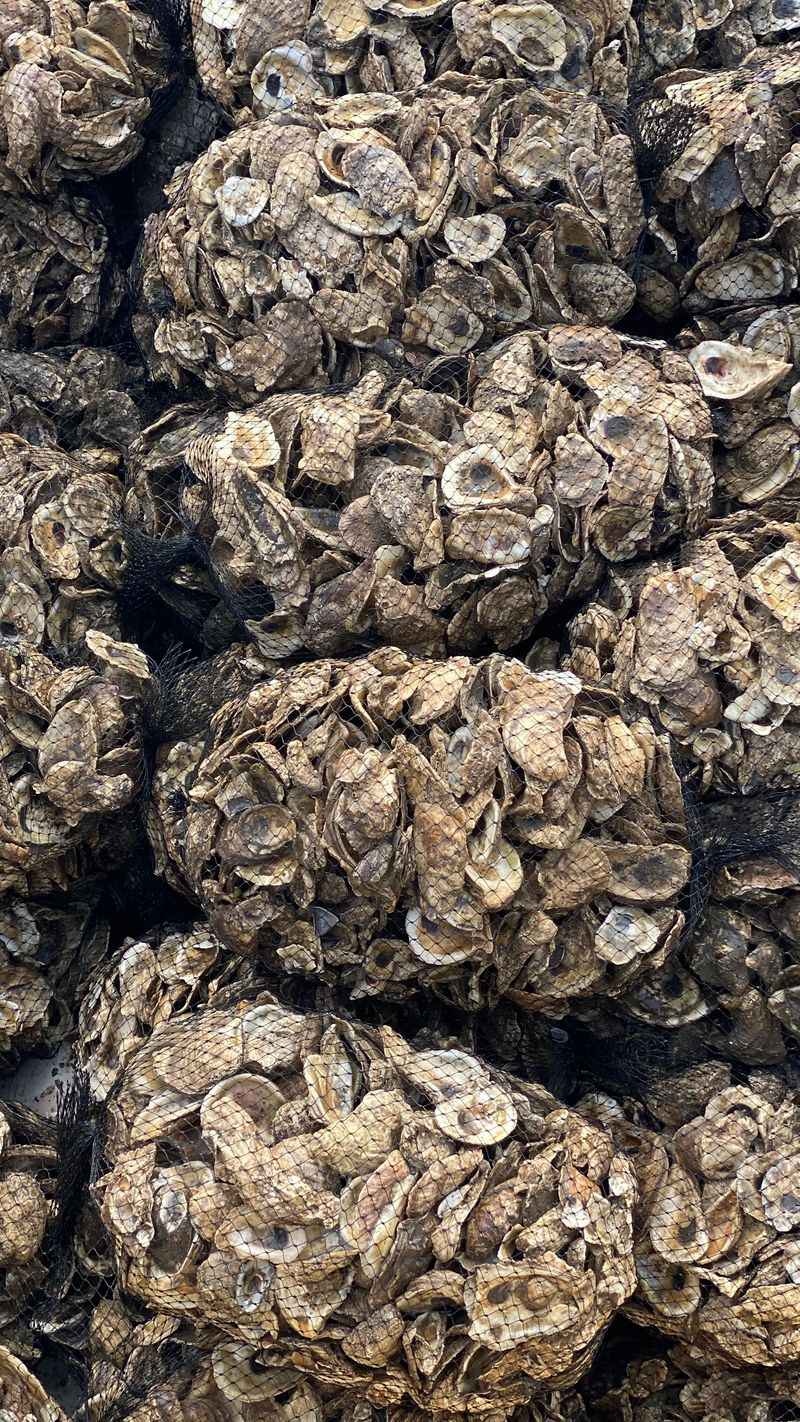
Oysters were once so thick in the Chesapeake Bay that ships had to navigate around their reefs. Today, the native oyster population sits at roughly one percent of its historical peak.
Two diseases, MSX and Dermo, have significantly reduced oyster populations since the 1950s. Warmer, saltier water from changing conditions makes those diseases spread faster and hit harder each year.
Oyster reefs do far more than produce shellfish for the dinner table. A single oyster can filter dozens of gallons of water per day, removing algae, sediment, and pollutants naturally.
When reefs collapse, that filtration disappears. Water clarity drops, algae blooms worsen, and the entire food web loses a foundational piece it cannot easily replace.
Maryland blue crabs use oyster reefs as hunting grounds and hiding spots. Juvenile crabs especially depend on the complex structure of reef habitat during their early growth stages.
Fish like tautog and oyster toadfish are so tied to reef habitat that they rarely venture far from it. Reef loss pushes these species into smaller and smaller ranges.
Restoration efforts are underway across several bay tributaries. Scientists and watermen are working together to rebuild reefs using recycled shell and hatchery-raised spat.
Progress is real, but slow. Rebuilt reefs take years to mature, and disease pressure remains a constant threat to new growth.
Supporting oyster restoration is one of the most direct ways to help the entire bay ecosystem recover. Healthy reefs mean cleaner water, more crabs, and more fish for everyone.
4. Grasses Disappear, Reducing Shelter For Crabs
Submerged aquatic vegetation, or SAV, is basically the bay’s version of a forest. It provides food, oxygen, and cover for dozens of species at once.
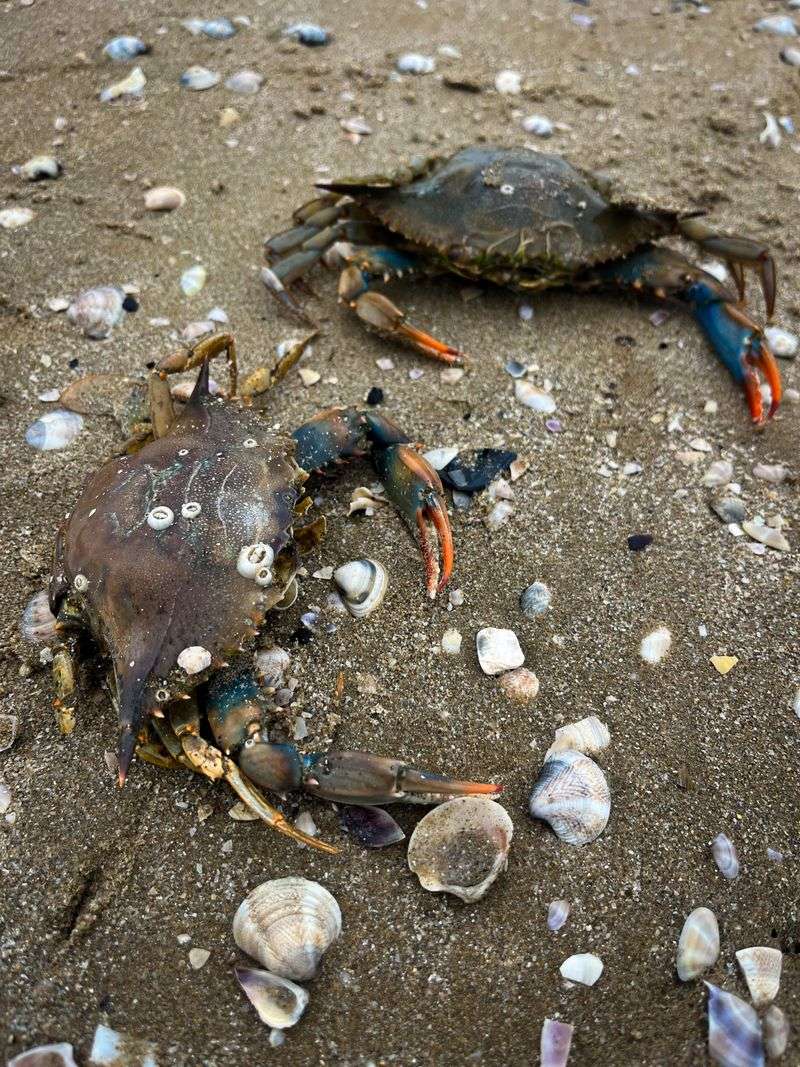
Maryland blue crabs are among the most dependent residents of those underwater meadows. Female crabs migrate toward grassy shallows to molt, mate, and protect their eggs from predators.
When grasses disappear, crabs are left exposed on bare muddy flats. Predators find them more easily, success rates drop, and the next generation of crabs faces a harder start.
SAV has declined dramatically across the bay over the past several decades. Poor water clarity, driven by algae blooms and sediment, is the leading cause of that disappearance.
Waterfowl like canvasback ducks have also been affected because they feed heavily on bay grasses. Populations of these birds have tracked almost directly with SAV coverage over time.
Grass beds also produce oxygen as a byproduct of photosynthesis. That oxygen helps buffer low-oxygen zones and keeps water chemistry more stable for bottom-dwelling species.
Restoration of SAV requires cleaner water above all else. Planting efforts work only when light can actually reach the bottom, which means reducing nutrients and sediment first.
Some tributaries have seen grass beds recover when local pollution was reduced. Those success stories prove the bay can bounce back when given a real chance.
Grasses are not just a nice feature of the bay. For blue crabs and dozens of other species, they are the difference between making it through summer and not making it at all.
5. Menhaden Decline Strains Predators Nearby
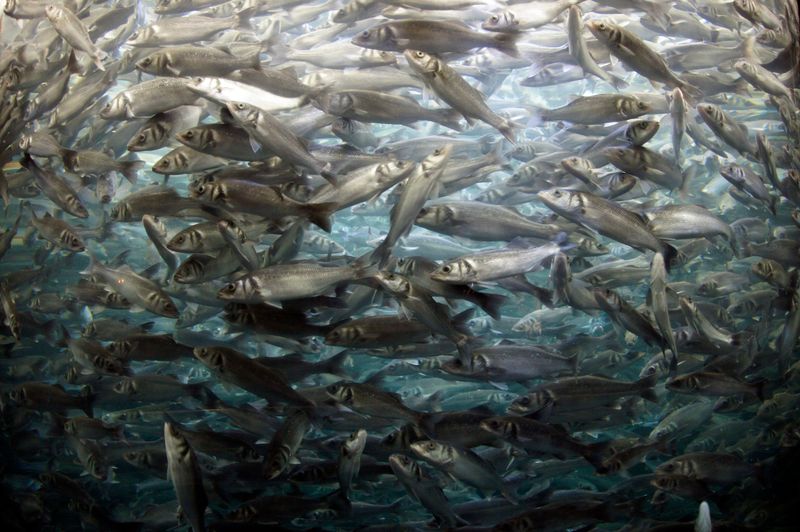
Menhaden are the bay’s most important fish that most people have never heard of. They are small, oily, filter-feeding fish that form the backbone of the entire food chain.
Striped bass, bluefish, ospreys, dolphins, and even humpback whales depend on menhaden as their primary food source. When menhaden numbers drop, hunger spreads fast through the whole predator community.
Overfishing of menhaden for industrial purposes has been a long-running problem in the mid-Atlantic. They are processed into fish meal, fish oil, and fertilizer in enormous quantities each year.
Maryland blue crabs benefit indirectly from healthy menhaden populations. Menhaden filter massive amounts of algae and particles from the water, keeping conditions cleaner and clearer for bottom dwellers.
Without enough menhaden, algae blooms grow larger because one of their biggest consumers is gone. Clearer water depends partly on having enough of these small fish doing their filtering work.
Osprey populations are a visible indicator of menhaden health. When menhaden are scarce near shore, osprey struggle to feed their chicks and nest success rates fall noticeably.
Management of menhaden has improved somewhat in recent years. Federal catch limits were tightened after conservation groups pushed hard for science-based quotas.
Fishermen who target striped bass have been the loudest voices for menhaden protection. They understand that without baitfish, their target species cannot last either.
Menhaden are a linchpin species. Protecting them is one of the highest-leverage actions anyone can take to stabilize the entire bay ecosystem during its most stressful summer months.
6. Pollution Keeps Degrading Bay Water Quality
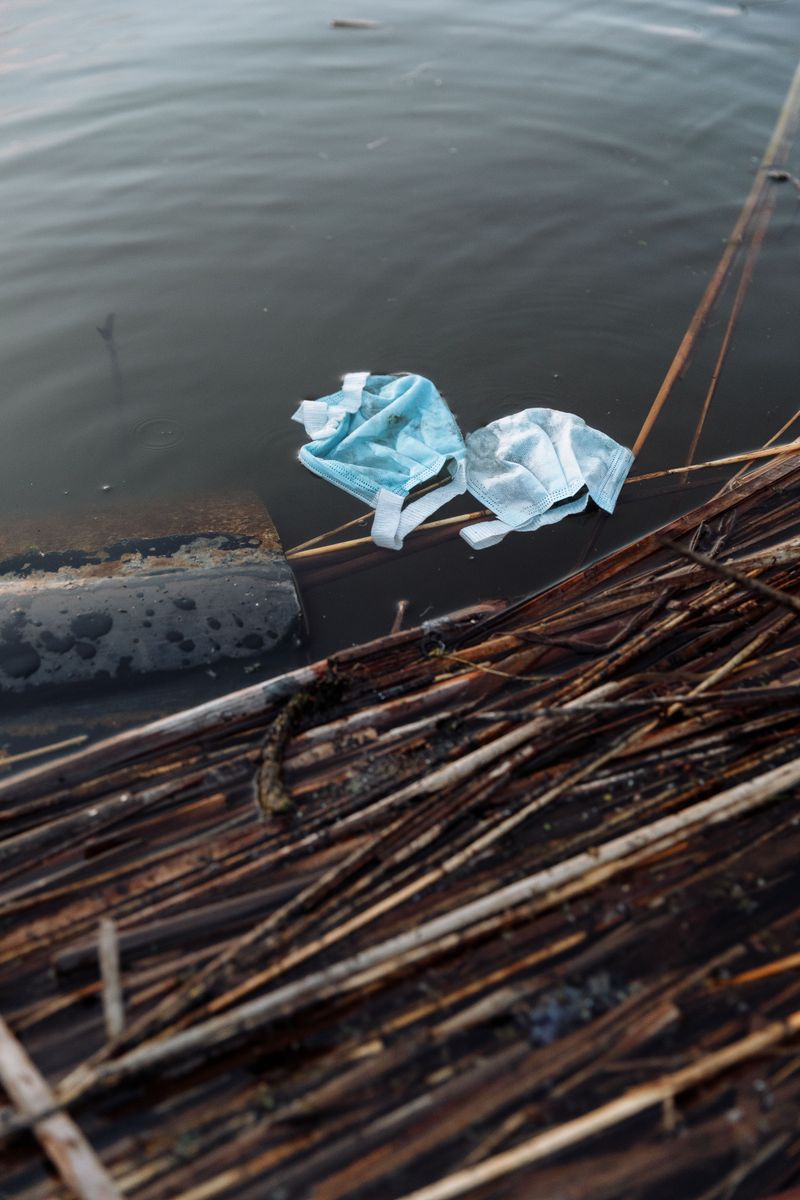
Pollution in the Chesapeake Bay does not arrive in one big dramatic spill. It seeps in steadily from thousands of small sources across the entire watershed.
The bay’s watershed covers six states and Washington D.C., draining an area of over sixty-four thousand square miles. Everything that lands on that land eventually flows toward the bay.
Car exhaust, lawn chemicals, pet waste, and industrial discharge all contribute to the slow chemical degradation of bay water. None of these sources alone would be catastrophic, but together they are.
Maryland blue crabs absorb pollutants through their gills and the water they live in. High pollution levels affect their immune systems, reproduction rates, and overall long-term health.
Striped bass have shown elevated levels of PCBs and other contaminants in their tissue for decades. Health advisories warning people to limit consumption of certain bay fish are updated regularly.
Sediment-bound pollutants sink to the bottom where crabs, worms, and clams live. Those bottom dwellers pick up toxins and pass them up the food chain to birds and larger fish.
The bay’s cleanup plan, called the Chesapeake Clean Water Blueprint, sets limits on how much nitrogen, phosphorus, and sediment can enter the water. States are legally required to meet those limits.
Progress has been uneven across the six-state region. Some states have made significant cuts to pollution; others are still lagging behind their commitments.
Cleaner water is not just an environmental goal. It is an economic one, since the bay supports billions of dollars in seafood, tourism, and recreation each year.
7. Low-Oxygen Zones Expand, Stressing Bottom Species
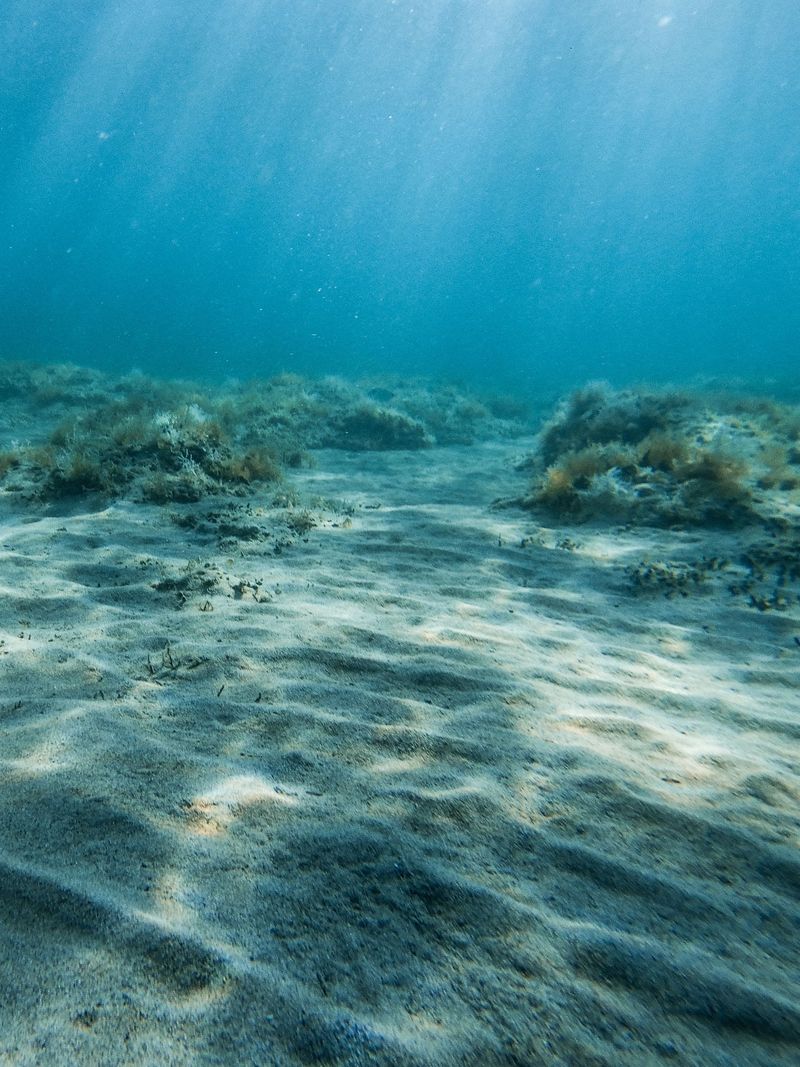
Every summer, a massive low-oxygen zone forms in the deep channel of the Chesapeake Bay. It is not entirely lifeless, but oxygen levels drop so low that most animals must flee or struggle to cope.
Scientists call these areas hypoxic zones, meaning they contain less than two milligrams of dissolved oxygen per liter. Most fish and crabs need at least five milligrams to function normally.
Maryland blue crabs are bottom-dwellers by nature, but in summer they get pushed out of their preferred habitat by expanding low-oxygen water. They crowd into shallower areas where competition and predation pressure spike.
Worms, clams, and other bottom organisms that cannot swim are trapped in these low-oxygen pockets. They cannot last there, removing a critical food source for crabs, fish, and shorebirds.
The low-oxygen zone is fueled primarily by nutrient pollution. Excess nitrogen feeds algae blooms that decompose after they run their course, a process that strips oxygen from the water as bacteria break down the organic matter.
Hypoxia has been documented in the bay for nearly a century, but it has grown significantly in size and duration since the mid-twentieth century. Warmer summers make it worse by reducing how much oxygen water can hold.
Restoration efforts targeting nutrient reduction are the most direct way to shrink the low-oxygen zone. Cleaner water means less algae, less decomposition, and more oxygen reaching the bottom.
Monitoring programs track the low-oxygen zone’s size each summer using sensors and water samples. The data guides management decisions and helps scientists measure whether cleanup efforts are working.
Shrinking the low-oxygen zone would benefit every bottom species in the bay. For blue crabs especially, it would mean reclaiming the deep-water habitat they need most during the hottest months.
8. Sediment Buildup Covers Reefs That Species Rely On
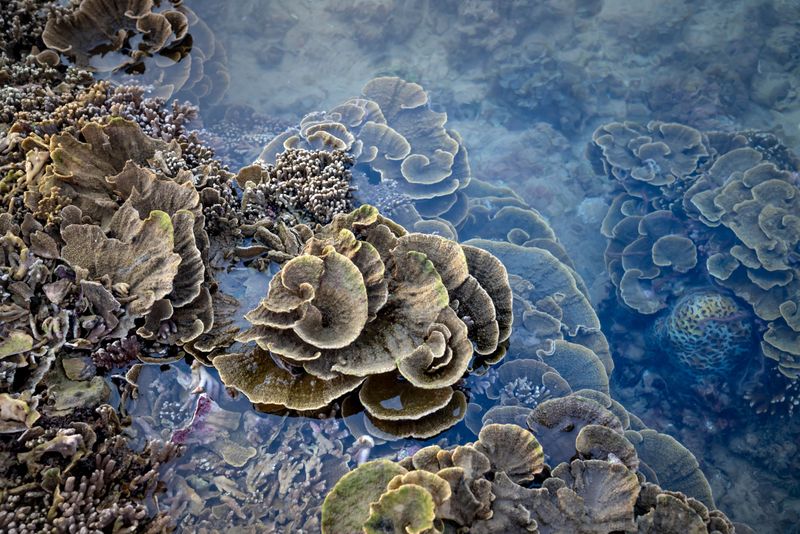
Sediment sounds harmless, like just a little mud. But when it settles over oyster reefs and grass beds, it acts like a slow-moving bulldozer wiping out entire habitats.
Development, farming, and construction across the watershed send enormous amounts of soil into streams and rivers. That soil travels downstream and settles on the bay floor in thick layers.
Oyster reefs need hard substrate to grow. When sediment buries a reef, spat cannot attach, existing oysters lose access to oxygen and food, and the reef structure collapses under the weight of accumulated mud.
Maryland blue crabs hunt along reef edges and hide within the complex nooks that healthy reefs provide. A sediment-covered reef offers none of that structural complexity crabs depend on.
Underwater grasses face the same problem from a different angle. Sediment clouds the water above them, blocking light, and also smothers seedlings trying to establish on the bottom.
Erosion control is one of the most effective tools for reducing sediment loading. Cover crops, riparian buffers, and streambank restoration all slow the flow of soil into waterways significantly.
Some bay tributaries have seen meaningful sediment reduction after targeted restoration work, offering partial success stories for sediment management across the watershed.
Dredging is sometimes used to remove accumulated sediment from critical areas. It is expensive and temporary, but it can give reefs and grass beds a chance to re-establish.
Every pound of sediment kept out of the bay is a small victory for Maryland blue crabs and every other species trying to make it through the bay’s increasingly difficult summer season.