Eastern Oregon Gardeners Grow These Plants That Western Oregon’s Climate Simply Will Not Allow
Cross the Cascades heading east and everything changes fast.
The rain stops, the sky opens wide, and the air turns sharp and dry. Plants that would struggle or fail in a wet Willamette Valley winter suddenly look right at home in the high desert.
Eastern Oregon gardeners work with a completely different set of rules, and the plants they grow are tough, beautiful, and perfectly matched to cold nights, lean gravel soil, and blazing summer sun.
Many western Oregon gardeners have never seen these plants perform at their best, because they never get the chance.
The combination of persistent winter moisture, heavy clay, and mild temperatures that defines life west of the Cascades is genuinely hostile to much of what grows so naturally on the dry side.
These plants belong in a landscape where the soil drains in hours, the winters bite hard, and the summer sun does not quit until October.
Here are eight plants that eastern Oregon gardeners know by heart, and that western Oregon’s climate simply will not allow.
1. Big Sagebrush Owns The Dry Side
Walk through an eastern Oregon morning and the smell hits you before you even see the plant.
Big sagebrush, known scientifically as Artemisia tridentata, releases that sharp, clean scent after rain, and it is one of the most recognizable plants in the American West.
Out east of the Cascades, it grows naturally across millions of acres of open rangeland, dry slopes, and high desert flats.
This shrub loves full sun and fast-draining soil.
It handles brutal cold snaps, summer drought, and punishing wind without much fuss. Eastern Oregon soils tend to be sandy, rocky, or silty with low organic matter, and big sagebrush thrives in exactly those conditions.
It grows slowly but steadily, reaching heights of three to seven feet depending on moisture and elevation.
Western Oregon gardeners often struggle with this plant because the wet winters cause root problems before the shrub ever gets established.
Even in raised beds with amended soil, the persistent winter moisture in the Willamette Valley works against it. East of the mountains, it simply does what it has always done.
Wildlife depends on big sagebrush for food and shelter.
Sage grouse, pronghorn, and mule deer all rely on it through the winter months. Planting it in an eastern Oregon yard connects your garden directly to the broader high desert ecosystem surrounding it.
2. Bitterbrush Belongs In High Desert Soil
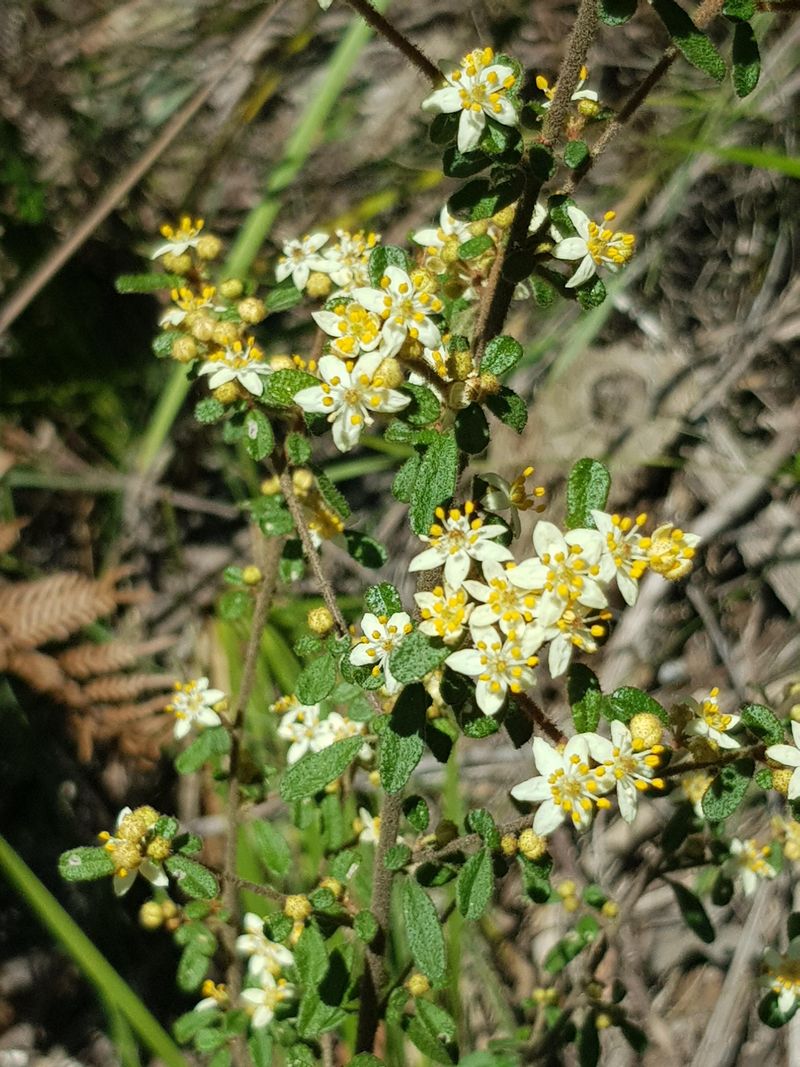
Antelope bitterbrush, or Purshia tridentata, has a tough reputation that it has fully earned.
This native shrub handles poor soil, cold winds, and summer drought with the kind of quiet stubbornness that eastern Oregon gardeners deeply respect.
It grows naturally across dry slopes and open ponderosa pine forests throughout the region, often forming dense stands that wildlife depends on heavily.
Deer and pronghorn browse bitterbrush hard during winter and early spring, yet the shrub keeps coming back.
That resilience is built into its roots, which go deep into dry soil to find moisture that shallower plants cannot reach.
Your Oregon Garden Changes Every Week. Your Plan Should Too.
Gardening in Oregon changes quickly throughout the season. Every Friday you’ll receive a simple weekly plan showing exactly what to plant, prune, fertilize, harvest, and protect so you never miss the right timing.
In eastern Oregon, where summer rain is rare and soils dry out quickly, that deep root system is the difference between a plant that thrives and one that simply hangs on.
Bitterbrush blooms in spring with small, creamy yellow flowers that attract native bees and other early pollinators.
The bloom period is short but showy against the dry landscape. After flowering, it holds its gray-green leaves through summer, providing structure and cover even when nothing else is blooming nearby.
Western Oregon’s heavy clay soils and wet winters create conditions that bitterbrush finds very difficult.
The roots need excellent drainage to stay healthy, and persistent soggy soil is one challenge this plant is not built to handle.
In eastern Oregon, where the soil opens up and the air stays dry, bitterbrush settles in and does exactly what it was made to do.
3. Rabbitbrush Brings Gold To Harsh Ground
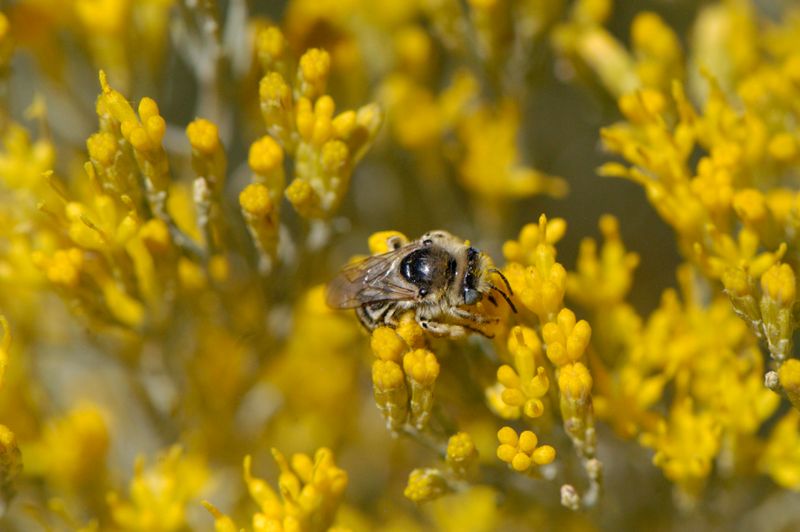
When most of the high desert landscape has turned brown and quiet by late summer, rabbitbrush explodes into color.
Ericameria nauseosa covers itself in dense clusters of bright golden yellow flowers from August through October, making it one of the latest-blooming native shrubs in eastern Oregon.
That late-season color is genuinely hard to find in any garden plant, and nothing else in the dry landscape comes close to matching it.
Rabbitbrush thrives in disturbed, dry, and well-drained sites.
Roadsides, gravel flats, dry slopes, and open rangeland are classic rabbitbrush territory. It is one of the first plants to colonize disturbed ground east of the Cascades, which tells you something about its tolerance for rough conditions.
Poor soil does not slow it down. Heat and wind do not bother it.
The silvery, slightly fuzzy stems and narrow gray-green leaves give rabbitbrush a soft, almost feathery look through spring and summer.
Then the flowers arrive and the whole shrub transforms into a golden mound that pollinators absolutely swarm.
Monarch butterflies, native bees, and other insects treat rabbitbrush as a critical late-season food source before winter arrives.
Western Oregon gardens tend to be too wet and shaded for rabbitbrush to perform well.
It may survive in a very dry, south-facing spot with excellent drainage, but it rarely puts on the same show it does east of the mountains.
In eastern Oregon, where the sun stays strong into fall, rabbitbrush earns its place as a garden standout every single year.
4. Desert Buckwheat Laughs At Lean Gravel
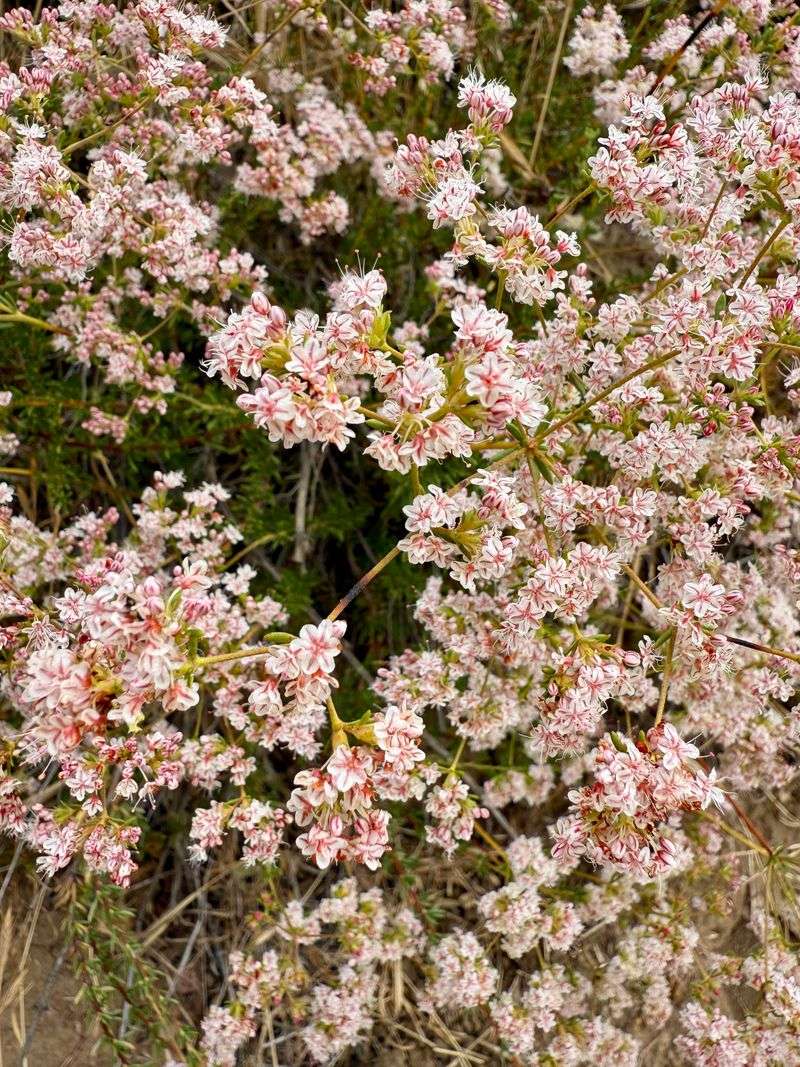
Gravel, hardpan, and rocky outcrops are where desert buckwheat feels completely at home.
Several Eriogonum species grow natively across eastern Oregon, and all of them share one trait: they genuinely do not need rich soil to perform well.
Too much fertility or too much water tends to make them floppy, weak, and short-lived. Lean ground is their sweet spot.
Sulfur buckwheat, Eriogonum umbellatum, is one of the most widely grown species in eastern Oregon gardens.
It forms low mats of gray-green foliage and covers itself in bright yellow flower clusters in late spring and early summer.
The dried flower heads turn rusty orange as the season goes on, adding months of color and texture without any extra effort from the gardener.
Pollinators absolutely love buckwheat.
Native bees, butterflies, and beneficial wasps visit the flowers in large numbers throughout the bloom period.
Oregon State University Extension has highlighted native Eriogonum species as some of the most ecologically valuable plants for dryland gardens in the high desert region.
Western Oregon’s wet winters are a real challenge for most buckwheat species.
The roots need air and fast drainage to stay healthy, and sitting in wet clay through November, December, and January is genuinely hard on them.
Eastern Oregon’s gritty, well-drained soils and dry winters give buckwheat exactly the conditions it needs to spread, bloom, and come back strong every year.
5. Penstemon Loves The Dryland Drama
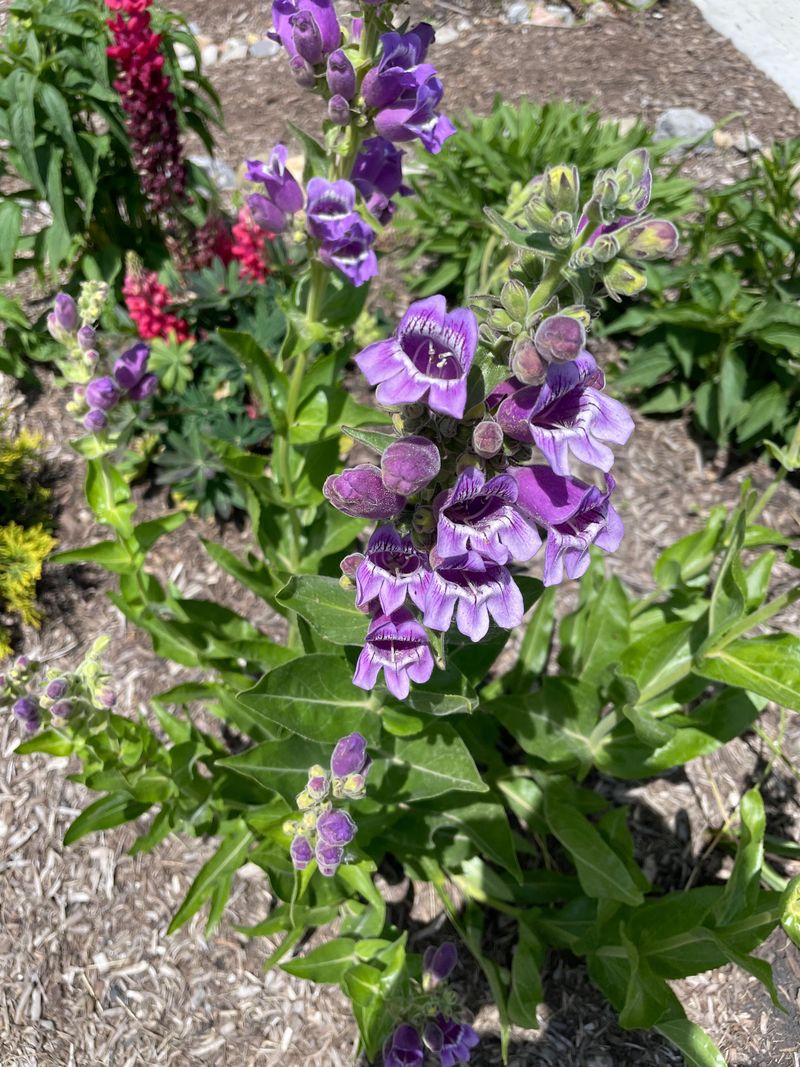
Few plants put on a better show in the eastern Oregon high desert than a well-placed penstemon.
The genus is enormous, but several species are native to the dry side of the Cascades and perform brilliantly in gardens that match their natural habitat.
Hot sun, sharp drainage, and minimal summer water are the keys to getting the best out of these plants.
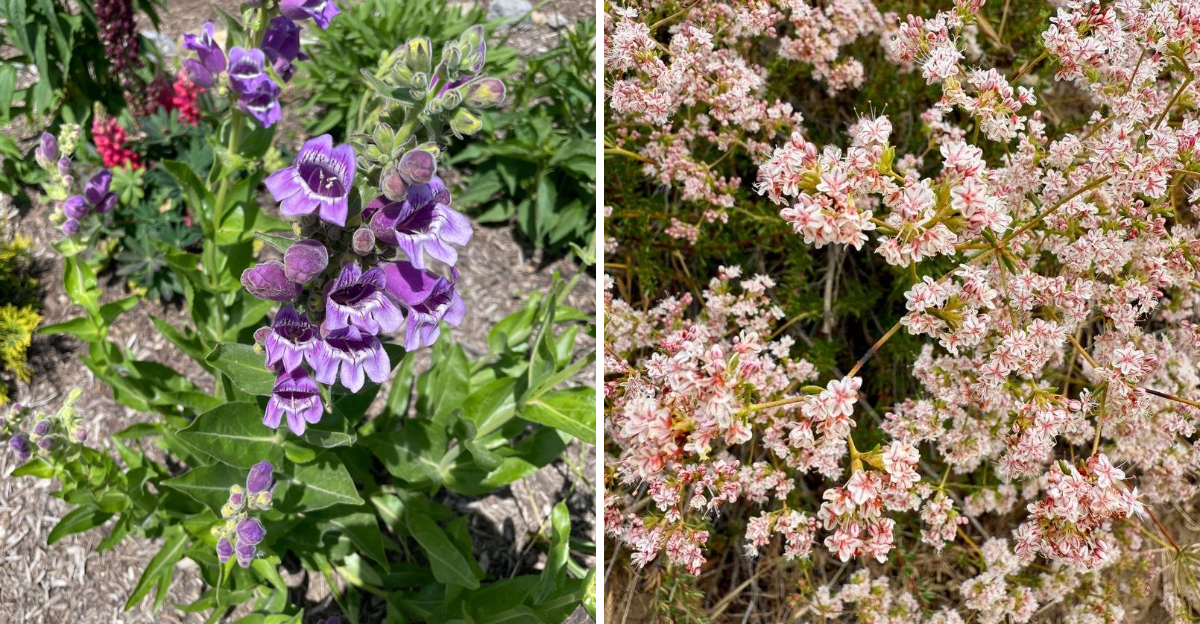
Penstemon speciosus, the royal penstemon, produces tall spikes of vivid blue-purple flowers in early summer and handles heat and drought with ease.
Penstemon palmeri sends up tall, fragrant pink flower stalks that hummingbirds find irresistible. Penstemon acuminatus grows in very dry, sandy soils and blooms a cheerful blue-lavender in spring.
All three are eastern Oregon natives with proven toughness in high desert conditions.
What unites all dryland penstemons is their deep need for soil that drains fast.
Their roots are adapted to dry out between waterings, and soil that stays moist for long periods weakens the plant significantly.
Gravel mulch around the crown helps keep moisture away from the base and mimics the rocky, open conditions these plants evolved in.
Western Oregon gardeners often struggle with penstemons because winter wetness around the crown causes serious problems.
East of the mountains, the air is drier, the soil opens up quickly after rain, and penstemons thrive in exactly that environment.
Pairing several species together creates a long bloom season and a garden that looks genuinely wild and alive.
6. Curl Leaf Mountain Mahogany Takes The Wind
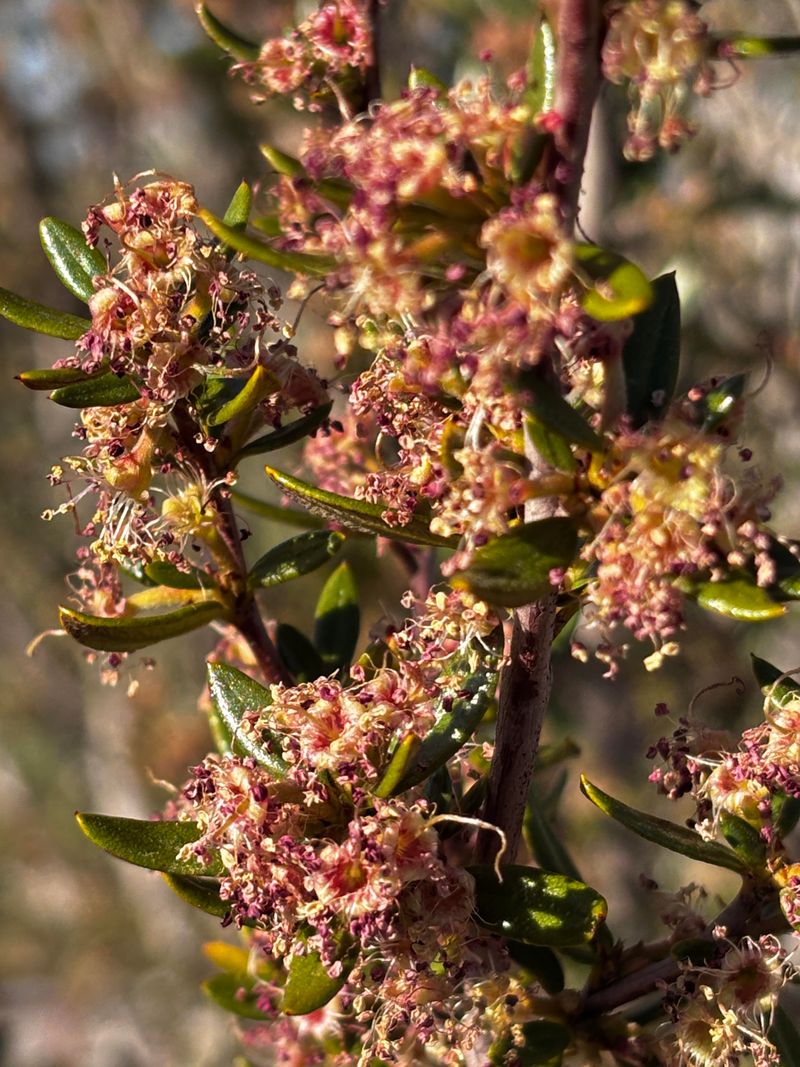
Exposed ridges, rocky slopes, and windy canyon rims are where curl leaf mountain mahogany truly shines.
Cercocarpus ledifolius is not a soft or delicate plant. It is built for the harshest spots in the eastern Oregon landscape, where wind strips moisture from the air and the soil barely holds together between the rocks.
Few woody plants handle those conditions as well.
Curl leaf mountain mahogany is a large shrub or small tree, often reaching ten to fifteen feet in good conditions.
The leaves are small, leathery, and dark green, giving the plant a tough, compact look even through the hottest months.
In late summer and fall, the seeds develop long, feathery, spiraling tails that catch the light and give the plant an almost magical silver appearance on a breezy afternoon.
Wildlife values this plant enormously.
Mule deer browse the foliage heavily in winter, and the dense branching structure provides cover for birds and small mammals.
In eastern Oregon landscapes, planting curl leaf mountain mahogany along a fence line or exposed slope gives the garden structure, wildlife value, and year-round visual interest without requiring irrigation once the plant is established.
Western Oregon’s wet, mild winters are not what this plant expects.
It evolved on dry, cold, exposed sites where snow comes and goes quickly and the soil never stays saturated for long.
Move it west of the Cascades into heavy clay and persistent winter rain, and the story changes considerably. East of the mountains is where it belongs.
7. Silver Sage Finds Room To Shine
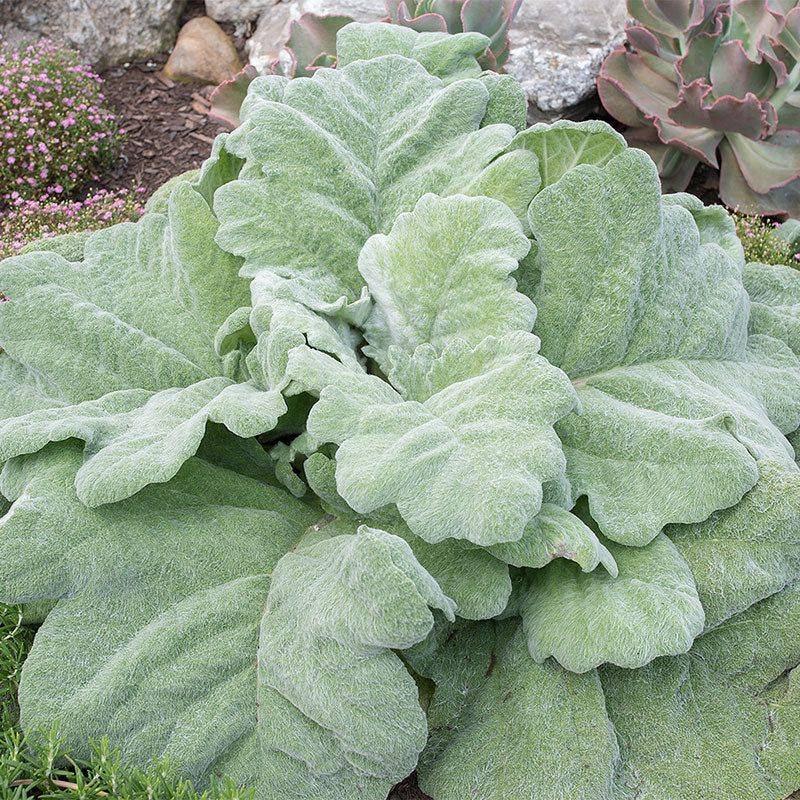
Silver sage does something that very few plants in the high desert can manage: it makes a dry, open landscape feel almost soft.
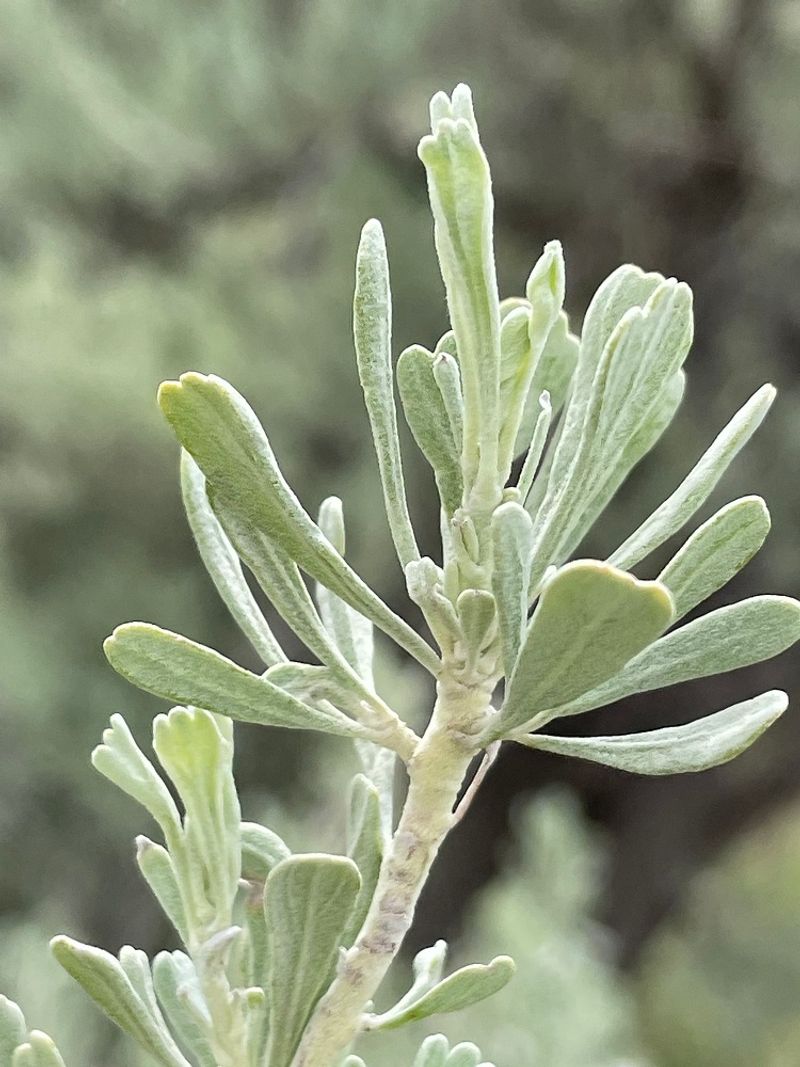
Artemisia cana, commonly called silver sagebrush, grows lower and more spreading than big sagebrush, with leaves that are narrow, intensely silver-white, and finely textured.
On a bright eastern Oregon morning, a stand of silver sage almost seems to glow against the surrounding landscape.
This shrub prefers the slightly moister swales and flats within the high desert, often growing where winter snowmelt lingers a little longer than on surrounding slopes.
That said, it still needs excellent drainage and full sun to perform well. It does not tolerate standing water or heavy clay, and it is not suited to the consistent wetness that defines western Oregon winters.
Silver sage grows to about two to four feet tall and spreads slowly to form loose, open colonies.
The silvery foliage provides color contrast through the entire growing season, working beautifully alongside the gold of rabbitbrush or the blue-purple of penstemon.
Its aromatic leaves add fragrance to the garden that intensifies after a summer rain shower.
Eastern Oregon gardeners use silver sage as a low-water accent shrub in native plantings, along dry pathways, and in open areas where other plants struggle to establish.
The combination of low maintenance, strong visual presence, and ecological value makes silver sage one of the most rewarding plants you can grow on the dry side of Oregon.
8. Bluebunch Wheatgrass Handles The Open Range
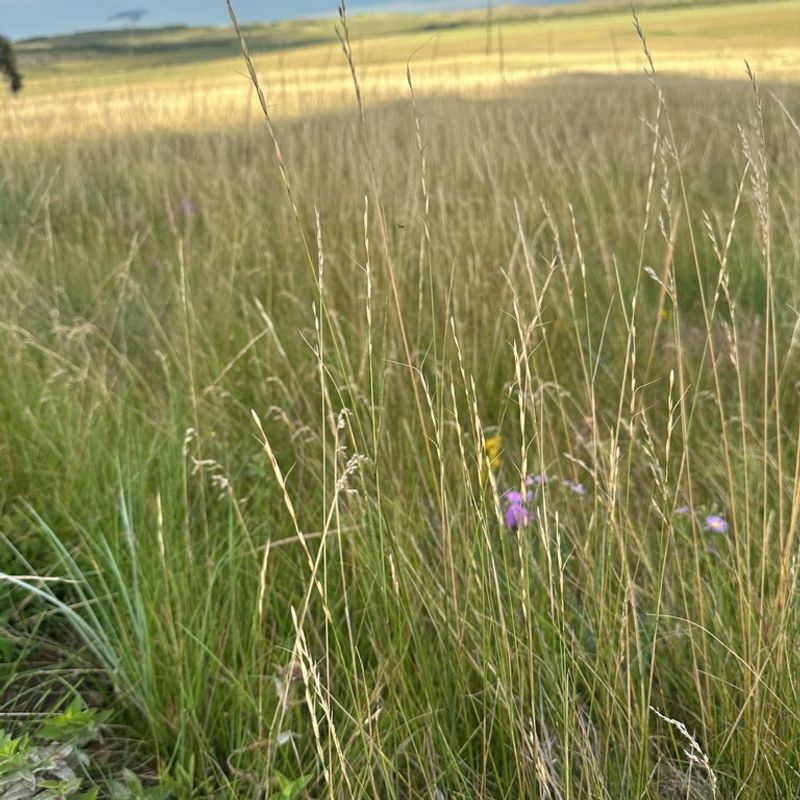
Before European settlement changed the landscape, bluebunch wheatgrass covered enormous stretches of eastern Oregon.
Pseudoroegneria spicata is the classic bunchgrass of the Columbia Plateau and the high desert, growing in graceful upright clumps that sway in the wind and turn from blue-green in spring to golden tan by midsummer.
No other native grass quite captures the spirit of the open eastern Oregon range the way this one does.
Bluebunch wheatgrass is a cool-season grass, meaning it puts on most of its growth in spring and early summer before summer heat arrives.
It goes dormant in the driest part of summer, which is perfectly normal and not a sign of trouble. Once temperatures cool again in fall, it greens back up and continues growing until hard frost arrives.
That cycle is exactly what eastern Oregon’s climate delivers.
The root system goes deep into dry soil, making bluebunch wheatgrass extremely drought-tolerant once established.
It competes well against weedy annual grasses and provides important habitat structure for native birds and insects.
Oregon State University Extension recommends it as a top choice for dryland restoration and native landscaping projects throughout the region.
Western Oregon’s wet winters and mild, moist springs tend to favor different grass species, and bluebunch wheatgrass can struggle in those conditions.
East of the Cascades, where cold winters, dry summers, and open skies define the growing season, this grass grows with quiet confidence.
Matching the right plant to the right climate is exactly what eastern Oregon gardeners understand better than most.