The Eastern Shore Plants That Thrive In Maryland’s Shifting Weather
Maryland’s Eastern Shore doesn’t play by the usual rules of gardening. Humid mornings can turn into gusty coastal afternoons, and a stretch of sunshine might vanish under a sudden marsh-soaking downpour by evening.
Somehow, a select group of native plants treats this unpredictability as an invitation rather than a threat. These are species shaped by centuries of tidal winds, sandy soil, and swampy backyards, so they’ve learned to bend without breaking.
Some hold their ground against salt spray rolling in from the Chesapeake Bay. Others soak up standing water after a storm, then shrug it off within days. A few even attract fireflies and songbirds, turning a simple flower bed into a small ecosystem of its own.
For homeowners along the Shore, choosing the right plants can mean the difference between constant replanting and a garden that quietly thrives no matter what the sky decides to do. These are the varieties worth knowing.
1. Seaside Goldenrod
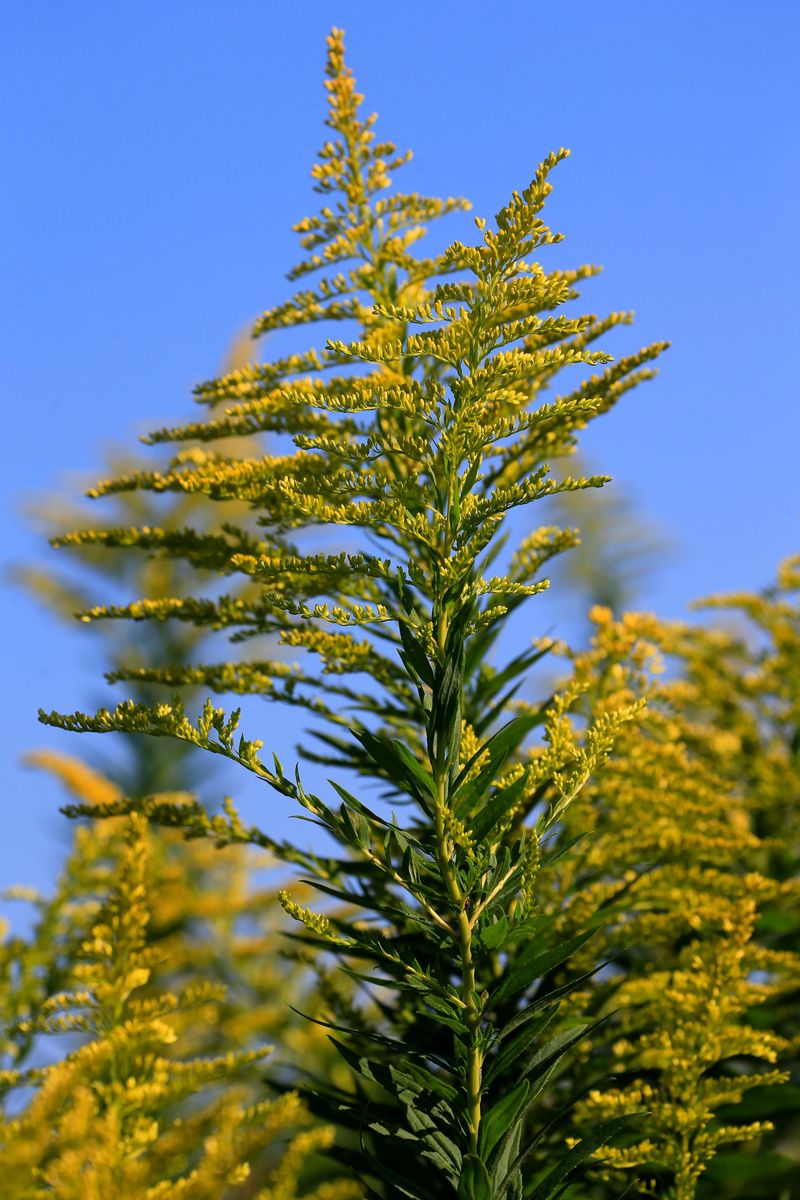
Bright gold blooms light up the shoreline like tiny fireworks every fall. Seaside Goldenrod is one of the toughest coastal plants you will ever meet.
It grows naturally along sandy beaches and salt marshes across the Eastern Shore. This plant does not flinch when the wind picks up or the salt spray flies.
Gardeners love it because it needs almost no extra water once it settles in. The deep roots reach down and find moisture even during Maryland dry summer stretches.
Seaside Goldenrod blooms from late August through October, which is perfect timing. Most other plants are winding down just as this one hits its peak.
Pollinators go absolutely wild for those golden flower clusters. Bees, butterflies, and even migrating monarchs stop by for a snack before heading south.
You can plant it in full sun with well-drained sandy or loamy soil. It spreads slowly over time, filling in gaps along garden edges naturally.
One fun fact worth sharing: goldenrod often gets blamed for fall allergies, but it is not the real culprit. Ragweed, which blooms at the same time, is actually the sneezy offender.
Seaside Goldenrod is also deer-resistant, which is a huge win for Eastern Shore gardeners. Plant a few clumps near your fence line and watch the wildlife show begin.
2. Inkberry Holly
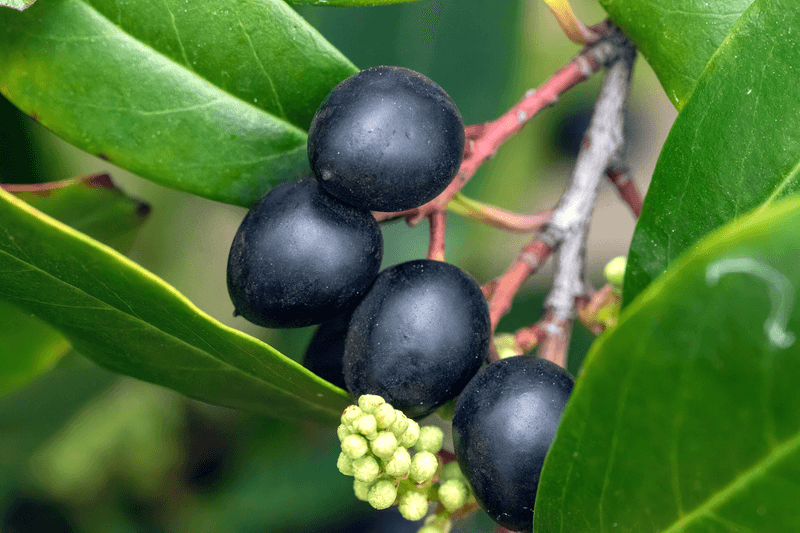
Inkberry Holly looks modest at first glance, but it is one of the hardest-working shrubs on the Eastern Shore. Shiny black berries ripen in fall and hang on straight through winter.
Birds like robins and cedar waxwings treat those berries like a buffet. Planting inkberry near a window turns your yard into a live nature channel all season long.
This shrub thrives in wet, boggy spots where most plants would rot and sulk. Low-lying yards that collect rainwater are basically its dream home.
It handles both flooding and drought with the same calm attitude. That kind of flexibility is rare and incredibly useful in a region with unpredictable rainfall.
Inkberry grows four to eight feet tall when left to spread naturally. You can also prune it into a tidy hedge shape without stressing the plant at all.
Your Maryland Garden Changes Every Week. Your Plan Should Too.
Gardening in Maryland changes quickly throughout the season. Every Friday you’ll receive a simple weekly plan showing exactly what to plant, prune, fertilize, harvest, and protect so you never miss the right timing.
The foliage stays green well into late fall, giving your garden structure when everything else fades. That evergreen quality makes it a great backdrop for showier flowers nearby.
One thing to know: inkberry spreads by root suckers, forming a natural colony over time. If you want to keep it contained, just pull the suckers out each spring.
It pairs beautifully with switchgrass and native ferns along pond edges. Give it a spot where water tends to pool, and this shrub will quietly take care of the rest.
3. Bald Cypress
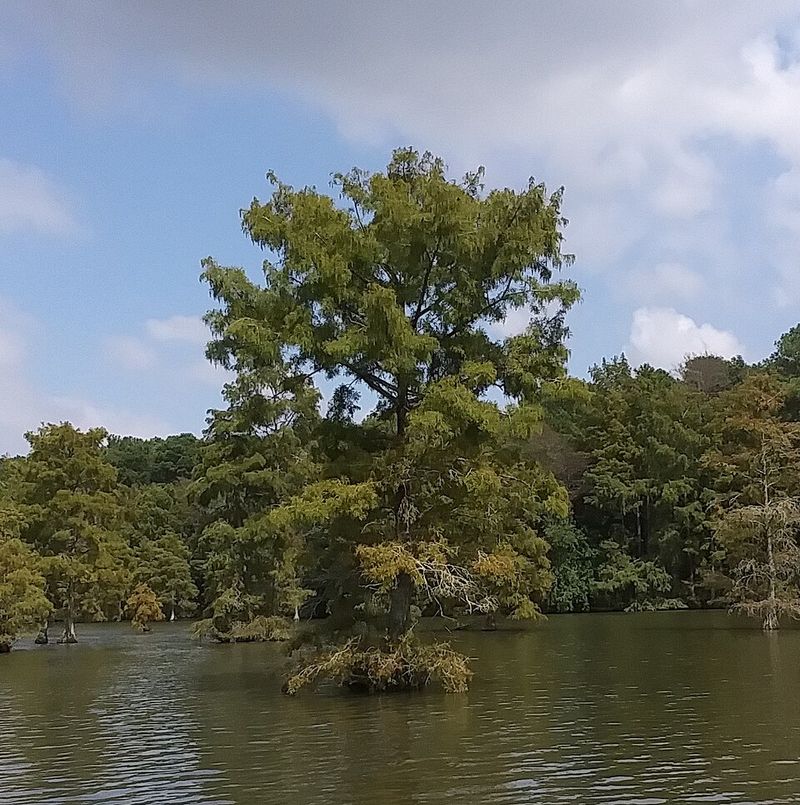
Few trees command attention quite like a Bald Cypress standing at the edge of a marsh. Those feathery, soft-green needles and knobby roots rising from the water look prehistoric and magnificent.
Bald Cypress is native to the wetlands of the Eastern Shore and has been growing here for thousands of years. It is one of the few conifers that actually drops its needles each fall, which surprises many first-time growers.
The tree handles standing water, salty soil, and Maryland intense summer heat without complaint. That combination of toughness makes it a standout choice for waterfront properties.
It grows slowly but steadily, eventually reaching sixty feet or taller in ideal conditions. Young trees have a narrow, pyramid shape that broadens gracefully as they age.
Those famous knobby structures around the base are called cypress knees. Scientists still debate their exact purpose, but they add wild personality to any water garden.
Bald Cypress also provides excellent wildlife habitat, especially for nesting birds. Ospreys and great blue herons have been spotted nesting in mature specimens along the Shore.
Planting one near a pond or low-lying wet area gives you a living landmark. It can outlast a house by centuries, often living far longer than almost anything else in the landscape.
If you want one tree that defines Eastern Shore character, this is it. Nothing else anchors a landscape with quite the same ancient, quiet authority.
4. New York Aster
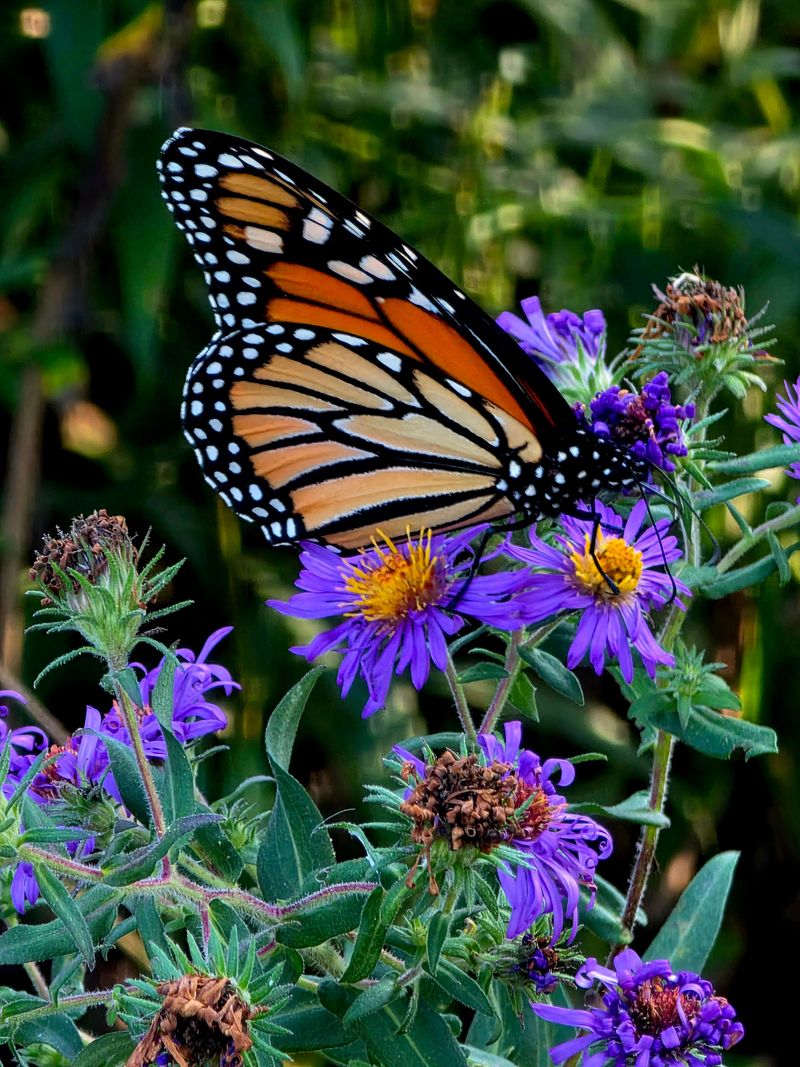
When fall rolls in and most flowers call it quits, New York Aster is just getting started. Purple and violet blooms explode across meadows and garden beds from September straight into November.
This wildflower earned its tough reputation by surviving coastal storms, salty air, and heavy clay soils. It does not ask for much but gives back enormous color in return.
New York Aster grows two to four feet tall with a naturally bushy, mounding shape. No fancy staking or pruning needed, it holds itself together through wind and rain.
Monarchs and bumblebees treat it like a last-chance diner before cold weather arrives. Planting a row of asters along your garden edge is one of the best things you can do for pollinators.
The flowers range from soft lavender to deep purple-blue, depending on the specific variety. Mixing a few cultivars creates a stunning gradient of color that looks professionally designed.
New York Aster spreads by both seed and root division, so your initial planting multiplies over time. Dividing clumps every few years keeps them blooming at full strength.
It pairs exceptionally well with goldenrod, creating a classic gold-and-purple fall combination. That pairing looks spectacular and supports two completely different groups of native insects.
Gardeners on the Eastern Shore who want late-season drama should not overlook this native gem. Once it settles in, expect bold, reliable color every single autumn without any extra effort.
5. Black-Eyed Susan
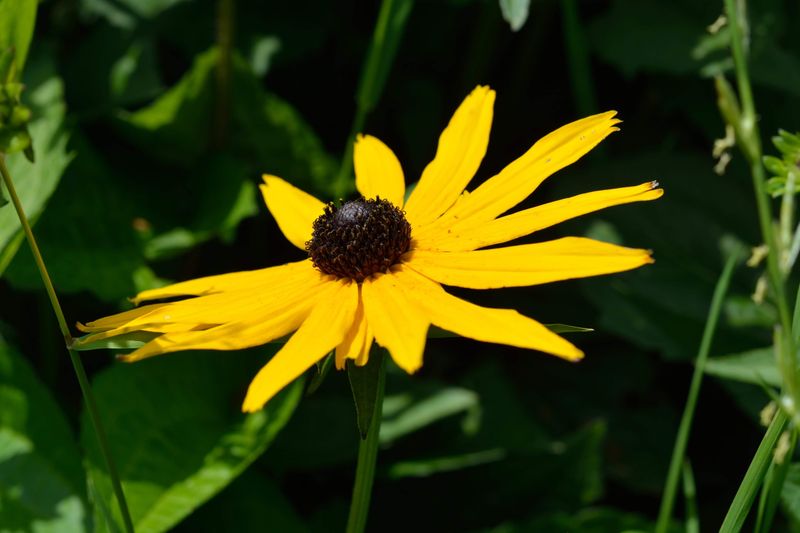
Maryland’s state flower knows exactly how to steal the show. Black-Eyed Susan’s golden-yellow petals surrounding a dark chocolate center are instantly recognizable across fields, roadsides, and backyard gardens.
This cheerful wildflower blooms from June through September, bridging the gap between spring color and fall drama. Few native plants offer that kind of extended season without any fuss.
Black-Eyed Susan thrives in dry, sunny spots where the soil is not particularly rich. Actually, over-fertilizing it tends to produce more leaves than flowers, so restraint is the smarter approach.
It handles Eastern Shore summers like a champ, pushing through heat waves that flatten less adapted plants. The secret is a sturdy taproot that helps it reach moisture other shallow-rooted plants miss.
Birds love the seed heads left behind after blooming ends. Goldfinches in particular are known to cling to the dried stalks and pick out seeds all winter long.
You can direct-sow seeds in fall or spring with great success. Once established, plants self-seed freely, filling in bare patches without any help from you.
Black-Eyed Susan also works beautifully as a cut flower, lasting up to ten days in a vase. Bringing a handful indoors instantly brightens any room with that warm, sunny energy.
For gardeners new to native plants, this one is the perfect starting point. It is forgiving, fast-growing, and wildly rewarding right from the first season.
6. Butterfly Weed
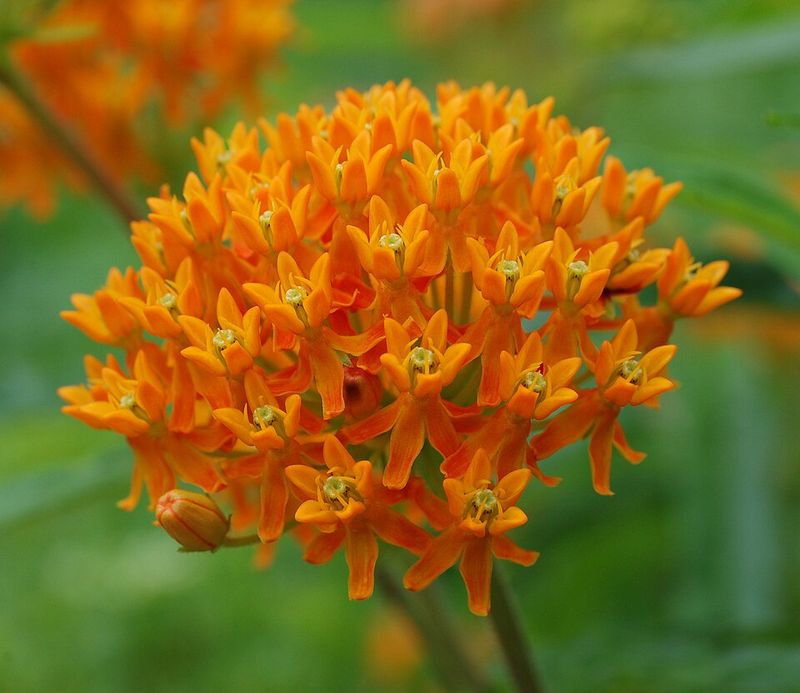
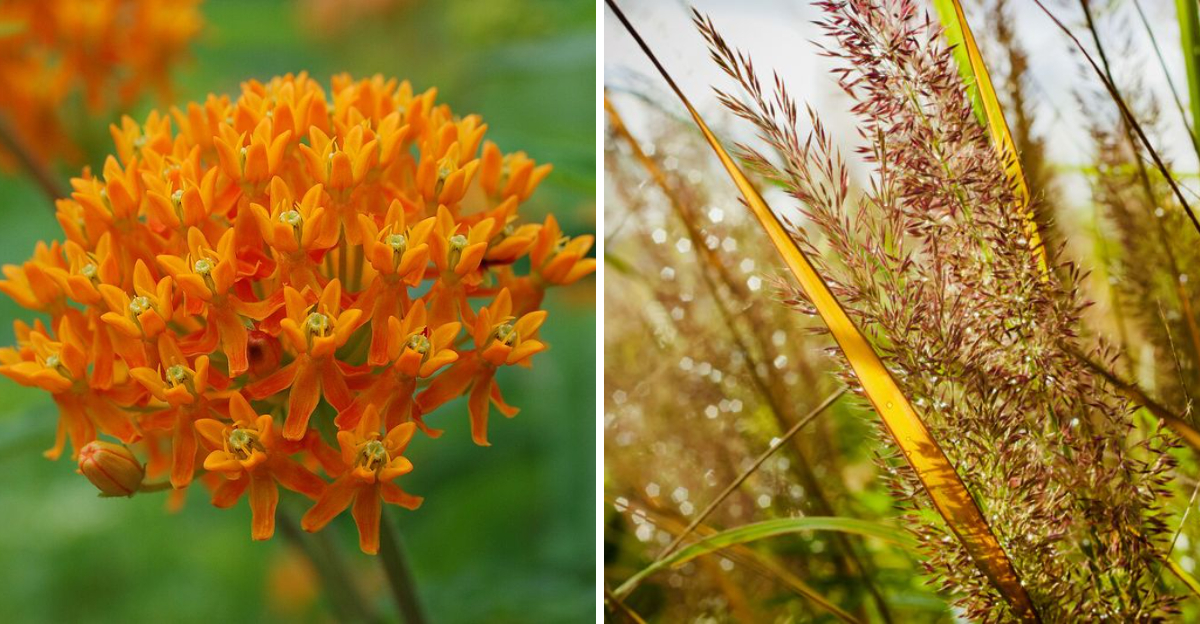
Imagine a plant so bright it stops people mid-stride on a sidewalk. Butterfly Weed delivers that kind of electric orange color from June through August without a single apology.
Despite the name, this plant is far from a nuisance. It is one of several native milkweeds that help support monarch butterflies on the Eastern Shore.
Monarch caterpillars depend on milkweed plants as their only food source, and Butterfly Weed is actually a species of milkweed itself.
It grows one to three feet tall in dry, sandy, or rocky soil with full sun exposure. Poor soil is not a problem; Butterfly Weed actually prefers it over rich, amended garden beds.
The deep taproot makes it drought-tolerant once established, usually after the first full season. Watering during the first summer helps it settle in, after that it handles dry spells independently.
One important note: transplanting mature plants is very difficult because of that long taproot. Choose your planting spot carefully, because moving it later rarely ends well.
Seed pods split open in fall, releasing silky-plumed seeds that drift on the breeze. Collecting a few pods before they burst lets you start new plants with almost no effort.
Butterfly Weed is proof that the most dramatic garden moments often come from the simplest native choices. Let it do its thing and your yard becomes a monarch waystation.
7. Switchgrass
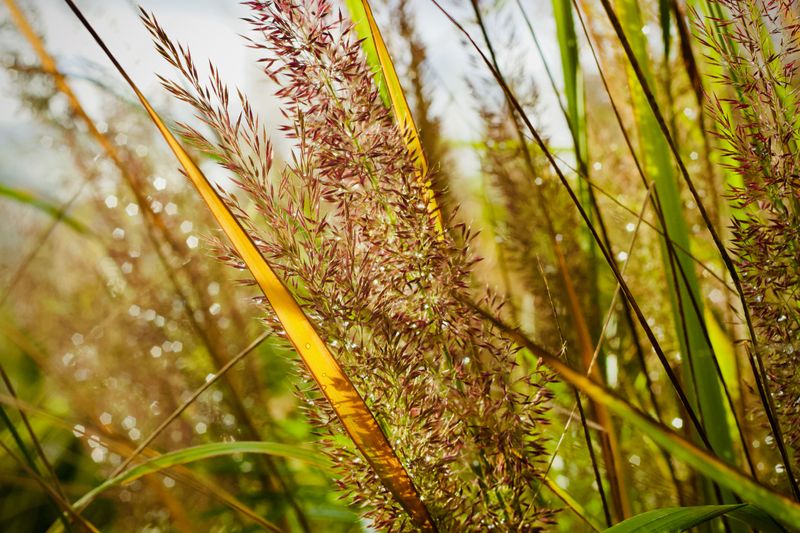
Switchgrass moves with the wind in a way that feels almost hypnotic. Those tall, airy seed heads catch the breeze and sway in slow, graceful arcs that bring a garden to life.
This native grass is a cornerstone plant across Eastern Shore meadows, wetland edges, and coastal dunes. It has been anchoring shorelines and filtering runoff for centuries without any human help.
Switchgrass grows three to six feet tall depending on the variety and growing conditions. Shorter cultivars like Shenandoah work well in smaller garden spaces without losing that dramatic texture.
It tolerates flooding, drought, salt spray, and heavy clay soil with impressive ease. That adaptability makes it one of the most versatile grasses available for challenging Eastern Shore landscapes.
Fall color on Switchgrass is genuinely surprising. Foliage turns from blue-green to brilliant shades of red, orange, and burgundy, rivaling any ornamental shrub for autumn interest.
The seed heads persist through winter, providing food for sparrows, juncos, and other small birds. Leaving the stalks standing until early spring gives wildlife a critical cold-weather resource.
Switchgrass also works as a natural privacy screen when planted in a dense row. A mass planting along a property line fills in fast and looks far better than a wooden fence.
For low-maintenance, high-impact gardening on the Eastern Shore, Switchgrass belongs in every plan. Give it one season to settle in, then step back and let it work for decades with almost no care required.
8. Sea Oats
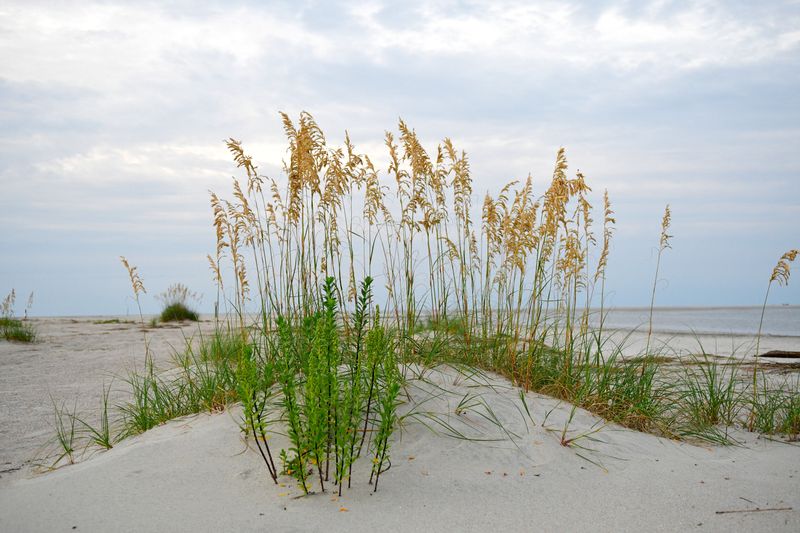
Walk along any Eastern Shore beach and you will spot Sea Oats nodding in the salt breeze. Those drooping, golden seed heads on tall slender stems are one of the most iconic sights of the mid-Atlantic coast.
Sea Oats play a critical role in stabilizing sand dunes, which protects shorelines from storm erosion. Their roots extend deep and wide underground, creating a living anchor beneath the sand.
This grass handles salt spray, poor sandy soil, and intense coastal sun better than almost any other plant. It evolved specifically for the harsh conditions that exist right at the water’s edge.
Sea Oats grow three to six feet tall, creating a soft, golden-green wall of texture along dune lines. The seed heads turn a warm amber color in late summer, adding rich visual contrast to the landscape.
In many coastal states, Sea Oats are protected by law because of their role in dune preservation. Always purchase plants from a reputable native nursery rather than collecting from wild beaches.
At home, they work beautifully in raised sandy beds or along dry garden borders with full sun. Mixing them with other coastal natives like Seaside Goldenrod creates a naturalistic, low-maintenance planting.
Birds eat the seeds and use the dense clumps for nesting cover during warmer months. That combination of ecological function and visual beauty is hard to beat in any garden plant.
The Eastern Shore plants that thrive in Maryland shifting weather all share one quality: resilience. Sea Oats embody that spirit more visibly than almost anything else growing on this remarkable coastline.