Western Bluebirds Are Returning To California Yards That Have This One Thing
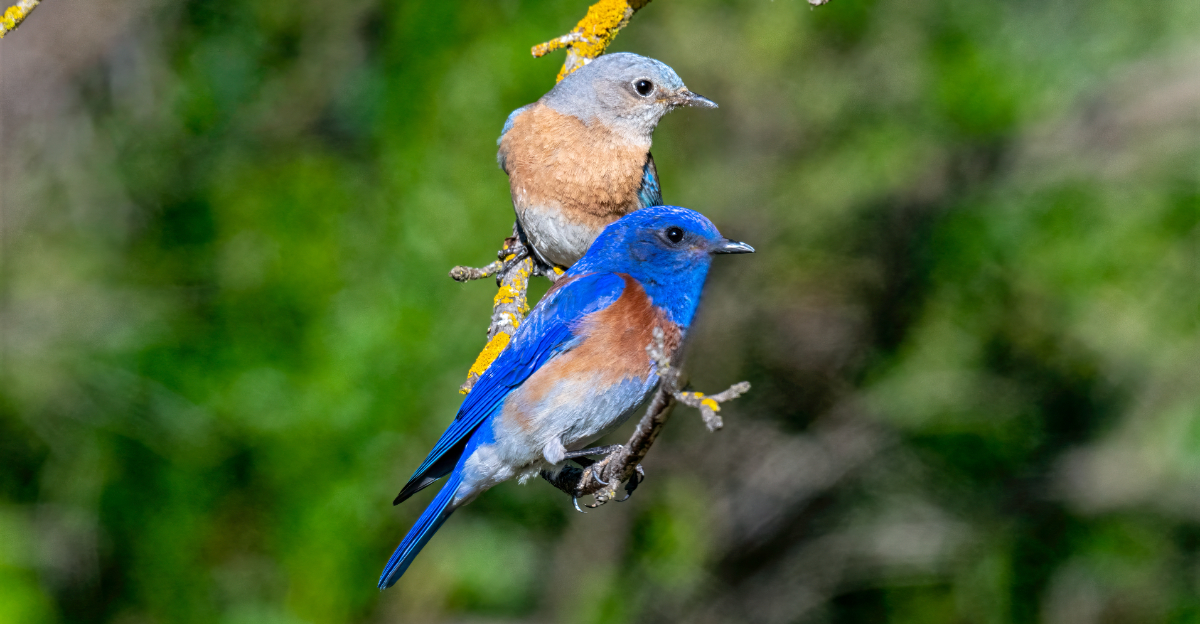
A flash of blue in the yard can stop a California gardener mid-step. Western bluebirds are a welcome sight, but they do not return to every space just because it looks pretty.
These birds are searching for something more useful than a perfect lawn or a busy flower bed. They need a yard that offers the right kind of shelter, feeding spots, or safe places to raise young.
One simple feature can make a backyard much more inviting. Once it is there, the whole space starts to feel more like habitat instead of just landscaping.
The best part is that it does not have to make the yard look messy. Add the right support, and your garden may become the kind of place bluebirds check again and again.
A Proper Nest Box Gives Western Bluebirds A Reason To Stay
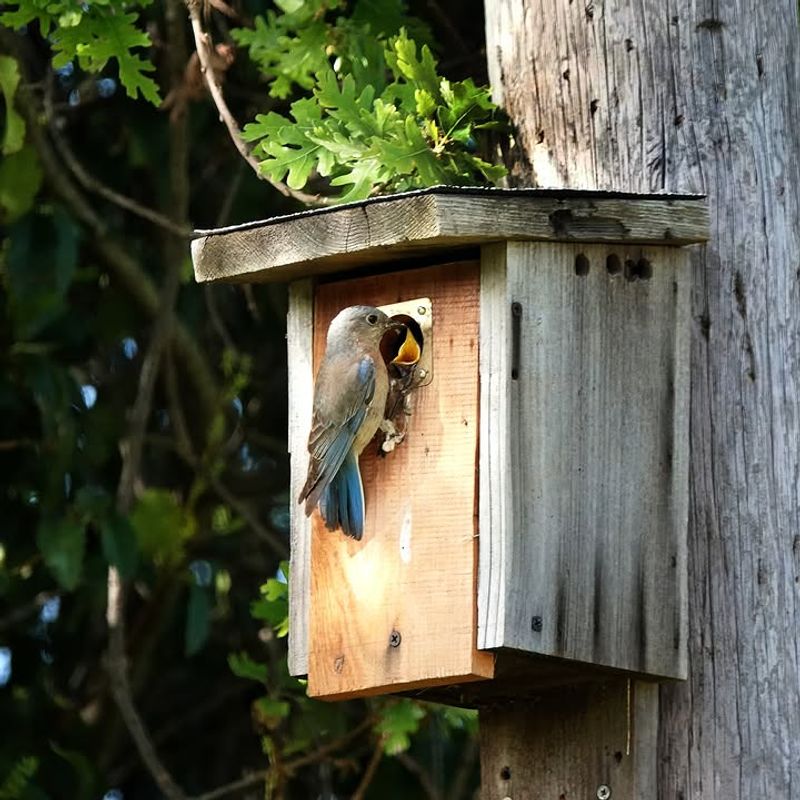
Most California backyard birds are happy with a feeder and some water, but Western Bluebirds want something far more specific.
They are cavity nesters, which means they raise their babies inside enclosed spaces like hollow trees or wooden boxes.
Without that kind of shelter, they simply will not nest in your yard, no matter how welcoming everything else looks.
A proper nest box gives them that missing piece. It does not have to be fancy or expensive.
A simple, well-built wooden box with the right dimensions is more than enough to attract a nesting pair.
The inside floor space should be roughly four by four inches, and the box should be about eight to ten inches deep.
Those measurements give the female enough room to build a comfortable nest and raise her chicks safely.
Western Bluebirds are also loyal birds. Once a pair finds a box they like, they often return to it season after season.
Some pairs even raise two or three broods in a single summer using the same box. That means one good nest box can bring you years of bluebird activity with very little ongoing effort on your part.
Choosing untreated wood like cedar or pine is a smart move. These materials breathe well, resist moisture, and stay cooler in warm weather.
Avoid painted or varnished interiors, as chemicals can be harmful to chicks. A rough interior surface also helps the young birds climb out when they are ready to fledge.
Western Bluebirds Need Cavities, Not Decorative Birdhouses
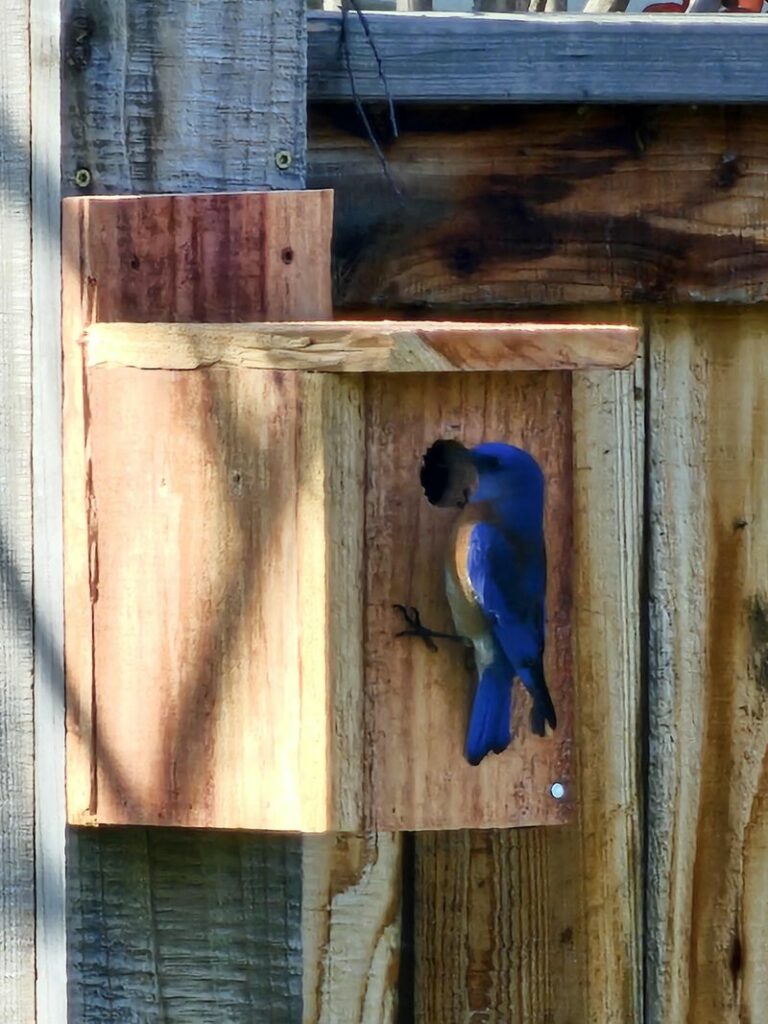
Walk through any California garden center and you will find birdhouses in every shape and color imaginable. Tiny painted cottages, miniature barns, and whimsical designs line the shelves.
They look charming hanging from a porch or tucked into a flower garden, but Western Bluebirds want absolutely nothing to do with most of them.
The problem is not the look. It is the function. Decorative birdhouses are often made with materials that trap heat, hold moisture, or have entrance holes that are the wrong size.
They may also lack proper ventilation and drainage, which are critical for keeping eggs and chicks healthy during warm months.
A poorly designed box can get so hot inside that it becomes dangerous for a nesting family. What bluebirds actually need is something that mimics a natural tree cavity.
Your California Garden Changes Every Week. Your Plan Should Too.
Gardening in California changes quickly throughout the season. Every Friday you’ll receive a simple weekly plan showing exactly what to plant, prune, fertilize, harvest, and protect so you never miss the right timing.
That means a box with plain, unfinished wood on the inside, a snug but breathable fit, small ventilation gaps near the top, and drainage holes in the floor.
The outside can be simple or even a bit rustic. Bluebirds do not judge by appearance.
Functionality always wins over decoration when it comes to attracting these birds. A plain cedar box that meets the right specs will outperform a painted novelty house every single time.
If you already own a decorative birdhouse, check whether it meets the basic requirements. You may be able to modify it slightly, but in most cases, a purpose-built bluebird box is the better investment for serious birders.
Open Yard Space Helps Bluebirds Hunt For Insects
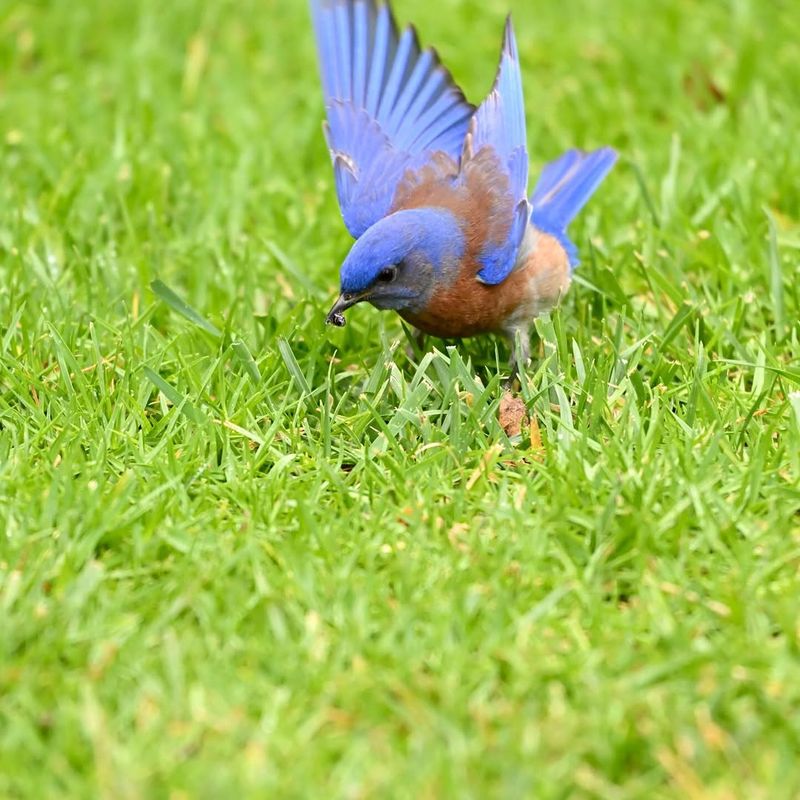
Bluebirds are not like sparrows or finches that peck at seeds on the ground. They are aerial hunters.
They perch up high, scan the open ground below, and then swoop down to snatch insects, beetles, grasshoppers, and small worms. That hunting style requires open space, and lots of it.
A yard full of dense shrubs, tall ornamental grasses, or thick ground cover makes it very hard for bluebirds to spot and catch prey. They need a clear line of sight from their perch to the ground.
Short grass, bare soil patches, or low-growing ground cover gives them the visibility they need to hunt efficiently.
Lawns that are regularly mowed tend to attract bluebirds more consistently than overgrown or heavily planted spaces.
You do not need a massive yard to make this work. Even a modest-sized open area near the nest box is enough to encourage regular hunting activity.
Placing the nest box near the edge of a lawn or open garden bed puts the birds right next to their preferred feeding zone.
Avoid spraying pesticides in areas where bluebirds hunt. Insects are their primary food source, especially during nesting season when they are feeding growing chicks.
A California yard that supports a healthy insect population is a yard that keeps bluebirds coming back.
Native plants, composted soil, and reduced chemical use all contribute to a richer insect environment that works in your favor when trying to attract these birds.
A Pole-Mounted Box Is Safer Than One Nailed To A Tree
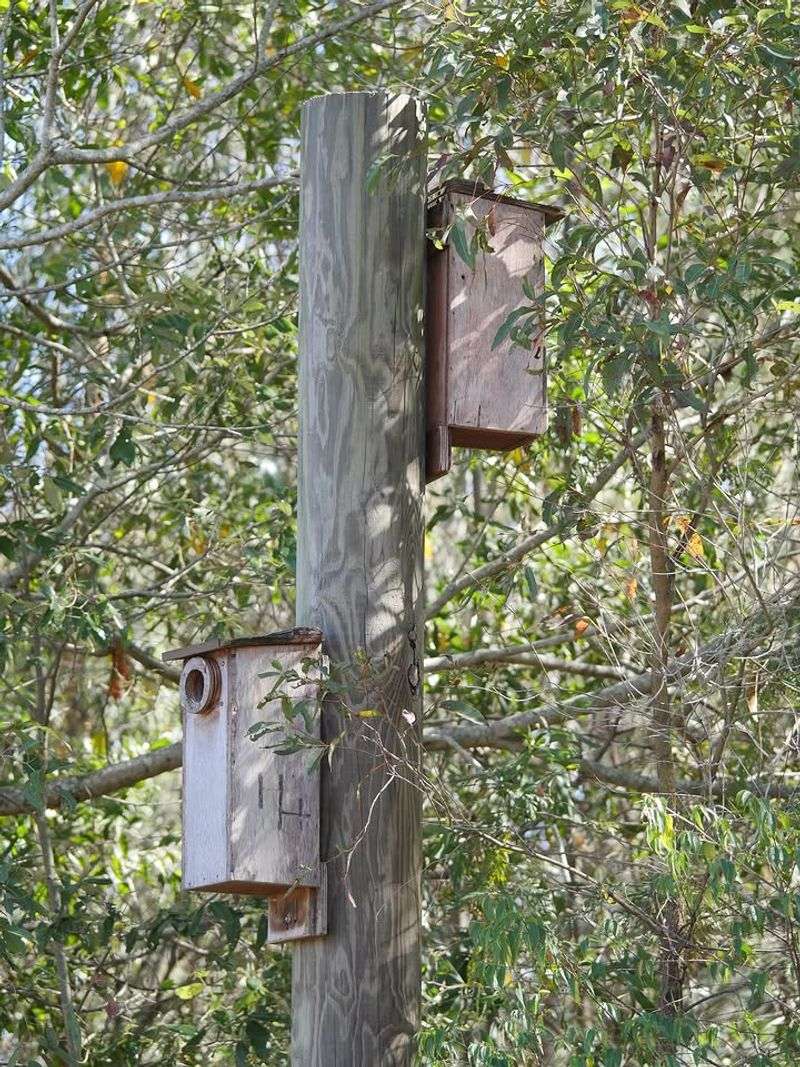
It seems natural to nail a nest box to a tree. Trees feel like a bird’s natural habitat, and the idea makes intuitive sense.
But for Western Bluebirds, a tree-mounted box actually creates more problems than it solves, and the biggest one is predators.
Snakes, raccoons, squirrels, and cats can all climb trees with surprising ease. A nest box attached to a tree trunk gives predators a direct and easy path to the eggs and chicks inside.
In areas where these animals are common, tree-mounted boxes often fail to produce successful nests because the contents are raided before the chicks ever fledge.
A smooth metal pole with a predator baffle changes everything. The baffle is a cone or cylinder-shaped guard that wraps around the pole below the box.
When a climbing predator reaches it, they cannot get past it. They slide back down and give up.
It is a simple solution that dramatically improves nesting success rates across the board.
Mounting the box on a pole also gives you more control over placement. You can position it in the ideal spot without being limited by tree locations.
A pole can go in the middle of an open lawn, at the edge of a garden, or anywhere that meets the bluebird’s habitat needs. Most poles can be driven directly into the ground without any special tools.
A height of five to six feet off the ground is generally considered the sweet spot for Western Bluebirds in California.
The Entrance Hole Size Matters More Than Most People Think
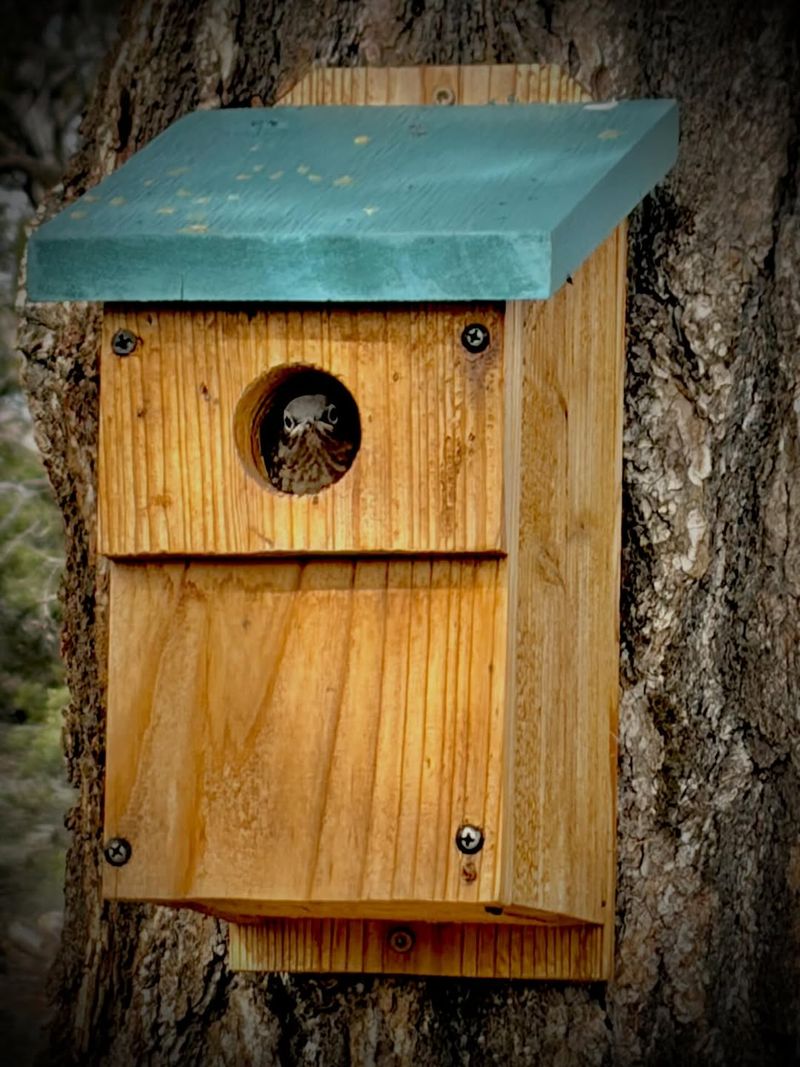
One of the most overlooked details in nest box setup is also one of the most critical. The entrance hole size determines which birds can actually get inside, and getting it wrong means bluebirds may never use the box at all.
For Western Bluebirds, the entrance hole should be exactly one and a half inches in diameter.
That size is large enough for the bluebird to enter comfortably but small enough to keep out European Starlings, which are aggressive, invasive birds that take over nest boxes and push native species out.
Starlings are a serious problem across California, and a properly sized hole is one of the easiest ways to stop them from competing with bluebirds.
A hole that is too large invites starlings and other larger birds. A hole that is too small prevents bluebirds from entering at all.
Even a quarter-inch difference can change which species ends up using the box. It is worth taking a moment to measure carefully before mounting your box.
The hole should also be positioned near the top of the front panel, leaving enough depth below it so the nest sits well out of reach of a predator’s paw.
Some nest box designs include a recessed entrance or a small metal hole reinforcement plate.
That plate prevents squirrels and other animals from chewing the opening wider over time. It is a small addition that protects your investment and keeps the box working correctly for many seasons ahead.
Face The Box Toward Open Space, Not Dense Shrubs
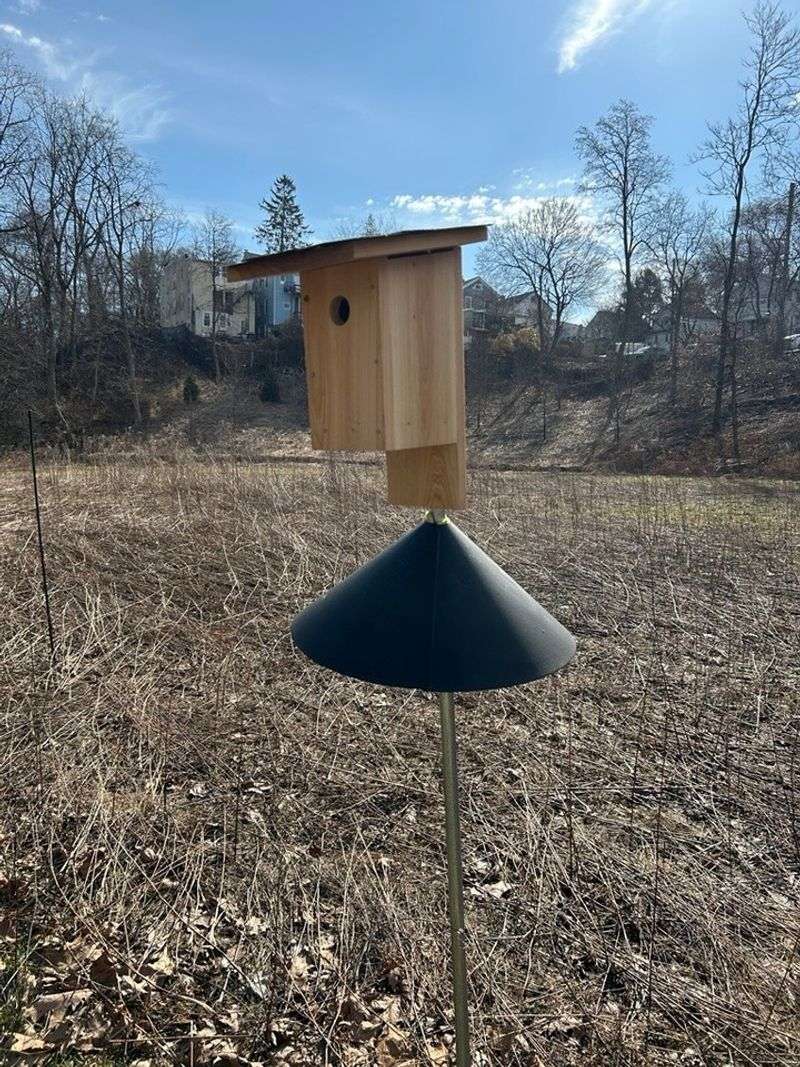
The direction a nest box faces might seem like a minor detail, but it actually plays a big role in whether bluebirds choose to use it.
Birds are careful about where they set up a home, and the view from the entrance matters to them more than most people realize.
Western Bluebirds prefer to have a clear, open sightline from the nest box entrance. When a parent bird returns to the box with food, it often perches nearby first and scans the area for threats.
If the entrance faces a wall of shrubs or a fence line, the bird has no clear view and feels exposed. That sense of vulnerability can be enough to make a pair abandon an otherwise perfect box.
Facing the entrance toward open lawn or a low garden bed gives the birds the visibility they need to feel safe.
Many experienced birders in the northern and central parts of California recommend orienting the box so the entrance faces east or north.
This helps avoid overheating during hot afternoon sun, which can be intense in inland areas during summer months.
You do not need a compass to get this right. Simply observe where the sun hits hardest in your yard during the afternoon and point the entrance away from that direction.
A shaded entrance keeps the interior cooler and more comfortable for developing chicks. Small adjustments in orientation can make a real difference in how quickly bluebirds discover and accept a new box in your outdoor space.
Keep The Box Away From Heavy Foot Traffic
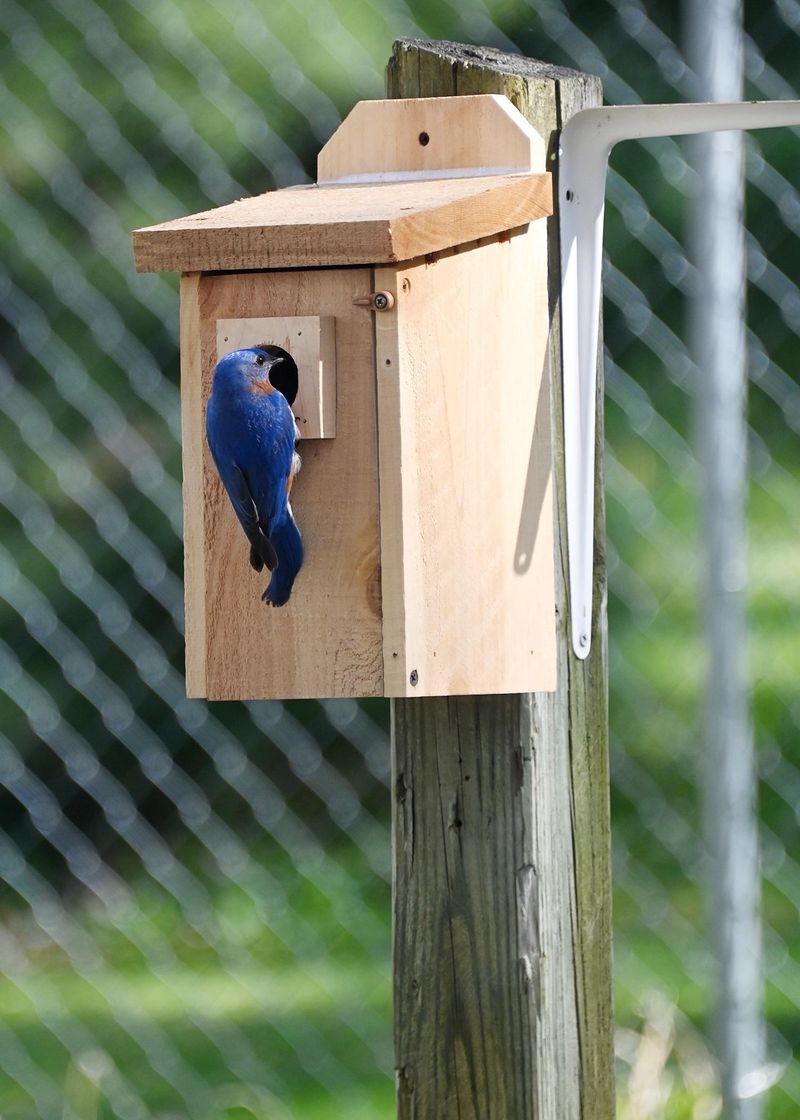
Western Bluebirds are curious and somewhat bold compared to many other native birds. They will nest surprisingly close to people when conditions are right.
But there is a limit, and too much activity near the nest box will cause even the most daring pair to move on.
Placing a box near a busy patio, a children’s play area, or a frequently used garden path creates constant disturbance. Every time a person walks by, the nesting birds feel stressed.
Repeated stress during nesting season can cause a pair to abandon eggs or stop feeding chicks. That is the last outcome any backyard birder wants after going to the effort of setting up a proper box.
A quieter corner of the yard is almost always a better choice. The box does not need to be hidden or hard to find.
It just needs to be far enough from daily human activity that the birds can come and go without feeling constantly watched or threatened.
A distance of at least twenty to thirty feet from high-traffic areas is a reasonable starting point.
Once the birds settle in, you can observe them from a distance using binoculars without causing any disruption.
Watching a pair of Western Bluebirds raise a clutch of chicks from across the yard is one of the most rewarding experiences a nature lover in our region can have.
Give them the space they need early in the season and they will reward you with months of breathtaking activity right outside your window.