These Effortless Beauties Will Make Your Texas Garden Magnificent
What if your Texas garden could look absolutely stunning without demanding constant attention, expensive products, or hours of maintenance every weekend?
For a lot of gardeners, that sounds too good to be true. But the secret isn’t working harder. It’s choosing the right flowers from the start.
Some flowers are just effortlessly beautiful. They settle in, they bloom generously, and they keep delivering season after season without needing to be coddled, fussed over, or replaced every spring.
In a Texas climate that tests even experienced gardeners, these are the flowers that make the whole thing feel worthwhile. The ones that reward you with color and life even when you haven’t had time to give them much attention.
Whether you’re a seasoned Texas gardener looking to simplify or someone just getting started and wanting real results without the overwhelm, these flowers deliver on both fronts.
Here are the effortless beauties that will make your Texas garden look magnificent all season long.
1. Lantana
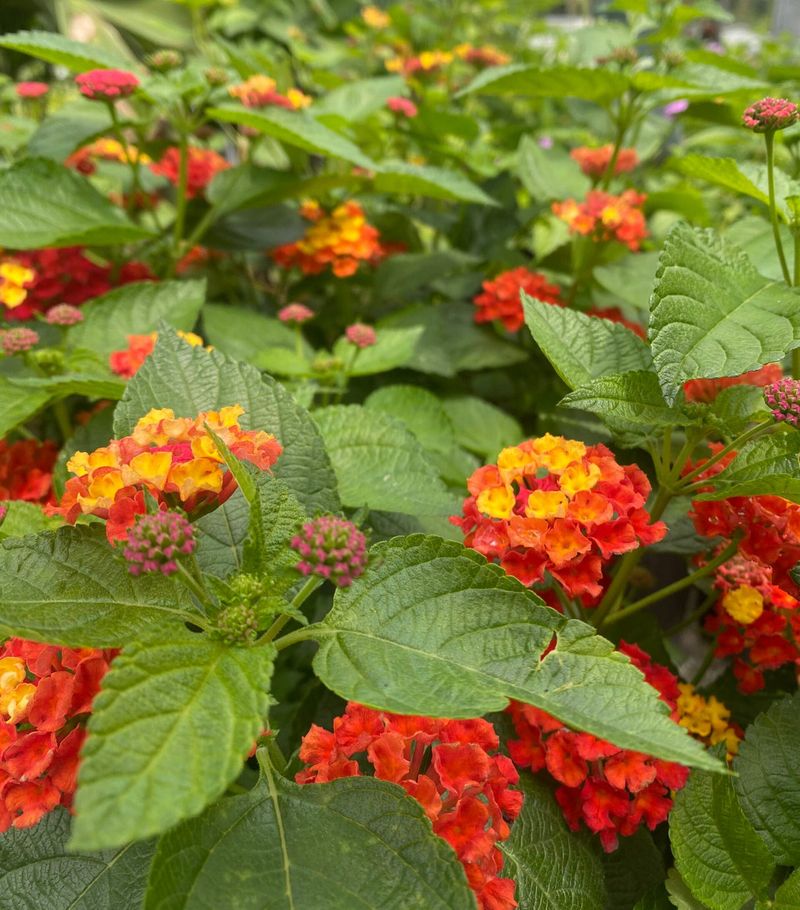
Few plants bring as much color to a Texas summer garden as lantana. This heat-loving bloomer is practically made for the Lone Star State.
Once it gets going, it just keeps producing clusters of tiny flowers in bold shades of orange, red, yellow, pink, and purple. The color combinations are eye-catching and cheerful.
Lantana thrives in full sun and handles drought like a pro. You do not need to water it constantly or fuss over it.
Plant it in well-drained soil, give it a sunny spot, and step back. It will reward you with nonstop blooms from late spring all the way through fall.
One of the best things about lantana is how it attracts butterflies. Monarchs, swallowtails, and skippers love visiting the flowers.
That makes your garden feel alive and buzzing with activity. Some hummingbirds will stop by too, especially if you plant red or orange varieties.
Lantana grows in both the ground and in containers, making it super flexible. It can spread wide, so give it room to breathe if you plant it in a bed.
Trimming it back occasionally encourages fresh growth and more flowers. Avoid overwatering, since lantana actually prefers slightly dry conditions.
Fun fact: lantana is originally from tropical regions of the Americas and Africa, which explains why it handles Texas heat so well. It is a tough plant with a gorgeous personality. Once you grow it, you will want it in your garden every single year.
2. Zinnias
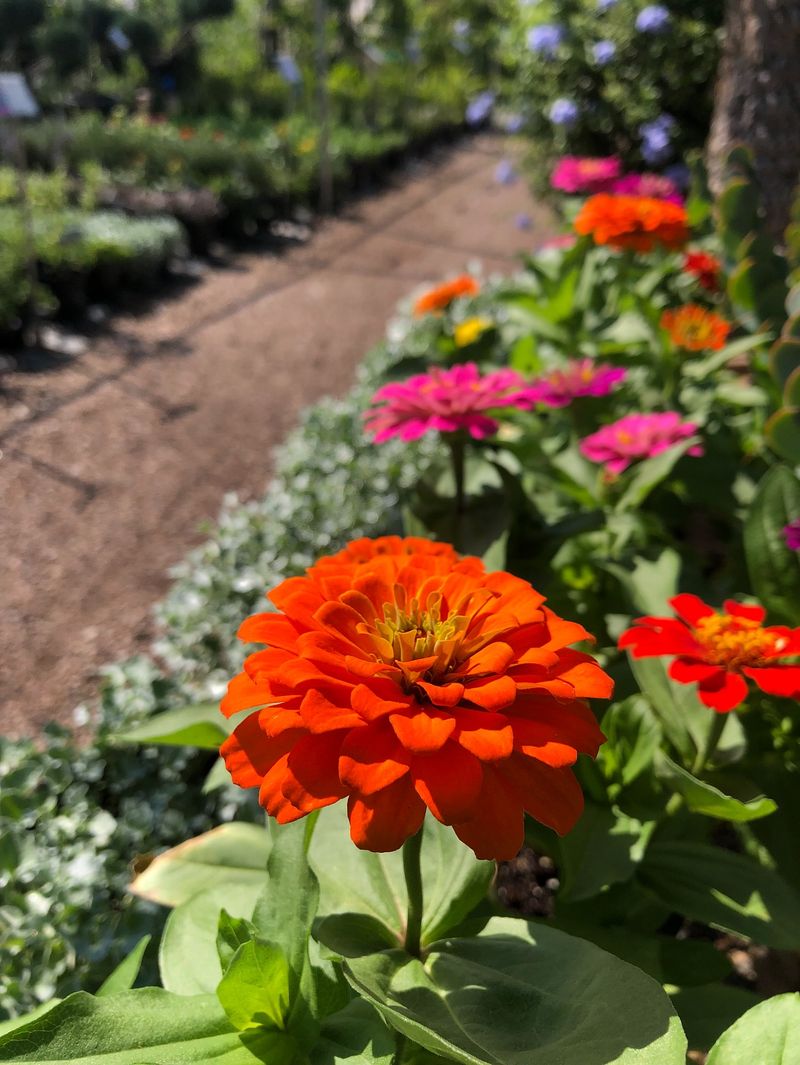
Zinnias are the kind of flowers that make you smile the moment you see them. They come in almost every color imaginable, from deep red and hot pink to soft peach and creamy white.
They are bright, bold, and absolutely beautiful when planted in groups. Best of all, they are incredibly easy to grow from seed.
Just scatter zinnia seeds directly into a sunny garden bed after the last frost, and you will have blooms within weeks. They sprout fast and grow quickly, making them one of the most satisfying flowers for beginners.
Your Texas Garden Changes Every Week. Your Plan Should Too.
Gardening in Texas changes quickly throughout the season. Every Friday you’ll receive a simple weekly plan showing exactly what to plant, prune, fertilize, harvest, and protect so you never miss the right timing.
Kids love growing them too because the results come so quickly. Zinnias love the Texas sun and warm temperatures. They do not mind the heat at all.
In fact, they bloom more heavily during the hottest months, which is exactly when many other flowers start to struggle. That makes them a reliable choice for summer color in Texas gardens.
Another great reason to grow zinnias is that they make wonderful cut flowers. Snip a few stems and bring them inside for a colorful vase arrangement.
Cutting the flowers actually encourages the plant to produce even more blooms, so you end up with more flowers both indoors and outside.
Deadheading spent blooms also keeps zinnias looking tidy and productive. Water them at the base rather than overhead to prevent powdery mildew on the leaves.
With just a little basic care, zinnias will fill your garden with cheerful, nonstop color from early summer right through the first cool snap of fall.
3. Portulaca
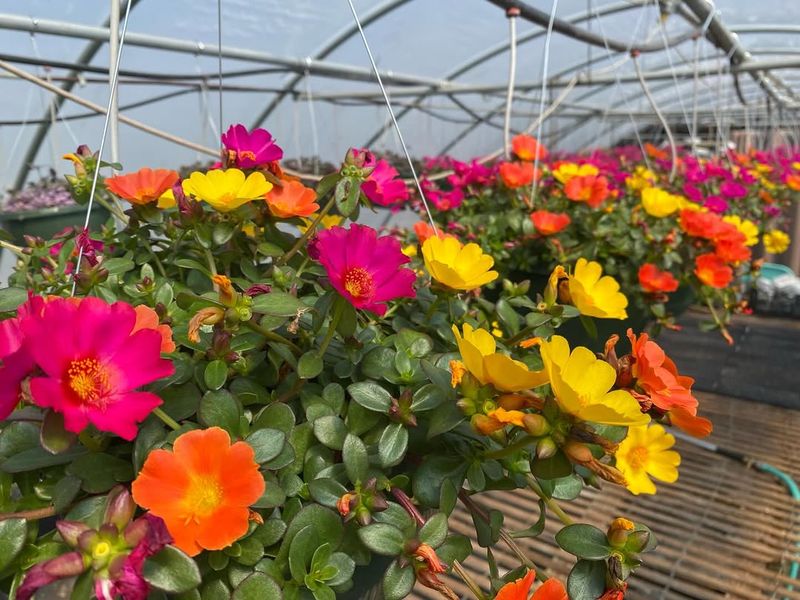
Portulaca is a little plant with a big attitude. Also called moss rose, this ground-hugging flower thrives in the hottest, driest spots in your yard.
Rocky slopes, sandy soil, blazing sidewalk borders, and neglected corners are where portulaca truly shines. Most plants would struggle there, but portulaca loves it.
The flowers are silky and delicate-looking, almost like tiny roses. They come in vivid shades of pink, red, orange, yellow, white, and magenta.
Some varieties even have striped or bicolored blooms. They open wide in full sun and close up at night or on cloudy days, which is a fun quirk that makes them interesting to watch.
Portulaca has thick, succulent-like stems and leaves that store water. That is how it survives with very little rainfall.
You can go days without watering it and it will still look great. This makes it one of the most drought-tolerant flowering plants available for Texas gardens.
It works beautifully along walkways, in rock gardens, spilling over container edges, and tucked into raised beds. The low-growing habit means it spreads out nicely without taking over taller plants nearby.
It also self-seeds, so you may get new plants coming back next year without doing a thing. Plant portulaca in well-drained or even poor soil. Avoid heavy clay or areas that stay wet, since too much moisture causes problems for the roots.
Once established, this tough little bloomer practically takes care of itself. For a no-fuss flower that delivers serious color all summer long, portulaca is a top choice for Texas gardeners.
4. Vinca
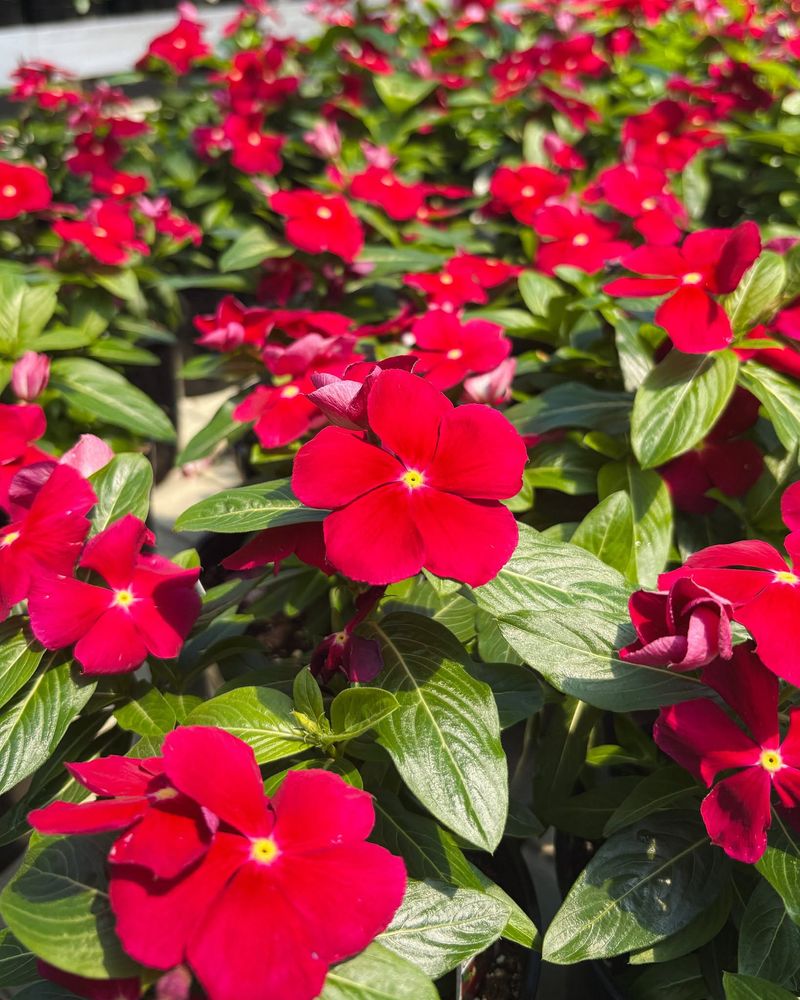
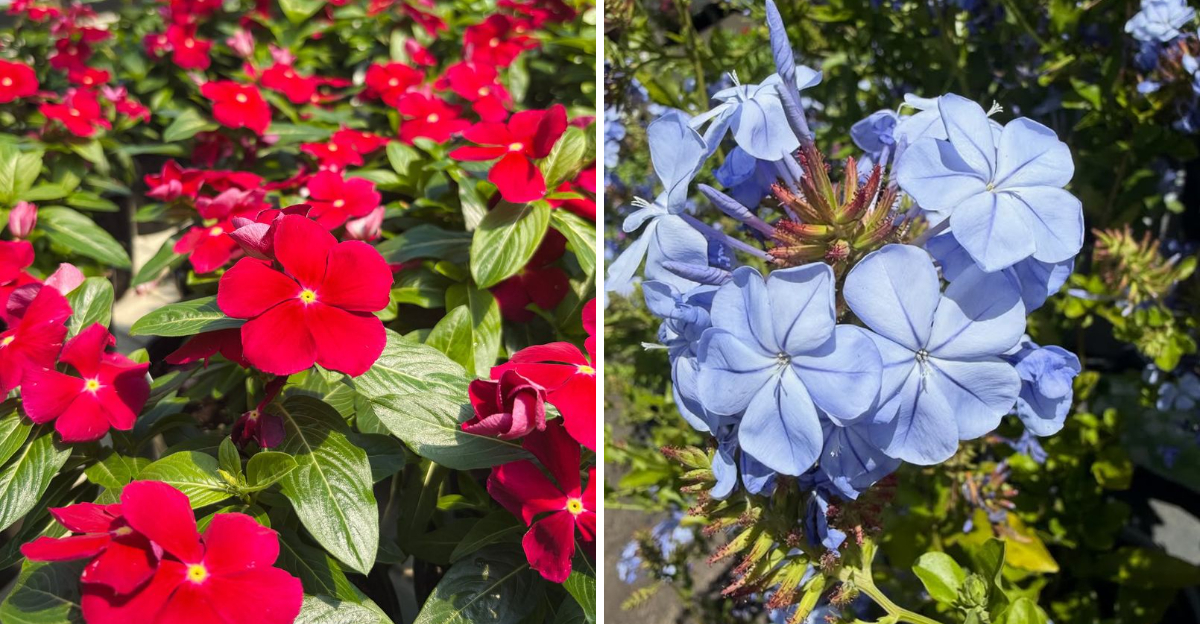
Walk through any Texas nursery in spring and you will spot vinca right away. Also known as annual vinca or Madagascar periwinkle, this plant has been a Southern garden staple for decades.
Gardeners keep coming back to it year after year for one simple reason: it works. It blooms steadily, handles heat without complaining, and looks polished from planting day through fall.
Vinca has glossy, dark green leaves that make its flowers pop. The blooms come in shades of white, pink, red, coral, lavender, and deep rose.
Many varieties have a contrasting eye in the center, giving each flower a sweet, detailed look. The plants stay neat and compact, making them easy to arrange in beds and borders.
One of vinca’s biggest strengths is its tolerance for heat and humidity. Texas summers do not slow it down.
It actually thrives in those conditions as long as it has good drainage. Soggy soil is its main enemy, so avoid planting it in low spots that collect water after rain.
Vinca is also fairly drought-tolerant once established. Water it regularly while it is getting settled in, then ease off a bit.
It does not need constant moisture to stay healthy and blooming. That makes it a smart, low-maintenance choice for busy gardeners.
Plant vinca in full sun for the best flower production. It can handle some light afternoon shade but really performs best with at least six hours of direct sunlight.
Fertilize lightly once a month to keep it growing strong. With minimal effort, vinca delivers consistent, dependable beauty all season long.
5. Pentas
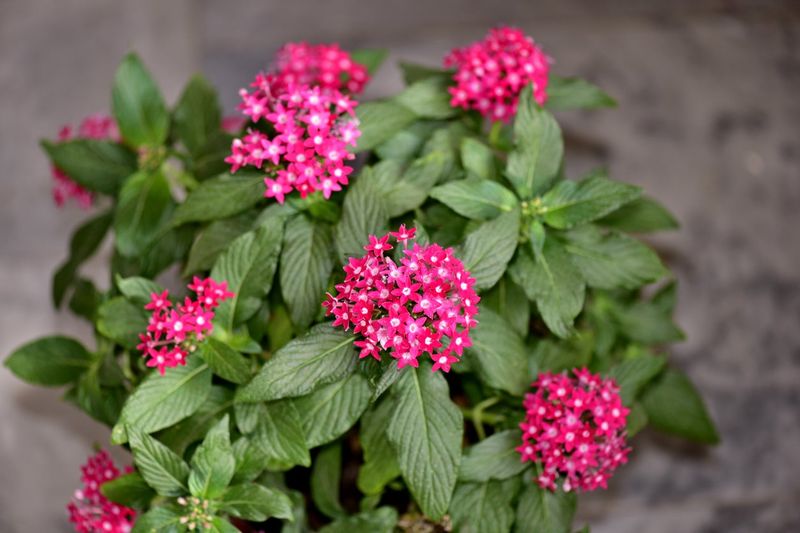
Pentas is one of those plants that makes a garden feel like a tropical paradise. Its clusters of tiny star-shaped flowers bloom in cheerful shades of red, pink, white, and lavender.
The flower heads are rounded and full, giving the plant a lush, dense appearance that looks expensive even though it is not. And it blooms nonstop from late spring through fall.
What really sets pentas apart is how much wildlife it attracts. Butterflies flock to it constantly.
Swallowtails, monarchs, and gulf fritillaries are frequent visitors. Hummingbirds love the red and pink varieties especially.
Plant a few clumps of pentas and your garden will feel like a busy, buzzing ecosystem full of life and movement.
Pentas handles Texas heat very well. It prefers full sun to partial shade and grows best in well-drained soil.
Once established, it is fairly drought-tolerant, though it blooms most heavily when watered consistently during dry spells. It grows about two to three feet tall and wide, making it great for middle or back borders.
You can also grow pentas in large containers on a patio or deck. Pair it with trailing plants like sweet potato vine for a stunning combination.
It looks gorgeous as a standalone plant too, especially when planted in groups of three or five for a bold display of color.
Pentas is easy to find at most Texas garden centers in spring. Look for compact varieties if you want a tidier look.
Deadheading is not required, but removing old flower clusters can encourage faster reblooming. For a long-lasting, wildlife-friendly flower that thrives in Texas, pentas is truly hard to beat.
6. Mystic Spires Blue Salvia
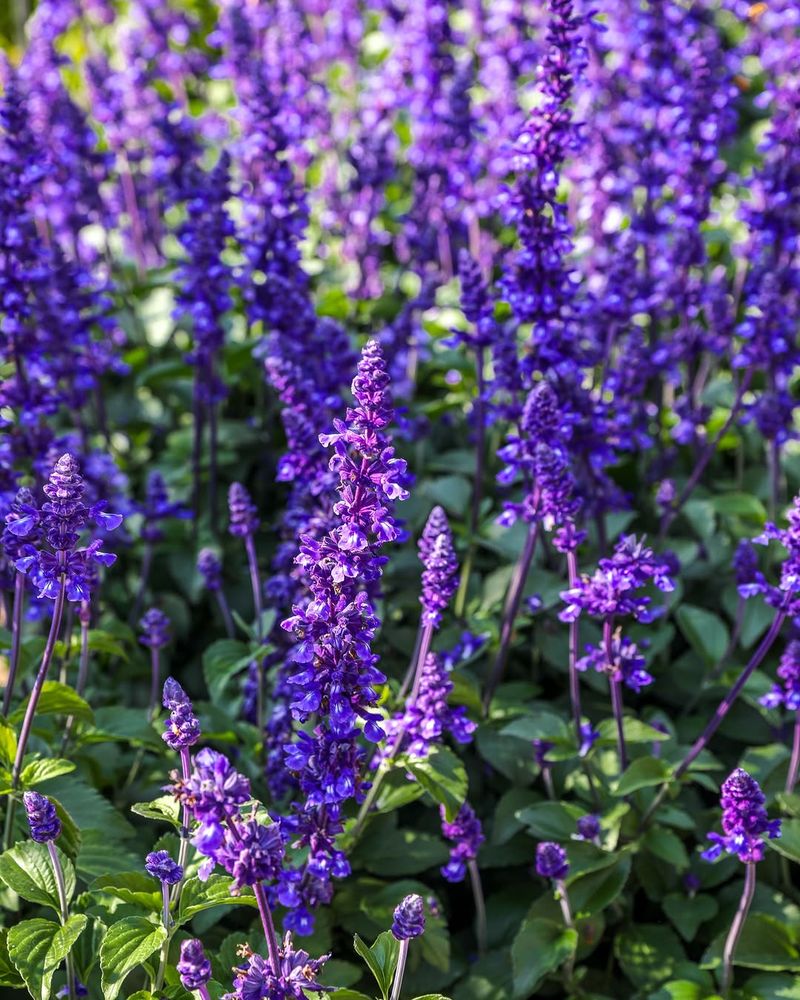
There is something almost magical about the deep blue-purple spikes of Mystic Spires Blue Salvia rising above a garden bed. This variety of salvia is a standout performer in Texas gardens, and once you plant it, you will understand why gardeners rave about it.
The flower spikes are tall, elegant, and absolutely loaded with color from late spring through fall.
Mystic Spires Blue Salvia is a hybrid variety known for being more compact and longer-blooming than many other salvias. It grows about three to four feet tall, making it a great choice for the middle or back of a border.
The upright growth habit gives it a clean, structured look that pairs beautifully with softer, mounding plants like lantana or portulaca.
Pollinators go absolutely wild for this plant. Bees, butterflies, and hummingbirds visit the flowers constantly.
If you want to support local pollinators while adding serious visual impact to your garden, this salvia is one of the best choices available for Texas landscapes.
It thrives in full sun and well-drained soil. Once established, it handles drought reasonably well, though it blooms best with occasional deep watering during dry stretches.
Cutting the flower spikes back by about one-third after a heavy bloom cycle encourages the plant to push out fresh new spikes quickly.
Mystic Spires Blue Salvia also works well in large containers. Its bold color provides a striking contrast against warm-toned flowers like orange zinnias or red pentas.
For a pollinator-friendly, heat-tolerant plant that adds vertical interest and rich color to your Texas garden, this salvia is a must-have addition.
7. Turk’s Cap
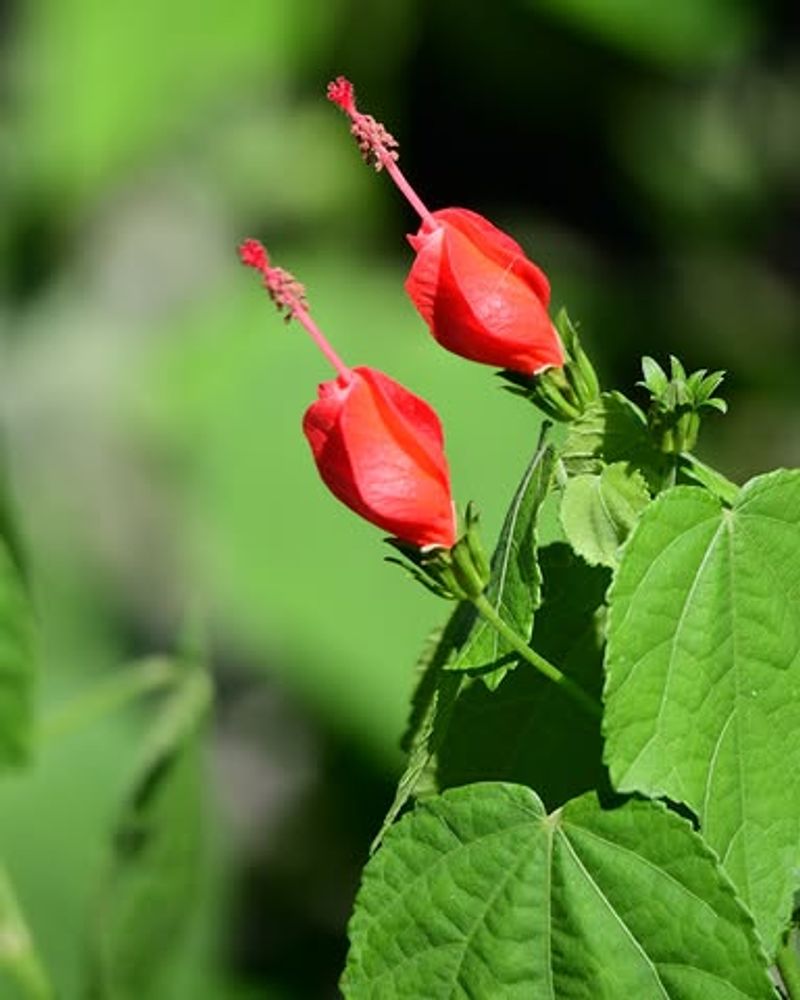
Not every beautiful garden plant needs full sun, and Turk’s Cap is proof of that. This Texas native is a true gem for shaded and partly shaded spots where other flowering plants often struggle.
Its unusual curled red blooms look like tiny turbans or rolled-up petals, which is exactly where the name comes from. They are unlike anything else in the garden.
Hummingbirds absolutely adore Turk’s Cap. The tubular, nectar-rich flowers are perfectly shaped for hummingbird feeding, and once they discover your plant, they will return again and again throughout the season.
Butterflies also visit the blooms, and the red berries that follow attract birds like mockingbirds and cardinals. Planting Turk’s Cap basically turns your yard into a wildlife haven.
As a Texas native plant, Turk’s Cap is incredibly well adapted to local conditions. It tolerates heat, humidity, and even periods of drought once established.
It also handles clay soil better than most flowering plants, which is a huge advantage for gardeners dealing with heavy Texas soil.
Turk’s Cap grows as a shrubby perennial, meaning it comes back year after year. It can reach four to six feet tall and wide in ideal conditions, so give it plenty of space.
It dies back to the ground in winter but regrows vigorously in spring. Pruning it back in late winter keeps it tidy and encourages lush new growth.
Plant Turk’s Cap under large trees, along fences, or in the shadier corners of your yard. It fills those tricky spots with gorgeous color and wildlife activity from summer through fall.
For a low-maintenance, native Texas plant that truly earns its place in the garden, Turk’s Cap is a wonderful choice.
8. Cape Plumbago
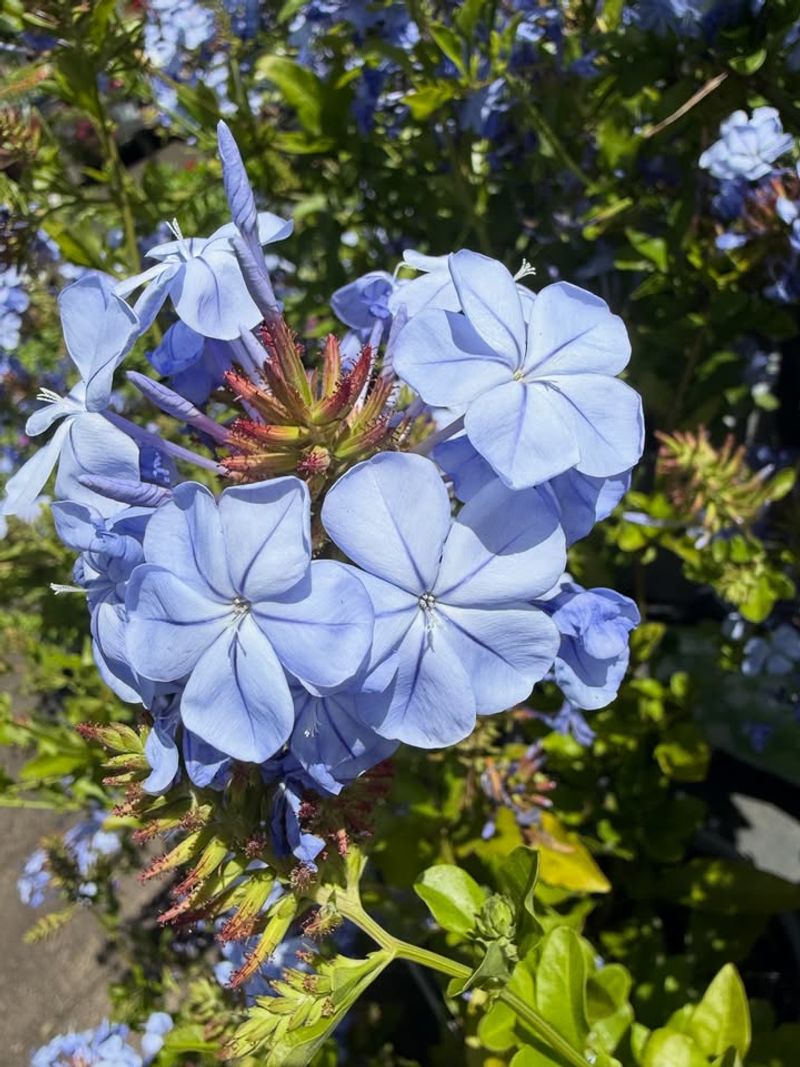
Cool blue flowers are surprisingly rare in the gardening world, which makes Cape Plumbago something special. This graceful, sprawling shrub produces clusters of soft sky-blue flowers that look absolutely stunning against green foliage.
The color is light and airy, almost like a breath of fresh air on a hot Texas afternoon. It brings a calm, cottage-garden vibe to any outdoor space.
Cape Plumbago blooms from spring through fall, giving you months of consistent color. It grows as a large, mounding shrub that can spread four to six feet wide and reach about three feet tall.
The stems have a slightly arching habit that looks relaxed and natural in informal garden settings. It works beautifully as a border plant, a low hedge, or a sprawling accent along fences and walls.
In terms of care, Cape Plumbago is wonderfully easy. It loves full sun but tolerates light afternoon shade in the hottest parts of Texas.
Once established, it is fairly drought-tolerant and does not need a lot of fertilizing to stay healthy. Water it deeply but infrequently, and it will reward you with steady blooms all season.
The plant is not fully cold-hardy in North Texas, where it may freeze back in winter. However, the roots usually survive and the plant regrows from the base in spring. In South and Central Texas, it often stays semi-evergreen through mild winters.
Pair Cape Plumbago with warm-colored plants like lantana, zinnias, or orange pentas to create a striking contrast. The cool blue next to hot oranges and reds is a classic combination that looks vibrant and professionally designed.
For an effortless, airy beauty that softens any Texas garden, Cape Plumbago is a wonderful finishing touch.