What Many Georgia Homeowners Get Wrong About Watering Citrus Trees In Summer
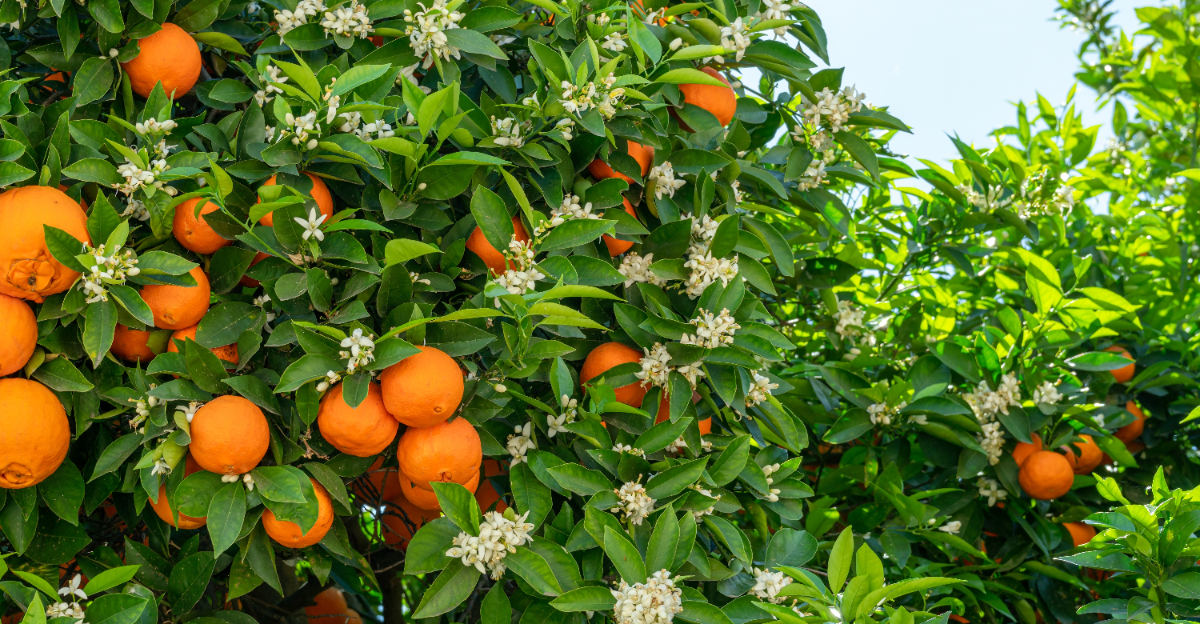
Georgia citrus can look calm while the roots are already arguing.
The leaves may seem fine. The soil surface may feel damp. The hose may even be sitting nearby like it deserves credit.
Then July heat rolls in, the pot warms up, the rain skips the root zone, and the tree starts sending mixed signals.
Citrus care in Georgia is less about quick watering and more about what happens several inches below the surface. That is where the real story sits.
A tree can struggle in wet-looking soil. A container can dry out faster than your morning coffee. A thunderstorm can sound helpful and still leave the roots thirsty.
Rude, but true.
So how do you know when your citrus needs water, and when the problem is too much attention? The answer starts with root-zone moisture, not surface guesses.
Once you learn what to check, summer citrus care becomes less mysterious and much less dramatic.
1. Daily Sprinkles Do Not Reach The Roots
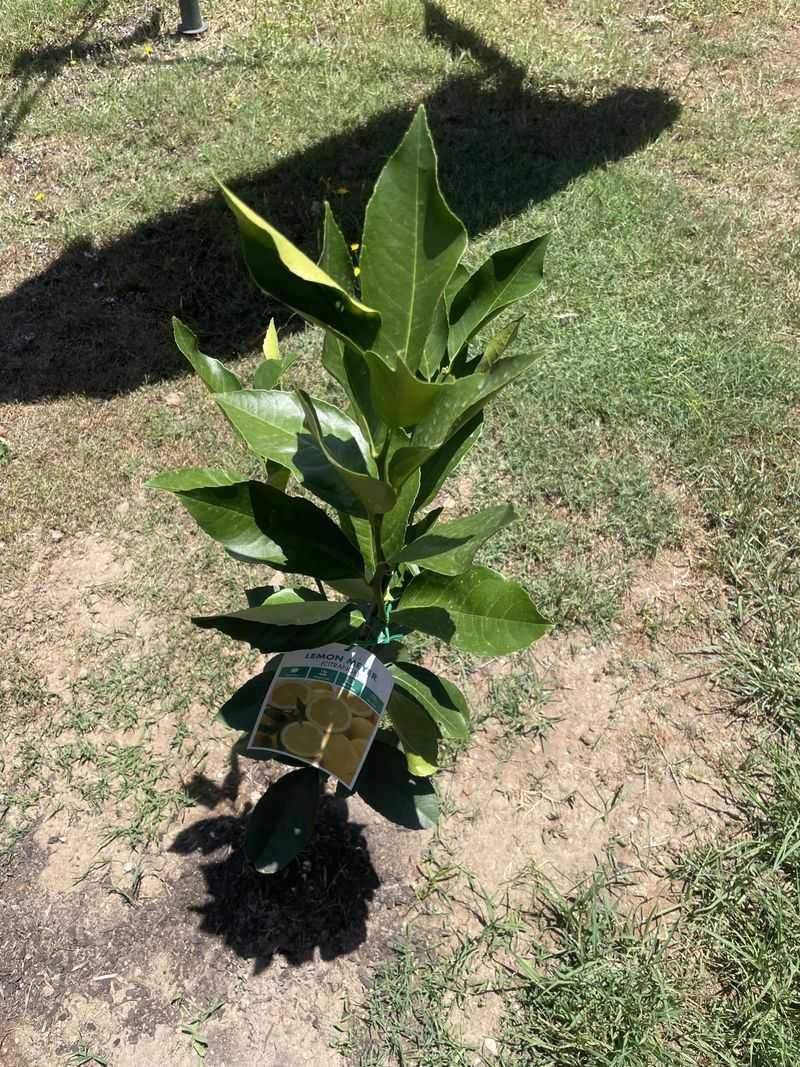
Grabbing the hose for a quick sprinkle every morning feels like responsible tree care, but that routine may actually be leaving your citrus thirsty where it counts most.
Light watering wets only the top inch or two of soil, and citrus roots extend several inches down and spread wide beneath the surface.
When the moisture never gets deep enough, roots begin chasing water upward toward the surface instead of growing down where the soil stays cooler and more stable.
This is a real problem in Georgia summers when surface soil can dry out within hours under direct sun and high heat.
A tree with shallow roots becomes more vulnerable to heat stress because it cannot tap into deeper soil moisture during dry spells. You might see the surface look wet while the actual root zone stays bone dry.
UGA Extension recommends watering slowly and thoroughly so moisture reaches the full root zone rather than just wetting the top layer.
Slow, steady water application gives the soil time to absorb moisture before it runs off.
A quick sprinkle every day trains roots to stay near the surface, which is the opposite of what a healthy citrus tree needs to thrive through a long Georgia summer.
Check soil moisture at a depth of three to four inches before you water again to know what is actually happening below ground.
2. Wet Soil Can Stress Citrus Fast
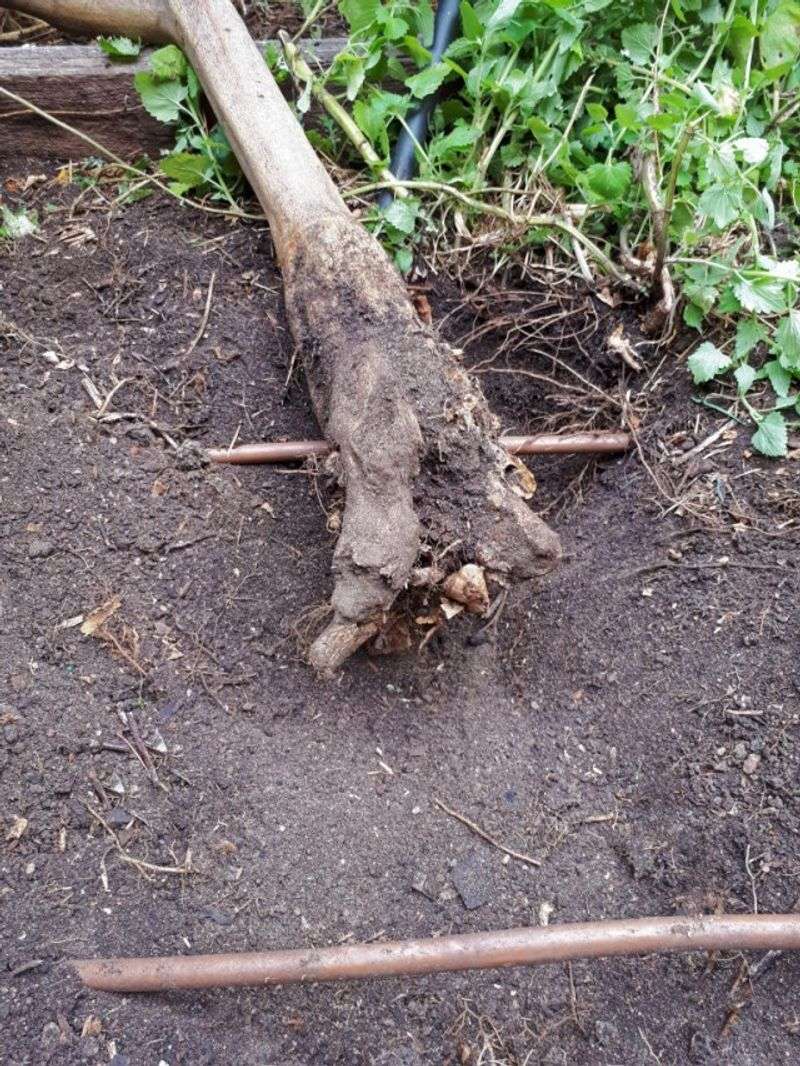
Not all watering problems come from too little moisture.
Soggy soil is just as damaging to citrus trees as drought, and it can sneak up on homeowners who are trying their hardest to do right by their trees.
Citrus roots need oxygen to function properly. When soil stays waterlogged for extended periods, those air pockets fill with water and roots begin to suffer from oxygen deprivation, which weakens the entire tree from the ground up.
Georgia clay soils are especially prone to poor drainage, which makes overwatering a serious concern in many parts of the state.
Even sandy soils can hold too much moisture if a tree sits in a low spot where water collects after rain. Signs of root stress from wet soil include yellowing leaves, leaf drop, and fruit that develops poorly even when the tree looks otherwise healthy.
Your Georgia Garden Changes Every Week. Your Plan Should Too.
Gardening in Georgia changes quickly throughout the season. Every Friday you’ll receive a simple weekly plan showing exactly what to plant, prune, fertilize, harvest, and protect so you never miss the right timing.
Before watering, always check the soil a few inches down by pressing a finger or a wooden dowel into the ground.
If it comes out damp or with soil sticking to it, hold off on watering for another day or two.
Citrus trees grown in raised beds or well-draining soil consistently perform better in humid Georgia summers than those sitting in heavy, compacted ground.
3. Deep Soaks Beat Quick Hose Time
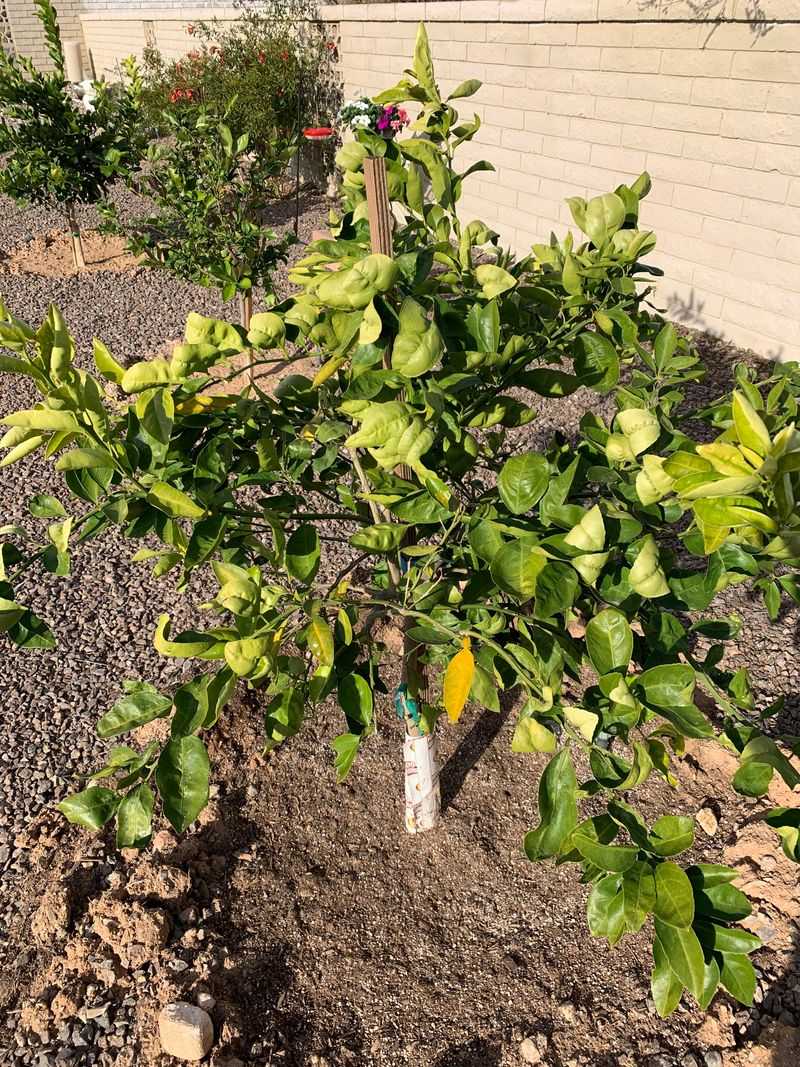
Slow and steady wins the race when it comes to watering citrus trees in the Georgia heat.
A deep soak means applying water slowly enough that it penetrates several inches into the soil and reaches the full root zone rather than running off the surface.
Many homeowners underestimate how long this actually takes, especially in compacted or clay-heavy soil that does not absorb water quickly.
A practical method is to run a soaker hose or drip system in a wide ring around the tree, roughly following the outer edge of the canopy where feeder roots are most active.
Let it run for thirty to sixty minutes depending on your soil type and how dry conditions have been. This approach delivers water where the tree needs it most and reduces waste from evaporation compared to overhead sprinklers.
For homeowners watering by hand, try filling a five-gallon bucket with small drainage holes and letting it slowly release water near the root zone.
The goal is to wet the soil to a depth of at least six inches.
After a deep soak, wait until the top few inches of soil dry out before watering again.
This cycle of deep watering followed by a drying period encourages roots to grow downward, making the tree stronger and more resilient during Georgia’s hottest and driest summer stretches.
4. Young Trees Need A Different Schedule
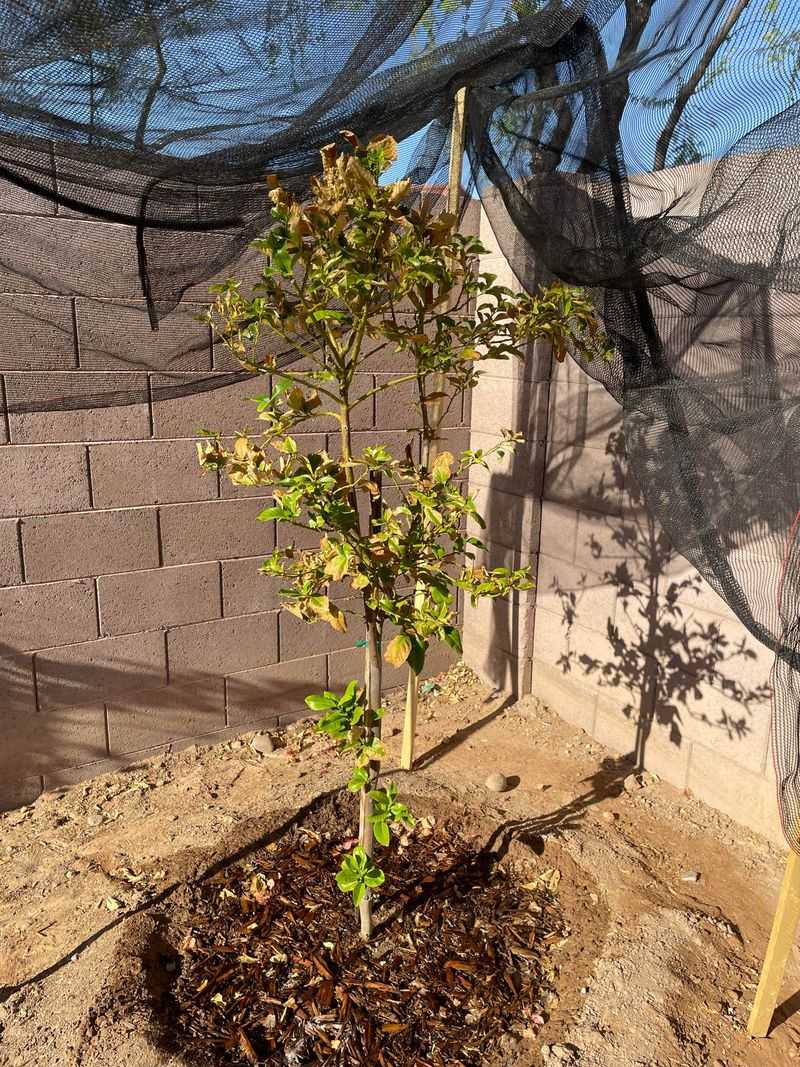
Newly planted citrus trees do not have the same root system as an established tree, and treating them the same way can lead to serious moisture stress during summer.
A young tree planted in spring or early summer is still developing its root structure and cannot pull moisture from a wide area the way a mature tree can.
That limited root spread means the soil in the planting zone can dry out much faster than surrounding ground.
During the first summer after planting, most young citrus trees in Georgia need to be checked every day or every other day.
The goal is to keep the root ball consistently moist but never waterlogged. This is a narrow window that requires more attention than many homeowners expect.
A tree that dries out completely even once during its first summer can experience setbacks that slow its development for the entire season.
Water young trees slowly at the base, focusing on the original root ball area rather than spreading water too far out.
UGA Extension suggests that newly planted trees may need water two to three times per week during hot, dry Georgia summers, but always confirm by checking the soil rather than sticking to a rigid calendar.
Soil type, sun exposure, and container versus in-ground planting all affect how quickly moisture is lost around young citrus roots.
5. Mulch Helps But The Trunk Stays Clear
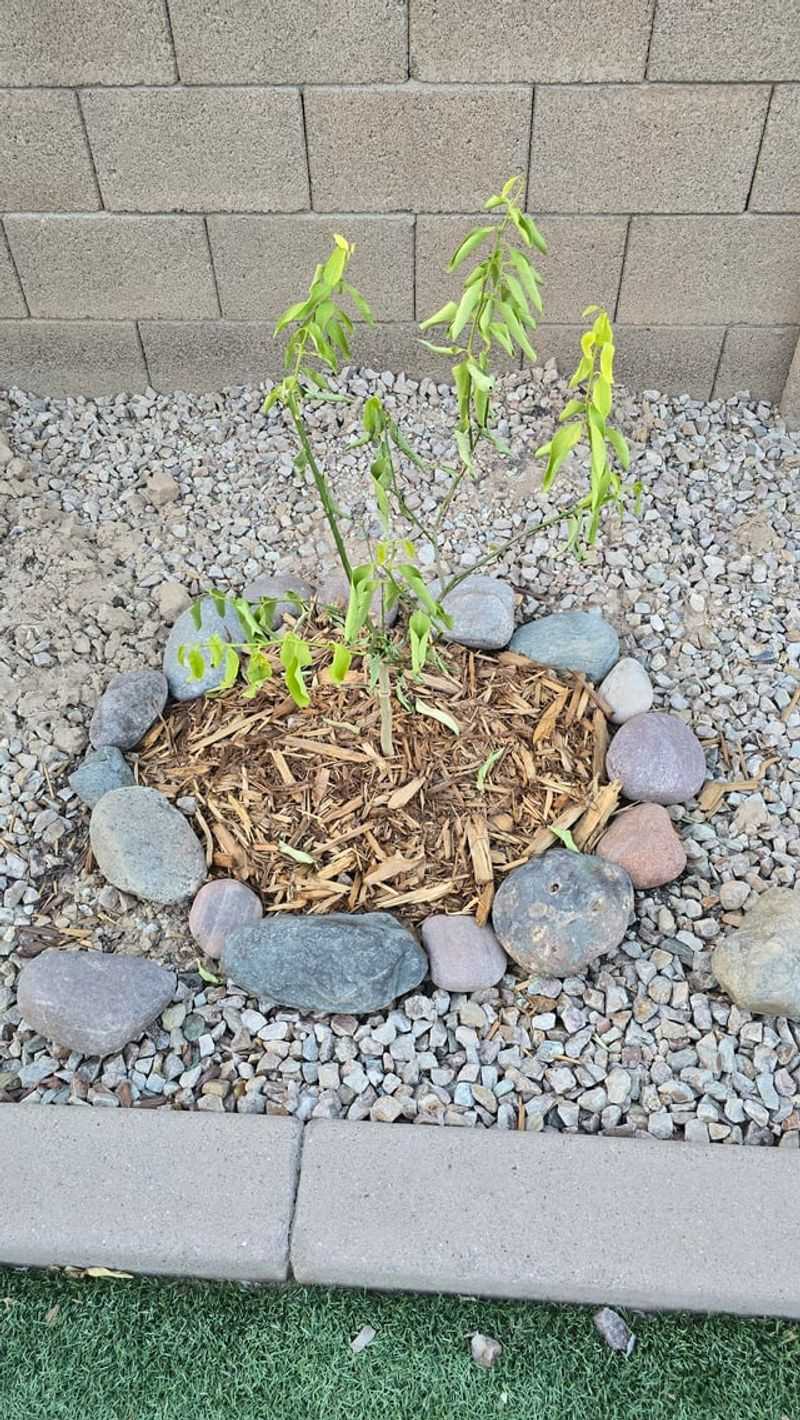
Mulch is one of the most underused tools in the Georgia citrus grower’s toolkit.
A two-to-four-inch layer of organic mulch spread around the base of a citrus tree can dramatically reduce how quickly soil moisture evaporates during summer.
It also helps regulate soil temperature, which matters a great deal when Georgia pavement and bare soil can reach scorching temperatures on an August afternoon.
Wood chips, pine bark, or straw all work well as mulch options.
Spread the mulch in a wide ring that extends to the drip line of the tree, which is the outer edge of the canopy.
This wide coverage is more effective than a small circle right at the base because it protects the area where the most active feeder roots are working.
Here is the part many homeowners miss: the mulch must never touch the trunk.
Piling mulch against the bark creates a moist environment that encourages fungal problems and can weaken the bark over time. Always leave a clear gap of two to three inches between the mulch and the trunk.
That small gap protects the trunk while still giving the roots all the moisture-saving benefits that a good mulch layer provides throughout the summer months.
6. Containers Dry Out Faster Than Beds
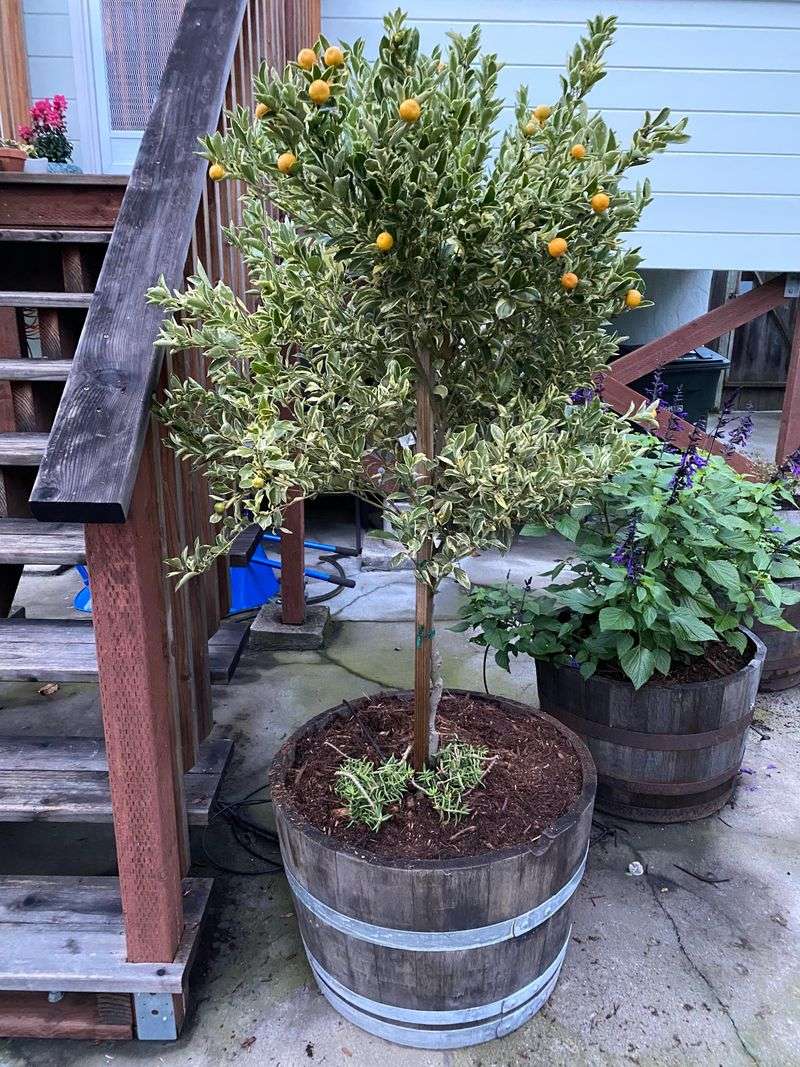
A dry pot can sneak up on you fast. Container-grown citrus trees are one of the most popular options for Georgia homeowners because pots allow you to bring trees indoors when temperatures drop.
However, those same containers create a watering challenge during summer that catches many people off guard.
Pots heat up quickly in direct sun, and the limited soil volume means moisture evaporates at a much faster rate than it does in an in-ground bed.
On a hot Georgia summer day, a citrus tree in a terracotta or dark-colored container can dry out completely within twenty-four to thirty-six hours. This means daily checking is not optional during the hottest weeks of the year.
One reliable trick is to lift the pot slightly. A light pot means the soil is dry and the tree needs water. A heavy pot means adequate moisture is still present.
When you do water a container citrus, water thoroughly until it drains freely from the bottom holes.
Empty the saucer after watering so the pot does not sit in standing water. Light-colored or glazed ceramic containers stay cooler than dark pots and can slow moisture loss slightly.
Grouping containers together in partial afternoon shade during peak summer heat also reduces how quickly they dry out between waterings.
7. Rainfall Does Not Always Soak Deeply
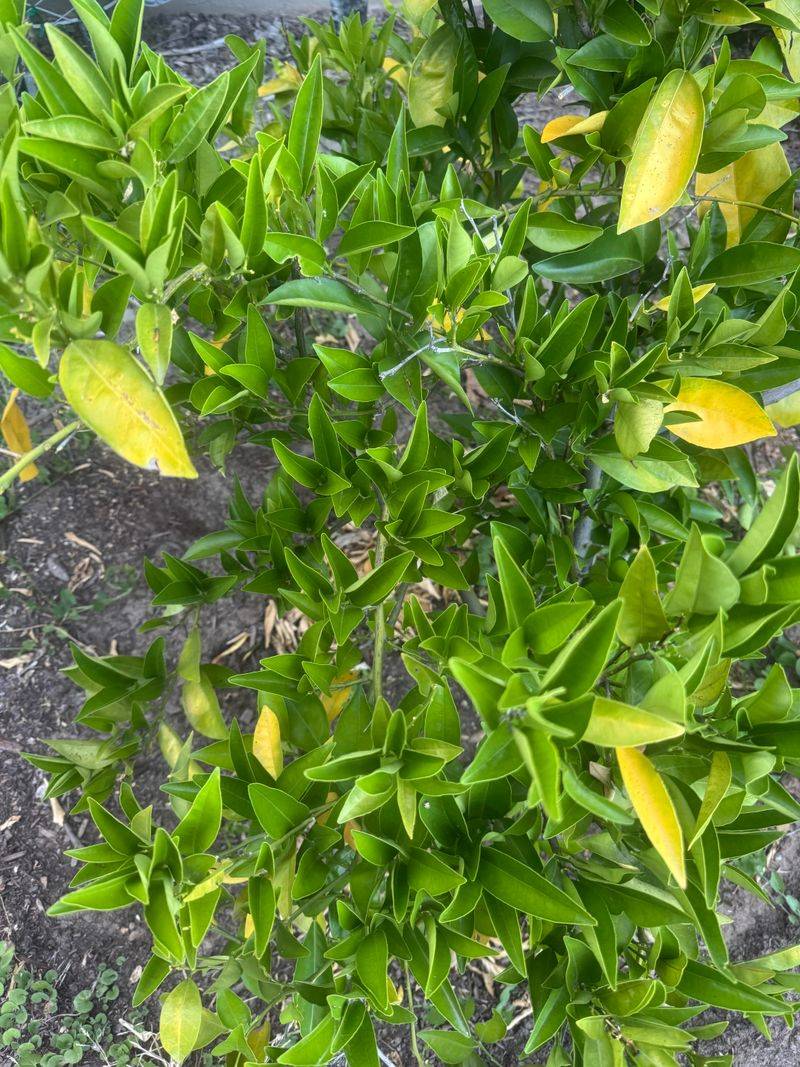
A summer thunderstorm in Georgia can drop an inch of rain in thirty minutes, and it is tempting to cross watering off your to-do list for the next few days after one rolls through.
The problem is that fast, heavy rain often runs off before it has time to soak into the soil deeply. Compacted ground, sloped yards, and hard clay surfaces can shed a surprising amount of rainfall before it ever reaches the root zone of your citrus tree.
Even when rain does soak in, it may only penetrate two or three inches before the storm ends.
That is enough to wet the surface and make the soil look and feel moist, but the deeper root zone where citrus trees actually draw most of their water can remain dry.
After any summer storm, wait a few hours and then check soil moisture at a depth of four to six inches.
Use your finger, a soil probe, or a wooden dowel to test what is happening below the surface rather than relying on how the top looks. If the deeper soil is still dry, supplement with a slow, deep watering session.
Tracking rainfall with a simple rain gauge can also help you make smarter decisions about when your citrus actually needs additional irrigation versus when the storm truly delivered enough.
8. Leaf Curl Means Check Soil First
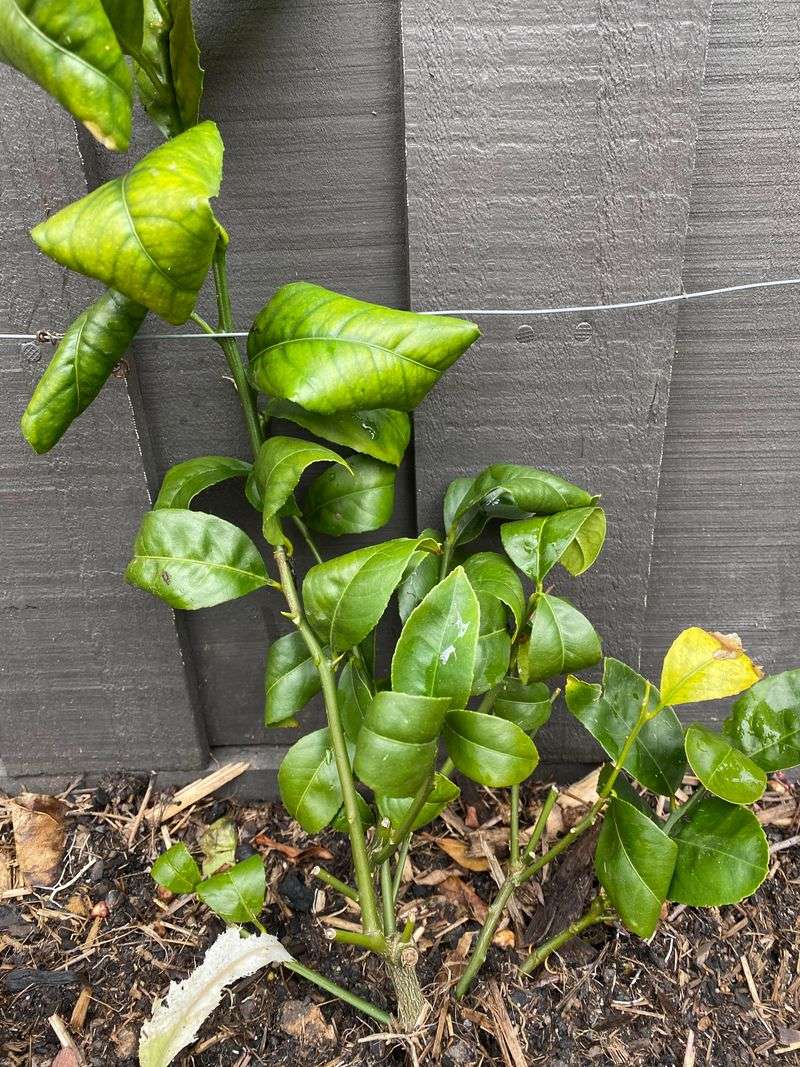
Curled leaves on a citrus tree are easy to panic over, and the first instinct for many homeowners is to grab the hose and start watering immediately.
Before you do anything, check the soil. Leaf curl in citrus can happen for several different reasons, and adding water when the soil is already wet can make the situation worse rather than better.
Moisture stress is one common cause of leaf curl, but it is not the only one.
Excessive heat during peak afternoon hours can cause temporary leaf rolling as the tree conserves moisture, even when soil conditions are perfectly fine.
Certain pest issues, including spider mites and citrus leafminer, can also cause leaves to curl or distort.
Press your finger two to three inches into the soil near the root zone.
If it feels dry at that depth, a deep watering session is the right response. If the soil is already moist, hold off and observe the tree over the next twenty-four hours to see if the curling resolves on its own as temperatures cool in the evening.
Leaf curl that persists after cool morning temperatures arrive warrants a closer look at possible pest activity or root health issues.
Watering by what the soil actually tells you, rather than by what the leaves look like in the middle of a hot Georgia afternoon, will always lead to better outcomes for your citrus tree.