This Toxic Texas Ornamental Gets Less Attention Than A Scorpion But Can Put Pets At Risk Every Summer
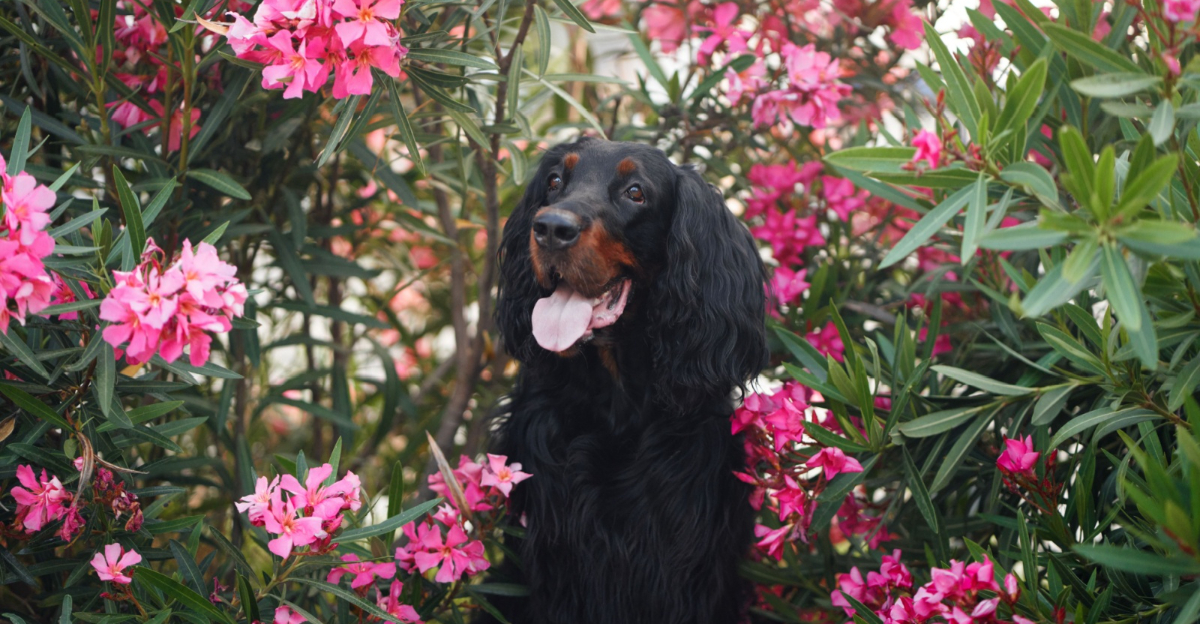
Texas homeowners are pretty good at staying alert to the obvious summer hazards. Scorpions near the porch, wasps setting up under the eaves, the occasional snake along the fence line: these things get attention and rightfully so.
But here is something worth stopping to think about.
One of the most popular ornamental shrubs in Texas yards, the one growing along fences, poolside beds, and front borders all across the state, poses a genuinely serious risk to pets that most homeowners never consider for a single second.
Oleander is everywhere, and its showy flowers make it easy to see why people keep planting it.
The concern is not about creating panic, but about making sure Texas pet owners understand what they are actually working with, especially during summer when dogs, cats, and other animals spend more time around leaves, fallen flowers, and pruning debris.
1. Oleander Is Beautiful But Highly Toxic
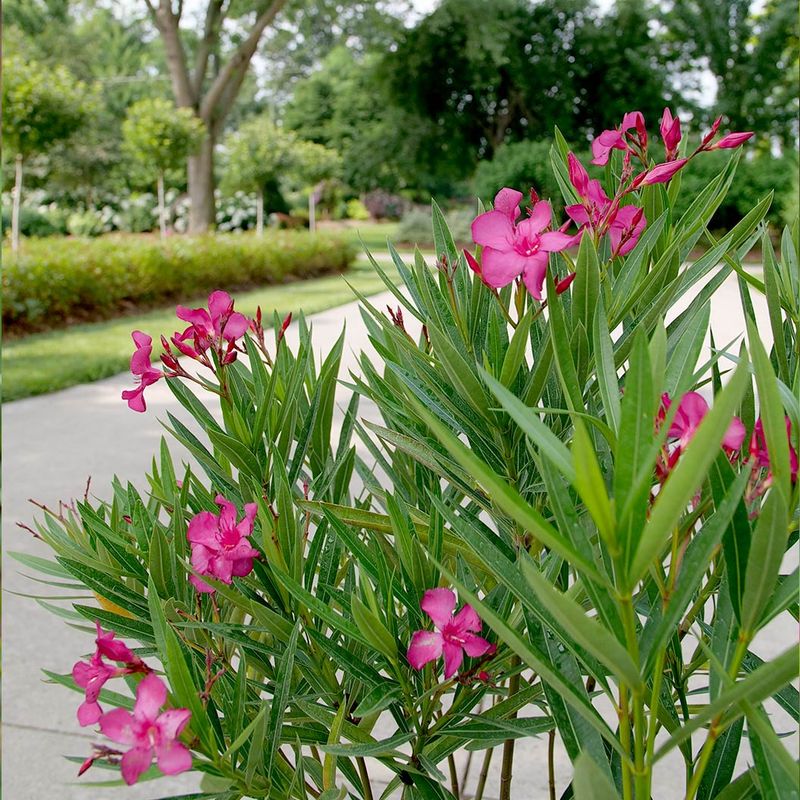
That flowering shrub by the fence with the bright pink blooms might be one of the most recognizable ornamentals in Texas landscapes.
Oleander has been planted across the state for generations because it thrives in heat, tolerates drought, and produces clusters of showy flowers in shades of pink, red, white, and yellow.
It looks like something you would find on a welcoming front yard or a well-kept patio border.
Underneath that appealing exterior, oleander contains a group of toxic compounds known as cardiac glycosides. These compounds affect the heart and can cause serious reactions in dogs, cats, horses, and even people if any part of the plant is eaten.
Veterinary and horticultural sources consistently list oleander among the most toxic ornamental plants available in nurseries.
Many Texas gardeners choose oleander without realizing how significant that toxicity is. Nursery tags often highlight drought tolerance and color variety, which are genuinely useful qualities in a Texas summer.
What those tags may not always emphasize is the plant’s potential risk to animals that share the yard. Knowing what oleander is before it goes in the ground is one of the most practical steps a pet-owning gardener can take.
2. Every Part Of The Plant Deserves Caution
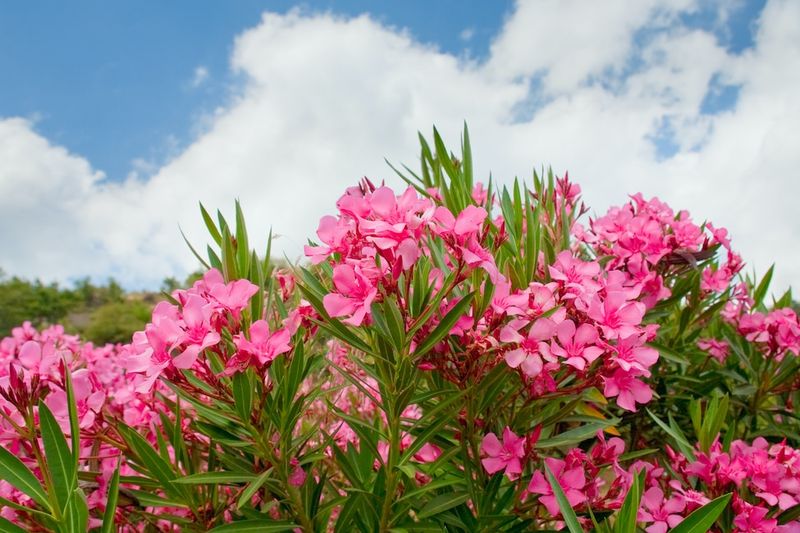
One of the things that sets oleander apart from many other toxic plants is that the concern is not limited to a single part. The leaves, stems, flowers, seed pods, and roots of oleander all contain the same toxic compounds.
Even water that has collected in a container holding oleander cuttings has been flagged as a concern in some horticultural and veterinary references.
For pet owners, this matters because animals do not limit their interest to one part of a plant. A dog sniffing around the base of a shrub might mouth a fallen stem.
A cat resting near a garden bed might chew on a leaf while grooming. Horses in paddocks near fence-line oleander may graze on branches that extend within reach.
The toxicity does not diminish when the plant material dries out. Fallen leaves, dried flower clusters, and pruning debris left on the ground can still present a concern if a pet picks them up.
Your Texas Garden Changes Every Week. Your Plan Should Too.
Gardening in Texas changes quickly throughout the season. Every Friday you’ll receive a simple weekly plan showing exactly what to plant, prune, fertilize, harvest, and protect so you never miss the right timing.
In a Texas yard where oleander is planted near a dog run, a patio seating area, or a pathway that pets regularly use, understanding that every part of the plant carries risk is genuinely important.
That awareness helps owners make more thoughtful decisions about where the shrub is placed and how yard cleanup is handled.
3. Pets May Chew Leaves, Flowers, Or Fallen Debris
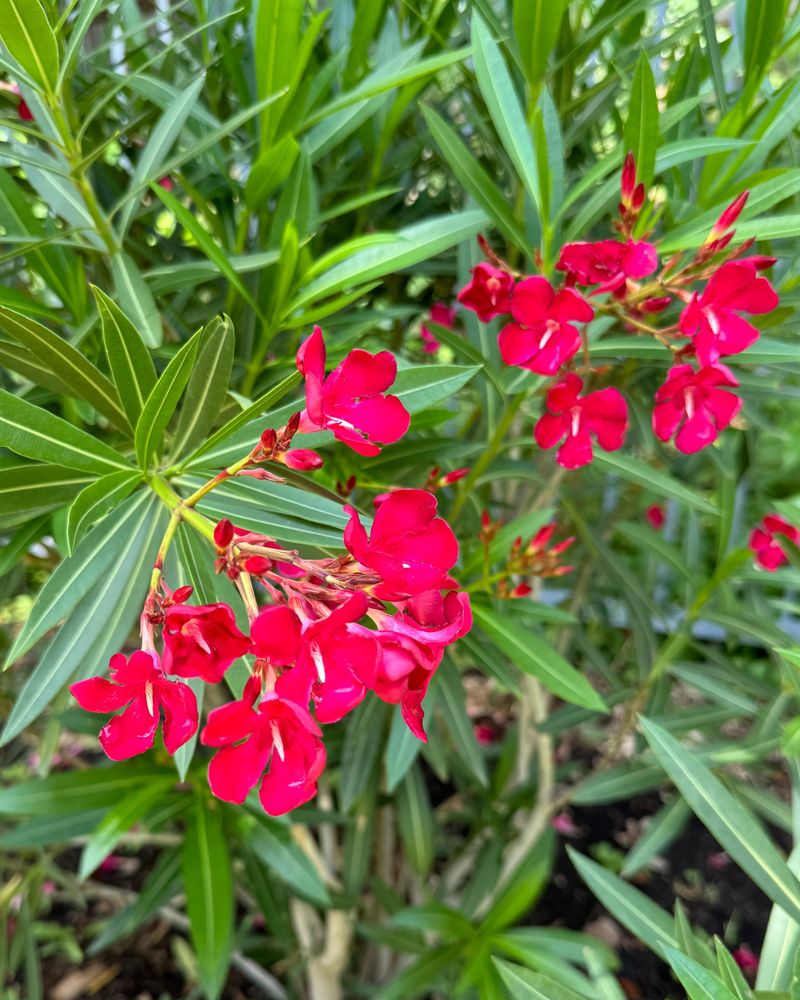
A dog nosing through a garden bed is not unusual on a warm Texas afternoon. Dogs explore with their mouths, and that natural curiosity can lead them to chew on leaves, pick up fallen flowers, or mouth stems near the base of a shrub.
Cats, though often more selective, may nibble on plant material while lounging in a shaded garden area or grooming near a shrub.
Oleander presents a concern in these everyday moments. Because the plant is so widely used in Texas landscaping, pets in many neighborhoods have access to it along fence lines, near pools, in front-yard beds, and along walkways.
Owners who assume their pets will not bother with a decorative shrub may not realize how often animals interact with plant material without any obvious intent to eat it.
Fallen debris is a particular concern during and after summer storms, high winds, or routine yard activity. Leaves and flowers that drop to the ground near a patio or along a pet path are easier for animals to encounter than material still attached to the shrub.
Keeping an eye on what accumulates at ground level in areas where pets spend time is a practical habit for any Texas household that has oleander growing nearby.
4. Summer Yard Time Can Increase Exposure
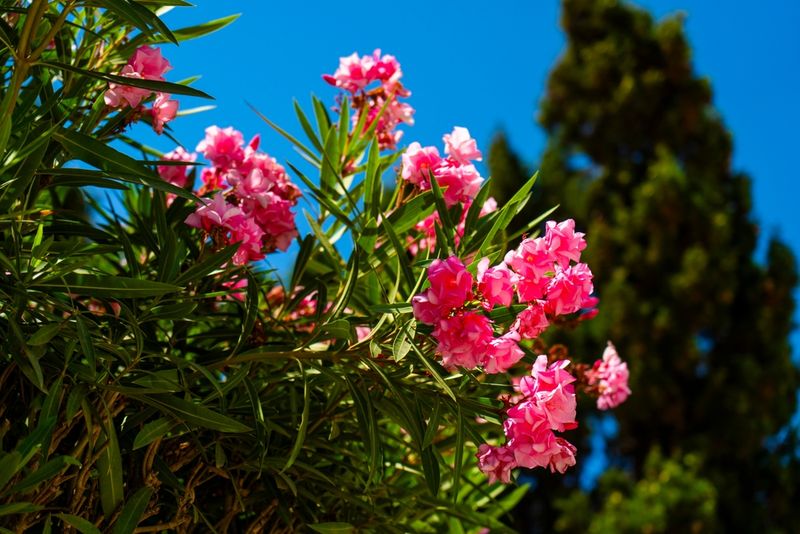
Long summer days in Texas mean more time outdoors for both people and their pets. Dogs spend more hours in the yard, cats explore garden beds in the evening heat, and families use patios and poolside areas more frequently from late spring through early fall.
That increase in outdoor activity naturally raises the chance that pets will come into contact with plants growing nearby.
Oleander tends to be at its most visually active during summer, producing abundant flowers that eventually drop to the ground.
The combination of more pet time outdoors and more fallen plant material on the ground creates a situation worth paying attention to.
A yard that seemed fine in winter, when pets spent less time outside, may feel different in July when the dog is out for hours at a time.
Texas summers also bring more frequent yard maintenance, which means pruning, trimming, and clearing debris. During those sessions, plant material gets moved around, cut pieces land in new spots, and fresh cuts on stems may release sap.
Pets that wander through a yard where oleander has just been trimmed could encounter plant material in places they would not normally find it.
Awareness of how summer yard routines affect plant exposure is a useful part of keeping pets safer during the warmer months.
5. Scorpion Fear Can Distract From Plant Risks
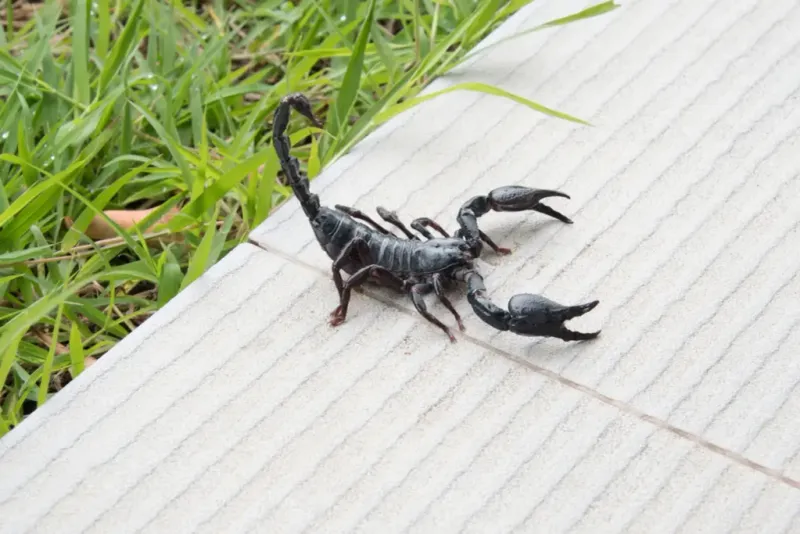
Scorpions tend to get a lot of attention in Texas, and for understandable reasons. They move, they appear suddenly, and a sting is immediately noticeable.
People who live in central or west Texas often develop habits around checking shoes, shaking out towels, and scanning walls near baseboards. That visible, reactive quality makes scorpions feel like a priority hazard.
Toxic plants operate differently. Oleander sits in the same spot year after year, looking attractive and familiar.
It does not move, it does not sting, and it does not create an obvious moment of alarm the way a scorpion near the porch does. That quieter presence can make it easier to overlook, even for attentive pet owners who are otherwise careful about outdoor hazards.
Wasps, fire ants, and snakes also tend to draw more immediate concern in Texas yards during summer. Each of those hazards has a visible and reactive quality that prompts people to act.
A toxic ornamental shrub planted along the fence line five years ago might not register as a current concern, even when a dog is spending hours near it every day.
Balancing awareness of both the visible and the quieter risks in a Texas yard is a reasonable approach for anyone sharing outdoor space with pets.
6. Symptoms Can Become Serious Quickly
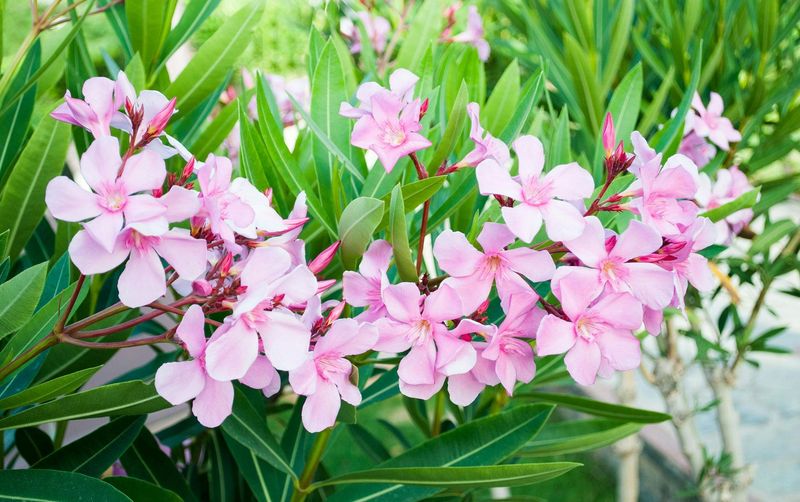
When a pet ingests oleander, the response from the body can move faster than many owners expect.
The toxic compounds in the plant affect the cardiovascular system, and symptoms can include drooling, vomiting, weakness, an irregular heartbeat, and significant lethargy.
The severity of a reaction can depend on the species of animal, the size of the pet, and how much plant material was consumed.
Cats and dogs can both be affected, and horses are also considered highly sensitive to oleander toxicity.
Even small amounts of plant material have been flagged as a concern in veterinary references, which is why the plant is treated seriously by animal poison control resources.
Waiting to see if symptoms resolve on their own is not the approach veterinary guidance supports.
Any Texas pet owner who suspects their animal has chewed on oleander or consumed fallen leaves or flowers should contact a veterinarian or an animal poison control resource promptly.
Time matters when cardiac glycosides are involved, and early veterinary attention gives a pet the best chance of a better outcome.
Keeping the name of a local emergency animal clinic and a poison control contact in an easy-to-reach spot is a simple habit that can make a real difference in a stressful moment.
7. Pruning Debris Should Be Removed Promptly
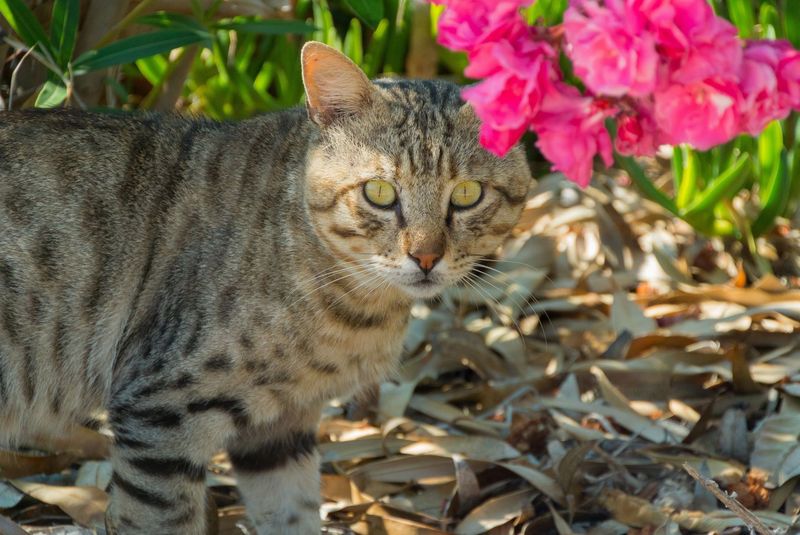
Pruning piles beside a walkway might not look like a hazard at first glance, but when those clippings come from an oleander shrub, they deserve prompt attention.
Cut stems and leaves remain toxic after they have been removed from the plant, and a pile of fresh oleander trimmings left on the ground gives pets easy access to material that would otherwise require effort to reach.
Texas summers often prompt regular pruning sessions as oleander grows vigorously in the heat. After trimming, it is worth gathering clippings into yard waste bags rather than leaving them in a pile on the lawn or near a fence where pets roam.
Composting oleander is generally not recommended because the toxic compounds can persist in plant material for a period of time.
Wearing gloves while pruning oleander is also a sensible practice. The plant’s sap can cause skin irritation in some people, and avoiding direct contact with cut surfaces reduces that exposure.
Washing hands after handling the plant is a straightforward follow-up step.
Treating oleander pruning with the same care as any other yard task that involves a potentially irritating substance helps keep the process safer for the gardener and reduces the chance that pets encounter loose plant material left behind after the work is done.
8. Safer Shrub Choices May Fit Pet-Friendly Yards Better
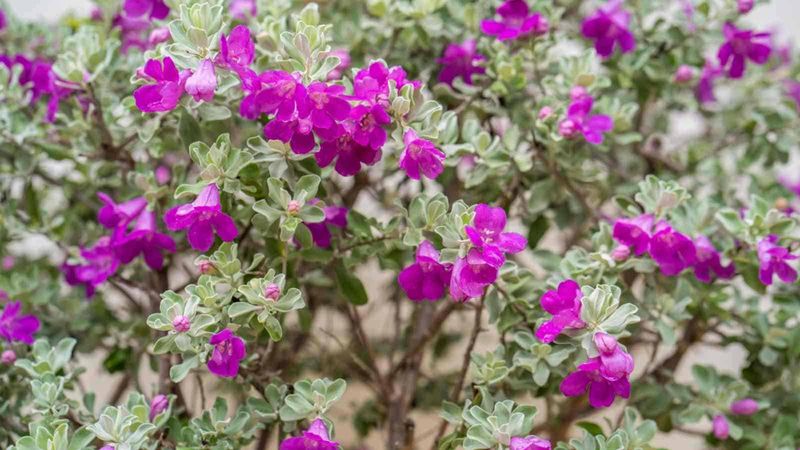
Nursery aisles in Texas are full of ornamental shrubs that offer color, drought tolerance, and heat resistance without the same toxicity concerns as oleander.
For households with dogs, cats, or other animals that spend time outdoors, exploring those alternatives before committing to a new planting is worth the extra step.
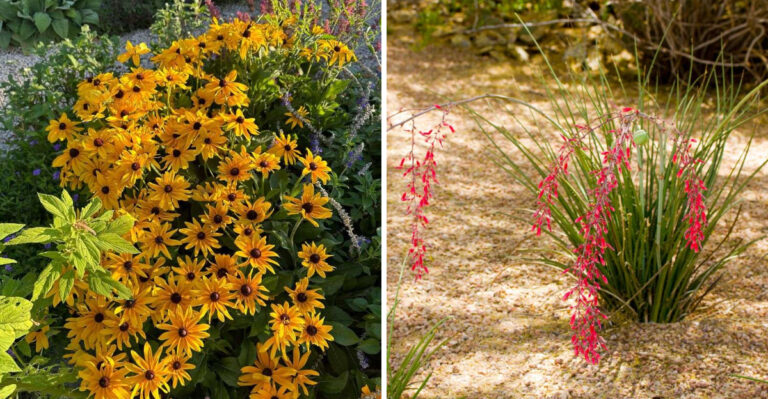
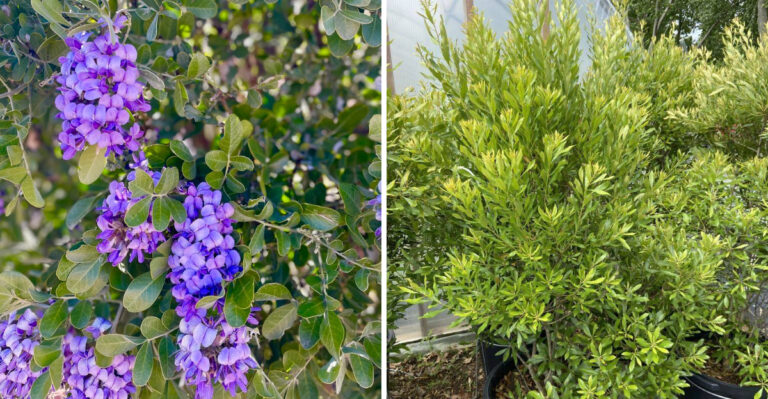
Texas sage, also called cenizo, is one option that performs well in Texas heat and produces purple blooms that attract pollinators. Native plants like turk’s cap, autumn sage, and esperanza offer seasonal color and tend to be well-suited to Texas growing conditions.
Checking with a local Texas Master Gardener program or a county extension office can help narrow down which options work best for a specific region of the state.
Placement also matters even when a safer plant is chosen. Shrubs planted along a dog run, near a pet door, or beside a frequently used patio should be evaluated for any potential risk before installation.
Choosing plants that are lower in toxicity concern and positioning them thoughtfully within a yard creates a landscape that is both attractive and more considerate of the animals sharing that space.
A Texas yard can be lush, colorful, and welcoming without relying on a plant that carries significant risk for household pets.
9. Pet Owners Should Learn Oleander Before Planting It
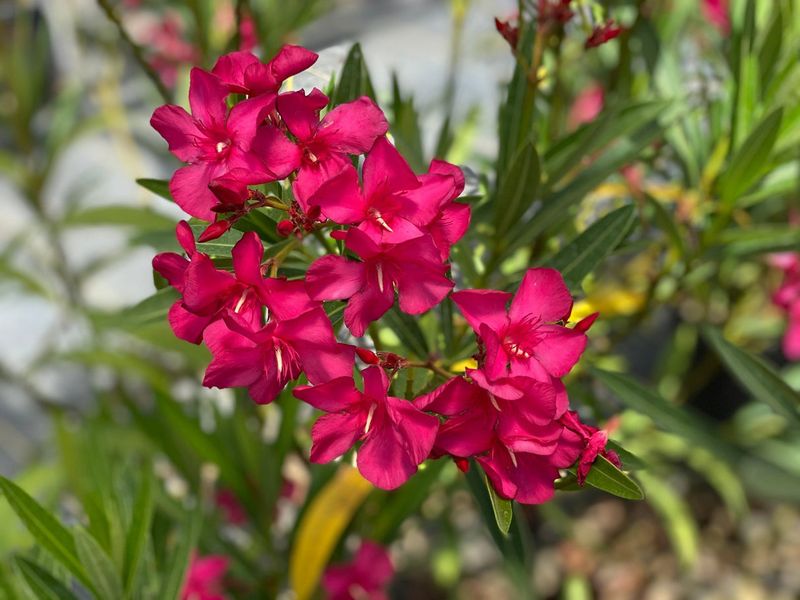
Standing in a Texas nursery in June, surrounded by rows of colorful blooming shrubs, it is easy to pick something based on how it looks rather than what it contains.
Oleander is frequently displayed alongside other popular ornamentals, and its flowers are genuinely striking.
The plant tag might highlight its heat tolerance and low water needs, which are appealing qualities for any Texas gardener.
Taking a moment to research a plant before purchasing it is a habit that pays off, especially for households with pets.
A quick search for oleander and pet safety brings up consistent information from veterinary and horticultural sources confirming that the plant is toxic to dogs, cats, and horses.
That information is widely available and does not require an advanced gardening background to understand.
Talking with nursery staff about pet-safe alternatives is another option that many shoppers overlook.
Staff at reputable Texas garden centers are often familiar with local growing conditions and can point toward shrubs that offer similar visual appeal with lower toxicity concern.
Learning what oleander is, where it tends to be planted in Texas yards, and why it requires extra care around pets is the kind of practical knowledge that can shape a smarter, more thoughtful approach to summer landscaping decisions.