The Best Time Of Day To Water Container Gardens In Arizona Heat
Container gardens can change quickly once summer heat takes over. Plants look healthy in the morning, then seem tired and wilted only a few hours later.
Plenty of gardeners respond by reaching for the hose again, hoping a little more water will solve the problem. Sometimes it does.
Other times, the timing matters more than the amount.
Hot weather dries containers much faster than most people expect. Roots have less soil around them, moisture disappears quickly, and long afternoons can put extra stress on even healthy plants.
Small adjustments to a daily routine often produce better results than simply watering more often.
Finding the best time to water becomes especially important in Arizona. Giving container plants moisture at the right part of the day helps them stay healthier and better prepared for extreme summer temperatures.
Even a simple change to your schedule can make a noticeable difference.
1. Water Early Before The Heat Builds
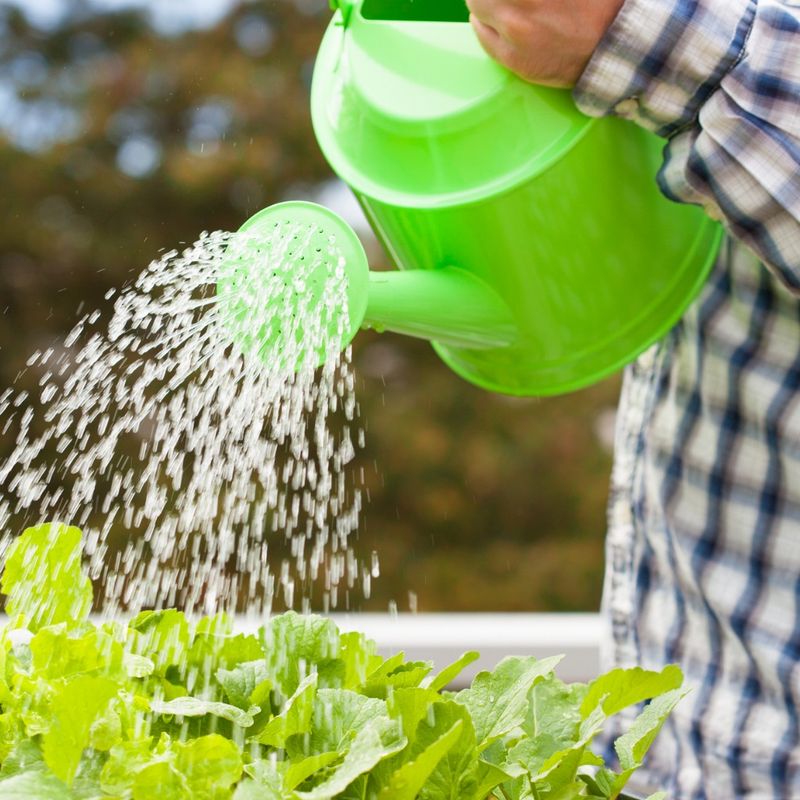
Early morning is hands down the best window to water your container garden. Before the sun climbs high and temperatures start spiking, the soil is still relatively cool.
Water soaks in deeply instead of evaporating off the surface almost immediately.
Watering between 5 a.m. and 8 a.m. gives roots time to absorb moisture before midday stress hits. Containers sitting in full sun can reach extreme temperatures by 10 a.m. on a summer day.
Getting water in early means plants enter that brutal heat window already hydrated.
Root systems do most of their absorbing work when soil temperatures are moderate. Pouring water onto superheated soil is largely wasted effort.
Much of it evaporates before roots ever access it.
Morning watering also keeps foliage dry through the hottest part of the day. Wet leaves under intense sun can lead to scorch damage on certain plants.
Keeping moisture at the root level, not on leaves, is always the smarter approach.
Consistency matters just as much as timing. Watering at the same early hour each day helps plants build a stable rhythm.
A stable rhythm reduces stress and supports steady, healthy growth even through the most punishing summer stretches.
2. Check Soil Moisture Before Every Watering
Not every container needs water every single day, even in extreme heat. Blindly watering on a fixed schedule wastes water and can actually harm plants.
Overwatered roots suffocate just as easily as underwatered ones.
Before reaching for the hose, press a finger about an inch into the soil. Dry soil at that depth means it is time to water.
Soil that still feels slightly damp can usually wait a few more hours.
Different containers dry out at different rates. A small black plastic pot in full sun may need water twice daily.
A large glazed ceramic pot in partial shade might only need water every other day.
Checking moisture manually takes less than thirty seconds per pot. Over time, you start to recognize patterns for each container.
That kind of attention pays off in healthier plants and lower water use.
Your Arizona Garden Changes Every Week. Your Plan Should Too.
Gardening in Arizona changes quickly throughout the season. Every Friday you’ll receive a simple weekly plan showing exactly what to plant, prune, fertilize, harvest, and protect so you never miss the right timing.
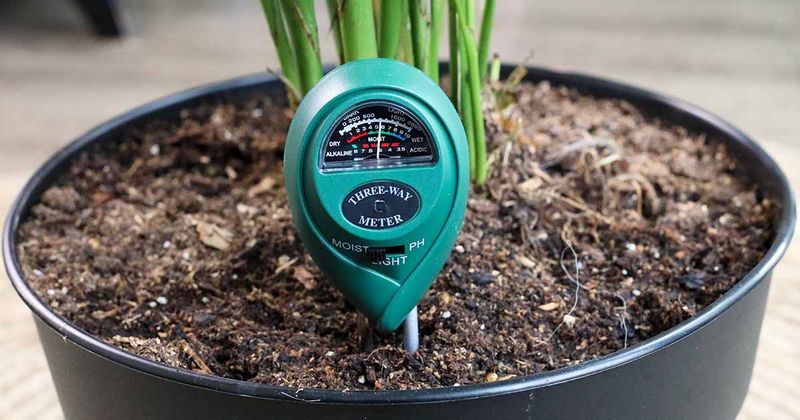
Moisture meters are also a reliable option if you have many containers to manage. They give a quick, clear reading without guesswork.
Either method works, as long as you are actually checking before watering rather than assuming.
Desert summers are relentless, but overreacting with water creates its own set of problems. Root rot is common when pots stay waterlogged.
Checking first keeps you in control of what your plants actually need.
3. Soak The Entire Root Ball Each Time
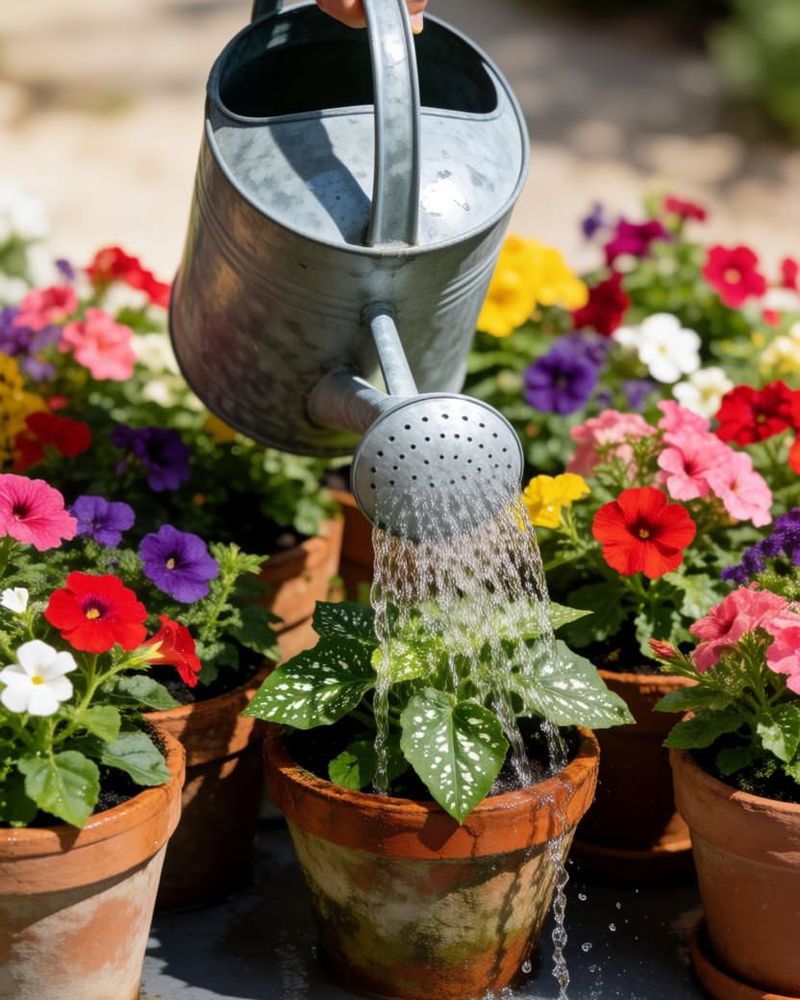
A quick splash of water on the soil surface does almost nothing for container plants in summer heat. Shallow watering only wets the top inch or two, leaving the root zone completely dry.
Plants watered this way stay stressed even when they look like they received enough.
Every watering session should soak the entire root ball from top to bottom. Water slowly and steadily until it drains freely from the bottom drainage holes.
That is the clearest signal that moisture has reached the deepest roots.
Some containers develop dry pockets inside the soil, especially when roots are dense or soil has pulled away from the pot walls. Watering slowly and patiently helps fill those gaps.
Rushing through it leaves dry zones that roots cannot access.
If water runs straight through without slowing down, the soil may be hydrophobic. Extremely dry potting mix sometimes repels water instead of absorbing it.
Letting the pot sit in a shallow tray of water for twenty minutes can help rehydrate compacted or dried-out soil.
Deep, thorough watering encourages roots to grow downward into the pot. Shallow watering trains roots to stay near the surface, where heat hits hardest.
Building strong, deep root systems is one of the best defenses against intense summer conditions in hot desert climates.
4. Avoid Midday Watering During Extreme Heat
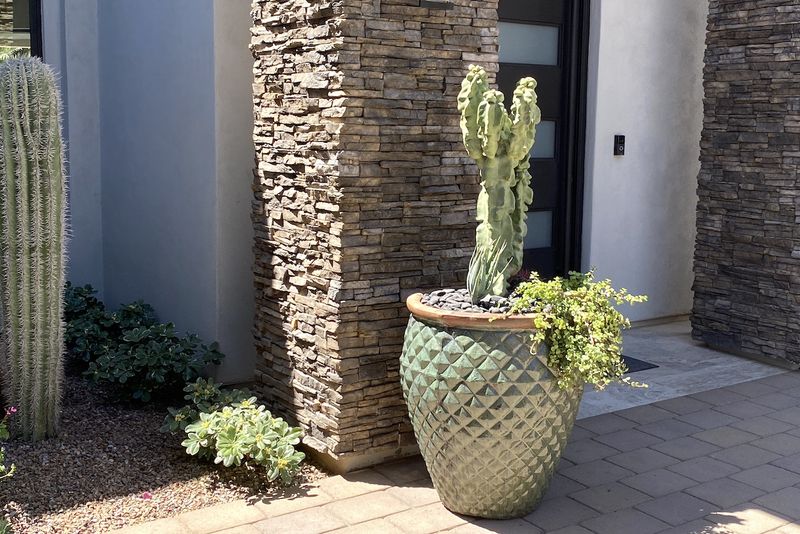
Watering at noon during a desert summer is one of the most common mistakes container gardeners make. Temperatures regularly exceed 110 degrees in Arizona, and soil in dark-colored pots can get even hotter.
Water poured onto that soil evaporates almost instantly, well before roots can absorb any of it.
Midday watering also puts plants through a sudden temperature shock. Cold water hitting superheated roots and soil can stress the plant unnecessarily.
Roots prefer gradual changes, not sudden jolts.
Wet foliage at midday under direct sun increases the risk of leaf scorch on sensitive plants. Water droplets can act like small lenses, concentrating sunlight onto leaf tissue.
Keeping water off leaves during peak sun hours is a simple precaution worth following.
If a plant is visibly wilting at noon, it is tempting to water immediately. Sometimes wilting at midday is actually a normal protective response, not a sign of drought.
Plants close their pores to reduce moisture loss when heat is extreme. Check the soil first before assuming the plant needs water right away.
Save your midday energy for other garden tasks. Checking for pests, deadheading flowers, or adjusting shade cloth are all productive midday jobs.
Reserve watering for early morning or early evening when it actually benefits your plants the most.
5. Choose Larger Containers That Hold Moisture Longer
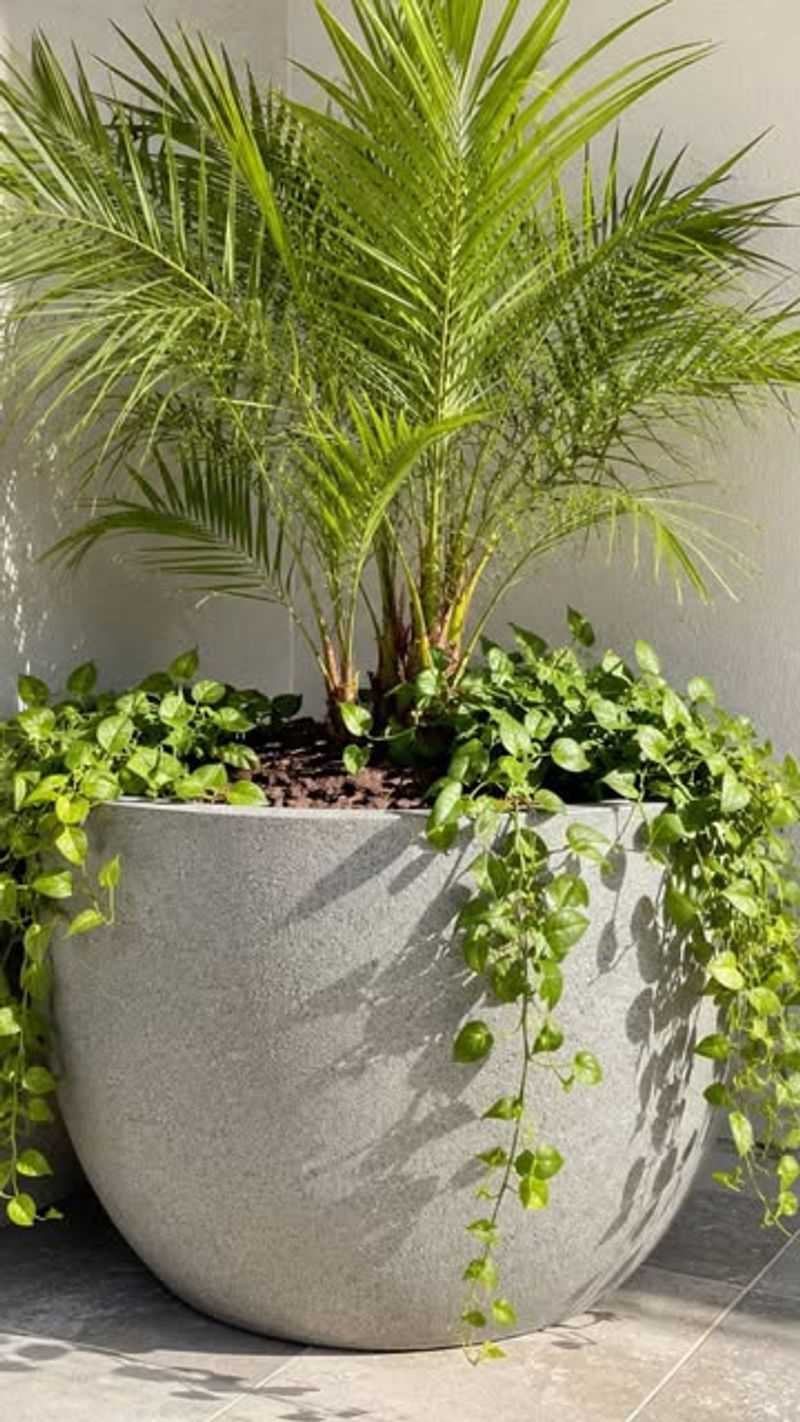
Pot size matters more than most people realize in a hot desert climate. Small containers hold very little soil, and that soil dries out incredibly fast when temperatures spike.
A four-inch pot sitting in full sun can go bone dry within two to three hours on a hot summer day.
Larger containers hold significantly more soil volume. More soil means more stored moisture and a more stable root environment.
Plants in bigger pots are simply better buffered against rapid temperature swings and moisture loss.
Wide, shallow pots expose more soil surface to the sun and dry faster than deep, narrow ones. A deep pot with good drainage keeps moisture in the lower root zone longer.
Shape matters almost as much as total volume when selecting containers for summer heat.
Material also plays a role. Unglazed terracotta breathes and dries faster than glazed ceramic or thick plastic.
In extreme heat, plastic or glazed containers can actually help retain moisture better over the course of a day.
Grouping containers together also helps reduce moisture loss. Pots clustered together shade each other’s sides and lower the ambient temperature around the root zone.
It is a simple strategy that makes a noticeable difference without any extra cost or effort.
Choosing the right container from the start saves watering time all summer long.
6. Watch Plants For Early Signs Of Thirst
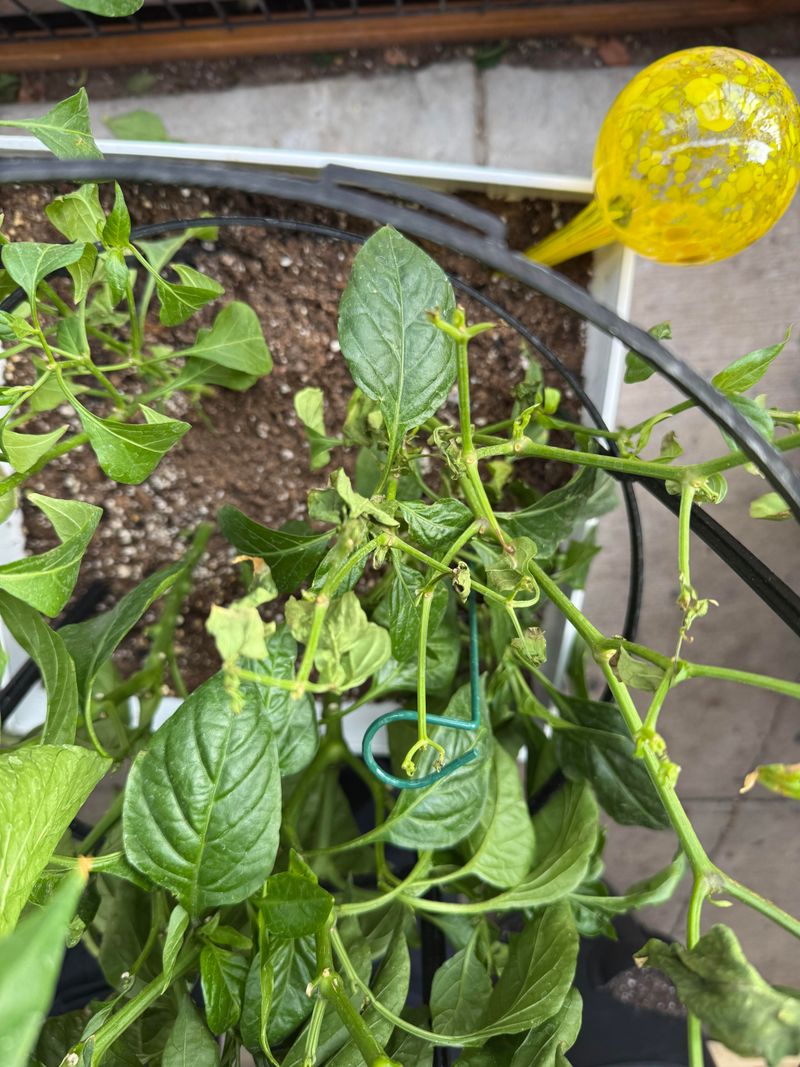
Plants communicate constantly, and learning to read those signals saves a lot of guesswork. Catching thirst early means you water before stress sets in, not after visible damage has already occurred.
Early action keeps plants stronger through the summer season.
Slight drooping in the early morning is one of the clearest early warnings. If a plant looks slightly limp before the heat even builds, the soil is likely already too dry.
Morning droop is different from midday wilting, which can be a normal heat response.
Leaf color changes are another reliable indicator. Leaves that look dull, grayish, or slightly yellowish often signal moisture stress.
Bright, deep green color usually means the plant is adequately hydrated and comfortable.
Check the weight of smaller pots by lifting them slightly. A well-watered pot feels noticeably heavier than a dry one.
After a few days of practice, your hands become a surprisingly accurate moisture gauge.
Soil pulling away from the edges of the pot is a warning sign too. Gaps between the soil and pot wall mean the growing medium has shrunk from severe dryness.
At that point, slow, patient rehydration is needed rather than a quick pour.
Staying observant during the hottest months pays off. Catching problems early keeps plants recovering quickly rather than spending weeks trying to bounce back from serious drought stress.
7. Adjust Watering As Daily Temperatures Change
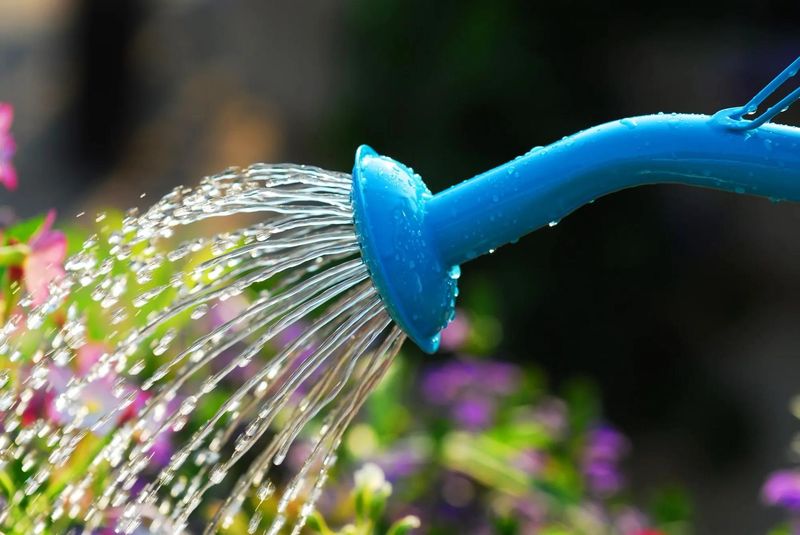
Summer in the desert Southwest is not one long, identical stretch of heat. Temperatures shift week by week, and even day by day during monsoon season.
Sticking to a rigid watering schedule without adjusting for those changes puts plants at unnecessary risk.
During the hottest stretches, containers may need watering twice daily. Once in the early morning and again in the early evening covers the full day effectively.
Evening watering gives roots a long overnight window to absorb moisture before morning heat returns.
When monsoon rains arrive, they can temporarily reduce how often you need to water. However, heavy rain does not always soak container soil the way a slow, steady watering does.
Check containers after rain to make sure moisture actually penetrated the root zone.
Cooler fall temperatures call for a gradual pullback in watering frequency. Soil holds moisture longer when ambient temperatures drop.
Continuing a peak-summer watering schedule into fall can lead to oversaturation and root problems.
Tracking a simple weekly weather forecast takes less than five minutes. Knowing a heat wave is coming lets you prep containers ahead of time.
Moving pots to shadier spots or adding a layer of mulch on top of the soil can reduce moisture loss before extreme heat arrives.
Flexibility is the real skill in desert container gardening. Rigid habits rarely survive a full season intact.