North Carolina Vegetable Garden Mistakes That Look Fine In July But Threaten Your September Harvest
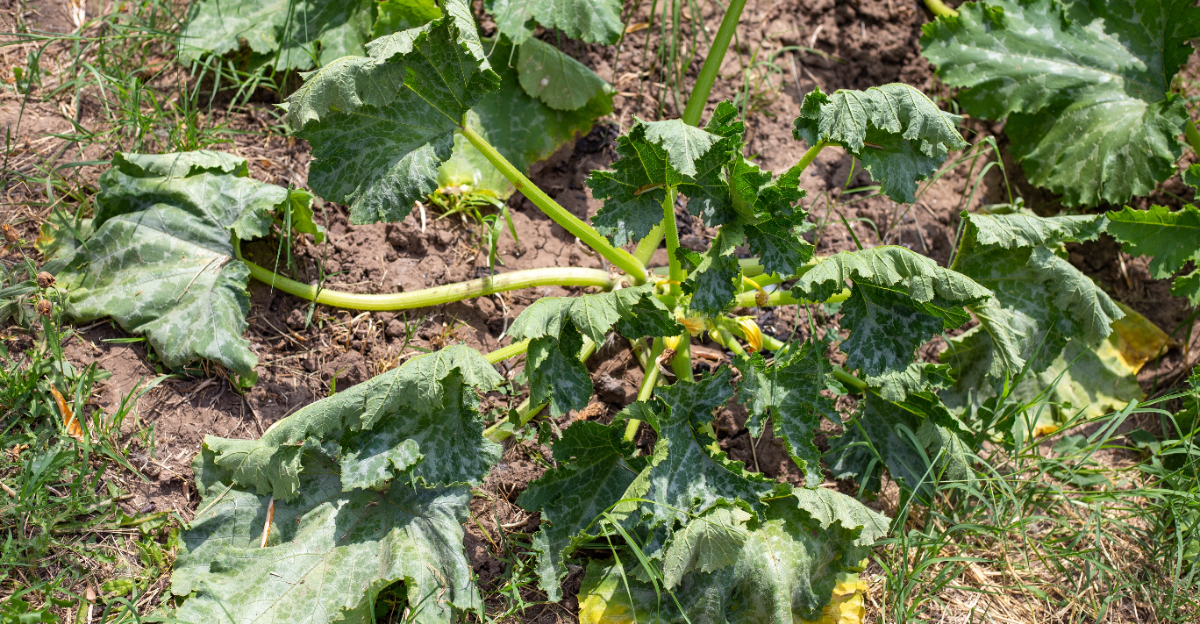
July vegetable gardens in North Carolina have a way of looking deceptively healthy right up until August delivers a series of problems that seem to arrive without warning. They did not arrive without warning.
The conditions that produce a difficult September are almost always established in July through specific oversights that read as minor or invisible at the time. Soil that appears adequate is running low on key nutrients.
Pest populations are building just below the threshold where damage becomes obvious. Planting decisions made in spring are creating crowding problems that will fully express themselves in the heat of late summer.
July is the last month these trajectories can be changed. September is too late.
1. Waiting Too Long To Start Fall Crops
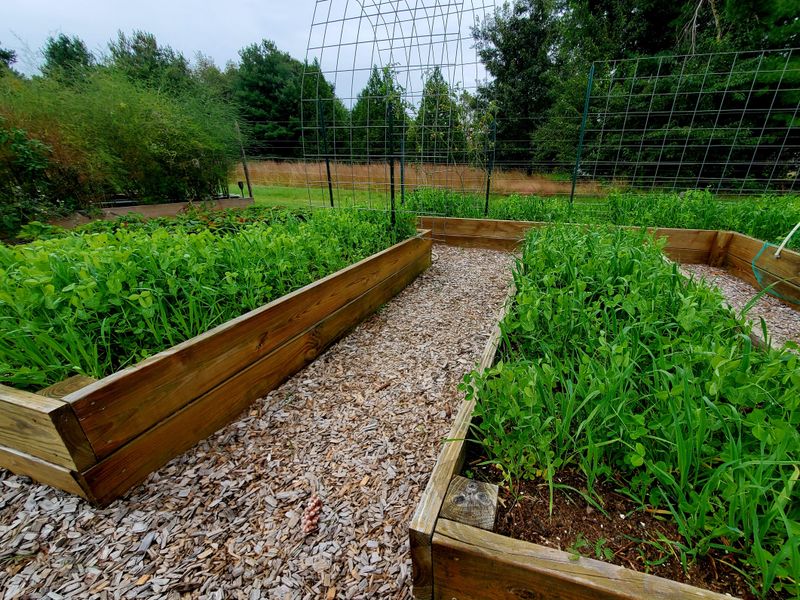
Most North Carolina gardeners think of fall planting as something to worry about in September, but by then the window has already mostly closed.
The truth is that many fall vegetables need to go into the ground while summer crops are still actively growing.
Broccoli, kale, collards, cabbage, and turnips all need several weeks of warm soil to get established before cooler temperatures arrive.
North Carolina’s fall growing window is actually one of the best in the country, but it only works if you plan ahead. Piedmont and eastern regions can direct seed many crops from late July through mid-August.
Mountain gardeners often need to start even earlier, since the first cool nights come sooner at higher elevations.
A good rule of thumb is to count backward from your average first frost date and add the days to maturity listed on the seed packet. That number tells you exactly when you need to plant.
Missing that date by even two weeks can mean crops that stall out or never fully develop before the cold sets in.
Waiting until the summer garden feels completely done before thinking about fall is one of the most common timing mistakes local gardeners make. You do not need to pull everything out at once.
You can tuck transplants and seeds into gaps as summer crops finish. Starting a simple calendar in July, even just notes on your phone, can make the difference between a full fall harvest and an empty bed by October.
2. Keeping Tired Summer Plants Too Long
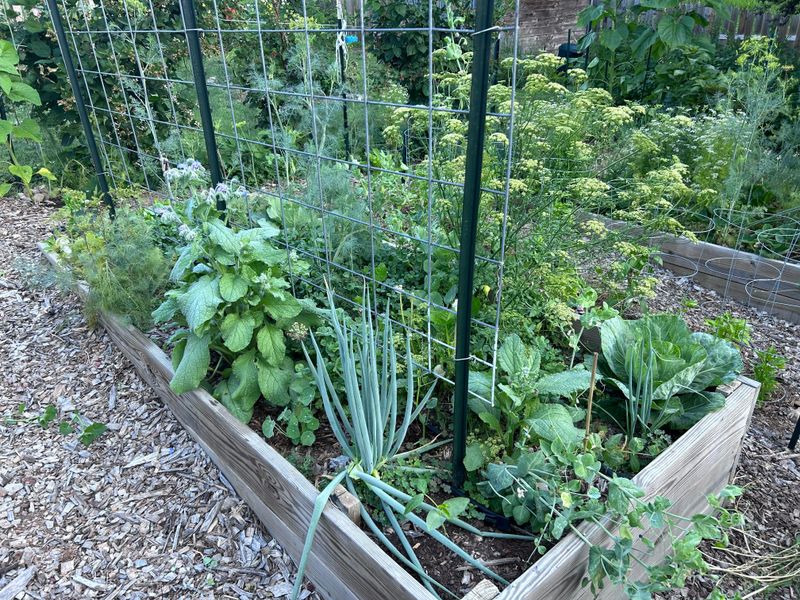
A plant that still has green leaves is not always a plant worth keeping. By mid-July, some cucumber, squash, bean, and tomato plants have already passed their best production and are mostly just taking up space.
They look alive, but they are giving very little back in terms of fruit while still drawing water, nutrients, and light away from everything around them.
One of the trickiest parts of summer gardening is recognizing when a plant has run its course.
Squash plants that have survived a round of vine borers and are putting out only one or two fruits every couple of weeks are not going to bounce back into full production.
The same goes for bean plants that have been picked over multiple times and are now producing only a handful of pods per row.
Your North Carolina Garden Changes Every Week. Your Plan Should Too.
Gardening in North Carolina changes quickly throughout the season. Every Friday you’ll receive a simple weekly plan showing exactly what to plant, prune, fertilize, harvest, and protect so you never miss the right timing.
Holding onto these plants through August means losing valuable garden real estate during the most important fall planting window. Removing a tired plant is not giving up.
It is making a smart trade, giving that space to a broccoli transplant or a row of turnip seeds that will actually feed your family in October and November.
A good approach is to walk the garden with honest eyes in late July. Keep plants that are still producing well and look healthy.
Clear out anything that is struggling, covered in powdery mildew, or producing far less than it should. That cleared space is not empty, it is an opportunity ready to be planted.
3. Letting Weeds Fill The Garden Edges
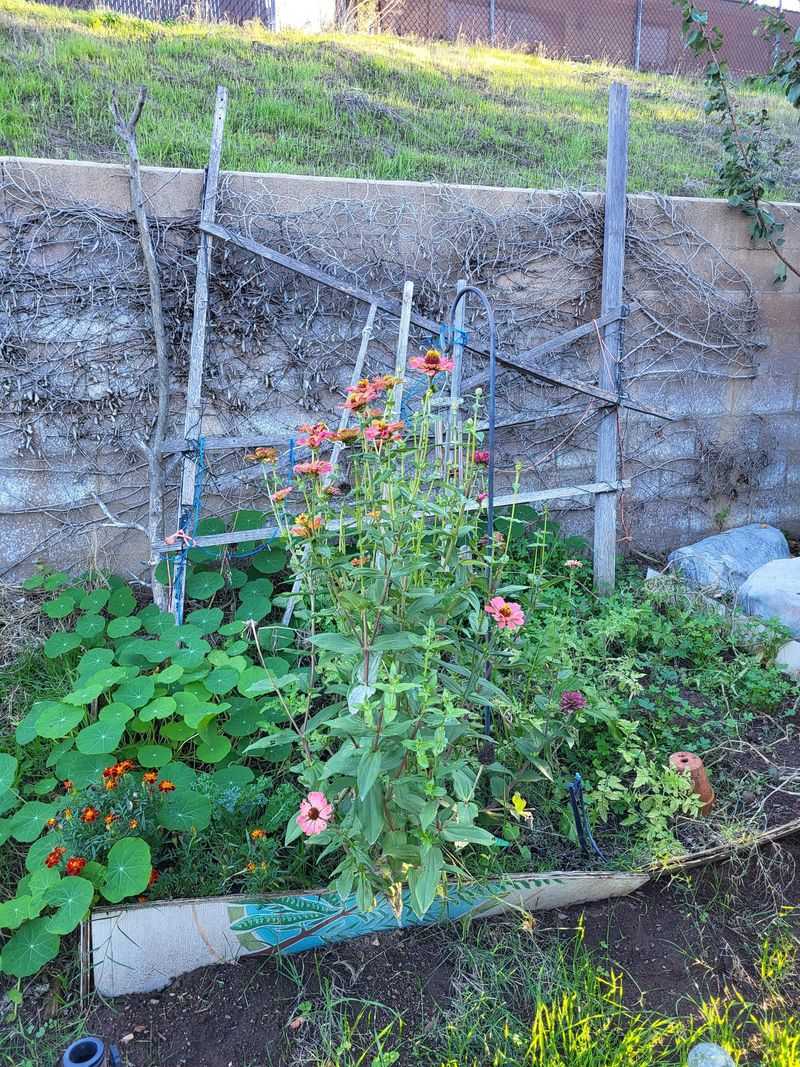
Weeds along the edges of the garden might feel like a low-priority problem when the main beds look full and green. But those edges are exactly where trouble quietly builds up.
Weeds crowding the fence line, paths, and trellises compete for the same water and nutrients your vegetables are trying to access, and in hot July weather, that competition adds up fast.
Beyond the obvious resource competition, weedy edges create hidden zones where pest populations grow undetected. Squash bugs, aphids, and caterpillars often shelter in tall weeds before moving onto vegetables.
When the base of your plants is surrounded by thick plant growth, it also becomes nearly impossible to spot early warning signs like wilting stems, discoloration, or insect damage at the soil line.
Weeds that go to seed in July will create hundreds of new problems for your fall garden. A single pigweed plant can produce thousands of seeds, and those seeds will be sitting in your soil ready to sprout the moment you prepare beds for fall crops.
Staying ahead of seed production is one of the smartest things you can do for the long game.
Clearing weeds from rows, paths, trellises, and fence lines does not have to be a massive project. Spending twenty to thirty minutes a week on edges keeps the problem manageable.
A sharp hoe or a hand weeder makes quick work of young weeds before they get established. Keeping those borders clean all summer pays off big when September arrives and your fall beds are ready to go.
4. Watering Only After Plants Wilt
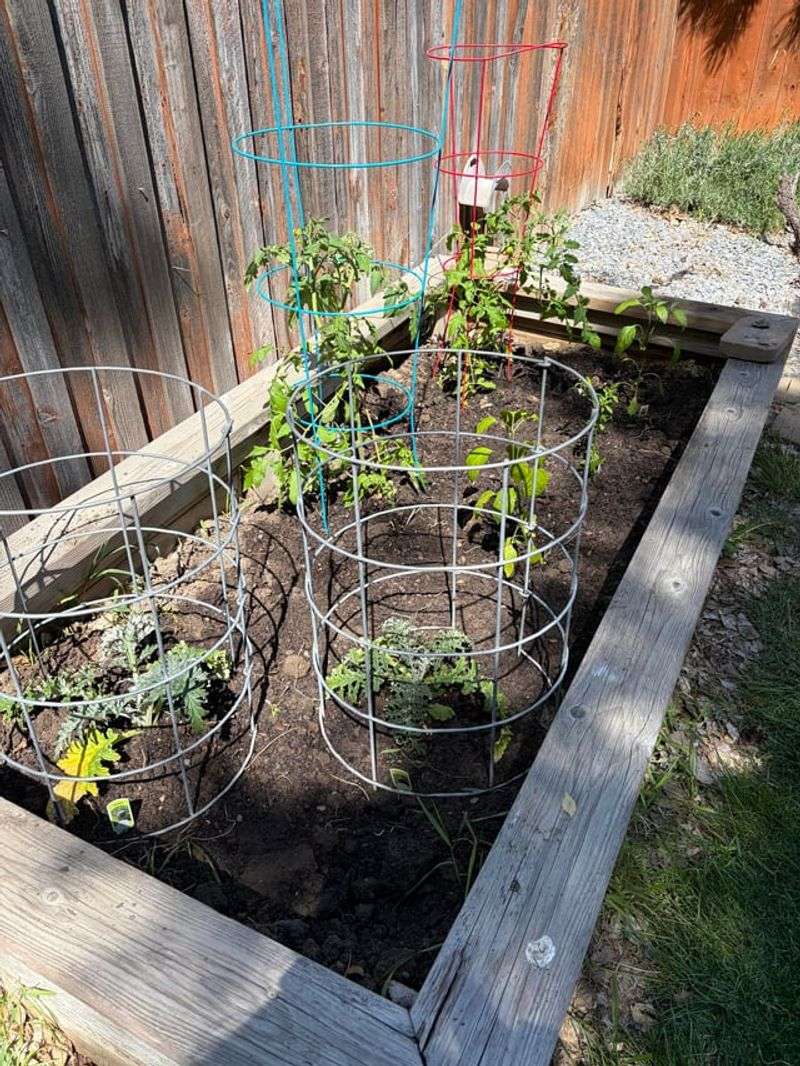
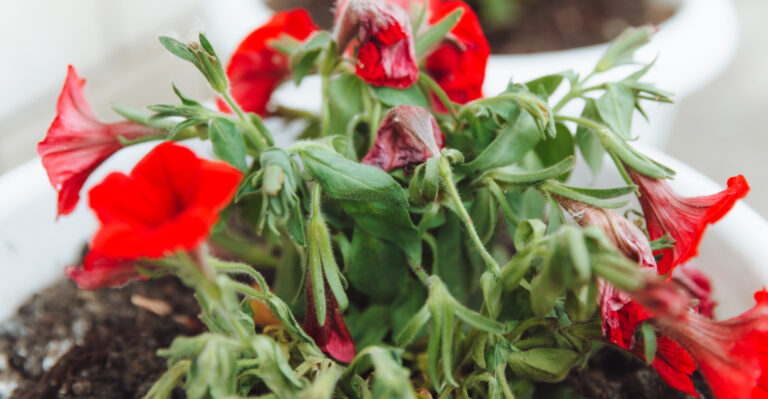
Watching for wilted leaves before reaching for the hose is one of those habits that seems logical but actually causes more harm than good. By the time a tomato or pepper plant is visibly drooping, it has already been under stress for hours.
That stress affects fruit set, flavor development, and the plant’s ability to fend off disease, even if the leaves perk back up by evening.
North Carolina summers are genuinely tough on vegetable plants. July temperatures regularly hit the upper 90s, and the soil surface can dry out within a day or two even after a good rain.
Tomatoes, peppers, eggplant, okra, beans, cucumbers, and squash all need steady moisture at the root zone to stay productive. The goal is to keep the soil consistently moist a few inches down, not just damp at the surface.
Deep, infrequent watering works much better than shallow daily sprinkles. Watering deeply two or three times a week encourages roots to grow downward, where soil moisture stays more stable.
A two to three inch layer of mulch over the soil surface dramatically slows evaporation and keeps root temperatures cooler during the hottest part of the day.
Drip irrigation or soaker hoses are worth every penny for July gardens in this region. They deliver water directly to the root zone without wetting foliage, which reduces fungal disease risk during humid summer nights.
Even without a drip system, watering at the base of plants in the early morning gives your garden the steady support it needs to carry production all the way through to fall.
5. Ignoring Leaf Undersides
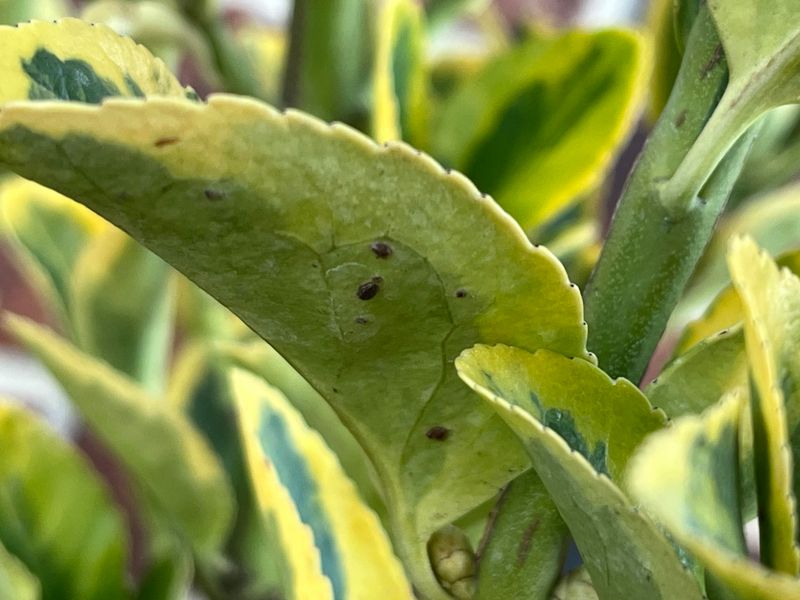
From a standing position, a July vegetable garden can look completely healthy. The tops of the leaves are green, the fruit is forming, and everything appears to be on track.
But flip a few leaves over and the picture can change quickly. Aphids, whiteflies, spider mites, squash bug eggs, and caterpillar clusters almost always start on the underside of leaves where they are protected from sun, rain, and casual observation.
Squash bug eggs are a perfect example of why checking undersides matters.
The shiny, copper-colored eggs are laid in neat clusters on the underside of squash and cucumber leaves, and they hatch into nymphs that feed in groups before spreading across the plant.
Catching them at the egg stage takes thirty seconds and saves enormous trouble later. Waiting until the adults are visible on the top of the plant means the population is already well established.
Spider mites are another hidden threat that thrives in hot, dry July conditions. They are nearly invisible individually but leave a distinctive dusty or stippled look on leaf surfaces.
By the time the top of the leaf shows clear damage, the underside may already be covered in fine webbing. Early detection makes a huge difference in how manageable the problem stays.
Making it a weekly habit to check leaf undersides, stems, crowns, flower buds, and young fruit takes only a few minutes per bed. Bring a small container of soapy water and remove any egg clusters or pest colonies you find by hand.
That simple weekly routine catches problems at the smallest possible scale, long before they have any chance to affect your September harvest.
6. Leaving Overripe Fruit On The Plant
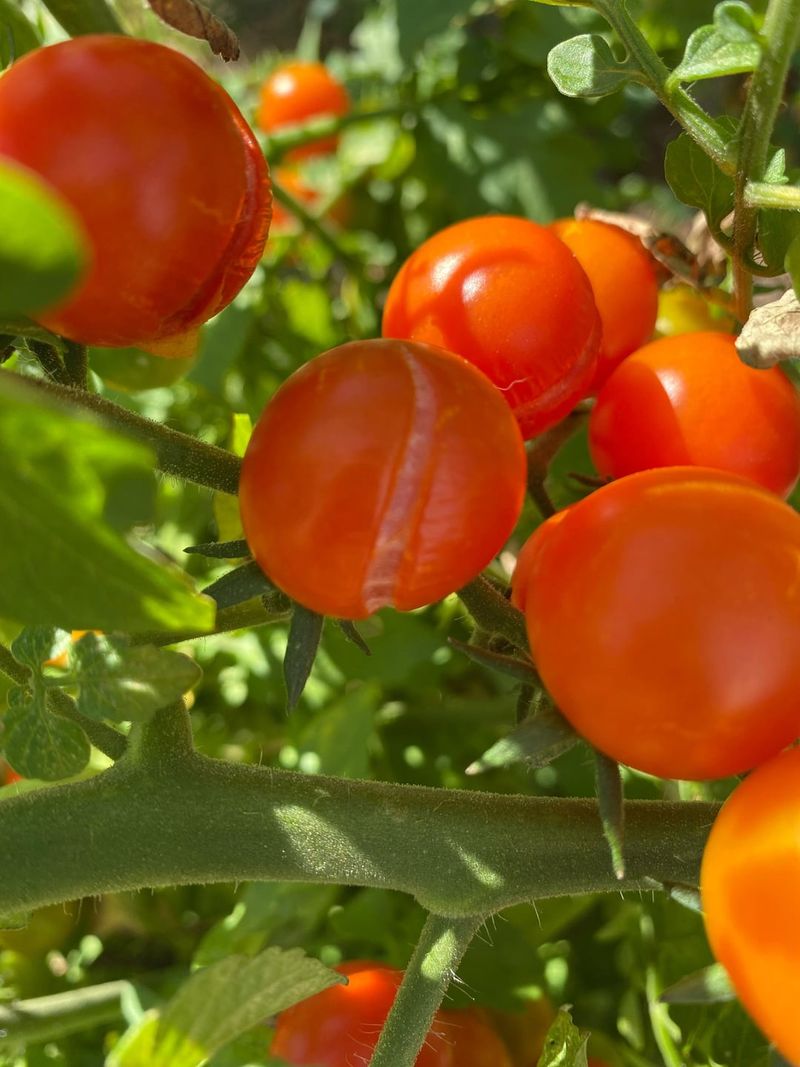
There is a real temptation in July to slow down on harvesting. The garden is producing faster than you can eat, preserve, or give away, and it starts to feel like skipping a few days will not matter much.
But leaving overripe fruit on the plant is one of the quietest ways to undermine production for the rest of the season.
When a cucumber grows past its prime and turns yellow, or a zucchini balloons into something the size of a baseball bat, the plant shifts its energy toward seed production inside that oversized fruit.
That energy is redirected away from flowering and setting new fruit. The plant essentially thinks its job is done, and production slows or stops as a result.
Overripe and soft fruit also attracts pests. Spotted cucumber beetles, squash vine borers, stink bugs, and various fly species are all drawn to fermenting or damaged fruit.
Once they arrive, they do not stay only on the overripe pieces. They move to healthy fruit and young growth, spreading the problem across the entire planting.
Harvesting every two to three days during peak July production keeps plants in active fruiting mode and reduces pest pressure at the same time. Anything that is soft, cracked, or well past eating quality should come off the plant immediately.
Toss it into a compost pile away from the garden rather than leaving it on the soil surface.
Keeping up with harvest feels like extra work in the moment, but it is genuinely one of the most effective ways to keep plants productive and looking their best all the way into September.
7. Letting Crowded Growth Trap Humidity
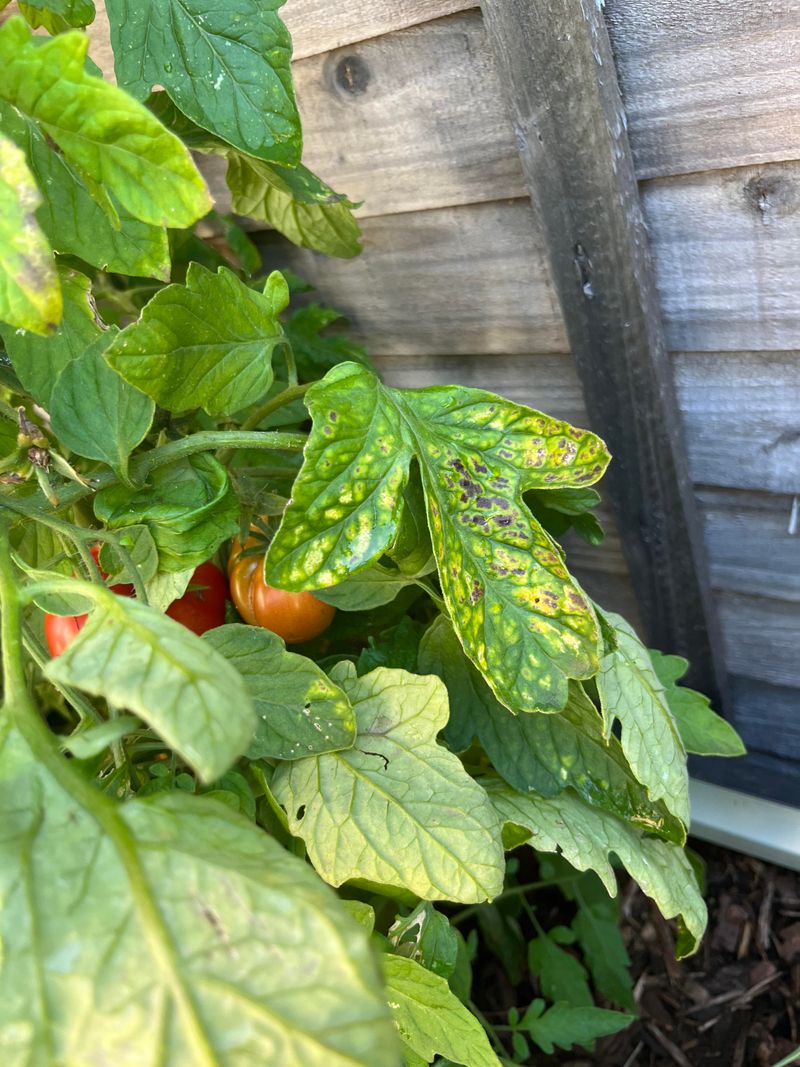
July growth in a North Carolina vegetable garden can be impressive. Tomato plants reach shoulder height, squash leaves spread wide, and cucumber vines run in every direction.
But all that lush, tangled growth comes with a hidden cost. When branches, vines, and leaves overlap too much, airflow through the plant canopy drops significantly, and humidity gets trapped right where diseases love to take hold.
Fungal diseases like early blight, powdery mildew, and downy mildew thrive in warm, humid conditions with poor air circulation. North Carolina summers already bring plenty of humidity on their own.
A garden with crowded, unpruned growth essentially creates its own microclimate that makes fungal problems far worse than they need to be. Once blight gets into a tomato planting, it spreads quickly from leaf to leaf and plant to plant.
Staking tomatoes and guiding cucumber vines onto trellises helps enormously. Keeping plants off the ground reduces contact with soil-borne pathogens and makes it easier to see what is happening at the base of each plant.
Removing a few lower leaves from tomato plants to improve airflow near the soil is a widely recommended practice that makes a noticeable difference.
You do not need to prune heavily or reshape every plant in the garden. The goal is simply to keep growth from becoming so tangled and dense that air cannot move through it.
Check pathways between rows and make sure you can walk through without brushing against plants on both sides.
That small amount of open space makes a real difference in how well the garden stays healthy from July all the way through to a strong September finish.
8. Spraying Before Identifying The Problem
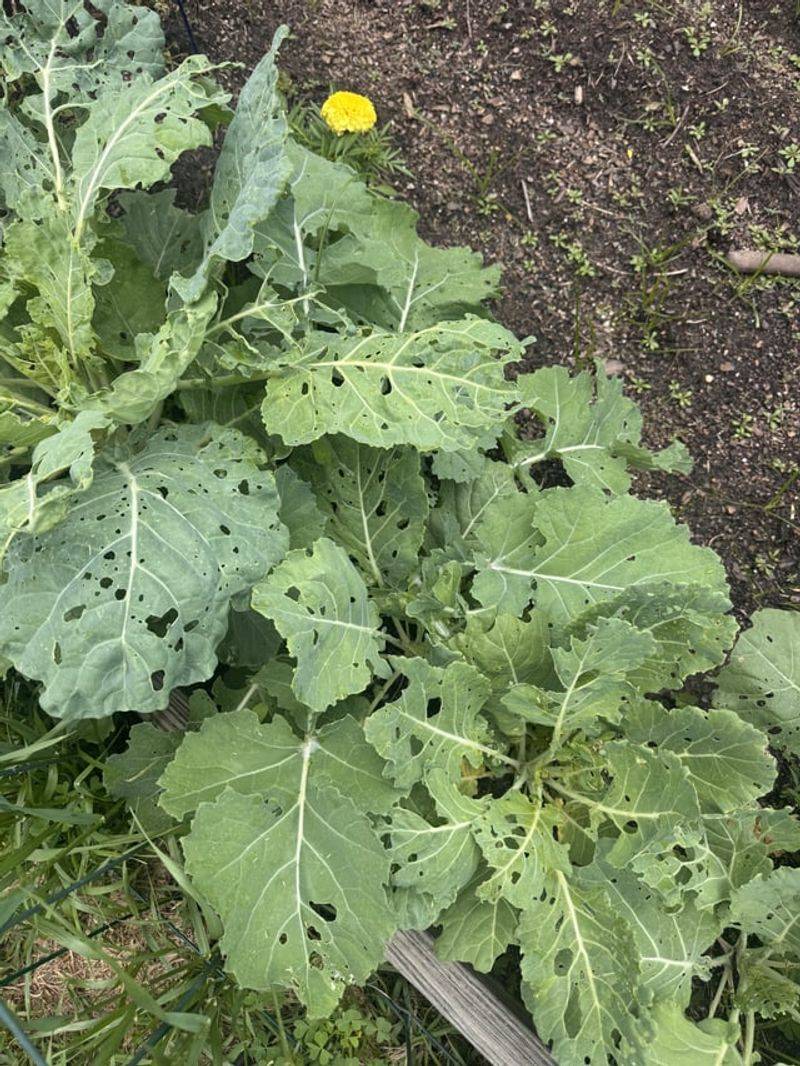
Reaching for a spray bottle the moment you spot a damaged leaf is an understandable reaction, but it is one that often makes things worse.
Not every leaf spot, hole, curl, or yellow patch comes from the same cause, and treating the wrong problem with the wrong product can harm beneficial insects, stress the plant further, and leave the real issue completely unaddressed.
Insects, fungal disease, bacterial infection, heat stress, inconsistent watering, and nutrient deficiencies can all cause leaves to look damaged in very similar ways.
A yellow leaf with brown edges might be a sign of drought stress, a potassium shortage, or early blight depending on the pattern and location on the plant.
A leaf with holes might point to caterpillar feeding, flea beetle damage, or hail impact. Each of these needs a completely different response.
Spraying a broad-spectrum pesticide when the problem is actually a watering issue does nothing helpful and may reduce populations of predatory insects that were already working to control real pest problems in the garden.
Spraying a fungicide when the issue is actually nutrient-related is equally ineffective. Getting the diagnosis right before choosing any treatment saves time, money, and plant health.
The best routine is straightforward. Look at the full pattern of symptoms across multiple plants, check both sides of affected leaves, note whether the damage is spreading or stable, and consider recent weather and watering history.
When the cause is genuinely unclear, the North Carolina Cooperative Extension Service offers free plant diagnostic help online and through local county offices. Using that resource before spraying anything is always the smarter first move.