What It Really Means When The Crickets Suddenly Stop Chirping In Massachusetts
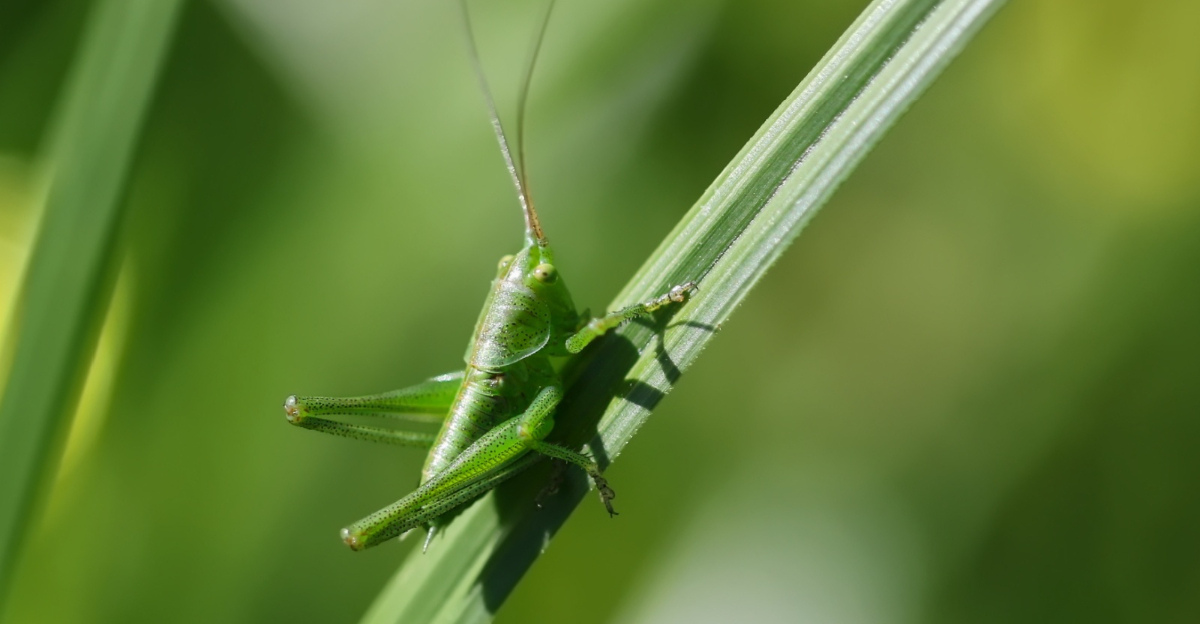
You’re standing in a backyard somewhere near Worcester, Massachusetts, and the crickets are running full volume, thousands of tiny legs sawing away in perfect chaos.
Then, without a single warning note, the whole chorus cuts out. Not a slow fade. A hard stop, like someone cut the power to the entire night.
That kind of silence feels different from ordinary quiet. It sits heavier on your skin than the noise ever did, and something primal in you starts asking questions.
Did a predator just slip through the grass? Did the temperature drop enough to shut every insect down at once?
Out in the fields around central Massachusetts, locals will tell you these sudden hushes aren’t random at all, they’re a message written in absence instead of sound.
Once you know what to listen for, that unnerving quiet stops feeling like a warning and starts feeling like the loudest clue in the whole yard.
Silence Usually Means A Temperature Drop, Not A Problem
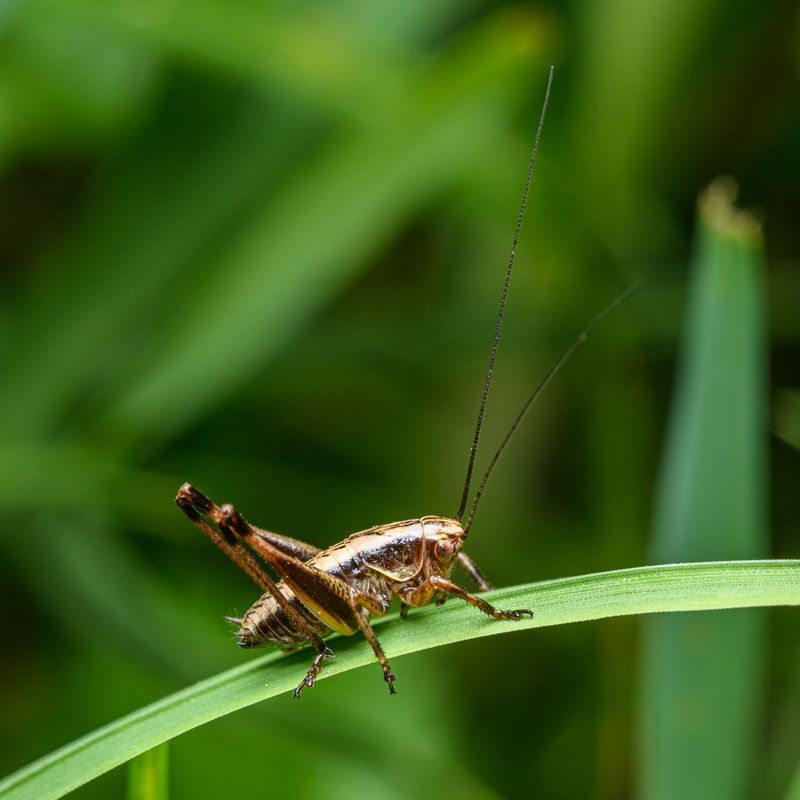
The night goes quiet, and your first instinct might be concern. But before you assume something is wrong, check the temperature outside first.
Crickets are cold-blooded creatures, which means their body temperature matches the air around them. When temps drop, their muscles literally slow down and chirping becomes impossible.
The general cutoff is somewhere around 50 degrees Fahrenheit, though it varies by species. Below that range, most crickets slow down enough that chirping becomes rare or stops.
This is the most common reason for sudden silence in a New England yard. A cold front can roll in fast, dropping temperatures by 15 degrees in under an hour.
You might hear a full chorus at 9 PM and complete silence by 10 PM. That shift is almost always weather-related, not a sign of ecological trouble.
Crickets also slow down gradually as fall approaches. The nights get longer, the air gets cooler, and their chirping becomes more sporadic before stopping entirely.
Think of it like a car engine in winter. Everything works fine, it just needs warmth to run at full speed.
If the silence happens on a night that started warm and turned cool fast, temperature is almost certainly the answer. When crickets suddenly stop chirping, the thermometer is your best first clue.
The Ideal Temperature Range For Cricket Activity In Massachusetts
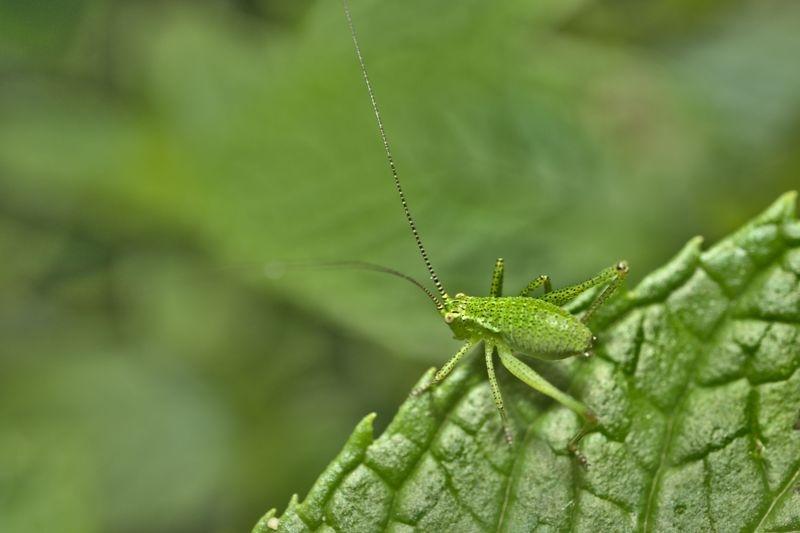
Crickets have a sweet spot, and Massachusetts summers tend to land right in that range. The ideal chirping range generally falls between 55 and roughly 90 degrees Fahrenheit, depending on the species.
Inside that window, crickets are vocal, active, and downright noisy. Outside of it, they go quiet fast.
July and August are peak cricket months across New England. Warm nights, high humidity, and long daylight hours create perfect conditions for maximum chirping activity.
Here is something fascinating: you can actually estimate the temperature using cricket chirps. Count the chirps in 14 seconds, add 40, and you get a rough Fahrenheit reading.
Scientists call this Dolbear’s Law, named after the physicist who discovered it in 1897. It works surprisingly well with snowy tree crickets in particular.
Your Massachusetts Garden Changes Every Week. Your Plan Should Too.
Gardening in Massachusetts changes quickly throughout the season. Every Friday you’ll receive a simple weekly plan showing exactly what to plant, prune, fertilize, harvest, and protect so you never miss the right timing.
Massachusetts nights in late June through early September tend to stay above 55 degrees. That is why the chorus feels so loud and constant during those weeks.
Once September rolls in, nighttime lows start dipping into the 40s. Chirping becomes patchier, shorter in duration, and quieter overall.
Understanding this range helps you recognize what is normal for your area. When crickets suddenly stop chirping mid-summer on an otherwise warm night, something else might be going on beyond just the temperature.
When Crickets Naturally Go Quiet In New England
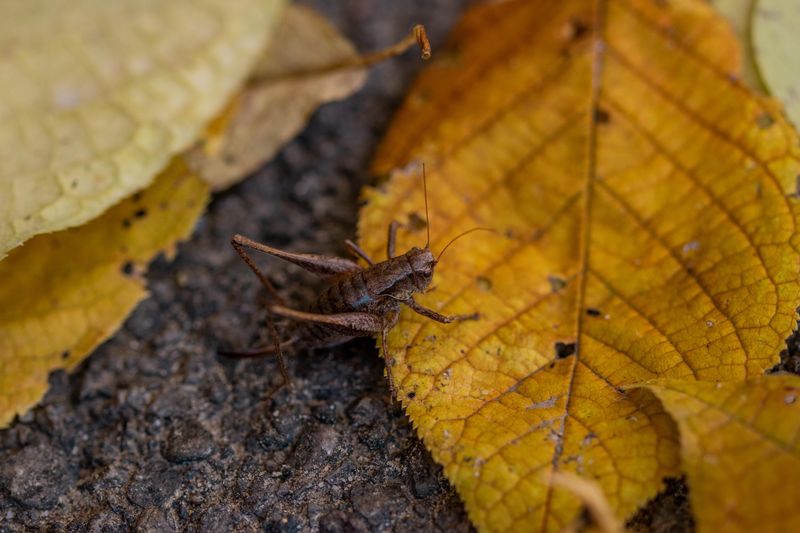
Autumn has a sound, and part of that sound is silence. In New England, crickets naturally begin going quiet sometime between late September and mid-October.
Adult crickets do not make it through frost. Once the first hard freeze hits, the singing generation is gone for the season.
But the species continues through eggs laid in the soil during summer. Those eggs overwinter underground and hatch the following spring, starting the cycle over.
This seasonal quiet is completely normal and nothing to worry about. It is nature doing exactly what it should, right on schedule.
You might notice the chorus thinning out gradually over several weeks. Some nights are loud, others are sparse, and eventually the yard falls fully silent until next summer.
Shorter days also play a role beyond temperature alone. Crickets respond to photoperiod, meaning the length of daylight hours affects their behavior and breeding cycles.
As days shorten in August and September, crickets shift their energy toward reproduction rather than calling. The males chirp less because the biological urgency changes.
Knowing this timeline helps you feel at ease when the yard goes quiet in fall. When crickets suddenly stop chirping in October in New England, that is just the season doing its job beautifully.
Predators, Pesticides, And Habitat Loss As Less Common Causes
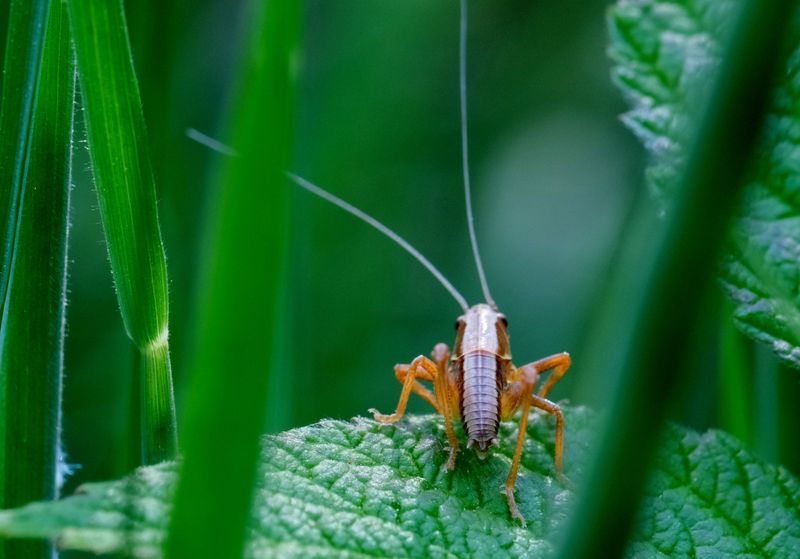
Sometimes the silence is not about weather at all. Predators, lawn chemicals, and shrinking habitat can all push cricket populations down fast.
Birds, toads, spiders, and small mammals eat crickets regularly. A sudden spike in predator activity can quiet a yard almost overnight.
Pesticide use is another big factor, especially broad-spectrum insecticides. These products do not just target pest insects, they wipe out beneficial ones too.
If a neighbor recently sprayed their yard or a lawn service treated the area, the effects can drift. Cricket populations near treated zones can collapse within days.
Habitat loss works more slowly but just as surely. When tall grass, leaf litter, and dense shrubs disappear, crickets lose the shelter they need to get by.
Mowing too frequently or too short removes the ground cover crickets depend on. A tightly manicured lawn offers little shelter for most insects.
Light pollution is another underrated factor. Artificial lights attract and disorient crickets, disrupting their mating behavior and making them more vulnerable to predators at night.
These causes are less common than temperature shifts, but they are worth knowing. If your yard goes quiet mid-summer on a warm night, and you notice fewer insects overall, it may be time to look beyond the forecast.
When crickets suddenly stop chirping under those conditions, the environment might be sending a real signal.
How To Tell Normal Seasonal Silence From A Sign Worth Noticing
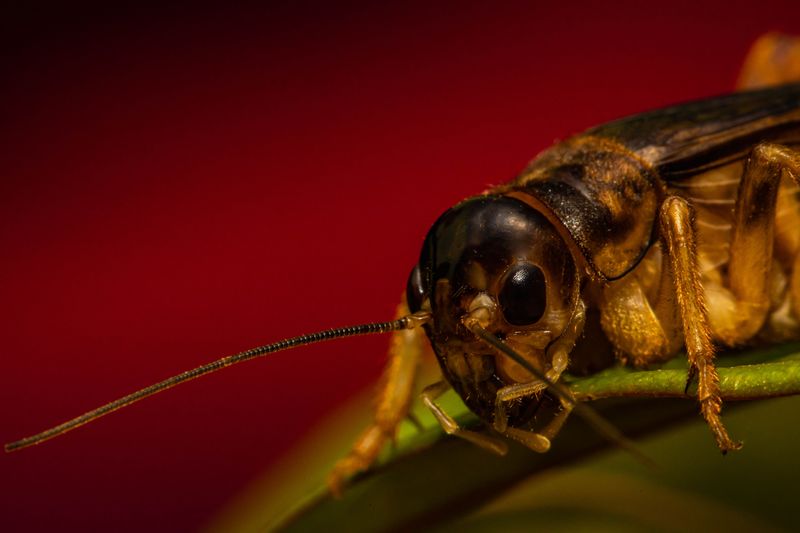
Not all silence is equal, and learning to read the difference matters. Some quiet nights are perfectly natural, while others hint at something worth investigating.
Start by checking the calendar and the thermometer together. If it is mid-October and below 55 degrees, you have your answer right there.
But if it is July, the air is warm and humid, and the yard is completely silent, that is unusual. Normal seasonal patterns would have crickets active on a night like that.
Look around for other insect activity. If fireflies, moths, and other nighttime bugs are also absent, that suggests a broader issue rather than just cricket behavior.
Check whether any recent landscaping, spraying, or construction happened nearby. Human activity often explains sudden insect disappearances faster than any natural cause.
Also listen for pattern changes over multiple nights. One quiet night means little, but a full week of unusual silence in peak season is worth paying attention to.
Talk to neighbors about what they are noticing. If everyone’s yard is quiet at once, a local environmental shift may be underway.
Contact your local cooperative extension office if you suspect something serious. They can help assess whether the silence reflects a real ecological concern in your area.
When crickets suddenly stop chirping and nothing obvious explains it, trust your instincts. Nature usually gives you enough clues to figure out what changed.
What You Can Do To Support Cricket Populations In Your Yard
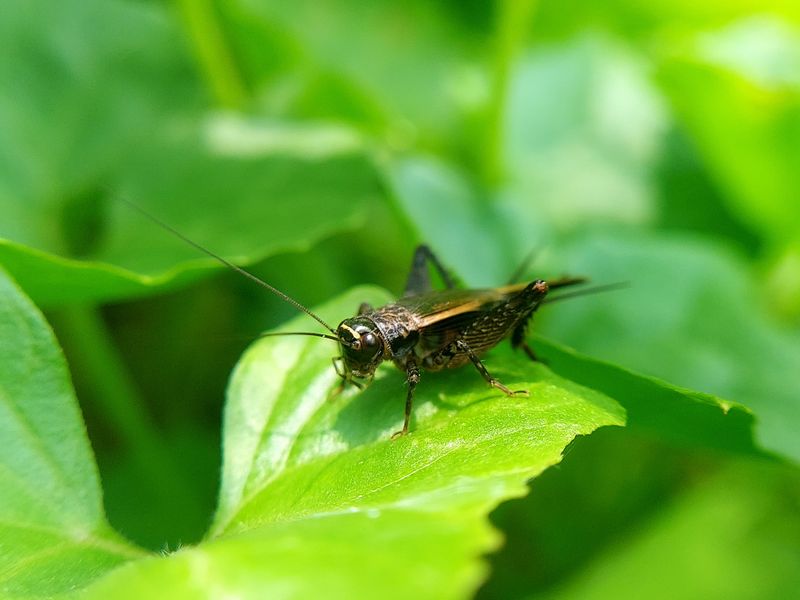
Your yard can be a sanctuary, not just for you, but for the insects that make summer nights magical. Small changes add up to big results for local cricket populations.
Start by leaving some areas of your lawn unmowed. Tall grass and ground cover give crickets the shelter they need to hide, breed, and thrive.
Add a brush pile or leaf litter section in a corner of your yard. These spots act as natural hotels for crickets and dozens of other beneficial insects.
Plant native grasses and wildflowers whenever possible. Native plants support the full food web, from the soil up through insects and into the birds that eat them.
Cut back on pesticide use, especially during summer evenings when insects are most active. Even organic sprays can harm non-target species if applied carelessly.
Reduce outdoor lighting where you can. Motion-sensor lights are a smarter option than leaving porch lights blazing all night long.
Consider adding a shallow water source like a birdbath with pebbles inside. Insects need water too, and a reliable source encourages them to stick around.
Avoid tilling your garden beds in fall if possible. Cricket eggs overwinter in the soil, and tilling destroys them before they ever get a chance to hatch.
When crickets suddenly stop chirping in your yard for no clear reason, these habitat improvements can help bring them back. A healthier yard means louder, livelier nights ahead.