The Vegetables Massachusetts Gardeners Direct Sow In July For A Strong Fall Harvest
July in Massachusetts hits different, the humidity is thick, the sun is relentless, and planting is the last thing on most people’s minds. But right now is exactly when experienced gardeners get to work.
Direct sowing now means carrots, kale, and beets will hit their stride just as everything else winds down. Fall’s cooler soil coaxes deeper flavor from roots and sweetens leafy greens in ways July heat never could.
Massachusetts gardeners who skip this window end up at the farmers market in October. The ones who don’t? They’re still pulling food from their own backyard.
Grab your seeds and a little patch of open soil, your fall garden starts today.
1. Kale
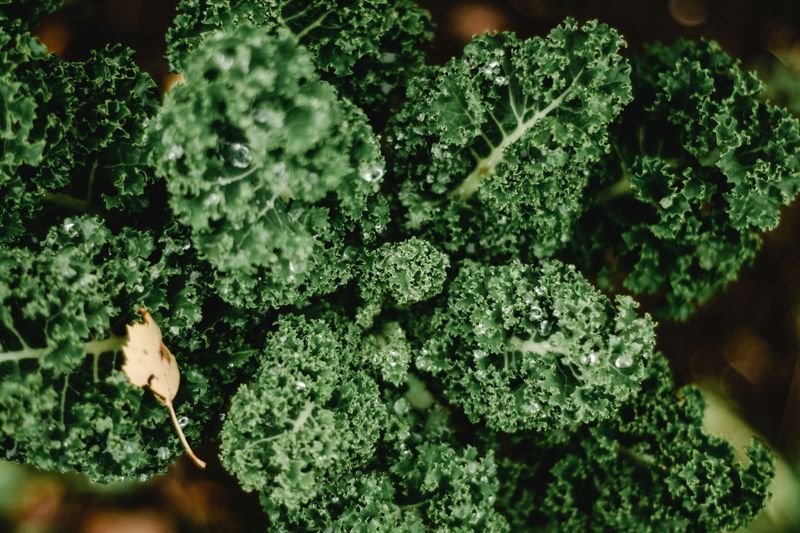
Kale is basically the overachiever of the fall garden. It gets sweeter after the first frost, which makes a Massachusetts fall its absolute happy place.
Sow kale seeds directly into your garden bed in mid-July. Space them about 12 to 18 inches apart so each plant has room to spread its big, ruffled leaves.
Kale germinates fast, usually within five to seven days. You’ll see tiny seedlings pop up almost before you know it, which is incredibly satisfying.
Water consistently and keep the soil moist but never waterlogged. A light layer of mulch helps hold moisture during those still-warm August days.
Varieties like Red Russian and Lacinato do especially well in Massachusetts climate. Both handle cold snaps without flinching and stay tender enough to eat raw or cooked.
By late September, you’ll have full, gorgeous heads of kale ready for harvest. Pick outer leaves first to encourage the plant to keep producing all the way through November.
One of the best things about kale is that it doesn’t stop at one harvest. Keep cutting, keep eating, and this powerhouse plant will keep giving.
Kale is also surprisingly forgiving for newer gardeners. It tolerates a range of soil conditions, shrugs off light pest pressure, and bounces back quickly if you miss a watering. In a fall garden full of variables, that reliability is hard to beat.
Plant kale first, tend it through August, and by the time October rolls around, you’ll wonder why you ever waited until spring.
2. Spinach
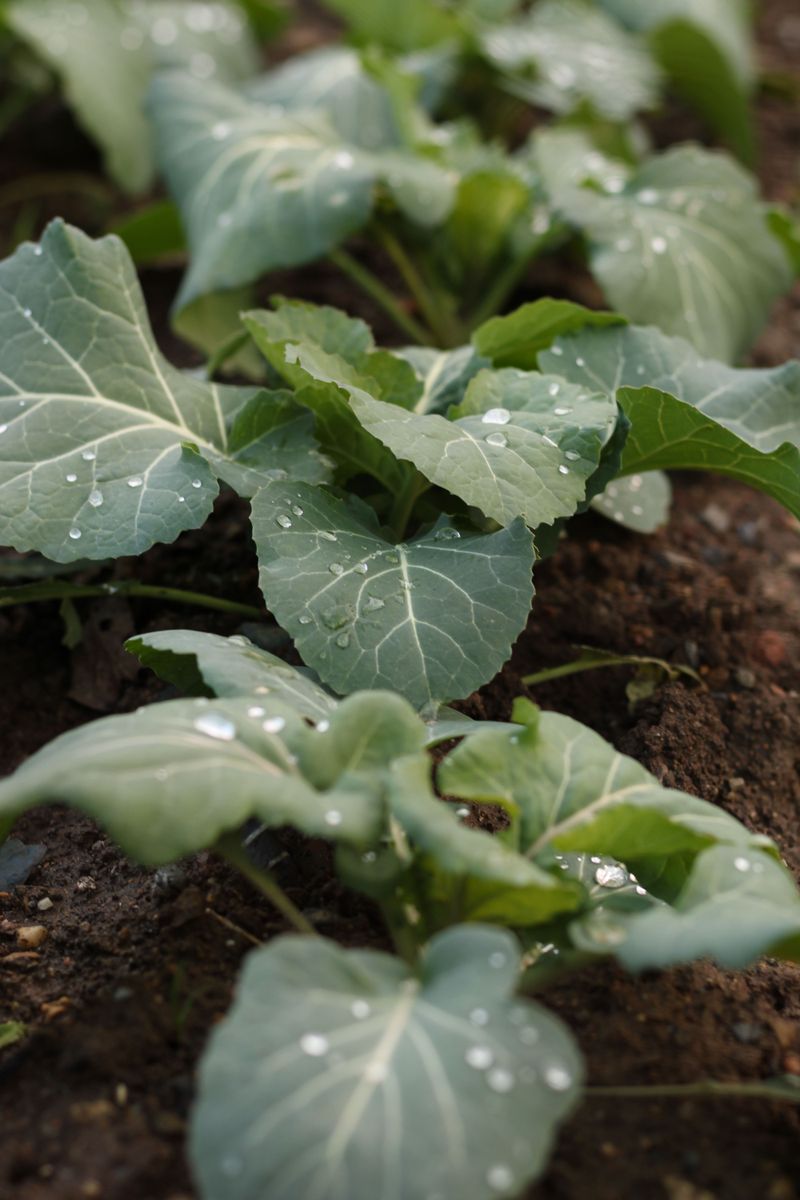
Spinach is the quiet champion of the fall garden. It grows fast, tastes great, and practically thrives when temperatures start to drop.
Sow spinach seeds directly in late July, about half an inch deep. Rows should be spaced around 12 inches apart for good air circulation and easy picking.
One thing many gardeners don’t realize is that spinach actually struggles in heat. Planting in July works because seedlings establish while it’s warm, then flourish as fall cools things down.
Choose bolt-resistant varieties like Bloomsdale or Space for the best results. These are bred to handle fluctuating temperatures without going to seed prematurely.
Keep the soil evenly moist during germination, which takes about seven to ten days. Once seedlings are a few inches tall, thin them to about six inches apart.
Your Massachusetts Garden Changes Every Week. Your Plan Should Too.
Gardening in Massachusetts changes quickly throughout the season. Every Friday you’ll receive a simple weekly plan showing exactly what to plant, prune, fertilize, harvest, and protect so you never miss the right timing.
Spinach leaves are ready to harvest in as little as 40 days after sowing. That timeline makes a late July planting land perfectly in September and October.
Succession sowing is worth considering here too. A short row planted every two weeks through early August means you’re not harvesting everything at once, just a steady, manageable supply of fresh leaves right when you want them.
Frost doesn’t scare spinach one bit. In fact, a light freeze makes the leaves taste slightly sweeter, which is a pleasant surprise for first-time fall growers.
A small patch sown in late July will keep your salad bowl full from September through the first hard freeze, and that’s a pretty good return on a handful of seeds.
3. Arugula
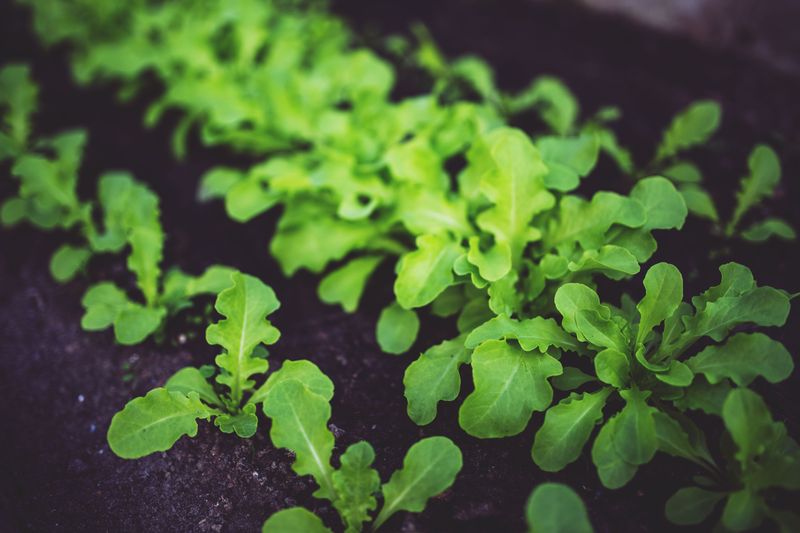
Arugula has a spicy, peppery bite that makes every salad more interesting. It’s also one of the fastest-growing greens you can direct sow in July.
Scatter seeds thinly across your prepared bed, then cover lightly with about a quarter inch of soil. Arugula doesn’t need much depth to germinate successfully.
Expect seedlings to emerge in just four to seven days under warm July conditions. That quick turnaround means you could be harvesting baby greens within three weeks of planting.
Arugula loves cool weather, so a July sowing sets it up perfectly for peak fall flavor. The heat of late summer helps it establish roots before the real growing season kicks in.
Water lightly but regularly, especially during dry spells in August. Arugula has shallow roots, so it dries out faster than deeper-rooted crops.
Harvest by snipping outer leaves when they’re about three to four inches long. The plant will continue pushing out new growth for several more rounds of picking.
Did you know arugula has been eaten since ancient Roman times? It was considered a delicacy by Roman writers, which makes your fall salad a little more historically interesting.
Sow it in July, ignore it for three weeks, then start cutting. Few crops ask so little and deliver so much flavor in return.
4. Lettuce
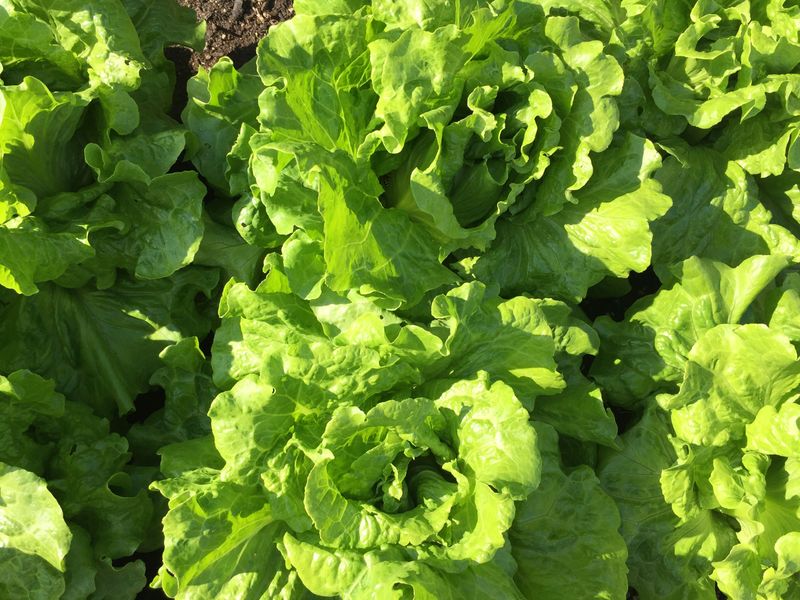
Image Credit: © Lindsay Neuenschwander / Pexels
Planting lettuce in July is like setting yourself up for a fall salad bar in your own backyard. Few vegetables are as rewarding or as easy to grow from seed.
Choose loose-leaf varieties for the fastest harvest. Types like Black Seeded Simpson or Oak Leaf can be ready to cut in as little as 45 days.
Sow seeds shallowly, lettuce needs light to germinate, so no more than a quarter inch of soil on top.
Keep the soil consistently moist during the first week. Germination happens in four to eight days, and you’ll see a flush of tiny green sprouts appear almost overnight.
Thin seedlings to about eight inches apart once they’re a couple of inches tall. Crowded lettuce gets leggy and is more prone to disease from poor airflow.
Lettuce actually prefers cooler growing conditions, which is why fall is ideal. Hot Massachusetts weather causes bitterness and bolting, but September’s crisp air brings out the best flavor.
Mulching around your lettuce helps keep roots cool during August’s lingering warmth. A two-inch layer of straw or shredded leaves makes a big difference in plant health.
Sow a short row every two weeks through early August and you’ll have fresh lettuce on the table well into October, no farmers market required.
5. Radishes
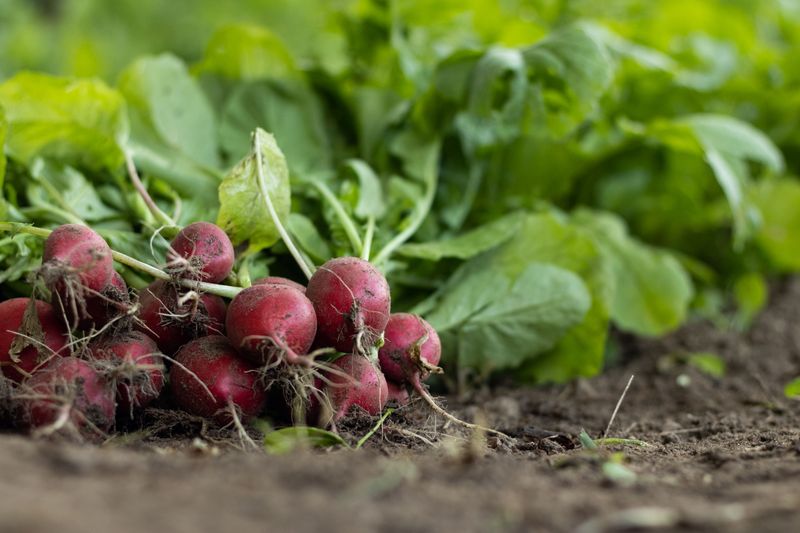
Radishes are the sprinters of the vegetable world. From seed to table, some varieties are done in as little as 25 days, which is almost unbelievably fast.
Direct sow radish seeds in July, spacing them about one inch apart in rows roughly six inches wide. They don’t need much space, making them great for filling gaps in the garden.
Push seeds about half an inch into the soil and water them in well. Germination is rapid, often showing tiny green shoots within just three to five days.
Fall-sown radishes tend to be milder and crunchier than spring ones. Cooler soil temperatures slow their growth just enough to develop better flavor and texture.
Thin seedlings to about two inches apart once they sprout. Crowded radishes won’t form proper round roots, so thinning is one step you really shouldn’t skip.
Varieties like Cherry Belle and French Breakfast are proven performers in Massachusetts gardens. Both handle cool fall nights without getting pithy or losing their satisfying crunch.
Radishes are also fantastic companion plants. Tucked near slower crops like carrots or beets, they help break up soil and can even deter certain pests with their strong scent.
While your carrots and beets are still finding their footing, radishes will already be on your plate. Start a new row every two weeks and the harvest essentially never stops.
6. Beets
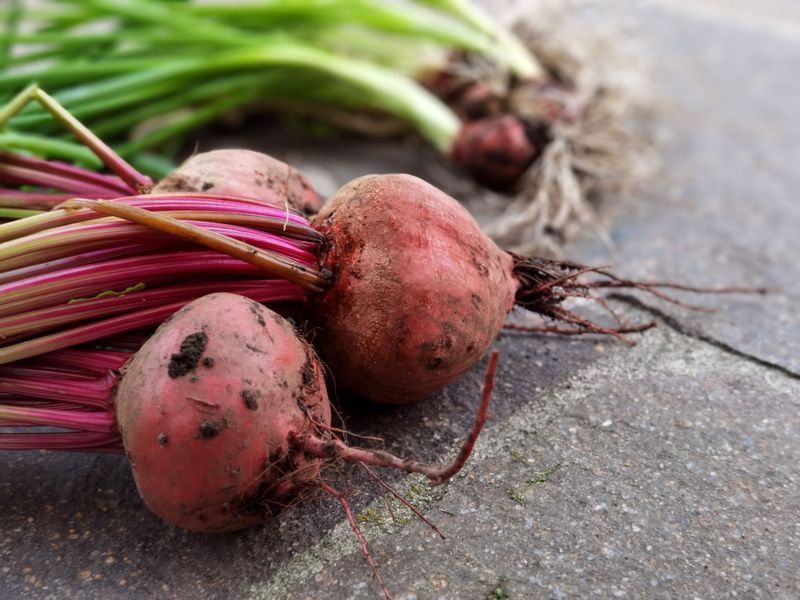
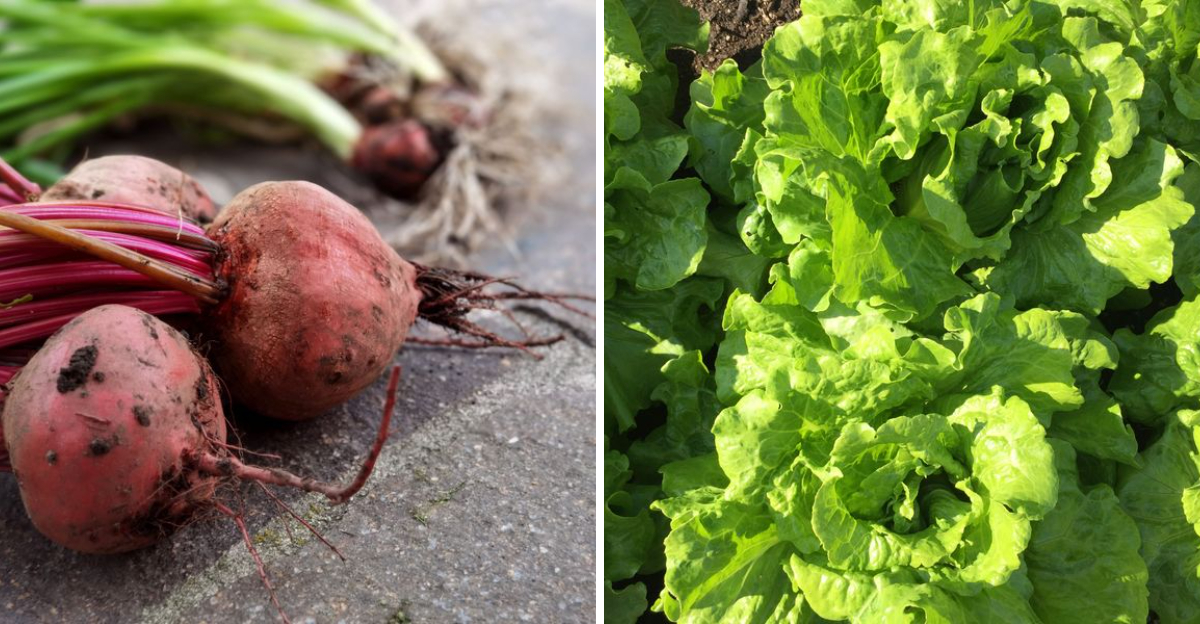
Image Credit: © Vero Lova / Pexels
Beets are a two-for-one crop that serious gardeners tend to love. You get the sweet, earthy root and the tender, nutritious greens all from one plant.
Sow beet seeds directly in July, about half an inch deep and one inch apart. Each beet seed is actually a cluster of seeds, so expect multiple sprouts from each spot.
Thin seedlings to about three to four inches apart once they’re two inches tall. This step matters because crowded beets produce small, misshapen roots that are harder to cook with.
Beets prefer loose, well-drained soil with plenty of organic matter mixed in. Rocky or compacted ground causes the roots to fork and grow unevenly, which affects both appearance and texture.
Water deeply but infrequently once established, aiming for about an inch of water per week. Consistent moisture prevents the roots from becoming tough or developing cracks on the surface.
Varieties like Detroit Dark Red and Chioggia perform beautifully in Massachusetts fall gardens. Chioggia, with its stunning candy-stripe interior, is a showstopper at the dinner table.
Beets take about 55 to 70 days to reach full size, so a mid-July sowing lands right in the October sweet spot. Cooler fall soil actually intensifies their natural sweetness.
Roast them, pickle them, shred them raw into salads, beets pulled from October soil are earthy, sweet, and worth every day of the wait.
7. Carrots
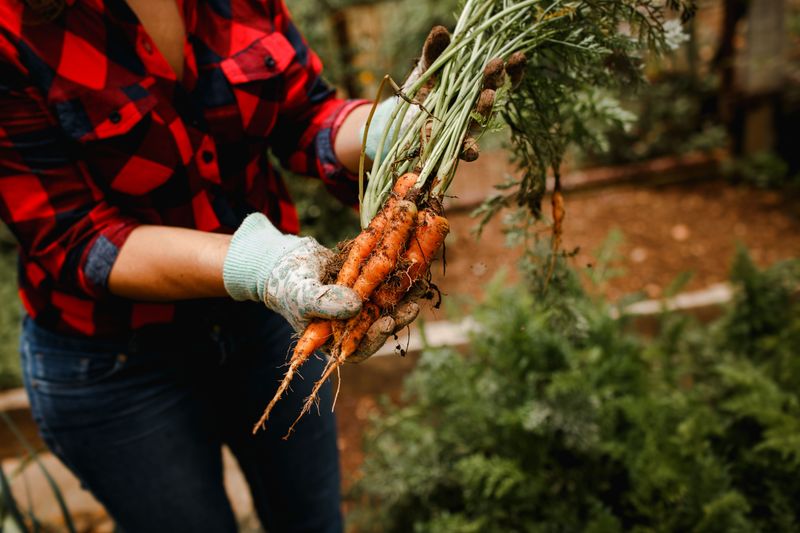
Carrots grown in cool fall soil develop a natural sweetness that store-bought varieties rarely match. The cold actually triggers the plant to convert starches into sugars, which is a delicious natural process.
Sow carrot seeds directly in July by scattering them thinly over a fine, well-raked seedbed. Cover lightly with just a quarter inch of soil and firm it down gently.
Carrot germination can be slow, sometimes taking up to 14 days in warm soil. Keeping the seedbed consistently moist during this period gives your carrots the best possible start.
One smart trick is to lay a board or burlap over the seeded area until sprouts appear. This holds moisture in and prevents the surface soil from crusting over and blocking growth.
Thin seedlings to two to three inches apart once they’re about an inch tall. Skipping this step leads to tangled, forked roots that are frustrating to pull and hard to use.
Short, stubby varieties like Chantenay or Danvers 126 are ideal for Massachusetts gardens with dense or rocky soil. They don’t need as much depth as longer types and still pack plenty of flavor.
Carrots can stay in the ground well past the first frost without any damage. A light freeze actually improves their sweetness, so leaving them in the soil is a perfectly smart strategy.
Carrots ask for patience and reward it generously. Pull one in October, brush off the soil, and take a bite, the flavor speaks for itself.
8. Broccoli
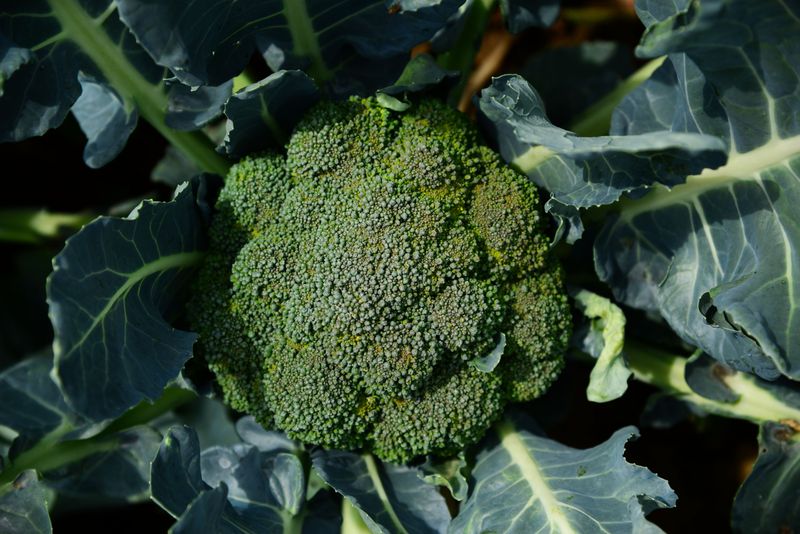
Broccoli in the fall garden is a revelation for anyone who’s only ever grown it in spring. Cool fall air produces tighter, more flavorful heads than warm-season growing typically allows.
Direct sow broccoli seeds in early to mid-July for a strong fall crop. Push seeds about a quarter to half an inch deep and space them 18 to 24 inches apart in rows.
Germination happens quickly in warm July soil, usually within five to ten days. Once seedlings are a few inches tall, thin them so each plant has plenty of room to branch out.
Broccoli is a heavy feeder, meaning it loves a soil that’s been amended with compost or a balanced fertilizer. Give it a nutrient boost early and it will reward you with dense, beautiful heads.
Watch for cabbage worms, which are the most common pest problem for broccoli in Massachusetts. A light row cover over young plants keeps those pesky white butterflies from laying eggs on the leaves.
Varieties like Waltham 29 were actually developed specifically for Massachusetts climate. It’s a classic for a reason, producing reliable, full heads even as temperatures swing in September and October.
Harvest broccoli heads before the tiny flower buds begin to open and turn yellow. Once you cut the main head, side shoots will keep producing smaller florets for several more weeks.
Grow broccoli once in a Massachusetts fall and spring planting starts to feel like a consolation prize. The heads are tighter, the flavor is sharper, and the harvest is worth every bit of effort.