The Native Florida Plant That Brings Luna Moths To Backyards
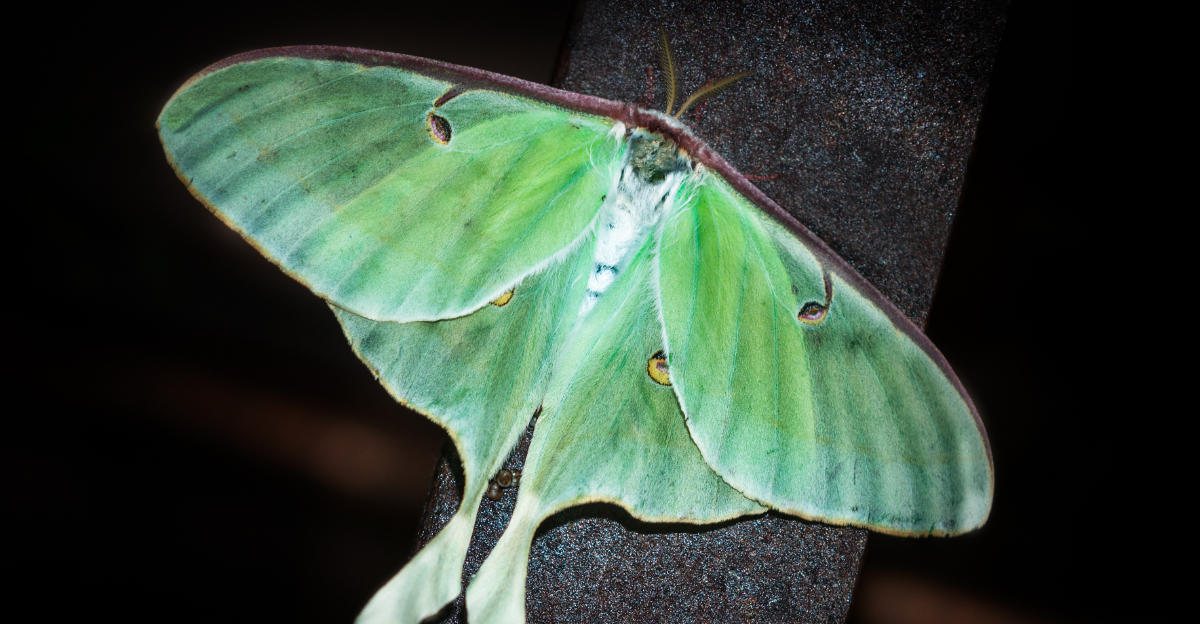
Luna moths are the kind of backyard visitor that stops people mid-sentence. That wingspan, that color, that almost otherworldly stillness when one lands somewhere close enough to really look at.
Most Florida homeowners see one once and spend years hoping it happens again. Hope is not a strategy.
Luna moths are specific about where they show up and why. They are not wandering randomly across Florida.
They are following a biological map that leads them to particular plants, and yards without those plants are yards luna moths have no reason to visit. One Florida native tree sits near the top of that map.
Plant it and the conditions that support luna moths start building in a way that no feeder or light source can replicate. Florida yards that have earned a luna moth visit share something in common.
This tree is almost always part of that story.
1. Sweetgum Is The Tree Luna Moths Need Most
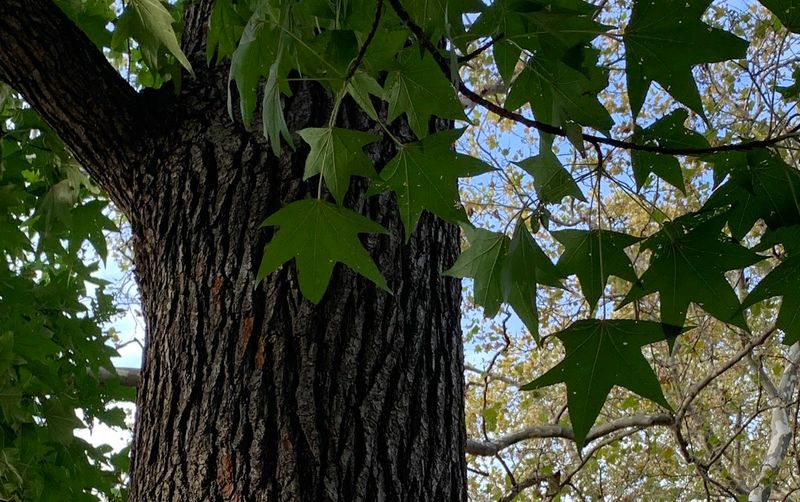
Picture a star-shaped leaf catching afternoon light in a Florida yard. That leaf belongs to sweetgum, the native tree at the heart of this article, and it matters more to luna moths than almost any other plant in the landscape.
Sweetgum (Liquidambar styraciflua) is a documented larval host plant for luna moths. That means luna moth caterpillars can feed on sweetgum leaves as they grow.
Without suitable host leaves, caterpillars cannot complete their development, and adult moths never appear.
Adult luna moths are short-lived and do not feed at all. They emerge, mate, lay eggs, and live only about a week.
Nectar plants and flowers do not bring them in the way they attract butterflies.
The real magic starts with the caterpillar stage, not the adult. Planting sweetgum creates the foundation that makes a luna moth life cycle possible in a home landscape.
It does not guarantee a sighting, but it adds something real and meaningful to the habitat puzzle.
Sweetgum is native across much of Florida and the broader Southeast, making it a well-suited choice for yards with enough space to support a large tree.
2. Plant For Caterpillars Not Adult Moths
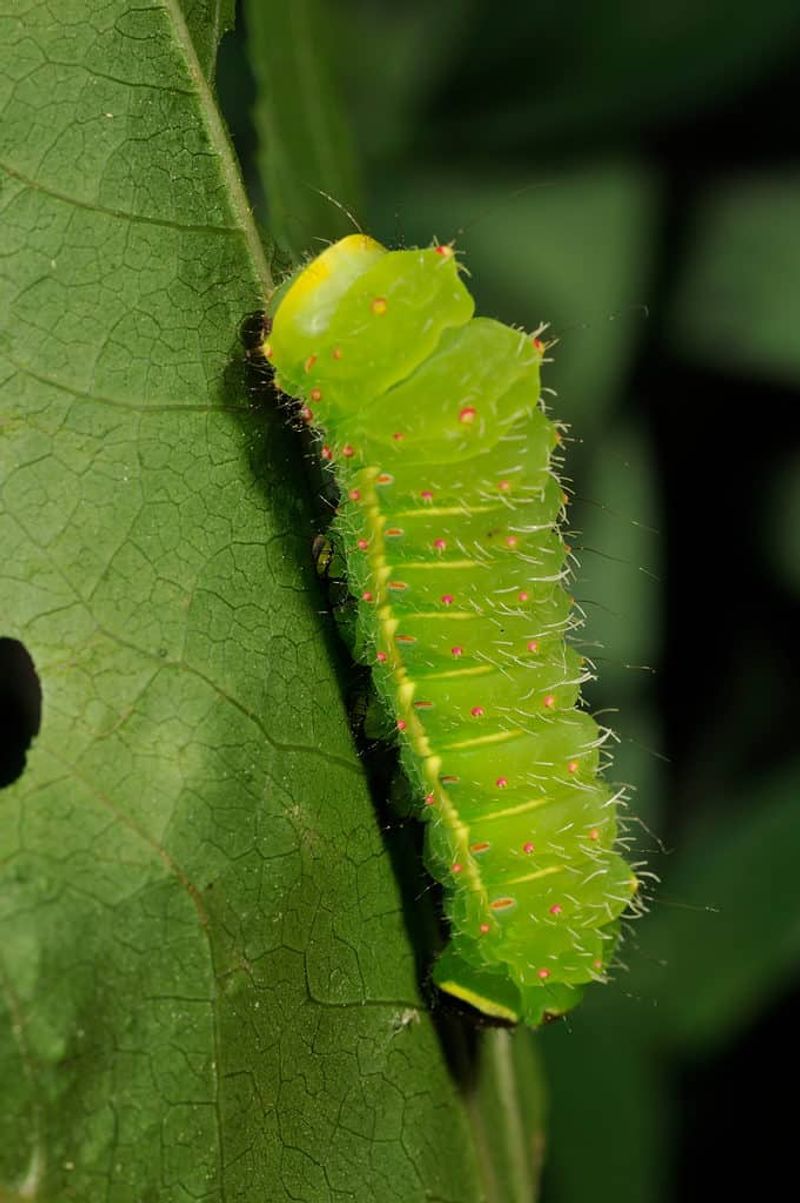
Most people picture the glowing adult when they think of a luna moth. But the adult is actually the shortest and most fleeting part of the story.
The real work happens earlier, during the egg, caterpillar, and cocoon stages.
A female luna moth lays small eggs on host plant leaves. When the eggs hatch, the tiny caterpillars begin feeding on those leaves right away.
They pass through several growth stages, called instars, before spinning a cocoon and eventually emerging as the pale green adults everyone hopes to see.
Adult luna moths do not eat. Their mouths are not functional, so flower nectar plays no role in attracting them.
A yard full of blooms will not draw adult luna moths the way milkweed draws monarch butterflies.
What a yard can do is support the immature stages. Chewed leaves on a sweetgum tree are not a disaster.
They are often a sign that the life cycle is moving forward exactly as it should.
Your Florida Garden Changes Every Week. Your Plan Should Too.
Gardening in Florida changes quickly throughout the season. Every Friday you’ll receive a simple weekly plan showing exactly what to plant, prune, fertilize, harvest, and protect so you never miss the right timing.
Seeing a caterpillar as a problem misses the point entirely. Embracing leaf feeding as part of the process is one of the most important shifts a wildlife-friendly gardener can make.
3. Give This Native Tree Room To Grow
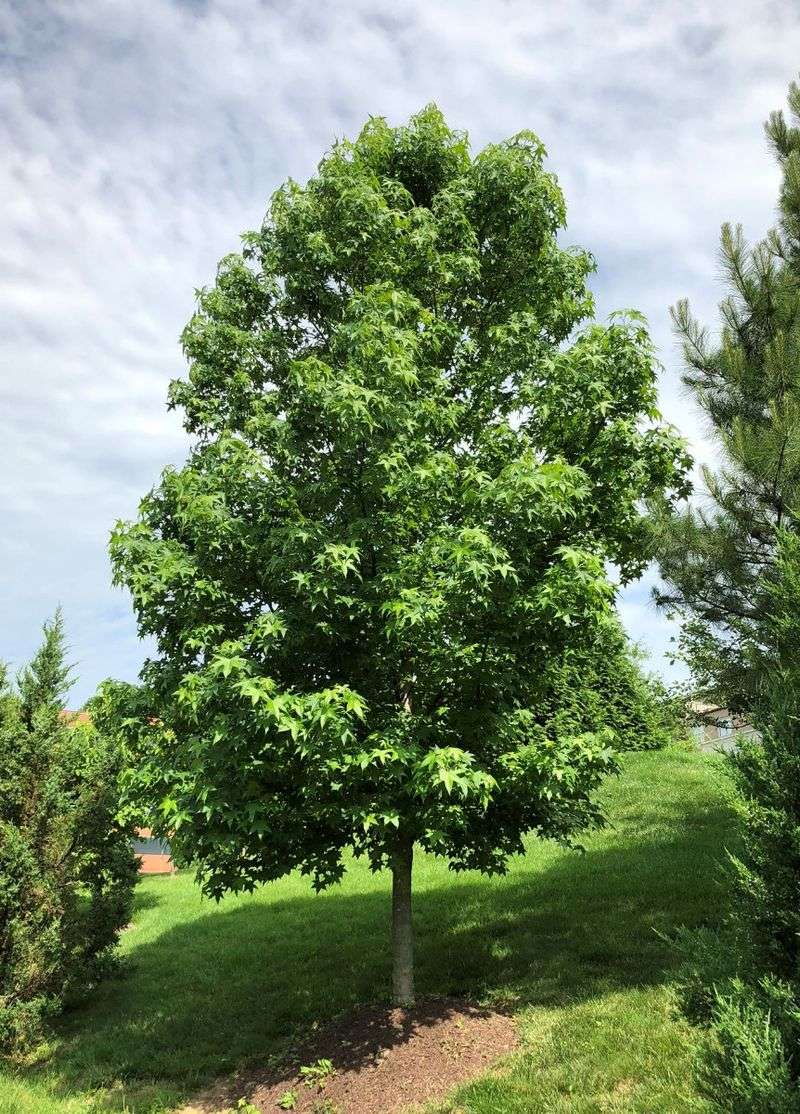
Sweetgum is not a patio plant or a small ornamental shrub. Mature sweetgum trees can reach 60 to 80 feet tall with a broad canopy that spreads outward significantly.
Planting one in the wrong spot creates serious problems over time.
Roots can be aggressive near pavement, sidewalks, and driveways. Foundations, septic systems, and underground utilities can also be affected if the tree is placed too close.
Power lines overhead are another concern, since a large canopy needs clear vertical space to develop properly.
Good planting sites offer full sun, well-drained soil, and plenty of horizontal room. Sweetgum tolerates a range of soil types but grows best where it has space to establish a wide, healthy root system without competition from structures.
The tree also produces spiky seed balls that fall to the ground each year. These can be a nuisance on lawns, walkways, and play areas.
Factoring in that seasonal cleanup is part of choosing the right location.
Homeowners with small yards should think honestly about fit. A nearby park, shared green space, or a neighbor’s larger property with existing sweetgum may already provide the habitat value needed without requiring a new planting.
4. Skip Pesticides Near Host Leaves
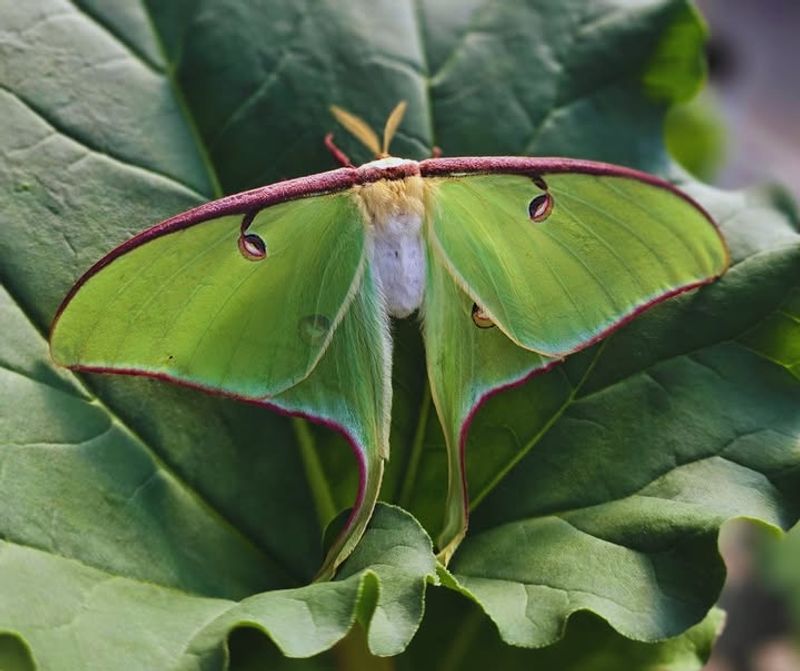
Caterpillars are quiet, slow, and easy to overlook on a leafy tree. They are also extremely vulnerable to pesticide exposure, including products that were never aimed at them directly.
Broad-spectrum insecticides applied to or near a sweetgum tree can affect luna moth caterpillars feeding on the leaves. Mosquito fogging programs and routine preventive sprays can harm non-target insects at the caterpillar stage.
Landscape treatments applied without a specific pest diagnosis can do the same.
UF/IFAS and county extension offices consistently recommend identifying a pest problem before reaching for any treatment.
Spraying just in case is one of the most common ways backyard wildlife habitat gets quietly disrupted without the homeowner ever realizing it.
Protecting host plant leaves means protecting the life stage that most people never notice. A caterpillar feeding on sweetgum in midsummer may become the adult moth someone spots near a porch light weeks later.
Reducing pesticide use near host trees does not mean ignoring real pest problems. It means being thoughtful, targeted, and selective.
Checking with a Florida local extension office before treating trees or nearby landscape plants is a practical first step for anyone trying to support native wildlife.
5. Leave Some Leaf Litter For Cocoons
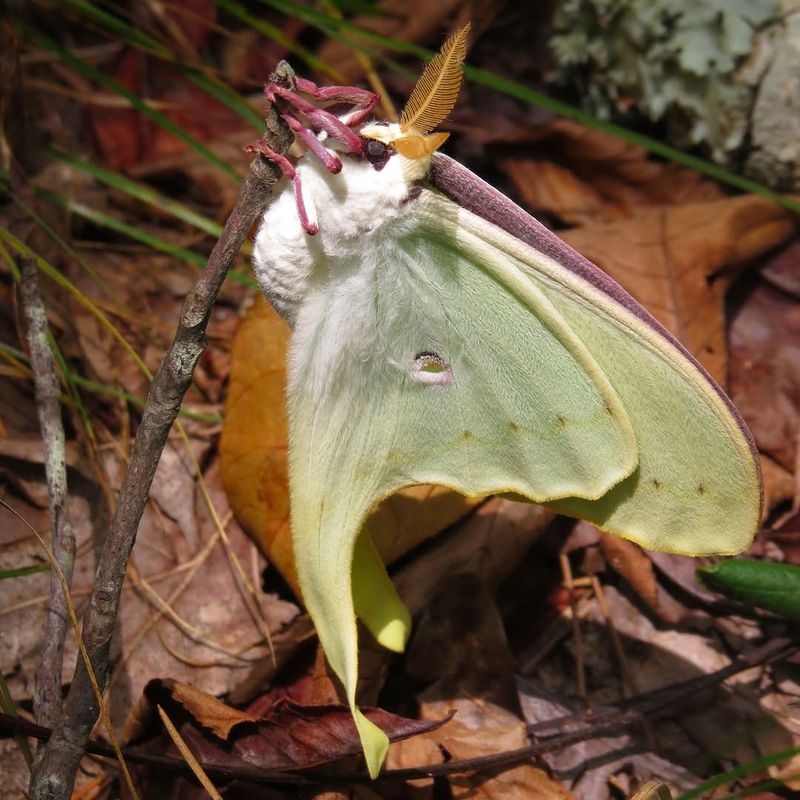
After a luna moth caterpillar finishes feeding, it wraps itself in a leaf and spins a thin cocoon close to or on the ground. That cocoon needs some protection from foot traffic, raking, and yard cleanup to survive to the adult stage.
Leaving a natural layer of fallen leaves under and around host trees gives cocoons a safer place to rest through the pupal period.
A modest leaf layer in a garden bed or natural zone near the tree can make a real difference without turning the yard into an unmaintained space.
The key is placement. Leaf litter should not be piled against the house foundation, stacked against tree trunks, or left blocking walkways and drains.
Keeping natural zones in low-traffic areas of the yard is a practical compromise between habitat value and home maintenance.
Some gardeners set aside a corner of a bed or a strip along a fence line where leaves can stay undisturbed through winter and into spring. That small gesture can protect a cocoon that would otherwise be lost to a weekend raking session.
Thoughtful leaf management is one of the simplest, lowest-cost habitat improvements any yard can offer to luna moths and many other native insects.
6. Keep Night Lights From Stealing The Show
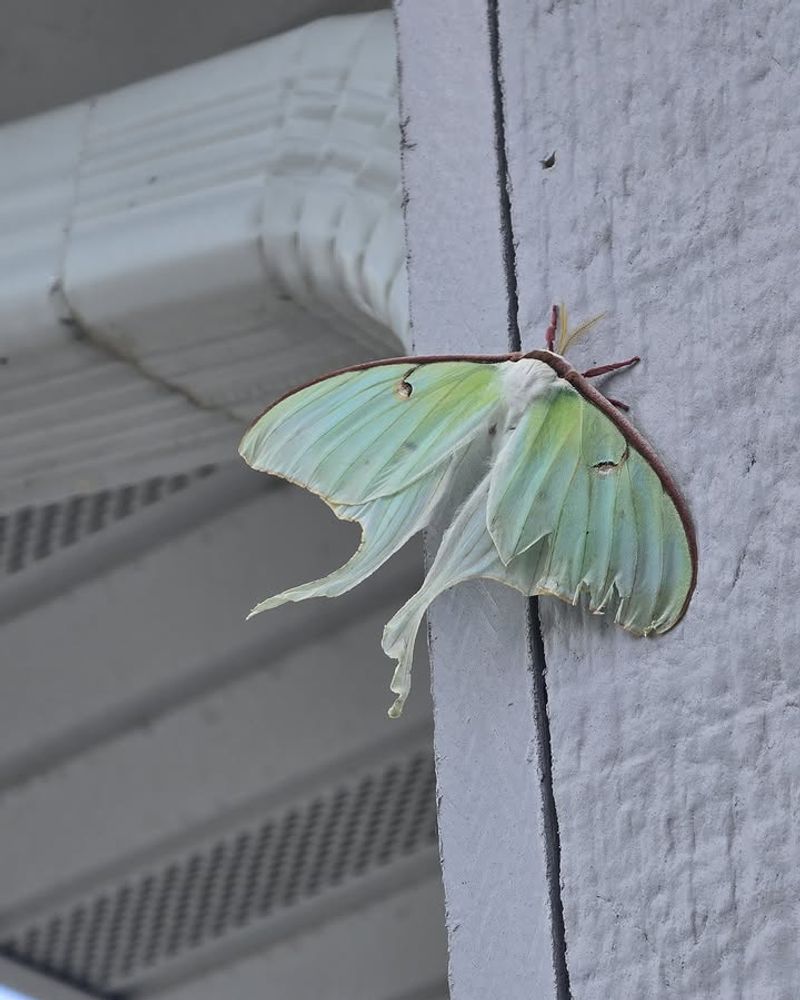
There is something genuinely exciting about catching a luna moth at a porch light on a summer night. But artificial lighting around the yard can also work against the very wildlife experience people are hoping for.
Luna moths are nocturnal, and like many nighttime insects, they can be drawn toward bright light sources. Constant, intense outdoor lighting can expose them to predators, disrupt their navigation, and interfere with mating behavior.
Floodlights, landscape spotlights, and bright windows left uncovered all night can contribute to light pollution in the backyard.
Turning off unnecessary outdoor lights after dark is one of the easiest steps a homeowner can take. Motion-sensor lights that only activate briefly are a practical alternative to lights that stay on all night long.
Closing curtains or blinds at night reduces the amount of interior light spilling outside. Even small adjustments in a single yard can create a slightly darker, quieter environment that nighttime insects navigate more safely.
Watching quietly after dark, without a flashlight sweeping the canopy, is often the best way to actually spot a luna moth near a sweetgum tree. Patience and a darker yard go together well when the goal is a genuine wildlife encounter.
7. Expect Visits Only When Habitat Lines Up
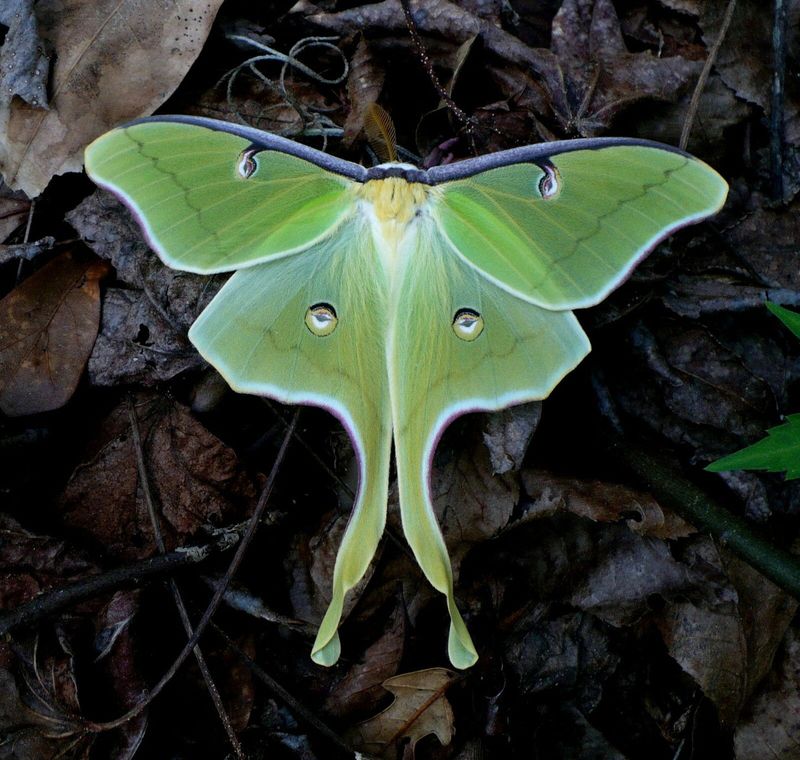
Even a well-placed sweetgum tree in a thoughtfully managed yard does not come with a guaranteed luna moth sighting. Several factors have to align before a visit becomes likely, and some of those factors are completely outside a homeowner’s control.
Luna moth populations depend on nearby breeding habitat, connected natural areas, and the absence of heavy pesticide pressure across a broader landscape.
A yard surrounded by heavily treated lawns and little natural cover may not support luna moths even with the right host tree in place.
Season and weather also play a role. Luna moths in Florida and the Southeast typically produce multiple generations per year, with adults most likely to appear in warmer months.
Cool, wet, or unusual weather patterns can shift timing in ways that are hard to predict.
Signs of activity are worth watching for even when adult moths stay out of sight. Chewed sweetgum leaves or small caterpillars on branches are meaningful clues.
A leaf-wrapped cocoon near the base of the tree can also show that the life cycle may be moving forward.
Realistic expectations make the experience more rewarding, not less. A yard that supports the full life cycle is doing something genuinely valuable, whether or not a glowing adult moth ever lands in view.
8. Build A Backyard Worth Returning To
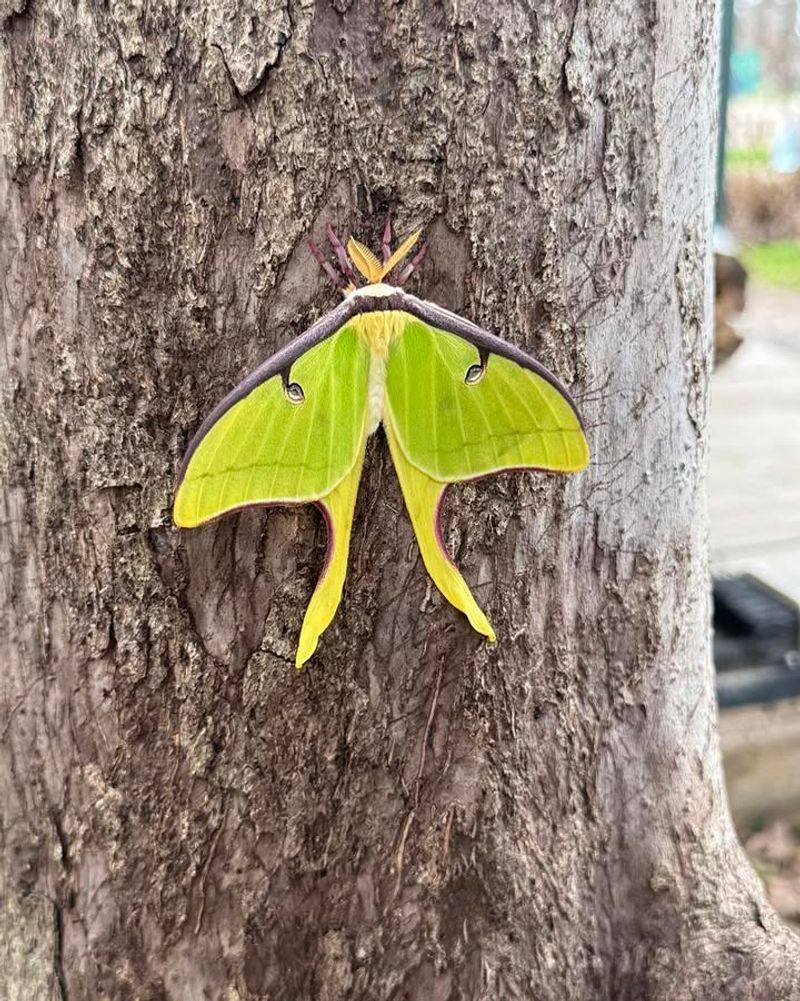
One sweetgum tree is a meaningful start, but a yard that truly supports luna moths over time is built from more than a single plant. Habitat depth matters, and sweetgum works best when it is part of a broader native landscape.
Adding other native trees, shrubs, and ground-level plants builds the kind of layered habitat that supports insects across multiple life stages and species.
Reducing pesticide use across the whole yard, not just near the sweetgum, protects the food web that makes wildlife visits possible.
Darker nights, thoughtful leaf management, and healthy soil all contribute to a yard that feels less like a maintained showpiece and more like a living system. These shifts do not require dramatic renovation.
Small, consistent choices add up over seasons.
Connecting to larger natural areas matters too. Yards near parks, natural preserves, wetland edges, or wooded corridors are more likely to see luna moth activity.
Populations can move through connected habitat more freely in those areas.
Planting sweetgum with intention and protecting its leaves creates something worth coming back to. Leaving some litter in safe spots and keeping the yard quieter and darker at night helps too.
The goal is not one magical sighting. The goal is a backyard where the full luna moth life cycle has a real chance to unfold.