Why Massachusetts Blue Hydrangeas Are Turning Purple And What It Means This Season
Something odd is unfolding along backyard fences and front porches all over Massachusetts this summer.
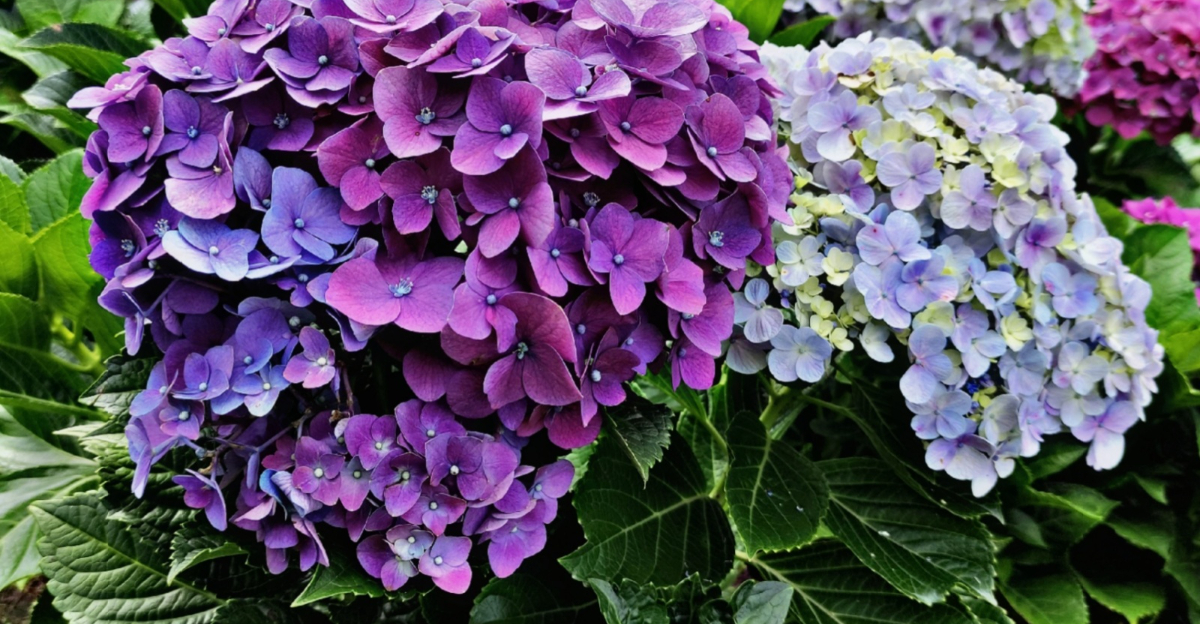
Hydrangeas that bloomed a rich, electric blue last year are showing up dusty lavender, muddy mauve, even a washed-out grey-purple that nobody planted on purpose.
If your bushes look like they got into a fight with a watercolor set, you are not losing your gardening touch. This shift is real, it is measurable, and your soil is basically speaking through its flowers.
Massachusetts gardeners are noticing that something buried, unseen, and easy to overlook is quietly rewriting the color of every bloom on the bush.
The plant isn’t malfunctioning. Something in the ground beneath it has changed, and the bloom is simply showing the result.
There is a reason this is happening, and it has nothing to do with luck, weather alone, or a bad batch of fertilizer. The answer sits closer to home than you think.
1. Soil pH Shifting Alkaline
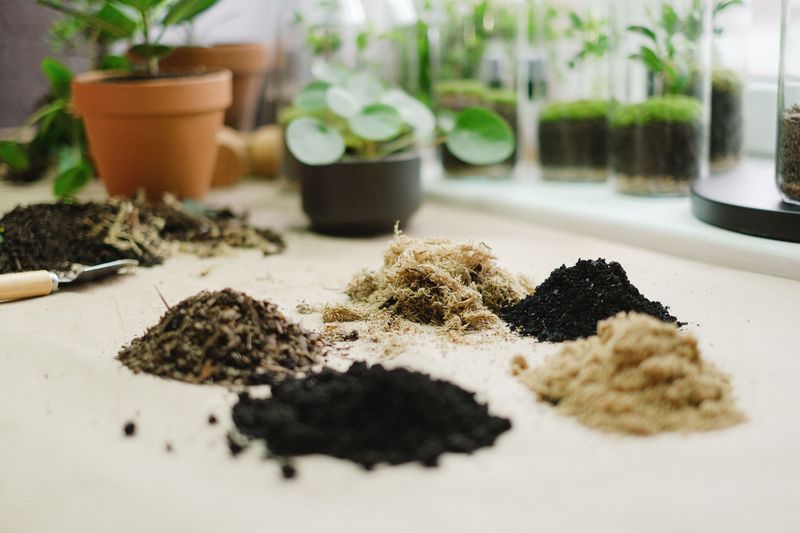
Every faded petal is a clue, and the trail leads straight down into the dirt. When soil pH rises above 7.0, it becomes alkaline, and blue hydrangeas lose their signature color fast.
Hydrangea macrophylla blooms are one of nature’s most sensitive pH indicators. The pigment anthocyanin shifts from blue to purple as soil alkalinity increases.
Alkaline soil blocks aluminum uptake in the plant. Without aluminum, those rich blue tones simply cannot form.
pH levels between 5.5 and 6.0 are the sweet spot for true blue color. Even a small drift toward 7.0 can start the purple shift you are seeing now.
New England soils naturally vary a lot by neighborhood. Construction fill, old concrete paths, and even wood ash from a firepit can nudge your pH higher without you noticing.
Testing your soil is the fastest way to confirm alkalinity is the culprit. A simple at-home kit from any garden center costs under ten dollars and gives results in minutes.
Lowering pH means adding acidifying amendments like sulfur or aluminum sulfate. Both are widely available and easy to apply before the next growing season begins.
Catching the pH shift early makes correction much simpler. The longer alkaline conditions persist, the more effort it takes to bring your blooms back to blue.
2. Aluminum Levels Dropping
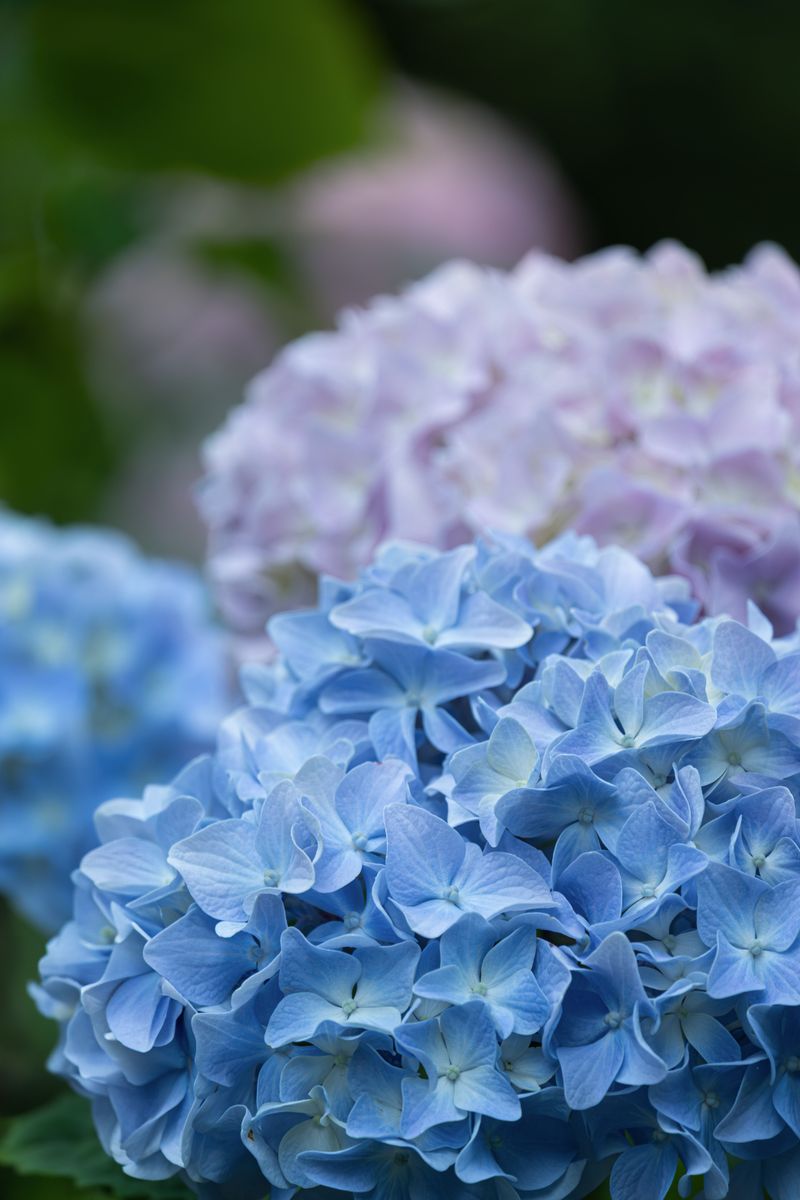
One mineral, more than anything else, decides whether your hydrangea turns out blue or not: aluminum. When aluminum levels drop in the soil, your blooms shift toward pink or purple almost immediately.
Plants pull aluminum from the ground through their roots. If the supply runs low, the color factory inside each bloom simply shuts down.
Aluminum availability is tightly linked to pH. In acidic soil, aluminum dissolves and becomes accessible to plant roots with ease.
When soil turns more alkaline, aluminum binds to other compounds. It becomes locked away, unreachable no matter how much is physically present in the ground.
That’s how two identical-looking yards, side by side, end up with completely different colored hydrangeas. One might be perfectly acidic while the other has drifted just enough to starve the plant of aluminum.
Your Massachusetts Garden Changes Every Week. Your Plan Should Too.
Gardening in Massachusetts changes quickly throughout the season. Every Friday you’ll receive a simple weekly plan showing exactly what to plant, prune, fertilize, harvest, and protect so you never miss the right timing.
Gardeners sometimes add aluminum sulfate directly to soil as a fix. It lowers pH and delivers aluminum at the same time, solving two problems with one product.
Overuse of aluminum sulfate can damage roots, so moderation matters here. Follow package directions carefully and test your soil before and after any application.
Consistent aluminum availability keeps blooms blue season after season. Skip a season of upkeep, and the plant notices immediately, the same way a lawn shows the first missed watering.
Skipping even one season of soil care can trigger the purple shift. Staying proactive now saves you a whole growing season of frustration later.
3. Rain Washing Away Your Amendments

New England gets serious rainfall every year, and that rain does more than water your plants. Heavy storms can wash freshly applied acidifying amendments like sulfur or aluminum sulfate right out of the root zone before your hydrangea gets any benefit.
That’s different from soil turning alkaline on its own. Over the long term, heavy rainfall actually pushes soil pH lower, not higher, by carrying away calcium, magnesium, and potassium.
So rain itself is rarely the reason blue hydrangeas turn purple. Timing is the real issue. Apply an acidifying amendment right before a downpour, and most of it moves past the roots before the plant ever absorbs it.
Gardeners often blame the product when the real problem was the forecast. Runoff plays a role too.
Rain hitting a nearby patio, driveway, or foundation can carry dissolved calcium carbonate straight into your beds, acting like liquid limestone and undoing weeks of careful correction in a single storm.
Sandy soils make both problems worse. They drain fast, so amendments leach through quickly and alkaline runoff moves in just as easily.
Mulching helps. A thick layer of pine bark or pine needle mulch slows water movement through the root zone and blocks surface runoff from reaching the soil directly.
Apply amendments during a dry stretch instead of right before rain. A few dry days can be the difference between an amendment that works and one that washes straight through.
Pair smart timing with annual soil testing, and you will catch what’s really behind your Massachusetts blue hydrangeas turning purple this season.
4. Limestone Raising Nearby pH
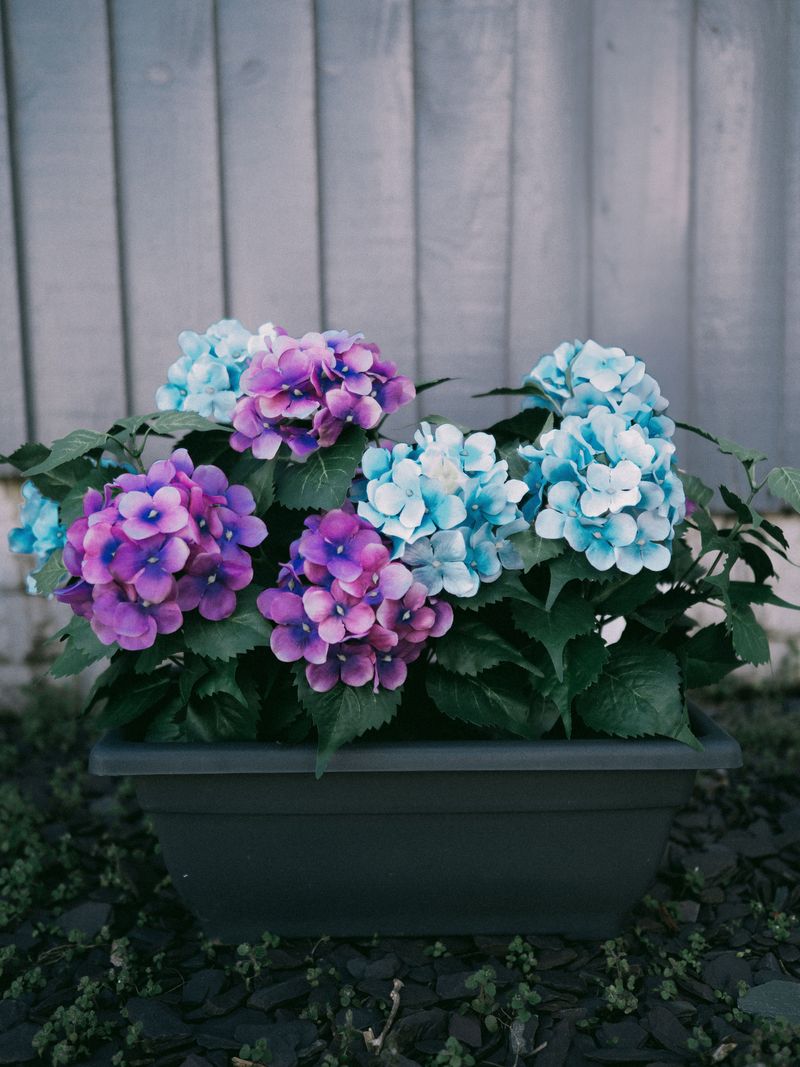
Limestone works on a delay, which is exactly why so few gardeners ever suspect it. It dissolves slowly in moisture and releases calcium carbonate, which pushes soil alkalinity higher season by season.
Many older New England properties have limestone foundations, walkways, or retaining walls. Each rain event pulls calcium carbonate from those surfaces right into the surrounding soil.
Hydrangeas planted within a few feet of limestone structures are especially vulnerable. The pH creep is slow enough that most gardeners never connect the dots.
Concrete is essentially compressed limestone and behaves the same way. Patios, driveways, and garden edging made from concrete all leach alkaline compounds into nearby beds.
One telltale sign is purple blooms clustered near a wall or path edge. Hydrangeas planted farther from those structures often stay bluer because they escape the pH influence.
Removing limestone is not always practical, but managing soil pH around it absolutely is. Regular acidifying amendments create a chemical buffer between the stone and your plant roots.
Sulfur-based amendments work well as a long-term buffer strategy. Applied in fall, they have all winter to integrate before your blooms set their color in spring.
Knowing your hardscape materials is just as important as knowing your soil type. A limestone path could be the single reason your hydrangeas are turning purple this season.
5. Blooms Reflect Changing Soil Chemistry
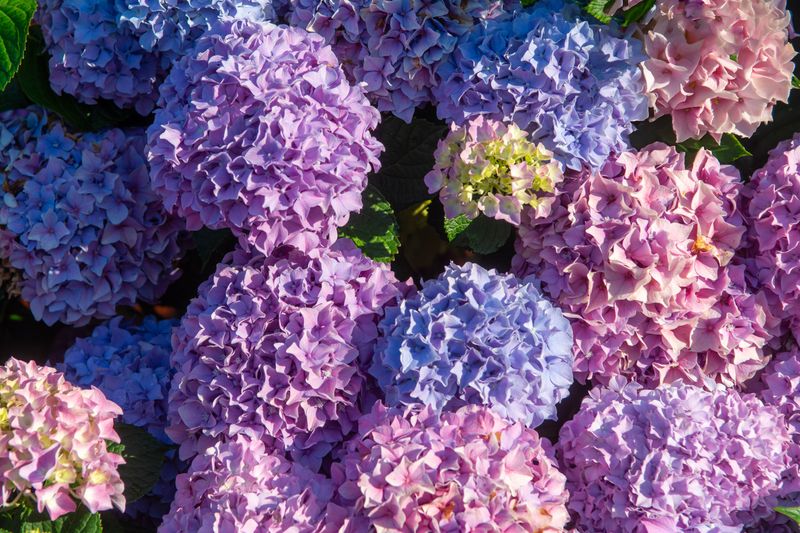
Your hydrangeas are doing chemistry you can see with the naked eye, no lab coat required. Each bloom color is a direct readout of the chemistry happening beneath the surface of your soil.
Anthocyanin pigments in the petals bind with aluminum to produce blue. Without that bond, the pigment stays in its natural purple-red state instead.
Soil chemistry shifts gradually, and blooms often show a mixed palette during transition. You might see blue at the center and purple at the edges as the change progresses.
Warm temperatures can also influence how quickly soil chemistry affects bloom color. A hot, dry summer speeds up chemical reactions in the soil, accelerating visible color changes.
Different hydrangea varieties respond with different intensity to pH changes. Nikko Blue is one of the most pH-sensitive cultivars and will show color shifts faster than others.
Watching your blooms is actually a form of passive soil monitoring. You do not always need a test kit when the plant is already telling you what is happening.
Color shifts can also happen mid-season as conditions change. A bloom that started blue in June may look fully purple by late August if soil conditions shift enough.
Your garden is in constant conversation with its environment. Learning to read that conversation through bloom color puts you one step ahead every single season.
6. Gardeners May Need To Amend Soil
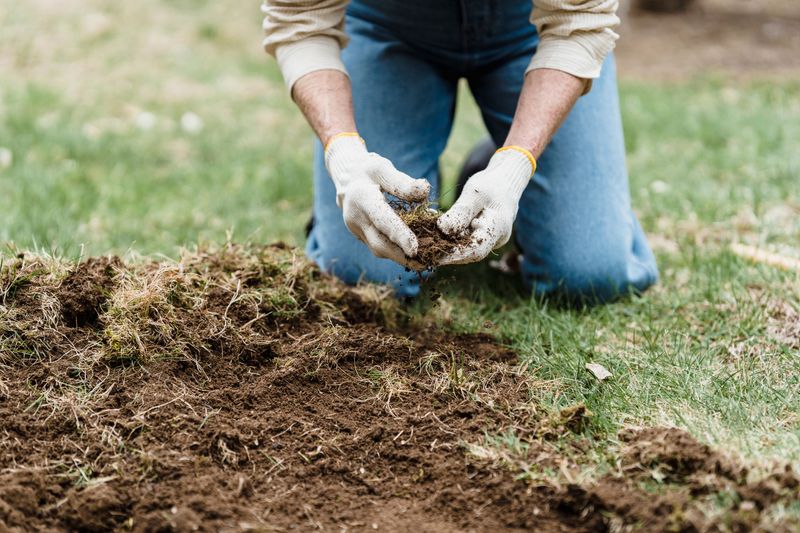
Soil amendment isn’t complicated once you know the target, and the payoff shows up in every bloom. Getting the chemistry right transforms your plants from struggling to spectacular.
Acidifying fertilizers are the most common amendment for blue hydrangea lovers. Products labeled for acid-loving plants contain ingredients that lower pH over time with regular use.
Elemental sulfur is a slow-acting option that works over several months. It is best applied in fall so soil microbes have time to convert it into acidity before spring blooms appear.
Aluminum sulfate acts faster, making it a better choice for mid-season corrections. Results can appear within weeks, which is encouraging when blooms are already shifting color on you.
Coffee grounds are a popular home remedy for acidifying soil, though research suggests their real effect on pH is minor.
They add organic matter, which helps soil structure, but should not be relied on as a primary fix.
Peat moss is another organic option that lowers pH while improving soil texture. It works especially well in sandy Massachusetts soils that drain too quickly and lose acidity fast.
Always test your soil before adding any amendment. Overcorrecting to overly acidic conditions can stress your plants just as much as alkaline soil does.
Amending soil is not a one-time fix but a seasonal habit. Gardeners who test and adjust every spring consistently produce the deepest, most vibrant blue hydrangeas on the block.
7. Color Shift Is Not Permanent Or Harmful
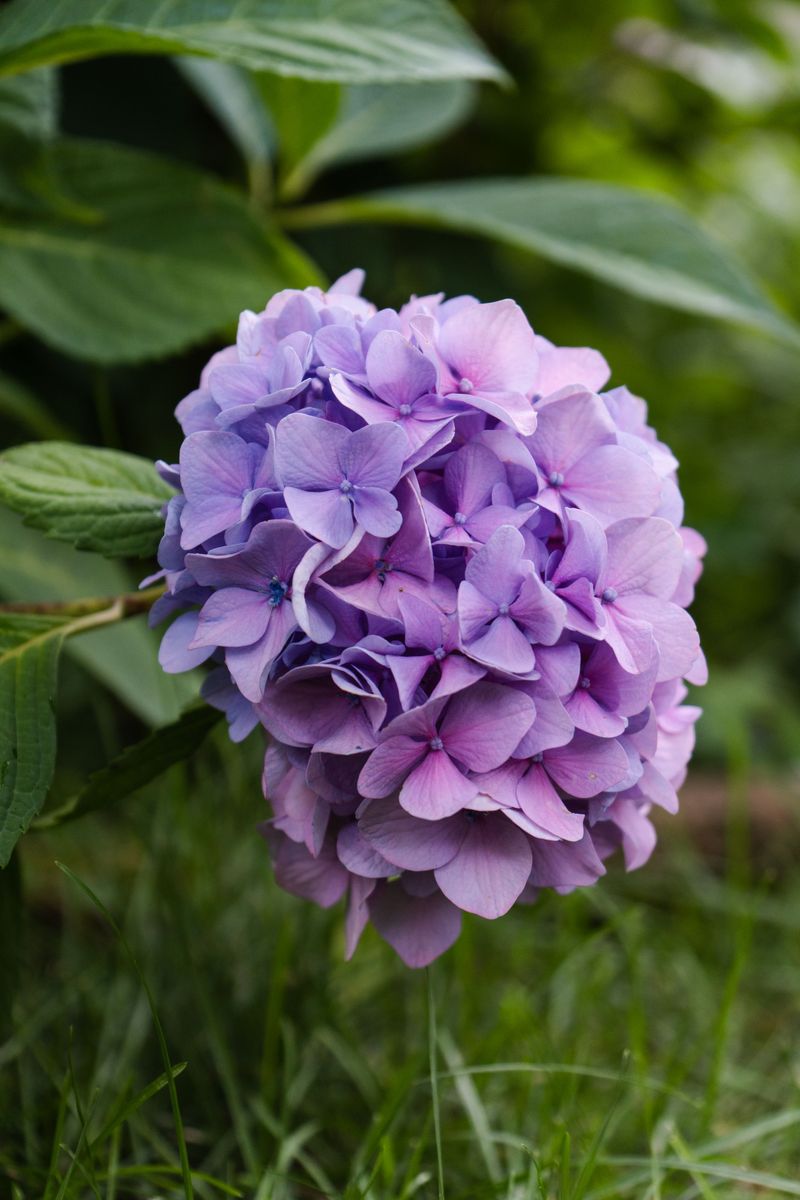
This next part should put your mind at ease. A purple hydrangea is not a sick hydrangea, and the color change is not a sign your plant is in danger.
Hydrangeas are remarkably adaptable and will continue to bloom beautifully across a wide range of soil conditions. Purple blooms are simply a different expression of the same healthy plant.
The shift from blue to purple does not affect bloom size, fragrance, or the plant’s ability to thrive. You are only losing a color preference, not plant health or vitality.
Many gardeners actually fall in love with the purple tones once they see them up close. Soft lavender and dusty mauve hydrangeas have their own distinct charm in the garden.
Wildlife like bees and butterflies do not care about bloom color at all. Pollinators will visit purple hydrangeas just as enthusiastically as blue ones throughout the season.
The plant itself is sending no distress signals when it shifts color. It is simply reflecting what the soil is offering, not suffering from any disease or deficiency.
Even if you choose to do nothing, your hydrangeas will continue blooming for years. Color management is purely a personal aesthetic choice, not a plant survival requirement.
Knowing the shift is harmless removes the panic and adds perspective. You have time to correct, enjoy, or simply appreciate whatever color your garden decides to show this year.
8. Testing Soil Can Restore Blue Tones
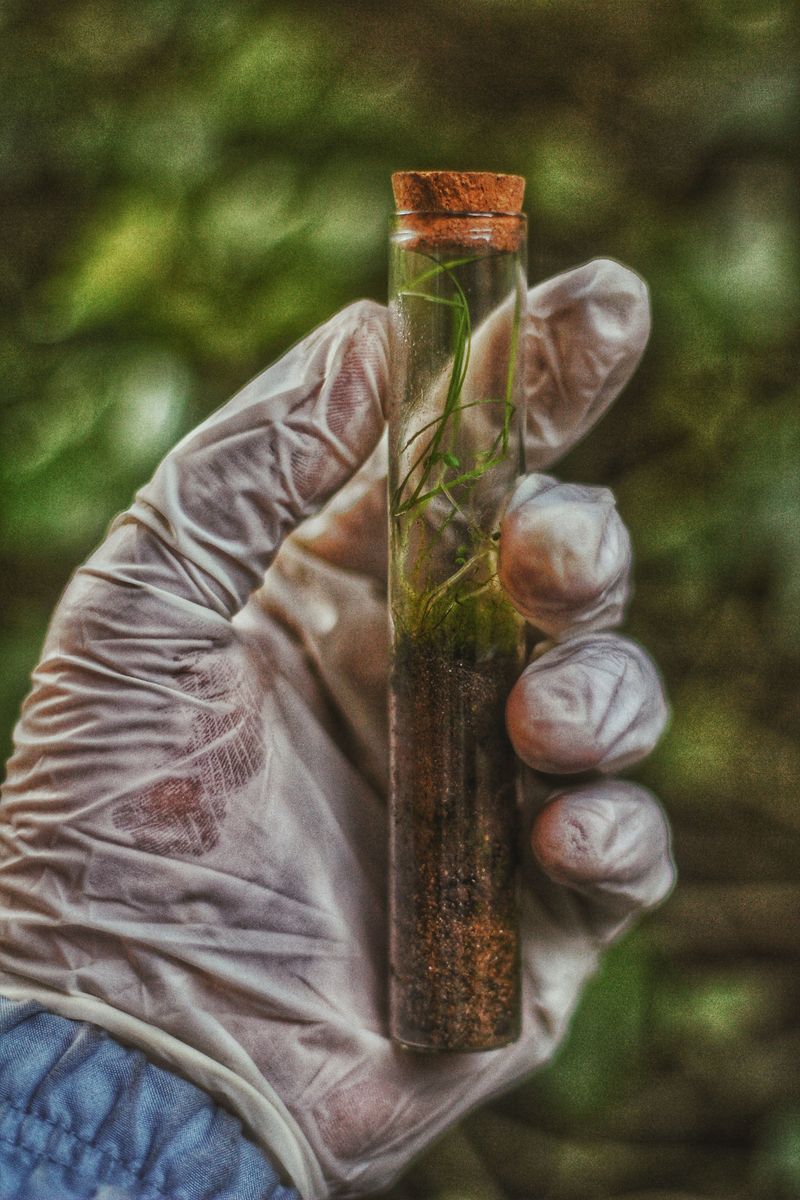
Getting your blue hydrangeas back starts with one simple step: testing your soil. A pH test tells you exactly where your soil stands and what it needs to shift back.
Home test kits are inexpensive and available at every garden center. Most provide results in under five minutes and tell you your current pH with solid accuracy.
For more detailed analysis, a university extension lab test is worth the small fee. The UMass Extension Soil and Plant Tissue Testing Laboratory offers affordable testing with detailed recommendations.
Once you know your pH, you can build a targeted amendment plan. Guessing at amendments without data often leads to overcorrection, which creates a new set of problems.
Target a soil pH between 5.5 and 6.0 for the deepest blue hydrangea color. Staying in that narrow range keeps aluminum available and anthocyanin locked into its blue-producing form.
Retest your soil every spring to catch any drift before blooms set. Early detection means a lighter amendment load and faster results for Massachusetts blue hydrangeas turning purple.
Keep a simple garden journal noting your pH readings and amendments each year. Patterns become clear over time and help you predict what each season will bring.
Bringing that blue back is well within reach, and it starts with paying closer attention than most gardeners do. Every hour spent on soil this season shows up on the bush by next bloom.