Oregon Firefighters Want Homeowners To Rethink These Trees Near The House
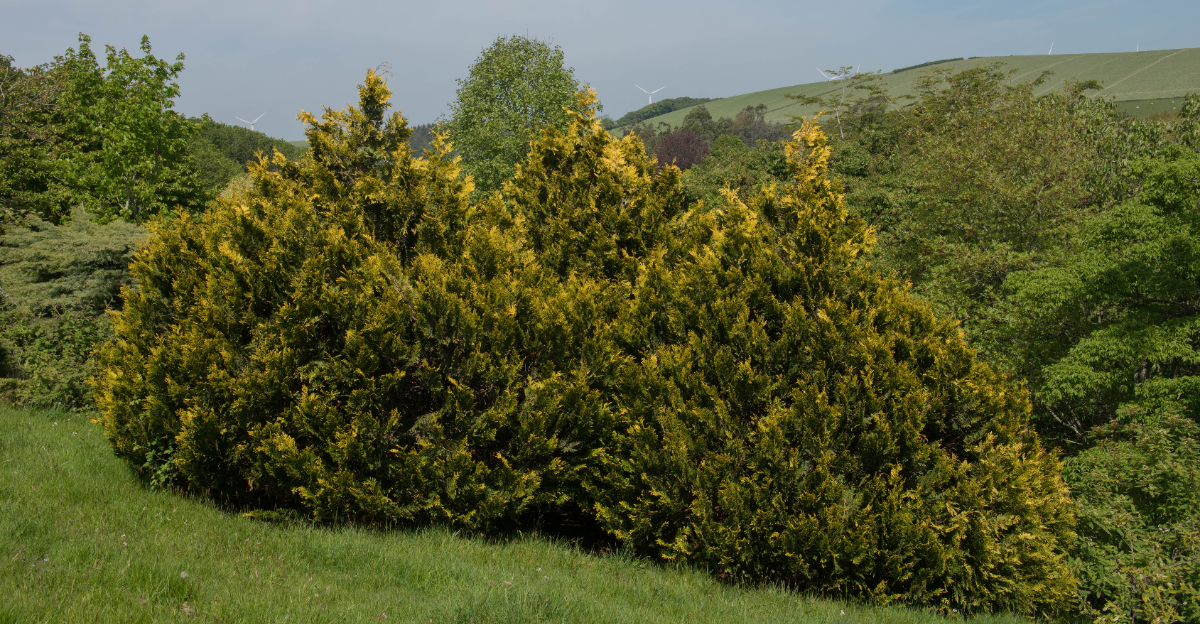
Oregon privacy trees can turn from pretty to problematic faster than many homeowners expect.
One late-summer smoke day, that tidy row of evergreens beside the house may not look dangerous at all. It looks useful. It blocks the neighbor’s window, softens the fence line, and makes the yard feel finished.
Then a firefighter sees the dry interior, the tight spacing, and the branches brushing siding, and suddenly the whole planting reads differently.
Fire risk around Oregon homes is not just about dry grass or stacked firewood. Trees matter too, especially the ones planted close to walls, roofs, decks, and fences. A tree can be beautiful and still need better spacing, pruning, or cleanup.
That is the part many homeowners miss.
So which trees deserve a serious second look before the next smoky August?
Start with the plants closest to the house. They set the tone for the entire defensible space, and small changes there can make a big difference.
1. Junipers Crowd The Firewise Zone
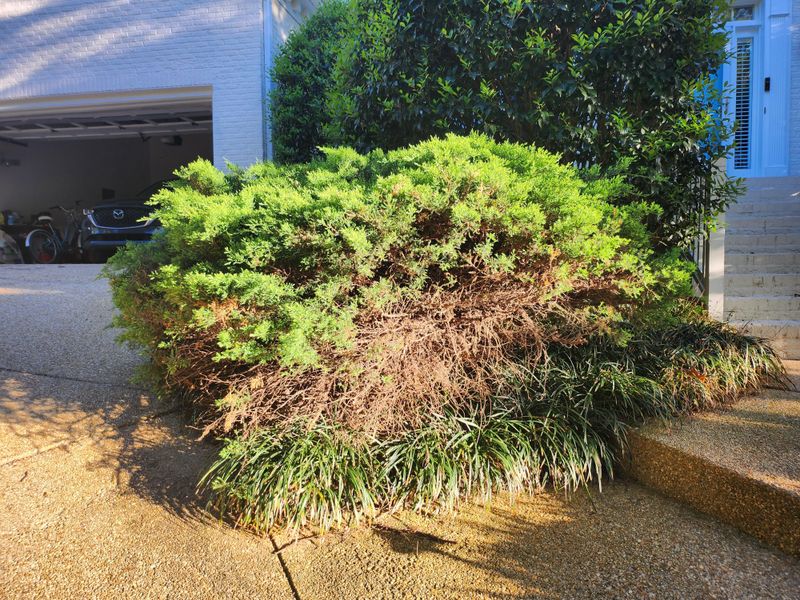
A hedge of juniper running along a foundation looks tidy in spring.
By late July in Oregon, that same hedge is a different story. Junipers are loaded with oils and resins that make their foliage burn fast and hot, even when the plants look green and healthy on the outside.
OSU Extension flags junipers as one of the most flammable common landscape plants in the Pacific Northwest.
The dense branching structure traps dry debris inside, and that interior becomes tinder long before the outer leaves show any stress. Homeowners often do not realize how much dead material accumulates in the center of a mature juniper.
Firefighters call the area within five feet of your home the home ignition zone.
Junipers planted in that zone give embers an easy place to land and catch. The resinous oils vaporize quickly, and once a juniper ignites, it burns with serious intensity.
That does not mean you have to remove every juniper on your property.
Moving them at least 30 feet from the structure makes a real difference. If you keep junipers closer, keep them small, prune out all dead interior growth, and never let branches touch the siding or overhang the roof.
Clumped junipers create a connected fuel source that fire can travel through quickly. Give each plant room to breathe and keep them well-irrigated through the dry season.
2. Arborvitae Builds A Dense Green Wall
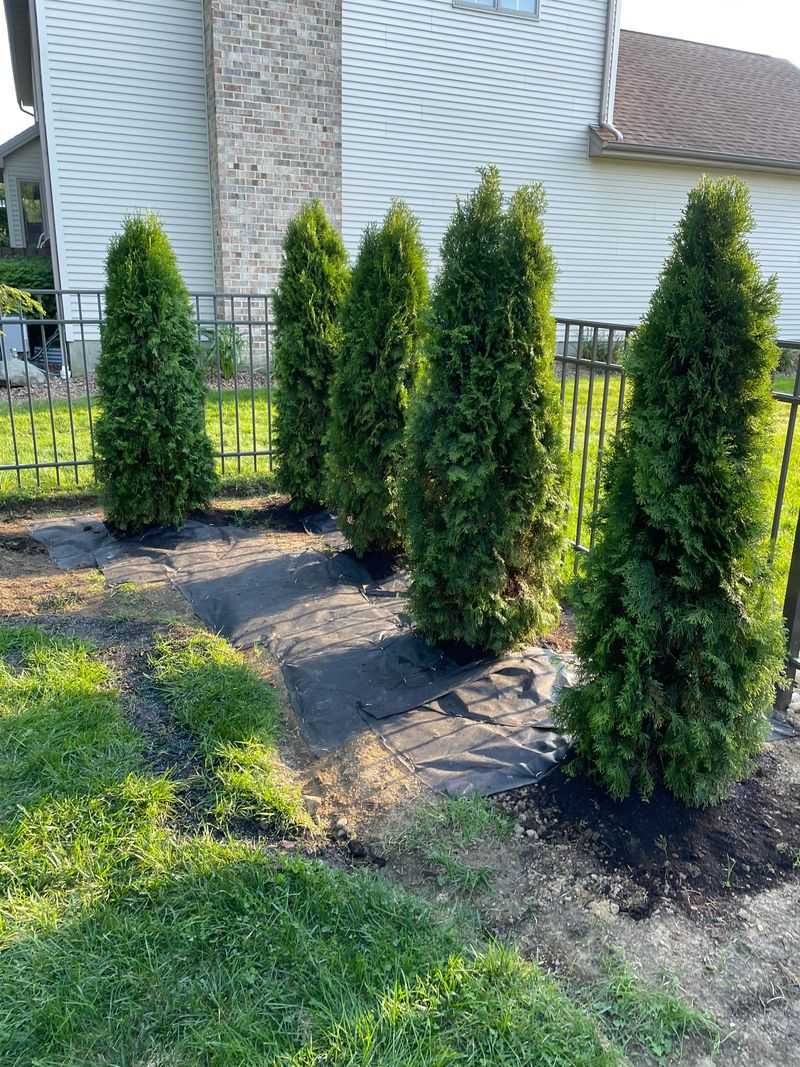
Walk along almost any fence line in an Oregon suburb and you will spot them: that classic wall of green arborvitae, planted shoulder to shoulder for instant privacy.
They grow fast, they look great, and they solve the nosy-neighbor problem in a season or two. The trouble is what happens when Oregon fire season arrives.
Arborvitae planted tight against fencing and siding creates a nearly unbroken fuel connection between the ground and the roofline.
The foliage is dense enough that it rarely dries out fully in the interior, but that same density traps heat and dead material over time. A row of arborvitae touching a wood fence touching vinyl siding is essentially a conveyor belt for fire spread.
Your Oregon Garden Changes Every Week. Your Plan Should Too.
Gardening in Oregon changes quickly throughout the season. Every Friday you’ll receive a simple weekly plan showing exactly what to plant, prune, fertilize, harvest, and protect so you never miss the right timing.
Oregon defensible space guidelines recommend keeping woody vegetation at least five feet from any structure, and that number jumps depending on slope and local fire risk zone.
Arborvitae screens planted directly against a fence rarely meet that standard.
The fix does not have to be dramatic.
Relocating the screen even ten feet from the home buys valuable time and reduces the direct flame exposure to the structure.
Keep arborvitae pruned up from the base, remove any dead inner foliage regularly, and ensure no branches are in contact with the fence or siding.
Your privacy screen can stay. It just needs a little distance to work safely.
3. Leyland Cypress Holds Too Much Fuel
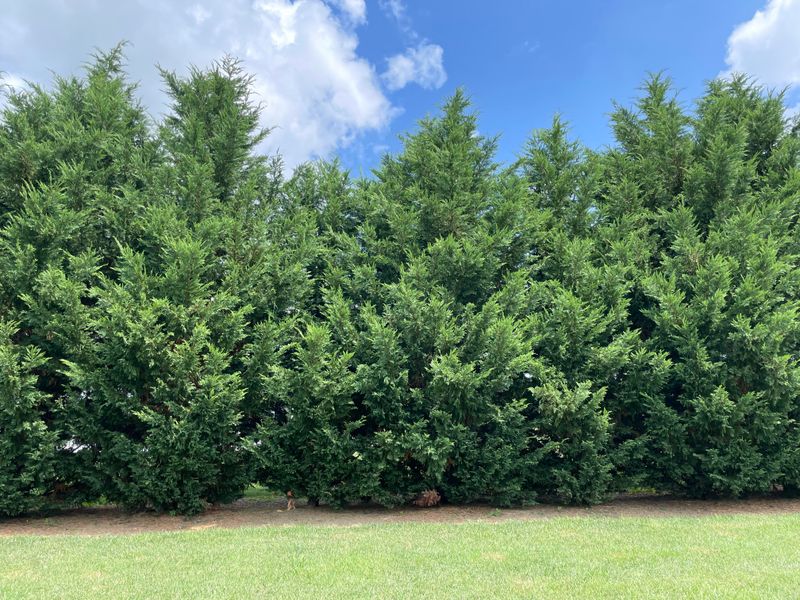
From the street, a mature Leyland cypress looks lush and full.
Step around to the interior branches, though, and you find something very different: years of dry, brown, dead foliage packed inside a dense outer shell.
That hidden interior is exactly what concerns Oregon fire crews when they see Leyland cypress growing close to homes.
Leyland cypress grows extremely fast, which is part of its appeal.
Homeowners plant it as a quick screen and then watch it shoot up ten feet in just a few years. The problem is that its growth outpaces most homeowners’ pruning schedules.
The interior dries out as the canopy thickens, and that dead material stays trapped inside the tree, building up season after season.
Spacing is the other major issue.
Leyland cypress is often planted in tight rows, which means one ignition point can travel down the entire line.
Fire districts across western Oregon have documented how fast a row of closely spaced Leyland cypress can carry flame toward a structure.
OSU Extension recommends keeping large conifers like Leyland cypress well outside the defensible space zone, ideally 30 feet or more from the home on flat ground, and further on slopes.
If you already have established trees close to the house, schedule annual pruning to remove the dry interior material and raise the canopy so low branches do not create a ladder for fire to climb.
4. Italian Cypress Packs Heat Close
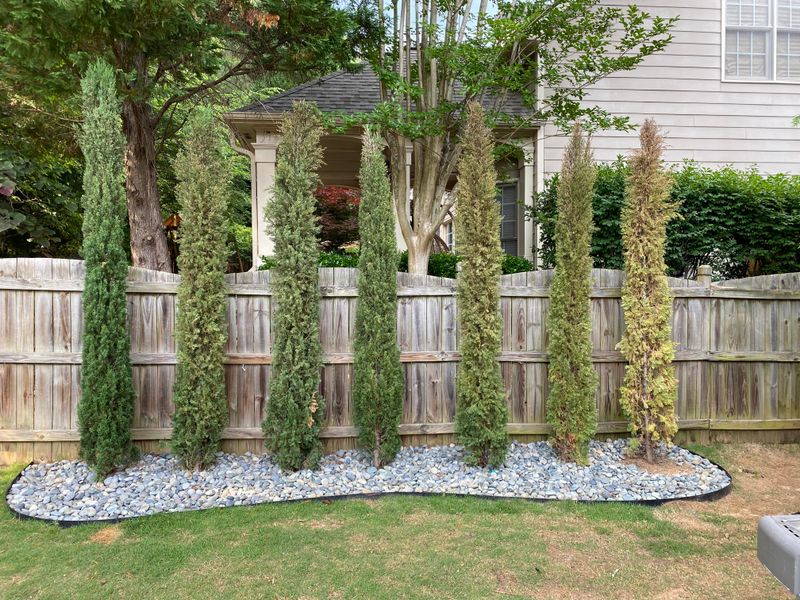
That elegant, pencil-thin silhouette makes Italian cypress one of the most recognizable landscape trees in Oregon.
Planted along a driveway or flanking an entryway, it looks sharp and sophisticated. But that narrow vertical form is also what makes Italian cypress a concern when it is planted inches from a wall.
Italian cypress grows in a tight columnar shape, which means a lot of foliage is packed into a very small footprint.
When planted close to a structure, the canopy can press directly against siding, window frames, or roof overhangs.
That physical contact creates a direct path for any ignition to reach the building envelope. Even a small ember landing in the dry foliage of a closely planted Italian cypress can escalate quickly.
The resin content of Italian cypress foliage also contributes to its fire behavior.
Like many Mediterranean species, it contains volatile oils that help it survive dry summers but also make it burn readily when conditions are right.
Oregon summers are increasingly matching the dry heat these trees evolved in, which is not good news for fire risk.
Keeping Italian cypress at least 10 to 15 feet from any structure is a smart starting point.
If you love the look, consider using them farther out in the landscape as accent trees rather than foundation plantings.
Regular pruning to remove any dead or brown foliage inside the canopy also helps reduce the available fuel load significantly.
5. Pines Drop Needles Near Roofs
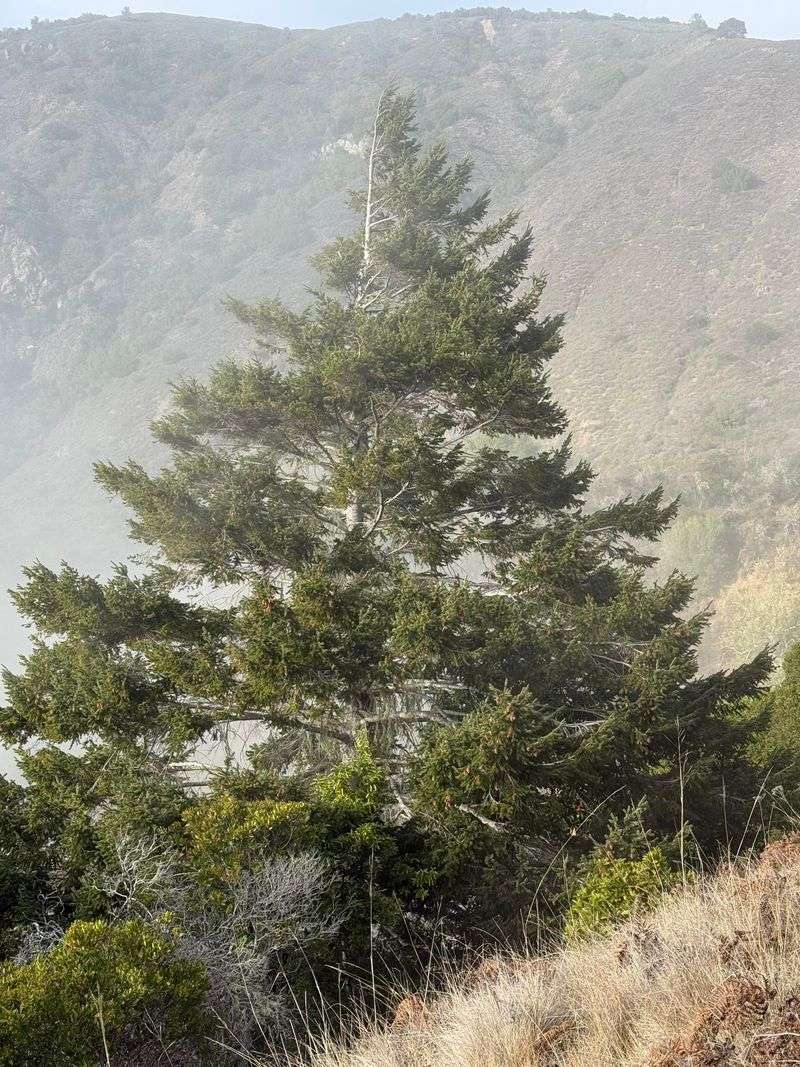
Gutters full of dry pine needles are one of the most consistent things Oregon fire investigators point to after a structure ignition.
Pine needles are lightweight, they travel on wind, and they pack into gutters, valleys, and roof corners where they stay dry and ready to catch an ember.
A pine tree growing close enough to drop needles onto your roof is doing exactly that, season after season.
Pines are beautiful trees and genuinely valuable in the Oregon landscape.
The issue is not the tree itself but where it sits relative to the roofline. When branches extend over the house, needle drop becomes a continuous maintenance challenge.
Many homeowners clean their gutters once or twice a year, which is rarely enough during peak needle-drop season with a large pine overhead.
Ladder fuel is another concern.
Pine trees with low branches close to the house give surface fire a way to climb up into the canopy.
Once fire reaches the upper crown, embers can travel far ahead of the main fire front, landing on roofs and decks well beyond the original ignition point.
The Oregon State Fire Marshal recommends keeping tree canopies at least 10 feet from roof edges and chimney caps.
For pines already growing near the house, prune branches up at least six feet from the ground, keep gutters clear of needle accumulation, and space large pines at least 30 feet from the structure on fire-prone Oregon properties.
6. Spruce Branches Create Ladder Fuel
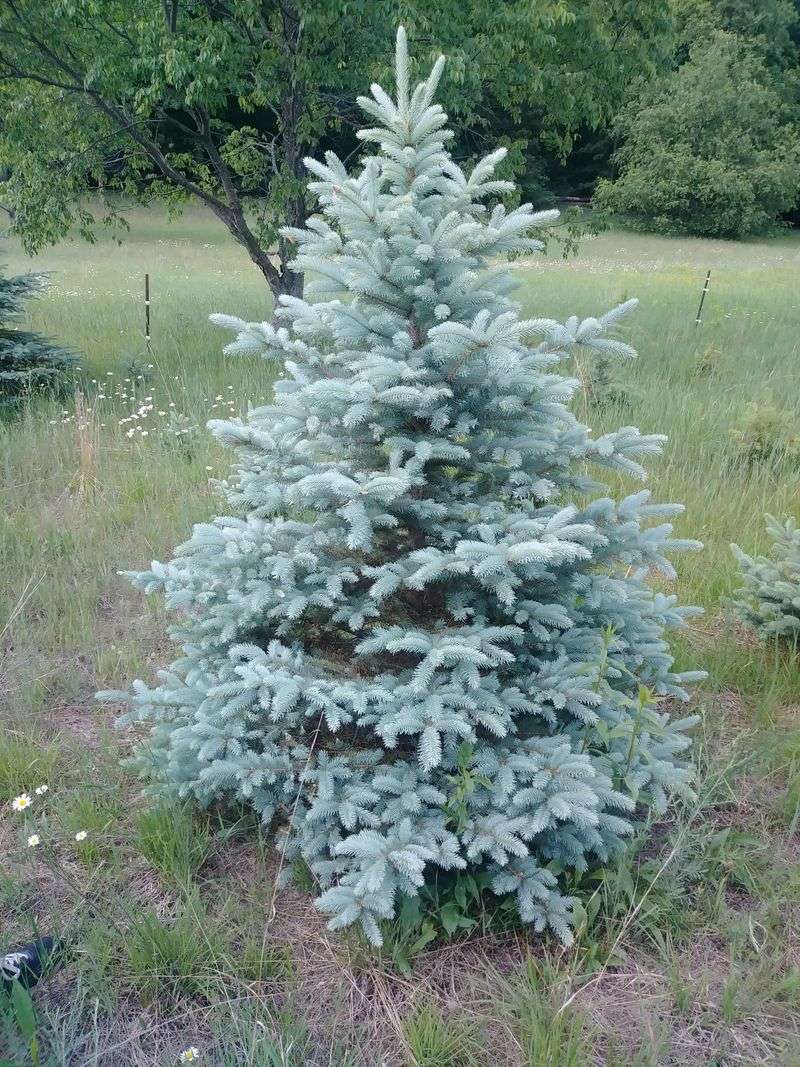
A big spruce in the backyard can feel like a living landmark.
The branches sweep down nearly to the ground, the canopy is thick and majestic, and the tree provides real shade and wildlife habitat.
That sweeping low-branch structure, though, is exactly what fire crews mean when they talk about ladder fuel.
Ladder fuel is any vegetation that allows a fire burning at ground level to climb up into the upper canopy of a tree.
Spruce trees with branches starting near the ground create a perfect staircase. Surface fire moves through dry grass or shrubs, reaches the lowest spruce branches, and works its way up.
Once the upper canopy ignites, the situation changes dramatically and embers begin traveling.
Spruce also tends to have a dense interior structure that holds moisture early in the season but dries out significantly by late summer in Oregon.
That transition from moist to dry happens faster during drought years, which Oregon has seen more frequently in recent years.
Pruning spruce branches up to six feet from the ground is one of the most effective steps homeowners can take.
On slopes, that clearance should be even greater because fire moves uphill faster than most people expect.
Avoid planting new spruce trees within 30 feet of any structure, and make sure existing trees are spaced far enough apart that their canopies do not touch.
Canopy-to-canopy contact lets fire move tree to tree without touching the ground at all, turning a single ignition into a much larger event.
7. Cedar Screens Need Serious Distance
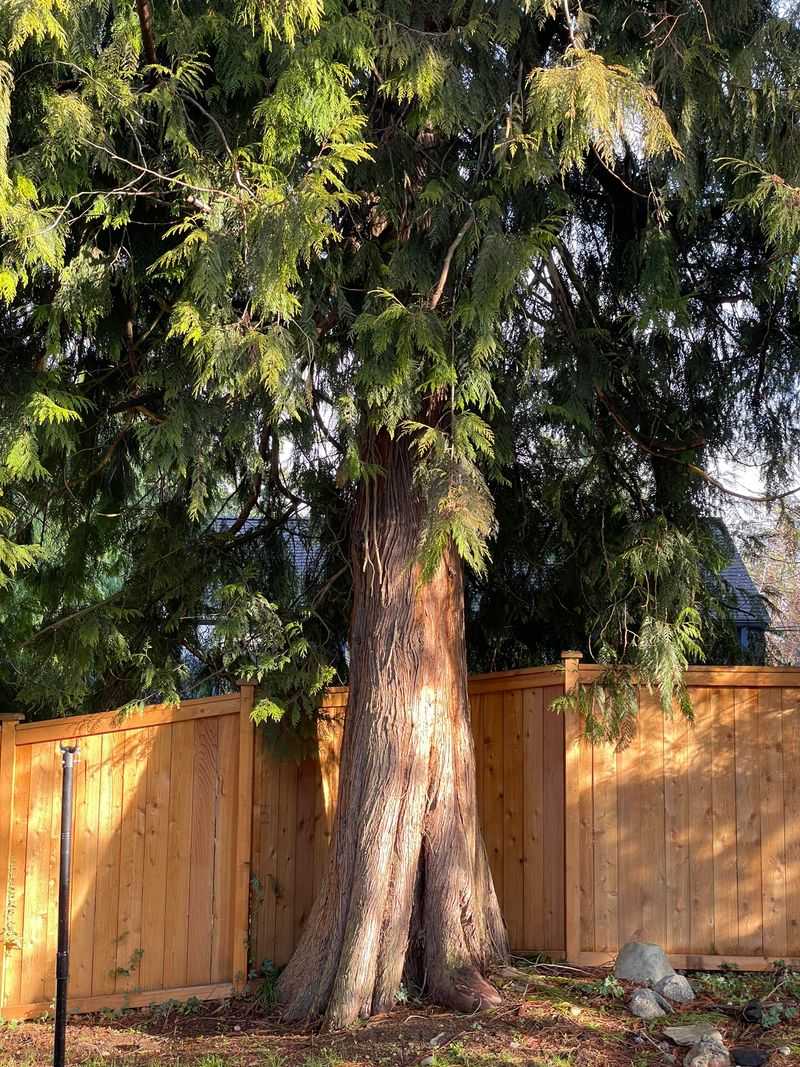
Cedar hedges are a beloved fixture in Oregon yards.
Western red cedar in particular grows lush, smells wonderful, and creates the kind of dense green screen that makes a backyard feel like a private retreat. The challenge comes when that screen is planted close to the house, the fence, or both.
Cedar foliage contains aromatic oils that give it that distinctive scent.
Those same oils contribute to its flammability, particularly in late summer when Oregon’s extended dry season has pulled moisture from the outer leaves.
A cedar hedge that runs along a fence line attached to the house creates a nearly unbroken fuel connection from the back corner of the yard right to the siding.
Fire districts in the Cascade foothills and southern Oregon have seen this pattern repeat in structure fire investigations.
A fence catches, the cedar hedge feeds the flame, and the house is involved before crews can establish a defensive position. Distance is the primary tool for breaking that chain.
OSU Extension’s firewise planting guidance recommends keeping large shrubs and hedge plantings at least ten feet from any structure, with greater distances on slopes or in high fire-hazard zones.
For existing cedar screens, annual maintenance matters enormously. Remove dead foliage from the interior, prune the base so branches do not touch the ground, and create gaps in long hedge runs to interrupt potential fire travel.
A cedar screen 20 feet from the house with regular pruning is a very different fire risk than one planted right against the fence, and that distance is worth every foot.