8 Yard Habits That Keep Ticks Away In Indiana
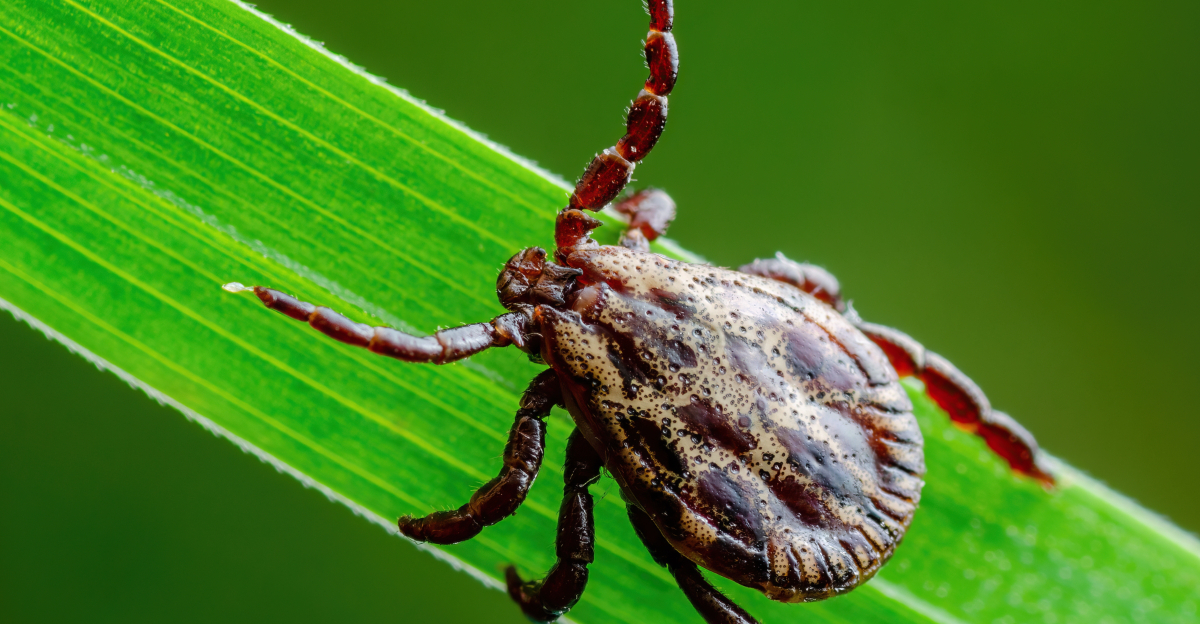
A tick does not need an invitation to move into your Indiana yard. It simply waits in tall grass or beneath a pile of damp leaves, ready to latch onto the first ankle that brushes past.
Indiana properties, with their mix of wooded lots and shaded garden corners, hand these pests exactly the kind of hiding spots they favor. Humidity clings to overgrown edges and forgotten brush piles, creating pockets where ticks can sit tight for hours.
The tricky part is how little warning they give before becoming a problem. One short walk through unmowed grass or a stack of firewood can be enough for a tick to hitch a ride indoors.
Fortunately, keeping ticks out does not call for constant chemical treatments or ripping out your landscape. A few steady, low-effort habits can shift your Indiana yard from tick magnet to a place your family actually enjoys.
1. Mowing The Lawn Regularly To Keep Grass Short

Short grass is a tick’s worst nightmare. Ticks dislike open, sunny spaces where the air is warm and dry.
When grass grows tall, it creates a shady, humid microclimate that ticks love. Keeping your lawn trimmed low removes that comfortable hiding spot.
Aim to mow at least once a week during peak growing season. Set your mower blade to about three inches or lower for best results.
Taller grass also makes it harder to spot ticks crawling onto your shoes. A well-mowed lawn is one of the simplest defenses you can build.
Consistency matters more than perfection here. Even skipping one or two weeks can give ticks enough cover to settle in.
After mowing, bag your clippings rather than leaving them on the lawn. Clipping piles hold moisture and become cozy resting spots for pests.
Many homeowners underestimate how much mowing frequency matters. Yards with regular mowing schedules see far fewer tick encounters near play areas and patios.
Your mower is one of the more effective tick-fighting tools you already own. Use it often, and your Indiana yard becomes far less inviting to these unwanted guests.
Lawn edges deserve just as much attention as the grass itself. Ticks often linger along fence lines, garden borders, and the strip where lawn meets wooded area, waiting for a host to pass by.
Creating a simple barrier of wood chips or gravel between your mowed lawn and any wooded edge can help. This dry buffer zone discourages ticks from wandering into the areas where your family spends the most time.
2. Raking And Removing Leaf Litter Promptly

Leaf piles look like fun, but ticks think so too. A thick layer of fallen leaves is basically a five-star hotel for ticks.
Leaf litter holds moisture, blocks sunlight, and stays cool even on warm days. That combination creates the exact conditions ticks need to survive and thrive.
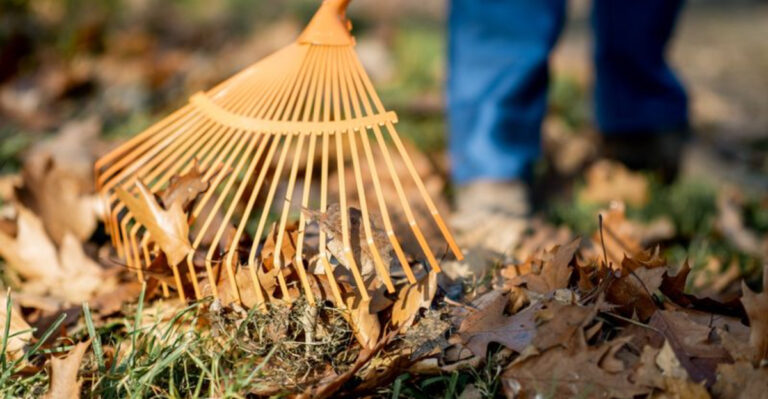
Raking regularly throughout fall is one of the most effective habits you can build. Do not wait until leaves pile up several inches deep before taking action.
Your Indiana Garden Changes Every Week. Your Plan Should Too.
Gardening in Indiana changes quickly throughout the season. Every Friday you’ll receive a simple weekly plan showing exactly what to plant, prune, fertilize, harvest, and protect so you never miss the right timing.
Bag the leaves and remove them from your property. Leaving them at the yard’s edge still keeps the problem close to home.
Even a thin layer of decomposing leaves under shrubs can harbor ticks. Pay attention to shady corners, garden borders, and areas beneath decks.
Spring cleanup matters just as much as fall. Leaves that sat through winter can still shelter overwintering ticks waiting for warmer weather.
A clean yard floor removes one of the tick’s most important survival tools. Without leaf cover, ticks dry out quickly and struggle to stay active.
Grab your rake before the leaves get out of hand this season. A little effort now saves a lot of tick checks later.
Leaf piles near play sets or wood stacks deserve extra caution. Kids running through scattered leaves can pick up a hitchhiker without ever noticing.
Composting yard waste on-site can create the same problem if piles sit too close to the house. Keep compost bins at least a few yards away from patios, entrances, and anywhere pets spend time.
3. Creating A Wood Chip Or Gravel Barrier Along Wooded Edges
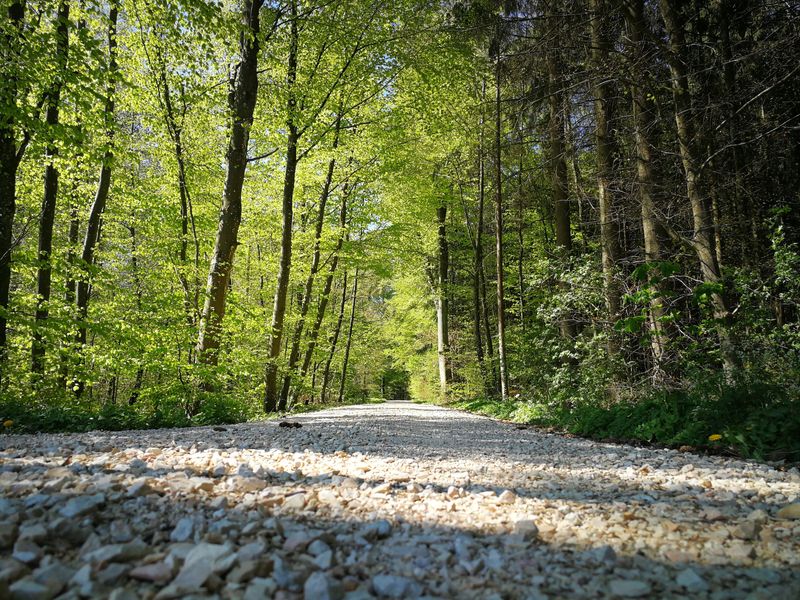
Your lawn’s edge near the woods is tick territory. That transition zone is where ticks wait patiently for a host to wander through.
A simple wood chip or gravel barrier can interrupt that journey. Creating a dry, open strip between your lawn and the tree line makes crossing uncomfortable for ticks.
Aim for a barrier that is at least three feet wide. Ticks avoid dry, hot surfaces, so materials like pea gravel or cedar wood chips work especially well.
Cedar mulch has the added bonus of containing natural oils that repel many insects. It smells great for humans but sends ticks looking elsewhere.
Installing this barrier is a one-weekend project with long-lasting results. Once it is in place, maintenance is minimal compared to other prevention methods.
Make sure the barrier is clearly defined and not creeping with weeds or grass. Vegetation growing through the barrier defeats its purpose quickly.
Some homeowners add landscape fabric beneath the chips for extra weed control. That small extra step keeps the barrier effective for multiple seasons.
Think of this strip as a moat around your Indiana yard. It will not stop every tick, but it dramatically reduces how many make it to your lawn.
Native plantings along that same edge can reinforce the barrier’s effect. Ornamental grasses and low shrubs planted in gravel beds add visual appeal while keeping the transition zone open and dry.
Pair this strip with regular edge trimming for the best results. A barrier surrounded by encroaching brush loses much of its protective value over time.
4. Clearing Brush And Trimming Overgrown Vegetation

Overgrown brush is prime tick real estate. Thick, tangled shrubs and tall weeds give ticks shelter, shade, and easy access to passing animals.
Trimming back vegetation along fences, walkways, and garden borders removes a major tick habitat. The goal is to let sunlight reach the ground and dry out those shady patches.
Focus on areas where wild plants meet your maintained lawn. That transition zone is a tick hotspot that often gets overlooked during regular yard chores.
Use loppers or pruning shears to cut back branches that hang low to the ground. Ground-level vegetation is where ticks most commonly wait for a host.
Do not forget about weedy patches along your home’s foundation. Ticks can travel from brush piles to your back door faster than you might expect.
Wear long sleeves and tuck your pants into your socks when doing this work. Brush clearing brings you into close contact with exactly the spots ticks prefer.
After clearing, dispose of the cut material promptly. Leaving brush piles in the yard just relocates the problem instead of solving it.
A tidy yard is not just about curb appeal. Cleared brush means fewer ticks, fewer bites, and more enjoyable time outdoors.
5. Keeping Play Areas And Patios Away From The Yard’s Edges
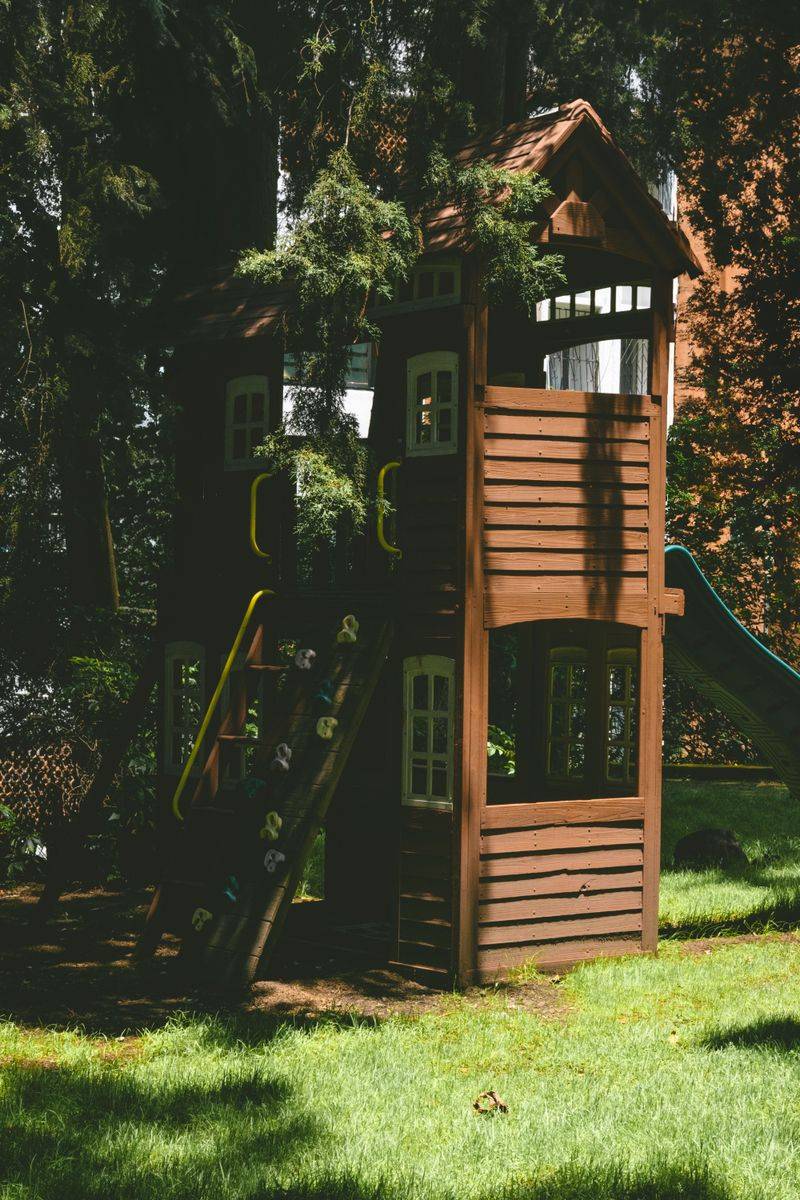
Location plays a major role in tick exposure. Where you put your swing set or patio chairs matters more than most people realize.
Ticks are most active near the edges of your Indiana yard, especially where grass meets woods or dense shrubs. Placing play areas in the center of your lawn keeps kids and adults in a lower-risk zone.
Open, sunny spots are naturally less hospitable to ticks. Heat and direct sunlight dehydrate ticks quickly, making the middle of your lawn a safer hangout.
If your patio is currently tucked near a wooded fence line, consider moving or rearranging it. Even shifting furniture a few feet toward the center can reduce tick encounters.
Add a buffer of short, mowed grass between any seating area and the yard’s edge. That open strip gives ticks less cover to cross before reaching your space.
Children are especially vulnerable because they play low to the ground and move through vegetation without thinking about it. Positioning play equipment away from edges adds a meaningful layer of protection.
Check play areas regularly for signs of encroaching weeds or tall grass. A little maintenance keeps the safe zone actually safe.
Smart placement costs nothing but a few minutes of thought. Where you choose to relax outdoors can quietly change your entire tick experience this summer.
6. Stacking Firewood Neatly In A Dry, Sunny Spot
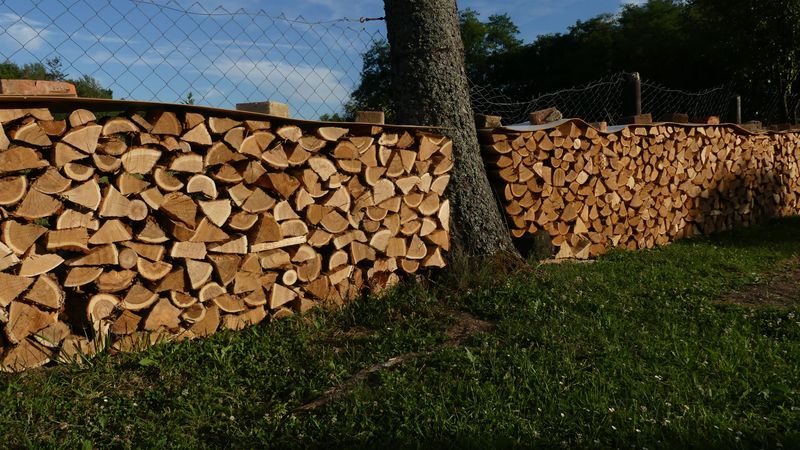
A messy firewood pile is basically a tick apartment complex. Loose, damp logs stacked near the woods create the perfect dark, humid shelter ticks and their rodent hosts love.
Mice and other small animals often nest in poorly stacked wood piles. Those animals carry ticks, which then spread into your Indiana yard and eventually toward your home.
Stack your firewood off the ground using a rack or pallets. Elevating the pile improves airflow and keeps moisture from building up at the base.
Choose a location that gets full sun for most of the day. Sunlight dries out the wood and makes the surrounding area far less tick-friendly.
Keep the pile away from your home’s exterior and away from wooded areas. Distance between the wood and your living spaces reduces the chance of ticks migrating indoors.
Cover the top of the pile with a tarp to keep rain off, but leave the sides open. Good airflow is essential for keeping the interior of the stack dry.
Organize the pile so older wood sits on top and gets used first. Rotating the stack prevents logs from sitting undisturbed long enough to become permanent tick habitat.
A little organization goes a long way in your Indiana yard. Neat, sunny firewood storage is one of those small habits that quietly protects your whole outdoor space.
7. Reducing Dense Ground Cover Like Pachysandra Or Barberry

Pachysandra looks lush, but it is basically a tick welcome mat. Dense, low-growing ground covers hold moisture and block sunlight right at ground level.
Barberry shrubs are another common culprit in many yards across the Midwest. Research has found that barberry thickets tend to carry significantly higher tick populations than open plantings.
Ground covers that grow thick and close to the soil create a humid microhabitat. Ticks thrive in exactly that kind of sheltered, dark environment.
Replacing dense ground cover with open mulch beds or native plants reduces that habitat dramatically. Native plants tend to grow in ways that allow more airflow and light to reach the soil.
If removing ground cover entirely is not realistic, consider thinning it out. Pulling back sections near walkways, patios, and play areas reduces risk in the highest-traffic zones.
Japanese barberry is also an invasive species in many parts of the Midwest. Removing it helps both tick prevention and local ecosystem health at the same time.
Switching to tick-unfriendly alternatives like ornamental grasses or low-spreading natives gives you beauty without the pest problems. Many native options are just as attractive and far easier to manage.
Your plant choices shape your Indiana yard’s entire pest environment. Swapping out one dense ground cover can shift the balance in your favor all season long.
8. Discouraging Deer With Fencing Or Other Barriers

Deer are beautiful, but they are also tick taxis. A single deer walking through your Indiana yard can carry and drop off a number of ticks along the way.
Adult ticks, especially black-legged ticks, rely heavily on deer as their primary host. Fewer deer in your yard means fewer ticks completing their life cycle near your home.
A fence at least eight feet tall is the most reliable way to keep deer out. Deer are excellent jumpers, so shorter fences often fail to stop them.
If a full fence is not in your budget, consider deer-resistant plantings along your yard’s perimeter. Plants like lavender, Russian sage, and catmint are beautiful and naturally unappealing to deer.
Motion-activated sprinklers are another effective deterrent that requires no permanent installation. Deer quickly learn to avoid areas where they get surprised by a sudden burst of water.
Deer repellent sprays applied to shrubs and garden edges can also reduce browsing activity. Reapply after rain for consistent results throughout the season.
Reducing deer traffic does not happen overnight, but steady effort pays off. Combining a few deterrent methods tends to work better than relying on just one approach.
Protecting your yard from ticks means thinking about the whole food chain. Keeping deer out is one of the most powerful long-term tick prevention habits you can build.