The One Native Plant Indiana Homeowners Should Grow To Help Keep Ticks Away
Backyards in Indiana used to feel safe. Now a walk to check the mailbox can end with a tick clinging to your ankle.
From Indianapolis suburbs to quiet stretches near Bloomington, these pests have moved in fast, turning ordinary lawns into places parents scan twice before letting kids run barefoot. Dogs come inside carrying them.
Gardeners find them mid weeding. The frustration is real, and so is the search for something that actually works without relying on heavy sprays.
There’s a native wildflower that may help with this problem, and it happens to do well across Indiana’s climate.
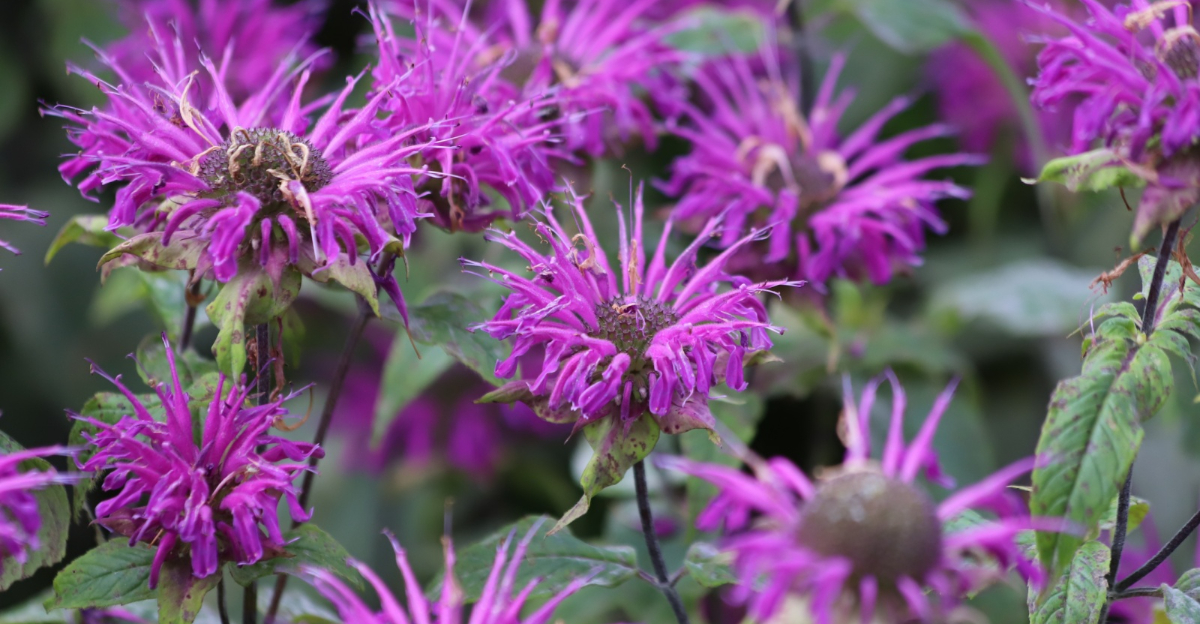
Wild Bergamot doesn’t just grow here, it settles in beautifully, releasing a strong herbal scent that ticks seem to avoid. Bees and butterflies love it just as much as your yard will.
What follows covers why this plant works, how to plant it the right way, and what to expect once it takes root. Your backyard could start to feel a bit safer, and it will certainly look prettier too.
Why Ticks Are A Growing Problem In Indiana Yards
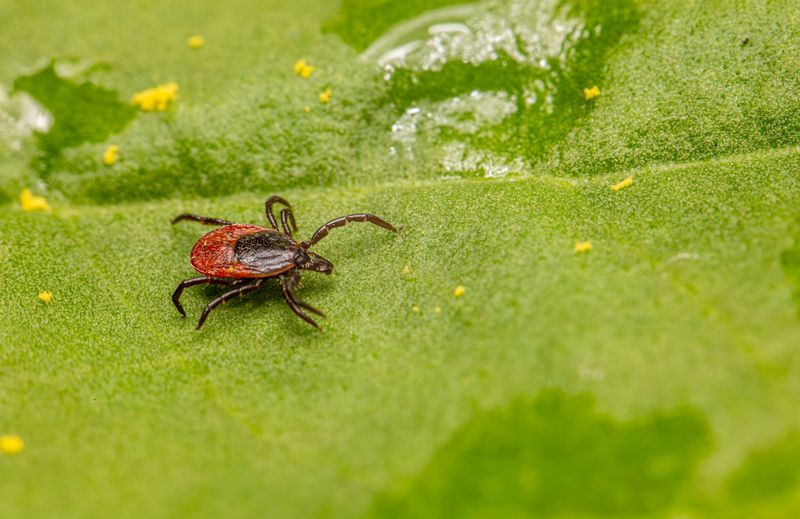
Indiana’s tick population has grown noticeably over the past several years, and warmer winters seem to be a major reason why.
Milder temperatures allow more ticks to make it through the cold months instead of naturally thinning out. This means more ticks emerge each spring, ready to find a host in your yard.
Suburban development has also played a role, pushing wooded areas closer to homes and creating ideal edge habitats where ticks thrive.
Tall grass, leaf piles, and shaded garden beds all offer the moisture and cover ticks need to thrive. Even well maintained lawns can host them if there is enough shade or ground clutter nearby.
Pets often carry ticks into homes without anyone noticing right away. A dog running through brush or a cat exploring the garden can pick up a hitchhiker in seconds.
Children playing outside face similar exposure, especially during summer months when ticks are most active.
Many parents in Indiana have grown used to doing a full tick check after any outdoor play session. The result is a quiet but constant source of stress for anyone who wants to enjoy their yard without worry.
Understanding why ticks have become more common here is the first step toward finding a natural way to push back against them.
Wild Bergamot Is The Native Plant Many Gardeners Say Ticks Avoid
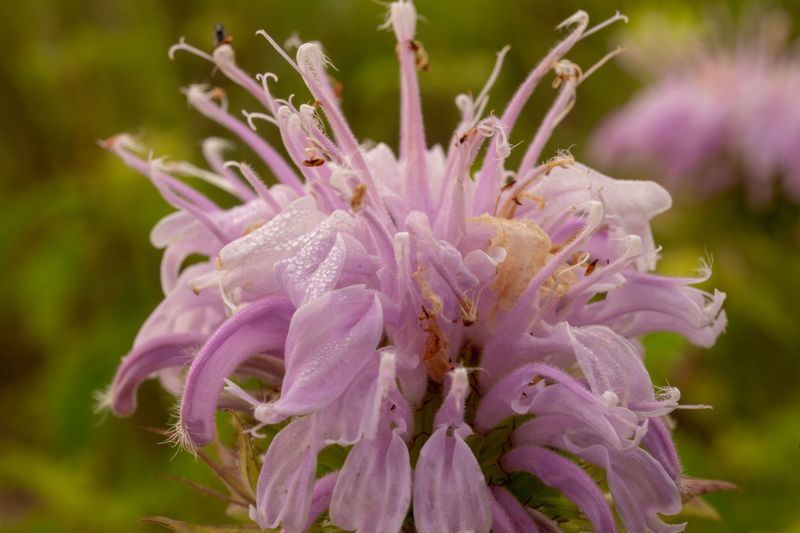
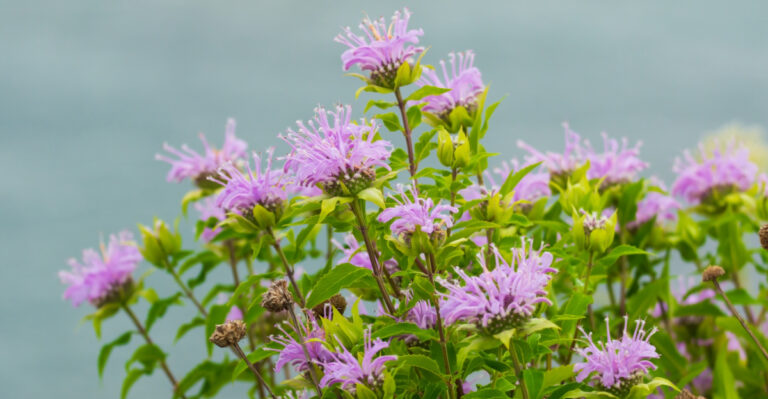
Wild Bergamot, also known as Monarda fistulosa, is a native perennial that has grown across Indiana prairies and open woodlands for generations.
Its lavender pink blooms and minty herbal scent make it a favorite among gardeners looking for both beauty and function.
What sets this plant apart is the reputation it has earned among growers for possibly keeping ticks away from areas where it is planted.
Many who have added it to their yards report noticing fewer ticks in beds and borders where the plant grows thickly.
Your Indiana Garden Changes Every Week. Your Plan Should Too.
Gardening in Indiana changes quickly throughout the season. Every Friday you’ll receive a simple weekly plan showing exactly what to plant, prune, fertilize, harvest, and protect so you never miss the right timing.
This reputation comes largely from the plant’s strong aromatic oils, which many insects seem to find unpleasant.
While no plant can promise complete protection, many gardeners report that Wild Bergamot seems to make an area less inviting to ticks searching for a host.
Because it is native to the region, Wild Bergamot is naturally suited to Indiana’s soil and weather patterns. It requires little maintenance once established, which makes it an appealing option for homeowners who want low effort landscaping.
The plant also fits easily into a variety of garden styles, from cottage inspired beds to more structured native plantings. Its height and texture add visual interest even before the blooms appear.
For families hoping to spend more time outside without constant tick worry, Wild Bergamot offers a gentle, plant based approach worth trying. It works with nature rather than against it, which is part of its lasting appeal.
How Wild Bergamot’s Aromatic Oils Affect Tick Behavior
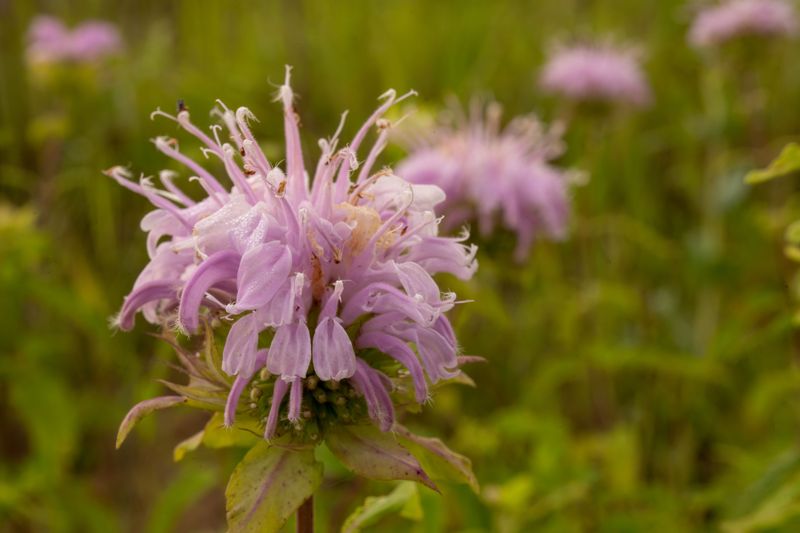
The explanation behind Wild Bergamot’s reputation lies in its essential oils, particularly compounds like thymol and carvacrol. These natural oils give the plant its distinct minty, slightly peppery scent that many people find pleasant.
Ticks, however, seem to respond quite differently to these compounds. Some essential oils, including thymol, are believed to interfere with a tick’s ability to sense a nearby host, though specific research on Wild Bergamot itself is limited.
This does not mean ticks are physically harmed by the plant. Instead, the scent appears to act more like a natural deterrent, encouraging ticks to move elsewhere in search of a quieter environment.
Gardeners often notice this effect most strongly when Wild Bergamot is planted in clusters rather than as a single scattered specimen. A denser planting releases more of the aromatic oils into the surrounding air, especially on warm days.
Brushing against the leaves also releases extra fragrance, which may add a bit more of this deterring effect near walkways or seating areas. Some gardeners even rub the leaves gently to release more scent during peak tick season.
While this approach is not a substitute for personal tick checks, it offers a lovely smelling layer of natural support. Combining it with good yard habits gives Indiana homeowners a reasonable, low key way to make outdoor spaces feel a little safer.
Drying Out The Ground Beneath The Plant
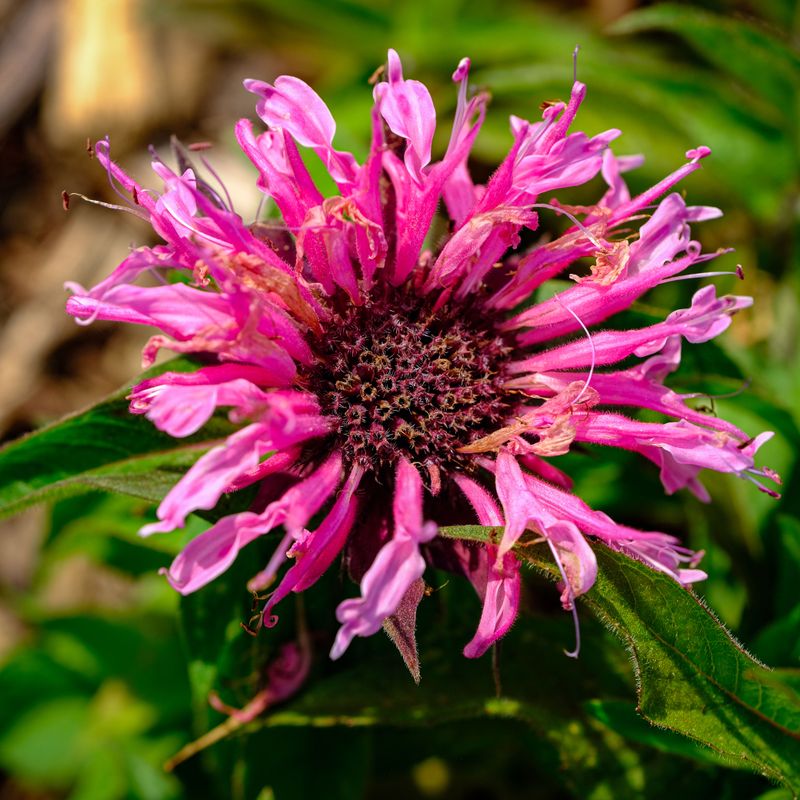
Ticks rely heavily on humidity, which is why damp, shaded ground is often where they are found in highest numbers. Wild Bergamot’s growth habit can help address this issue in a subtle but meaningful way.
As the plant matures, its dense foliage and root system help draw moisture from the surrounding soil. This gradual drying effect can make the immediate area less hospitable for ticks looking for a humid resting spot.
Unlike mulch or leaf litter, which tends to hold moisture close to the ground, Wild Bergamot’s structure allows more airflow underneath its leaves. This slight increase in air circulation can further reduce the dampness ticks depend on.
Over time, a well established patch of Wild Bergamot can shift a small section of yard from a moisture retaining space into a drier, less welcoming one. This is especially useful in shaded garden beds where dampness tends to linger longer.
Pairing the plant with good garden habits, like clearing leaf debris and trimming overgrown grass nearby, can support this drying effect even more. Together, these small changes add up over a season.
While one plant alone will not transform an entire yard, thoughtful placement in problem areas can make a noticeable difference. It is a quiet, natural way to work with the landscape rather than against it.
Bonus Benefits For Pollinators, Birds, And Deer Resistance
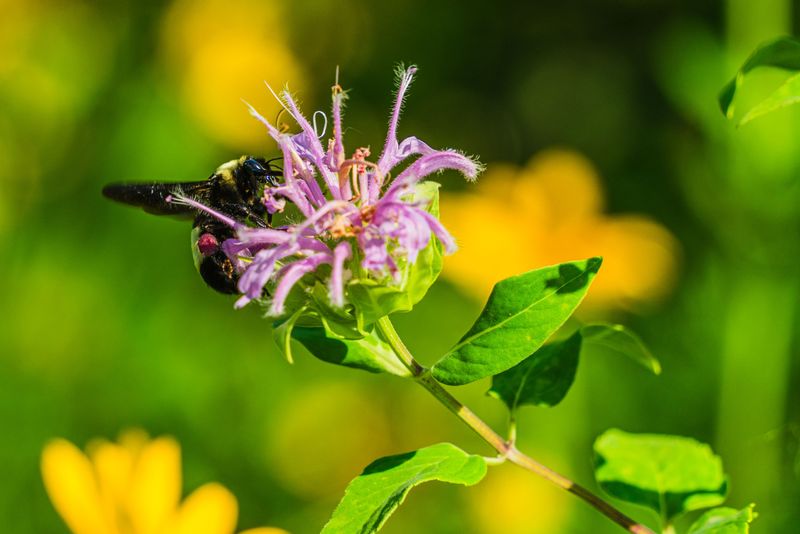
Wild Bergamot is not just useful for tick deterrence, it is also a wonderful addition for supporting local wildlife. Its nectar rich blooms are a favorite among bees, butterflies, and hummingbirds throughout the summer months.
Gardeners who plant it often notice a steady stream of pollinator activity once the flowers open. This makes it a great choice for anyone hoping to create a more balanced, wildlife friendly yard.
Songbirds also benefit from Wild Bergamot, particularly in the fall when the plant’s seed heads mature. Finches and other small birds are commonly seen feeding on the seeds well into the colder months.
Leaving the seed heads standing through winter can provide an extra food source during a season when natural options become limited.
This small step supports birds while also adding some visual texture to a winter garden. Deer tend to avoid Wild Bergamot due to its strong scent and slightly fuzzy leaf texture.
While no plant is completely deer proof, many gardeners find it holds up better than more tender ornamentals. This makes it a practical choice for yards bordering wooded areas where deer visits are common.
Between its pollinator support, winter interest for birds, and general deer resistance, Wild Bergamot offers value that extends well beyond its tick related reputation.
How To Plant And Care For Wild Bergamot In Your Yard
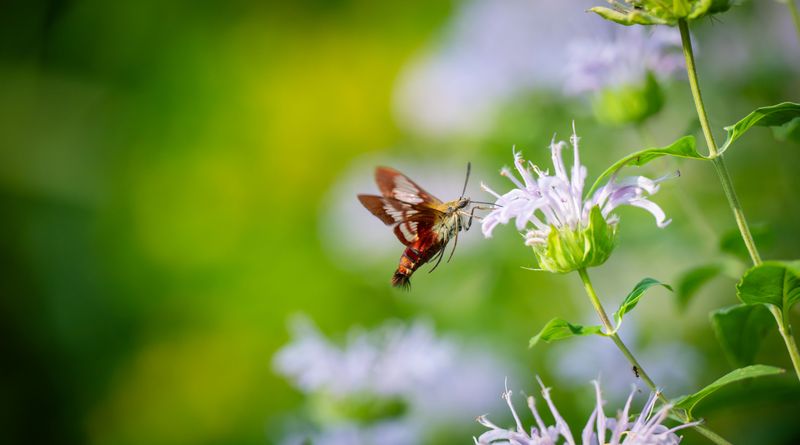
Getting started with Wild Bergamot is fairly simple, even for gardeners without much experience with native plants. It grows best in full sun to partial shade, with at least six hours of sunlight ideal for strong blooming.
Well draining soil is preferred, though this plant tends to adapt to a range of soil types found across Indiana yards. Once established, it shows good tolerance for both average rainfall and short dry spells.
Spacing plants about eighteen to twenty four inches apart allows enough room for healthy air circulation. This spacing also helps reduce the chance of powdery mildew, which Wild Bergamot can be somewhat prone to in humid conditions.
Watering should be consistent during the first growing season while roots are still developing. After that, established plants generally need very little supplemental watering except during extended dry periods.
Removing spent blooms can encourage a longer flowering period throughout summer. In fall, leaving some stems and seed heads standing offers food for birds and shelter for beneficial insects through winter.
Dividing clumps every few years helps keep the plant healthy and prevents overcrowding. With just a little attention early on, Wild Bergamot can provide Indiana gardeners with years of low maintenance color, fragrance, and function.