15 Fruits, Vegetables, And Herbs For A Kentucky Survival Garden
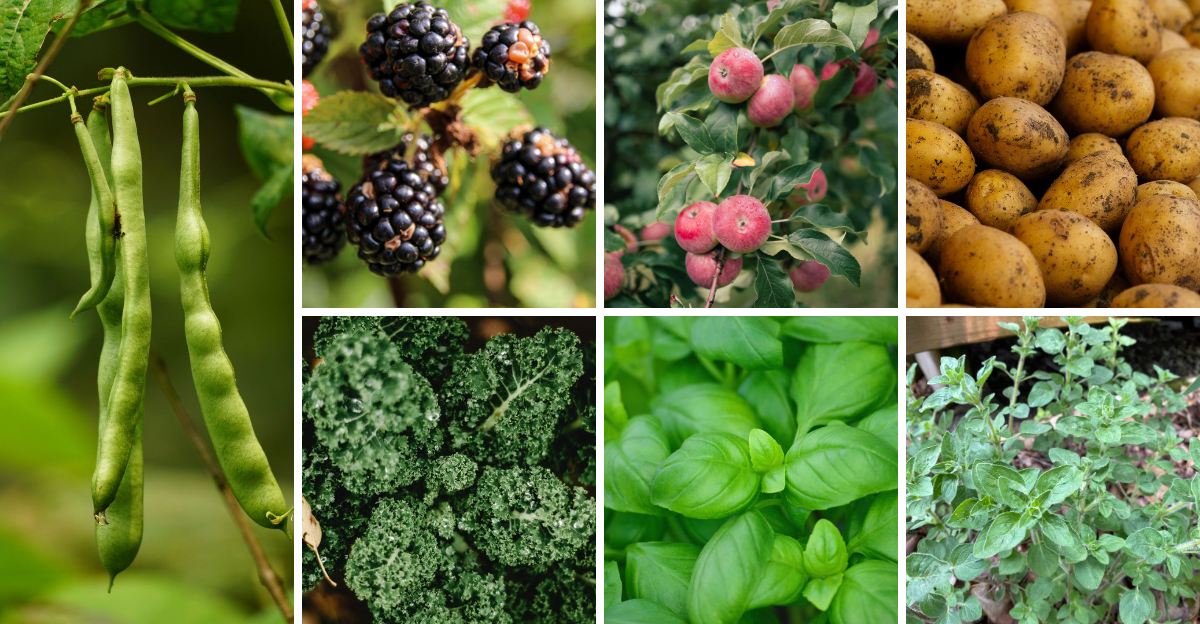
Imagine an ice storm sealing your road for a week, with downed power lines cutting electricity across the county. Your pantry is thinning fast, and the nearest store sits unreachable behind fallen trees.
Now imagine stepping into your own backyard and gathering enough fresh food to feed your household through it. That kind of security does not come from luck, it comes from a garden built with purpose.
Kentucky’s mix of fertile bluegrass soil and a generous growing season gives homeowners a real edge here. Few regions offer such a wide window for planting resilient, nutrient-dense crops season after season.
The real question is not if a garden can help, it is knowing which fruits, vegetables, and herbs actually earn a spot in it. Choosing wisely now could shape how prepared your household feels when it matters most.
1. Strawberries
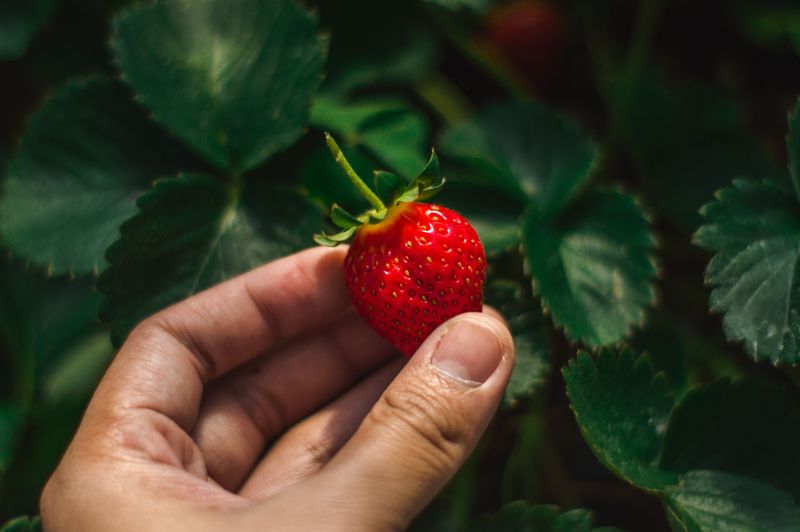
Few things hit harder than pulling a sun-warmed strawberry straight off the vine. Strawberries are one of the easiest fruits to establish in a survival garden, and they keep coming back year after year.
In the Bluegrass State, June-bearing varieties like Allstar and Earliglow thrive in raised beds or garden rows. They love well-drained soil and at least six hours of daily sun.
Strawberries are packed with vitamin C and antioxidants, making them a nutritional powerhouse when fresh produce is scarce. Plant them in early spring, mulch heavily with straw, and they will reward you for seasons to come.
One established bed can produce pounds of fruit with minimal effort. That sweet, ruby-red harvest is worth every bit of the setup work.
2. Blueberries
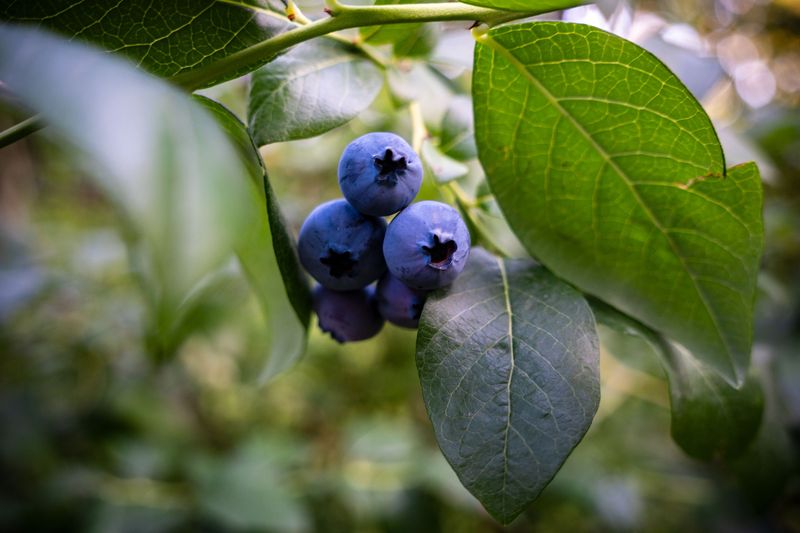
Blueberries are the quiet overachievers of the survival garden world. Once established, a single bush can produce fruit for 20 years or more with very little fuss from the gardener.
Highbush and half-high varieties both perform well in Kentucky’s climate, while rabbiteye types succeed mainly in the state’s warmer southern pockets.
Plant at least two different varieties near each other for cross-pollination and a bigger harvest. Blueberries are rich in fiber, vitamins C and K, and natural sugars that provide quick energy.
They freeze beautifully, meaning your summer harvest can fuel your family through the coldest months. Patience is the only real price of admission here.
3. Blackberries
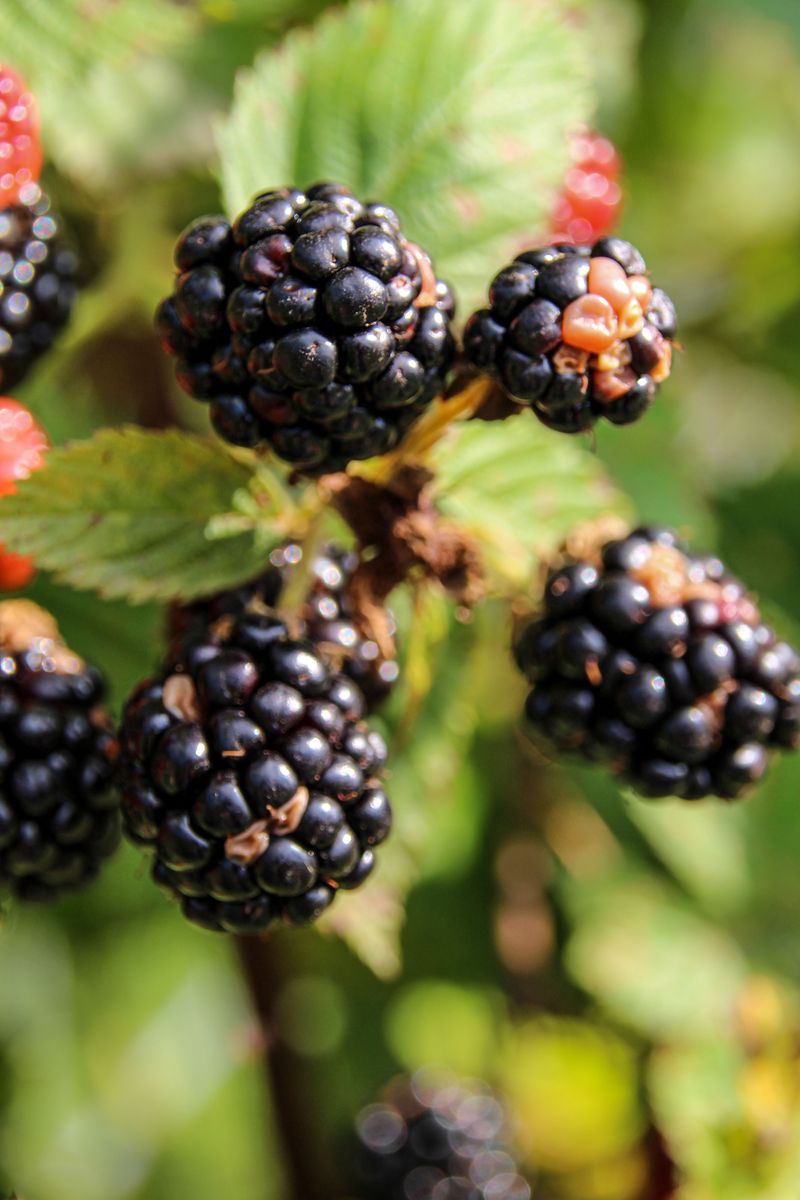
Blackberries practically beg to grow in Kentucky. They spread aggressively, fruit heavily, and ask for almost nothing in return, which makes them a survival gardener’s best friend.
Thornless varieties like Triple Crown are easier to harvest, but wild-type thorny canes offer natural security as a fence or border planting. Either way, they produce abundantly from late June through August.
Fresh blackberries are loaded with vitamins C and K, manganese, and fiber. They can be eaten raw, dried, made into jam, or preserved as syrup for long-term storage.
Plant canes in full sun with good air circulation to prevent fungal issues. Tie them to a simple trellis and watch them explode into a productive, beautiful barrier that feeds your family for free.
Your Kentucky Garden Changes Every Week. Your Plan Should Too.
Gardening in Kentucky changes quickly throughout the season. Every Friday you’ll receive a simple weekly plan showing exactly what to plant, prune, fertilize, harvest, and protect so you never miss the right timing.
4. Raspberries
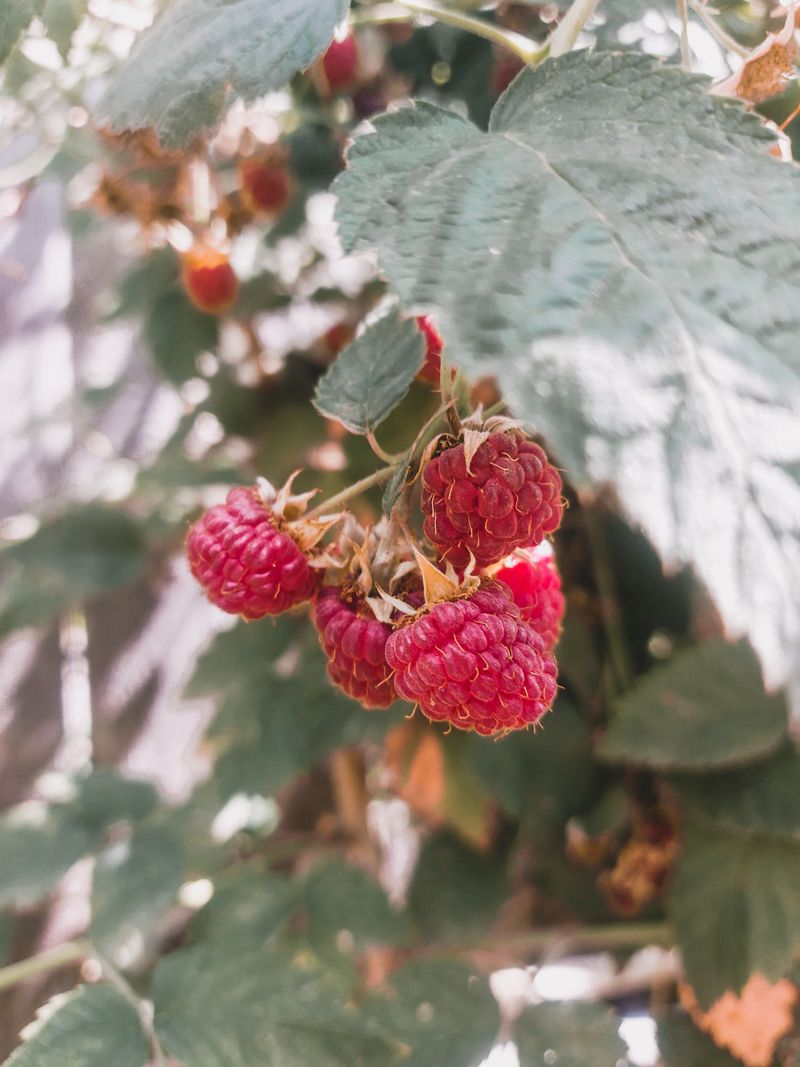
Raspberries bring a tart, jewel-bright burst of flavor that no store-bought berry can match. They are surprisingly cold-hardy and bounce back each spring with minimal coaxing.
Heritage and Caroline are two red raspberry varieties that perform exceptionally well in Kentucky’s climate. Fall-bearing types can even give you two harvests per season if pruned for double-cropping, which is a solid bonus for any survival setup.
Raspberries are high in fiber, vitamin C, and ellagic acid, a natural compound with impressive health benefits. Fresh or dried, they add vital nutrition when your food options are limited.
Plant canes about two feet apart in well-drained soil, and use a simple post-and-wire trellis to keep them upright. One small raspberry patch can quietly become one of your most productive food sources over time.
5. Apples
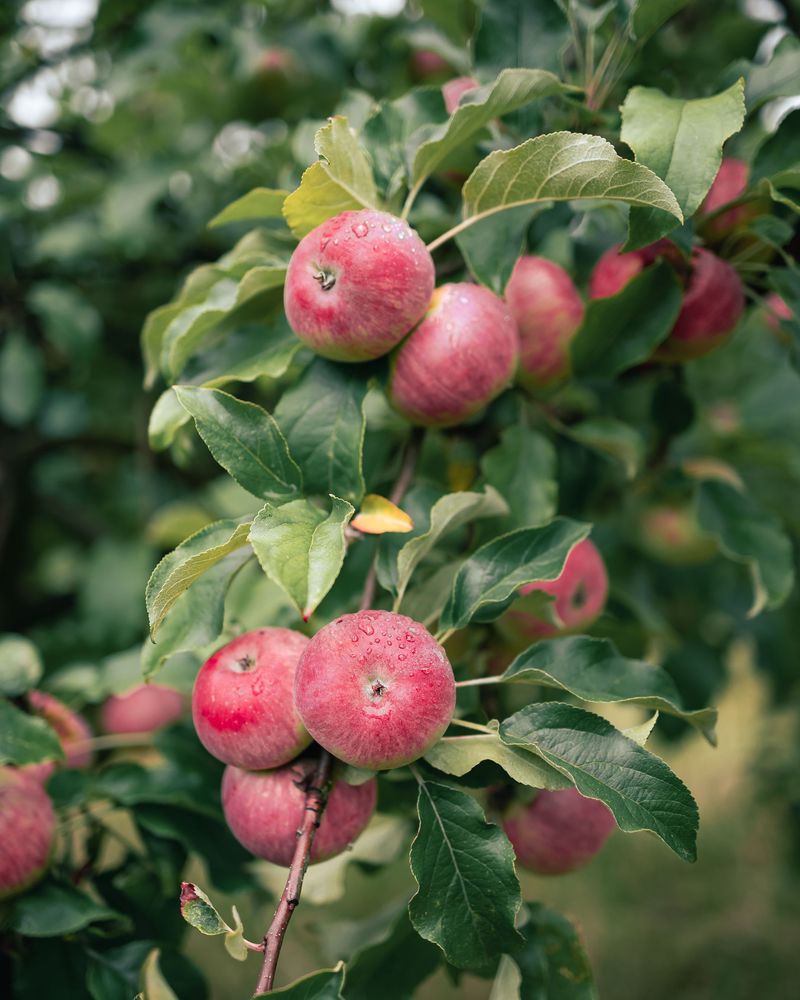
An apple tree is a long-term investment that pays dividends for decades. Plant one today, and your grandchildren might still be picking fruit from its branches someday.
Kentucky grows apples beautifully, especially disease-resistant varieties like Enterprise and Liberty, both bred to withstand fire blight and apple scab. Choose disease-resistant types to reduce your workload significantly.
Apples store naturally for months in a cool cellar without any processing, making them a true survival staple. They are also rich in fiber, vitamin C, and natural sugars that sustain energy through hard physical days.
Plant two compatible varieties for proper pollination and a full harvest. With even basic care, a mature apple tree can produce hundreds of pounds of fruit in a single season.
6. Tomatoes
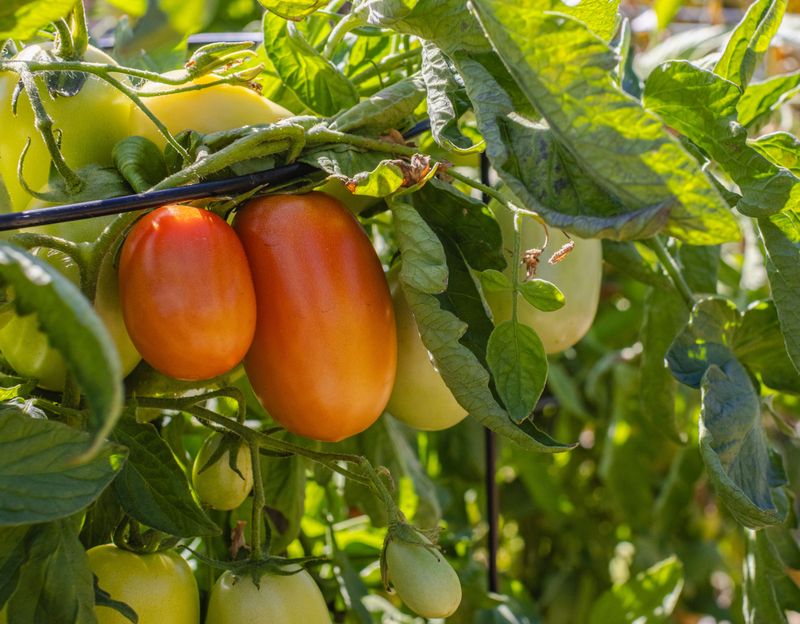
Few crops matter as much in a Kentucky survival garden as tomatoes. They are the most versatile food crop you can grow, moving effortlessly from fresh salads to canned sauces to dried snacks.
Cherokee Purple is a beloved heirloom variety with deep roots in Appalachian culture, while Celebrity and Roma are reliable producers with strong disease resistance. Plant after your last frost date, typically mid-April to early May.
Tomatoes are rich in vitamins A and C, potassium, and lycopene, a powerful antioxidant. Learning to can your tomato harvest means you can build a pantry stockpile that lasts through an entire winter.
Stake or cage your plants early to support heavy fruit loads. A single healthy plant can produce 10 to 15 pounds of tomatoes in one growing season.
7. Potatoes
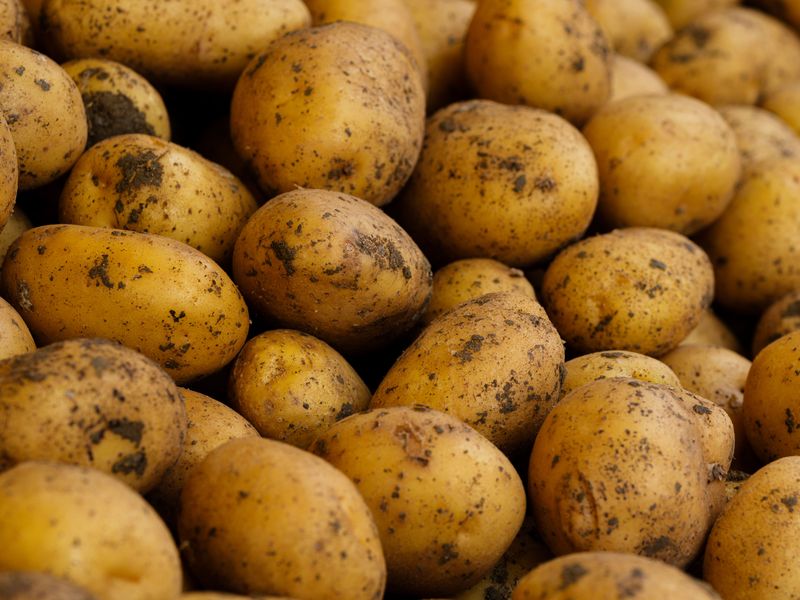
Pound for pound, potatoes deliver more calories per square foot than almost any other garden crop. That caloric density is exactly why potatoes are a smart addition to a Kentucky survival garden.
Yukon Gold and Kennebec are two varieties that do well in Kentucky, especially when heavier clay soils are amended with compost for better drainage.
Potatoes are a solid source of vitamin C, potassium, and complex carbohydrates that keep you full and energized. Stored properly in a cool, dark, dry location, they can last four to six months after harvest.
Hill your plants as they grow to maximize tuber development and prevent greening. When the foliage yellows and falls over, your underground treasure is ready to dig up.
8. Green Beans
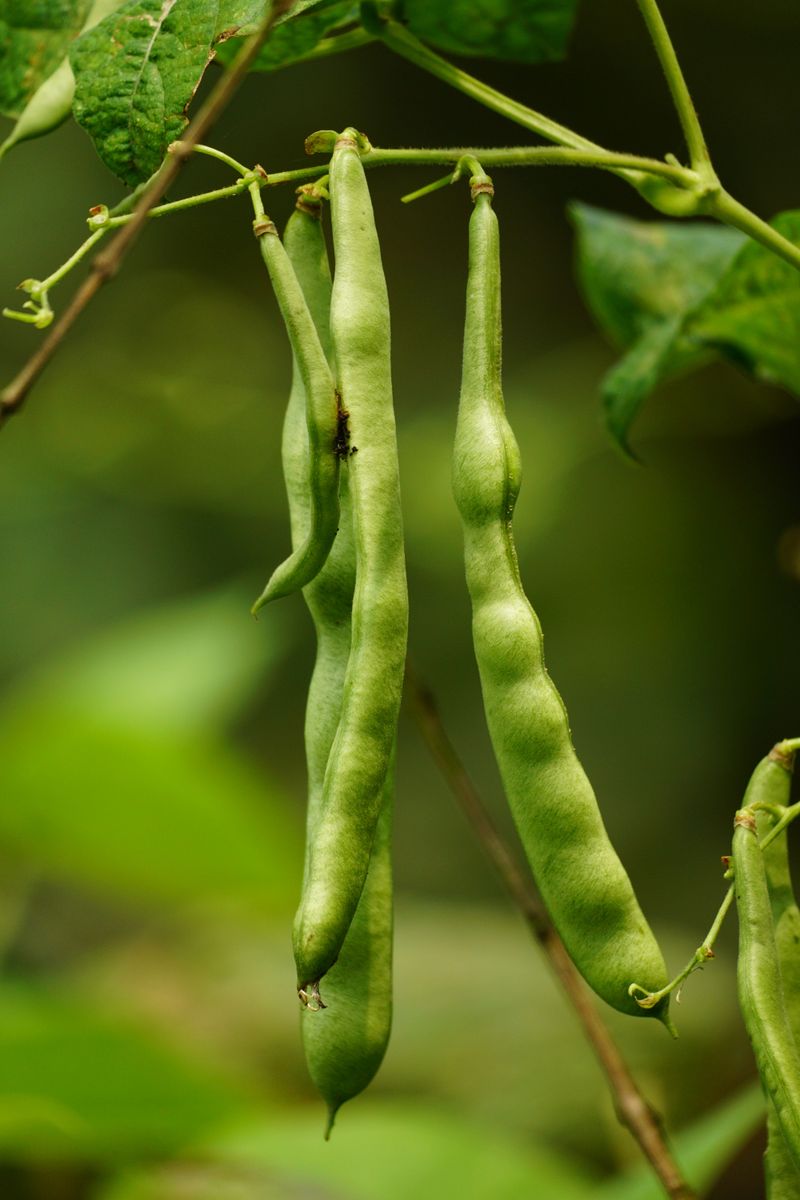
Ask any Kentucky grandmother what she grows every summer, and green beans will top the list without hesitation. They are a regional staple for good reason: they produce heavily, preserve easily, and taste incredible.
Half-Runner beans are a beloved traditional variety in the region, though Blue Lake and Kentucky Wonder are equally productive choices. Bush varieties mature faster, while pole types produce longer into the season.
Green beans are packed with vitamins C and K, folate, and fiber. They can be eaten fresh, pressure-canned, or dried into leather britches, a traditional Appalachian preservation method that requires no electricity.
Plant seeds directly in the ground after the last frost in full sun and well-drained soil. One 20-foot row of pole beans can feed a family of four for weeks on end.
9. Winter Squash
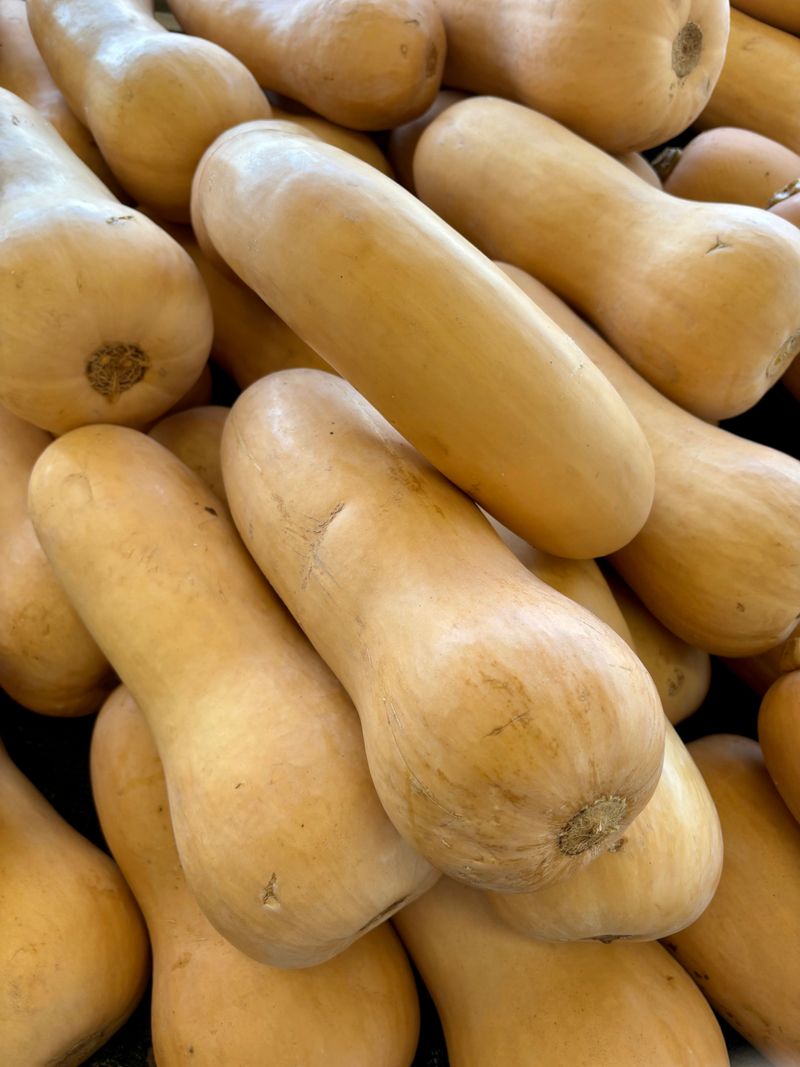
Winter squash is basically nature’s canned food. Harvest it in fall, store it in a cool room, and you have a calorie-dense food source that can last well into February without refrigeration.
Butternut, acorn, and Blue Hubbard squash all perform beautifully in Kentucky’s warm summers. They need space to sprawl, so give them a large sunny area or let them ramble along a fence line.
Each fruit is loaded with vitamins A and C, potassium, and complex carbohydrates. The seeds are also edible and nutritious, adding a bonus protein source when roasted with a little salt.
Plant seeds or transplants after all frost danger has passed, usually mid-May in most of the state. One healthy vine can produce six to ten squash, which is a serious food investment for minimal effort.
10. Kale
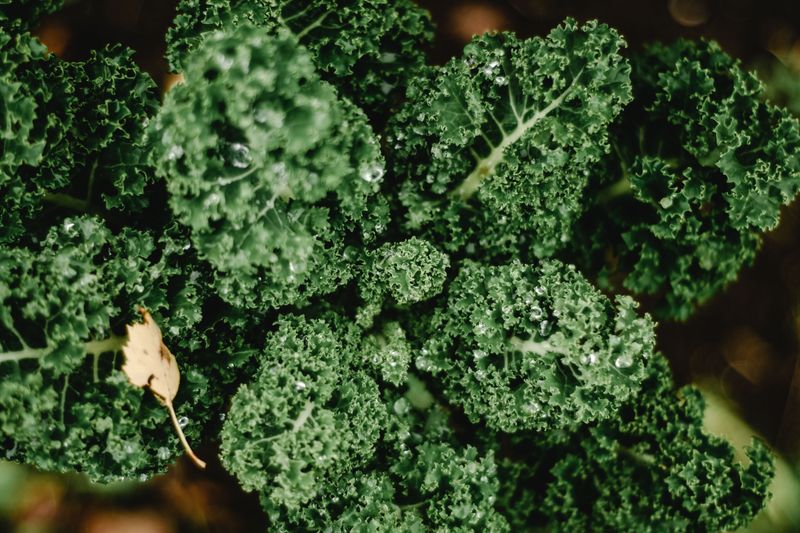
Kale laughs at frost. While most garden plants surrender to cold weather, kale just gets sweeter, making it a cold-season powerhouse that extends your harvest deep into winter.
Lacinato (also called Dinosaur kale) and Red Russian are two varieties that handle Kentucky winters like champions. They can be planted in late summer for a fall crop or in early spring for a cool-season harvest.
Nutritionally, kale is almost unmatched, offering vitamins A, C, and K, plus calcium, iron, and powerful antioxidants. A single cup of fresh kale provides more vitamin C than an orange, which matters a lot in a survival situation.
Direct-seed or transplant in fertile soil with consistent moisture for best results. Harvest outer leaves regularly to keep the plant productive for months at a stretch.
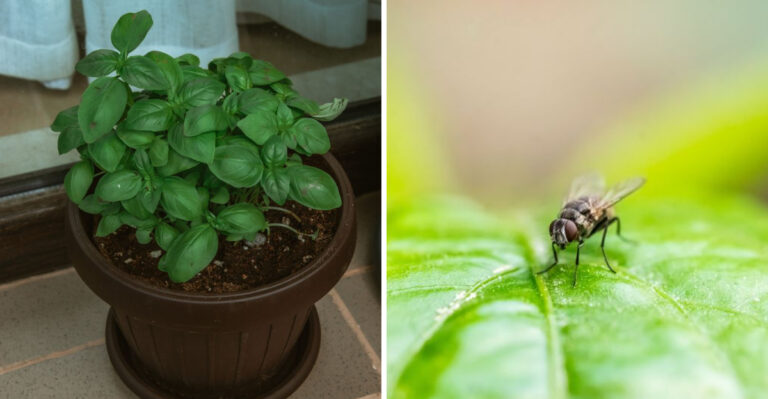
11. Basil
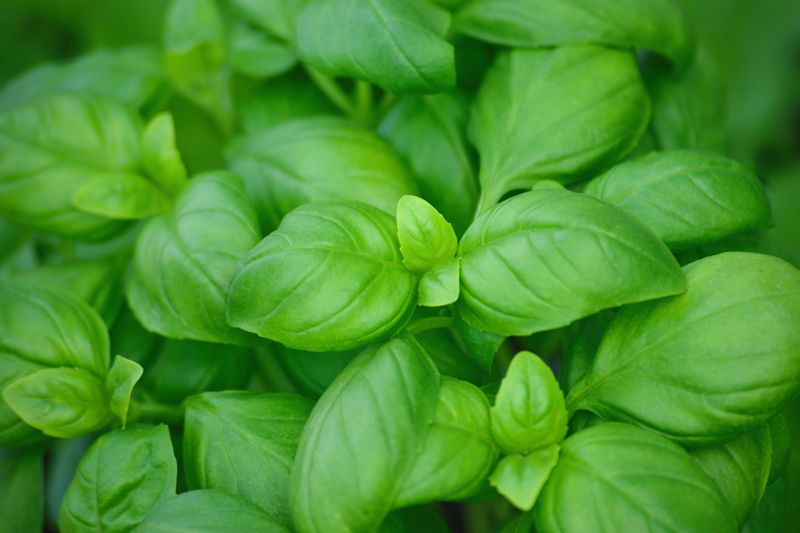
Basil does not just make food taste better; it makes survival feel a little more human. There is something deeply comforting about fresh herbs when everything else feels uncertain and hard.
Genovese basil is the classic choice for pesto and cooking, while Thai basil adds a spicy, anise-like flavor that works beautifully in stir-fries and soups. Both grow enthusiastically in Kentucky’s hot summers.
Basil has been valued for centuries in traditional cooking and folk remedies, and some studies point to natural antibacterial compounds in its leaves. It is also one of the easiest herbs to dry or infuse into oil for long-term storage.
Plant basil in full sun after the last frost date and water consistently at the base to prevent leaf disease. Pinch off flower buds regularly to keep the plant producing fresh, flavorful leaves all season long.
12. Thyme
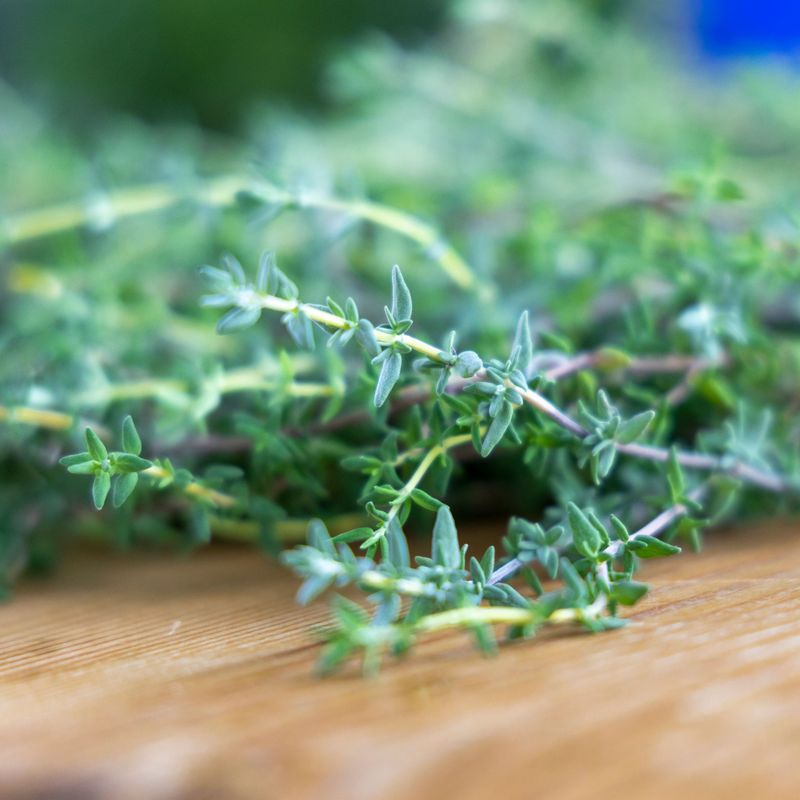
Thyme has been trusted by healers and cooks for thousands of years, and it has earned every bit of that reputation. This tough little herb thrives in poor soil, survives drought, and keeps growing year after year with almost no care.
English thyme is the most common culinary variety, but lemon thyme adds a bright citrusy note that pairs brilliantly with fish and poultry. Both are perennials in Kentucky’s climate, meaning you plant once and harvest forever.
Medicinally, thyme contains thymol, a natural antiseptic used historically to treat respiratory infections and wounds. That dual role as food and medicine makes it a valuable addition to any serious survival herb collection.
Plant thyme in full sun with excellent drainage, and avoid overwatering, since thyme prefers drier conditions. A small established clump will spread into a fragrant, useful mat that practically takes care of itself.
13. Oregano
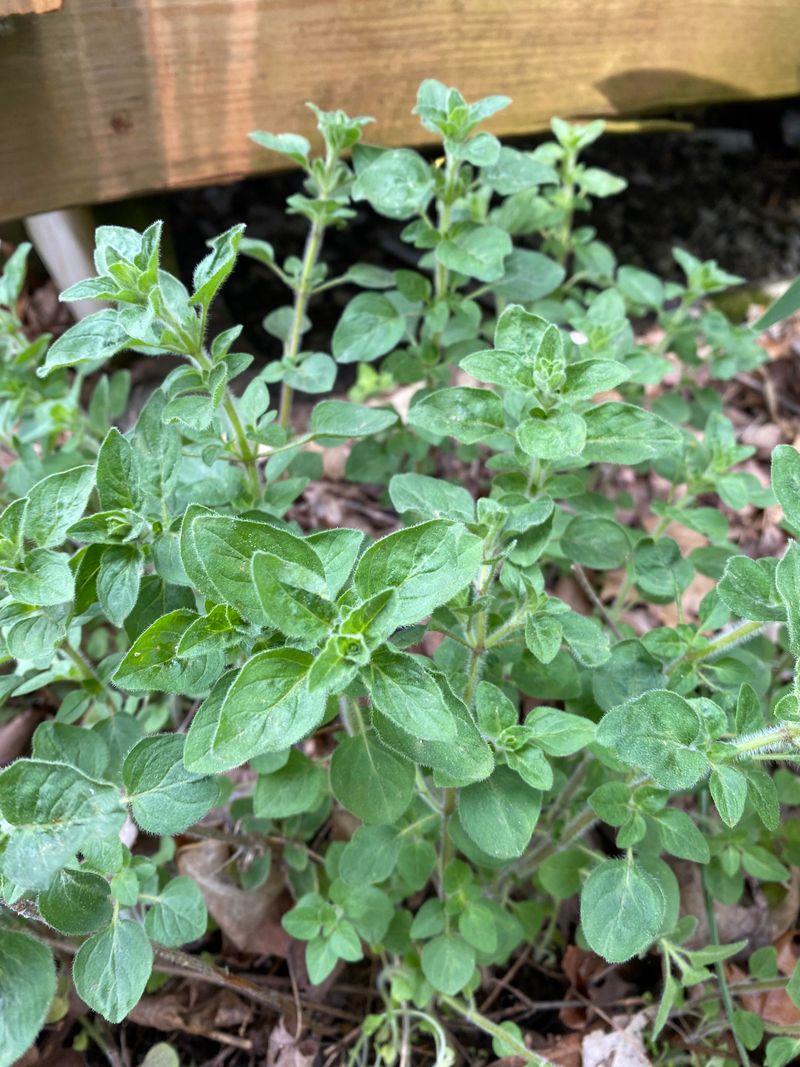
Oregano is the unsung hero of the survival herb garden. It dries beautifully, stores for years, and brings bold Mediterranean flavor to everything from beans to roasted squash to homemade bread.
Greek oregano is the most flavorful variety for cooking, with a robust, peppery punch that intensifies when dried. Like thyme, it is a hardy perennial in Kentucky, returning faithfully each spring without replanting.
Beyond the kitchen, oregano has impressive antimicrobial and antifungal properties. Oregano oil has been studied for its ability to combat harmful bacteria, making it a valuable addition to any natural home medicine chest.
Plant oregano in full sun in well-drained, even sandy soil for the most aromatic results. Harvest stems just before the plant flowers for peak flavor, then hang them upside down in a warm, airy space to dry.
14. Chives
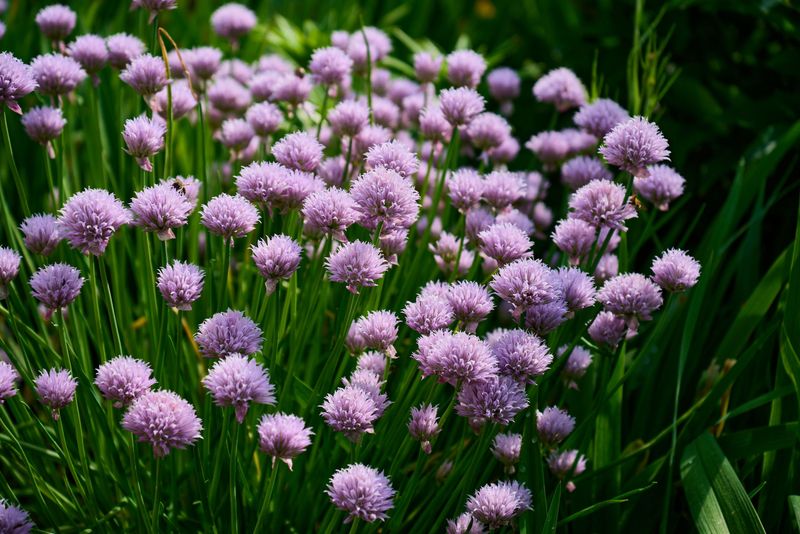
Chives are the garden’s most reliable overachiever. They emerge early each spring before almost anything else is ready, giving you fresh green flavor when the rest of the garden is still waking up.
Both common chives and garlic chives grow effortlessly in Kentucky. They tolerate partial shade, poor soil, and occasional neglect, which makes them ideal for beginner survival gardeners who are still figuring things out.
Chives are rich in vitamins A and C, plus folate and antioxidants. Their mild onion flavor brightens soups, eggs, potatoes, and beans, adding taste and nutrition to otherwise plain survival meals.
Plant chives in clumps in a sunny to partially shaded spot and divide them every few years to keep them vigorous. Their purple flowers are also edible and make a beautiful, impressive garnish on any plate.
15. Dill
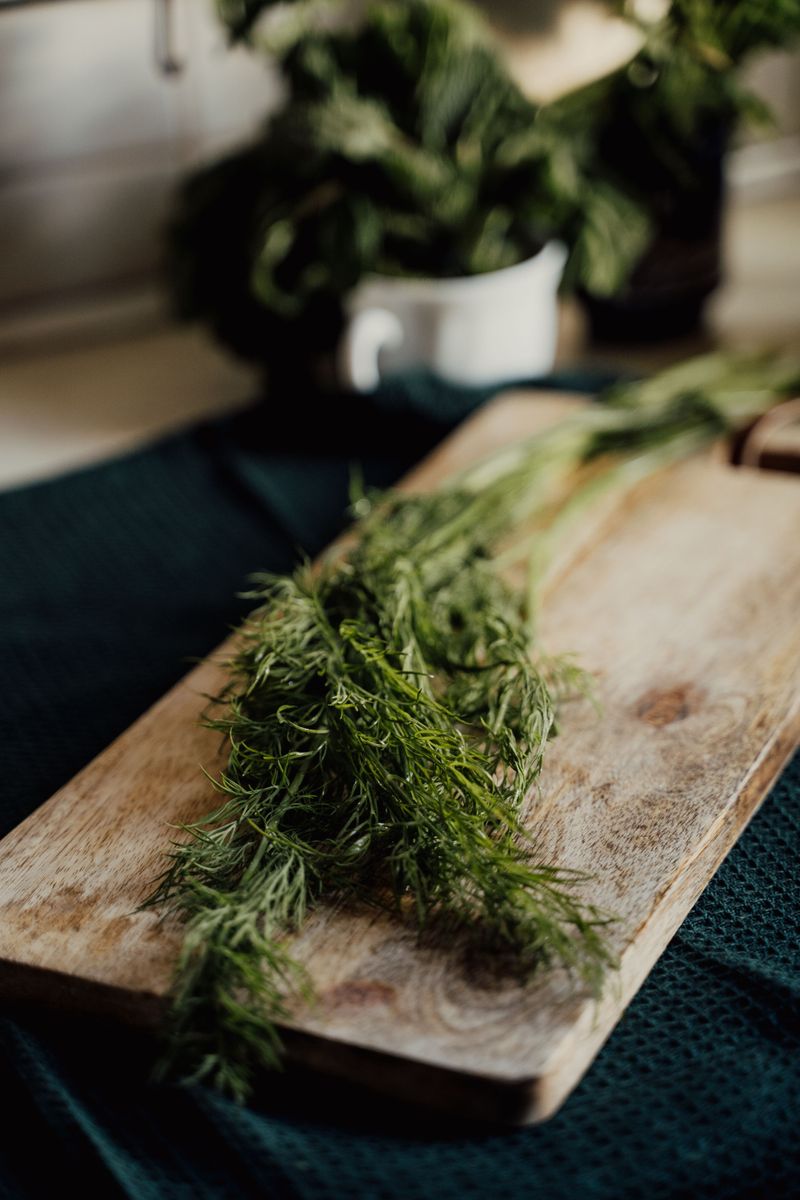
Dill is the herb that holds a Kentucky garden together in more ways than one. It flavors your food, attracts beneficial insects, and plays a starring role in home food preservation.
Without dill, homemade pickles just are not the same. Every jar of cucumber pickles, pickled green beans, or fermented vegetables gets its signature tang from those feathery fronds and aromatic seeds.
Dill is also a magnet for predatory wasps and swallowtail butterflies, which help control garden pests naturally. That ecological benefit alone makes it worth growing even if you never cooked with it once.
Direct-sow dill seeds in early spring or fall, as it prefers cooler temperatures and bolts quickly in summer heat. Let a few plants go to seed each season, and dill will self-sow reliably in your Kentucky survival garden year after year.