7 Native Kentucky Plants That Attract Bees To Your Garden
You kneel in your Kentucky garden and hear nothing, no hum, no flutter, just still air over a patch of black-eyed Susans you have tended all spring. Something feels off.
Where did they go? Bee populations are shrinking quietly, and the silence is a signal worth paying attention to.
Pollinators thrive on plants shaped by the same soil, same rain, and same generous summers they grew up alongside.
Exotic ornamentals look lovely, but bees simply move on. So what actually brings them back?
Native Kentucky plants are perfectly tuned to your yard, no fussing and no second-guessing, just blooms that bees have been seeking for thousands of years, ready to fill your garden with life again.
1. Wild Bergamot
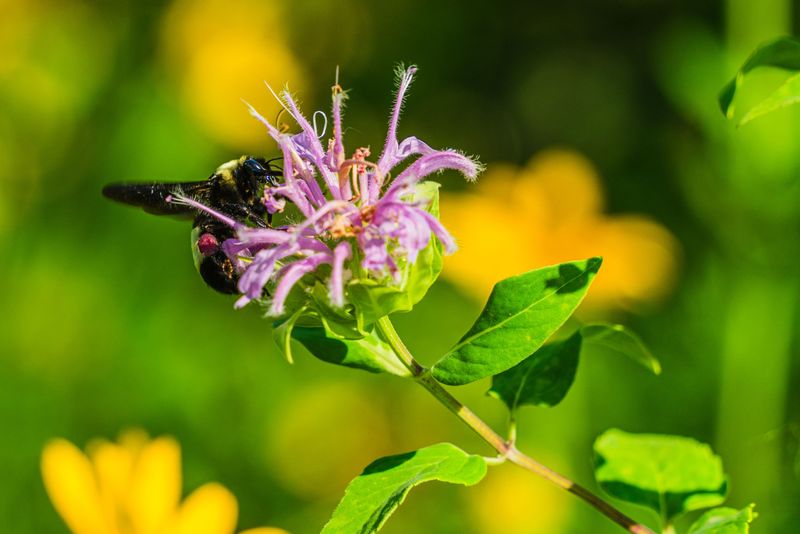
Walk past a patch of Wild Bergamot on a warm afternoon and you will hear it before you see it. The buzzing is almost musical, a sign that bees have found something worth visiting.
Wild Bergamot, known scientifically as Monarda fistulosa, is a native Kentucky plant with lavender-purple blooms that pop in midsummer.
It belongs to the mint family, which explains its sharp, herby scent that drifts across the garden on a breeze. Bees, especially bumblebees and native solitary species, are strongly attracted to this plant.
The tubular flowers are shaped perfectly for pollinators to access nectar without much effort.
Growing Wild Bergamot is refreshingly simple for most home gardeners. It thrives in full sun and handles dry or average soil without complaint, making it forgiving for beginners.
Plant it in clusters for maximum visual impact and pollinator traffic. A grouping of three to five plants creates a landing zone that bees return to again and again throughout the season.
This plant also spreads gently over time through underground runners. You can divide clumps every few years to keep growth tidy and share extras with neighbors who want to support pollinators too.
Wild Bergamot blooms from June through August, filling that critical midsummer gap when many other flowers have faded. If you only plant one native Kentucky plant this season, let this fragrant, bee-loved beauty be the one.
2. Scarlet Bee Balm
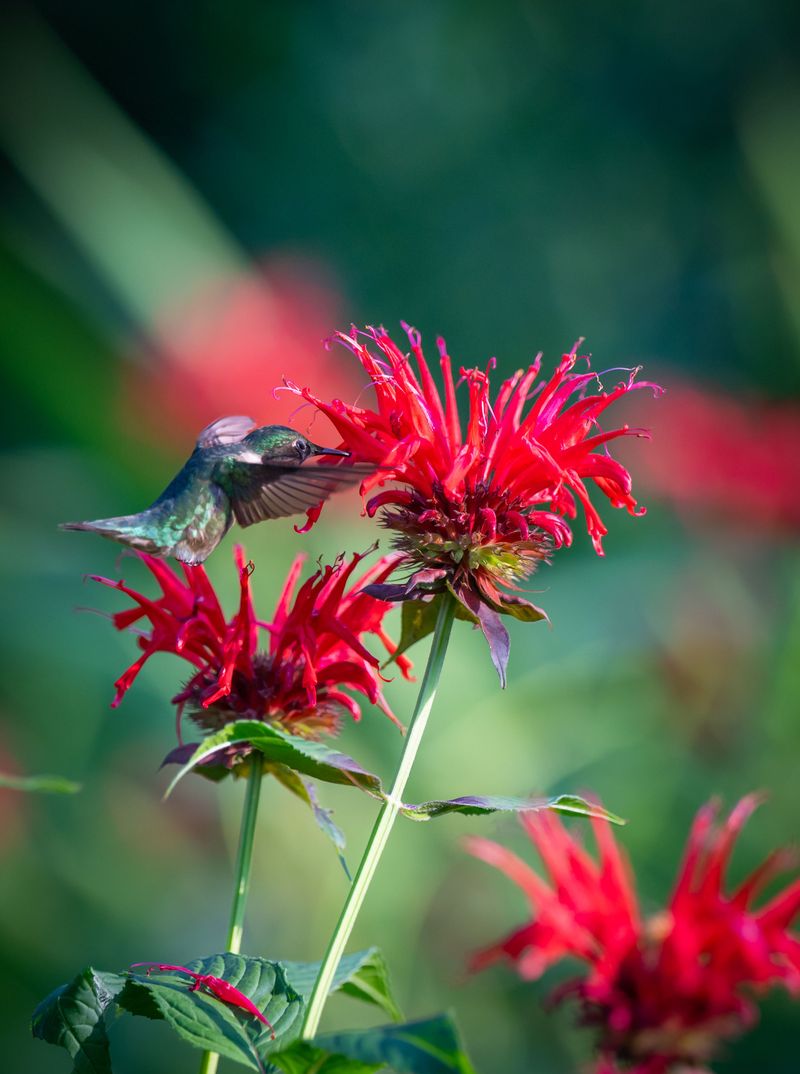
Scarlet Bee Balm is one of the most visually striking plants in the native garden, with vivid red blooms that catch the eye from across the yard.
Monarda didyma, the scientific name, tells you this plant was practically made for pollinators.
The name itself references bees, and for good reason since bumblebees swarm these flowers from July into early September.
Beyond bees, hummingbirds and butterflies are regular visitors to Scarlet Bee Balm as well. That makes it a plant that attracts bees, butterflies, and hummingbirds in any sunny garden space you can offer.
This plant prefers moist, rich soil and does especially well near a rain garden or a low-lying garden bed.
Morning sun with some afternoon shade keeps the foliage healthy and reduces powdery mildew, a common issue in humid summers.
Reaching heights of two to four feet, Scarlet Bee Balm adds bold vertical drama to garden borders.
Your Kentucky Garden Changes Every Week. Your Plan Should Too.
Gardening in Kentucky changes quickly throughout the season. Every Friday you’ll receive a simple weekly plan showing exactly what to plant, prune, fertilize, harvest, and protect so you never miss the right timing.
Plant it behind shorter natives so its fiery blooms can tower above the crowd and catch the eye of passing pollinators.
Native Americans historically used this plant for its medicinal properties, brewing it into teas, most famously Oswego Tea, for digestive wellness and general healing.
That rich history adds a layer of meaning to an already remarkable garden addition. Remove spent blooms regularly to extend the flowering period well into late summer.
A well-tended clump rewards you with weeks of nonstop color and consistent, visible pollinator activity that is genuinely rewarding to observe.
3. Purple Coneflower
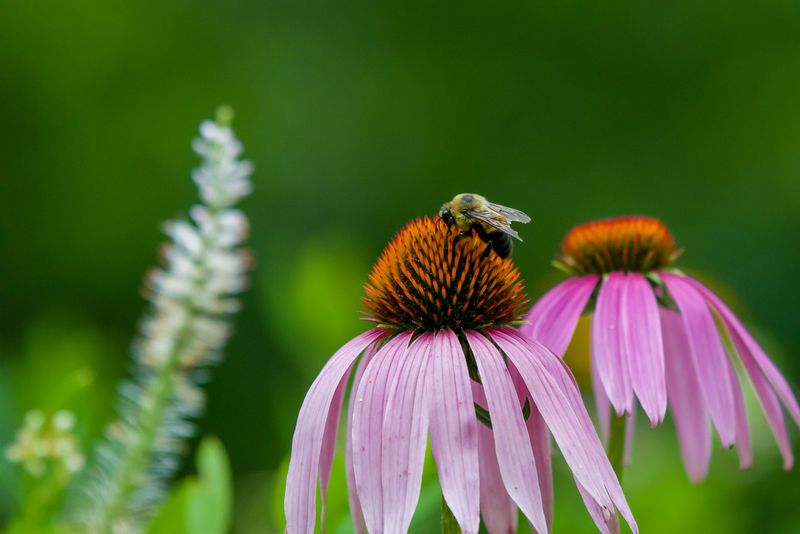
Purple Coneflower is the garden classic that never goes out of style, and bees agree completely.
Walk through any thriving pollinator garden across the country and you will almost always spot it standing tall, its petals catching the light like a small sun.
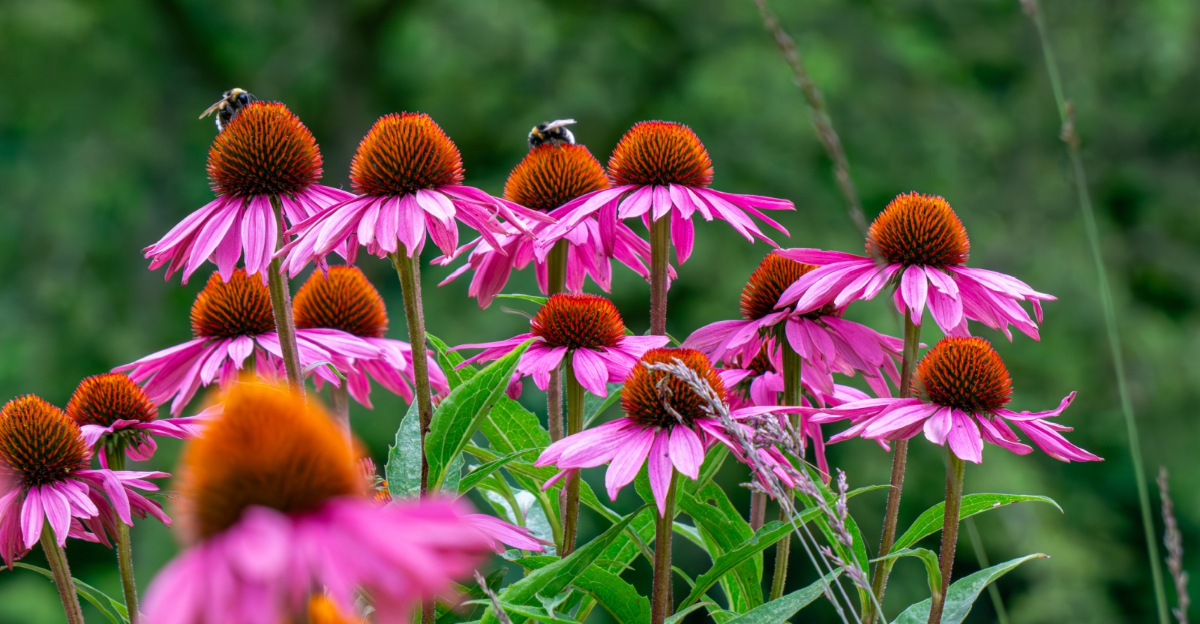
Echinacea purpurea produces large daisy-like blooms with drooping pink-purple petals surrounding a spiky, domed orange center.
That central cone is a buffet for bees, offering pollen-rich rewards from July through September.
Short-tongued and long-tongued bees alike find something worth returning for on every visit. What makes this plant especially practical is its toughness.
Once established, Purple Coneflower handles drought, clay soil, and neglect far better than most garden favorites you might already grow.
It asks for very little and gives back generously all season long. Bees are not the only fans of this resilient native Kentucky plant.
Goldfinches flock to the seed heads in late fall, turning your garden into a wildlife destination long after summer has ended. Butterflies and skippers are regular warm-weather visitors too.
Plant Purple Coneflower in full sun for the best flowering results. Space plants about eighteen inches apart to give them room to spread naturally and form impressive colonies over several seasons.
You can start from seed, but purchasing transplants gets you blooms a full season sooner. Either way, once Purple Coneflower settles in, it self-seeds freely and multiplies with almost no help from you.
Leave the dried seed heads standing through winter instead of cutting them back. They feed wildlife through the coldest months and add interesting texture to a dormant garden that still has something to offer every living creature nearby.
4. Field Goldenrod
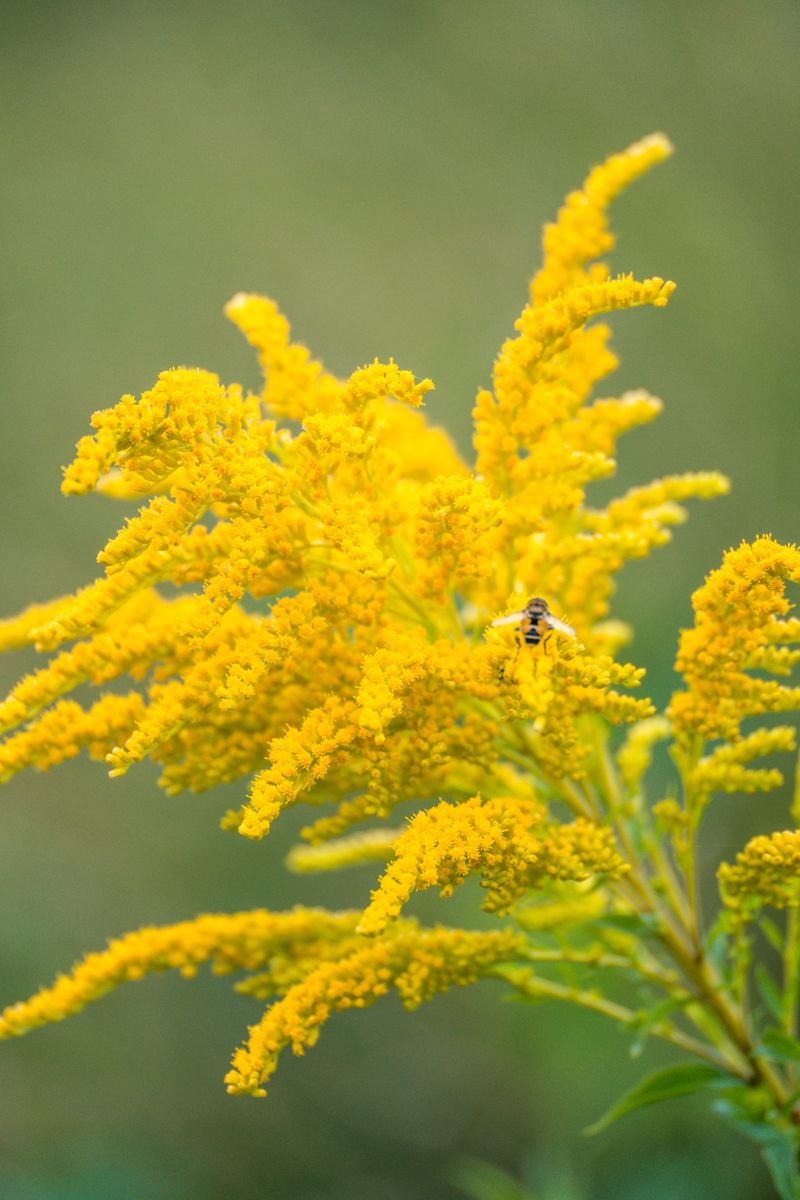
Goldenrod gets blamed for hay fever every fall, but here is the truth: ragweed is the actual culprit. Goldenrod just happens to bloom at the same time and takes all the heat.
Field Goldenrod, or Solidago nemoralis, produces arching plumes of tiny golden flowers that late in late summer just when many other plants are winding down.
Bees actively visit these blooms for a valuable late-season supply of nectar and pollen before cooler weather arrives.
Goldenrod supports dozens of specialist bee species and hundreds of generalist pollinators across North America, which makes it one of the most ecologically important plants you can grow.
Some native bees depend on it almost exclusively for late-season pollen and nectar. Unlike some of its more aggressive relatives, Field Goldenrod stays compact and well-behaved in garden settings.
It spreads at a measured pace, making it the most garden-friendly goldenrod you can choose for a Kentucky yard.
This native Kentucky plant thrives in full sun and tolerates poor, dry soil with impressive ease.
It is one of the few late-season bloomers that actively prefers lean, dry conditions, making it ideal for spots where other plants struggle.
In a garden border, Field Goldenrod pairs beautifully with Purple Coneflower and Aromatic Aster.
The color combination of gold and purple is visually stunning and ecologically valuable at the same time.
Reaching one to two feet tall, this is one of the shortest goldenrod species available, fitting naturally into the middle of a border without crowding its neighbors.
Its arching flower plumes sway gracefully in the breeze, creating a sense of abundance that feels genuinely wild and free.
Cutting back stems by half in June delays flowering slightly and produces a more compact, bushy plant.
That simple trick keeps your garden looking tidy while still delivering a spectacular late-summer show for native Kentucky bees.
5. Black-Eyed Susan
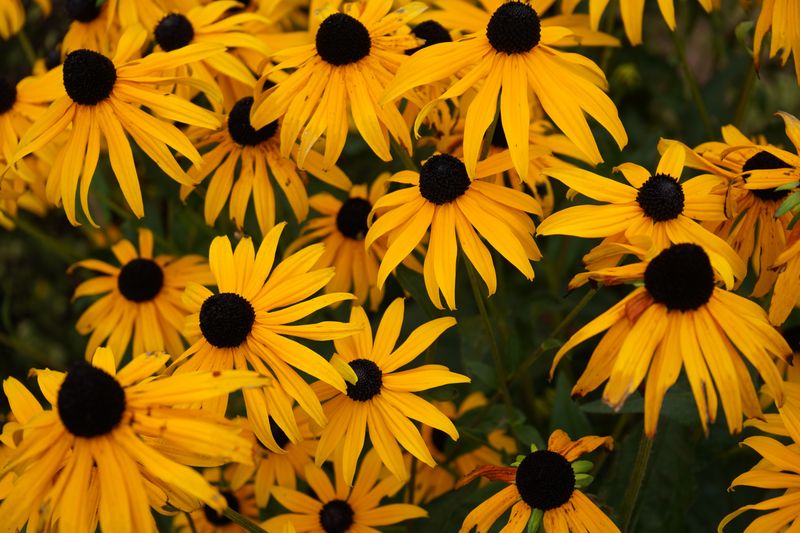
Few flowers say summer quite like Black-Eyed Susan, with its cheerful yellow petals and bold dark center staring back at you. It is the kind of bloom that makes a garden feel alive and effortlessly joyful.
Rudbeckia hirta is one of the most reliable native Kentucky plants for attracting bees and butterflies from June through October. Its long blooming season makes it an anchor plant for any pollinator-focused garden design.
Bees are especially drawn to the flat, open flower heads, which provide easy access to pollen without requiring acrobatic feeding maneuvers. Short-tongued bees in particular benefit from this accessible floral design.
Black-Eyed Susan grows happily in full sun and tolerates drought, poor soil, and heat without much fuss.
It is one of the first plants recommended to gardeners who want pollinator impact without a steep learning curve.
Growing one to three feet tall, it works well in the middle of a border or massed in a naturalistic meadow planting.
Scatter seeds in fall for a gorgeous spontaneous display that emerges the following spring without any structured planting effort.
This plant is biennial or short-lived perennial, meaning it self-seeds prolifically to replace itself each season.
Once you plant it, Black-Eyed Susan tends to stick around for years without you lifting a finger to replant.
Cut a few stems for indoor bouquets and enjoy the blooms up close. You will leave plenty behind for the bees, who honestly need them far more than any vase ever could.
6. Aromatic Aster
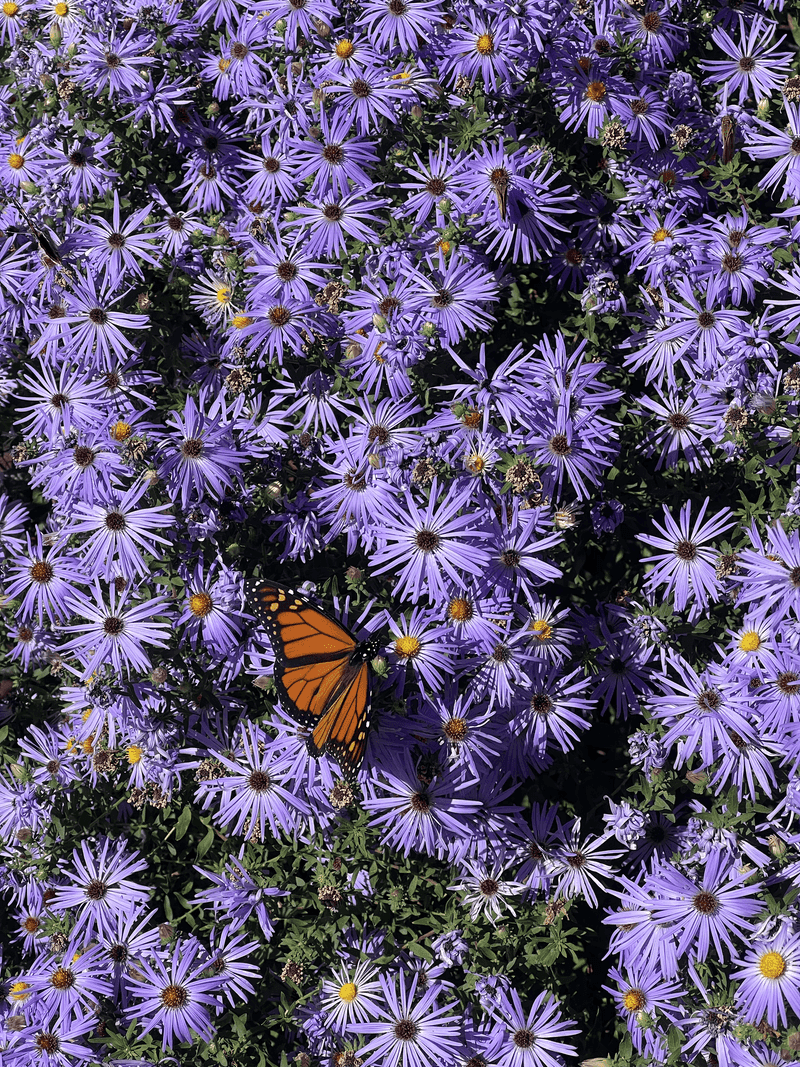
When most gardens go quiet in September, Aromatic Aster is just getting started. This fall-blooming native Kentucky plant is a valuable food source for bees preparing for the long winter ahead.
Symphyotrichum oblongifolium produces clouds of small, violet-purple flowers with golden yellow centers from September through frost.
The sheer number of blooms on a single plant is almost overwhelming in the best possible way.
Native bees, including specialist aster bees that strongly prefer aster pollen above all others, rely on this plant heavily in autumn.
Planting even one clump makes a measurable difference for pollinator populations struggling to find late-season food.
Aromatic Aster earns its name from the pleasantly pungent scent released when you brush against the foliage.
It is not a harsh smell but rather a clean, slightly spicy fragrance that adds sensory richness to the fall garden.
This plant thrives in full sun and well-drained soil, tolerating drought and heat with remarkable composure.
It tends to stay compact and mounded without staking, which keeps your fall border looking neat and structured.
Shear plants back by half in June to encourage a fuller, more floriferous shape by autumn. That one small act of maintenance produces a plant so covered in blooms it barely shows any green by peak season.
Pair Aromatic Aster with Field Goldenrod for a late-season duo that buzzes nonstop. for a late-season duo that buzzes nonstop.
Together, they create a reliable pairing that supports pollinators when few other plants are still in bloom.
7. Blazing Star
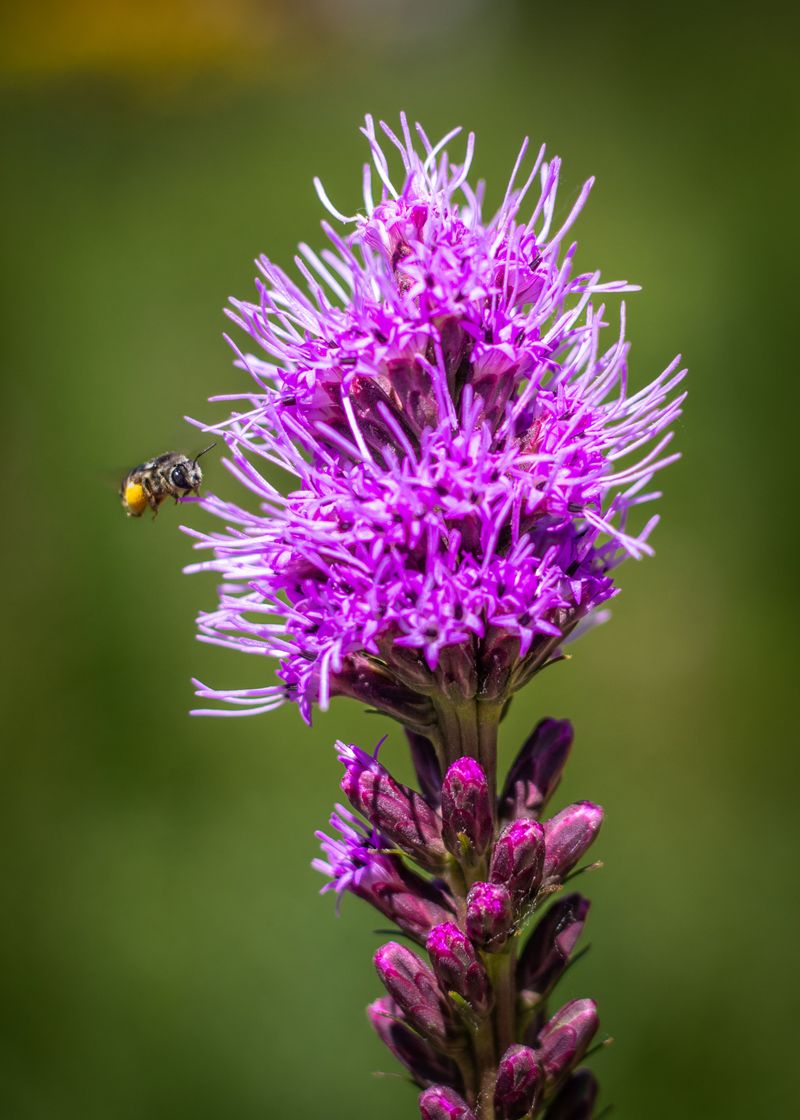
Blazing Star blooms from the top down, which is unusual in the plant world and instantly eye-catching in any garden.
That quirky flowering habit gives it a distinctive look that stands out in a crowd of native Kentucky plants.
Liatris spicata sends up tall, wand-like spikes covered in fluffy magenta-purple blooms from July through September.
Each spike can reach two to four feet tall, creating vertical drama that bees spot from a remarkable distance away.
Bumblebees and monarch butterflies are particularly fond of Blazing Star, often covering the spikes so densely you can barely see the purple beneath them.
It is one of those plants that brings consistent, visible pollinator activity to your garden. Plant Blazing Star in full sun with well-drained soil for the strongest performance.
It grows from a corm, similar to a bulb, and once established it returns reliably each season with minimal attention from you.
This native Kentucky plant pairs beautifully with Black-Eyed Susan and Purple Coneflower in a classic summer border.
The combination of yellow, purple, and magenta creates a bold, painterly effect that feels both wild and intentional.
Drought tolerance is one of Blazing Star’s most practical qualities for home gardeners. Once the roots are established after the first season, you can largely step back and let nature handle the watering schedule.
Leave the seed heads standing through winter to feed goldfinches and sparrows during the lean months.
Blazing Star gives back to native Kentucky wildlife long after its last spectacular bloom has finally faded.