7 Lavender Care Tasks For Massachusetts Gardens This July
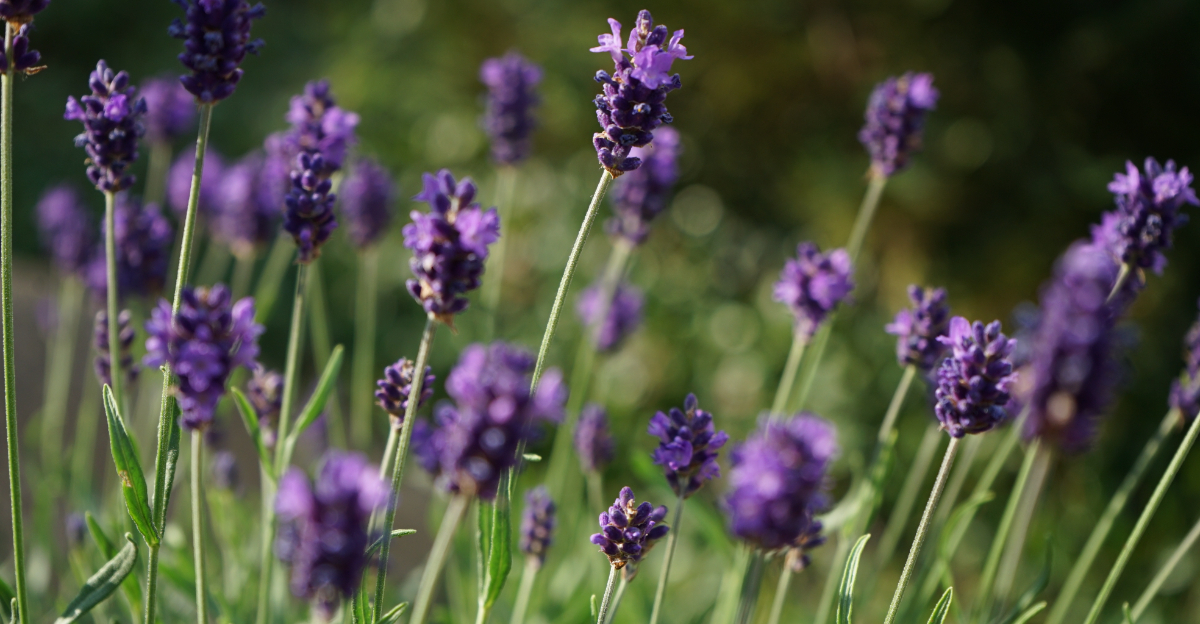
Massachusetts lavender does not fail quietly in July. One humid afternoon followed by a sudden downpour is often enough to tip a healthy plant toward root rot and fungal trouble.
The month brings a strange mix of relentless heat and unpredictable thunderstorms, and lavender roots handle that combination poorly. Soil that stays soggy for even a few hours can undo months of careful growth.
Most gardeners notice the warning signs too late, after the silvery foliage has already started to soften and the fragrance has faded. Seven precise adjustments made now can pull a struggling plant back onto a healthier track.
Watering timing, airflow around the base, even the angle of afternoon sun all carry outsized weight during this stretch of summer. Get them right, and the lavender rewards you with color and scent well into September.
1. Removing Spent Blooms Regularly
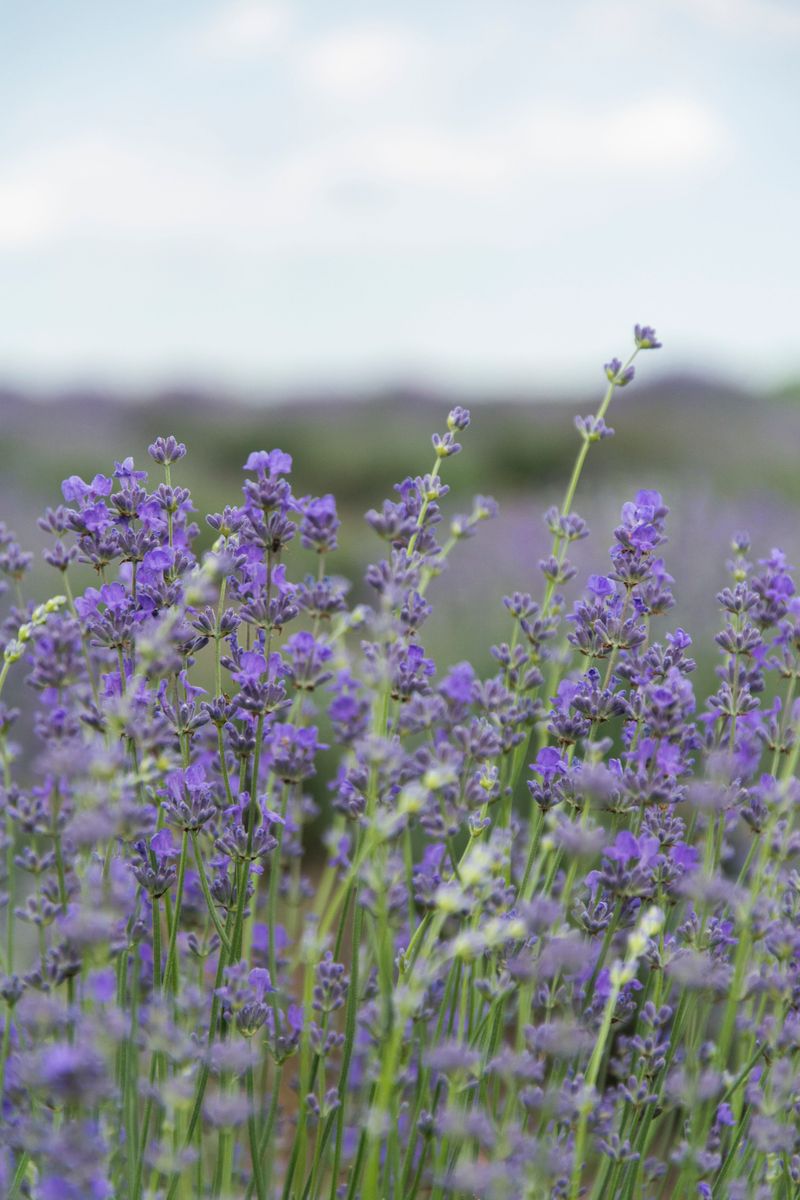
Those faded purple spikes are not just ugly. They are actually slowing your whole plant down.
When lavender blooms finish, the plant shifts energy toward making seeds. Removing spent bloom redirects that energy back into roots and new growth instead.
Grab a pair of sharp scissors or hand pruners. Snip each spent stem just above the first set of leaves below the flower head.
Do this every few days throughout July. A quick pass through the garden takes less than ten minutes and makes a real difference in bloom production.
Fresh cuts also improve the plant’s overall shape. Leggy, overgrown lavender tends to flop open at the center, which invites moisture and disease to settle in.
Keeping blooms trimmed encourages a tighter, more compact form. That structure actually helps the plant handle summer storms without snapping.
Massachusetts gardens often see a second flush of lavender blooms in late summer. Consistent cutting through July is the best way to encourage that bonus round of color.
Toss the spent stems into your compost bin or bundle them for indoor use. Even faded lavender holds some fragrance and looks lovely in a small dried arrangement.
One thing to watch: do not cut too far down the stem. Cutting into old woody growth at this stage can shock the plant and slow recovery.
Stay above the green leafy growth and you will be fine. Your lavender will reward that small, consistent effort with a fuller, more vibrant second bloom that your neighbors are likely to notice.
2. Watering Deeply But Infrequently
Lavender is basically a Mediterranean plant pretending to live in New England. It wants drought, not daily watering.
Overwatering is the fastest way to ruin lavender in Massachusetts. Soggy roots lead to root rot, and root rot is nearly impossible to reverse once it sets in.
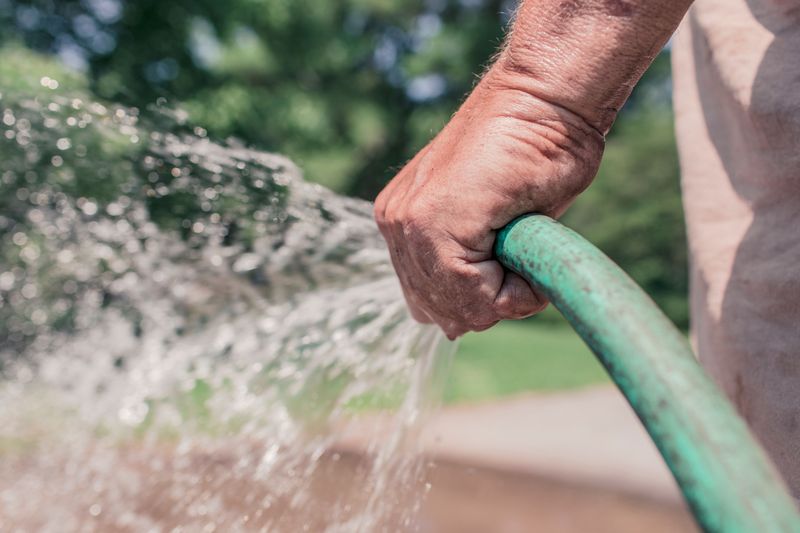
The goal is to water deeply about once a week during dry stretches. Let the hose or watering can soak the base of each plant slowly for a full minute or two.
Deep watering encourages roots to grow downward. Shallow, frequent watering keeps roots near the surface, making plants weaker and more vulnerable to heat stress.
Your Massachusetts Garden Changes Every Week. Your Plan Should Too.
Gardening in Massachusetts changes quickly throughout the season. Every Friday you’ll receive a simple weekly plan showing exactly what to plant, prune, fertilize, harvest, and protect so you never miss the right timing.
Check the soil before you water. Stick your finger two inches into the ground near the base of the plant. If it still feels damp, skip watering for another day or two.
Soaker hoses work beautifully for lavender beds. They deliver moisture directly to the roots without splashing water onto the foliage, which can cause fungal problems in humid July air.
Avoid watering in the evening. Wet foliage overnight in warm weather creates the perfect conditions for mildew and leaf spot to develop.
Morning watering is generally the smarter choice. The sun dries the leaves quickly, and the roots absorb moisture before afternoon heat pulls it away.
After a heavy July rainstorm, hold off on your regular watering schedule for several days. Massachusetts thunderstorms can dump a surprising amount of water in a short time.
Trust the soil, not the calendar, and your lavender care routine will stay right on track all season long.
3. Improving Air Circulation Around Plants
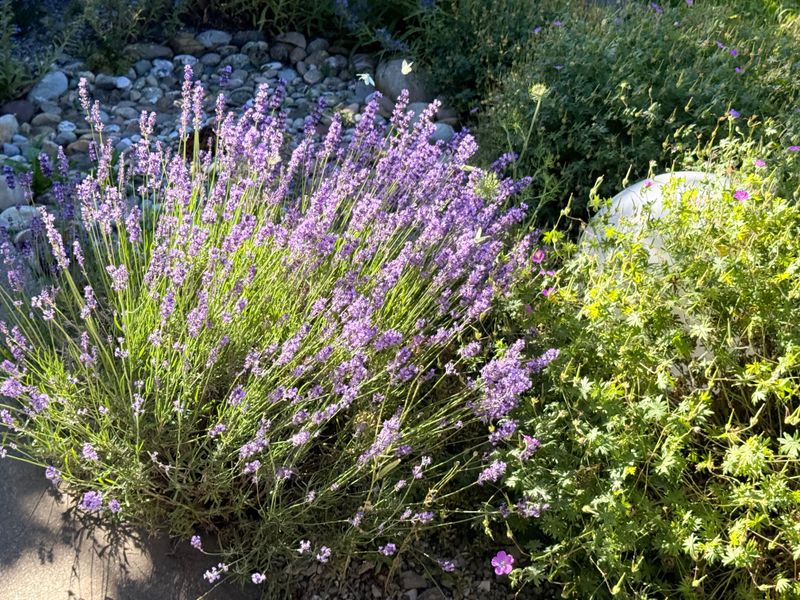
Lavender doesn’t like feeling crowded. Think of it like a person who needs personal space to breathe properly.
Poor air circulation in July traps humidity around the stems and leaves. That trapped moisture becomes a breeding ground for fungal problems that spread fast in New England summers.
Start by looking at what is growing around your lavender. Nearby perennials, ornamental grasses, or overgrown herbs can block airflow without you even realizing it.
Trim back any neighboring plants that are leaning into your lavender’s space. Even a few inches of clearance makes a meaningful difference in how well air moves through the bed.
If you have multiple lavender plants, check the spacing between them. The recommended spacing for most varieties is twelve to eighteen inches apart at minimum.
Plants that were put in the ground last fall may now be touching each other after a full season of growth. Gently separating them or removing a crowded plant is a valid option.
Weeds growing at the base of your lavender also restrict airflow. Pull them out by hand to avoid disturbing the shallow root system nearby.
A clean, open base around each plant allows breezes to pass through freely. That natural airflow keeps foliage dry and reduces stress on the plant during hot, humid days.
Some gardeners use a light hand rake to gently fluff the soil surface around their lavender. This breaks up any crust that forms after rain and helps air reach the roots.
Good airflow is one of those invisible factors that quietly determines whether your lavender thrives or struggles all summer long.
4. Harvesting Stems For Fragrance
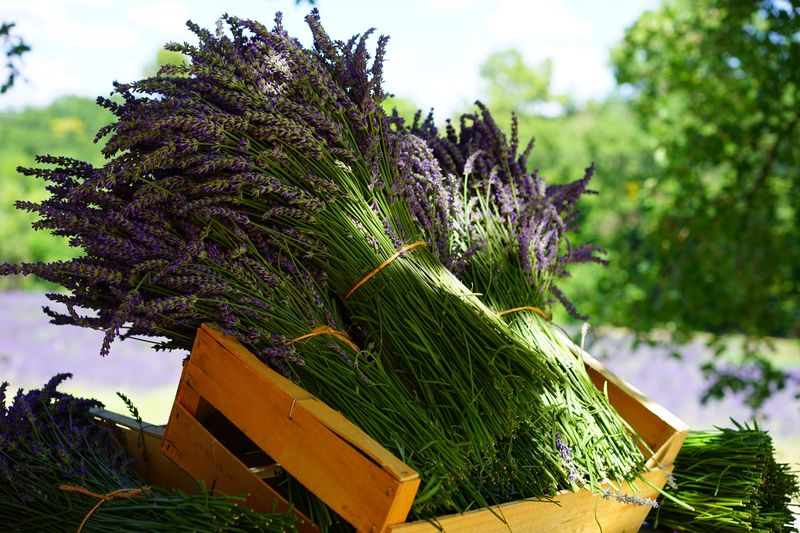
There is nothing quite like burying your face in a fresh-cut bundle of lavender. July tends to be one of the best months to harvest in Massachusetts.
Timing matters a lot when harvesting for fragrance. Cut stems when about one-third to one-half of the flower buds on each spike have opened. That is when the essential oil content peaks.
Use sharp, clean scissors or pruning shears. Dull blades crush the stem instead of cutting cleanly, which can introduce bacteria and reduce the shelf life of your harvest.
Cut stems long, reaching down to just above the lower leaves. Longer stems are easier to bundle and give you more flexibility for arrangements or drying.
Harvest in the morning after the dew has dried but before the midday heat arrives. The fragrance is strongest in cooler morning air, and the oils are more concentrated before sun exposure.
Gather ten to fifteen stems into a loose bundle. Secure the base with a rubber band, which tightens automatically as the stems shrink during drying.
Hang bundles upside down in a cool, dry spot with good airflow. A basement, garage, or shaded porch works well in Massachusetts summer conditions.
Dried lavender typically takes two to three weeks to fully cure. Once dry, the blooms hold their color and scent for months.
Harvesting is also beneficial for the plant itself. It acts as a light pruning session that encourages fresh growth and potentially a second round of blooms before fall arrives.
Each cut stem you take is a small reward for all the lavender care you have put in this season.
5. Trimming Lightly Without Cutting Into Wood
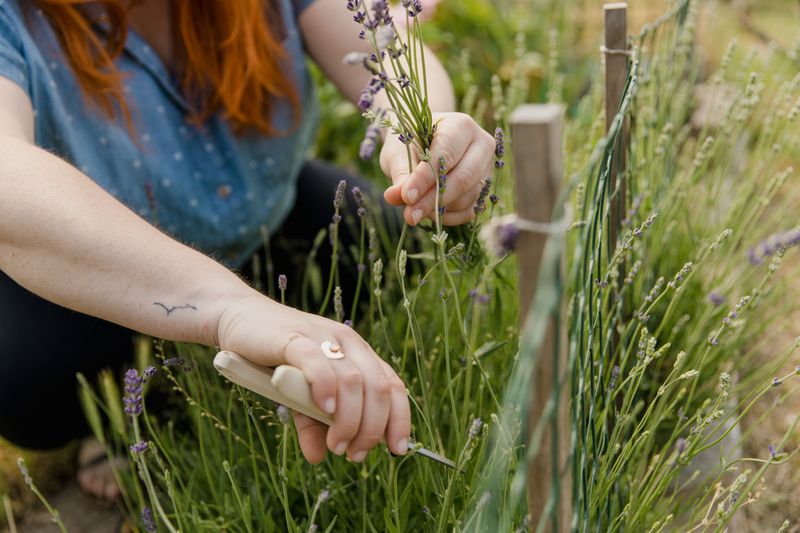
Lavender has a secret weakness that many gardeners discover too late. Cut into the woody base and the plant may never recover.
July is a good time for a light shape-up trim, but the rules are strict. You should stay in the green, flexible growth and avoid the gray-brown woody stems at the base.
Those woody stems look tough, but they are actually slow to produce new growth. Cutting into them in summer can leave a plant with bare-looking sections that persist for years.
A good rule of thumb is to cut back no more than one-third of the plant at a time. This keeps enough foliage in place to support healthy root function during the hot weeks ahead.
Use the trim to shape the plant into a rounded mound. That shape sheds water efficiently and reduces the chances of the center splitting open from wind or heavy rain.
Sharp tools matter here more than anywhere else in lavender care. Ragged cuts on stems take longer to heal and can invite pests to move in.
Wipe your pruner blades with a cloth dampened in soapy water between plants. This simple step helps reduce the spread of fungal spores from one plant to the next.
After trimming, step back and assess the overall shape. The plant should look neat and balanced, not scalped or lopsided.
Some varieties like Phenomenal or Hidcote handle light summer trimming especially well in New England climates. They bounce back quickly and often push out fresh growth within a week or two.
A careful trim today protects the long-term structure your lavender needs to survive many more Massachusetts summers ahead.
6. Checking For Pests And Root Problems
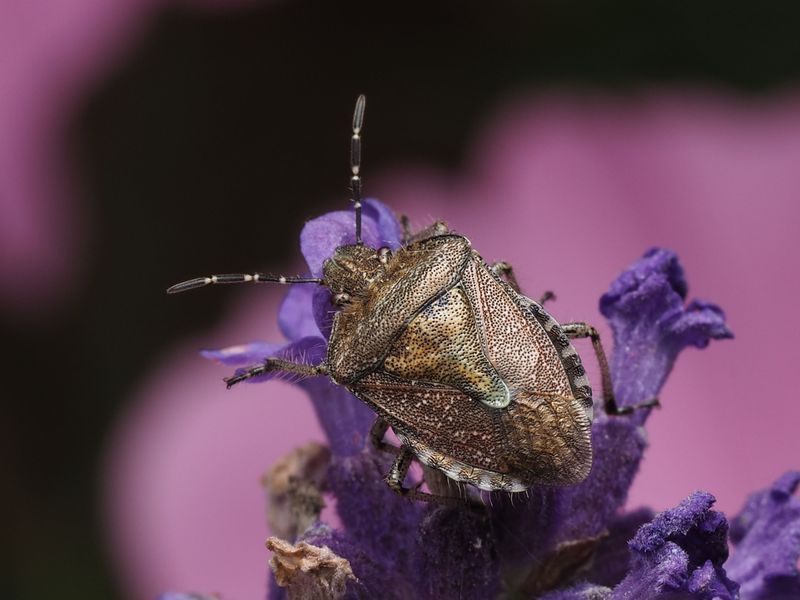
Something nibbled your lavender last night and you have no idea what it was. July pest activity in New England gardens is surprisingly varied.
Spittlebugs are one of the most common lavender pests in Massachusetts. They leave behind a foamy white residue on stems that looks like someone spit on your plant.
Remove spittlebugs by blasting the stems with a strong stream of water. Repeat every few days until the frothy masses stop appearing.
Aphids sometimes cluster on tender new growth in July. They are tiny, soft-bodied insects that congregate in groups and cause leaves to curl or yellow at the tips.
A diluted neem oil spray handles aphids well without harming beneficial insects nearby. Apply it in the early morning or evening when bees are less active.
Root problems are harder to spot because they happen underground. Signs include wilting that does not improve after watering and stems that look gray or mushy near the soil line.
If you suspect root rot, carefully dig around the base of the plant. Healthy roots are white and firm. Rotted roots are brown, slimy, and may smell unpleasant.
Root rot in lavender almost always comes from overwatering or poorly draining soil. Improving drainage by adding coarse sand or gravel to the bed can prevent further damage.
Deer occasionally browse lavender despite its strong scent. Look for cleanly bitten stems as a clue that a larger animal visited overnight.
Catching any problem early gives you the best shot at saving the plant before damage becomes permanent and costly to address.
7. Mulching With Light, Well-Draining Material
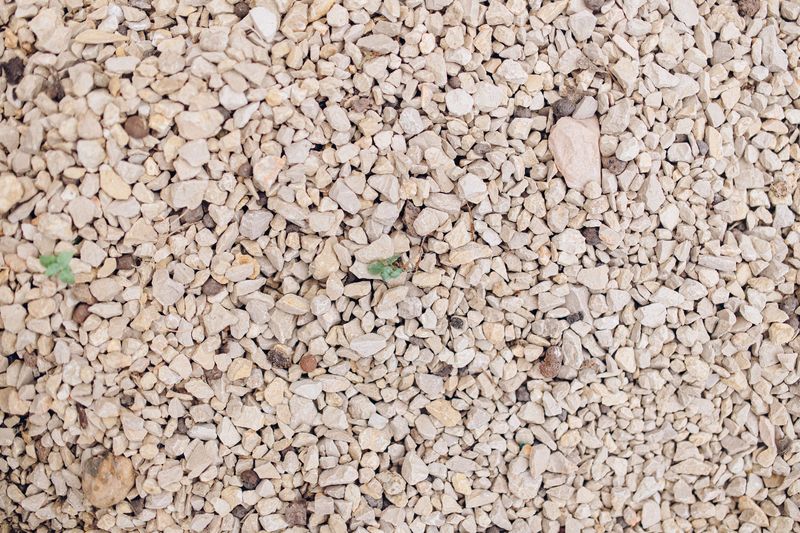
Mulch sounds simple, but the wrong kind can suffocate lavender faster than any pest. Choosing the right material is everything.
Lavender care in Massachusetts summer means managing moisture carefully. Standard bark mulch retains too much water and keeps the base of the plant damp for too long.
Gravel or crushed stone mulch is the gold standard for lavender beds. It allows water to drain quickly while still reflecting heat away from the root zone during hot July afternoons.
Pea gravel works especially well around the crown of each plant. Spread a one-to-two-inch layer around the base, keeping it a few inches away from the actual stems.
Avoid piling mulch directly against the stems. That contact traps moisture and encourages rot to develop right where the plant is most vulnerable.
Oyster shell mulch is another excellent option for New England gardens. It drains fast, reflects light, and even adds a small amount of calcium to the soil over time.
Light-colored materials reflect sunlight and help keep soil temperatures from spiking too high. Lavender roots prefer cooler ground, even when the air above is sweltering.
Avoid rubber mulch entirely. It holds heat, restricts airflow, and breaks down into chemicals that can harm sensitive plants like lavender over time.
Check your mulch layer after heavy July rain. Storms can shift gravel or wash it away from the base, leaving the crown exposed to standing water.
A well-mulched lavender bed looks tidy, drains beautifully, and gives your plants the stable foundation they need to finish the season strong.