The One Mistake That’s Turning Your California Lavender Woody This Summer
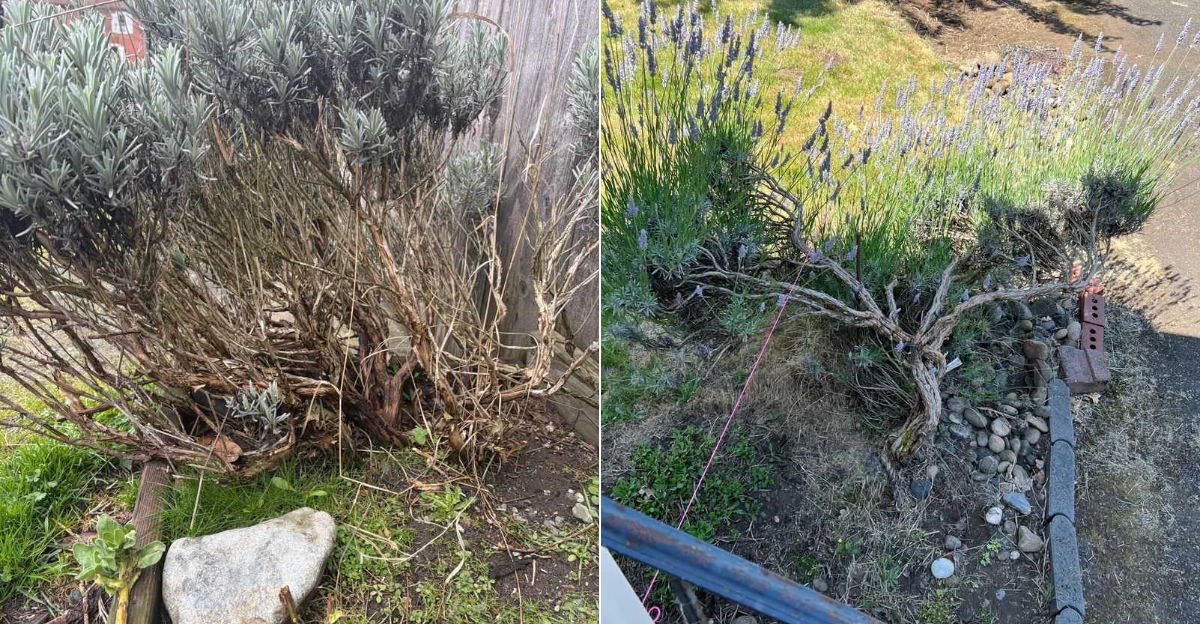
California lavender should look calm, fragrant, and effortlessly chic, not stiff and woody by midsummer. When it starts looking awkward, the culprit is often too much water.
That extra “help” may feel kind during a hot spell, but lavender hates sitting in soggy soil. Instead of pushing soft new growth, it can get stressed, leggy, woody, and far less pretty.
This is where many California homeowners accidentally love their lavender a bit too much. The plant may look thirsty in the heat, but the roots usually want breathing room more than another drink.
Before you reach for the hose again, check the soil and rethink the routine. A drier approach may be the thing that keeps your lavender looking neat, fragrant, and worthy of its sunny spot.
1. Too Much Summer Water
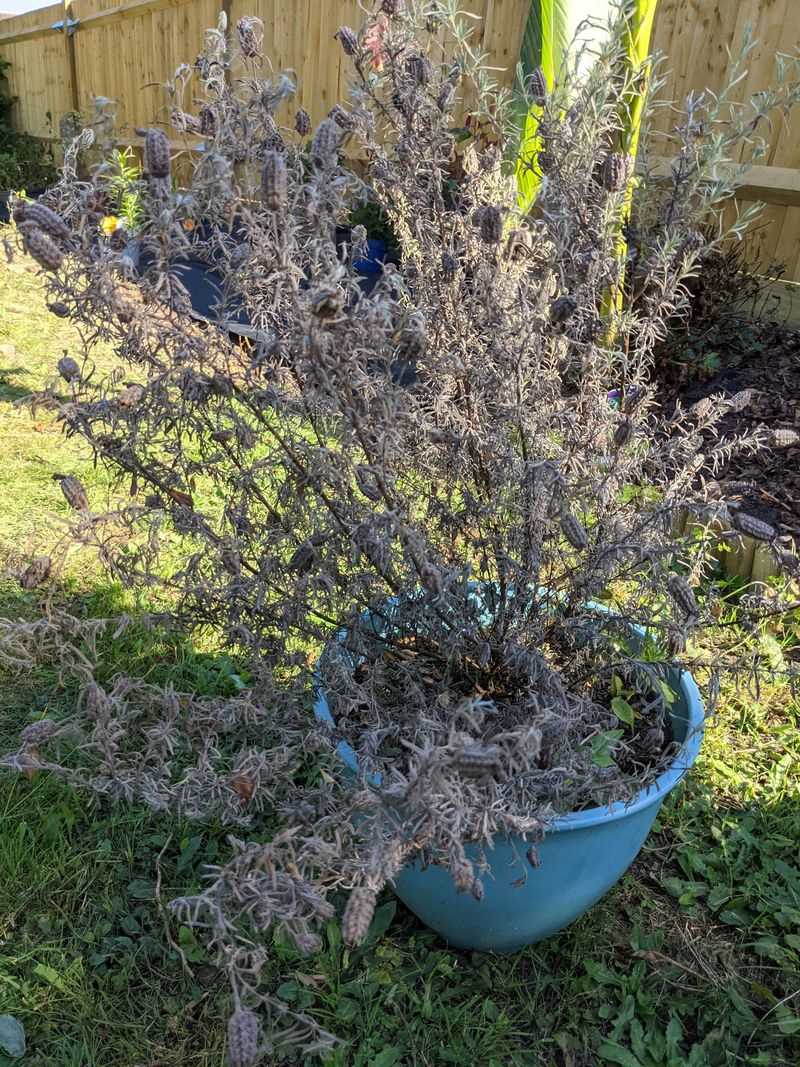
Most people think giving plants more water in summer is always the right call. With lavender, that thinking can seriously backfire.
This plant evolved in dry Mediterranean climates where summer rain is rare and the soil drains fast.
When you water lavender too often during our hot months, the roots stay wet for too long. Wet roots cannot breathe properly.
Over time, the base of the plant starts to harden and turn into thick, woody stems instead of staying soft and green.
Woody stems do not produce as many flowers. They also make the plant look scraggly and old before its time.
Many gardeners mistake this for a disease or pest problem, but the real cause is sitting right at the end of their garden hose.
Cutting back on water is often the simplest fix. Most established lavender plants in California only need watering once every one to two weeks in summer.
Young plants need a little more, but even they should dry out between waterings.
Check the soil before you water. Push your finger about two inches into the ground.
If it still feels damp, wait a few more days. Lavender wants to feel a little thirsty before it gets a drink.
That small habit change can stop woody growth before it starts.
2. Lavender Hates Wet Feet In Heat
There is an old gardening phrase that says some plants hate wet feet. Lavender is one of the biggest examples of this.
When the roots sit in moist soil while the sun beats down overhead, the combination becomes very hard on the plant.
Heat speeds up how fast roots break down in wet conditions. The warm, damp environment around the roots can cause them to soften and struggle to pull in nutrients.
When roots are not working well, the whole plant suffers from the top down.
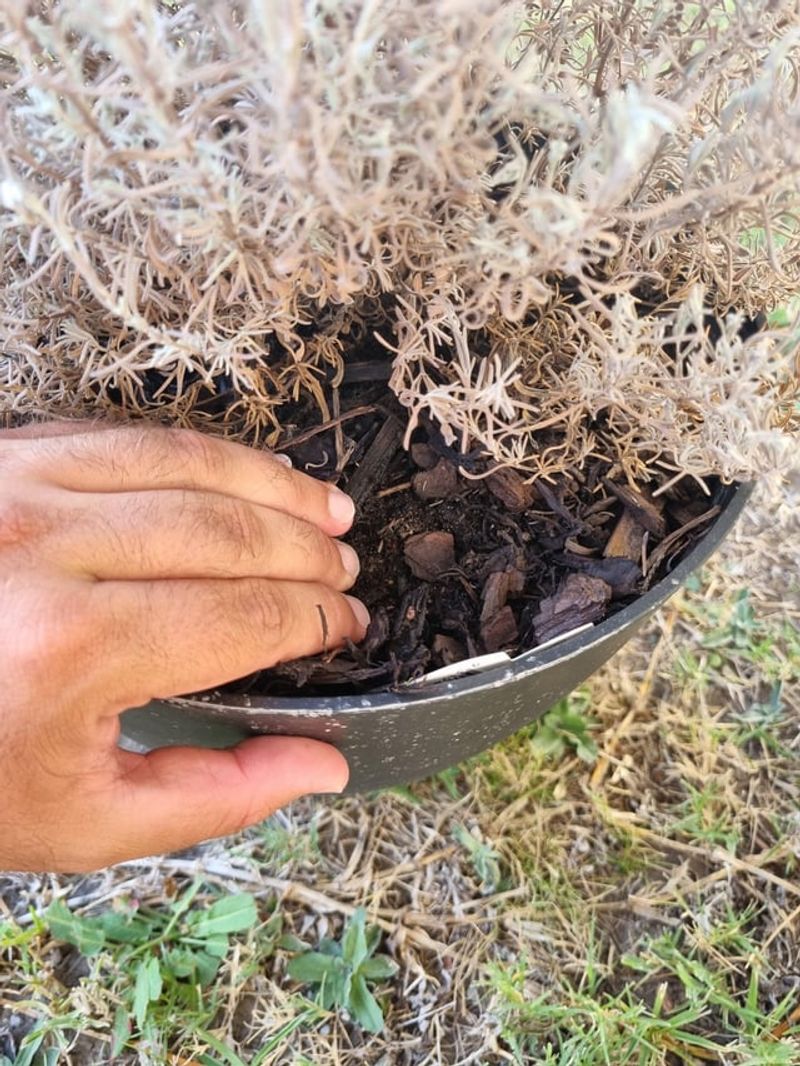
You will start to notice the lower stems getting thick and stiff. The leaves near the base may turn gray or brown.
The plant may still bloom at the tips, but the overall structure becomes weak and unbalanced over time.
Good drainage is the single best defense against this problem. If your garden bed holds water after rain or irrigation, lavender will not thrive there long-term.
Your California Garden Changes Every Week. Your Plan Should Too.
Gardening in California changes quickly throughout the season. Every Friday you’ll receive a simple weekly plan showing exactly what to plant, prune, fertilize, harvest, and protect so you never miss the right timing.
Raised beds and slopes are much better choices for planting lavender in warmer parts of California.
Sandy or gravelly soil helps water move away from roots quickly. If your current soil is too dense, mix in coarse sand or small pebbles before planting.
Even a slight improvement in drainage can make a noticeable difference in how your lavender handles the summer heat without turning woody.
3. Soft Growth Turns Leggy Fast
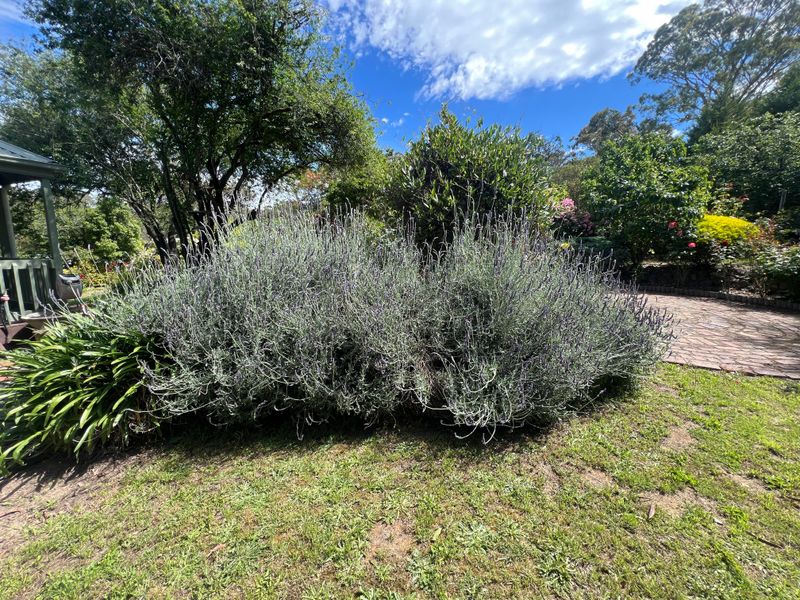
When lavender gets more water than it needs, it often responds by putting out fast, soft, floppy growth. This might look promising at first, like the plant is really taking off.
But that soft new growth is actually a warning sign.
Stems that grow too quickly do not have time to build up the strong internal structure that lavender needs. They become long and leggy, flopping over instead of standing upright.
The plant starts to look messy and overgrown rather than full and compact.
Over time, those weak stems harden at the base into woody sections. Once stems become woody, they rarely produce new leaves or flowers.
The plant ends up with a thick, withered-looking center and only a thin ring of green growth around the outside edges.
Keeping growth balanced starts with limiting water. When lavender is slightly dry, it grows more slowly and more steadily.
That kind of controlled growth leads to stronger stems that hold their shape through the whole season.
Full sun also plays a role. Lavender planted in partial shade tends to stretch toward the light, which makes legginess worse.
Make sure your plant gets at least six to eight hours of direct sun each day. Combine that with less frequent watering, and you will see tighter, healthier growth that resists turning woody all summer long.
4. Constant Moisture Weakens The Base
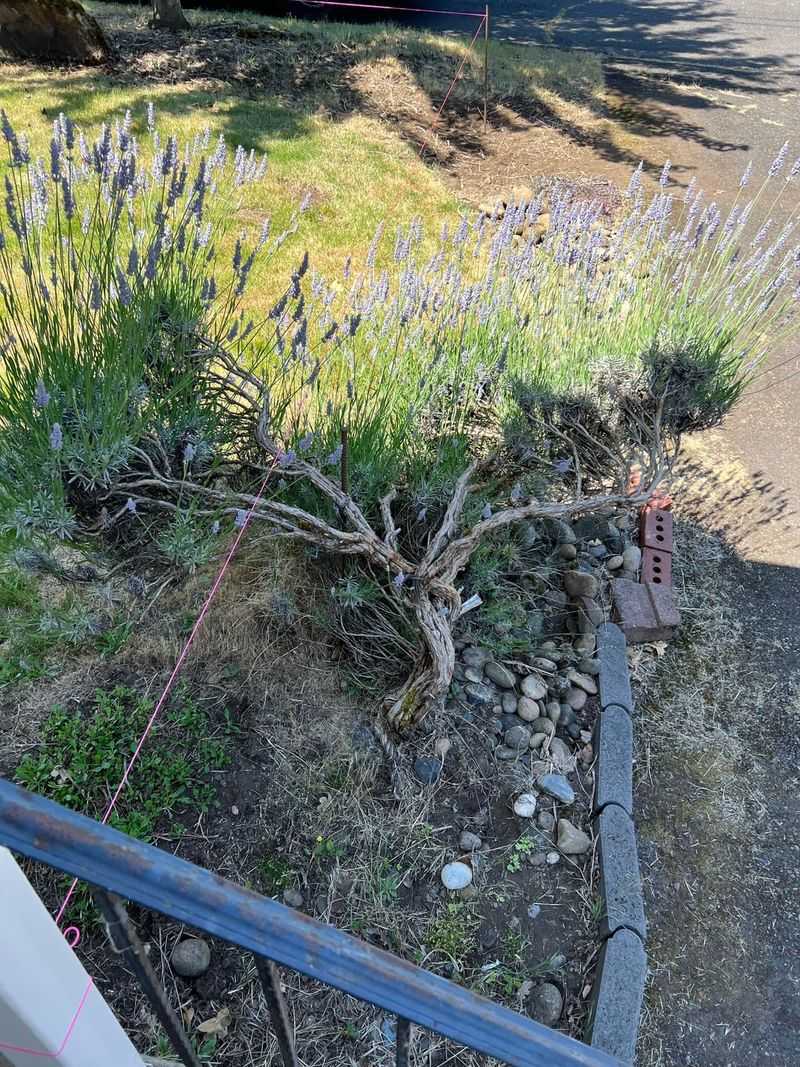
The base of a lavender plant is where everything starts. Strong, flexible stems at the base allow the plant to push out new growth season after season.
But constant moisture around that base slowly robs the plant of that strength.
When soil never fully dries out, the lower stems begin a process called lignification much faster than normal. That is a fancy word for the stems turning into hard, wood-like tissue.
A little of this is natural as lavender ages, but overwatering speeds it up dramatically.
Once the base becomes heavily woody, it stops sending out new shoots. The plant cannot regenerate from that old wood the way other shrubs can.
That is why you often hear gardeners say their lavender just stopped coming back after a few seasons.
Letting the soil dry completely between waterings gives the base a chance to stay healthier longer. Think of it like resting a muscle.
The plant actually gets stronger when it is not constantly soaking in water. Dry spells between watering sessions encourage roots to grow deeper and the base to stay more flexible.
Avoid piling soil or mulch directly against the main stems. Keeping a small gap around the base improves airflow and reduces how long moisture lingers near the wood.
These small habits add up to a plant that stays productive and green for many more seasons.
5. Clay Soil Makes Overwatering Worse
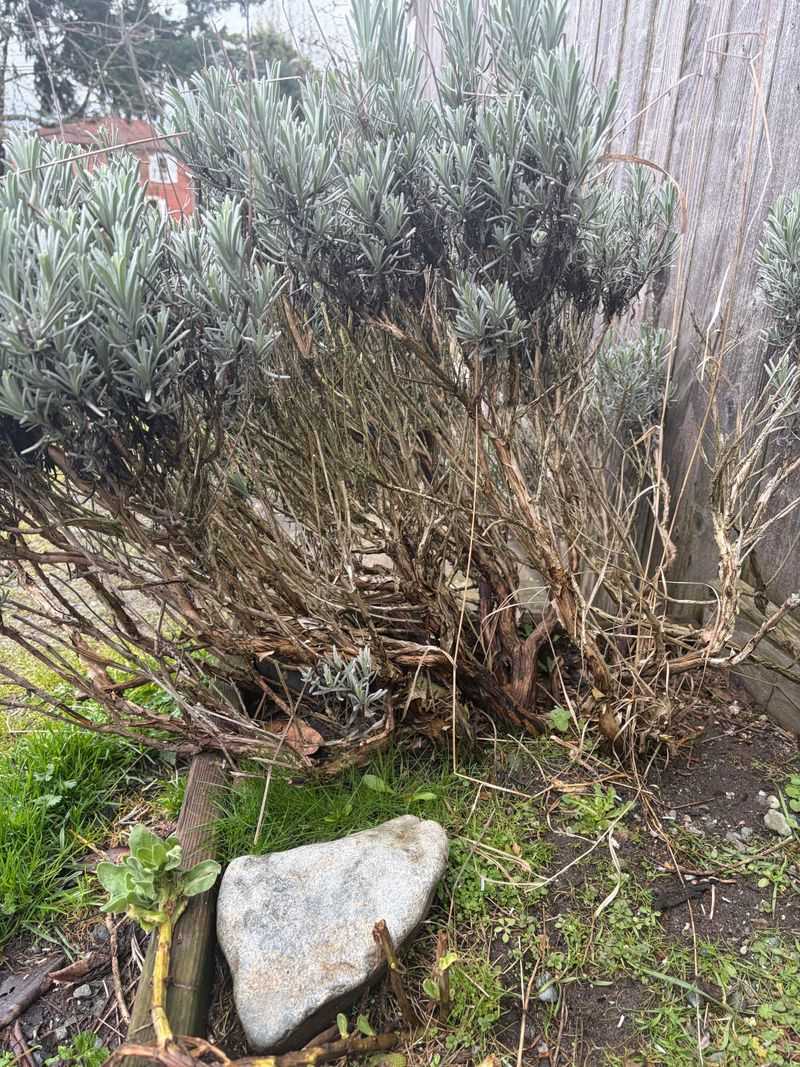
Not all soil is created equal, and if you are gardening in an area with clay-heavy ground, lavender faces an extra challenge. Clay soil holds water much longer than sandy or loamy soil.
That means even moderate watering can create soggy conditions that lavender cannot handle.
Clay particles pack tightly together and leave very little space for air or drainage. After a watering session, the moisture has nowhere to go quickly.
It just sits around the roots, and that is where the trouble begins for lavender growing in these conditions.
Many parts of California have clay-rich soil, especially in valley areas and older suburban neighborhoods.
Gardeners in these zones often water on the same schedule they use for other plants, not realizing lavender needs a completely different approach in heavy soil.
Amending your soil before planting is the best long-term solution. Mix in coarse sand, perlite, or fine gravel to break up the clay and improve drainage.
Aim for a mix where water drains away within a few seconds of being poured on the surface.
If your lavender is already planted in clay and showing woody growth, you may need to carefully dig it up and replant it in improved soil or a raised bed.
It takes a little extra effort, but the payoff is a healthier, greener, more fragrant plant that actually thrives through the summer months without stiffening up.
6. Mulch Can Hold Too Much Moisture
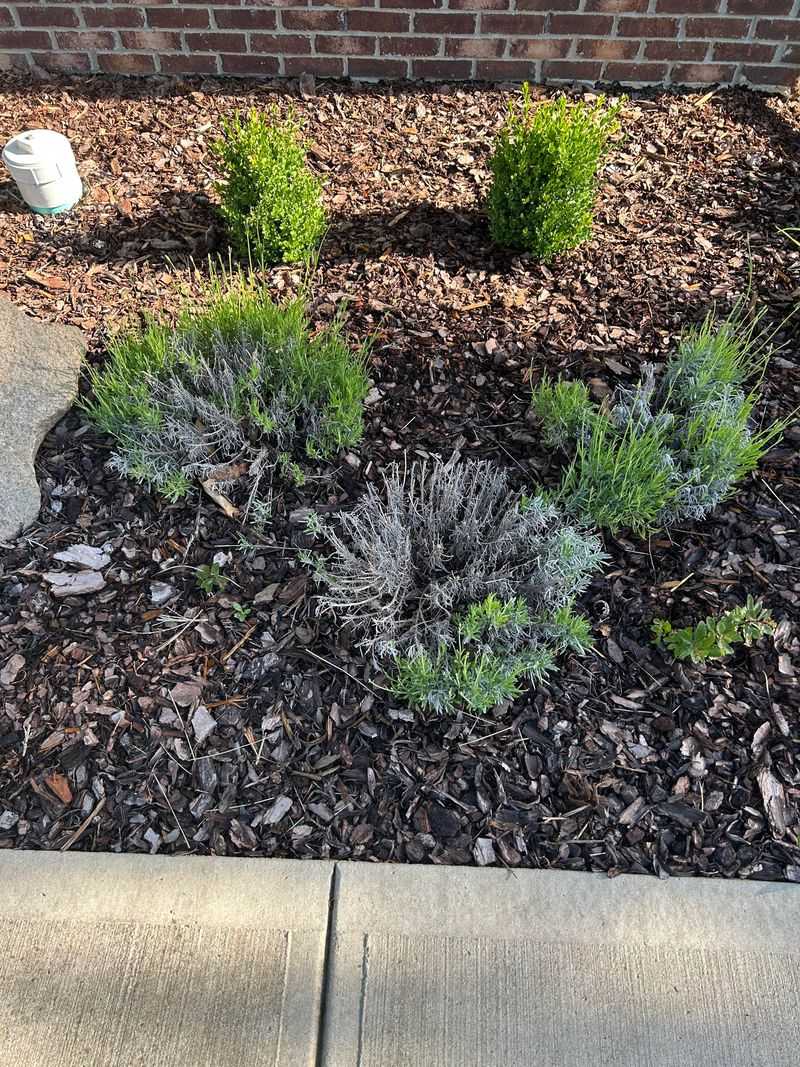
Mulch gets a lot of praise in the gardening world, and for good reason. It keeps weeds down, regulates soil temperature, and helps conserve water.
But around lavender, mulch can actually cause more harm than good if it is applied too heavily or too close to the plant.
Thick layers of organic mulch like wood chips or bark hold onto moisture for a long time. In cooler seasons, that is helpful.
In the middle of summer, when lavender needs dry conditions around its roots and base, all that trapped moisture creates exactly the wrong environment.
Mulch piled against the stems is especially problematic. It keeps the base of the plant constantly damp, which speeds up the woody hardening process and can even lead to rot in severe cases.
Many gardeners do not realize their well-meaning mulch application is part of the problem.
If you want to use mulch around lavender, keep it light and pulled back from the main stems. A thin layer of gravel or small pebbles works much better than organic mulch for this plant.
Gravel reflects heat, improves drainage, and does not hold moisture the way bark or compost does.
Switching to a gravel mulch is a simple change that many experienced lavender growers in California swear by.
It mimics the rocky, dry soil conditions lavender naturally prefers and helps prevent the woody buildup that shortens the life of so many garden plants.
7. Drip Lines May Be Running Too Often
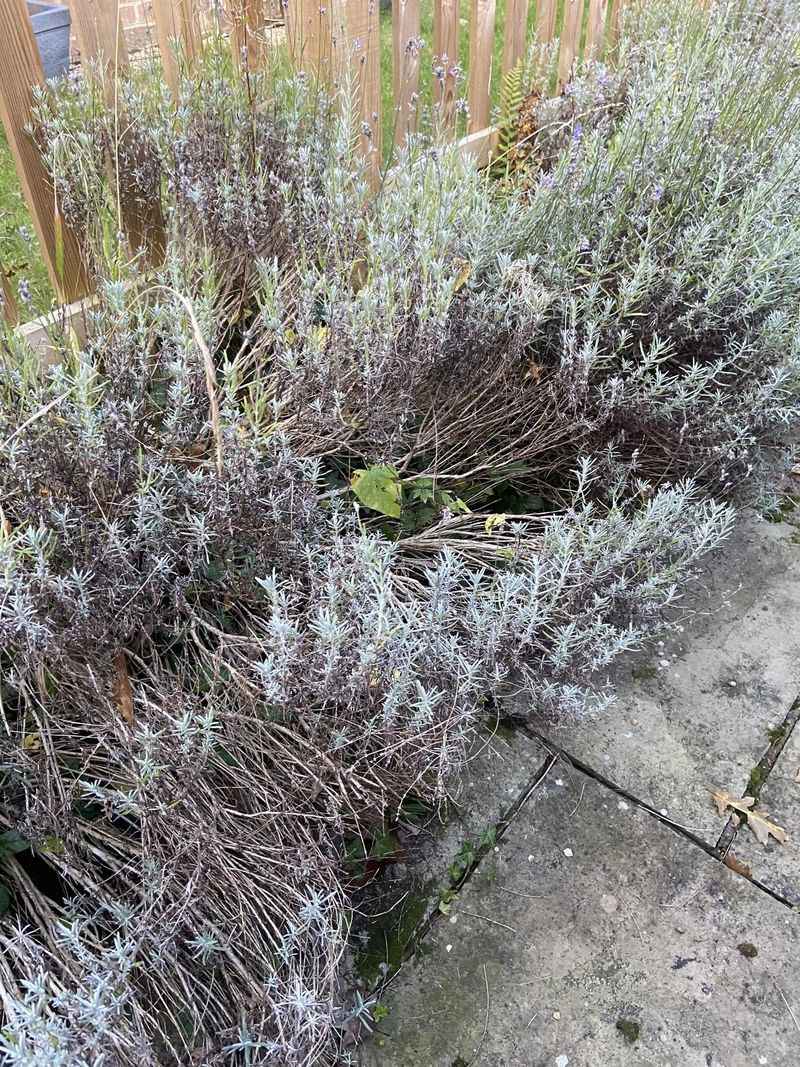
Drip irrigation feels like the perfect solution for a busy gardener. Set it and forget it, right?
For many plants, that works great. But lavender has very different water needs than tomatoes, roses, or lawn grass, and a drip schedule designed for those plants can seriously overwater your lavender.
Most drip systems in residential gardens run on timers set to water every day or every other day.
That frequency is way too much for established lavender, especially during our hot, dry summers when the plant is actually built to handle drought.
When drip lines run too often, the soil around lavender never fully dries out. The roots stay in a constantly damp environment, and the plant responds by developing woody stems, sparse flowers, and a generally unhealthy appearance.
Many homeowners blame the heat, but the drip timer is often the real culprit.
Check your irrigation zones and see if lavender is grouped with other plants that need more water. Ideally, lavender should be on its own zone with a much less frequent schedule.
Once every ten to fourteen days is usually enough for mature plants in well-drained soil.
If you cannot separate the zones, consider turning off the drip emitters near your lavender and watering those plants by hand on a separate schedule.
It takes a few extra minutes, but your lavender will reward you with more blooms and far less woody growth throughout the season.
8. Skip Daily Sprinklers Around Lavender
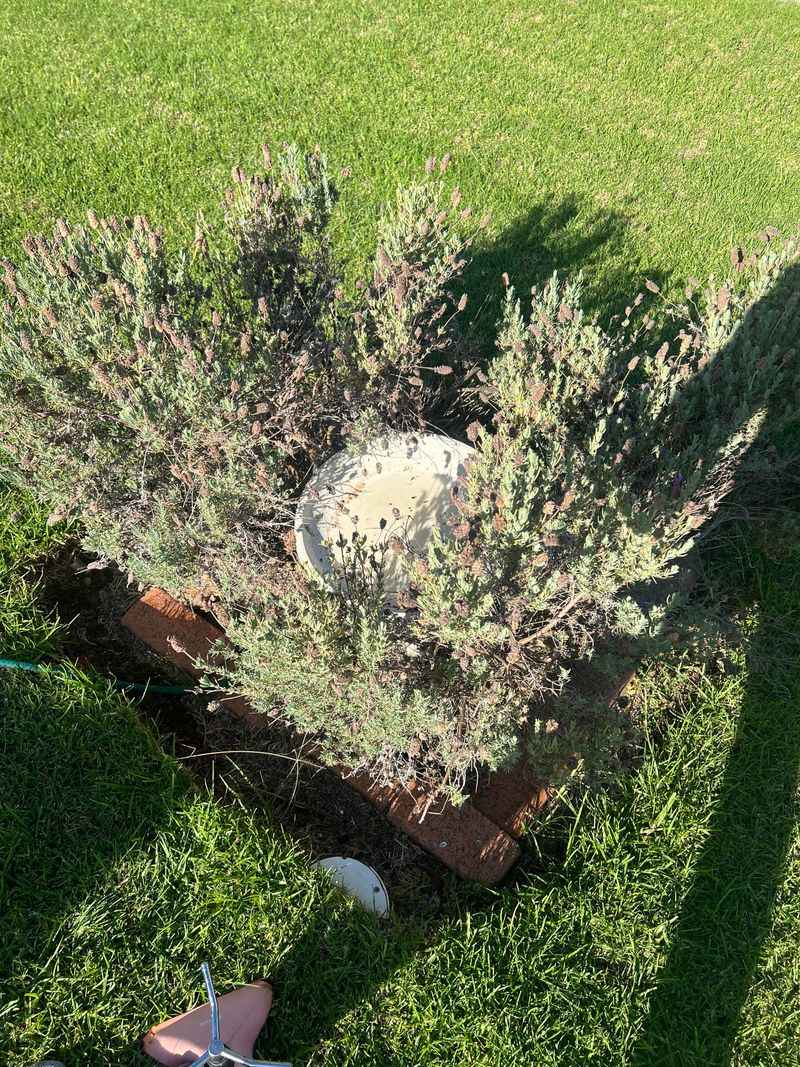
Sprinkler systems are one of the most common reasons lavender turns woody in home gardens across California. Sprinklers designed for lawns or flower beds often run on a daily or near-daily schedule.
Lavender simply cannot handle that much water hitting its leaves, stems, and soil every single day.
Wet foliage is another issue sprinklers create. When water sits on lavender leaves and stems for extended periods, it can encourage fungal issues and weaken the plant’s natural defenses.
The combination of wet soil and wet foliage is especially rough on lavender during warm months.
Many California gardeners discover their lavender is on the same sprinkler zone as their lawn. Grass needs water much more frequently than lavender does.
Keeping them on the same schedule almost guarantees the lavender will be overwatered by the end of summer.
The best approach is to move lavender out of sprinkler range entirely. Plant it in a separate bed where it will not get hit by the spray.
Water it by hand or with a dedicated drip emitter set to a much lower frequency than the rest of your yard.
If moving the plant is not an option right now, try blocking the sprinkler spray from reaching it using a small barrier or adjusting the sprinkler head direction.
Even reducing the watering frequency by half can make a visible difference in how healthy and green your lavender stays through the summer.
9. Trim Lightly After Bloom, Not Into Wood
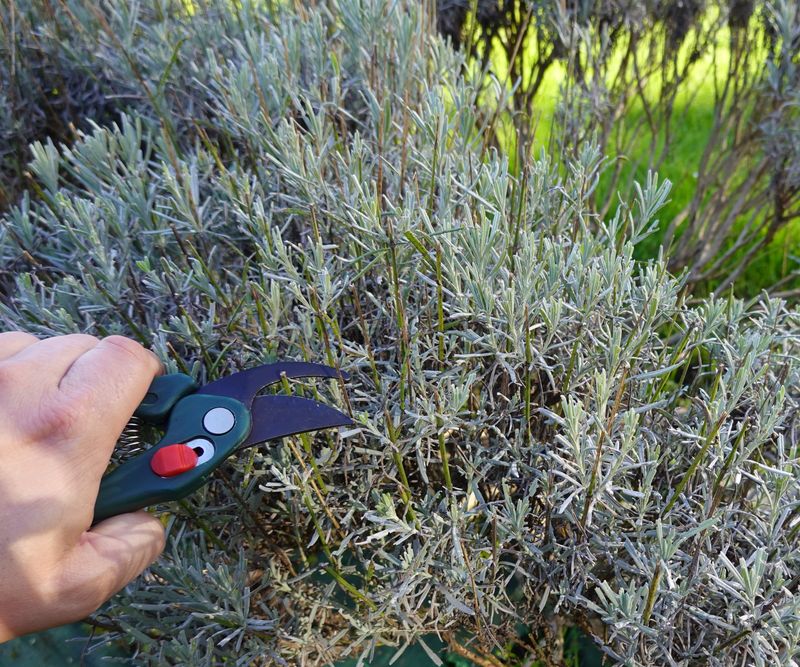
Pruning lavender the wrong way is closely tied to the overwatering problem. When a plant is already stressed from too much water and starting to go woody, some gardeners make the situation worse by cutting back too hard.
Trimming into the old wood almost never works out well for lavender.
Unlike many shrubs, lavender does not reliably regrow from bare, woody stems. If you cut below the green growth and into the hard brown wood, the plant may not push out new shoots from that spot.
You can end up with bare patches that never fill back in.
The right time to trim is right after the blooms fade in late summer or early fall. At that point, cut back about one-third of the plant, staying above the woody base and only trimming through the soft, green growth.
This encourages fresh new shoots without risking permanent damage.
Light trimming also helps the plant stay compact and prevents the leggy growth that overwatering tends to cause. Think of it as a gentle shaping rather than a hard cutback.
You want to tidy the plant, not shock it. Pairing smart trimming with a reduced watering schedule gives lavender the best chance of staying full, fragrant, and healthy season after season.
Both habits work together to keep the base flexible and the stems productive. A little care at the right time goes a long way for this sun-loving plant.