Plant Your Private Retreat This November With 8 Dreamy New Jersey Trees
Your backyard is one November planting away from becoming the place you never want to leave. Step outside and imagine a wall of green so dense the neighbors disappear, with dappled light falling across your patio next summer.
Add in the kind of quiet that makes you forget you’re minutes from traffic and sidewalks. New Jersey yards deal with cold winters, humid summers, and clay-heavy soil that challenges many plants.
Yet the right trees take all of it in stride without asking much from you in return. This isn’t about filling space. It’s about designing a retreat.
It’s about designing a retreat that works while you sleep, adds real value to your property, and gives you a reason to linger outside past sunset.
From fast-growing screens to trees that burst with color next fall, New Jersey homeowners have options most people never consider, and November is a wonderful time to plant them.
1. River Birch
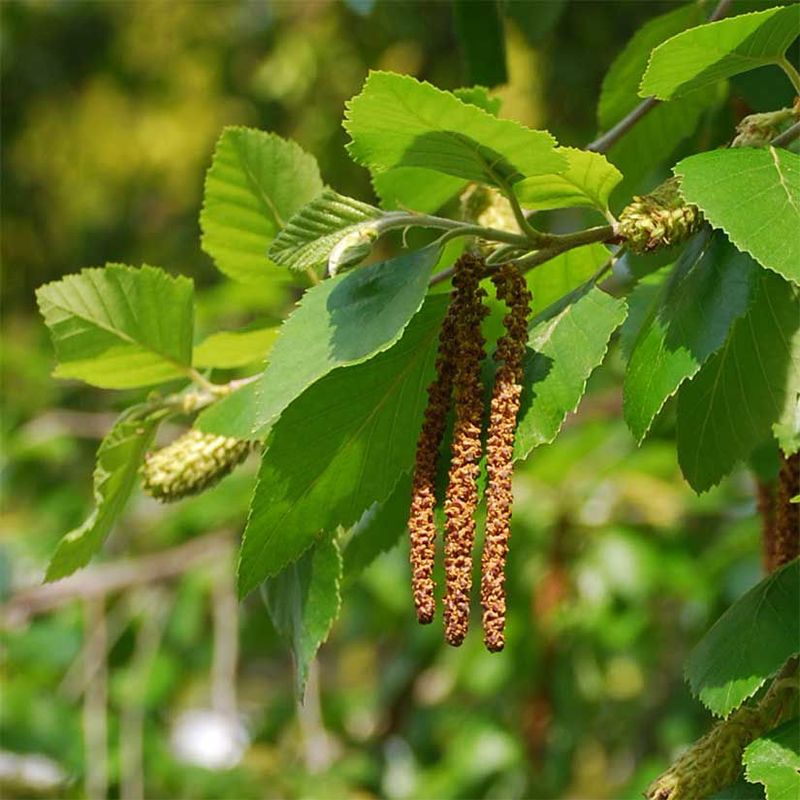
Peeling bark that looks like nature’s own artwork makes River Birch an eye-catching feature in any yard. Few other trees give your backyard that distinctive, textured look year-round, no matter the season.
River Birch thrives in wet or poorly drained soils that would challenge most trees. If your yard holds water after rain, this tree turns that problem into a feature instead of a worry.
The cinnamon and cream bark peels away in papery layers, catching light beautifully at every angle. Even in November, when most trees look bare and quiet, this one still looks dramatic and intentional.
During summer, the canopy fills with small, shimmering leaves that flutter in the breeze. That constant gentle movement creates a calming, almost meditative atmosphere across the whole backyard.
River Birch grows fast, often adding two feet of height each year without much fuss. You will not wait long before it starts providing real privacy and shade for the space below.
It handles heat, humidity, and urban pollution better than most birch varieties on the market. That resilience makes it a smart long-term investment for any backyard retreat, even in challenging New Jersey conditions.
Birds commonly visit River Birch branches, including finches and chickadees, adding life and motion to the yard.
Plant it this month near a seating area or pond for maximum visual impact. This tree earns its spot in any New Jersey backyard that craves character and quiet charm.
2. Tulip Tree
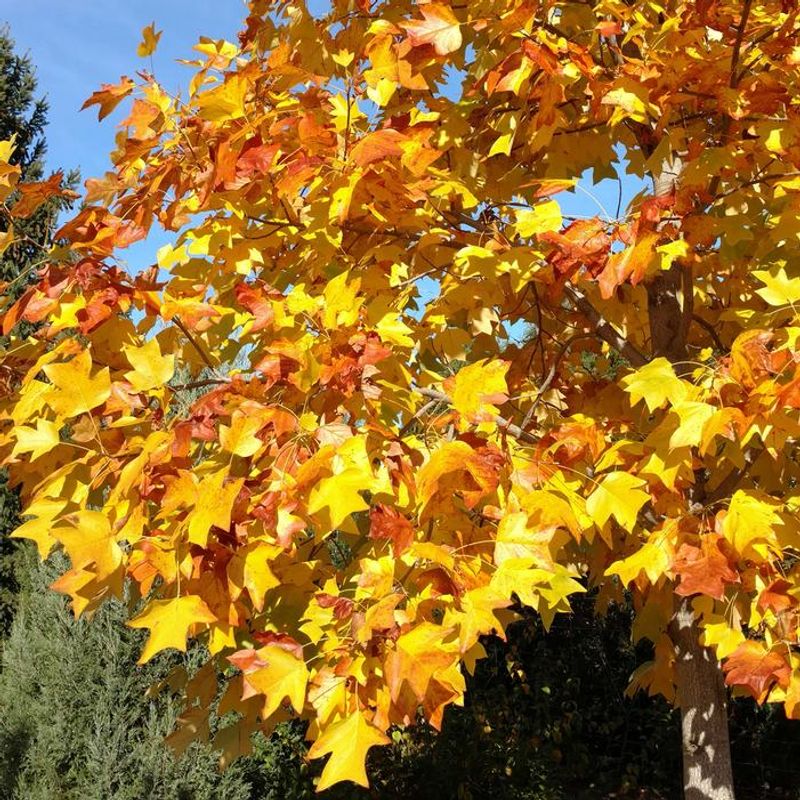
Tulip Tree blooms are noticeable enough that passersby often stop to admire them. These cup-shaped flowers glow orange and yellow in late spring, sitting high in the canopy where they catch the light beautifully.
This is actually one of New Jersey’s tallest native hardwoods, reaching well over 90 feet in the wild. In a home landscape, it grows impressively tall and creates serious privacy without taking decades to get there.
The leaves are one of the most recognizable shapes in the plant world. Each one looks like a tulip silhouette, which makes identification easy and turns casual backyard conversations into something more interesting.
Tulip Tree grows quickly, gaining two to three feet per year under good conditions. That speed means your private retreat comes together faster than you might expect, especially compared to slower-growing shade trees.
Hummingbirds are devoted to the nectar-rich flowers, visiting repeatedly throughout the blooming season. Watching them hover near the treetop is one of summer’s quiet pleasures.
Fall color on this tree is a warm golden yellow that lights up the whole yard. It holds that color longer than many other species, so a November planting will be ready to shine by next autumn.
Plant Tulip Tree in full sun with well-drained soil for best results. Give it space away from underground utilities since the roots spread wide and grow strongly over time.
Once established, it needs minimal care beyond occasional pruning to maintain shape. For a fast-growing centerpiece that stands out in the landscape, Tulip Tree delivers every season.
3. Dawn Redwood
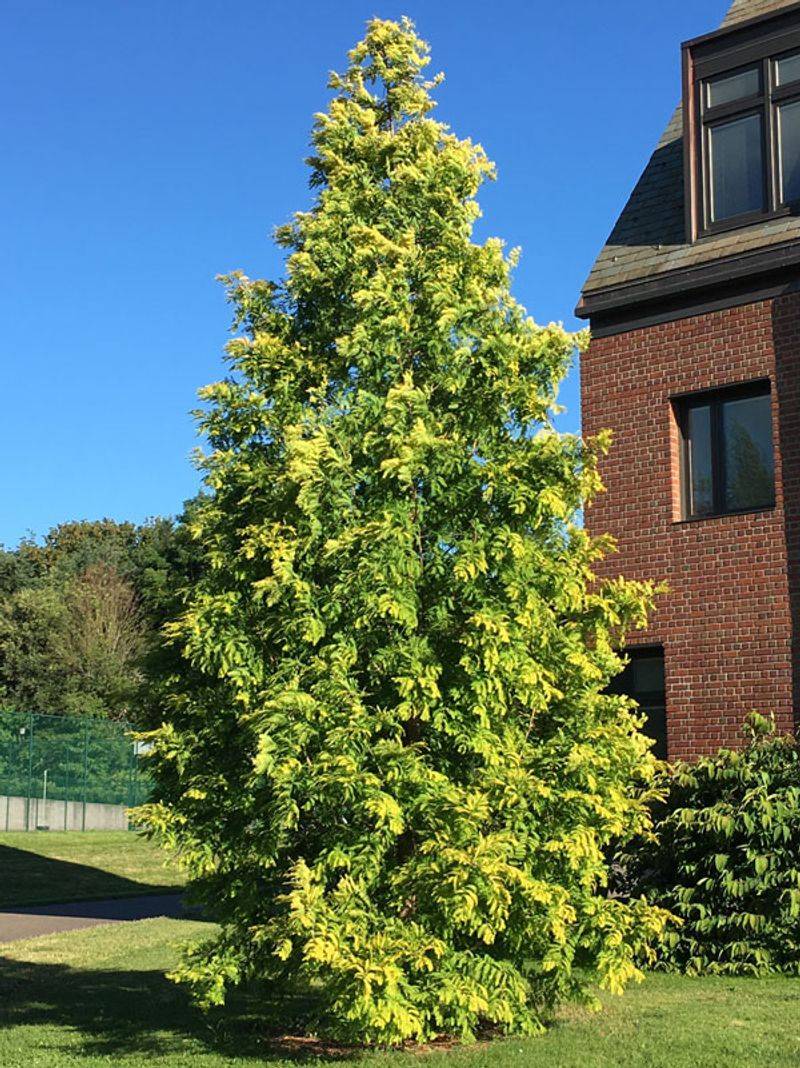
Scientists once believed Dawn Redwood was lost to time, known only from fossils. Then in 1944, a living grove was discovered in China, marking a significant botanical rediscovery.
That history makes planting one in your backyard feel notable. You are growing a tree with a documented botanical history dating back millions of years.
Dawn Redwood is deciduous, which surprises most people who expect conifers to stay green year-round. Right about now, the feathery needles turn a stunning copper-orange before dropping.
The spring emergence is equally dramatic, with soft lime-green needles flushing out quickly. Each season brings a completely different visual personality to your outdoor space.
Growth rate is impressive, often hitting two feet or more per year in good conditions. Within a decade, you will have a towering privacy screen that blocks wind and noise.
The trunk develops beautiful reddish-brown, furrowed bark as the tree matures. That texture adds visual depth and makes the tree look ancient and distinguished.
Dawn Redwood tolerates wet soils extremely well, making it ideal for low spots in the yard. It also handles urban conditions like air pollution and compacted soil with ease.
Plant it this November where it has room to grow tall and wide without interference. This prehistoric treasure makes for a distinctive addition to your neighborhood retreat.
4. Eastern White Pine
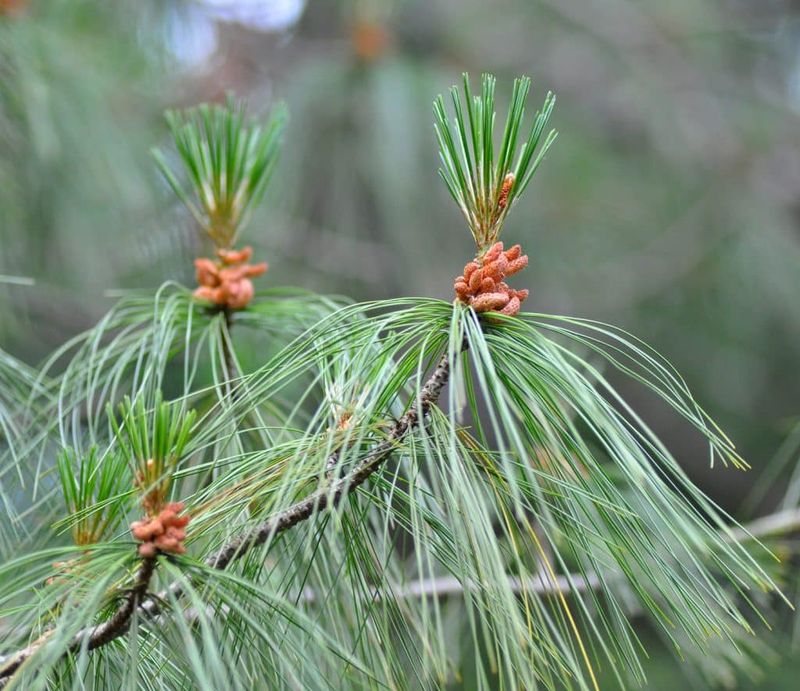
A wall of Eastern White Pine is a strong option for privacy screening between you and the outside world. These evergreens stay lush and full all year, which keeps views softened even in the bare months of winter.
Eastern White Pine is the tallest native pine in the eastern United States, typically reaching around 80 feet in home landscapes. It can grow taller over many decades, creating a towering green backdrop that transforms any yard.
The needles are long, soft, and bundled in groups of five. Running your fingers through a cluster feels surprisingly gentle, almost like touching a paintbrush.
Growth is fast for a pine, averaging two to three feet annually under ideal conditions. Plant a row of them and watch a natural fence appear within just a few years.
This pine tolerates wind reasonably well, though heavy snow and ice can break branches, so some shelter helps in very exposed spots. It flexes in moderate gusts, though severe storms can still damage the branches.
Eastern White Pine also provides valuable wildlife habitat, supporting a wide range of bird and insect species. Owls, warblers, and squirrels regularly nest and forage there.
The soft, whispering sound the wind makes through the long needles is genuinely relaxing. Many homeowners say it is the most peaceful sound in their entire yard.
Plant in full sun with well-drained, slightly acidic soil for the healthiest results. Eastern White Pine earns its place as the backbone of any New Jersey backyard retreat.
5. Red Maple
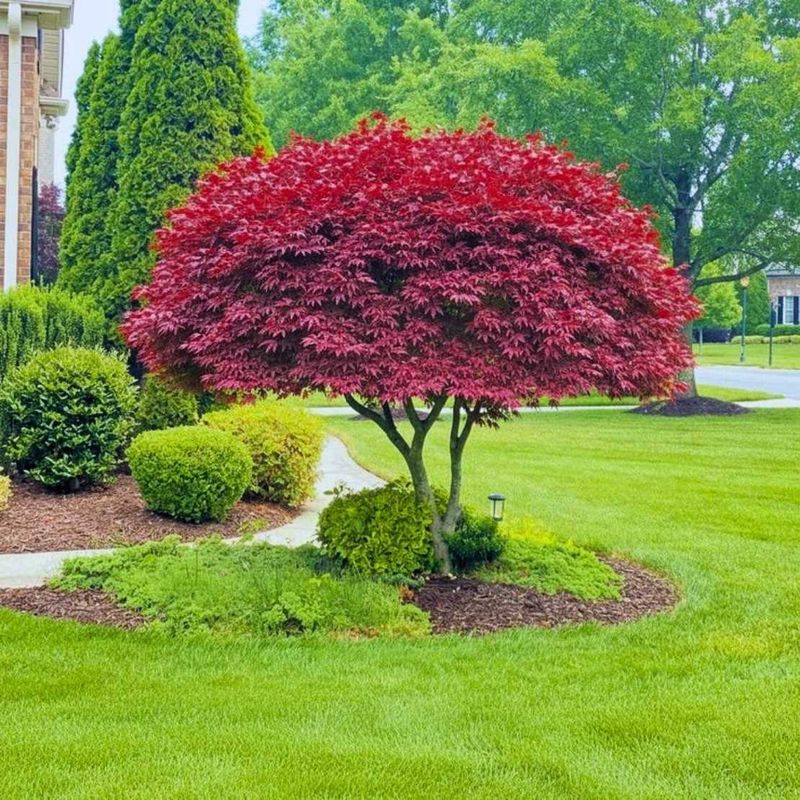
Red Maple earns its name twice over, first in spring with red flowers and again in fall with fiery scarlet leaves. Few trees deliver that kind of seasonal drama from a single planting.
Spring arrives early for this tree, with clusters of tiny red flowers appearing before the leaves even open. That early color is a welcome sign after a long gray winter.
Summer brings a dense, rounded canopy that creates deep, reliable shade. A hammock strung beneath it becomes the most popular spot in the whole backyard.
Fall color on Red Maple is among the most vivid in the entire plant kingdom. Shades shift from orange to deep red to burgundy, often all on the same tree at once.
Red Maple adapts to an impressive range of soil types, from dry upland slopes to wet lowlands. That flexibility makes it one of the most forgiving trees a homeowner can choose.
Growth rate runs about one to two feet per year, building canopy steadily without becoming unmanageable. You get size and presence without constant pruning.
Wildlife value is outstanding, with seeds feeding dozens of bird and small mammal species. The tree essentially runs a free buffet for local wildlife all season long.
Plant Red Maple this month where it gets at least six hours of sun daily for peak color next fall. This tree makes a strong focal point in a private backyard setting.
6. Serviceberry
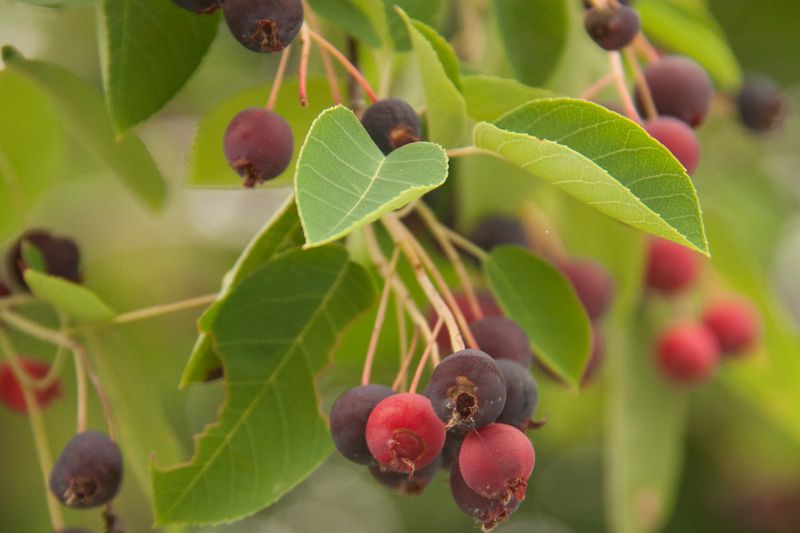
Serviceberry blooms before almost anything else wakes up in spring, offering clouds of white flowers when the landscape is still mostly brown. That early arrival feels like a personal gift after winter.
The berries that follow are edible, sweet, and absolutely beloved by birds. Robins, cedar waxwings, and catbirds will flock to your yard the moment those berries ripen.
Serviceberry works as either a small tree or a large multi-stemmed shrub. That flexibility makes it ideal for tight backyards where space is limited but impact still matters.
Smooth gray bark and a graceful branching structure give it year-round visual appeal. Even in January, it looks intentional and elegant standing against a snowy background.
Fall foliage shifts through orange, red, and deep burgundy, rivaling much larger trees. For a compact plant, the seasonal color punch it delivers is genuinely outsized.
Serviceberry tolerates partial shade, which makes it perfect for planting beneath taller trees. It fills in the mid-layer of your landscape without competing for sunlight.
Native to the Northeast, it requires almost no supplemental watering once established. Low maintenance and high reward is a combination every homeowner can appreciate.
Plant it this November near a window or seating area so you can watch the bird activity up close. Serviceberry turns your backyard into an appealing space for birdwatching and quiet observation.
7. London Planetree
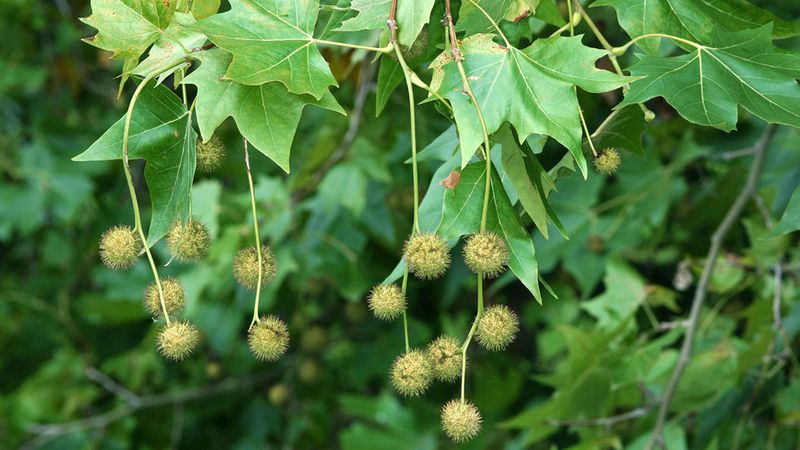
London Planetree has bark that looks like a camouflage painting, peeling away in patches of cream, olive, and tan. It is one of the most visually striking trunks in the entire tree world.
This tree adapted remarkably well to challenging urban conditions, and it delivers on that promise completely. Air pollution, compacted soil, and drought barely slow it down.
It performs best in central and southern New Jersey and along the shore. Gardeners in colder northwestern areas should confirm local hardiness before planting.
The canopy spreads wide and dense, creating cathedral-like shade over patios and lawn areas. Sitting beneath it on a hot afternoon feels noticeably cooler thanks to its dense canopy shade.
London Planetree grows fast, often adding one to two feet per year when young. That speed makes it one of the best choices for homeowners who want quick results.
The large, maple-shaped leaves create a bold, tropical feel that makes the yard look lush. Even a single tree can completely change the visual scale of an outdoor space.
Sycamore balls, the round seed clusters, dangle from branches through winter, adding texture. They make a satisfying crunching sound underfoot when they fall.
Pruning London Planetree is straightforward, and it responds well to shaping. You can train it to arch over a seating area or grow as a formal screen along a fence line.
Plant it this month where it has space to spread its wide canopy without restriction. London Planetree is a strong choice for making a visual impact in any New Jersey yard.
8. Katsura Tree
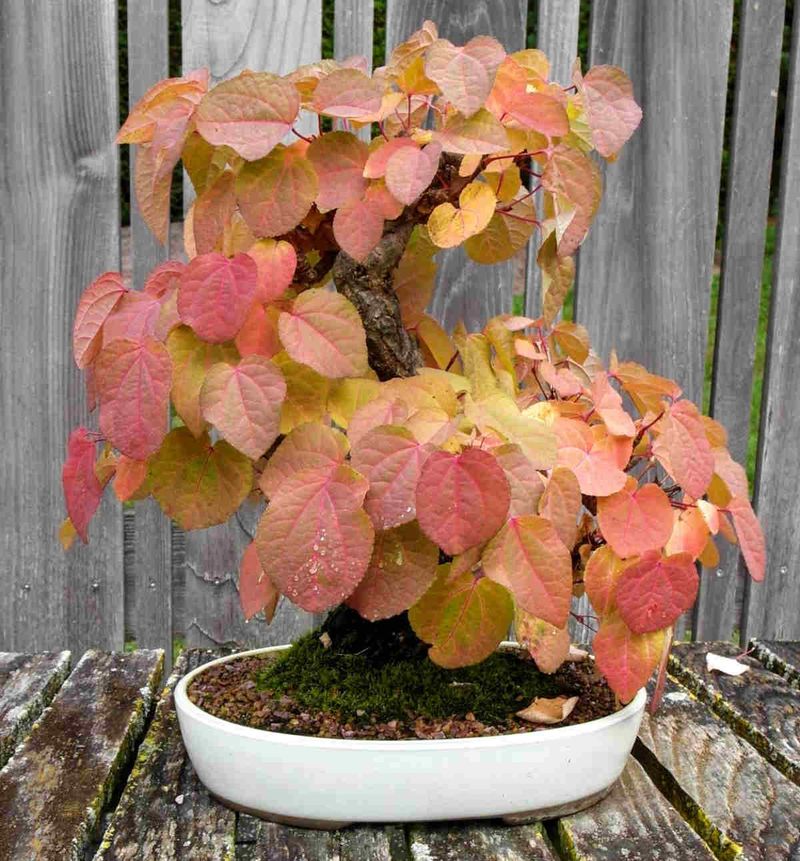
Katsura Tree smells like brown sugar and cinnamon in the fall, and that is not an exaggeration. As the heart-shaped leaves drop, they release a warm, sweet fragrance that fills the entire yard.
That scent alone makes it worth planting near a patio or outdoor seating area. Few sensory experiences in a home garden come close to that autumn sweetness.
Spring brings a flush of reddish-purple new growth that slowly transitions to blue-green through summer. The color journey across the seasons keeps things visually interesting from March through November.
Katsura Tree grows in a graceful, layered form with horizontal branching that looks almost architectural. It photographs beautifully and gives the yard a refined, Japanese garden aesthetic.
Growth rate is moderate, adding one to two feet per year in good conditions. It will not overwhelm smaller yards while still building meaningful size over time.
Fall color ranges from yellow to apricot to soft pink, depending on the individual tree. That variation makes every Katsura slightly unique, which adds to its charm.
It prefers moist, well-drained soil and does best with some afternoon shade in hot climates. Water it well before the ground freezes, and keep moisture consistent during the first two years so the roots establish strongly.
Plant Katsura Tree this November where you will actually spend time outdoors and enjoy that legendary scent. Among all the New Jersey trees on this list, this one offers one of the more distinctive sensory experiences.